The Wrong Stuff
A friend writes from Northern California:
A few people who're still alive might remember a time when it was almost normal for people to live in hotels. Walking the downtown streets of Stockton, you’d have thought the whole burg was nothing but a bunch of hotels and bars. Out of one, into the other. I used to manage The Old Owl, a Single Room Occupancy dive.
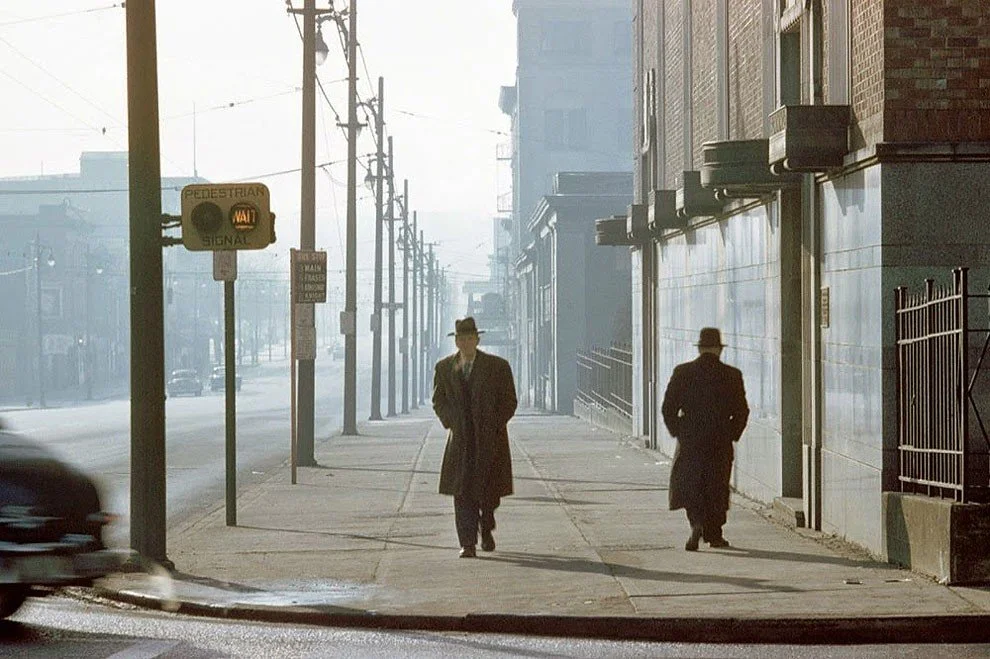
Downtown Stockton in mid-winter, a long time ago.
For many years after WW2, the guests were mostly migrant farm workers and alcoholics . Low-ranked boxers and washed-up palookas also drifted in to fight or drink, drink and fight, drink and watch others fight. Boxers who won paid for their rooms and got drunk. They'd sneak drunk women upstairs with them, or other drunk men.
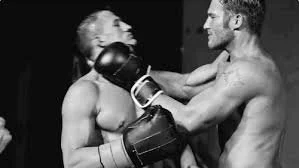
Fight and drink and fuck. Live and die.
Boxers who lost got drunk and didn't pay. They stayed in their rooms with their bottles. Weeps and moans echoed down into the lobby. When they'd head to the bathroom down the hall. I'd go up and padlock their doors. We kept their stuff, worthless to anyone but themselves, until they came back with what they owed.
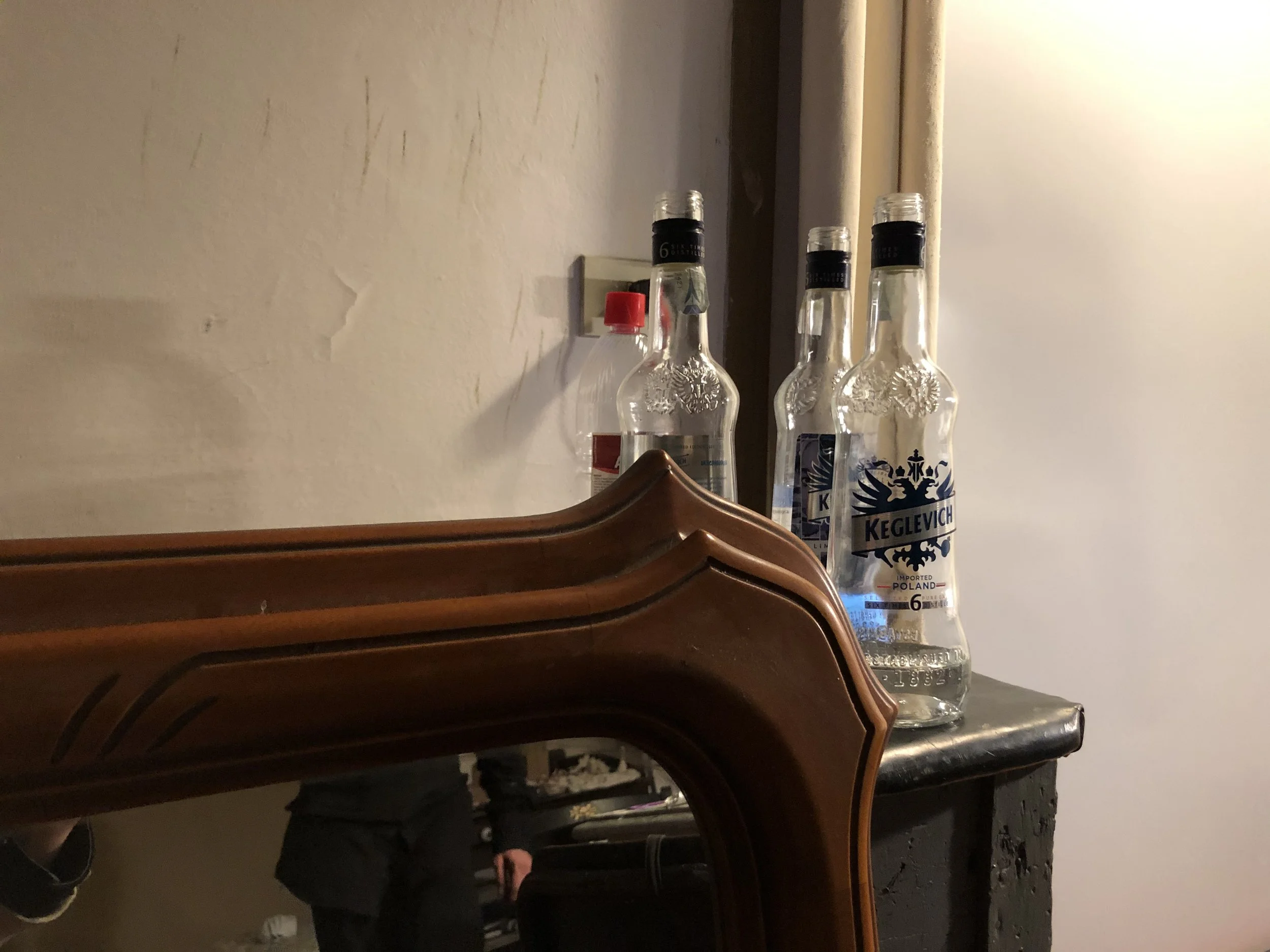
You get back your booze when you pay for your room, punchy.
There was a spring-loaded blackjack in a drawer under the reception desk for use on pugs who hadn't had the belligerence beaten out of them yet.
Some of the fighters came back and paid to get back their stuff. How they got the money was their business.
What was in those abandoned cardboard suitcases? Sweaters, mostly. Nice, soft ones you'd want to put on after you got your feelings and everything else hurt in the ring. Good luck charms like rabbits’ feet, also soft. Pictures of women and men with words scribbled on, the ink partially wiped away by the miles and hours passed on the buses.
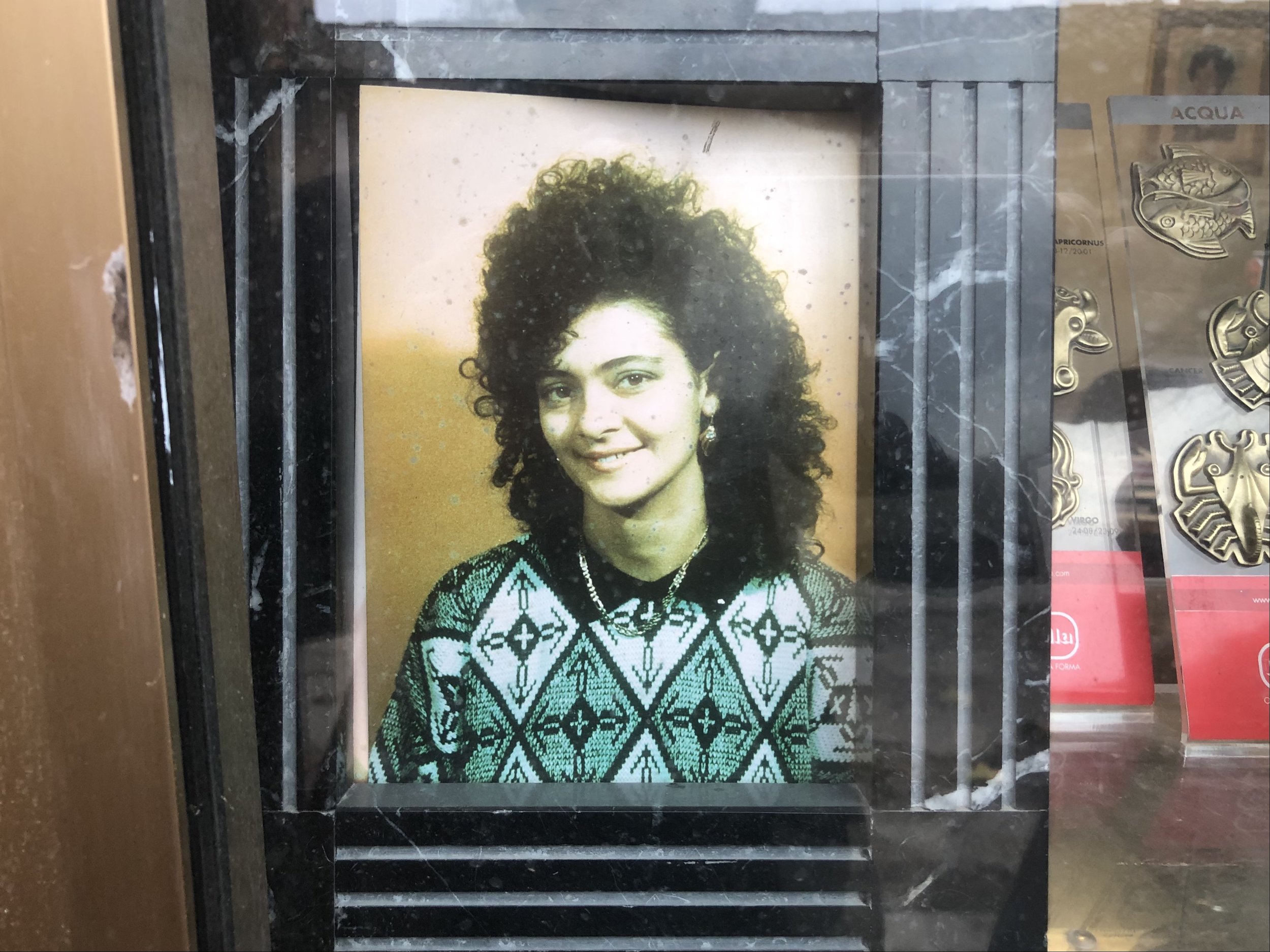
Bring your sweetness home…
None of which came with me when I retired from my job at The Old Owl and headed south, on the bus. Maybe the town turned that collection into a sad museum, who knows? And who cares?
***
La roba sbagliata
Un amico ci scrive dalla California del nord:
Poche persone ancora in vita si ricordano un tempo in cui era quasi normale vivere in hotel. Camminando per il centro di Stockton si poteva credere che la città era composta interamente da alberghi e bar. Si usciva dagli uni per entrare negli altri. A quei tempi lavoravo all’Old Owl Hotel, una stamberga di sole stanze singole.
Per molti anni dopo la guerra ospitavamo più che altro braccianti migranti e alcolisti. Passavano anche pugili di seconda o terza categoria, ex picchiatori suonati, che venivano in città per fare a pugni e bere, o bere e litigare, o bere e guardare altri che si menavano. I pugili che vincevano si pagavano la camera e poi si ubriacavano. Di sottecchi portavano di sopra donne alticce, o altri uomini ebbri.
Vivere picchiare bere scopare crepare.
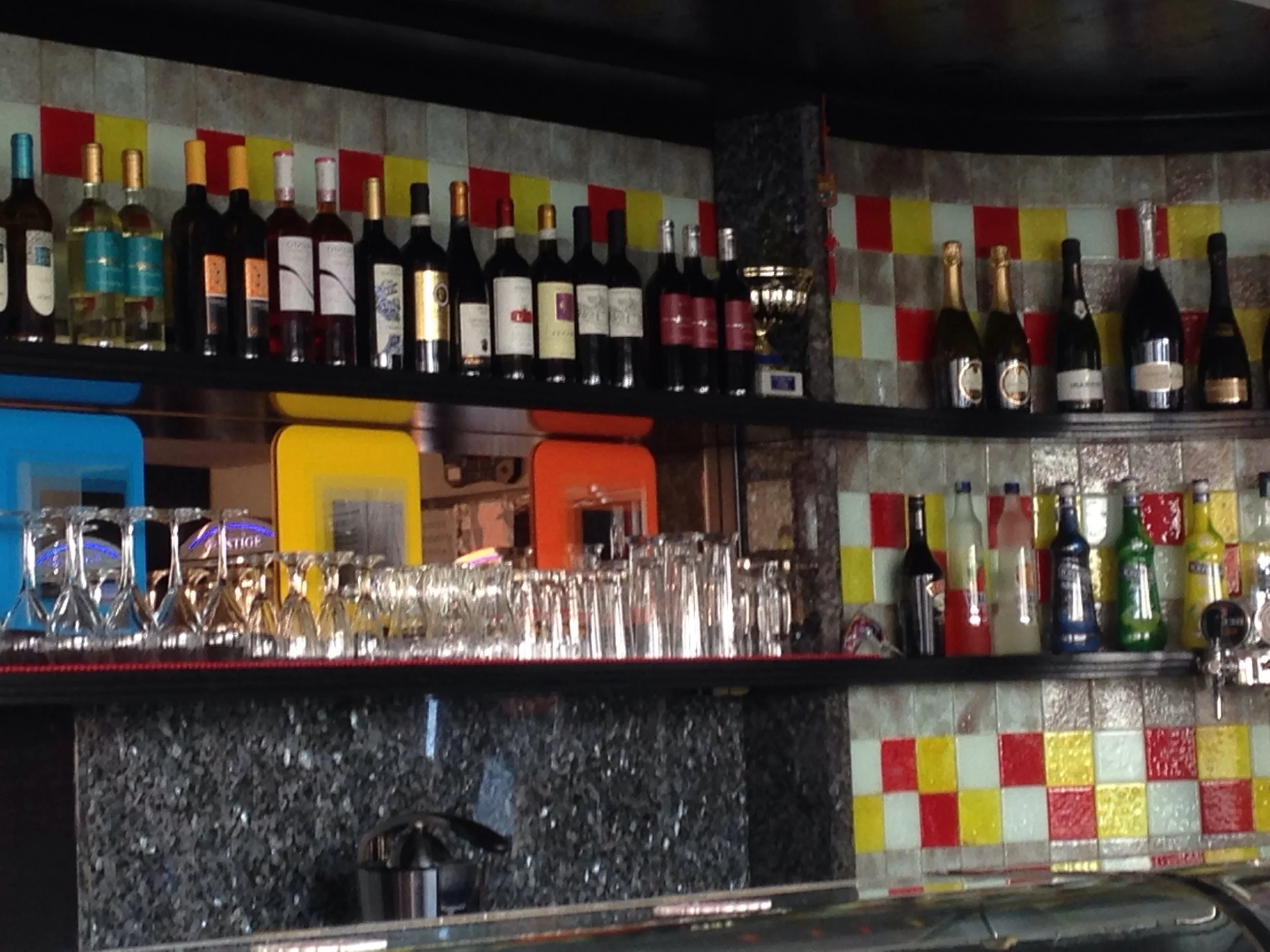
Fuori dall’Old Owl c’era questo bar.
Pugili che perdevano si ubriacavano e non pagavano. Restavano di sopra con le loro bottiglie. Pianti e mugugni echeggiavano fin sotto alla hall. Aspettavo il momento in cui andavano nel bagno in fondo al corridoio per correre di sopra e mettere un lucchetto sulla porta. Ci tenevamo la loro roba finché non tornavano per pagare ciò che dovevano.
Tenevo uno sfollagente in un cassetto sotto il banco dell'accoglienza per quei sacconi da pugni a cui la belligeranza non era ancora stata rimossa a cazzotti.
Alcuni tornavano e pagavano per riavere la loro paccottiglia. Come si erano procurati i soldi era affare loro.
Rivuoi la tua roba, amico? Allora devi pagare.
Cosa contenevano quelle valigie di cartone abbandonate? Maglioni, più che altro. Caldi e morbidi che sarebbe bello sentirsi addosso dopo essere stato umiliato e danneggiato nel ring. C'erano anche amuleti portafortuna tipo zampe di coniglio, anch'esse morbide e calde. Fotografie di donne e uomini con delle parole scritte, l'inchiostro sbiadito e smussato dalle distanze e ore passate sulle corriere.
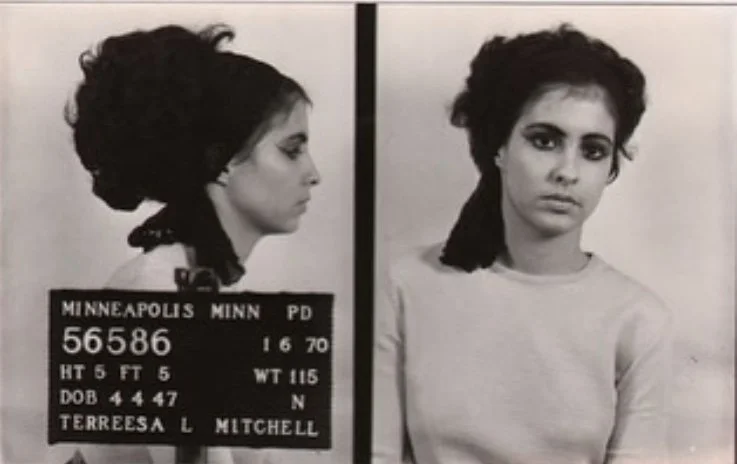
Torna a casa, dolcezza.
Non mi sono portato via nulla di quella roba quando mi sono licenziato dall'Old Owl per spostarmi a sud. Forse il municipio l’ha messa in un triste museo, chi lo sa. E chi se ne frega.