
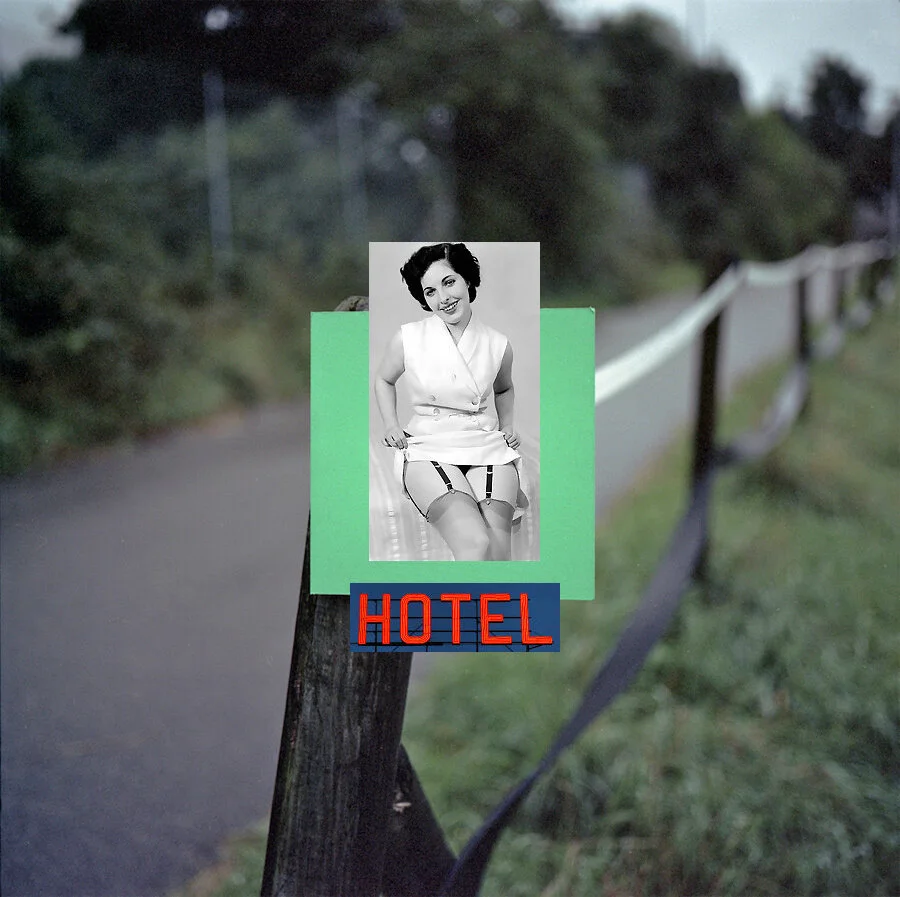
Waiting for a Sign

The sign that had long flashed “Kranepool” to the world at night finally frazzed out. Incandescent bulbs have warmth, but they don’t last.
Management didn’t know what to do.

“Let’s go retro,” said the Manager named Arbogast.
“We already did that,” the Unnamable Manager said.

“Let’s re-examine the possibilities of holograms,” said the Manager named Umney.
“Too Blade Runner.”

“Let’s hire an advertising agency.”
“Let’s copy whatever they’re doing in Kyoto.”
“Too expensive. Too emulative.” The Unnamable Manager rose and went to the Conference Room’s big window, which faced the dead, partially burnt sign of their Hotel. “We must boldly go where no hotel has gone before, as far as signage is concerned.” He massaged his chin. He snapped his fingers. “Let’s get the Night Porter to dream up a new sign.”

“Why not the Janitor?” said the Manageress nicknamed Biff. “She’d be more PC.”
“Too Putney Swope.” The Unnamable loosened his tie and undid the top button of his dazzling white shirt. A screaming skull tattoo was revealed. “Night Porter. Get him. Bring him to me.”
The other managers went, immediately. They flung the Night Porter down before The Unnamable.
The brief was simple: make a sign, make it new, and make it matter. The reward: you won’t be fired, for now.

The Night Porter withdrew pencil and eraser from the Reception Desk’s top drawer. He pulled some paper from the recycling bin and got busy.
Madame Ozmya, the Kranepool’s resident psychic, appeared in the lobby. She asked, what gives? The Night Porter explained.
“The best signs,” Madame Ozmya said, “come from the stars.”
“Movie stars?”
“You spend too much time indoors. Let’s go outside and look at the night sky.”
There was hardly any smog that evening.

***
Alla ricerca di un segno
L’insegna che per tanti anni aveva lampeggiato “Kranepool” verso il mondo notturno si spense. Le lampadine incandescenti sono calorose, ma non durano in eterno.
La Gestione non sapeva cosa fare.

“Propongo un nuovo look vintage,” disse Manager Arbogast.
“L’abbiamo già fatto.”

“Potremmo riesaminare le possibilità dell’ologramma,” disse Manager Umney.
“Troppo Blade Runner.”

“Ingaggiamo un’agenzia pubblicitaria.”
“Copiamo ciò che fanno a Kyoto.”
“Troppo costoso. Troppo emulativo.” Il Manager Innominabile si alzò e andò al finestrone della sala conferenze, che dava sull’insegna morta e parzialmente carbonizzata del loro Hotel. “Dobbiamo prendere una nuova direzione, per quanto riguarda la semiotica alberghiera.” Si massaggiò il mento. Fece schioccare le dita. “Affidiamo il progetto al portiere di notte.”
“Io lo darei invece alla bidella,” disse la Manager detta Biff. “Sarebbe più politically correct.”
“Anche troppo.” L’Innominabile si snodò la cravatta e sbottonò la camicia, rivelando un tatuaggio raffigurante un teschio urlante. “Il portiere di notte. Prendetelo. Portatelo da me.”
Andarono. Presero il portiere di notte e lo scaraventarono a terra davanti all’Innominabile.

Il progetto era semplice: fare un’insegna, farla nuova, e fare che colpisca. La ricompensa: non verrai licenziato, per ora.
Il portiere di notte aprì il cassetto sotto il banco della reception e ne tirò fuori matita e gomma. Prese dei fogli di carta dal cestino e si mise all’opera.
Madame Ozmya, la veggente, apparve nella hall. “Perché sei così agitato?”
Lui le spiegò la cosa.
“I segni più credibili,” disse Madame O, “giungono dalle stelle.”
“Del cinema?”
“Passi troppo tempo al chiuso. Usciamo nel parcheggio a dare un’occhiata al cielo.”
Non c’era quasi smog quella sera.

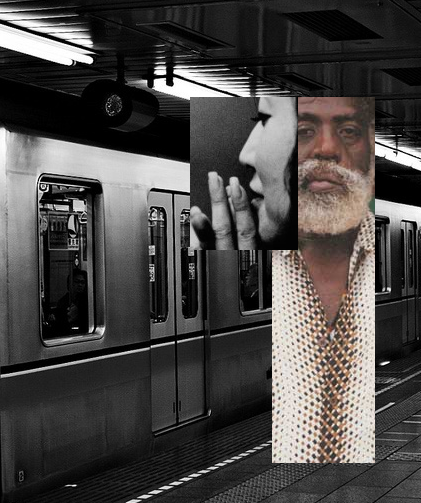
Twin Soul Hotels

The Night Porter saw a shadow move on the security camera monitor. He froze the feed from the 16th floor. A slim figure wandered down the hall, peering in at the security peepholes on the doors as she went along, as though searching for something or someone.
The wall-to-wall carpet showed through her see-through clothes and her wispy body.

‘This is no ordinary paying guest,’ the Night Porter thought. ‘She seems lost. Really lost. Time to investigate.’
He took the stairs, since the elevators at the Kranepool are hardly silent.
When he emerged from the stairwell, the wraith stood with her forehead against the ice machine, as if she meant to give it a piece of her mind.
“Uh, ‘scuse me, miss,” the Night Porter said. “Have you lost something?”

She turned and looked down the intimately-lit hall. Her eyes had no irises or pupils. The Night Porter froze.
“How’d you know?” she said.

The Night Porter pointed at the roving, blinking security camera on its swivel-platform in the corner. “May I help you find whatever it is you’re looking for?”
“You know, I don’t think you can. The loss occurred before I was born, and that was quite a while ago. I can’t stop looking, though. No matter how badly I want to. Because I know I’ll never find my other half. But still the night makes me wander from hotel to hotel.”

“Why hotels?”
“Can’t stay for free. Not anywhere. Gotta pay. For everything.”
She looked into his eyes, somehow. “You’re not one of us,” she said. “You were always alone.”
Then she was gone.
Back downstairs at the reception desk, the Night Porter covered the security monitor with a newspaper. He did this every night he was on duty for the rest of his career at the Kranepool.

***
Alberghi delle anime gemelle
Sul monitor di video-sorveglianza si muoveva un’ombra. Il portiere di notte bloccò la telecamera del sedicesimo piano. Una sagoma in minigonna vagava per il corridoio, fermandosi per guardare dentro gli spioncini di sicurezza come se cercasse qualcosa o qualcuno.
Attraverso i suoi vestiti trasparenti e il suo esile corpo si intravedeva la moquette.

‘Questa non è una tipica ospite pagante,’ pensò il portiere di notte. ‘Sembra essersi persa seriamente. Meglio indagare.’
Salì per le scale. Gli ascensori del Kranepool non sono proprio silenziosi.
Quando emerse dalla tromba delle scale, lo spettro aveva la fronte poggiata sulla macchina del ghiaccio, come se ci volesse entrare in comunicazione telepatica.

“Ehm, scusi, signorina. Ha perso qualcosa?”
Lei si girò e guardò lungo il corridoio intimamente illuminato. I suoi occhi non avevano iridi né pupille. Il portiere di notte si sentì gelare il sangue.
“Come hai fatto a saperlo?” disse lei.

Il portiere di notte indicò la telecamera itinerante con la spia che scattava a intermittenza nell’angolo in alto. “Posso aiutarti a trovare ciò che cerchi?”
“Non credo. La perdita è avvenuta prima che nascessi, e da allora sono passati lustri. Non posso smettere di cercare, per quanto lo vorrei. Perché so che non troverò mai l’altra metà di me. Ma la notte mi sospinge a vagare da hotel a hotel.”
“Perché solo gli hotel?”

“Non possiamo sostare gratis da nessuna parte. Bisogna pagare. Tutto. Sempre”
In qualche modo lo guardò negli occhi. “Non sei come noi,” disse. “Sei nato solo.”
Poi non c’era più.
Giù al banco della reception, il portiere di notte coprì il monitor di sicurezza con un giornale. Fece così per il resto della sua carriera al Kranepool.

The Mutant Hotel
Hotels are like prostitution for women, or the Foreign Legion for men. Anyone who wants to can come on in. Not this place.

“Some hotels have a No Pets policy,” the Mutant Hotel’s manager says. “There might be establishments that don’t allow children, I’m not sure. But our hotel is firmly founded on a No Norms policy.”
(n.b. “norms” is the mutant slur on non-mutants)

“Everyone used to look at us funny whenever we checked into a norm hotel,” says a client who currently spends holidays at The Mutant. “And I always felt like they assigned us rooms that were out of the way, so the other guests wouldn’t have to come into contact with, or even see us.”

“One receptionist told the bellboy to escort us to our suite in the service elevator,” says another Mutant regular. “The bellboy was a mute (n.b. “mute” is the mutant term for fellow-mutants). As soon as the elevator door rolled shut, he handed us a card. ‘Stay here, next time,’ he said. ‘A nice place for people like us.’ And that was that. Never stayed at a norm fleabag again.”

The Mutant Hotel is unlike its extraordinary guests. The rooms, room service, adult movies on in-house TV, shoe-polish machine by the elevators, swimming pool, bar/restaurant, and revolving rooftop terrace are all standard. There’s no neon sign in sight, however. Mutants in the know, go.

***
Hotel Mutant
Gli hotel sono l’equivalente della prostituzione per le donne o della Legione Straniera per gli uomini. Chi vuole, può entrare. Non in questo hotel.

“Alcuni hotel non ammettono animali domestici,” dice il manager del Mutant Hotel. “Forse ce ne sono che non ospitano bambini, non so. Ma il nostro esercizio si basa su una politica anti-normi.”
(n.d.r. “normi” è il termine spregiativo dei mutanti per gli esseri umani detti “normali”.)
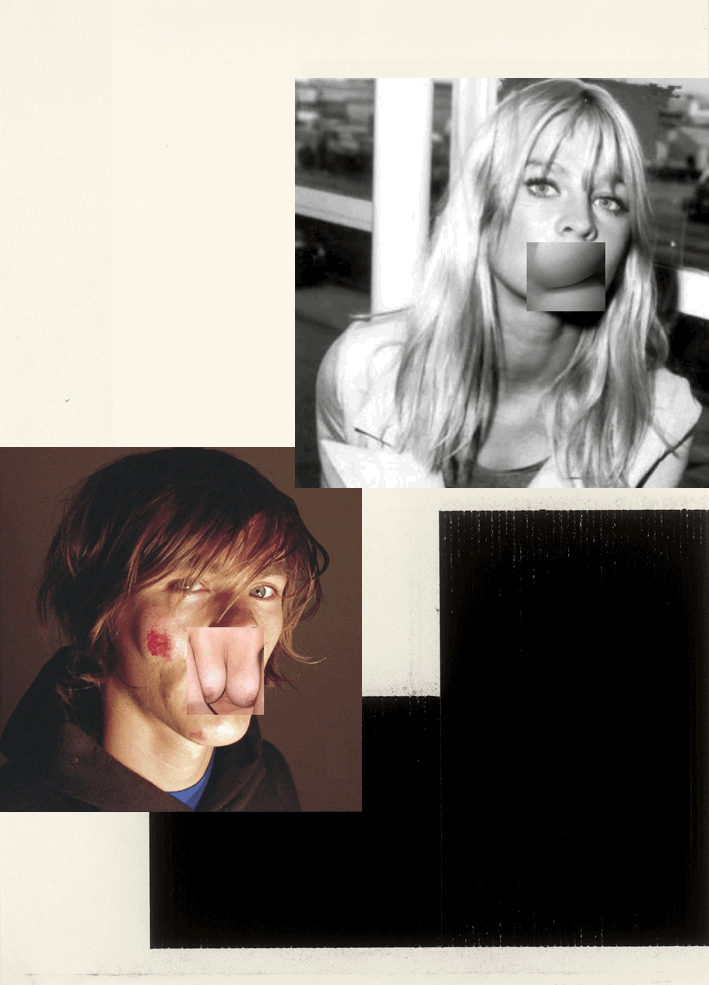
“Ci guardavano strano quando facevamo il check-in a un hotel normo,” dice un ospite che suole passare le vacanze al Mutant Hotel. “E mi sembrava che ci assegnassero stanze fuori mano, di modo che gli altri ospiti non dovessero avere contatto con noi, o nemmeno vederci.”

“Un reception ci fece scortare alla suite nell’ascensore di servizio,” dice un altro assiduo cliente del Mutant. “Il facchino era un muto (n.d.r. il termine mutante per altri mutanti.) Ci porse un biglietto. ‘La prossima volta, andate lì,’ disse. ‘Un posto bello per chi è come noi.’ Così facemmo. Non abbiamo mai più messo piede in una stamberga norma.”

L’Hotel Mutant, a differenza dei suoi graditi ospiti, è piuttosto alla norma: suite, servizio in camera, film per soli adulti su richiesta, macchinetta lustrascarpe accanto all’ascensore, piscina, ristorante-bar, terrazza girevole. Nessuna insegna al neon, però. I mutanti che sanno, ci vanno.

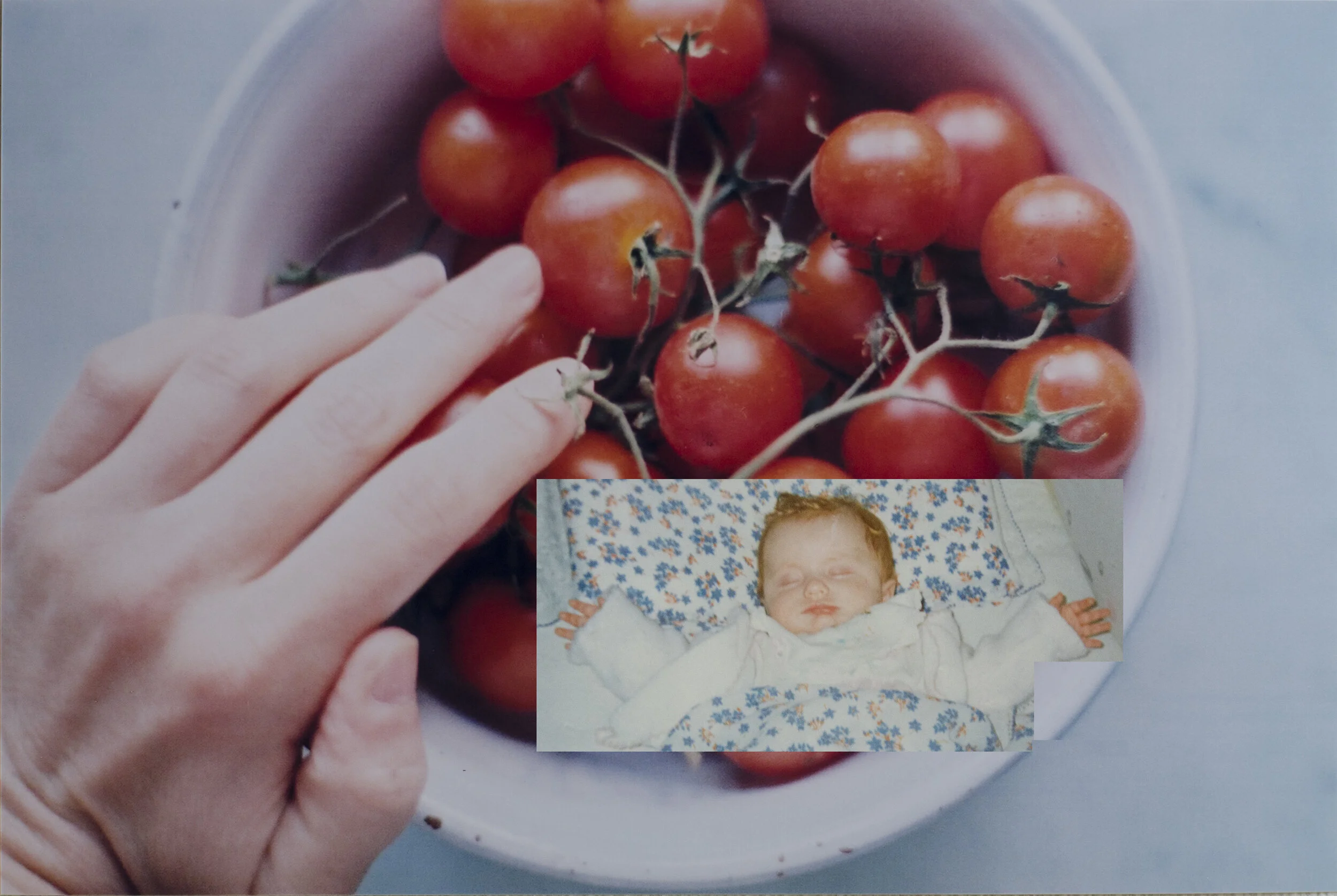
Weetzie: una vita in copertina, una pensione in hotel

Il glamour è un mestiere sporco. Ti cospargono di trucco unto e polveri, ti plasmano addosso gli stracci e ti spingono sotto una luce abbagliante. Muoviti, dice l’uomo dietro l’obbiettivo.


Mi muovo e come. Da spiaggia a spiaggia, da stanza bianca a stanza bianca, da hotel a hotel a hotel. Le altre ragazze lavorano perché vogliono comprarsi una casa dove potranno stare ferme quando le macchine fotografiche e le pagine patinate avranno finito con loro. Una casa col salotto soleggiato, una poltrona comoda e un giardinetto fuori. Non lontano dalla spiaggia.


Non fa per me. Faccio la modella perché mi piacciono gli alberghi. L’unica cosa che non mi piace degli alberghi è il dover pagare. Agli obbiettivi e alla carta patinata piacciono il mio look e come mi muovo, quindi a me la stanza e a loro il conto. Contenti tutti.

“Ora dammi uno sguardo sexy,” dice il fotografo. “Dammi gli occhi, le labbra… dammi tutto.” Come in un film porno a scatti. E io glielo do.

Ciò che mi piace di più delle stanze d’albergo è che sono vuote. I fotografi devono riempire le inquadrature, i redattori devono riempire le pagine di pubblicità. Le modelle devono coprire d’inchiostro i loro calendari per non sentirsi già morte. Guardo dentro stanze sconosciute e vedo letti fatti, docce pulite e panorami di metropoli, spiagge, giungle.

Quando smetterà di squillare il telefono, voglio fondare un albergo. Un posto senza reception, né parcheggio, né ristorante-bar: solo stanze vuote con letti fatti e docce pulite. Forse una piscina, se qualcuno si offrirà di pulirla. L’insegna al neon sarà una muta ovale arancione nel cielo notturno.

***
Cover to Cover, Hotel to Hotel: Weetzie’s Model Life

Glamour is a dirty business. Shadowy beings slather on the paint and powder, pin on the rags and shove you into the hot light. Move, says the man behind the lens.

Move is right: beach to beach, white room to white room, hotel to hotel to hotel. The girls work hard, so they can buy a place to stay put when the people behind the lenses and the advertising pages are done with them. A house with a sunny living room with a comfortable armchair and a little garden just outside where they can putter away into old age and whatever comes after that. Not too far from the beach.

That’s not for me. I got into the modeling racket because I like hotels. The only thing I don’t like about hotels is the bill. Camera lenses and glossy paper like the way I look, the way I move. So I get the room, and they get the bill. Everybody’s happy.

“Gimme a sexy look,” the photographer says. “Gimme your eyes, your lips…gimme everything you got.” Like a porno film in flip-book format. I always give them what they want.

What I like most about hotel rooms is their emptiness. Photographers gotta fill their frames. Magazine editors sweat over unsold ad pages. Models look at unmarked calendars and feel like they’re already dead. I look into a strange chamber and see a made bed, a clean shower stall and a view of a hard-working city, or a stretch of white sand and waves, or a lush jungle of palms and cactus.

When the phone stops ringing, as one day it must, I want to open a hotel somewhere. A place with no reception desk , no parking lot, no bar and grille, just a lot of empty rooms with made beds and clean shower stalls. Maybe a swimming pool, if someone will volunteer to clean it. The neon sign will blaze a wordless orange oval into the night.

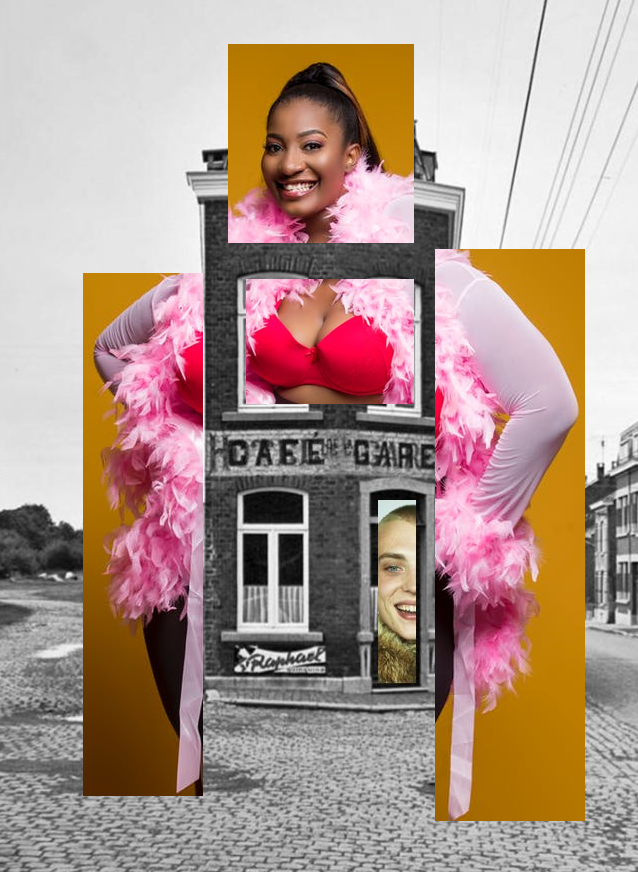
The Architect of Hotels

OAD, Herteofore and Hereafter
The world became a drearier place when the 20th century’s Tiresias went underground for the last time. That pandrogynous person produced jarring music. The torch was passed to a gender-liquid human who causes unsettling structures to rise from the earth. Although OAD’s design for Hotel Kranepool Liège wasn’t selected, the jury’s heads were irrevocably turned. OAD (pronounced, owed) presents the possibility of a flat world inhabited by sprites from happier times.

View of Facade Y
Hotel Kranepool: Your design for HKL was unusual, especially in that the structure proposed isn’t intended for human occupation. This jibes with Kranepudlian mind, but the design contest was launched for practical purposes, to promote reverse tourism to The City that Beauty Forgot. What were you thinking?
OAD: Ugliness is everywhere undervalued. Travelers go to purportedly beautiful places, exhaust themselves in the consumption of sights, stand in line with fellow-tourists, over-pay to be despised and abominably treated by the natives. A town where, let’s face it, there ain’t much to see, is where my design comes to life.

Alternate renderings of the Sonic Pool Cabana
HK: The hotel you designed is two-dimensional.
OAD: Yeah, you see I work on a computer. You sorta have to, these days. Mechanical pencils and blueprint paper may live in the past, but I refuse to adapt to fashionable programs. You could call this “appropriation architecture”, like in the art world.

Observation Towers, with Rotating Bars
HK: PC, in this case, doesn’t stand for Personal Computer. We’ve had complaints about the T&A, and requests for more male nudes.
OAD: The traditional female form is just more hotel-ish. A personal preference too, I suppose. The message of the Liège Kranepool is, “Hey, if you don’t like it, go stay at a regular joint with oatmeal art on the walls and rooms you can actually sleep in, or whatever you usually do in hotel rooms.”

Staff-Only Laundry Facilities
HK: What’s your vision of Hell?
OAD: It’s pretty homey: blues on the jukebox, Mexican food in the Bar & Grille, and the rooms are peep-show booths, big enough so you can lie or sit down, if you want to. You don’t have to pay, or check out by 11, and it’s always warm.
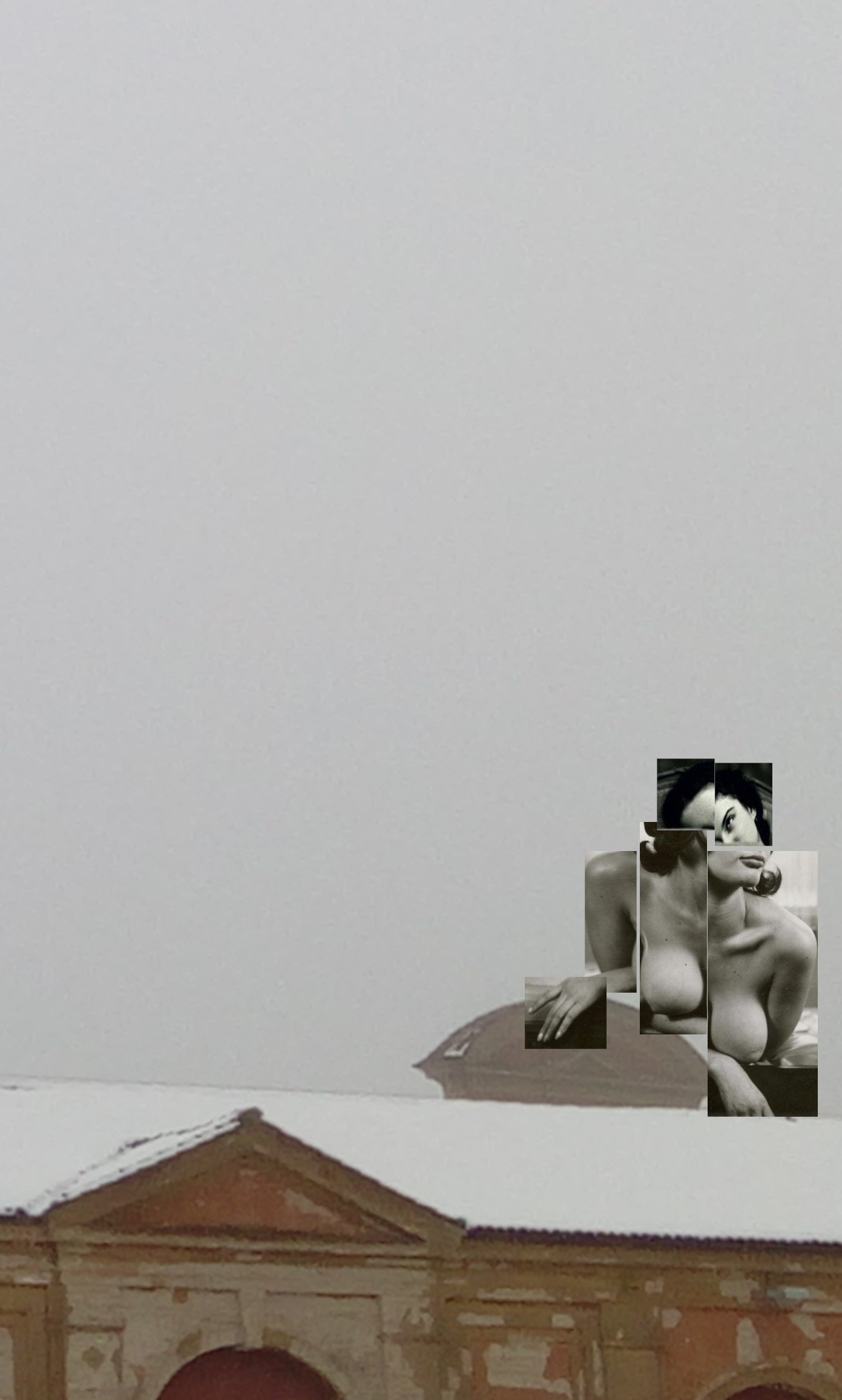
Reverse Tourism Sauna Salon (winter)
***
L’architetto di hotel

Sala Pranzo (dettaglio)
Il mondo è più noioso da quando il Tiresia del ventesimo secolo non c’è più. Quella persona pandrogina, che in vita produsse musica alienante, ha passato la torcia a una persona di genere liquido che innalza strutture sconcertanti dalla terra. Sebbene il progetto di OAD per Hotel Kranepool Liegi non venne selezionato, ha girato irrevocabilmente le teste della giuria. OAD (n.d.r si pronuncia òhd) propone un mondo piatto abitato dagli spiriti di tempi più allegri.

Alcune planimetrie del Bagno Privato sul fiume Mosa
Hotel Kranepool: Il tuo progetto per HKL è per una struttura non idonea all’essere occupata da umani. Ciò è in linea con la mentalità kranepooliana, ma il concorso nasce con uno scopo pratico: promuovere turismo al rovescio alla città dimenticata dalla bellezza. Cosa ti è passato per la testa?
OAD: La bruttura è ovunque sottovalutata. La gente viaggia verso luoghi stimati belli e si sfinisce nel consumarne le attrazioni. Fanno la fila con i loro simili, pagano troppo per essere scherniti e maltrattati dagli autoctoni. In una città dove, ammettiamolo, c’è poco da ammirare, il mio progetto trova respiro.

Una Suite adibita a studio pittorico
HK: L’hotel che hai progettato è bi-dimensionale.
OAD: Yeah, lavoro al computer, come tutti. Matite meccaniche e planimetrie saranno roba del passato, però mi rifiuto di adeguarmi a programmi informatici alla moda. La si può pensare come un’architettura dell’appropriazione.

Progetto per la Sala Conferenze
HK: PC, nel tuo caso, non significa personal computer. Abbiamo avuto reclami da graditi ospiti che considerano eccessivo il livello di TC, cioè tette e culi. Abbiamo avuto anche delle richieste di parità, cioè per più nudi maschili.
OAD: La tradizionale forma femminile è più hoteliera. Sarà anche una mia preferenza personale, chissà. Rispondo, ‘se non ti piace, vai ad alloggiare in un posto con arte dozzinale alle pareti e stanze nelle quali si può dormire, o fare ciò che si suol fare nelle camere d’albergo.’

Spazio Picnic Intramurale (concetto A)

Spazio Picnic Intramurale (concetto B)
HK: Come vedi l’inferno?
OAD: Un posto alla buona: blues sul jukebox, cibo messicano al Bar & Grill, e le stanze sono cabine di sexy shop, abbastanza grandi da potersi sedere o sdraiare, se si vuole. Non devi pagare, né sloggiare alle undici, e il riscaldamento è sempre al massimo.

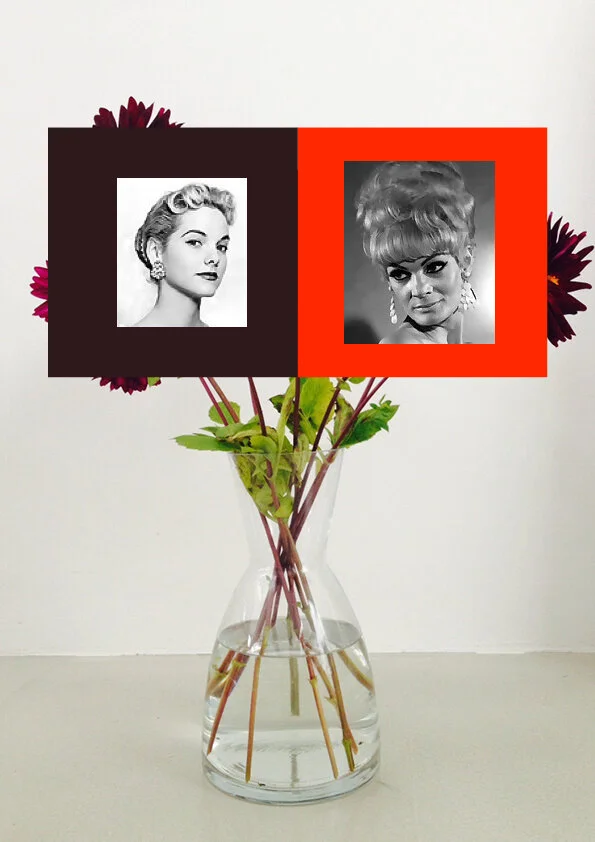
The View from the Kranepool

Ossian Blvd., as seen from the Kranepool Bar & Grille.
All the Suites at Hotel Kranepool are rooms with views.

Entrance to the Bombshell Ballroom, a block or two away from Hotel Kranepool, visible from the Rotating Terrace.
Guests of all shapes and sizes arrive from around the globe, and they bring their different perspectives with them.

Minimal Fleshpot, the Kranepool’s friendly neighborhood art gallery. Fred the Security Guard, at his post.
Some guests request suites that have been formerly occupied by their favorite celebrities. They’d like to see the views their stars saw. Traces of stardust left on the myriad windowsills might rub off on them.

Detail of the Edward Gorey Suite, a popular favorite among opera fans.
Come on a tour of the world as seen from Hotel Kranepool. Each floor a separate continent, each suite its own country, every globetrotting guest an honorary citizen for a night or two. Or forever.

A long look down Potto Street, from the Kranepool’s Service Entrance.
You can check out any time you like, as long as it’s before 11 a.m. But once you’ve stayed at the Kranepool, part (or parts) of you will always remain there.

Bayonne Barby, undefeated Roller Derby champ, spent her sunset years working as a chambermaid at Hotel Kranepool. Suite Double D is named in her memory.
***
Suite con vista, al Kranepool

Uno scorcio di Avenida de las Victimas, visto dalla Sala da Thè del Kranepool.
Tutte le suite di Hotel Kranepool sono camere con vista. Graditi ospiti di svariate forme arrivano da ogni parte del pianeta, e portano con sé le loro diverse prospettive.

Due sistemazioni del Bunker, la Suite sotterranea gettonata dalle coppie in luna di miele.
Alcuni graditi ospiti prenotano le suite dove soggiornarono i loro VIP di riferimento. Vorrebbero vedere gli stessi panorami che hanno visto le stelle. Non si sa mai: tracce di polvere di stelle rimaste sui davanzali potrebbero restargli appiccicate.

Le famose nicchie finestrate della Red Rùm.
Venite a fare un giro del mondo, visto da Hotel Kranepool. Ogni piano è un continente a parte, ogni suite una nazione indipendente, ogni gradito viaggiatore ospite un cittadino onorario, almeno per una o due notti. O per l’eternità.

La galleria d’arte Che Tempo Fa?, vista dall’alto, con alcuni graditi ospiti intenditori dell’arte contemporanea.
Puoi effettuare il checkout quando vuoi, basta che sia prima delle undici del mattino. Ma una volta che hai pernottato al Kranepool, parte (o parti) di te vi resteranno per sempre.

Uno sguardo nostalgico su Via del Tramonto, dal garage retrostante Hotel Kranepool.
Hotel School Dropouts

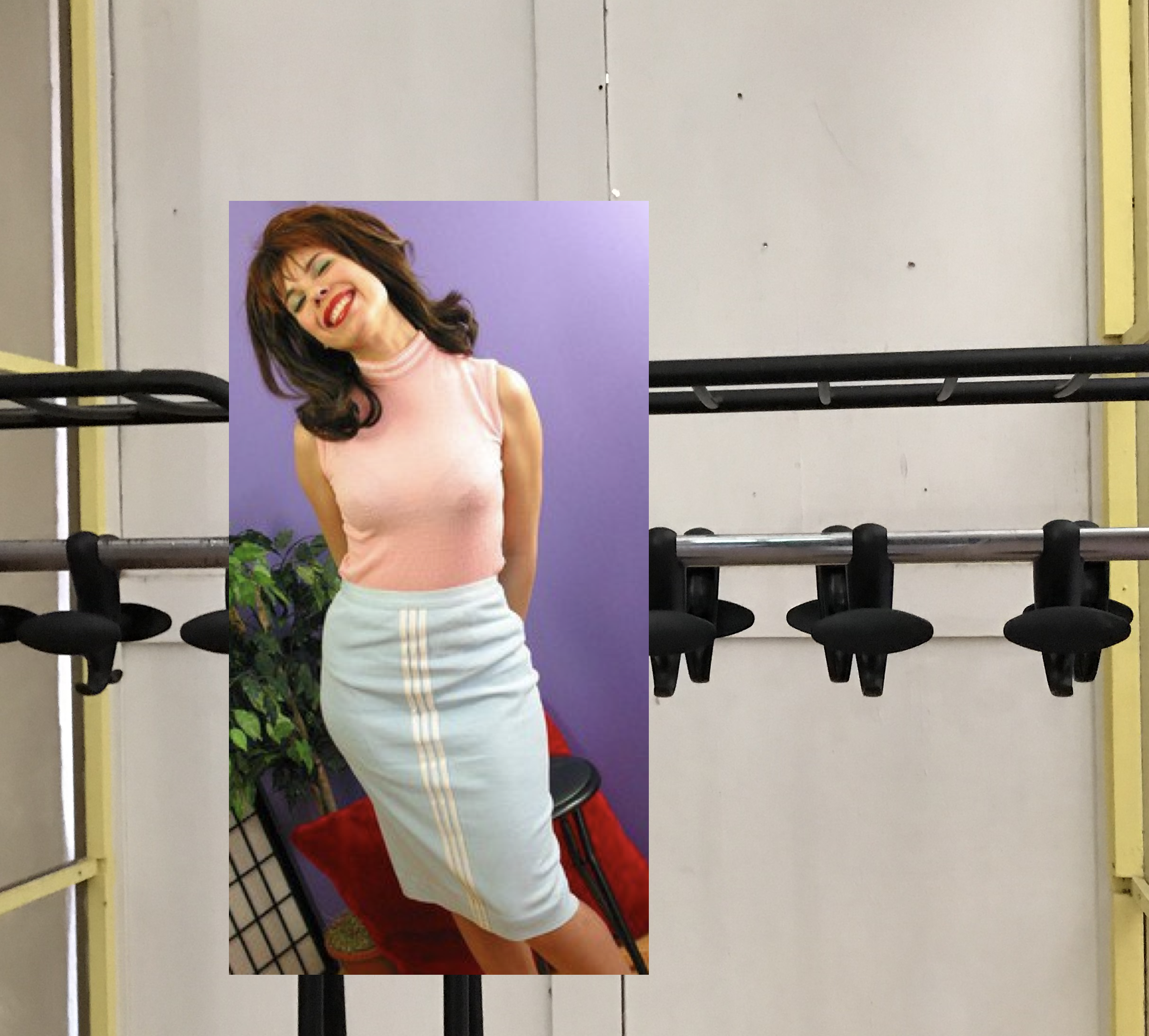
The hotel business is tough. Your average Joe or Jane can’t just waltz in off the street and become a manager, a concierge, a maitre d’, or a night porter.
Well, maybe a night porter.
For those ambitious souls who want to perfect their hospitality skills, there’s Hotel School. It ain’t free, and it ain’t easy, no matter what some people think.
These former students were warned: skip too many bed-making classes, flunk too many room-service courses, and you’ll be back out on the sidewalk whence you came.
They didn’t listen. Hear them tell their stories…

Barbra X., dropped out after 7 weeks.
“You know what? F*ck making beds and cleaning toilets. I did plenty of that at home, now that I think of it. Maybe I’ll try art school next.”

Cindy C. (l), dropped out after 5 days. Wanda D. (r), dropped out after 2 weeks.
Cindy: “Who knew you practically had to memorize whole books full of etiquette?”
Wanda: “When a Hotel School graduate told me about the lousy tips she gets as a chambermaid at the Ritz, I figured it was better to go back to exotic dancing anyway.”

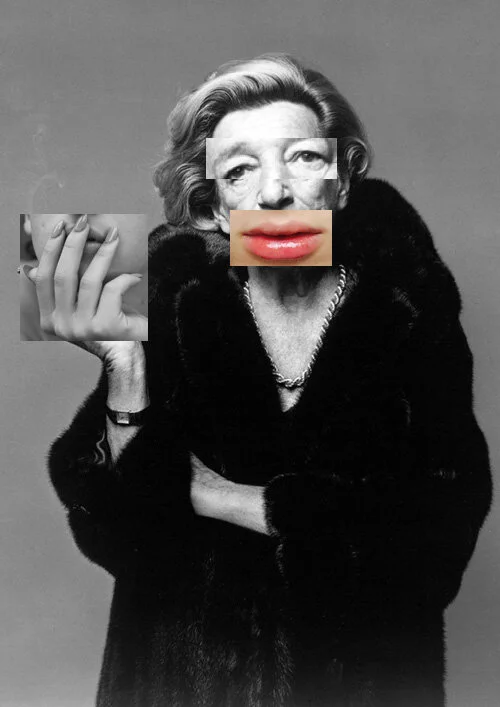
Alice F. (above) was expelled after 3 days. Brenda R. (below, in fur hat), dropped out after a half hour (Hotel School record).
Alice: “The Hotel School’s locker room wasn’t air-conditioned. The instructor told me to get lost when I showed up sweaty for Breakfast Ed. They weren’t kidding when they said, tough.”
Brenda: “I paid a lotta money for this hat. When the catering teacher said it was no good as a hair-restraint, I told her, ‘Then you ain’t no good as a food prep instructor.’ She didn’t even try to restrain me when I walked out. Ha! I woulda smacked her one.”

Lisa S., flunked out.
“Maybe I aimed too high. I had this dream that someone big would notice my qualifications and give me my own hotel to manage. I’d have called it The Phoenicia. But dreams, like dishwashing soap bubbles, go poof!”

Freia P. (in curlers; had to be escorted from the premises by Security Staff), and Mr Mayhew, Loading Dock Manager (R.I.P.)
“Like you really gotta do Slim-nastics to run a hotel’s loading dock. That old creep put his hands where he shouldn’t ought to have. Professor or not, pow!”
***
Bocciate dalla Scuola Alberghiera

L’industria alberghiera è tosta. Non puoi entrare al Grand Hotel e farti assumere come manager, concierge, capo cameriere o portiere di notte.
Portiere di notte forse sì.
Le persone ambiziose che desiderano perfezionare le loro manualità ospitali frequentano la Scuola Alberghiera. Costa, e non è facile, non importa cosa creda certa gente.
Queste ex-studentesse furono avvertite: se marinate il corso di rifare i letti, o se prendete una insufficienza nelle lezioni di servizio in camera, uscirete dalla porta di servizio da cui siete entrate.
Non ascoltarono. Qui raccontano le loro storie.

(A sinistra, nel cappotto interessante, una Gradita Ospite) In basso: Ursula M. In alto: Olga P.
Ursula: “Ho capito dopo poche lezioni che la vita d’albergo non fa per me. Gli sgabelli sono troppo duri e scomodi.”
Olga: “Passare l’aspirapolvere sulla moquette della hall di prova mi ha rovinato le unghie. Torno a fare la soubrette in tivù.”

Roberta Z. (maglia gialla), e Monica E. (maglia magenta)
Roberta: “Pronto, qui Hotel Kranepool. Con quale Suite desidera essere connesso/a?”
Monica: “Con la Suite delle ragazze che per ottenere bei voti seducono l’istruttore del corso per centraliniste. Farò rapporto al Preside.”
(n.d.r. Mandate via tutte e due)

Zanobia A. (qui sopra), e Clelia R.(in fondo )
Zanobia: “Chissà se è vero ciò che dice Clelia, la mia ex-compagna di banco? Ci saranno alberghi-spogliarello alle Maldive? Intanto le ho dato soldi per i biglietti d’aereo: speriamo bene.”
Clelia: “Zanobia è giovane e inesperta. Imparerà a non fidarsi troppo delle ex-compagne di classe che poi saranno le sue rivali nella spietata industria dei club-spogliarello.”

Greta G., fu invitata a lasciare la Scuola dopo due settimane.
“Mi hanno cacciata perché sono esibizionista. Però i passanti sembravano apprezzare le cameriere amichevoli che salutano dalle finestre. Mi ritengo colpevole solo di aver fatto una insolita pubblicità alla Scuola Alberghiera.”

Ynez G. (a sinistra), e Chloe W. (in basso a destra), attorniano il Preside Alcide T.
Ynez: “Da quando il Preside ci ha adottate, non dobbiamo più preoccuparci per vitto e alloggio.”
Chloe: “Yeah. Paparino è generoso con le sue pupille predilette.”
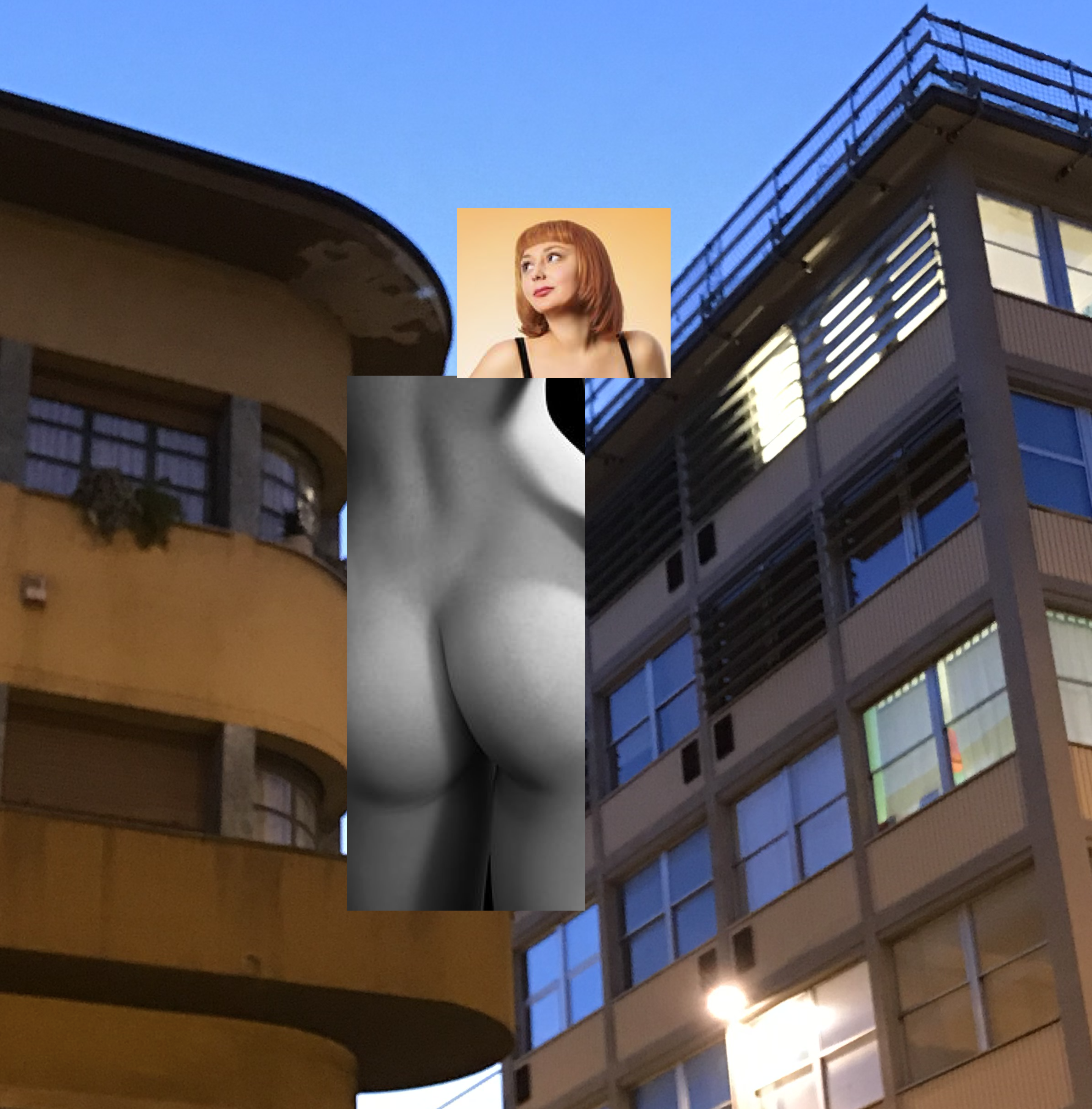
Hotel Antro-Etno versus Hotel Global Cosmopolitan

Panorama della hall, Hotel Global Cosmopolitan
La scienza avanza. La tecnologia progredisce inesorabile e spietata. I cacciatori-raccoglitori hanno sempre meno spazio in cui muoversi. L’ospitalità evolve.

Ritratto di ospite (ca. 1928), Hotel Etno-Antro

Retro del Hotel Global Cosmopolitan
L’estetica cambia. Certi alberghi si rinnovano costantemente, serrati nella lotta per essere il più moderni possibile. Altri si aggrappano alle atmosfere del passato.

Dettaglio della sala da ballo, Hotel Antro-Etno

Sala lettura, Hotel Global Cosmopolitan
Un tale direttore d’albergo si preoccupa che l’arredamento del suo stabilimento possa risultare poco sofisticato, addirittura primitivo. Un altro certo manager spera che i suoi graditi ospiti non ispezionino le lenzuola e gli asciugamani alla brutale luce del giorno. L’illuminazione è comunque di cruciale importanza per entrambi.

Ritratto di Lu Tsien, soprano dell’Opera di Peiping, ospite all’Hotel Antro-Etno nel 1897

Una installazione di arte contemporanea, Hotel Global Cosmopolitan; due gradite ospiti sembrano gradire.
L’hotel più vecchio della città è dirimpetto a quello più moderno. Che si tratti di una coincidenza?

Wuffa, futuro capo-tribù, ospite all’Hotel Antro-Etno circa 1898

Panorama del bagno per signore a pianterreno, Hotel Global Cosmopolitan
Si guardano l’un l’altro da diverse prospettive, con differenti emozioni.
Ciò che sei, dice l’uno, io fui.
Ciò che sono, risponde l’altro, tu non sarai mai.

Ninnolo in esposizione nella ex-sala per fumatori, Hotel Antro-Etno
***
The Anthro-Ethno vs. The Global Cosmpolitan

View from a third-floor Suite, Hotel Global Cosmopolitan
Science advances. Technology progresses relentlessly, remorselessly. Hunter-gatherers of all tribes have less and less room to move. Hospitality evolves.
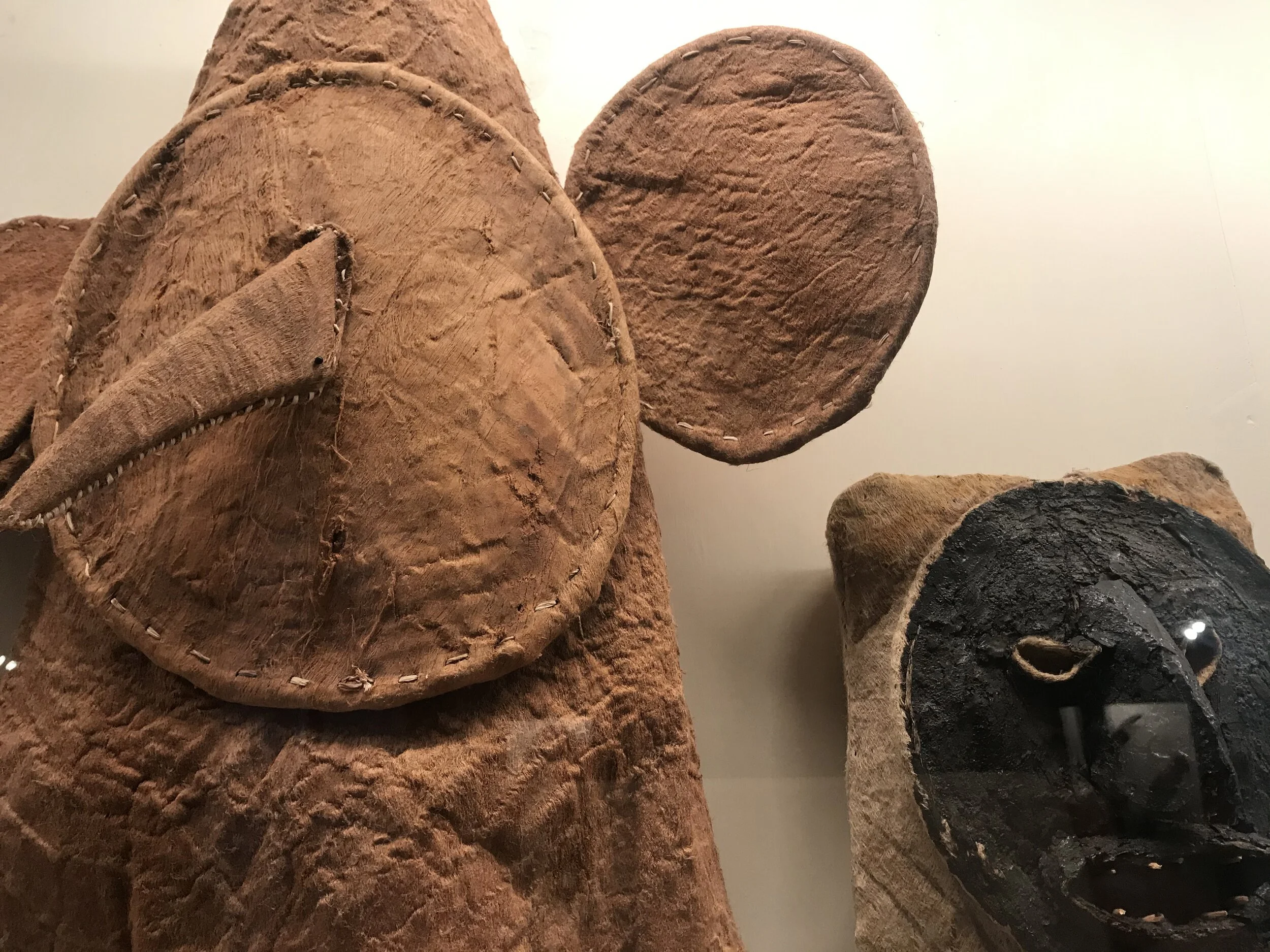
Objects from Hotel Anthro-Ethno’s Lost&Found warehouse

Detail from the Global Cosmopolitan’s ground-floor Ladies’ Room
Aesthetics shift. Some hotels renovate constantly, locked in the struggle to be up-to-date, on-the-edge, or even avant-garde. Others cling grimly to the look and feel of the past.

Portraits of several distinguished guests, Hotel Anthro-Ethno

Guests enjoy a Post-Modern cocktail, Hotel Global Cosmopolitan.
One hotel manager worries that his establishment’s décor might be seen as unsophisticated, or primitive. Another hopes his guests won’t examine the sheets and towels in the brutal light of day. Illumination, however, is of crucial importance to both.

Artifacts for sale in the Anthro-Ethno’s former Smoke Shop

A view of the Global Cosmpolitan’s employee lounge
The oldest hotel in town is directly across the street from the most modern: a coincidence?

A newspaper photo of the 1919 kitchen fire: Hotel Anthro-Ethno

A Global Cosmopolitan guest explores bold new hair concepts
They regard each other with various emotions, from different perspectives.
What you are, says one, I was.
What I am, says the other, you will never be.

A young guest sent this postcard portrait of herself to thank Hotel Anthro-Ethno’s Management for a pleasant stay, in 1921.
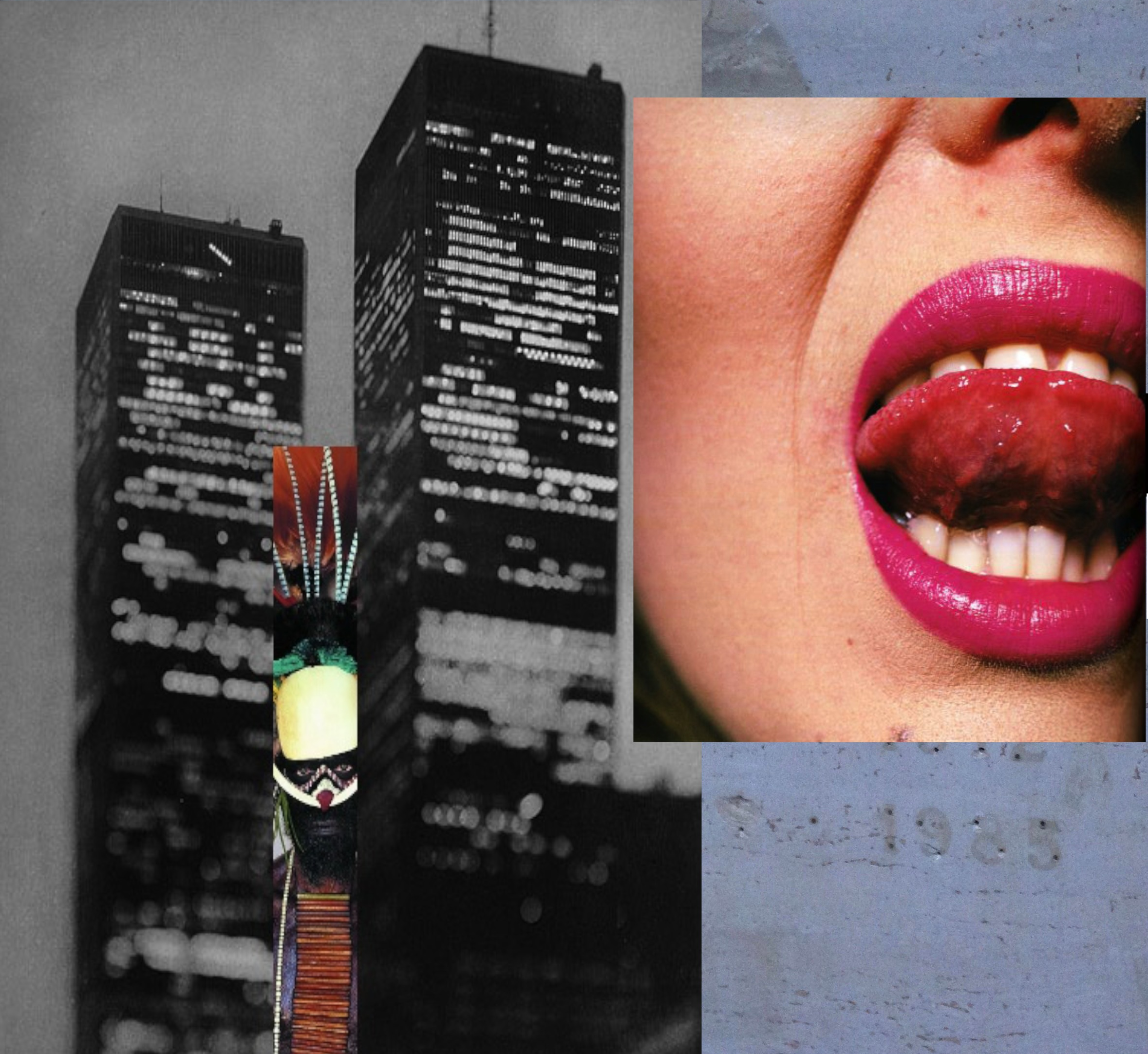
Notturni di un albergo popolare

La vita è una serie di cambiamenti. Chi vive si deve adeguare a situazioni non sempre ottimali.
Quando sei alle strette, esiste un posto dove puoi stare qualche notte. Ma attenzione: una permanenza all’albergo popolare comporta il rischio di una trasformazione in ospite permanente.
Queste sono le storie di alcune persone che hanno subìto il cambiamento.

Nostro marito ci ha mandate via per un tradimento. Non ci ha dato molto tempo per mettere insieme le nostre cose. Lui sapeva che per noi le stelle del cinema muto hanno un fascino irresistibile. Non doveva invitare a cena il grande, grandissimo Ebetini.

Se fossi meno timida, potrei prostituirmi. L’angelo custode ha trapanato un foro nella parete della mia stanza, credo che sia di cartone o compensato. Quelli che vogliono osservarmi spingono monete o banconote sotto la porta. Non sono tanti. Non sto ingrassando. Meglio così.

Nonostante siamo così diverse, il destino ci ha sbattute insieme. Nessuna dei due poteva permettersi una stanza privata. Passiamo le notti a chiacchierare nelle nostre brande, e le giornate a veder passare il mondo.

Troppo dell’uno, troppo poco dell’altro. O viceversa…

Lo sappiamo che è vietato fumare nel cesso delle donne, e ce ne freghiamo.

Durante il giorno giriamo la città in cerca di lavoro. Finora ci è andata bene: nessuno ha cercato di rifilarci un impiego. Durante le notti ci impegniamo nella lotta dei sessi. Non importa chi vince.
***
Flophouse Nocturnes

Life’s a series of changes. Staying alive requires the ability to adapt to circumstances.
When you’re in a tough spot, there’s always a place where you can spend a few nights. But watch out: a stay there can transform you into a permanent guest.
These are the stories of a few people who’ve undergone the change.

Looks like I missed the train for a conventional life. Oh well.

Management charges me double, night after night. Part of me objects, another part quietly asserts that this, too, shall pass.

It’s always so cold in my room. But I prefer the way I look without my coat on, in the mirror.

My original plan was to appear before the United Nations to beg for the preservation of my natural habitat. They only pretended to listen. Now my natural habitat is the Ladies’ Room here at the Flophouse. It’s a living, I guess.

Tourists stop by because a few artists who weren’t famous in their lifetimes lived here since they couldn’t afford to stay anywhere else. When I ask these visitors for money because I’m an artist right now, and I might make the cut after the Big Day comes, they look right past me. The room Dave Alexander occupied for a few nights in 1969 is down the hall. He was obscure then, now he’ll always be less so.

Some clients enjoy flophouse atmosphere. Suffocation dramas on The Leather Bed evoke the birth process, or the death process, or something like that. It took me over a year to find enough leather remnants to make The Leather Bed. I guess it’s art, and it’s a living.

The reason I ran away from home was that my older sister ran away from home first. I always followed in her footsteps, did what she did. I also ran away because I wanted to find her, and live with her again, and copy her life. I get funny looks when I show people her picture and ask them if they’ve seen her around. She’s not avoiding me. Every morning when I wake up, I feel as though she’s spent the night in my room too.
Street Hotel

You hear about street art, street food and street people.

Street art goes for big buck$$$ these days.
Street food ain’t a question of hot dogs no more.

Street people are hard to grasp, impossible to commercialize. And there are more and more and more of them almost everywhere.

Where do all the street people go when it gets cold and dark? To the Street Hotel, of course.
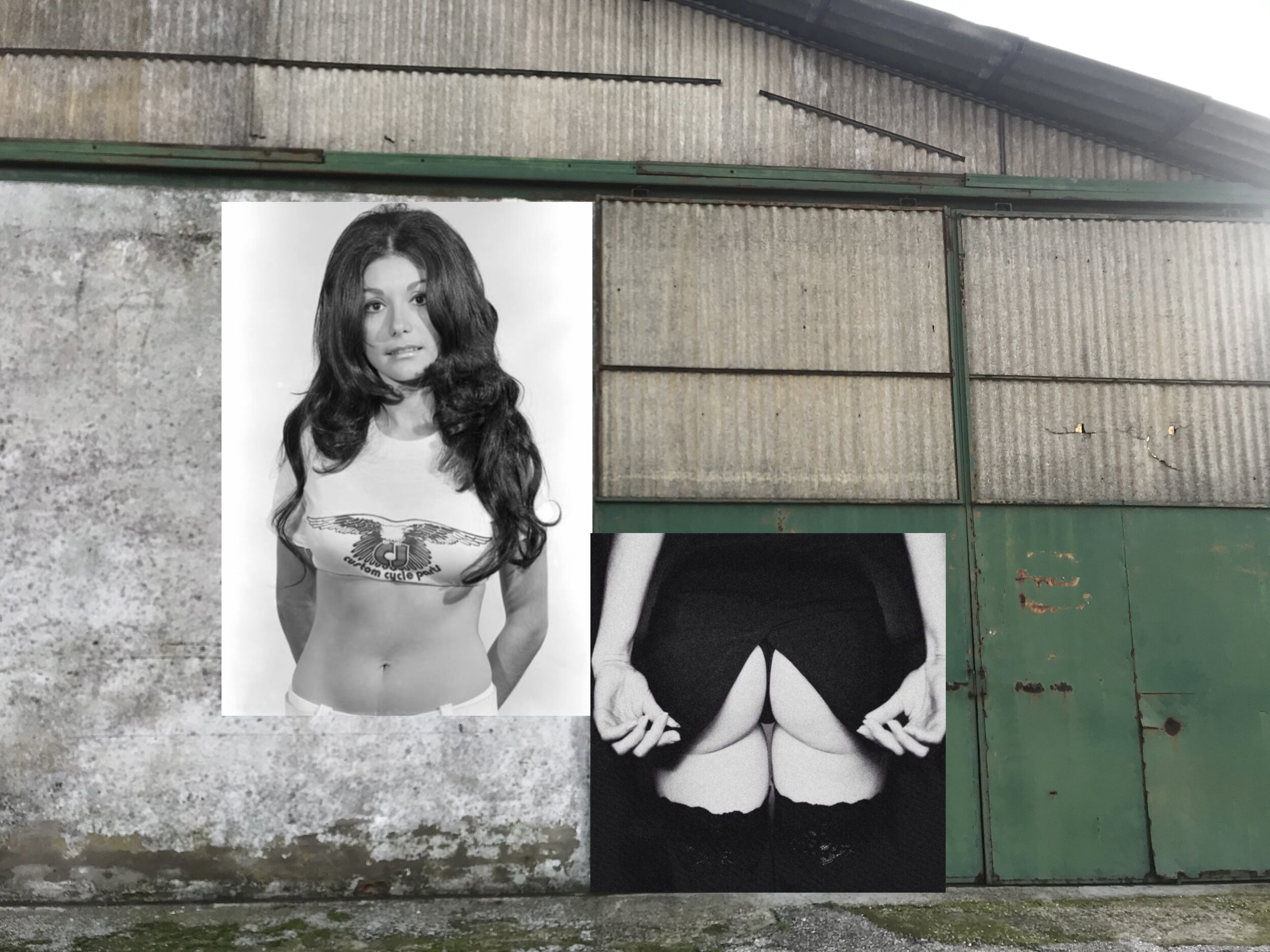
Anyone’s welcome.

You can check in any time, as long as it’s night.

All you gotta do is hit the street, and burn with desire.

***
Street Hotel
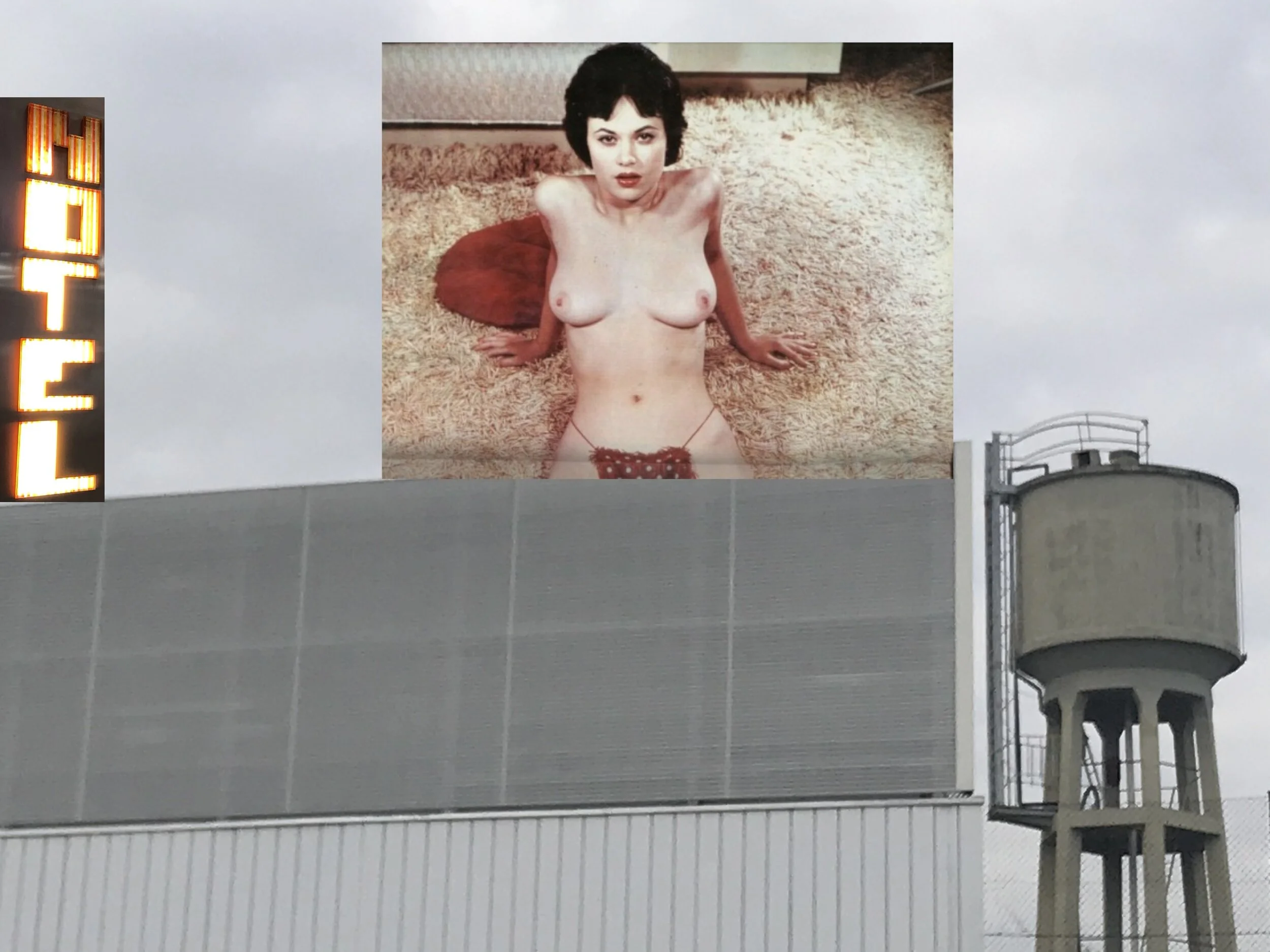
Si parla di street art, street food e gente di strada.

La street art è diventata un giro d’affari stramiliardario.

Lo street food non è più una storia di wurstel o caldarroste.

Gente di strada è un concetto facile da comprendere, ma difficile da mettere in commercio. E quasi ovunque c’è tanta gente di strada in più.

Dove va a stare, tutta la gente di strada? Allo Street Hotel, naturalmente.

C’è posto per tutti, sempre. Il check-in si può fare in qualsiasi momento, a patto che sia di notte. Basta scendere per strada e desiderare.

L'ultimo hotel

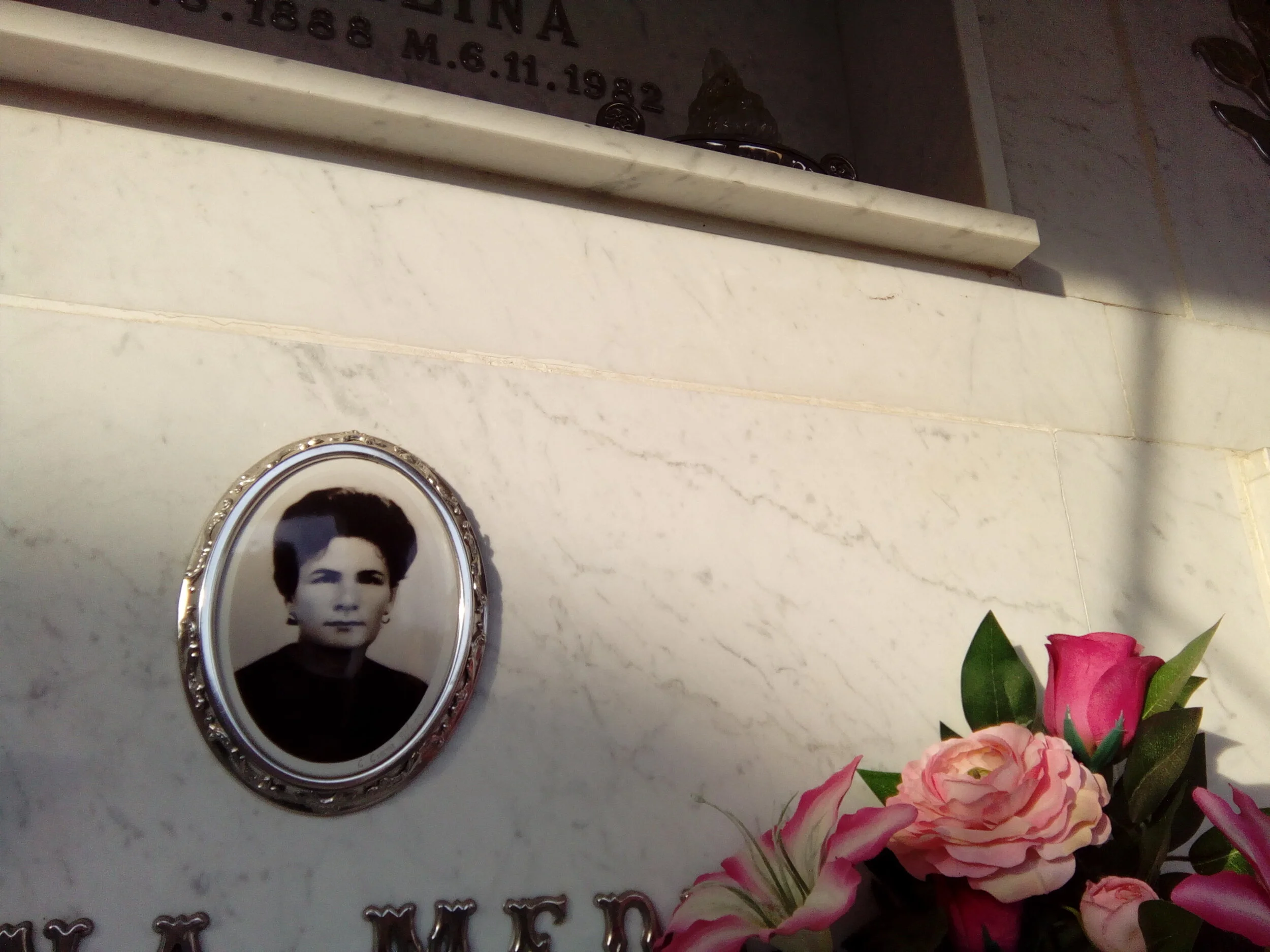
Questo è un luogo privo di fascino.
Le voci di quelli che sono da più a lungo qui echeggiano più forte, e le loro ombre si addensano attraverso il tempo e lo spazio.
Le voci delle donne sono più profonde da questa parte del paese. Le loro nuvole sono più scure, ma pesano meno.
(This is a charmless place.
The voices of those who’ve been here longest echo loudest, and their shadows grow deeper over time and space.
Women’s voices are deeper, on this side of town. Their clouds are darker, but they weigh less.)

Questa è una zona umida. La nebbia sorge dalla terra e scende dalle colline per velare i due mondi. La nebbia non tollera monumenti, o non a lungo.
La luce aborra le immagini. Qualunque cosa abbia massa e dimensione, che getti ombra le è un’offesa. La brillantezza è la forza distruttiva dell’impazienza. Non ci portiamo nulla appresso, lasciamo indietro il nostro vuoto per stabilire la residenza nel paese di là.
Palude eravamo, palude siamo, palude sempre saremo. Le zanzare della notte succhiano la luce delle lucciole e lasciano i loro involucri sulle nostre pietre.
(This is a damp part of the world. Fog rises from the ground and rolls from the hills to hide both worlds. The fog is my house, the fog is my friends. The fog brooks no monument, or not for long.
Light abhors imagery. Anything with mass and dimension enough to throw a shadow is an insult. Brilliance is the destructive power of impatience. We bring nothing along, leave our former emptiness to establish residence in the town down the road.
Swamp we were, swamp we are, swamp we shall always be. The night’s mosquitoes suck the fireflies’ light and leave their husks on our stones.)

Il sole rovina il granito. Il rosa armonizza con il grigio nella luce nera. La radiazione cromatica di questo luogo appassisce fiori di seta e di plastica ma risparmia i cipressi.
Si sente il suono di una luce gettata lustri fa dalla Nebulosa Collo di Cavallo, dove avanti è indietro e l’ordine del solito universo è capovolto. Viaggi verso il passato, dove la luce è il suono di ciò che fu.
(The sun wreaks havoc on granite. Pink harmonizes with gray in this black light, whose spectrum withers silk and plastic flowers but spares the cypresses.
An echo of light cast negative eons ago from the Horse-neck Nebula, where forward is backward and the Universe is upside down. The past lies ahead, if you travel that way. Light is the past, presently inaudible in the other town down the road.)

“No ti prego non mi riprendere proprio ora. Sono un disastro. Ho troppe cose da fare, e nemmeno un po’ di tempo da dedicare a me stessa. Scusa un attimo... ”
D’improvviso era troppo presto. L’abbiamo sistemata qui, per ora. Troveremo un luogo più adatto, e una foto migliore. Questo non è lei.
(“No please Not now. I’m a mess. Too much to do, and no time for myself. Hold on just a minute…”
Suddenly it was all too soon. We settled her here for the time being. We’ll find a better place, and a better picture. This isn’t her.

Da quando sei partita, non sopportavo più né cifre né lettere. Al bronzista non sono riuscito a descrivere un simbolo che unisse amore ed eternità.
Tu che passi, sappi solo che fummo felici.
(When you left, I could no longer bear numbers and letters. They don’t represent when or what you were, to me. I was unable to describe a symbol for love and eternity, an alien shape unknown to the bronze-smith in the other town. You who pass by, Just know that we were happy.)
***
The Final Hotel

“The secret of eternal youth is written in black and white. A great haircut doesn’t hurt.”
There was a new message in a Lonely Hearts forum of which he’d been unaware. Come visit me, she wrote. The address was far from where he lived, but the picture said, Go. When he arrived, he read the note that lay upside-down on the gravel. Too late. That was all she wrote, in blue ink on yellow graph paper.
(Il segreto della gioventù eterna è scritto in bianco e nero. Una bella acconciatura non nuoce.
C’era un nuovo inserto in una rubrica Cuori Solitari di cui ignorava l’esistenza. Vieni a trovarmi, scrisse lei. L’indirizzo era lontano da dove abitava lui, ma la foto disse, Vai. Quando arrivò, lesse la nota che giaceva a faccia in giù sulla ghiaia. Troppo tardi. Lei aveva scritto solo questo in biro blu su carta gialla a quadretti.)

He loved this picture, laughed and laughed. “Perfect,” he said.
His daughter chose the Space Age letters from the stone-cutter’s sampler.
“Despite appearances,” she told the craftsman, “he was a true futurist.”
(Adorava questa foto, si sbellicava dalle risate. “Perfetto,” diceva.
Sua figlia scelse le lettere spaziali dal campionario del marmista.
“Nonostante le apparenze,” disse lei, “fu un vero futurista.”)

“Oh yes he was a frequent visitor. We became friends, honestly. He was the only real friend I had. I wasn’t born here, and didn’t live here long. The mist did me in. These lush flowers never grew here either, and their perfume eludes all.
The old gentleman brought flowers and silk scarves, which he used to exciting effect. We enlivened our separate mysteries together. We’ll continue to do so forever, despite his family’s wishes.
He won a bronze medal for platform diving in Rome, in the Olympic year I was born. He gave me this trophy, and a photograph of a young god in a black bathing suit.”
(“Oh sì fu un mio visitatore assiduo. Diventammo amici, sul serio. Era l’unico mio vero amico. Non nacqui qui, né ci vissi a lungo. La nebbia mi disfece. Nemmeno questi fiori esotici crebbero qui, e il loro profumo elude gli autoctoni.
Il vecchietto portava fiori sgargianti, vivi, e foulard di seta, che sapeva usare in modo eccitante. Ravvivammo insieme i nostri separati misteri. Nonostante il dispiacere dei suoi cari, continueremo a farlo in eterno.
vinse una medaglia di bronzo per i tuffi nella Roma olimpionica, l’anno in cui sono nata. Mi regalò questo trofeo, assieme alla foto di un giovane dio in costume da bagno nero.”)

A zeppelin aglow rises and disappears against the moon. Fog covers the sky once more. Slow drip from a gutter onto a ramshackle grave-house, onto gravel, broken stone and specks of green foam. Sealant on a hole dug by the fog. Water falls from the sky and the earth drinks deeply of the dead.
(Uno zeppelin illuminato da dentro s’innalza e svanisce davanti alla luna. La nebbia ricopre il cielo. Stillicidio da una grondaia rotta sulle macerie di una tomba di famiglia, sulla ghiaia, sulle pietrine e schegge di una schiuma verdastra. Sigillante su un cratere scavato dalla nebbia. Piomba acqua dal cielo e la terra beve profondamente dei morti.)
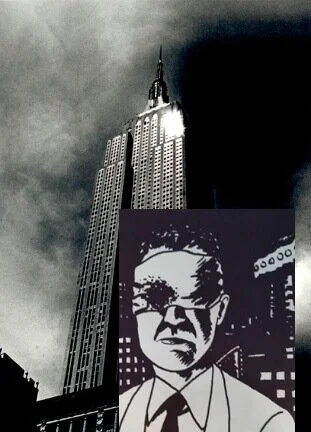
A Hotel of Night

You have arrived in a city where nothing can be taken for granted.

The locomotives whine their last electric breaths, the train station shuts down. In the square just beyond, the streetlights seem to have gone on strike.

There is no traffic. No signal for your communication apparatus. Its luminescent rectangle fades to black.

The hotel isn’t far from the unconscious railway terminus. Its neon sign is a silhouette barely legible against the low twilight cloud cover. You push the automatic rotating door like a slave.

The air in the lobby is only slightly warmer than it is outside. There’s a smell of dust, leather and wool. Someone might’ve smoked a cigar on the sofa by the extinct television set a long time ago. All the ashtrays have since been removed.

The shadow behind the reception desk might be male or female. A moonbeam glints in reflection off a pair of eyeglasses. The shadow speaks.
You answer.

A dark hand slidea a key across the counter.

The elevator is paralyzed. Take the stairs. Your bag’s empty, anyway. It’s dark in the stairwell, and there’s a smell of rust and shoe polish.

It’s quiet in your room. Take your rest. Take it all the way.

***
Un albergo di notte

Sei arrivato/a in una città dove nulla è scontato.

Le locomotive uggiolano i loro ultimi respiri, la stazione si spegne. Nel piazzale subito fuori, i lampioni fanno sciopero.

Non c’è traffico, né segnale per il tuo dispositivo delle comunicazioni. Il piccolo rettangolo luminoso dissolve al nero.

L’hotel non è lontano dalla stazione inconscia. La sua insegna al neon è una sagoma oscura, appena leggibile contro la nuvolaglia bassa del crepuscolo. Spingi la porta girevole automatica come uno schiavo.

L’aria nella hall è leggermente più pesante di quella fuori. C’è odore di polvere, cuoio e lana. Qualcuno tempo fa si sarà fumato un sigaro stando seduto sul divano accanto al televisore estinto. I posacenere sono stati rimossi.

L’ombra dietro il banco della reception potrebbe essere maschio o femmina. Un raggio di luna riflette da un paio di occhiali. L’ombra è provvista di parola.
Le rispondi.

Una mano oscura fa scivolare una chiave sul banco.

L’ascensore è morto. Prendi le scale. Tanto la tua borsa è vuota. Nella tromba delle scale c’è buio, e odore di ruggine e lustro per scarpe.

Nella tua stanza c’è quiete. Qui ti potrai riposare fino in fondo.

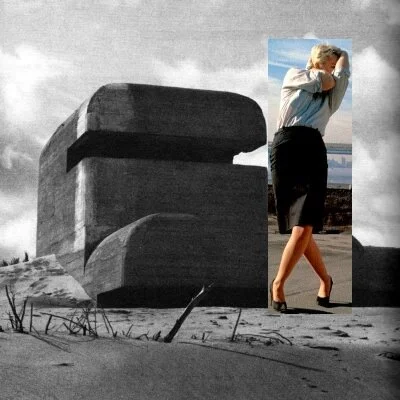
Design Competition: Hotel Kranepool, Liège

Design proposal: Skidmark, Olen & Tyrrell
No one seems to know whether Hotel Kranepool is privately owned, or whether the establishment belongs to some faceless multinational corporation. The Management can’t, or won’t, confirm or deny any rumors about who’s working for whom.

Design proposal: Farisee & Pharisy
Capitalist reality is, expand or die.

Design proposal: Blenheim & Howard
The international design competition was launched some time ago. Responses came in slowly at first, then in a flash-flood. The brief was to erect a Hotel Kranepool in a city “that only a mother could love” (anonymous description of Liège). Is it a franchise? A case of copycat hospitality? A coincidence of nomenclature?

Design proposal: Studio LuXXX
The architects of today are the Silent Stars of Yesterday, the Glamour Gods of tomorrow, the war criminals of the future.
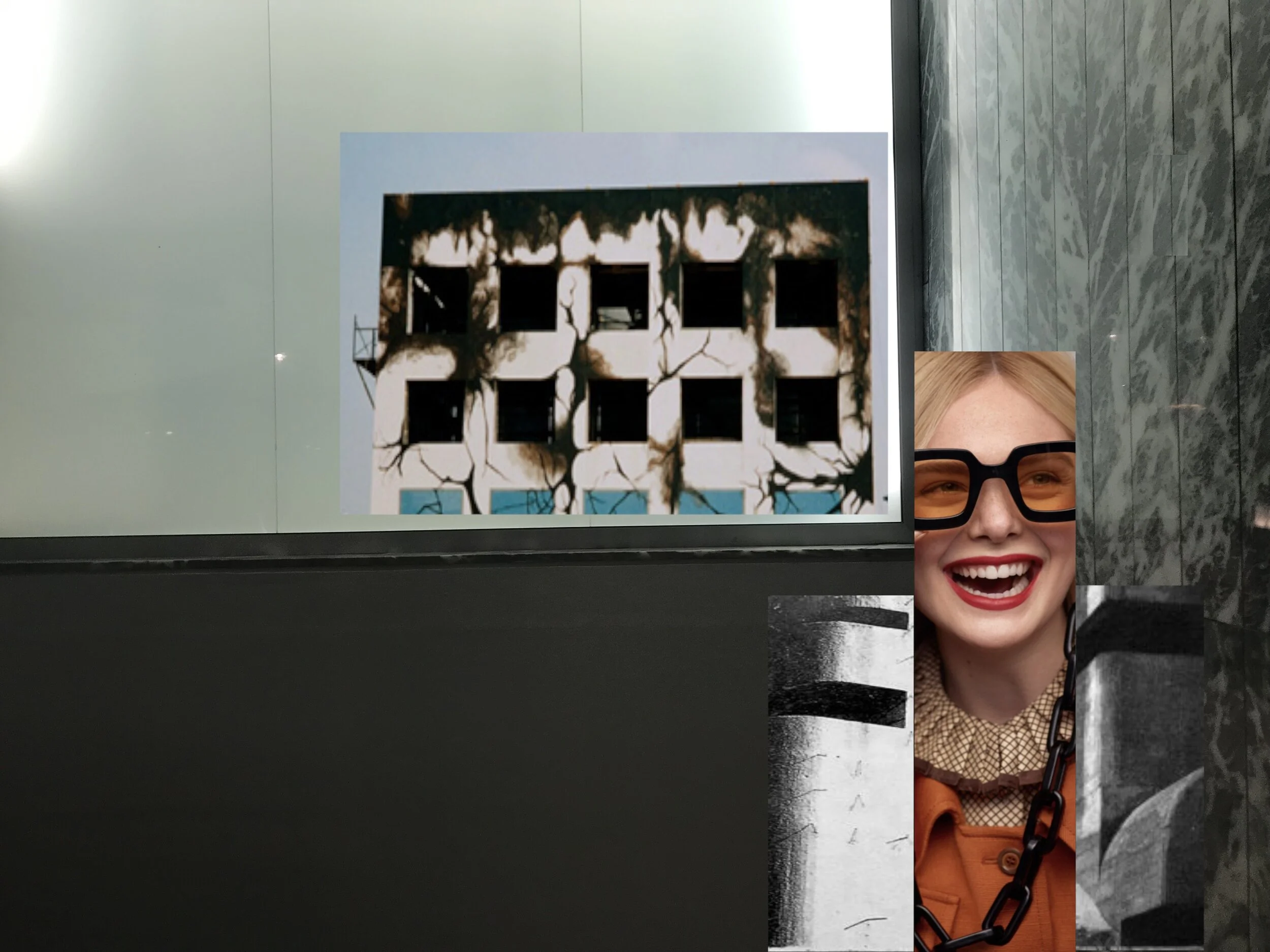
Design proposal: Vögt, Vögt & Vögt
Who, or what, will be the face of HK Liège? The shadowy forces behind Hotel Kranepool have turned over the decision to the guest population. You are the judge, and jury.
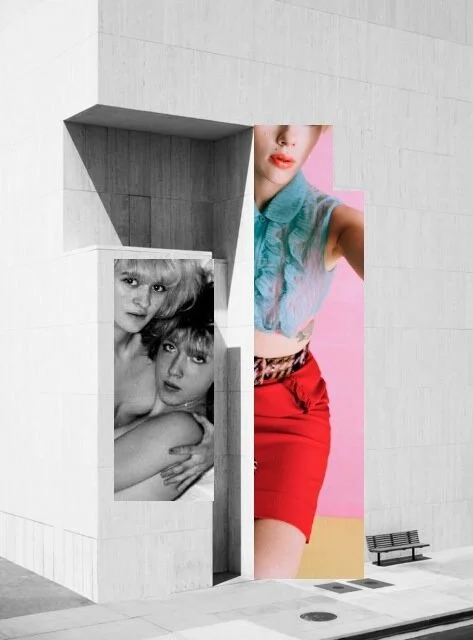
Design proposal: SuperStudio 6666
***
Concorso di design: Hotel Kranepool, Liège

Proposta di: HotelMotelBlotel
Nessuno sa dire se Hotel Kranepool sia una azienda privata, o se lo stabilimento è proprietà di qualche multinazionale senza volto. La Gestione non può o non vuole esprimersi per quanto riguarda chi sta lavorando per chi.
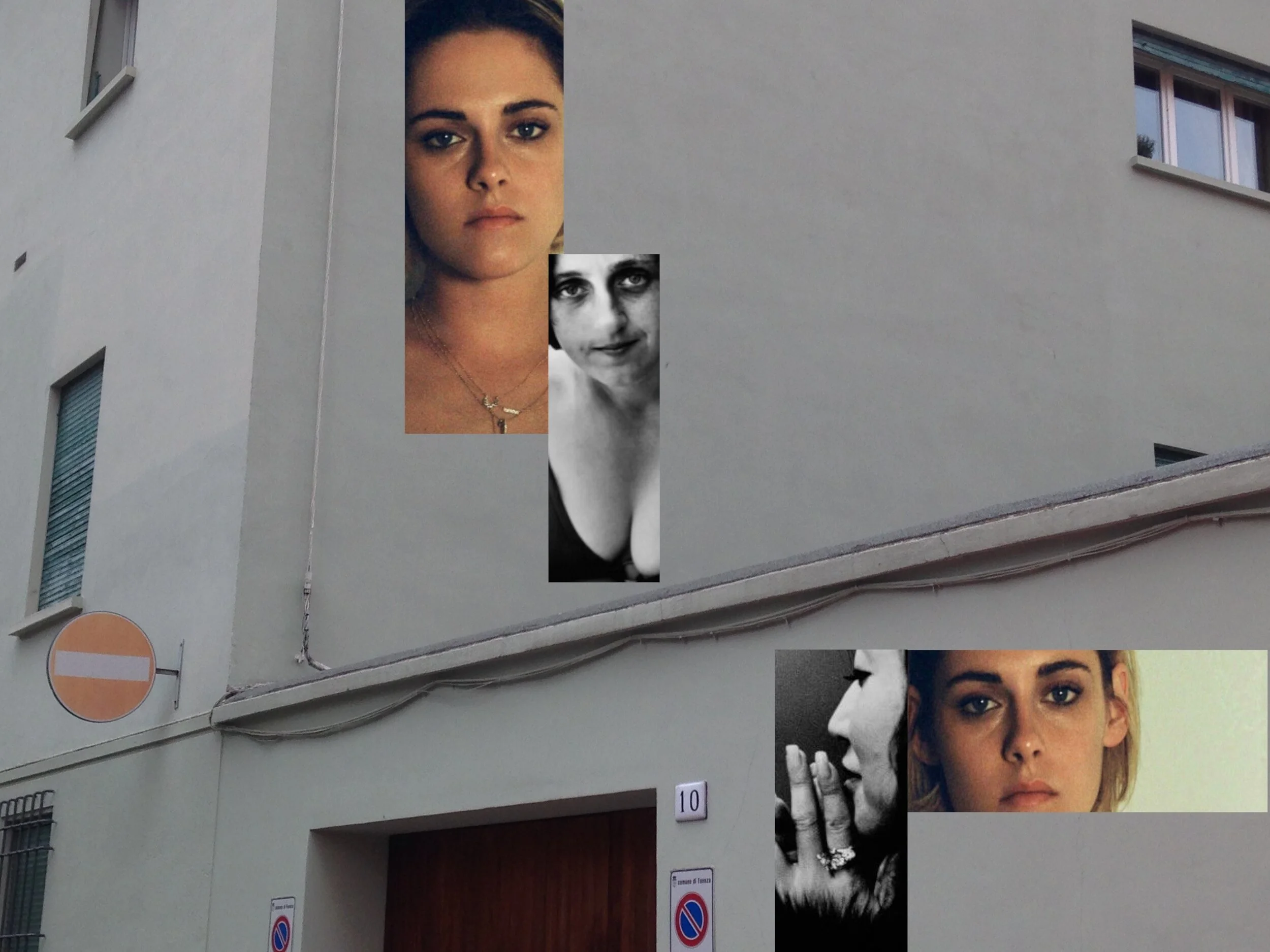
Proposta di: Vlad e Vostok, s.r.l.
La realtà del capitalismo è: espandere o crepare.

Proposta di: Prot/Prut/Flat
Il concorso è stato bandito tempo fa. Le risposte sono arrivate dapprima alla spicciolata, poi ci fu l’inondazione. Il progetto era di erigere un Hotel Kranepool in una città che si potrebbe descrivere con un luogo comune: ogni scarafaggio è splendido agli occhi di sua madre. Si tratta di un franchise dell’ospitalità metafisica? una filiale? una coincidenza della nomenclatura?

Proposta di: Tramonto Drive, Inc.
Gli architetti odierni sono le stelle del cinema muto di ieri, gli dèi del glamour di domani, i criminali di guerra del futuro.

Proposta di: Ngorongoro Demonia
Quale sarà il volto di HK Liège? Le forze retrostanti Hotel Kranepool lasciano la decisione ai graditi ospiti. Siete voi i giudici e la giuria.

Proposta di: Back to the Present, Architects
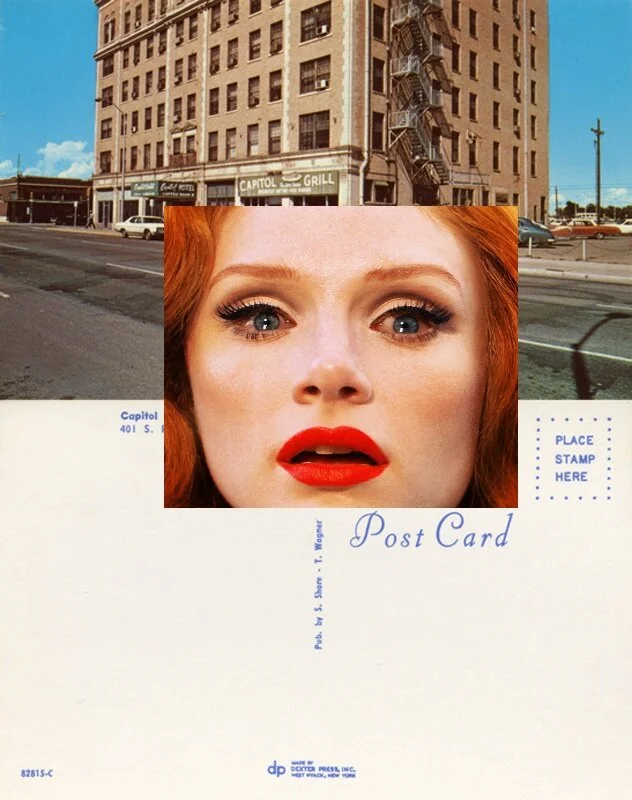
The Partial
There’s an old sentimental song in which an unidentified person leaves a heart in San Francisco.

Guests leave parts of themselves at hotels where they’ve stayed: books, articles of clothing, personal hygiene- and self-pleasure items that they’re embarrassed to have returned, hairs, flakes, odors, tears and other fluids that dry up all too soon.
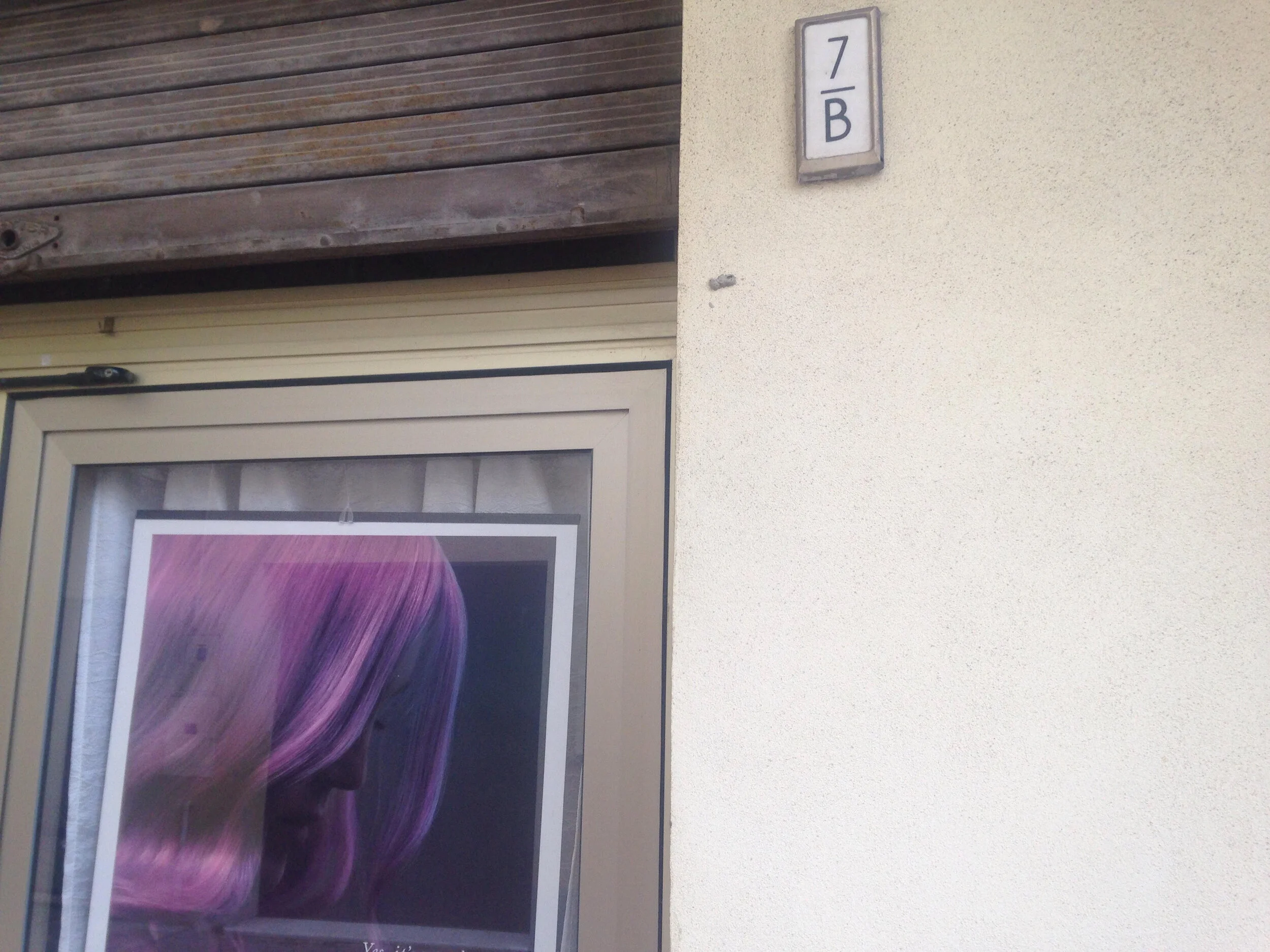
There’s a hotel where these traces of humanity reassemble themselves. Guests wander into the Partial’s lobby like clouds dressed in clothes. They seem lost, because they are. Who am I? Where’ve I come from? Where do I have to be next?

The answers to these easy questions lie in the rooms upstairs, and in the sauna, the revolving rooftop bar, the conference center. Or so the reassembled guests hope.
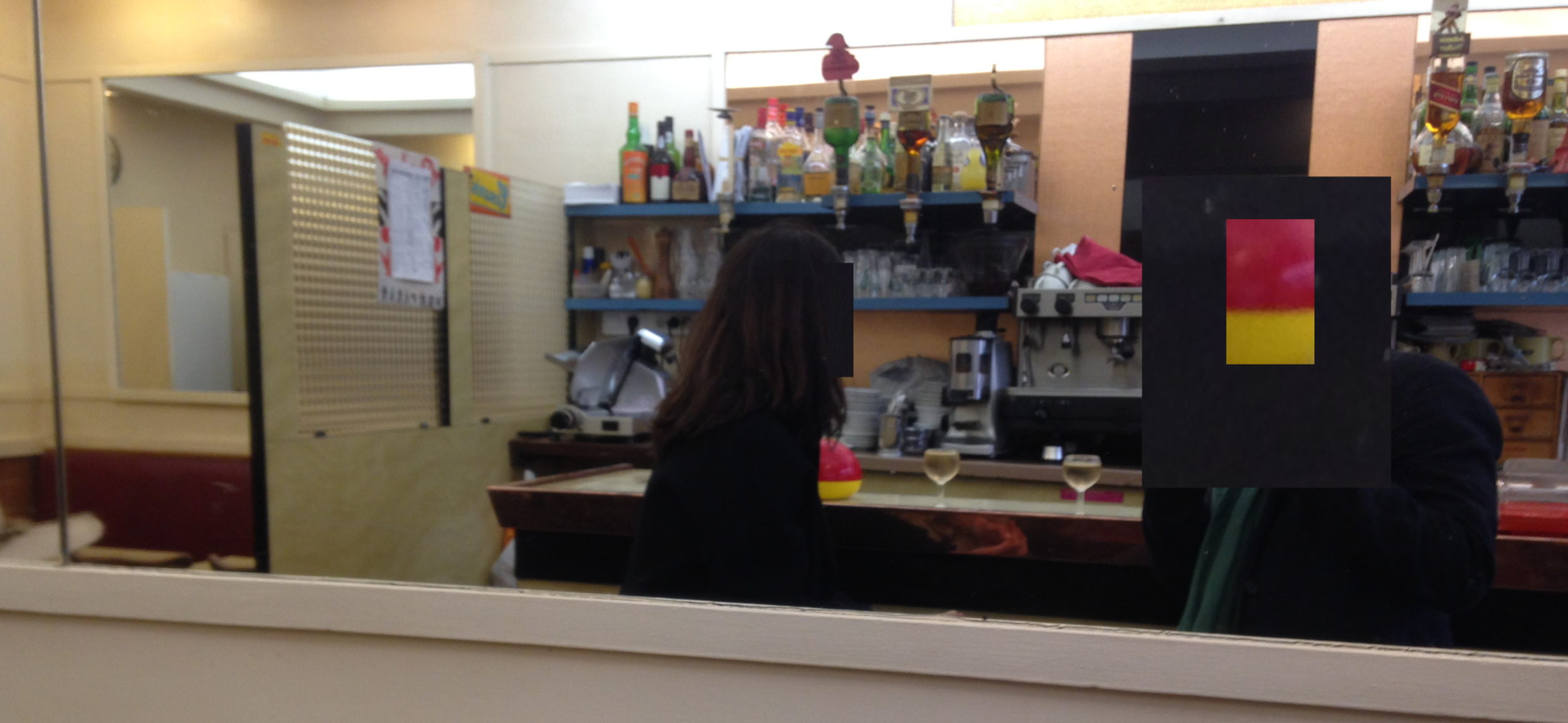
They roam the halls.

They knock into the furniture, which doesn’t move.

They meander past mirrors, with no time to reflect. The shoeshine machines whir briefly to life when they pass by. The elevators rise and fall, with the lights on, even though no one pushed the buttons.

Check-out time at The Partial is sad, inevitable, and it happens every day.

***
Grand Hotel Parziale
Una persona non identificata lascia il cuore a San Francisco in una vecchia canzone sentimentale.

I graditi ospiti lasciano qualcosa di loro stessi negli hotel dove hanno pernottato: libri, indumenti, oggetti personali di igiene e/o piacere che si vergognano di farsi rispedire, peli, scaglie, odori, lagrime e altri fluidi che si seccano fin troppo presto.

Esiste un albergo presso il quale queste tracce di umanità si ricompongono.

Gli ospiti di Hotel Parziale arrivano vaganti, come nuvole vestite. Sembrano perduti, perché lo sono.

Chi sono? Da dove sono arrivato/a? Dove devo andare domani o dopodomani o la settimana prossima?

Le risposte a queste domande facili si trovano nelle stanze, o nella sauna, nel ristorante roteante sul tetto, nella sala conferenze. Almeno così sperano.

Passano accanto agli specchi senza dargli tempo di riflettere. Le macchine lustrascarpe scattano brevemente a vita al loro passaggio. Gli ascensori levitano, con le luci accese, su e giù, anche se nessuno ha premuto i tasti.

L’ora del check-out al Grand Hotel Parziale è triste e inevitabile. Avviene ogni giorno.

Guest Artist Silvia Noferi: Hôtel Rèverie

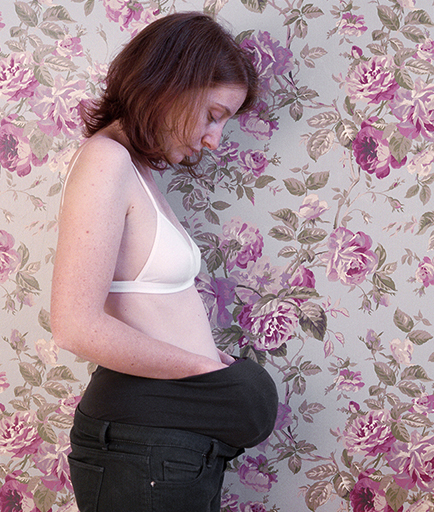
Hôtel Rèverie è un progetto fotografico ispirato al saggio di Gaston Bachelard "La Poetica della Rèverie". Il termine "Rèverie" viene tradotto come sogno ad occhi aperti, fantasticheria. Per il filosofo francese la Rèverie rappresenta quel fenomeno della veglia in cui l'Io fugge dal reale vagando libero da qualsiasi influenza contingente. " Di quale altra libertà psicologica godiamo oltre a quella di fantasticare? psicologicamente parlando, è proprio nelle rèveries che siamo degli esseri liberi" scrive l'autore. Il lavoro è stato realizzato nelle stanze sconnesse e polverose di un albergo in rifacimento. I miei modelli (improbabili come gli abitanti dei sogni) sono in posa sullo sfondo di pareti sgretolate e tappezzerie scollate, nel tentativo di livellare la linea di confine tra il mondo reale e quello immaginario. I miei scatti sono un' occhio che si apre da quel confine e da quel confine si spalanca un mondo ALTRO, nel quale originalità è al tempo stesso Bizzarria, verità primigenia, IDEA platonica. Dove i dettagli non sono mai rivelati e l'immobilità è l'origine di ogni possibile movimento.
Silvia Noferi


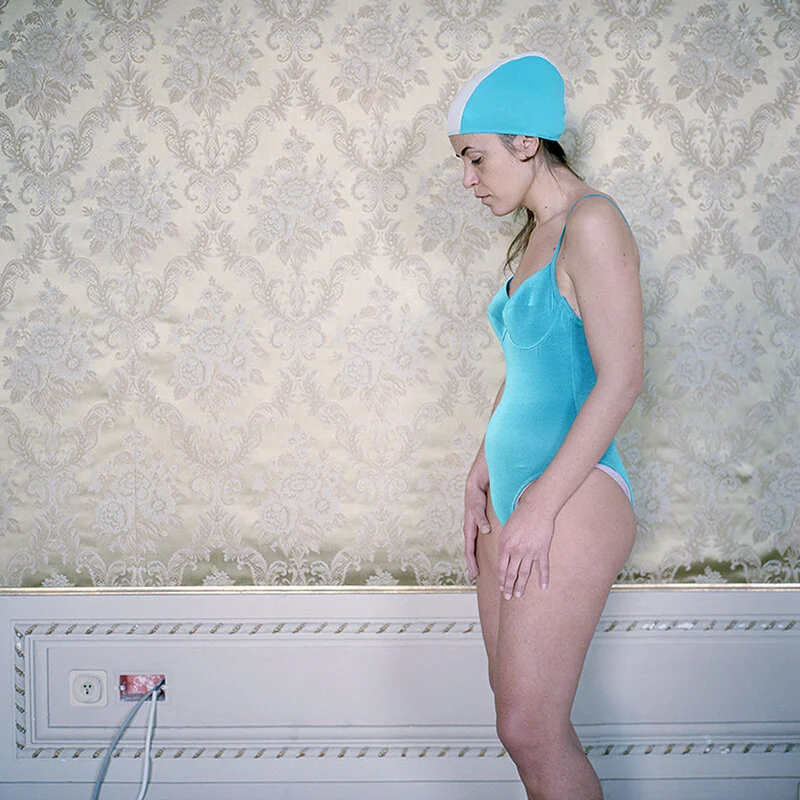
Hôtel Rèverie is a photographic project inspired by Gaston Bachelard's essay "La Poetica della Rèverie". The term "Rèverie" is translated as a daydream, reverie. For the French philosopher, Rèverie represents that waking phenomenon in which the ego escapes from reality by wandering free from any contingent influence. "What other psychological freedom do we enjoy besides that of fantasizing? Psychologically speaking, it is precisely in the reveries that we are free beings" writes the author. The work was carried out in the rough and dusty rooms of a hotel under renovation. My models (as unlikely as dream inhabitants) are posing against the background of crumbling walls and peeling wallpaper, in an attempt to level the boundary line between the real and the imaginary worlds. My shots are an eye that opens from that border and from that border opens an OTHER world, in which originality is at the same time bizarre, primordial truth, Platonic IDEA. Where details are never revealed and stillness is the origin of every possible movement.
Silvia Noferi


The Lucite Grand
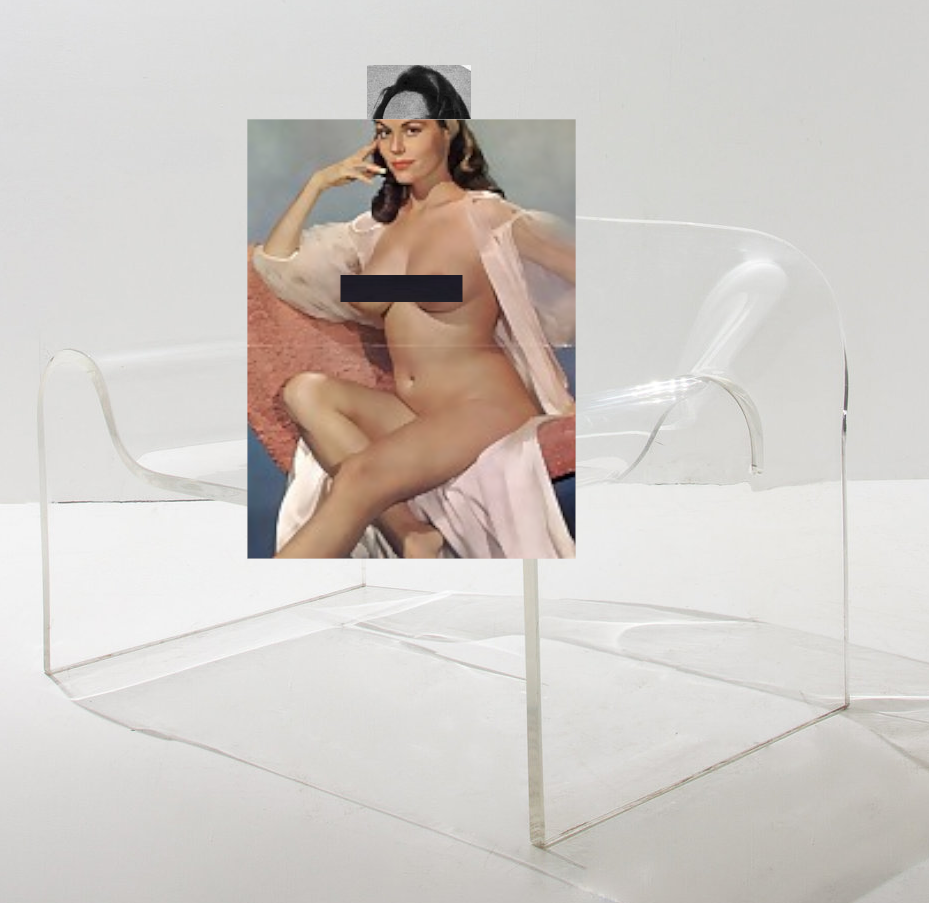
Transparency is a hard principle to live by. Not many guests can withstand constant potential scrutiny by their fellows. Even fewer desire it.
The Lucite Grand exists for an élite with nothing to hide.

“A Lucite guest has a clear conscience,” a Manager said, at the Grand Opening press conference. “Our establishment reflects this.”
Lucite reflects, though not as well as silvered glass.

The rooms, as well as the guests, look into one another.
Enter the lobby and look up…the skirts of your fellow guests. See who’s well-heeled and who ain’t. Above all, see the clouds, rain, stars and the moon.
The ground floor also offers clear views of the garbage incinerator and the laundry in the basement.

“Blankets were a problem,” a spokesperson for the Lucite Grand Hotel said. “In a way that transparent blow-up mattresses were not. Clear plastic film insulated with dehydrated glass noodles is an imperfect solution, but so far no guests have complained.”

Of greater concern are the sanitary facilities.
“Don’t look,” the spokesperson said. “And we won’t tell.”
Look wherever you want, but don’t look for art on the walls.
“We thought of revolving video installations,” the Entertainment Director said, “but the colors and their illusions of solidity interfered with the purity of the overall vision.”
***
Grand Hotel Lucite

La trasparenza è una disciplina dura da vivere. Sono pochi i graditi ospiti in grado di tollerare un persistente scrutinio da parte dei loro simili. Sono ancora meno coloro che lo desiderano.

Il Lucite Grand Hotel esiste per una élite che non ha niente da nascondere.
“L’ospite Lucite ha la coscienza a posto,” disse un Manager alla conferenza stampa di apertura. “Il nostro stabilimento ne è una riflessione.”
La lucite riflette, ma non tanto quanto il vetro argentato.
Le stanze, come i graditi ospiti, si guardano in faccia.

Chi entra nella hall e mira verso l’alto vede le mutandine delle gradite ospite. Soprattutto vede nuvole, pioggia, il cielo sereno, le stelle e la luna.
Il pianterreno gode inoltre di un panorama dell’inceneritore e della lavanderia in cantina.
“Al contrario dei materassi gonfiabili trasparenti,” dice un portavoce per la Lucite Grand Hotel s.r.l., “le coperte rappresentano un problema. Due strati di pellicola trasparente che rivestono tagliatelle di riso disidratate sono una soluzione imperfetta, ma finora nessun gradito ospite se ne è lamentato.”

Pure i servizi sanitari suscitano perplessità.
“Non guardate,” suggerisce lo stesso portavoce dell’albergo, “e noi manterremo il segreto professionale.”
Guardate ovunque volete, ma non vedrete arte appesa alle pareti.
“Abbiamo pensato a delle installazioni video,” dice l’entertainment director, “ma i loro colori e illusioni di solidità interferirebbero con la purezza della nostra estetica.”

RWF’s One-Night Stand

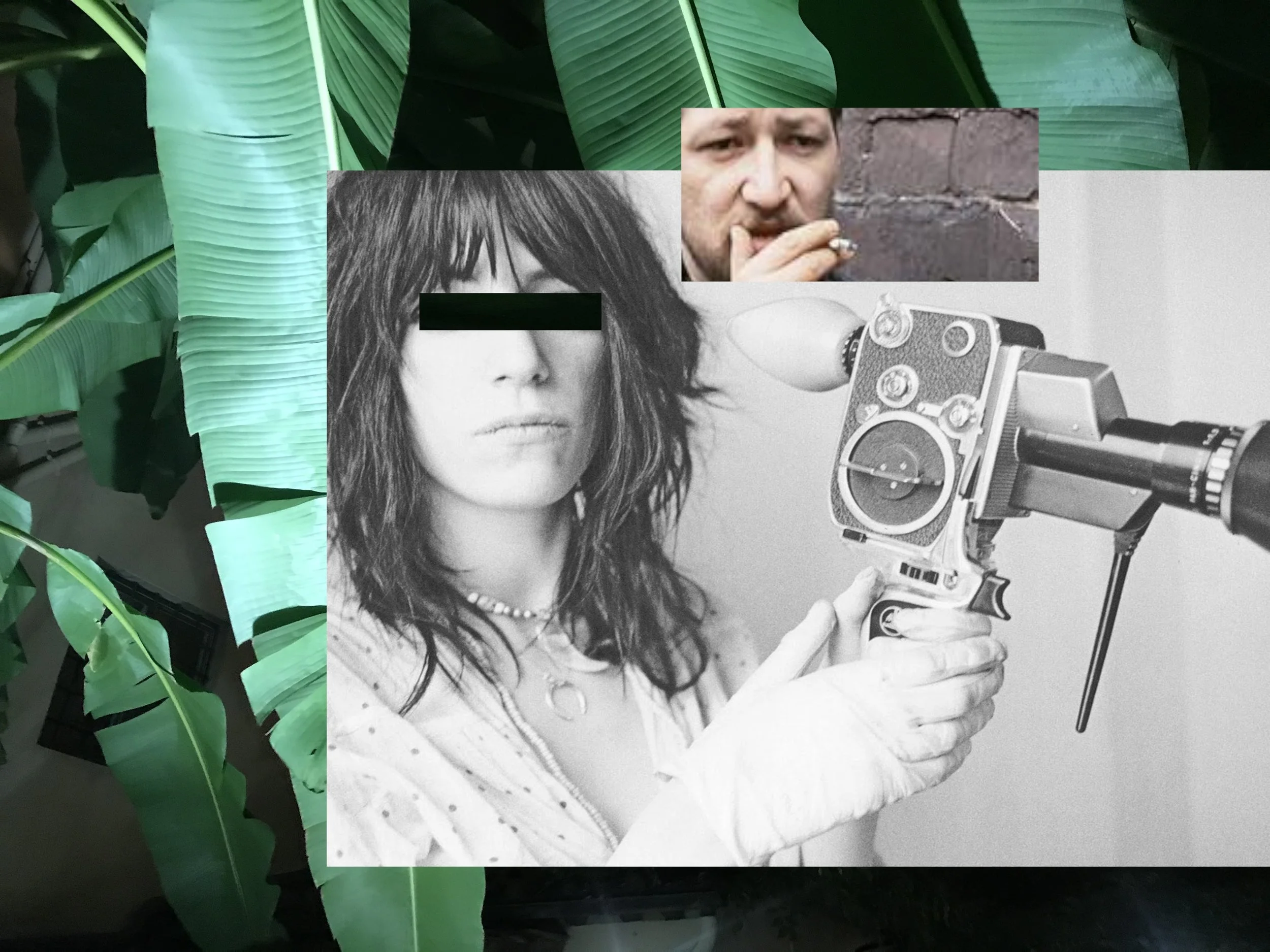
Rule Number One in the Hotel Biz oughta be: don’t let film crews anywhere near your establishment.
Rule Number Two: Don’t let movie stars pillage MiniBars.

The man who introduced himself as The Producer laid an impressive hand of plastic cards on the table. “One night, that’s all we need,” he said. “Minimal crew, no stunts. We just need to re-shoot a few basic scenes and some missing establishing shots to wrap up an unfinished masterpiece.”
“Who’s the Director?” The Night Porter sounded wary, because he was.
“The Master, alas, is no longer with us,” The Producer said. “Except in spirit.”

The Night Porter pretended to look through The Register. “Sorry. No vacancy.”
The Producer made a get over here gesture at a thin, glamorous figure, who approached the Reception Desk.
“The world is a sad place,” she whispered, “when not even hotels have room for beautiful fantasy.”
The Producer pulled a large-denomination banknote from his pocket. “Do you want life to be dull?”
“Uh, I guess we can work something out.”
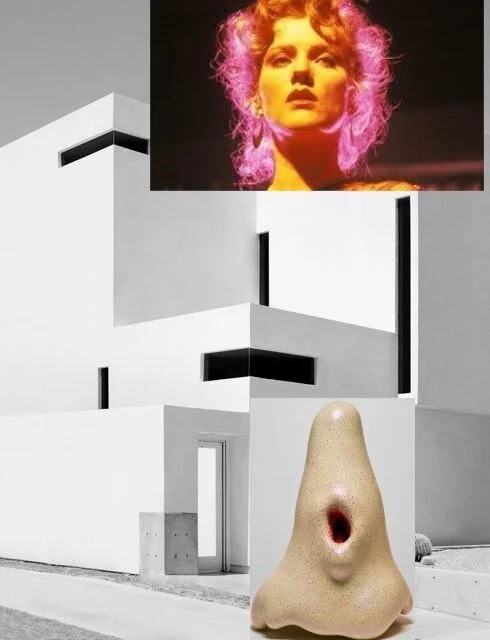
The crew began to unload equipment from their van. They dragged heavy crates across the lobby, though Management strictly forbids this. “At least use the Service Elevator,” the Night Porter said. But it was too late.
Shooting began that same night.

The Night Porter watched them work. He hoped he might learn some skill, some means to capture emotions, that would better his position in society.

He used his passkey to admit crew and talent into unoccupied Suites on several floors. He begged them not to disrupt the beds, or use the bathrooms, or raid the little refrigerators.
“Of course not,” they said, but then did as they pleased.

The actress with the low voice, deep accent and 80-proof breath kissed him full on the mouth when it was all over. “The world will be a less dismal place now,” she whispered in his ear.
Management disagreed, vehemently.
***
Notturno R.W.F.

La prima regola dell’industria alberghiera dovrebbe essere: non ammettere equipe cinematografiche.
La seconda regola: non permettere alle stelle del cinema di svuotare a scrocco i MiniBar.

L’uomo che si era presentato come Il Produttore aveva tante prestigiose carte di credito da giocare. “Chiediamo di stare una sola notte,” disse. “Equipe ridotta all’osso. Niente esplosioni. Dobbiamo solo recuperare alcune scene, fare riprese di sfondo, registrare il suono di stanze vuote per finire un capolavoro incompiuto.”
“Chi è il regista?” chiese il portiere di notte, non proprio rassicurato.
“Il maestro, ahimè, non è più tra noi,” rispose il Produttore. “A parte in spirito.”

Il portiere di notte fece finta di consultare il registro. “Spiacente. Siamo al completo.”
Il produttore gesticolò verso una figura snella e fascinosa. Quest’ultima si avvicinò al banco della reception.
“Il mondo è un posto triste,” sussurrò lei, “quando nemmeno gli hotel danno spazio alle belle fantasticherie.”
Il Produttore trasse di tasca una banconota di taglio osceno. “Vuoi che la vita sia truce?”
“Ehm, forse riusciamo dopotutto ad accomodarvi.”

La troupe scaricò il pesante macchinario e strascicò tutto per la moquette della hall, anche se La Gestione lo proibisce severamente. “Perlomeno usate l’ascensore di servizio,” disse supplichevole il portiere di notte.
Ma era troppo tardi.
Cominciarono subito a girare.

Il portiere di notte osservò. Sperava di poter imparare qualche manualità, un modo di catturare emozioni che avrebbe migliorato la sua posizione in società.

Con la chiave universale fece entrare tecnici e attori nelle Suite vacanti. Implorò loro di non disfare i letti, o usare i bagni, o svuotare i piccoli frigoriferi. “Certo che no,” dicevano, per poi fare come volevano.

L’attrice dalla voce bassa e l’alito alcolico lo baciò sulla bocca quando tutto era compiuto. “Ora il mondo è meno tetro,” gli sussurrò nell’orecchio.
La Gestione non fu d’accordo. Veementemente no.

Secretary College Fashion Confidential
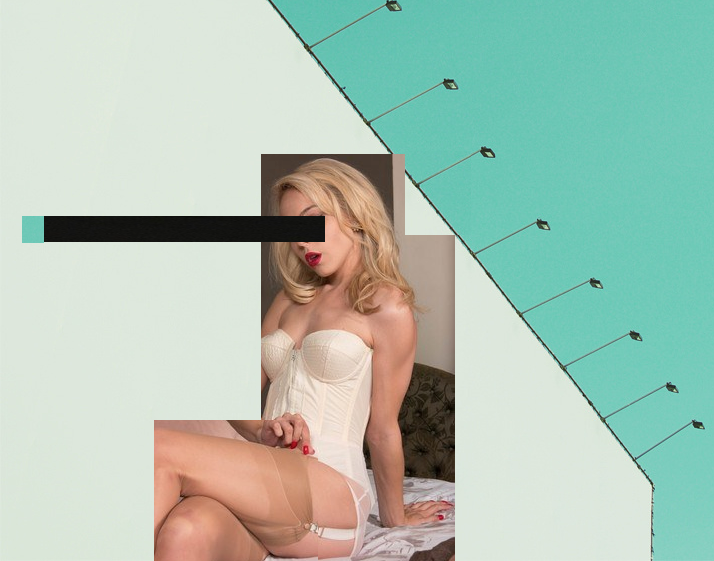
A handsome Streamline Moderne building a few blocks away from Hotel Kranepool houses the State Secretarial College.
Students often stop in at the Kranepool Bar & Grille for a cup of coffee before school, and for drinks when the day is done. An SSC committee drafted the following note to The Management after (several rounds of) cocktails.

Dear Sir/Madam,
we formally request permission to use your establishment’s lobby as the backdrop for a top-secret secretarial fashion show.
Signed,
The Secretary College Girls!

The exclamation point probably did the trick.
The Management’s response: Yes!

Memo from: The Management
To: Night Porter (Eyes Only)
Re: Secretarial Fashion Show
You are to provide any and all assistance with hair, makeup, styling, music, refreshments and clean-up. You are authorized to withdraw from Petty Cash.

That sounded like a lot of work, in return for not much, if anything. Unless...
The Night Porter’s mind drifted back to a time when cellular telecommunication was only a distant nightmare. Fashion shows were restricted to fashionable ghettoes, then.
He remembered a young woman who liked to wear his clothes. He wore the same kind of clothes she liked to wear anyway. Everything fit, everything looked right on her, or at least right enough. Life was simple.

Another quiet night at the Kranepool went by, slowly.

The secretarial models showed up the next evening at exactly the time the Night Porter clocked in, as though they’d staked out the service entrance. They required no assistance as far as hair, makeup, styling and music were concerned. A thud-track boomed from machines that seemed much too small to cause such sonic earthquakes. The models promenaded before an audience of hotel lobby mirrors, rode the mirrored elevators up and down in attitudes of glamorous defiance. The final procession led into the Kranepool Bar & Grille, where The Management had left word to comp the stylish stenotypists for the rest of the evening.

The clean-up operation began at dawn. The vacuum cleaner whirred to life. The rest of the hotel played dead while the Night Porter shoved the machine back and forth.
***
Sfilata segretariale segreta
Un bel palazzo stile International Modern a qualche isolato da Hotel Kranepool ospita la Scuola Statale per Segretarie.

Le alunne sono solite fermarsi al Kranepool Bar & Grille per un caffè prima delle lezioni e per l’aperitivo a fine giornata. Un comitato SSS scrisse la nota sottostante a La Gestione presumibilmente dopo qualche giro di cocktail.
Gentile Signora/e,
formalmente Le chiediamo il permesso di usare la Vs. hall per una sfilata ultra-segreta di moda segretariale.
Firmato,
Le ragazze della Scuola Statale Segretarie!

L’uso del punto esclamativo fu decisivo.
La Gestione rispose: Quando volete!

Nota da: La Gestione
A: Portiere di notte
Soggetto: Sfilata scuola segretariale
Desideriamo che fornisca qualsivoglia assistenza, ivi compresi coiffure, trucco, styling, musica, rinfresco e pulizia. A tale scopo, la autorizziamo a prelevare dalla piccola cassa.

Sembrava tanto lavoro in cambio di poco. A meno che...
Il portiere di notte tornò mentalmente a un tempo in cui la telecomunicazione cellulare era solo un distante incubo. Le sfilate di moda erano limitate ai ghetti eleganti, allora.
Si ricordò di una giovane che si vestiva come lui. Tanto lui si metteva comunque vestiti che le piacevano. Si mettevano gli stessi vestiti, che stavano bene a tutti e due. La vita era semplice.

Un’altra notte tranquilla al Kranepool passò, lentamente.

Le modelle segretarie arrivarono la sera dopo, nel momento in cui il portiere di notte timbrava il cartellino, come se avessero sorvegliato l’entrata di servizio. Non avevano bisogno di assistenza per quanto riguardava coiffure, trucco, styling e musica. Un rombo assordante scaturiva dai minuscoli altoparlanti che si erano portate dietro. Le modelle pavoneggiarono davanti a un pubblico di specchi nella hall. Salirono e scesero negli ascensori specchiati in atteggiamenti di glamour-osa sfida. La processione finale li condusse nel Kranepool Bar & Grille, dove La Gestione aveva ordinato di lasciare bere a piacere le stilose stenografe per il resto della serata.

Le pulizie cominciarono all’alba. Il resto dell’albergo dormiva. L’aspirapolvere sospirava forte mentre il portiere di notte lo spingeva avanti e indietro.

Typeface Hotel

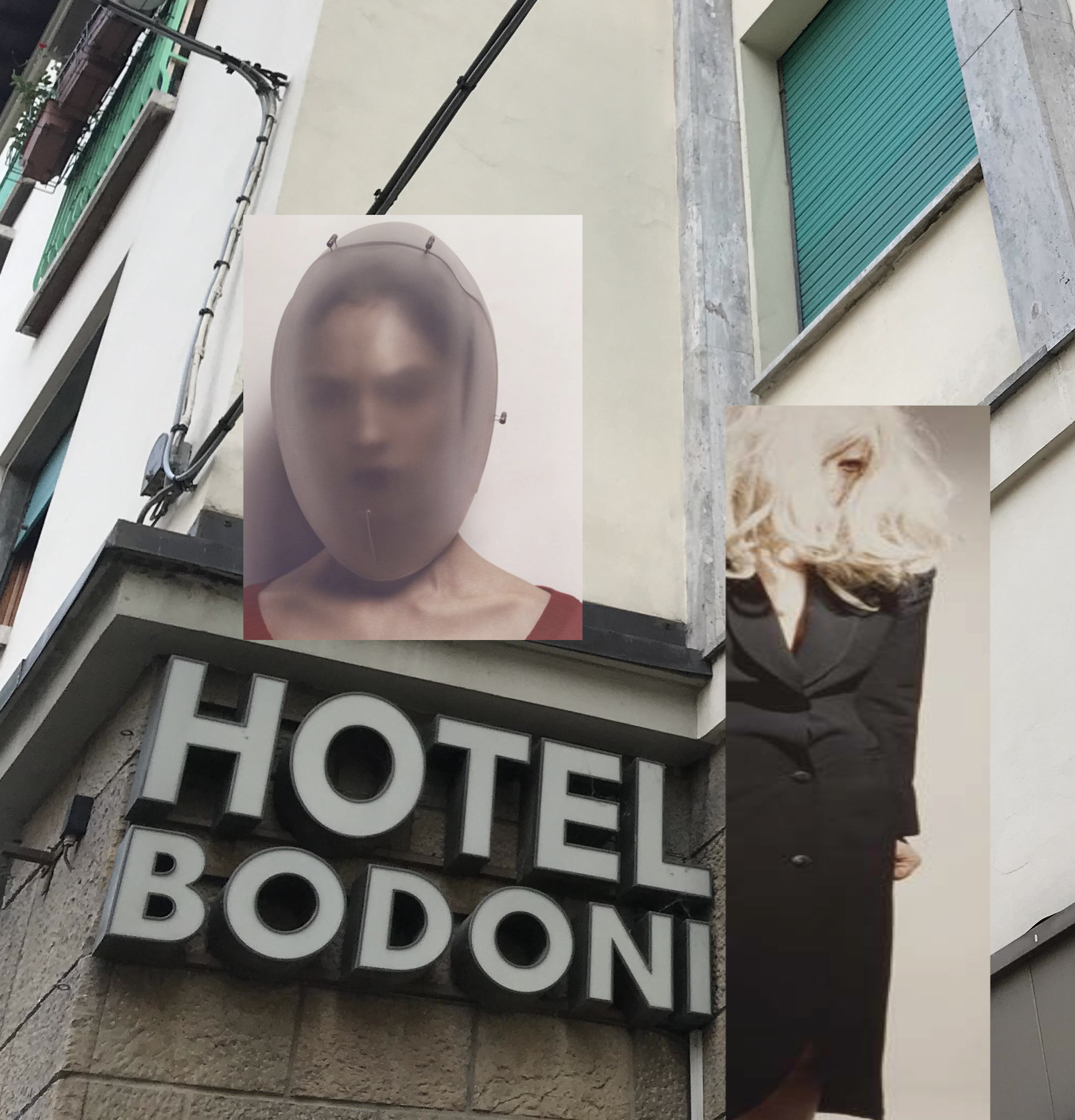
Hotel Bodoni, your typographical home-from-home. A cozy place, with a warm home-from-homey feel…
It’s down at the end of Compulsive Street, on the corner of Obsessive Avenue. A place where you or just about anyone as fussy as you might spend a night or two.

The ethereal Arial Hotel. Any port in a tempest…
The modern international literary-and-design crowd pays attention to their lodgings’ details.
An establishment that suffers from non-uniformity in logo and look will not see their like in the lobby.

The Royal Verdana!
Check the typeface of the complimentary stationery provided in your Suite. Does it agree with the neon sign outside your window? Would you send a poignant and/or enigmatic note to someone of importance to your career on such paper?

The Krungthep: your bed is where you make it.
Is the dining room in synch, period-wise, with the swimming pool? No pool? How 'bout the in-house discotheque or rooftop lounge, in that case?

The Georgia All-Suites!
The bar is the hotel environment where style counts most. Is your barman’s uniform of natural fiber? Does it bear the establishment’s crest and/or credo? Are the liquors on the bar-back top, bottom or (yawn) middle drawer? Are the bottles interestingly shaped, illuminated from behind? Does cocktail presentation matter? Are the coasters something you’d take home for your cool/cute logo collection?

Jet-Set from Coast-to-Coast to coasters…
***
Font Hotel

Grand Hotel Blackmoor!
Si trova in fondo a Viale Compulsione, nel quartiere Asperger. Un posto dove tu, o chiunque è puntiglioso come te, potrebbe voler passare qualche notte.

Il Times Hotel!
L’élite internazionale di design e letteratura scruta minuziosamente i dettagli dei loro alloggi. Uno stabilimento che soffre di scarsa coerenza di logo e look non li vedrà mai nella loro hall.

Al Geneva si parlano tante lingue, anche il francese…
Diamo un’occhiata agli articoli di cancelleria nella vostra Suite. Vanno d’accordo con l’insegna al neon fuori dalla finestra? Useresti quel foglio e quella busta per mandare una nota commovente/enigmatica a qualcuno che potrebbe promuovere la tua carriera?

Hotel Helvetica International!
La sala da pranzo è in sintonia, stilisticamente parlando, con la piscina? Niente piscina? In tal caso, con la discoteca o il bar girevole sul tetto?

Al Geneva parlano tante lingue e usano tanti font, incluso ACAB…
Il bar è l’ambiente alberghiero dove lo stile conta di più. La divisa del/della barista è di fibra naturale? Reca lo stemma e/o il manifesto del locale? I liquori esposti dietro il banco sono di prima, seconda o infima categoria? Hanno forme interessanti le bottiglie? Sono perlomeno illuminate da dietro? Come vengono presentati i cocktail? I sottobicchieri sono qualcosa da aggiungere alla tua collezione di logo fighi/ironici?
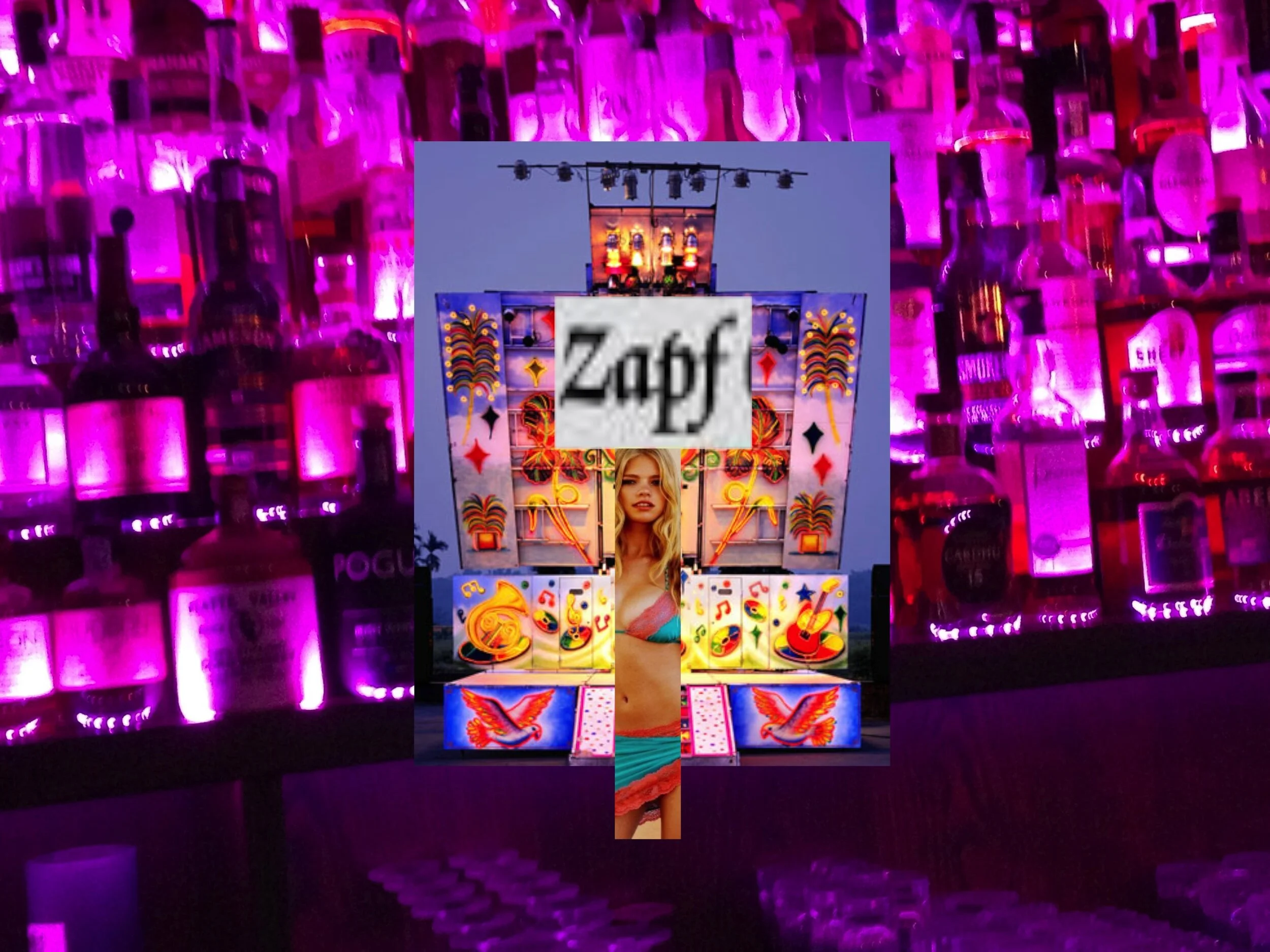
Lo Zapf Hotel Virtuale!
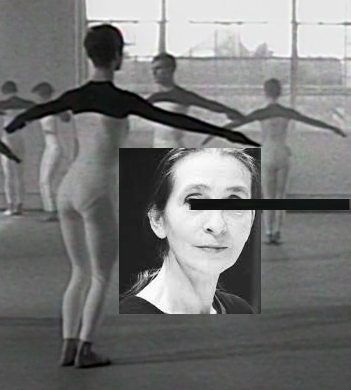
Cafè Kranepool

The Pina Bausch Suite here at the Kranepool was so named when the great choreographer passed away.

She was born in a hotel (more like a restaurant with rooms upstairs) in Solingen, a town known for stainless steel and top-quality knives. As a girl, she often entered guests’ rooms to dance impromptu solos. Not all those who paid to stay were charmed. She wasn’t a good waitress.

The wraith-like hoyden escaped to the jungles of New York, and hit the big time. She was one of those artists whom producers and financiers allow to do whatever they want, since that’s what she would’ve done anyway.
She was given a theater, with which to do as she pleased. Dancers flocked to Wuppertal from far and wide to become her willing puppets.

She played a murderous blind princess who keeps her eyes wide open in a movie by Federico Fellini.

The Kranepool’s Management isn’t entirely averse to art. “Hey,” the Manager known as Mr Mayhew said, “all ya gotta do is create the illusion that the celebrity you wanna name the suite after had something to do with the place. Don’t have to be nothin’ fancy. Coupla signed photographs, or a framed dress, which doesn’t necessarily have to have been worn by the star in question, and you’re in business.”
Management is in business. So Pina Bausch is in Hotel Kranepool, somewhere, forever.
(Note from Management: Please remember that Hotel Kranepool is a No Smoking establishment. Thank you.)

***
Cafè Kranepool
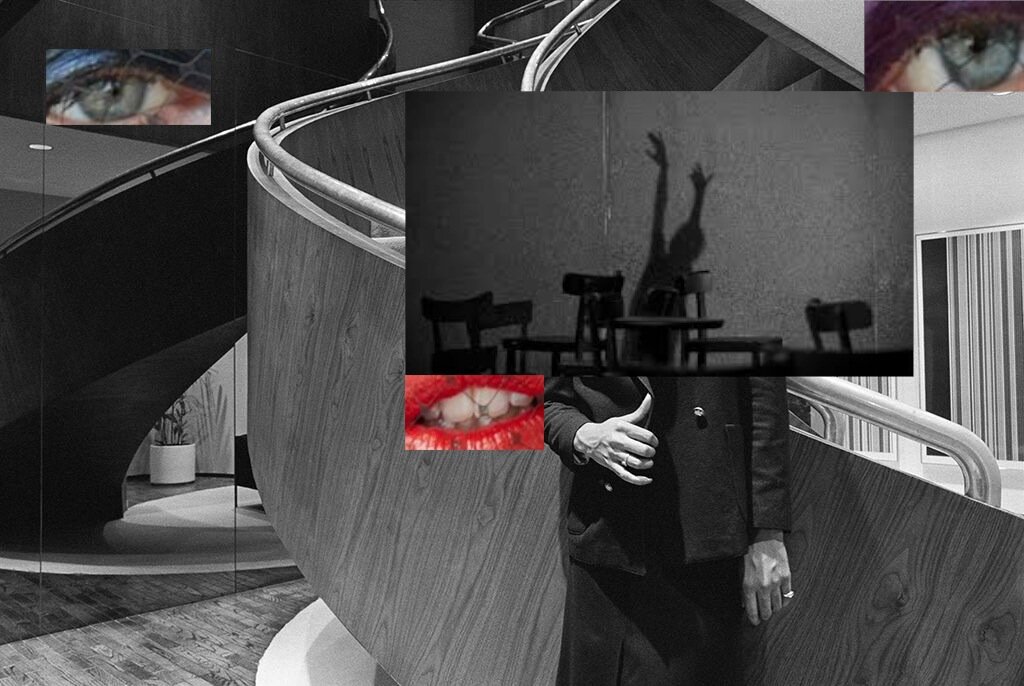
La Pina Bausch Suite di Hotel Kranepool acquisì quel nomignolo quando la grande coreografa se ne andò.

Nacque in un albergo, o meglio un ristorante con delle stanze al primo piano, a Solingen, una piccola città nota per acciaio inossidabile e coltelli di alta qualità. Da ragazza saliva nelle stanze degli ospiti e danzava per loro. Non tutti gradivano. Come cameriera era un disastro.

La spettrale giovane fuggì verso le giungle di New York, e decollò. Era tra quegli artisti a cui produttori e finanzieri fanno fare come vogliono, tanto farebbero comunque così.
Ebbe un proprio teatro per fare come voleva. Ballerini sciamarono a Wuppertal da ogni parte del mondo e si lasciarono trasformare da lei in burattini consenzienti.

Fece un film con Fellini. Interpretò una principessa cieca e assassina che tiene gli occhi sempre aperti.
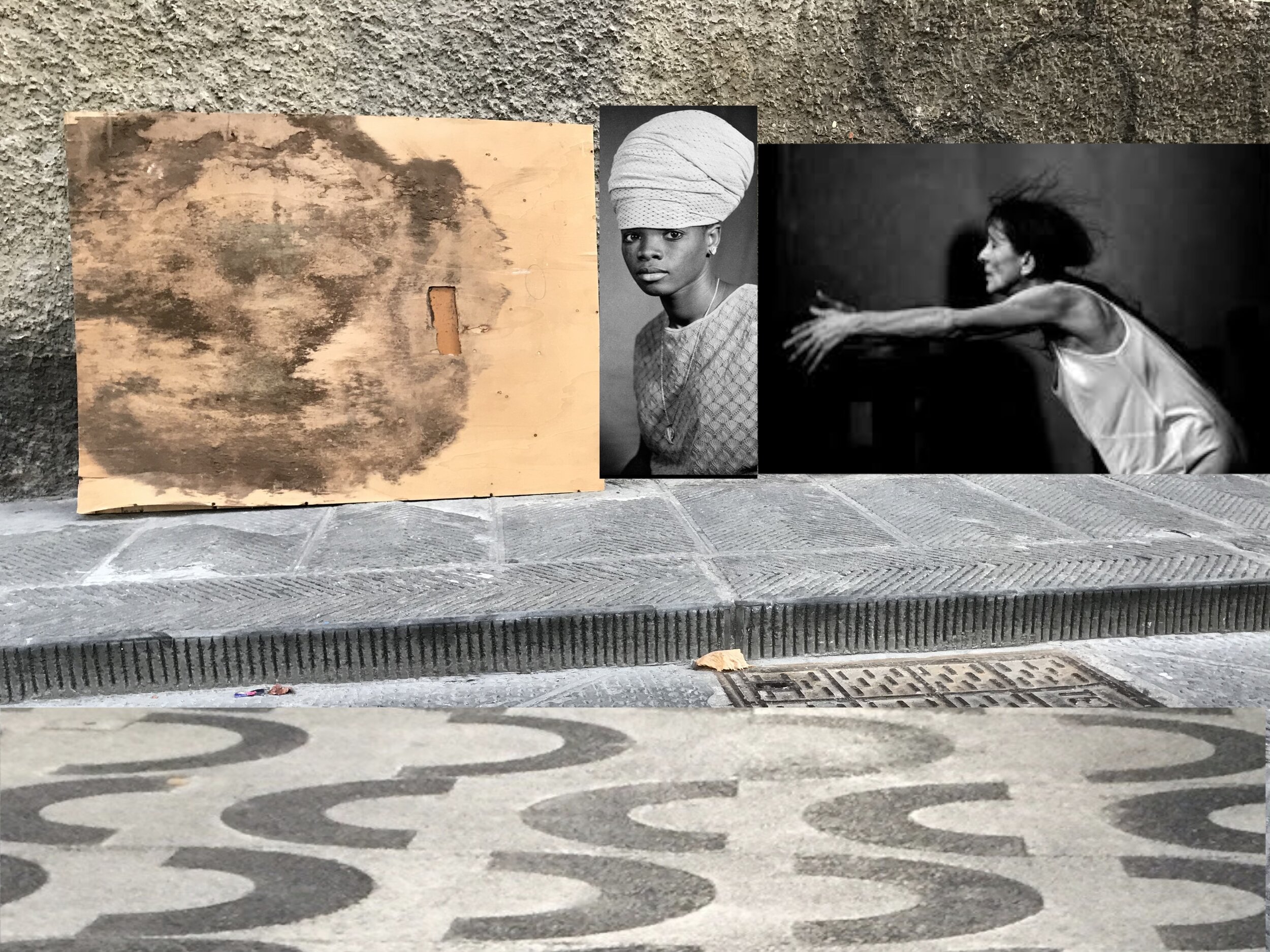
La Gestione del Kranepool non è refrattaria all’arte. “Basta creare l’illusione,” spiega un Manager che preferisce restare anonimo, “che la celebrità che presta il nome alla suite abbia avuto qualcosa a che fare con quelle stanze. Non deve per forza essere nulla di vistoso. Qualche foto firmata, oppure un vestito incorniciato, che non necessariamente deve essere stato indossato dalla stella in questione, e sono soldi a palate.”
Alla Gestione piacciono i soldi, specialmente a palate. Quindi Pina Bausch resterà per sempre a Hotel Kranepool, da qualche parte.
(Nota da La Gestione: preghiamo di ricordare che il Kranepool è un hotel No Smoking. Grazie.)
