Hôtel Fétiche
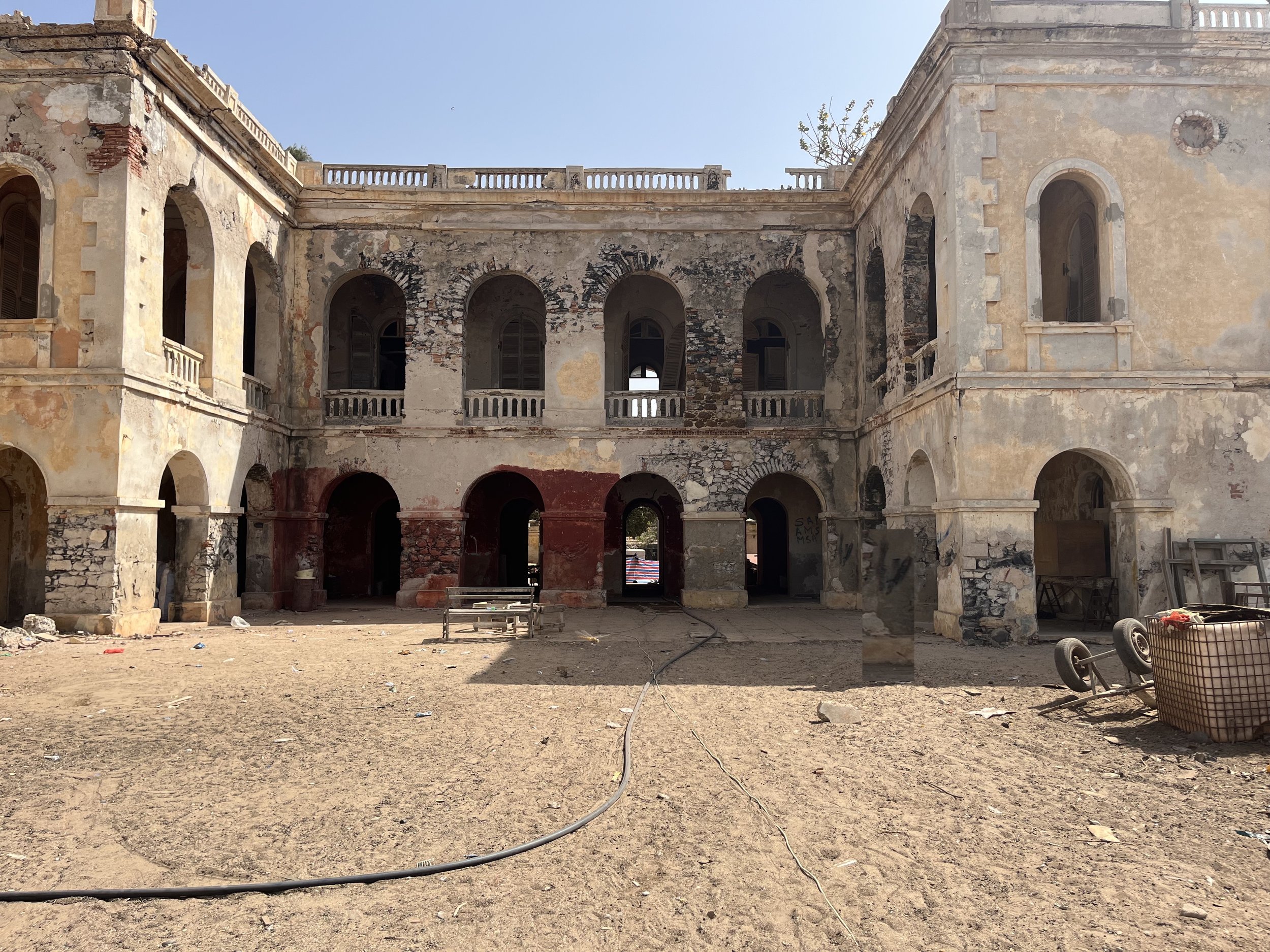
The palace was built in early colonial times.
Once I had a hotel in Africa. It was in a village that was inexorably absorbed by the city that burgeoned as far West as it's possible to go on the so-called Dark Continent. The big house hadn't been built to provide hospitality to paying guests, but since I never said no to anyone who needed a place to stay, or to children whom no one else wanted, it became known as "L'Hôtel".
Some of my guests brought food, or helped keep the place in order. Those who could pay something, paid. "L'Hôtel" became a means to live.
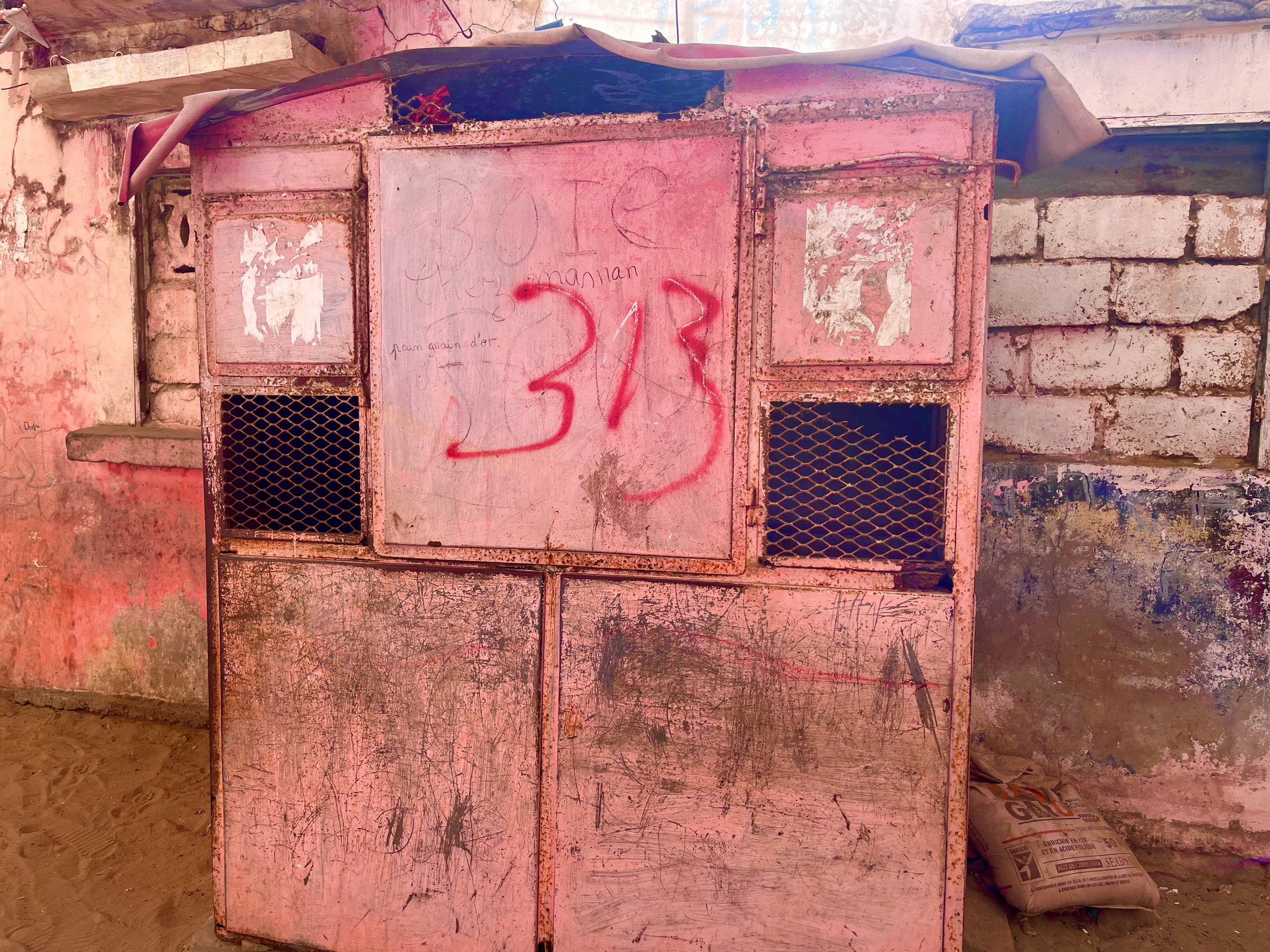
This was the address.
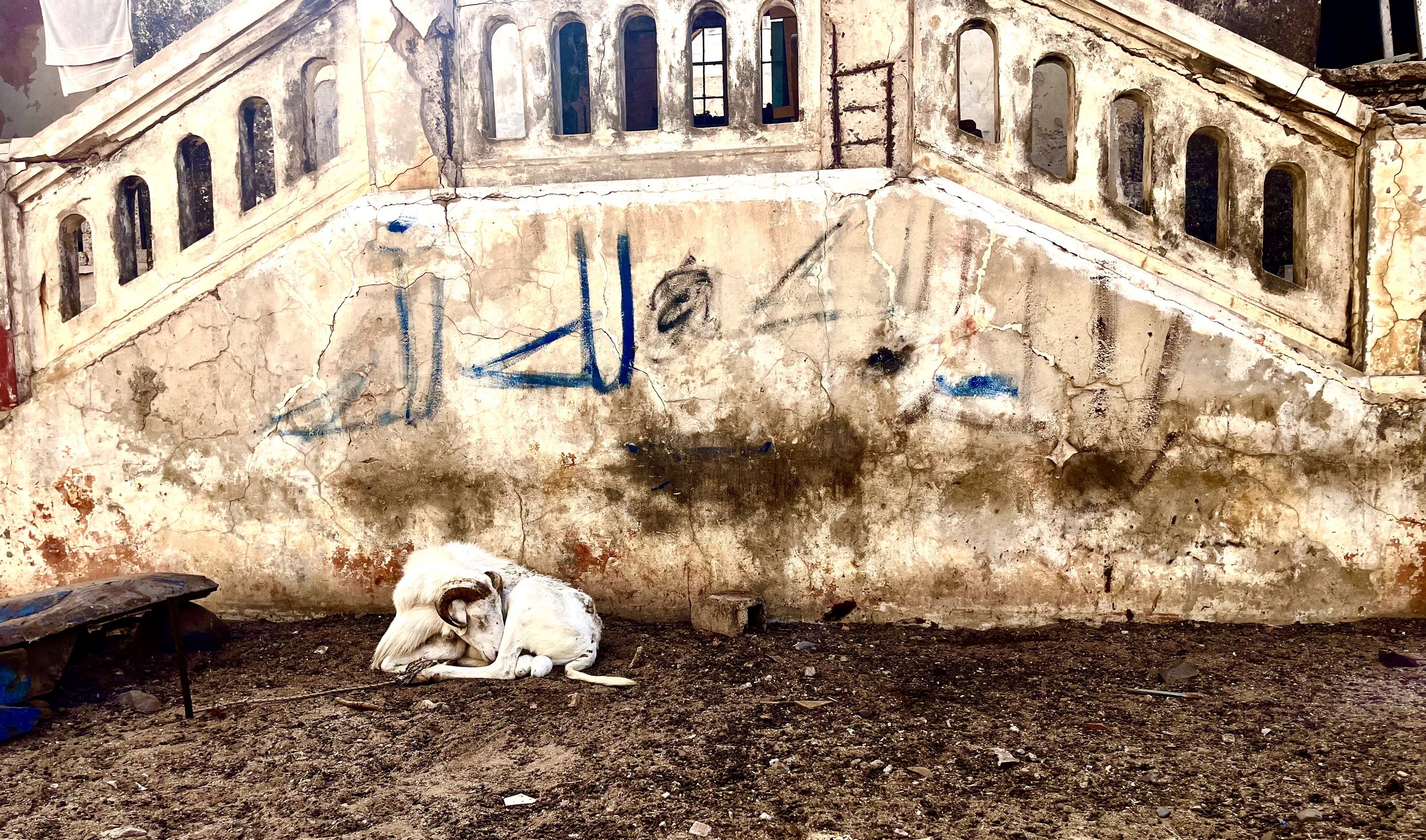
He was a good ram.
When Municipal Inspectors inevitably came to visit, it was immediately clear that the end of a happy enough situation had come. They looked around, wrote in their notebooks, took pictures. The verdict: unsafe, unhygienic, tax evasion. Police stretched yellow plastic ribbons across the doors., but didn't stay to enforce the barrier. People came and went as before, but not for long.
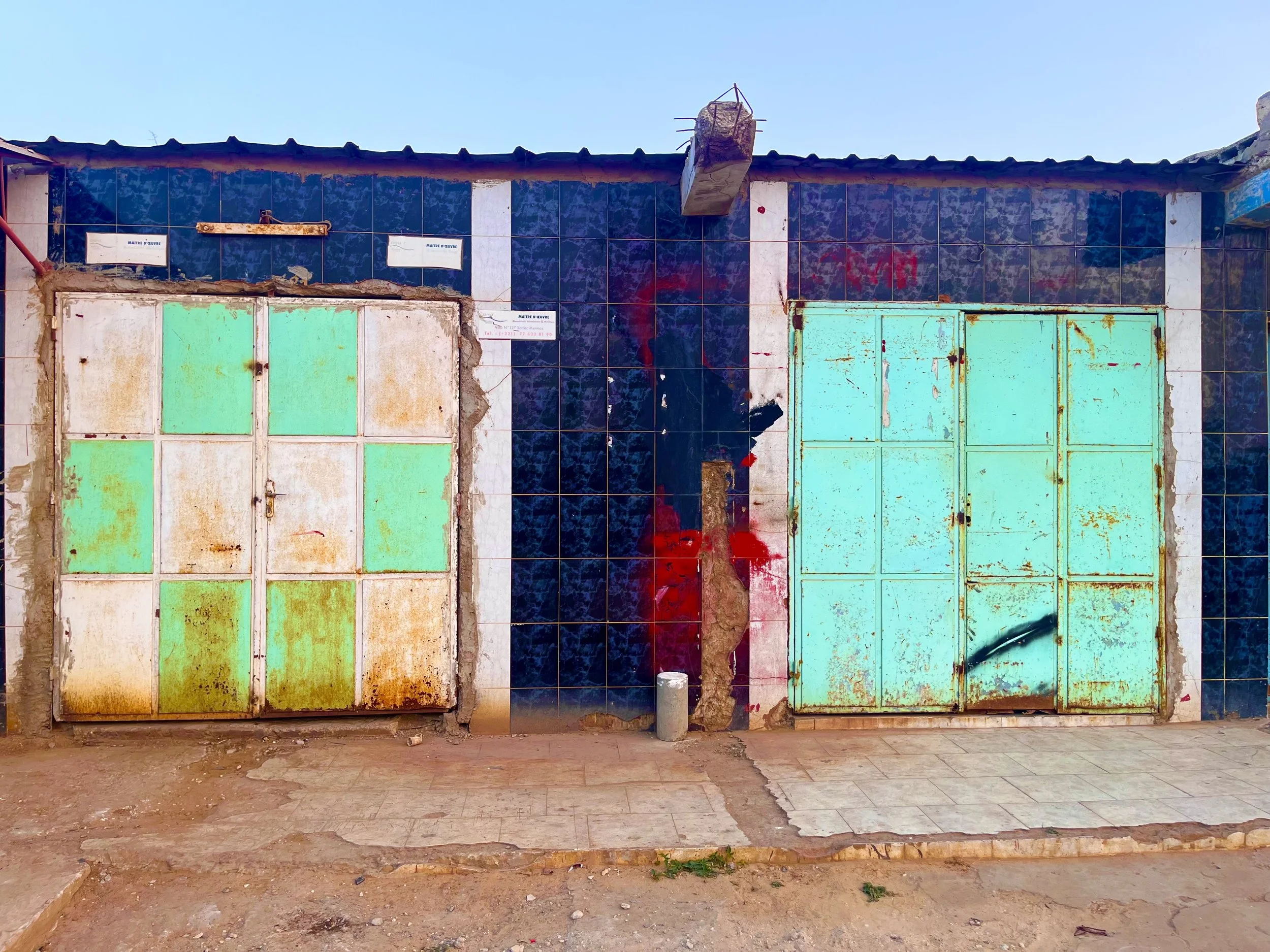
Many guests slept in these rooms.
The officials and the police wanted money, and to make a show of doing their work conscientiously. They said I had to pay a fine. If I didn’t or couldn't pay, they'd put me in prison.
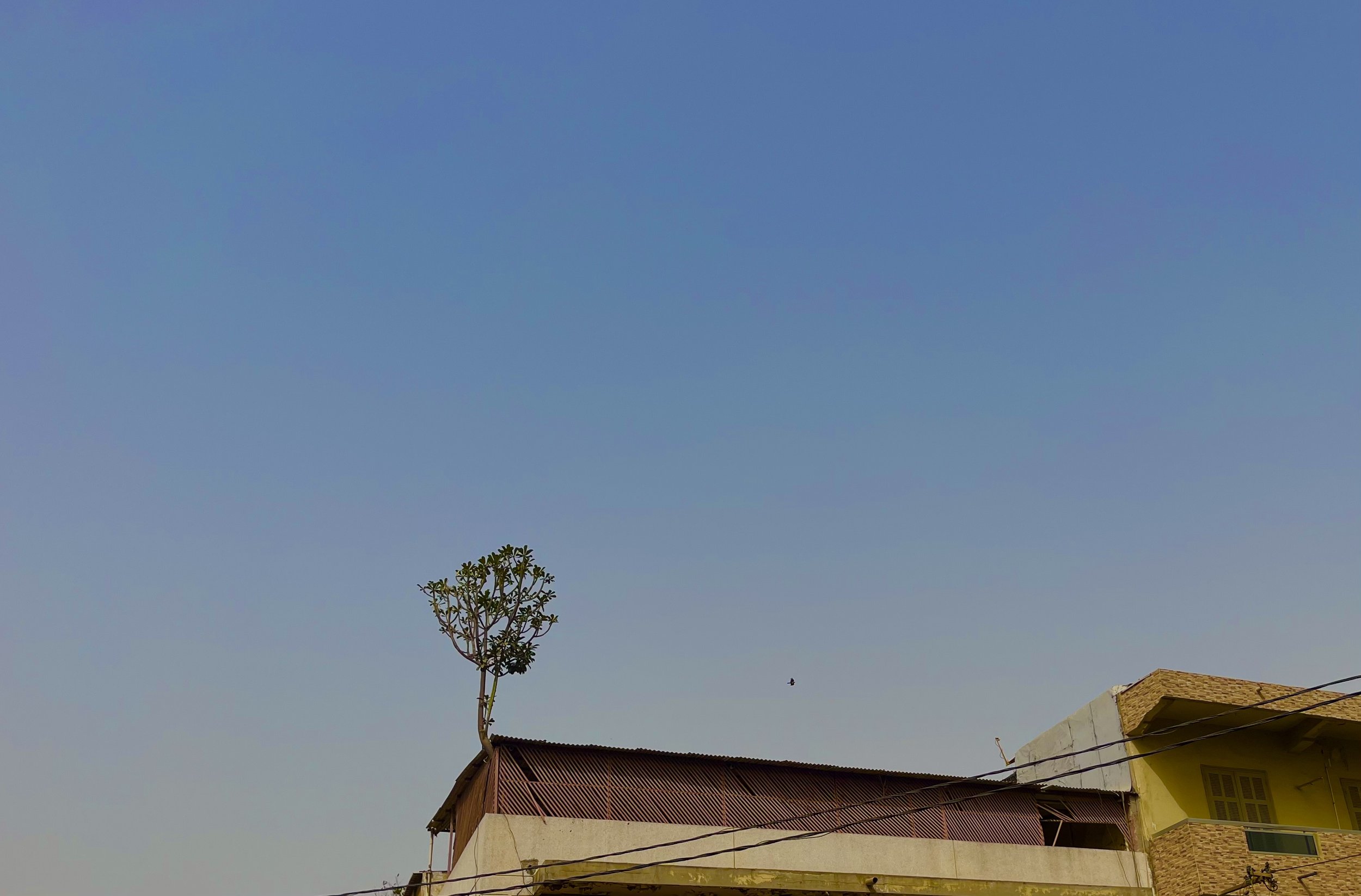
When the inspectors came I felt completely alone for the first time in my life.
The guests prayed for the laws to change. They contributed earnings from the trinkets they made and sold to tourists. I went to see a féticheur.
"The matter is serious," he said, after some consideration. "But you must not lose hope. Think positively, and the dead will assist you in your struggle." He wanted money too.
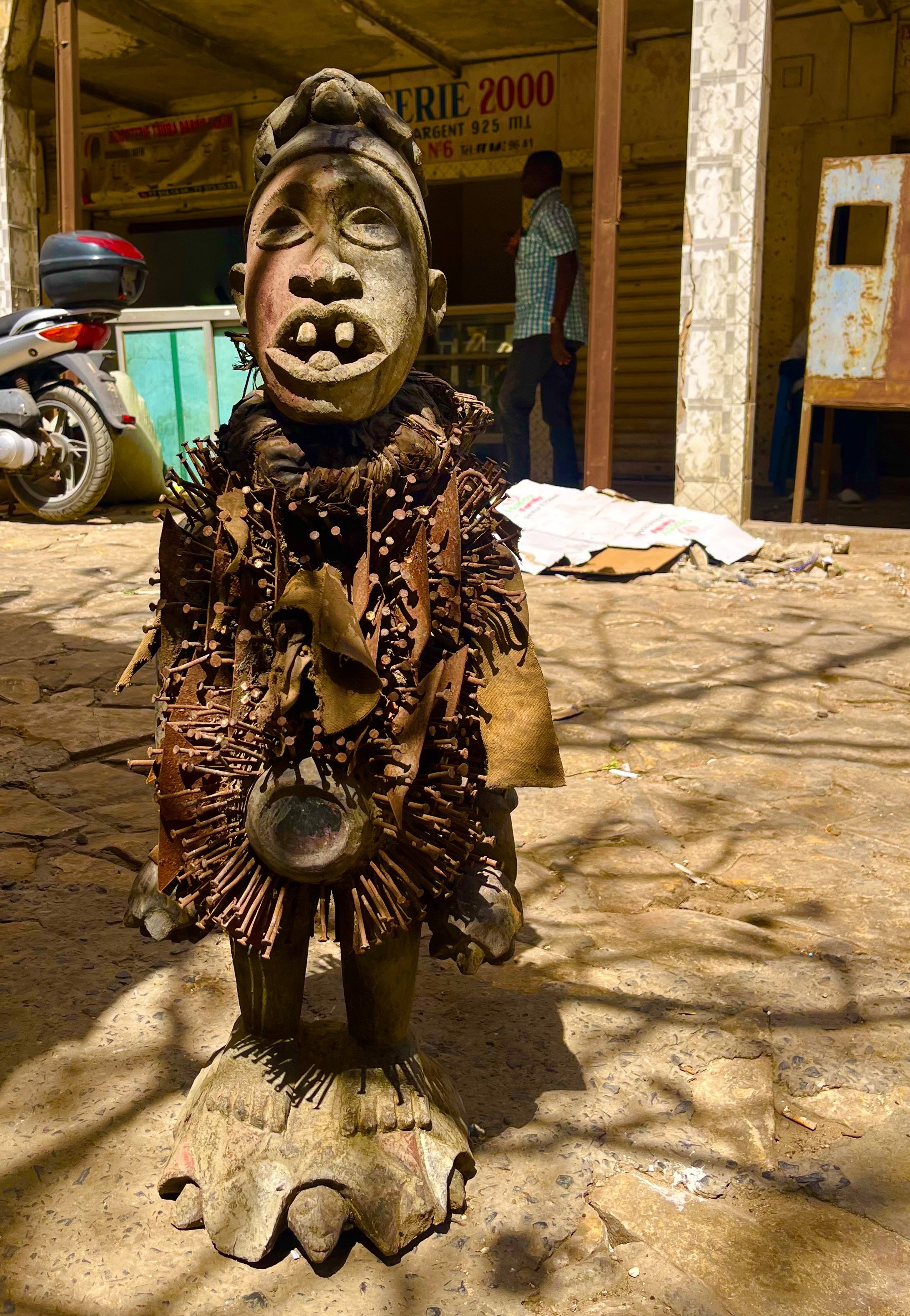
Spirits symbolically assist the living.
The dead had more important things to worry about. A French corporation bought the land under "L'Hôtel", which, according to Municipal Authorities, I didn't legally own. There was no documentation. The bulldozers moved in.
The plan was for a tall, tall building. The result was a skeleton which threatens to crumble and crush those who pass by.
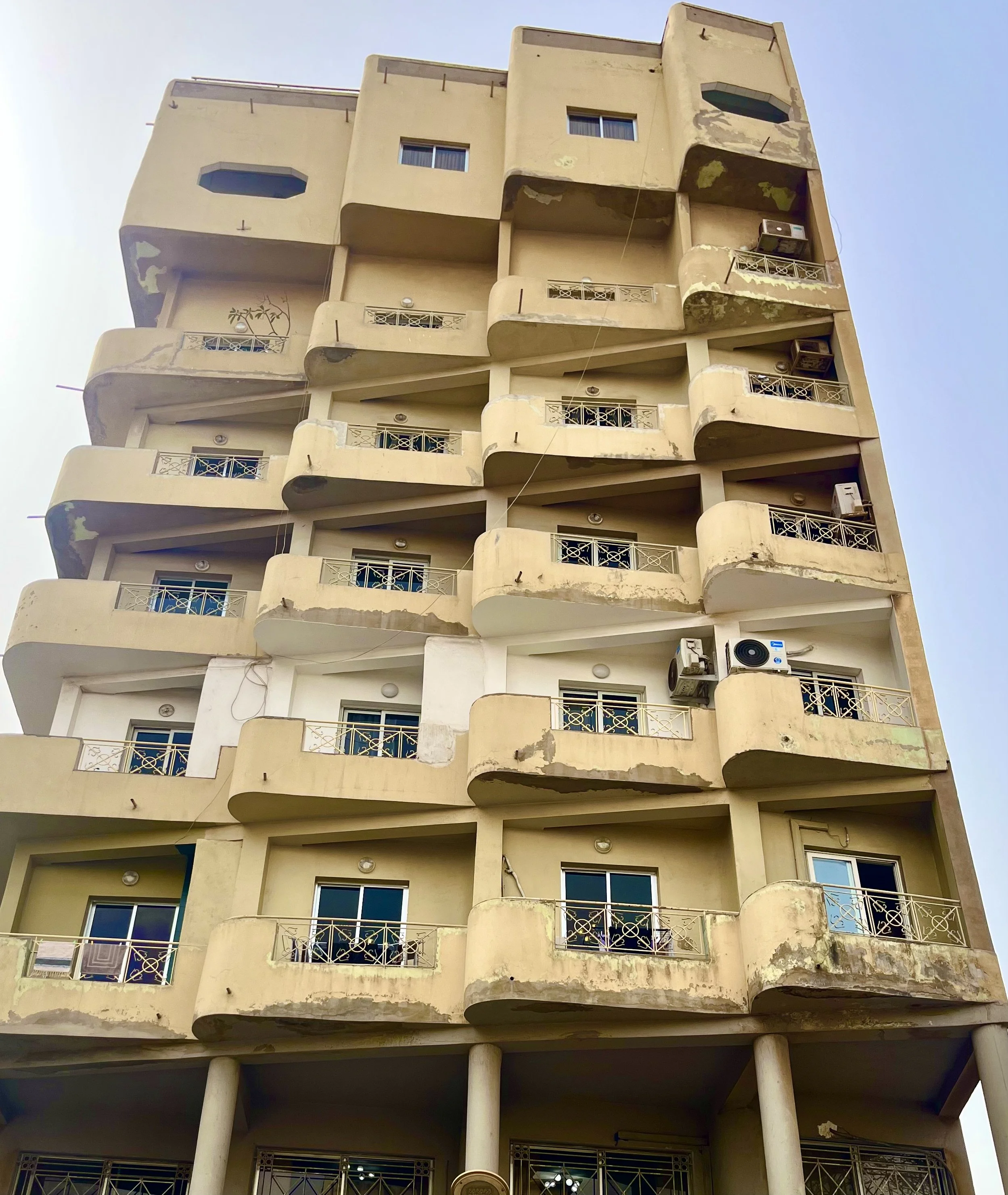
Some of the new structures are inhabited.
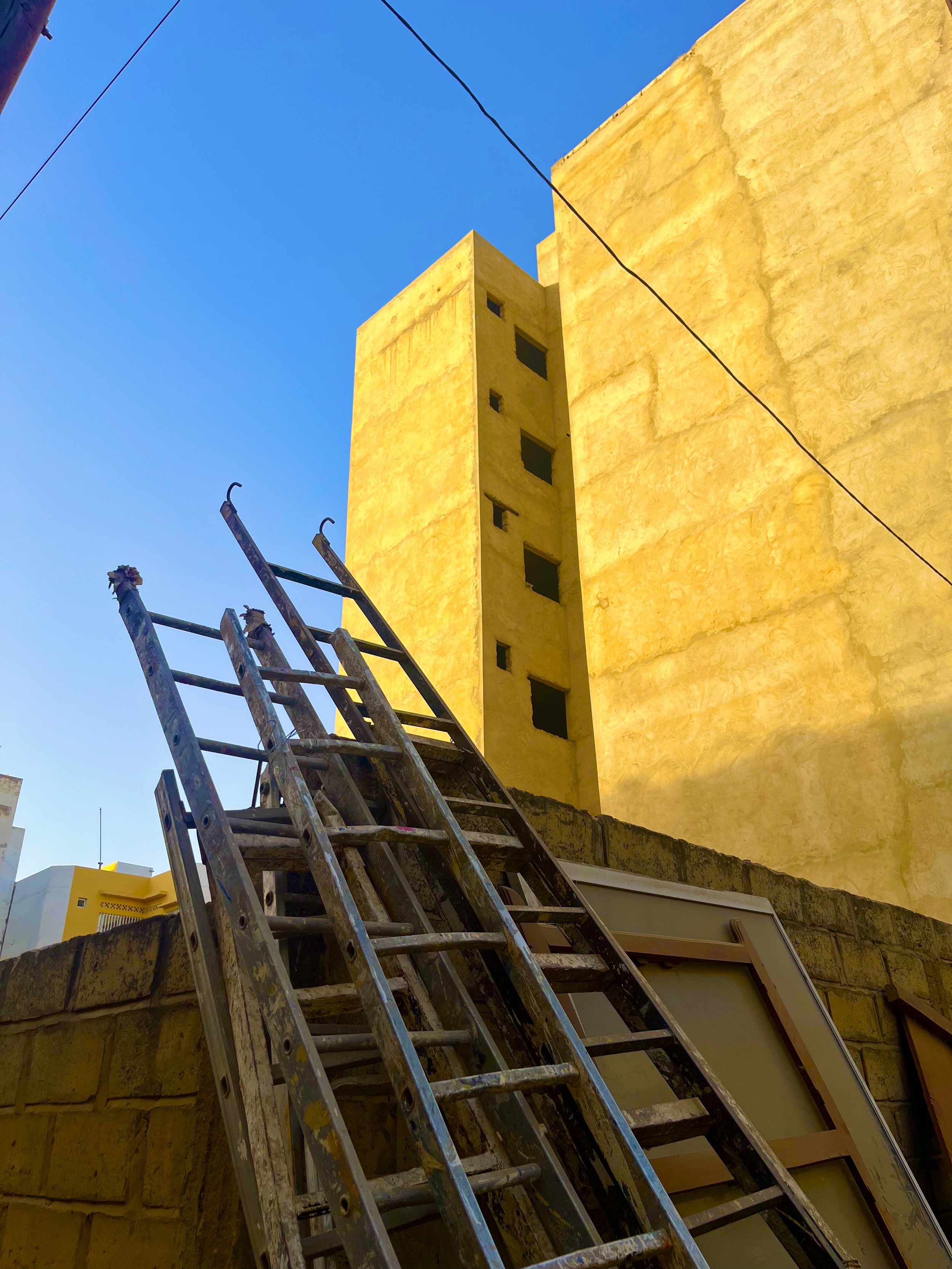
Many remain empty…
"L'Hôtel" was no more, but the fines were still outstanding. I had to escape the skeletal metropolis. After many dubious adventures I wound up in a seaside resort in Europe, where I clean hotel rooms. Not much money, but a bed in which to sleep and three meals a day.
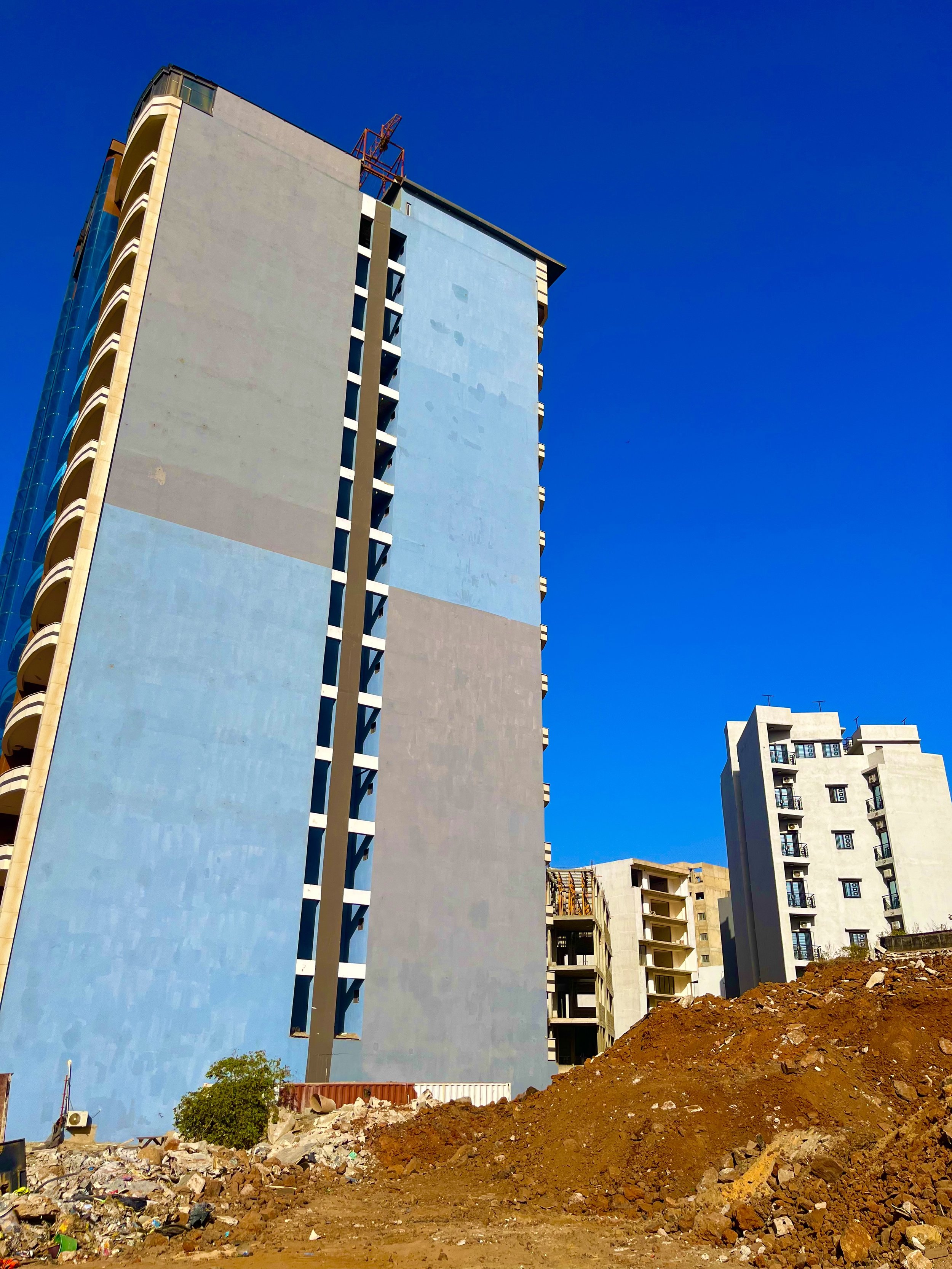
More and more of them, all the time.
***
L'Hôtel dei morti
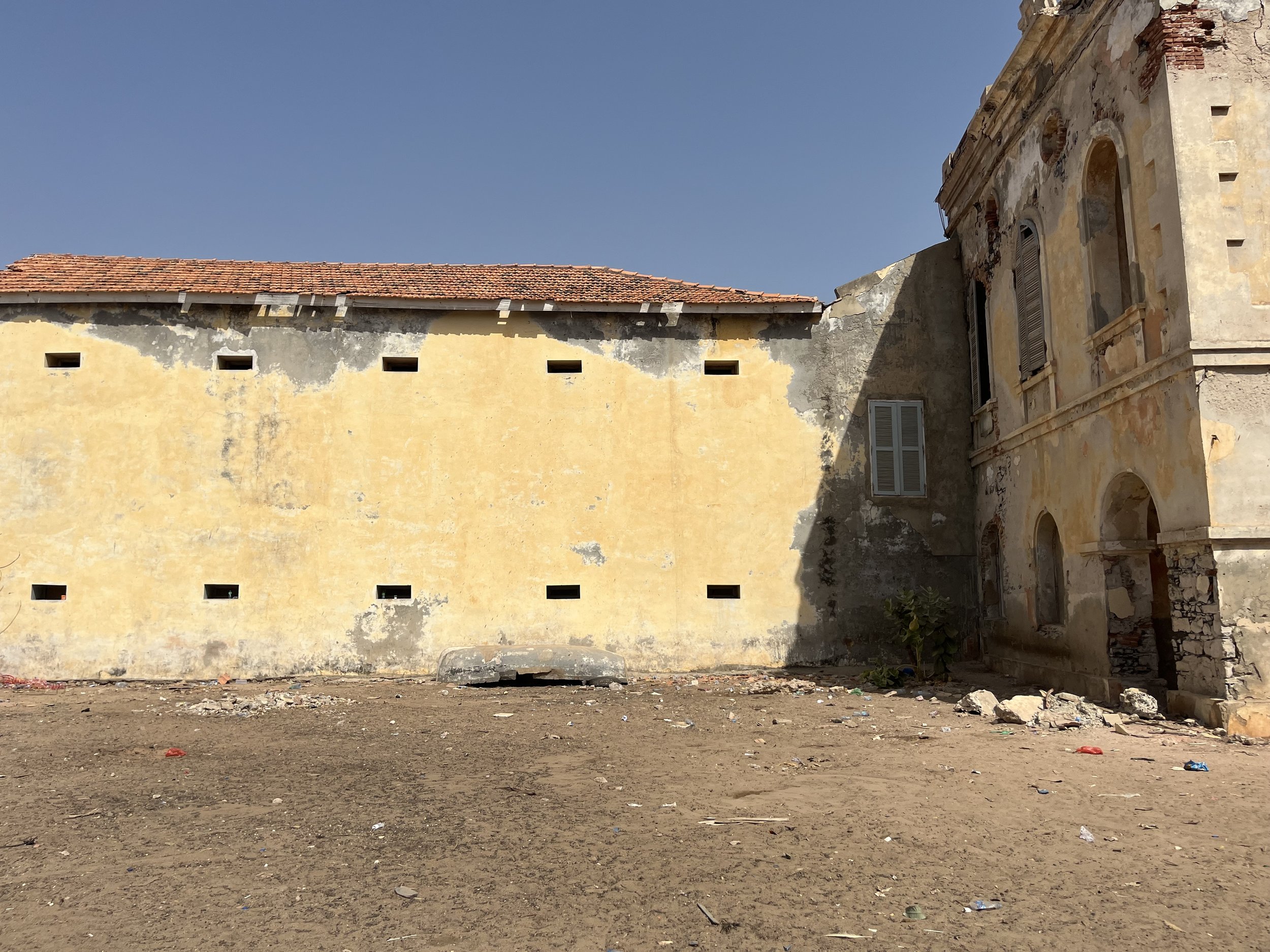
Il palazzo risale all’epoca coloniale.
Una volta avevo un hotel in Africa. Era in un villaggio che fu inesorabilmente assorbito dalla città che si sviluppa più a ovest possibile sul cosiddetto continente scuro.
La grande casa non era stata costruita per accomodare ospiti paganti, ma visto che non dicevo mai di no a chiunque avesse bisogno di un alloggio, e ai bambini che nessuno voleva, veniva chiamata "L'Hôtel".
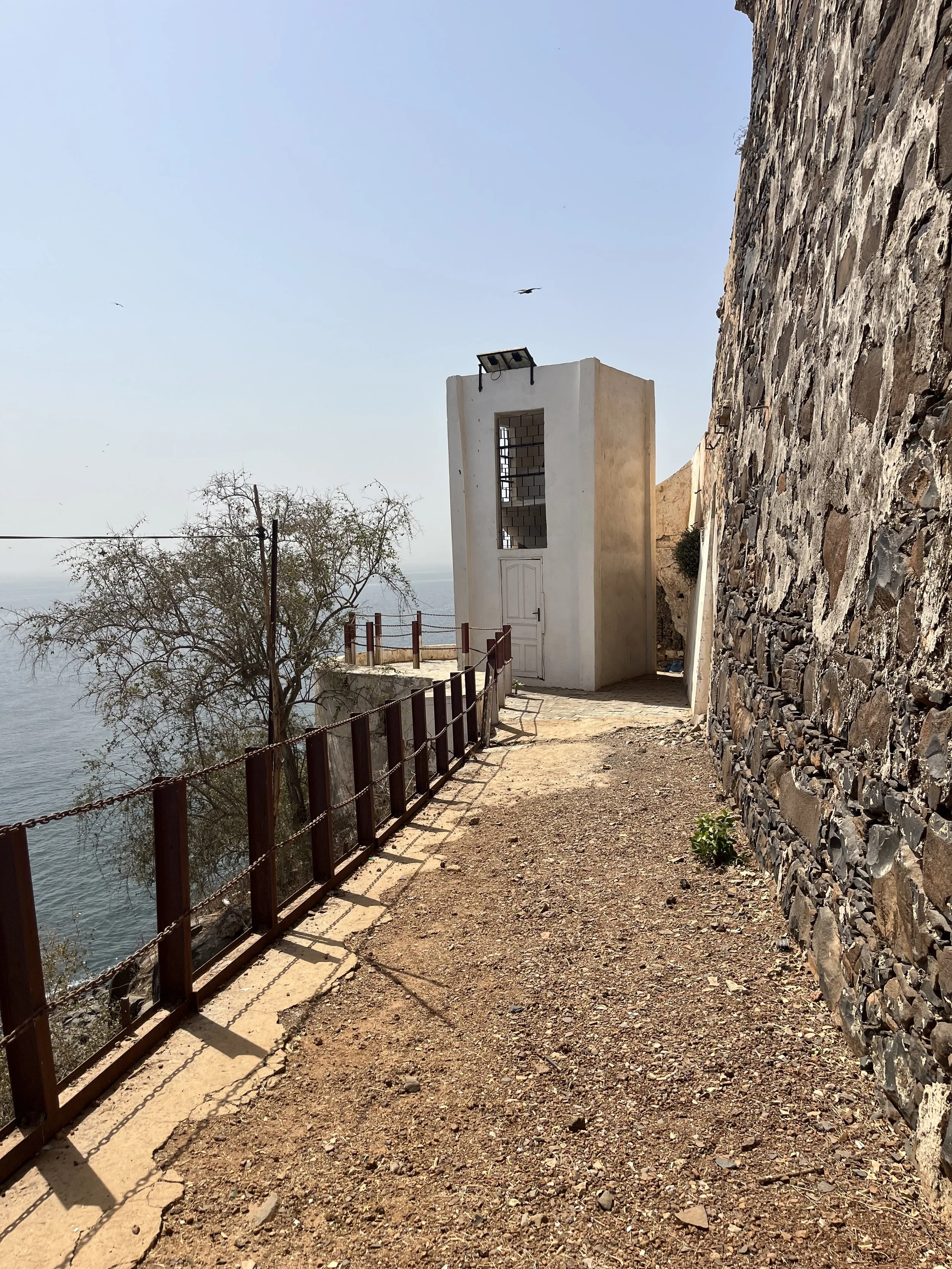
Il bagno era una struttura un po’ discosta.
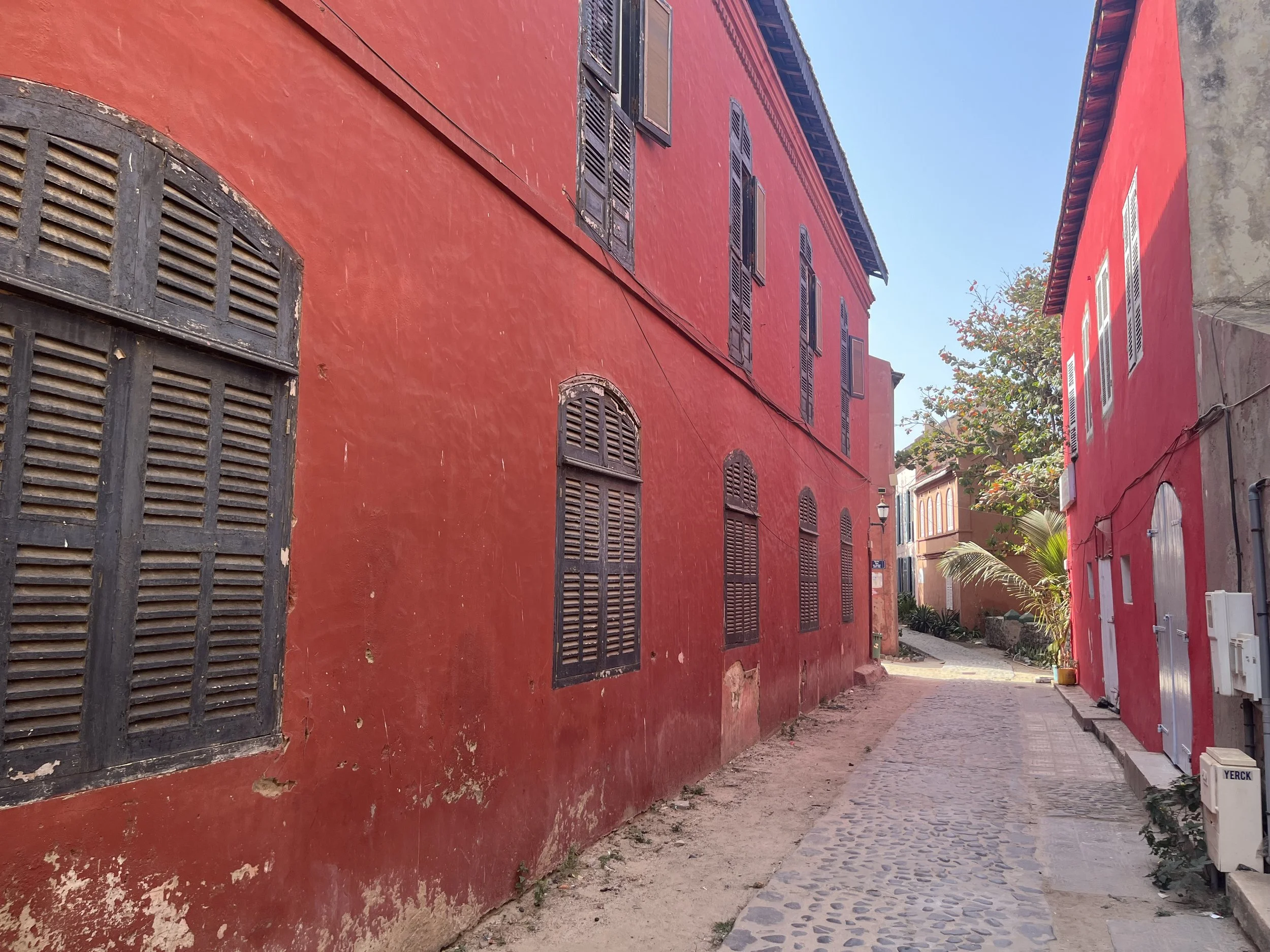
Le strade una volta erano libere da traffico di automobili.
Alcuni portavano cibo, altri aiutavano a tenere in ordine. Chi poteva pagare qualcosa pagava. "L'Hôtel" divenne un modo per campare.
Quando inevitabilmente arrivarono gli ispettori municipali era chiaramente arrivata anche la fine di una situazione abbastanza felice. Fecero il giro, scrissero nei loro taccuini, scattarono foto. Il verdetto: inagibile, poco igienico, evasione fiscale. Venne la polizia e posero del nastro giallo di plastica alle porte. Non rimasero a controllare. La popolazione de "L'Hôtel" andava e veniva come sempre, ma non poteva durare a lungo.
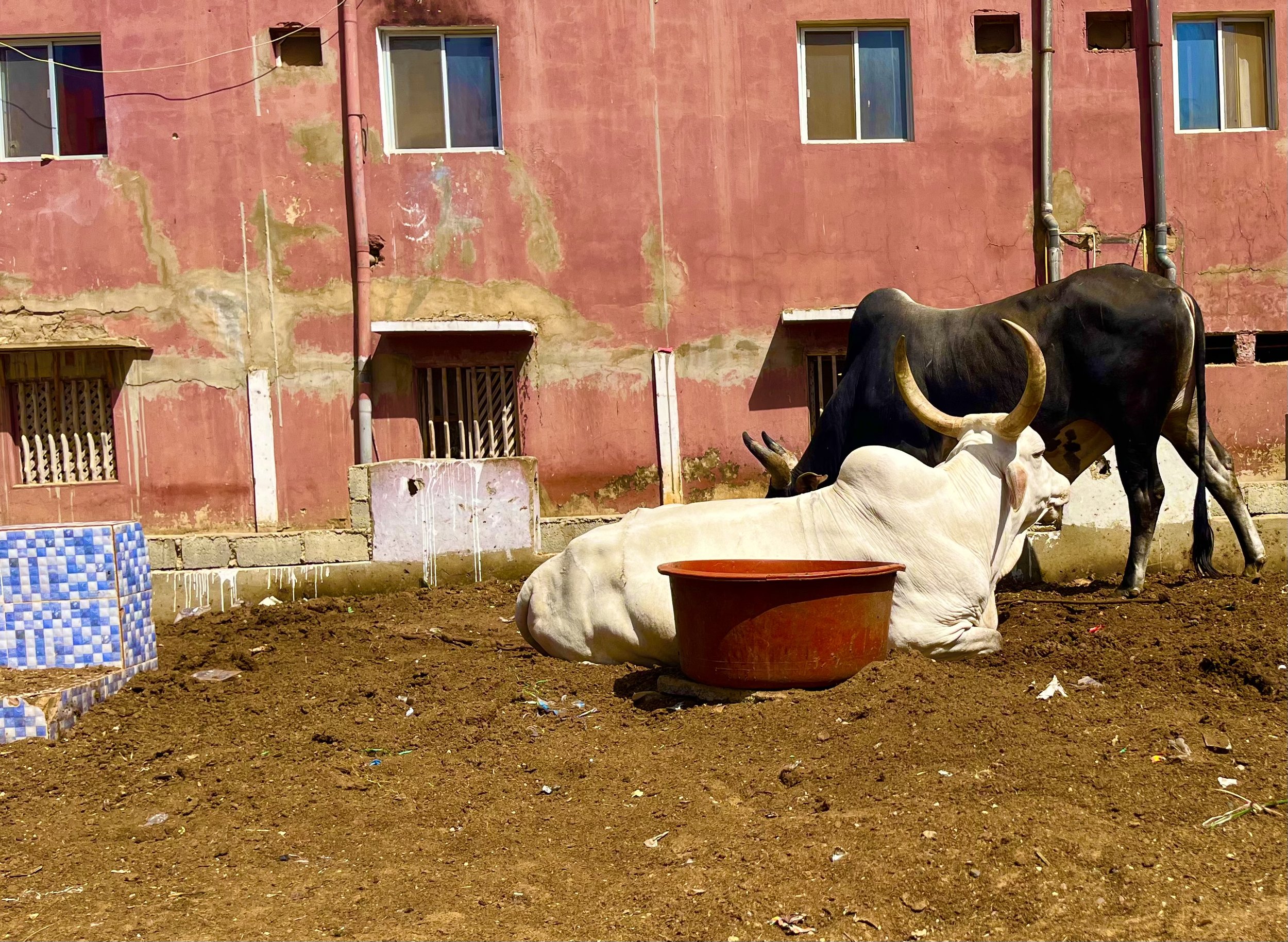
Generosamente ci davano il latte.
Alla fine gli ufficiali e i gendarmi volevano soldi, e far vedere che svolgevano scrupolosamente le loro mansioni. Dissero che dovevo pagare una multa. Se non potevo pagare mi avrebbero messo in carcere.
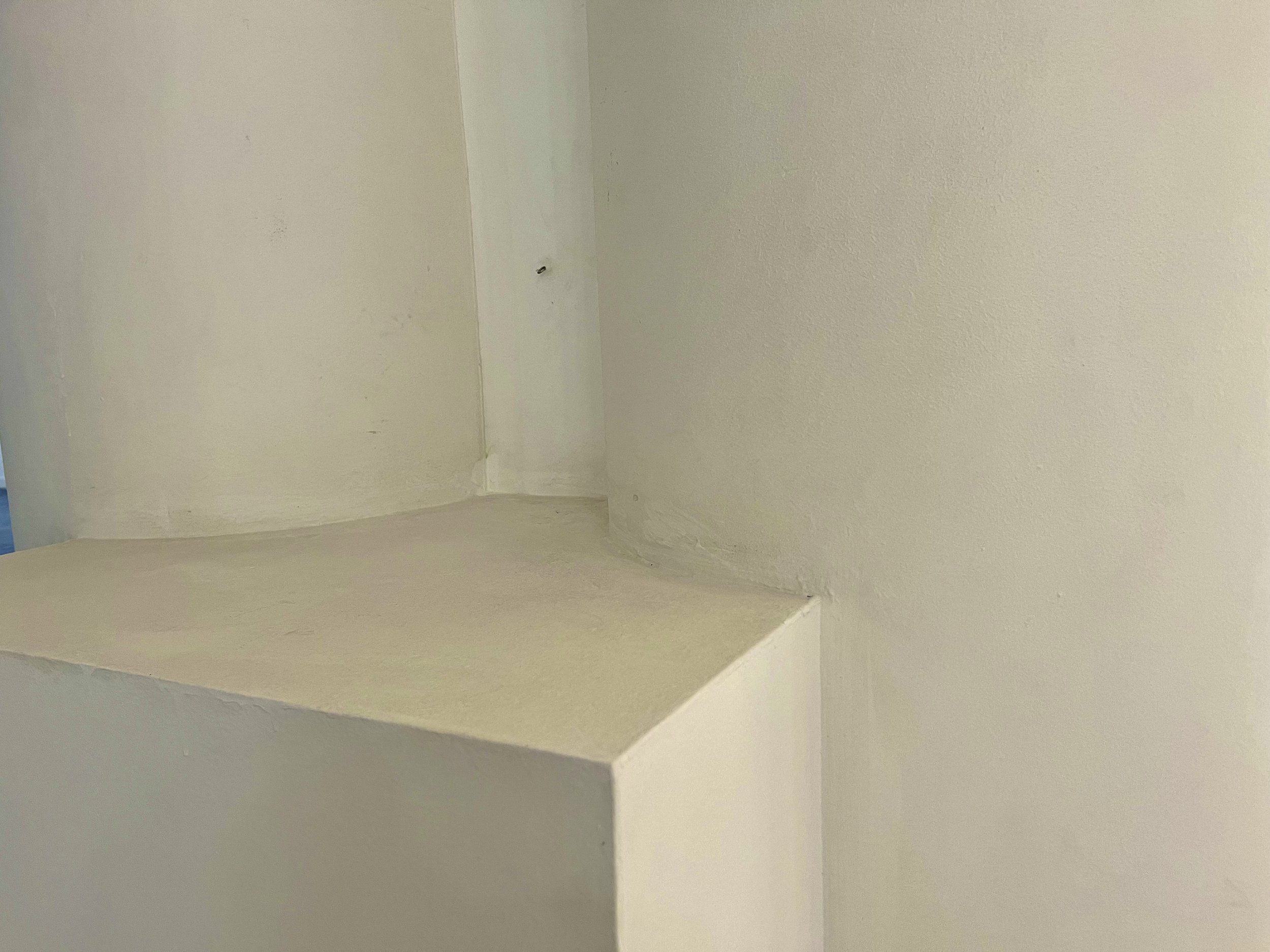
Quando arrivarono gli ufficiali del comune mi sono sentita sola per la prima volta in vita mia.
Gli ospiti pregarono per far cambiare le norme. Contribuirono ciò che guadagnavano vendendo gli oggetti che confezionavano ai turisti. Io sono andata dallo stregone.
"La cosa è seria," disse lui, dopo averci meditato a lungo. "Ma non ti devi disperare. Fai pensieri positivi e i morti ti assisteranno nella tua lotta." Anche lui voleva soldi.
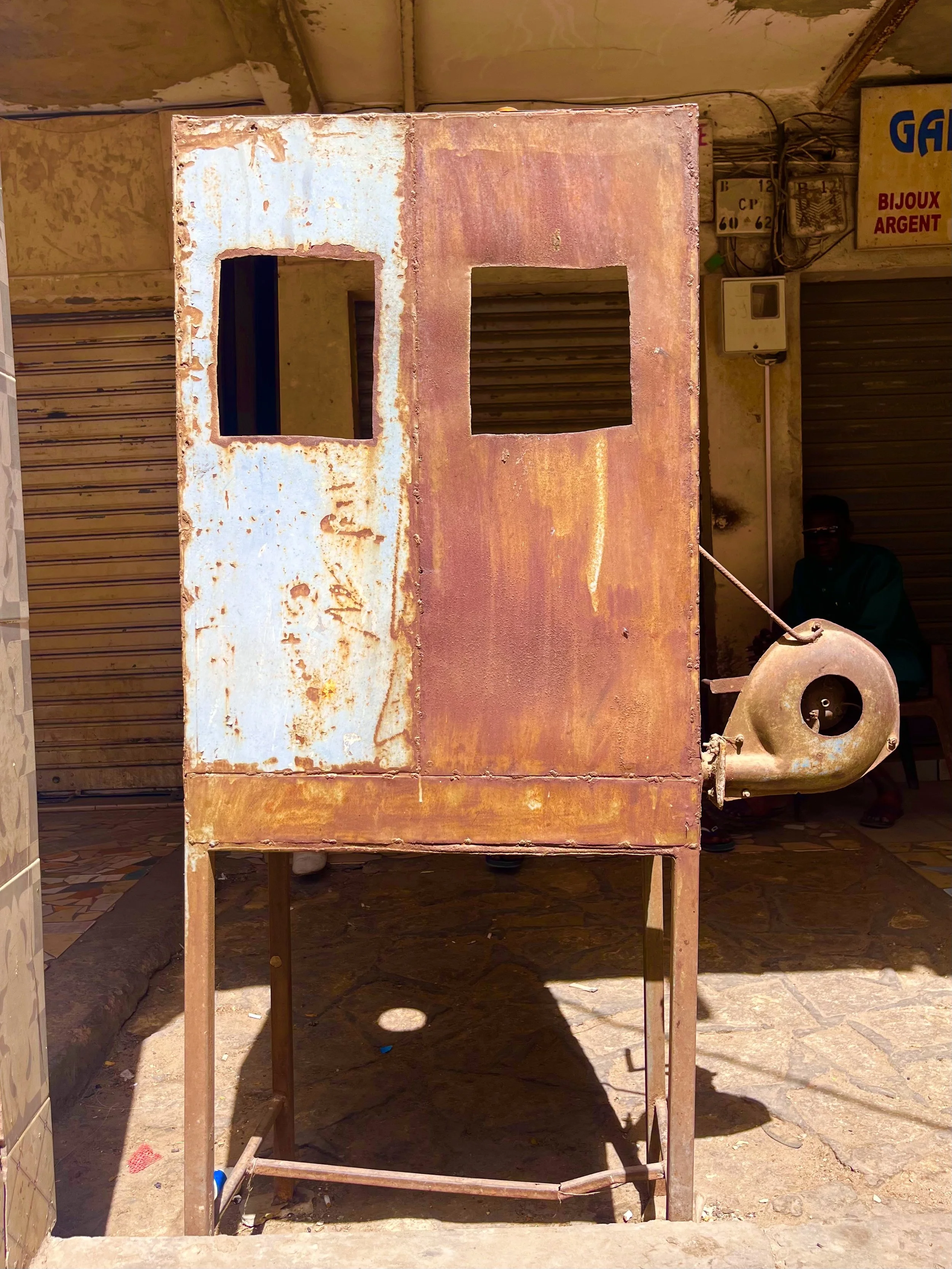
Il volto dei morti.
Si vede che i morti avevano altro a cui pensare. Un'azienda francese comprò il terreno sul quale era stata costruito il palazzo. Secondo il catasto non mi apparteneva legalmente. Non c’era documentazione. Vennero le ruspe.
Si doveva costruire un grattacielo, ma del progetto è rimasto uno scheletro che minaccia di crollare e schiacciare i passanti.
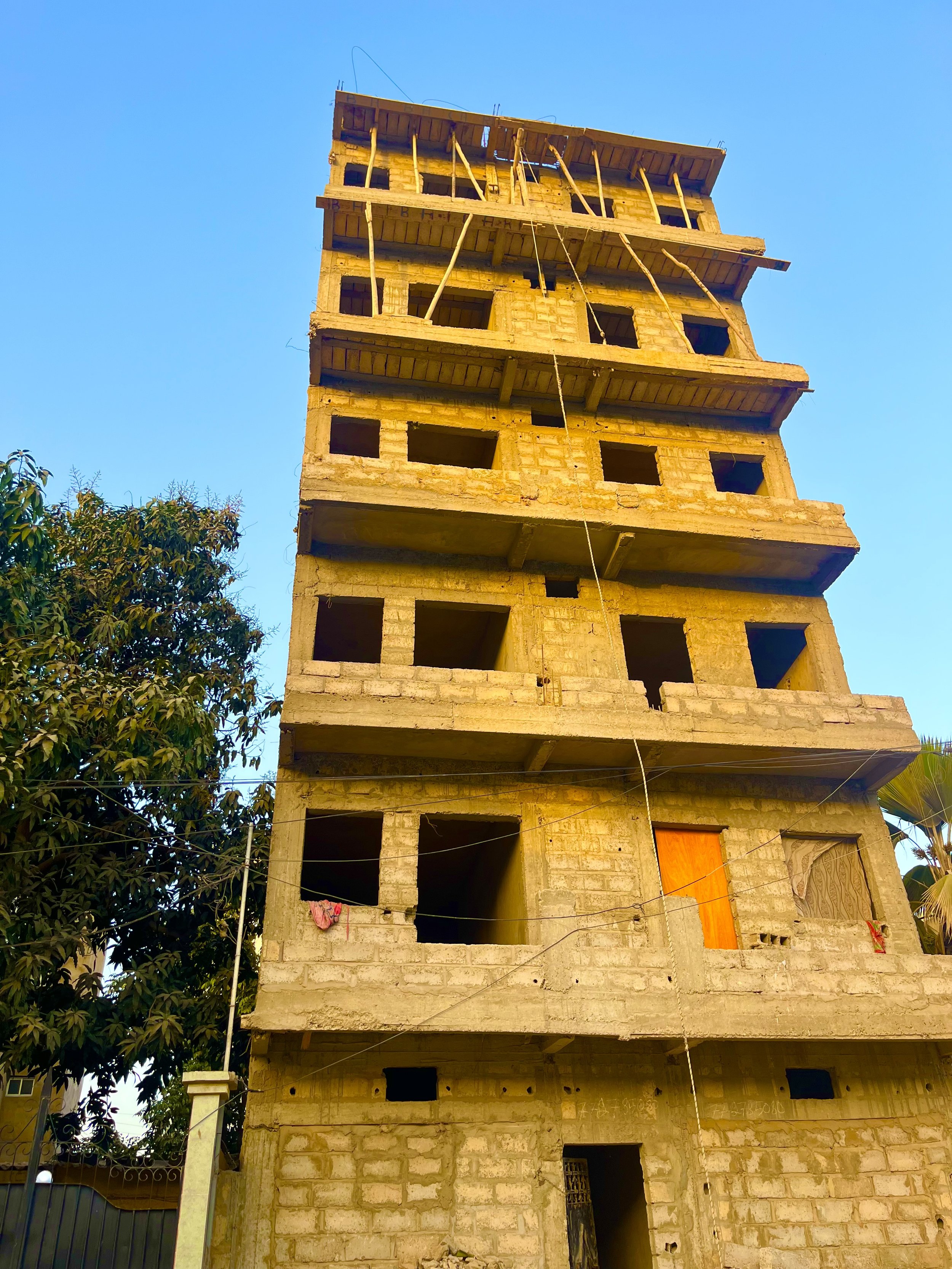
Ci vivono abusivamente i manovali e le guardie di sicurezza.
"L'Hôtel" non c’era più, ma dovevo comunque pagare le multe. Sono fuggita dalla scheletrica metropoli. Dopo una serie di sventure finii in un luogo di mare in Europa, dove pulisco stanze d'hotel. I soldi sono pochi, ma mi danno un let e tre pasti al giorno.
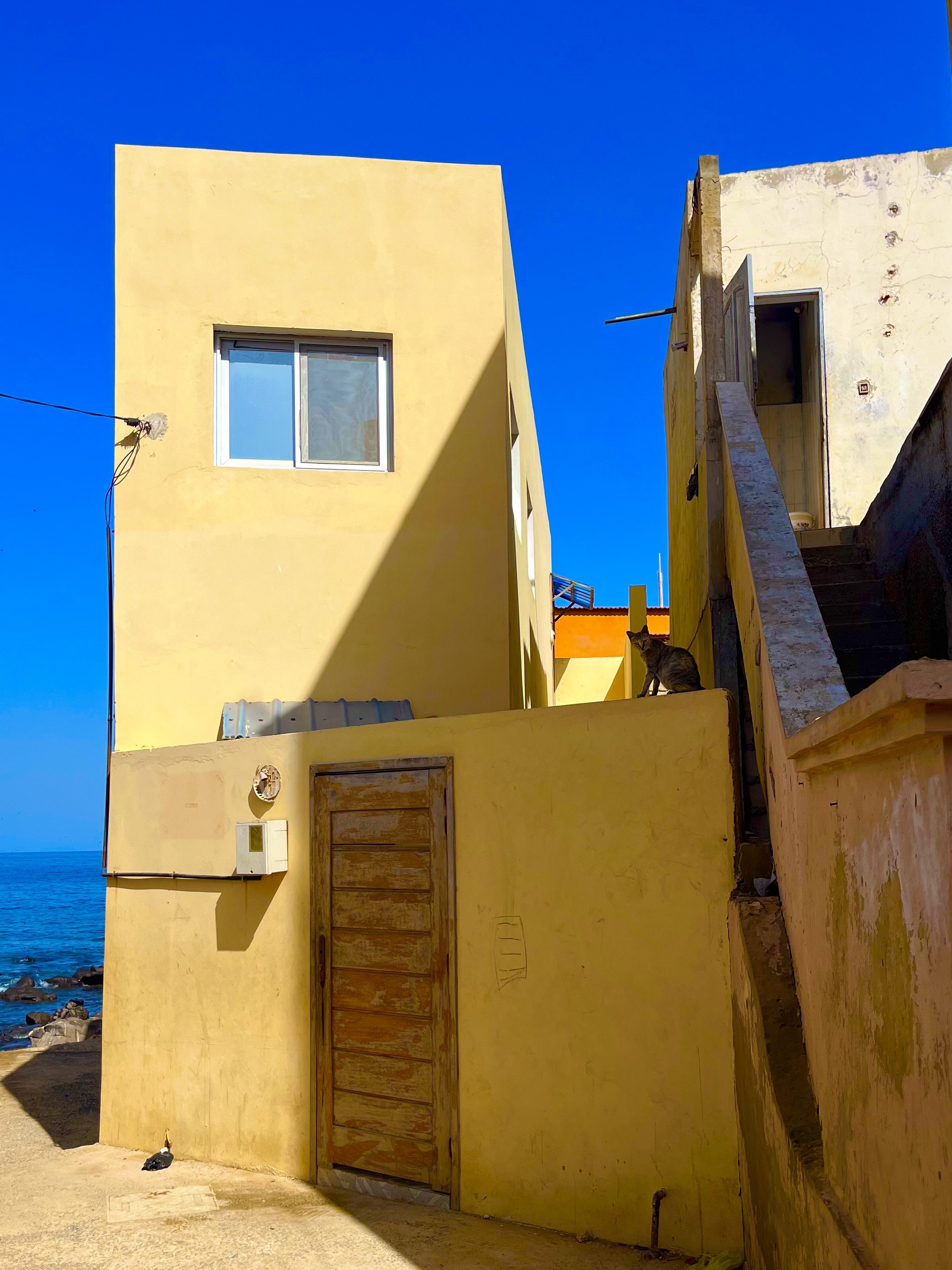
Forse sarebbe stato meglio vivere in una casa piccola.
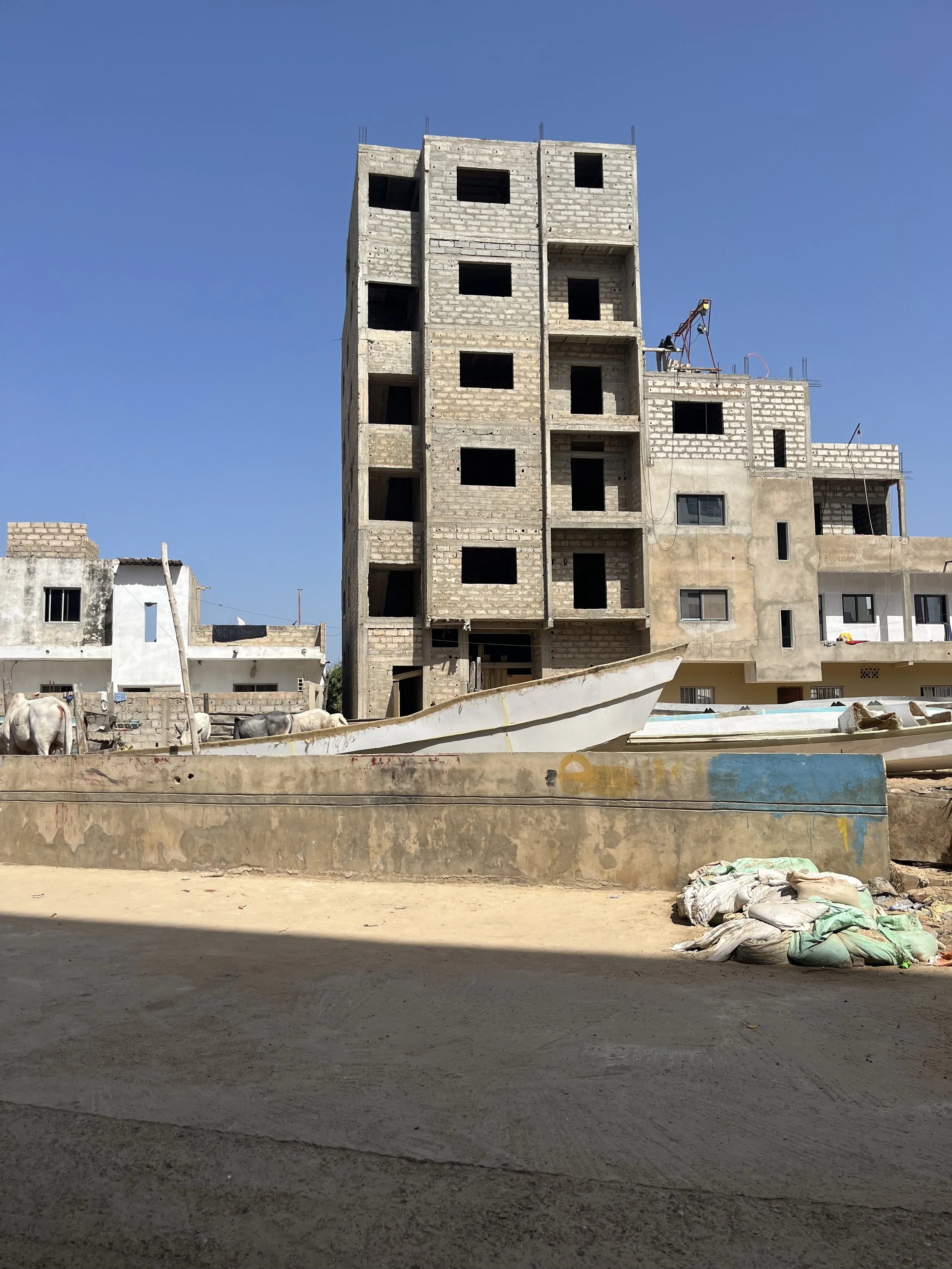
Doveva essere una casa per vecchi pescatori.