
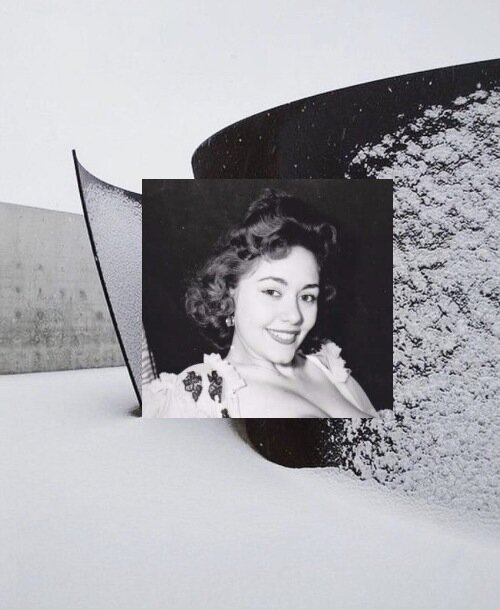
Behind the Scenes at the Old Ho’-Tel
A retired colleague writes from Oklahoma:

Pre-date pick-me-up? Make-up touch-up? Who knows? This suite wasn’t equipped with two-way mirrors.
Hotels once had faces.
On the inside, strange new faces appeared daily, and flashed before the familiar ones at the Reception desk. My face was usually behind a special two-way newspaper in the lobby. My role in the Apache Lodge’s story was to prevent theft and protect the joint’s reputation (this cut both ways). The local Vice Squad was constantly on the lookout, mostly for potential graft. The Management wanted to hang onto their cut of the hotel’s various side-businesses. It was a cat-and-mouse game.
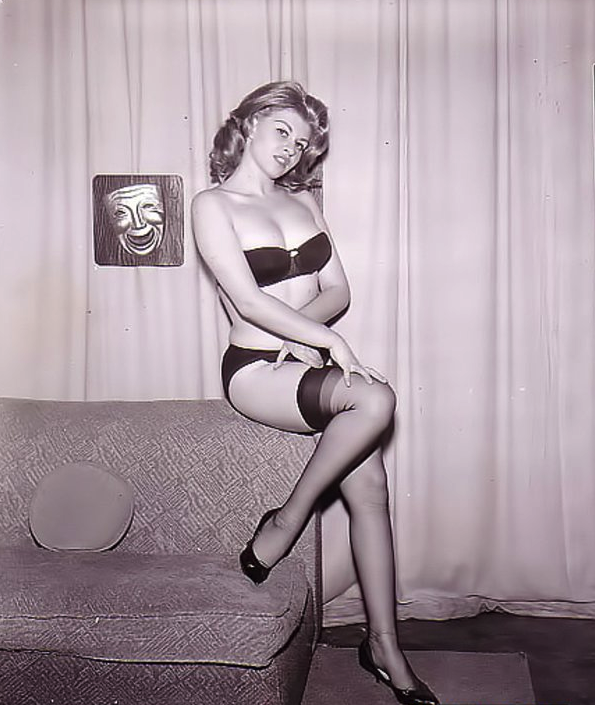
Jooly B. at ease in The Comedy Suite. From her pretty face spewed the filthiest (and funniest) stories any guest ever heard.
A system of signals existed. If a guest wanted company for the evening, he or she went to the lobby’s newsstand and asked for the latest issue of Sun Burn.
“Sorry sir (or madam),” the newsagent would say. “It hasn’t arrived yet. I’ll have it sent to your room.”

Discreetly concealed under a copy of Life: the latest issue of Sun Burn magazine, a hot collectors’ item these days. Escort Wanda Y. made the cover, twice!
That was my cue to make a quick study of the guest in question, and figure out his or her taste in company.
The Apache’s clientele was diverse. The local population wasn’t, so it was up to me to decide who went with whom. Mistakes were made, of course, but the results were interesting. I missed my calling: I should’ve been a mind-reader instead of a hotel dick.

Mardi Gras was always a big deal at the Apache. Miss Lola Lee, a resort season regular, was celebrated for her Fan Dance routines.
A fat photo file in my old office contained information on guests who’d been banned from the establishment for non-payment, creation of disturbances, destruction of property etc. There was another file for guests who rated special treatment.
These pictures are a smattering from the personal file I made to keep me company during retirement.

A post-date guest sleeps one off in the Apache’s heated outdoor pool.

Brainy Sylvia N., Harverd Ph.D., conducts highly personal research in the lobby’s “Left Books” shelf.

“Oh no, I ain’t showin’ ya that!”

Eloise F. (l), of Mahwah NJ, a first-timer at the Apache Lodge, seems quite pleased with Effie M. (r), her company for the evening (procured by yrs. truly).
***
Dietro le quinte dell’Apache Hotel
Un collega in pensione scrive dall’Oklahoma:

Questa gradita ospite non ha paura di metterci la faccia, su un vecchio dépliant dell’Apache Lodge.
Una volta gli hotel avevano volti.
All’Apache Lodge entravano nuove facce ogni giorno, e si presentavano davanti a quelle familiari della reception. Ero dietro le quinte, di solito dietro un giornale a due vie su una poltrona nella hall. Il mio ruolo era di prevenire furti e proteggere la reputazione della stamberga (nel bene e nel “male”). La buoncostume era costantemente all’erta per possibili tangenti. La gestione voleva tenersi la più alta percentuale possibile del ricavato dagli altri servizi offerti dall’albergo. Era un gioco tra gatto e topo.

Nemmeno una traccia di scottatura!
Esisteva un sistema di segnali. Se un ospite gradiva un po’ di compagnia per la serata, andava all’edicola della hall per richiedere l’ultimo numero della rivista Sun Burn.
“Spiacente signore (o signora),” diceva a quel punto il/la giornalaio/a, “ma non è ancora arrivato. Se vuole, glielo faccio portare in camera.”

Arrivata all’Apache Lodge da gradita ospite, Lynne P. vi è rimasta per lavorare. Un’amante dei fiori, era una delle escort più gettonate.
Studiavo l’ospite in questione per capire i suoi gusti.
La clientela dell’Apache era varia, la popolazione locale molto meno. Toccava a me scegliere chi poteva andare bene a chi. Sbagliavo di rado, ma quando sbagliavo era, diciamo, interessante. Sicuramente ho sbagliato mestiere: dovevo fare l’indovino anziché il detective d’hotel.

Questa gradita ospite lavorava nel mondo dello spettacolo. Lasciava laute mance a tutti quanti all’Apache.
Nel mio vecchio ufficio c’era un grosso schedario di ospiti che erano stati banditi dallo stabilimento per pagamenti mancati, schiamazzi, danni ai mobili ecc. Un’altra scheda conteneva i dati di ospiti a cui era riservato un trattamento speciale.
Queste immagini sono un’infarinatura dall’album personale che ho compilato per tenermi compagnia negli anni della pensione.

Uno scatto dallo specchio a due vie della Suite 1690. La pulizia avanti tutto, prima e dopo l’appuntamento.

Yvonne DeR. era convinta che le sue comparse nelle varie Suite dell’Apache Lodge l’avrebbero catapultata sul Grande Schermo. Si accontentò del piccolo schermo a circuito chiuso.

Una gradita ospite in bilico tra il materasso e la moquette.

Questa gradita ospite ha preferito l’anonimato (da un vecchio dépliant “Riservato” dell’Apache Lodge).
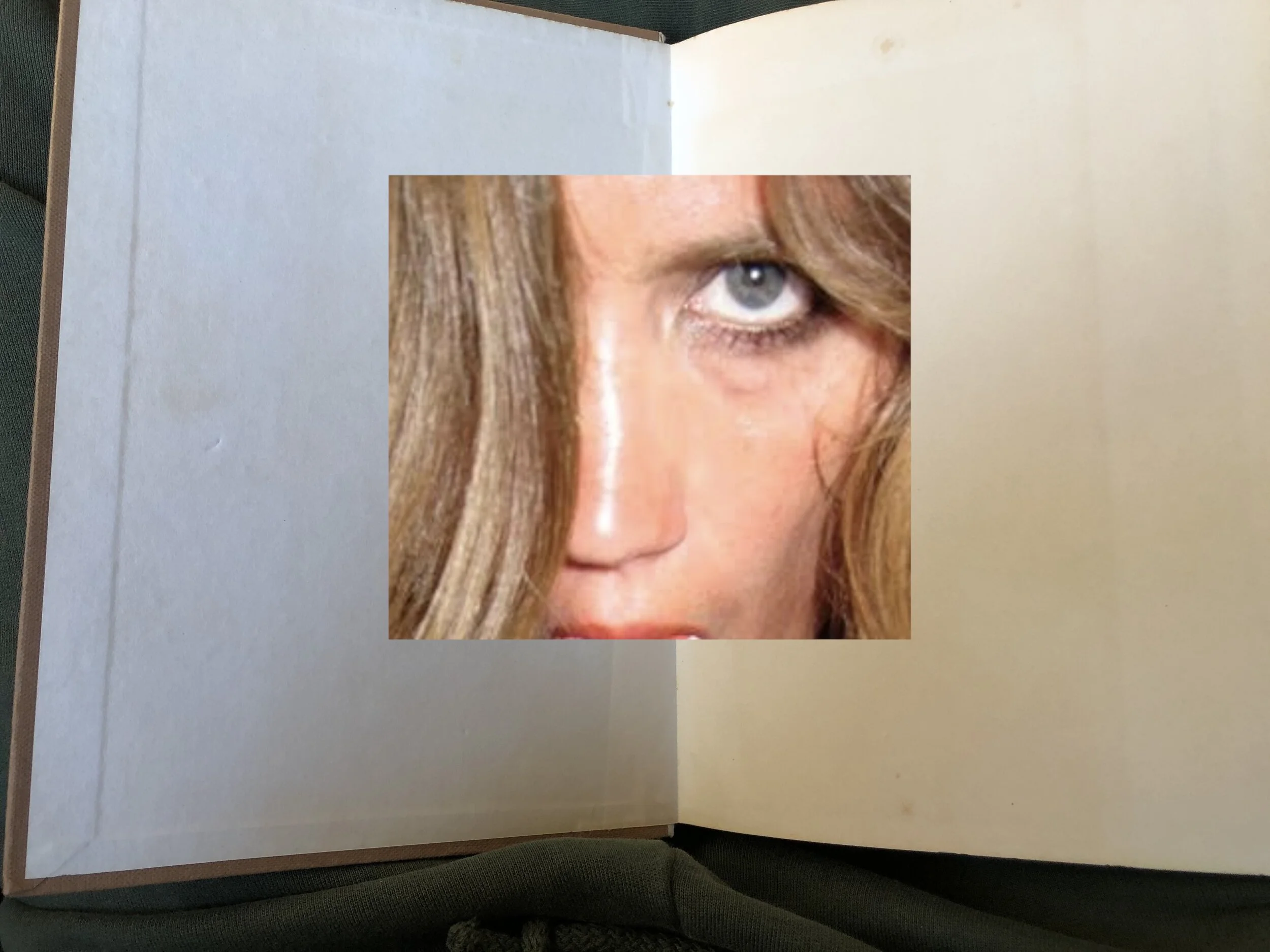
Guest Artist Hester Scheurwater: The Female Gaze

Hotel Kranepool’s lobby contains people, books, magazines and comfortable furniture. Quite often its walls support images of the nude human figure, which makes some guests and loiterers uncomfortable.
Artist Hester Scheurwater, whose journey through the Art World often places her the role of hotel guest, graciously makes her debut appearance in HK, the blog. She’s shown her work in prestigious museums and galleries world-wide, and has published books and ‘zines you’ll want to have in your home collections.
Check out her website: https://www.hesterscheurwater.com/
And her Instagram: @hester_l_scheurwater


Here’s what Zurich-based Walter Keller, who at various times has been co-founder of Parkett Art Magazíne, Fotomuseum Winterthur/Switzerland, and Scalo Publishers (active until 2006), curator, writer, gallerist and an internationally well-known specialist of contemporary photography who has published books on Larry Clark, Nan Goldin, Richard Prince, Boris Mikhailov, Helmut Newton and many more, has to say about her:
“...(T)hese (are) images (that) might at first shock you, or seem hard to look at. Scheurwater examines her own physicality without limits; accepts every possible aspect of her bodily presence, and even celebrates the clumsiness of the female form.”

“Can you recognize how unimportant it is whether these images are in focus or not?”

“Scheurwater’s work evolves in the tradition of self-portraiture and the pose – in the lineage of artists like Dutch master painter Judith Leyster (her self-portrait is easy to google), an early, 17th century example of an artist who presents herself with pride and radiating energy.”

“These are images about a visual language of sex that has flowed around us at every turn, and in every instant, since the start-up of digital visual communication.”

“Dear Wanker, unfortunately you ordered the wrong book.”

“Dear Macho Man, the title of this book (Sincerely Not Yours) was chosen especially with you in mind. Guess why. No, these are not the images produced by a victim, but the devouring work of a self-conscious, contemporary female artist. Boring, we know.”

“Dear Feminist, the artist is well aware of how ambivalent this imagery is, and of how it simultaneously critiques and embraces the pictures of nudity that upset you so wildly when discussing pornography. Scheurwater has your gender. The difference is that she seizes her right to play, and performs a magical, totemic dance around her beauty and sexiness with great sovereignty. And yes, she even allows herself to be seen as some ritualized porn model.”


***
Guest Artist Hester Scheurwater: Lo sguardo femminile

La hall dell’Hotel Kranepool contiene gente, libri, riviste e mobili. Sempre più sovente, le sue pareti sono adorne di immagini. L’artista Hester Scheurwater, che viaggia molto nel mondo dell’arte, ha molto gentilmente accettato l’invito a essere una Guest Artist sul blog. Il suo lavoro è stato esposto in prestigiosi musei e gallerie, ed ha pubblicato diversi libri e ‘zines che vorrete avere nelle vostre collezioni.
Guardate il suo sito Internet: https://www.hesterscheurwater.com/
E anche il suo sito su Instagram: @hester_l_scheurwater

Walter Keller, zurighese, curatore, scrittore, gallerista, co-fondatore di Parkett Art Magazine e della casa editrice Scalo (ha pubblicato monografie su Larry Clark, Nan Goldin, Richard Prince, Boris Mikhailov, Helmut Newton) ha scritto il seguente su di lei:
“Queste immagini potrebbero dapprima scandalizzarvi. Scheurwater esamina la propria fisicalità senza porsi limiti; accetta ogni possibile aspetto della propria presence corporea, e celebra persino la goffaggine della forma femminile.”

“Vi accorgete quanto poco importi che queste immagini siano sfocate o meno?”

“L’opera di Scheurwater si sviluppa nella tradizione di autoritratti e la messa in posa--è una discendente di Judith Leyster (è facile vedere il suo autoritratto su Google), pittrice olandese del 17mo secolo, che si presenta allo spettatore con orgoglio e raggiante energia.”

“Queste immagini trattano un linguaggio visuale del sesso che ci fluisce sempre attorno dall’inizio della comunicazione visuale digitale.

Caro segaiolo, per tua sfortuna hai comprato il libro sbagliato.”

“Caro Macho Man, il titolo di questo libro (Sincerely Not Yours) è stato scelto con in mente te. Indovina perché. Queste non sono immagini prodotte da una vittima, ma l’opera divorante di un’artista contemporanea sicura di sé. Noioso, lo sappiamo.”

“Cara femminista, l’artista si rende conto di quanto siano ambivalenti queste immagini, e di come critichi e abbracci simultaneamente le immagini del nudo che ti mandano in bestia mentre discuti di pornografia. La differenza è che lei si avvale del diritto di giocare, e fa una magica e totemica danza attorno alla sua bellezza sexy con grande padronanza. E sì, si lascia guardare come una specie di porno-modella ritualizzata.”


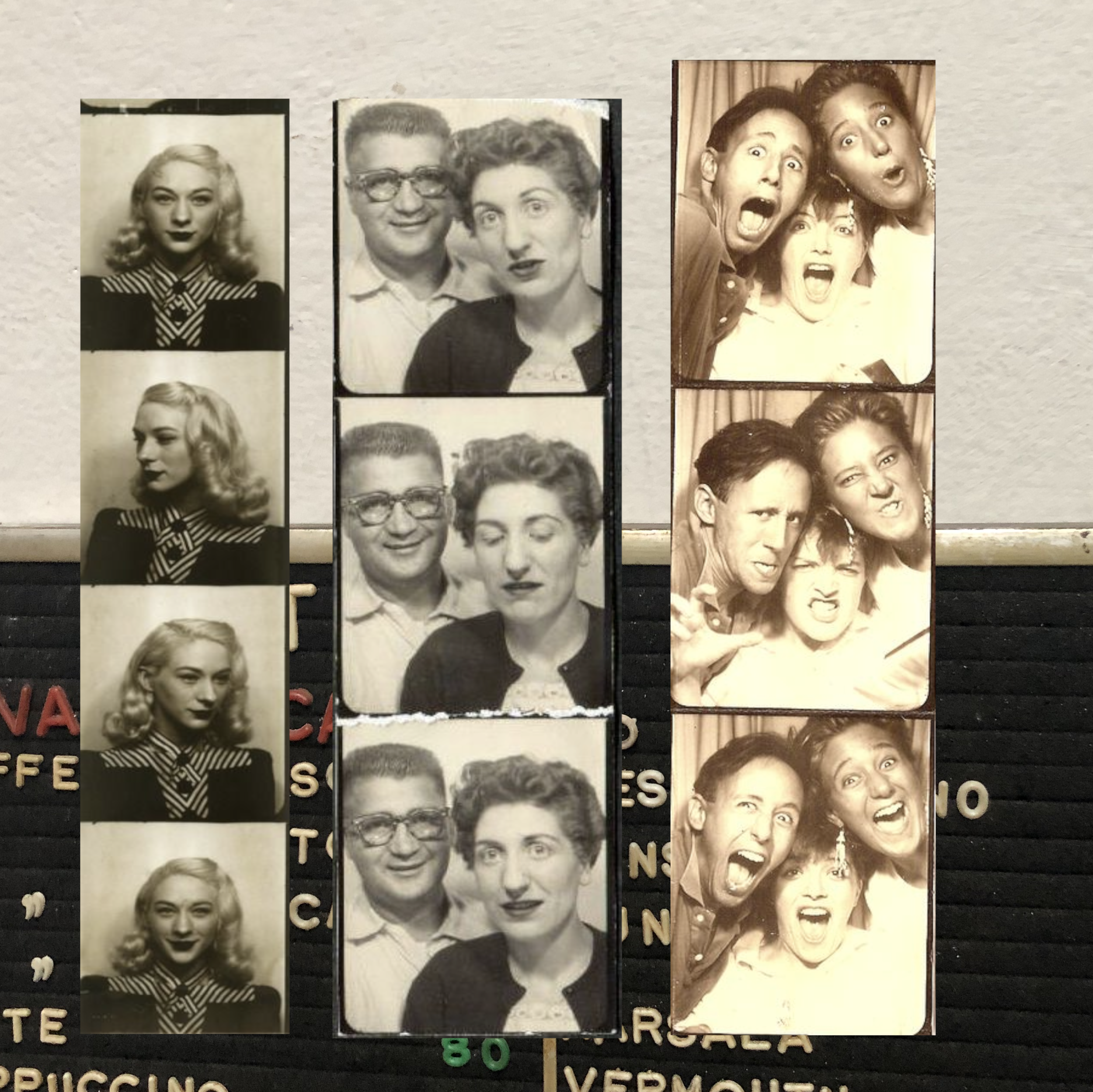
The Fotomat

A pair of burly bohunkuses appeared at the Kranepool one evening. They parked their van in the guest parking lot, rolled a boxy machine through the glass door beside the revolving door, and parked the dolly right in the center of the lobby’s new broadloom carpeting.

“Hey!” The Night Porter whisper-yelled at them, since an elderly couple had fallen asleep in front of the relatively new flat-screen television not too far from the Reception Desk. “You’re supposed to go to the loading dock behind the hotel and then use the service elevator.”

“Yeah, whatever,” the burlier of the two workmen said, as he wiped the sweat from his brow. “We got orders to drop this thing off here, so that’s what we’re doing. What you gotta do is sign the delivery invoice.”
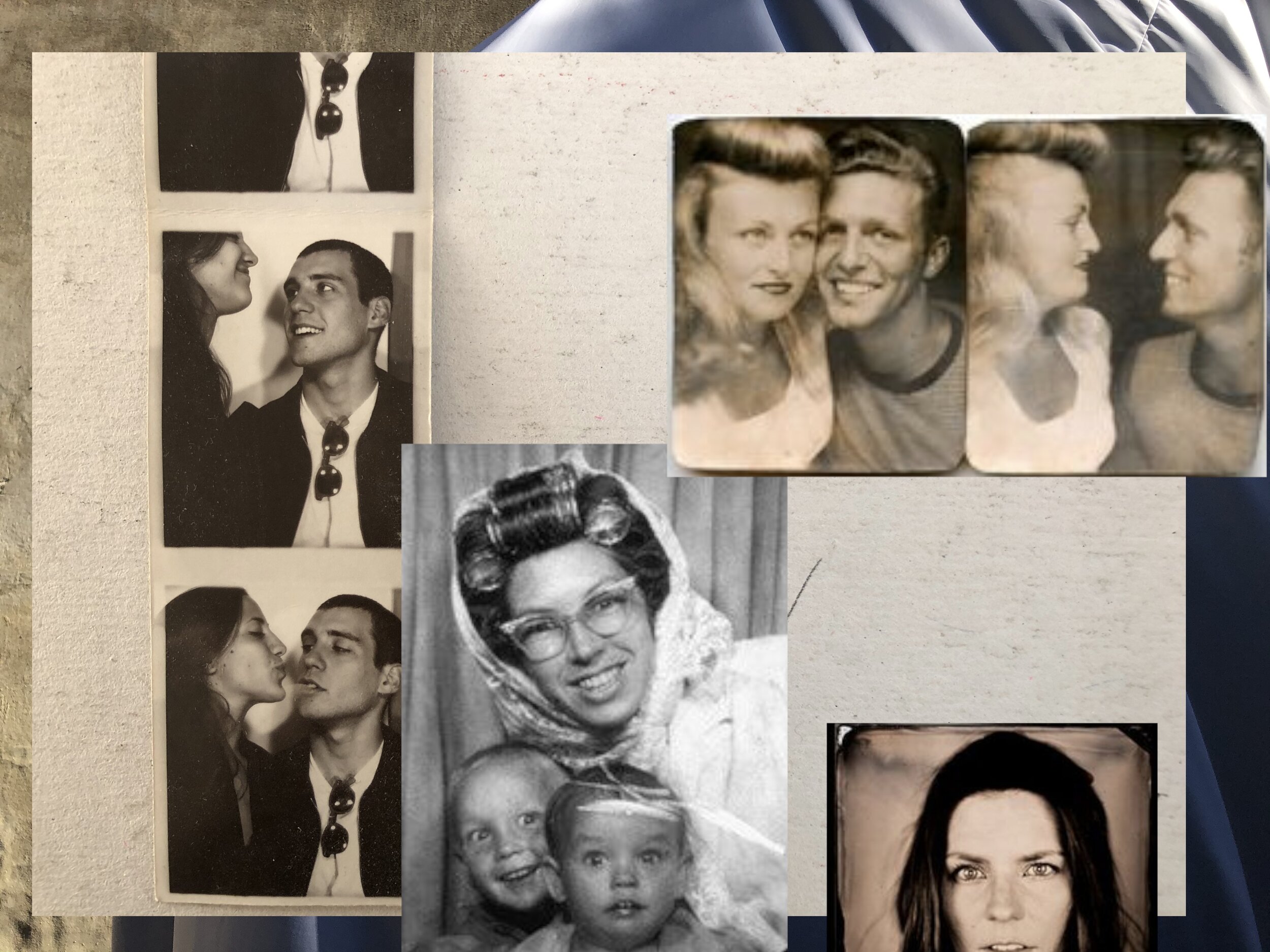
The “thing” was an outdated-looking Fotomat machine, the kind where coins vanish into a slit and black-and-white pictures magically appear from a slot a few minutes later. These drop into a wire cage where they are blow-dried into eternal memories.
“All right, where’d whoever ordered this gizmo tell you to put it?”
“Let’s see,” the slighter workman said, and checked the work order. “It says, between the Men’s and Ladies’ rooms, on the ground floor.”
“OK. Down the hall, and to the left.”

They never returned. The Night Porter figured they must’ve taken the service elevator on their way out. He lost himself once more in the book he’d selected from the Shelf of Books Left By Guests.
Mechanical whirs and whooshes roused him from his literary stupor. He thought the elderly couple might’ve gone for a nostalgic ride in the picture booth.

The mechanical sounds persisted. ‘Man, they sure want a lot of souvenirs of their stay at the Kranepool,’ he thought, a little while later, and went to investigate. Hotel lobbies are places where all forms of indecency can occur. Human libido often undergoes an upsurge at around eighty.
Strips of glossy paper covered the tile floor. The machine kept spitting 'um out, even after he’d given its sides a good pounding. Some of the strips had messages scrawled on their backs.
He picked up one of them, and read. “Always and forever together in love.”



***
Fotomat

Una sera apparvero al Kranepool due robustoni con uno scatolone meccanico. Parcheggiarono il furgone nello spazio riservato per gli ospiti, e col carrello lo fecero passare dalla porta di vetro accanto a quella girevole. Scaricarono il marchingegno sulla nuova moquette della hall.

“Ehi!” Il portiere di notte gli urlò sussurrando. Una coppia anziana si era addormentata davanti al nuovo televisore dallo schermo piatto non lontano dal banco della reception. “Dovreste andare nel retro e poi usare l’ascensore di servizio.”
“Certo, certo,” disse il più robusto dei due facchini, e si asciugò la fronte. “Ci è stato detto di portarvi ‘sto coso qui, ed è ciò che stiamo facendo. Ciò che devi fare te è firmare la ricevuta di consegna.”

Il “coso” era un obsoleto Fotomat, di quelli che metti monetine nella fessura e strisce di immagini in bianco e nero scaturiscono da un’altra per essere asciugate dal fon dell’eternità.
“Ma da che parte vi ha detto di metterlo, chiunque l’abbia ordinato?”
“Vediamo,” disse il manovale magro. “Dice, tra il bagno degli uomini e quello delle donne a pianterreno.”
“Allora in fondo a quel corridoio a sinistra.”

Non si fecero più vedere. Il portiere di notte pensò che magari avessero usato l’ascensore di servizio per sparire. Tornò a leggere il libro che aveva preso dallo scaffale dei libri lasciati dai graditi ospiti.

Lo svegliarono dei brusii meccanici. Credette che la vecchia coppia fosse andata a fare un giro nostalgico nella nuova vecchia macchina della memoria.
I rumori persistettero. “Si faranno una indigestione di ricordi del loro soggiorno al Kranepool,” pensò. “Oppure sono in corso dei senili atti osceni in luogo pubblico.” Andò ad indagare.

Delle strisce patinate coprivano le mattonelle del pavimento. La macchina continuava a sputarle, anche dopo che l’aveva sottoposta a una bufera di botte e calci. Alcune recavano dei messaggi scribacchiati a biro sul retro. Ne raccattò una a caso. “Sempre insieme per sempre innamorati.”


A Room Service Story
A friend writes from Liège:

A big woman’s thirst
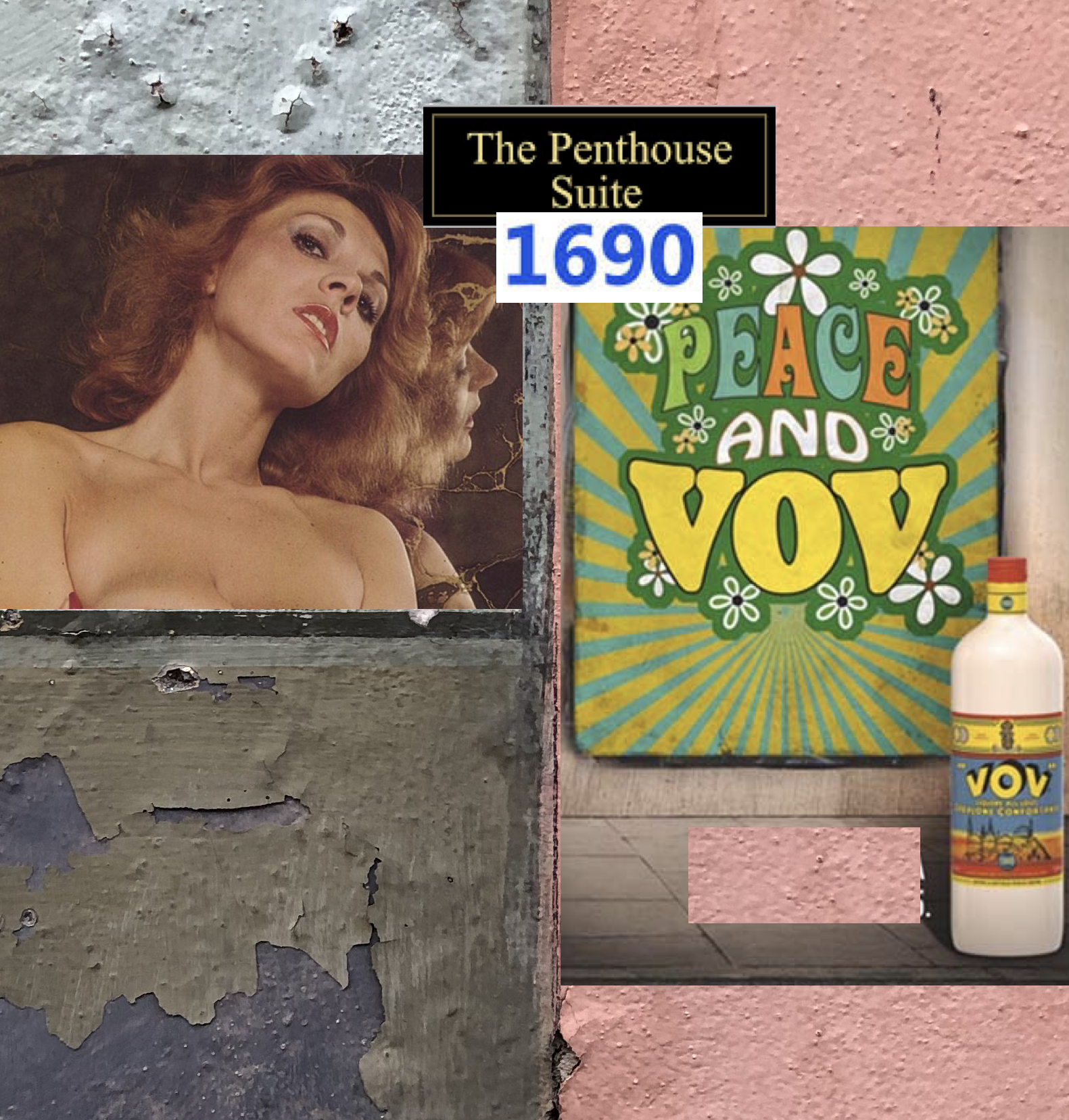
"Uh-oh," the chef said, and hung up the Room Service phone. "The lady in Suite 1690 just ordered two steamin' cups of VOV."
That didn't sound like such a big deal, but I was new on the job. "Ready to go," I said.
"Wait a minute," the chef said. "You're just a kid. You don't know what you're getting into."
He was right, I didn't. "She's thirsty. I bring her a drink."
"Listen, kid: VOV isn't something you drink cuz you're thirsty. And Madame Q is an awfully big woman."
"That's OK," I said. "I like big women." Big women, little women, didn't make any difference. They were all wonderful. I’d never had a girlfriend yet.

Chef had a lot of experience.
Chef shrugged his shoulders, and set two pint glasses of the yellowish egg-based liquor in a bain-marie pot. "Off you go," he said, when they were good and hot. "Be bold. She's a big tipper."
That part sounded good. They didn’t pay much at the hotel.

Copious shots of warm fluids
Madame Q opened the door in the nude. "You're so young," she said, and didn't sound pleased. She was big, all right. Enormous, in fact, and not exactly gorgeous. "Let's see what you can do," she said, and licked her lips.

A woman’s unquenchable thirst
She turned and undulated into her Suite. On the surface, the job was to bring a nightcap to a big lady with a reputation for generosity. More was expected, obviously. It was pleasantly warm in there, and she hadn't drawn the curtains.
"Put it on the table," she said. She meant the tray I was carrying. She drank her pint of VOV like she never did anything else. Maybe she never DID anything else. She licked her lips again. "That one’s for you," she said. “Drink up.”

Serving the customer’s needs
When I left Suite 1690 the next morning, I wasn't new on the job anymore.
The scent of VOV still stirs a Pavolovian reaction, all these years later.
***
Servizio (sevizie?) in camera
Un amico scrive da Liegi:

La pubblicità funziona
"Ohi ohi," disse lo chef, e riagganciò il telefono per il servizio in camera. "La gradita ospite nella Suite 1690 ha appena richiesto due tazzone fumanti di VOV."

Chef aveva tanta esperienza
Non mi sembrava una storia pesa, ma ero nuovo sul lavoro. "Vai, sono pronto," dissi.
"Aspetta," disse lo chef. "Sei solo un pischello. Non sai cosa comporta una comanda così."
Aveva ragione: non lo sapevo. "Ha sete. Le porto da bere."
"Ascolta, bamboccio: non si beve il VOV per ragioni di sete. E Madame Q è una donna monumentale."
"Nessun problema," dissi. "Mi piacciono le donnone." Donnone, donnine, non importava. Erano tutte meravigliose. Non avevo ancora la fidanzata.

La generosità in tutte le misure
Lo chef alzò le spalle e mise a bagno maria due grosse tazze del liquore giallognolo. "Ecco a te," disse, quando erano calde. "Coraggio. La signora è generosa con le mance."
Trasalii. La paga all’hotel non era delle migliori.
La signora Q aprì la porta ed era nuda. "Sei così giovane," disse, e non ne sembrò affatto contenta. Era enorme, e non proprio bella. Si leccò le labbra. "Vediamo cosa sai fare."
A quanto pare, il lavoro andava oltre il portare da bere a una donna giunonica e generosa. Lei si girò e sculettò dentro la Suite. Faceva caldo là dentro. Non aveva chiuso le tende.

Le gestualità di Madame Q
"Metti sul tavolo," disse lei. Intendeva il vassoio. Si scolò la pinta di VOV come se non facesse mai altro. Forse non faceva mai altro. Si leccò di nuovo le labbra. "Su, bevi," disse.
Quando lasciai la Suite 1690 il mattino dopo, non ero più un novellino.
Il profumo del VOV mi suscita tutt'ora una reazione pavloviana, dopo tutti questi anni.
Mr Kevin’s Small Show

Janitor Girls (2019), Yvette Massenghoul
“There’s always too many people in the lobby,” the Manager named Britva said. “Can’t have riffraff millin’ around at all hours unless they’re buying stuff, or eatin’ and drinkin’ in the restaurant, or booked into a suite or something. If they’re just lookin’ at pictures on the walls, it’s a total waste of humanity and time.”
Hotel managers appreciate art differently.

Aunt Rebus (2019), Archie Blabus
“That last show you curated, well, we’re kinda the victims of its success,” the Manager named Kruvvy said. “Gangs of nobodies feel entitled to waltz in off the street to stare at pink stuff.”
“So what we need you to do is mount a smaller kinda exhibition, and not in the lobby.” The Manager named Gulliver said. “Like dynamite that packs explosive, exclusive appeal.”

Sweet Fan Dancer (2019), Betty Wonte
There are no small exhibitions, only small artists. But I but didn’t say this. The managerial class couldn’t have known, but the next show was already lined up. “Sure, no problem,” I said.
“Great.” Manager Britva lit a cigar, although the Kranepool’s a No Smoking establishment. “Do it, like, soon. We’ll spread the word up n’ down the VIP list. G’wan now, git.”
“I always thought he was queer,” Manager Gulliver whispered, just after I’d shut the office door behind me.

Awwwww…. (2019), Stu Tabb
People have such strange preconceptions about other people.
The idea for the new show had come, like the best ones usually do, during the flow of an afternoon’s endless stream of set n’ curls, dye-job touch-ups and split-ends snips. Great artists can make small pictures, but the opposite is an illusion.

East Berlin Afternoon (2019), Margaret Tuesday
The show was installed in the janitorial closet on the Kranepool’s 13th floor. Tiny pictures covered the dirty walls.
The snobs swarmed. They packed the claustrophobic gallery, swilled free champagne. The show sold out in ten minutes.
The lobby was a ghost town that night.
The Managers were pleased.

Highland Avenue Driveway (2019), Ike Sleever

Sticky Floor Treatment (2019), SheLa Burnston

Mae WestLand (2019), Archie Blabus

Ad Champaign (2019), Stu Tabb
Note: all works shown much larger than actual size.
***
Mister Kevin presenta una piccola mostra

Oggetti inutili (2019), Ivana McCohan
“C’è sempre troppa gente nella hall”, disse Manager Britva. “Non sta bene avere gentaglia sul posto a tutte le ore se non occupano suite o mangiano e bevono al ristorante o comprano roba. Se stanno a guardare quadri è solo uno spreco d’umanità e di tempo”.
La classe manageriale apprezza diversamente l’arte.

Crepuscolo a Berlino Est (2019), Margaret Tuesday
“Siamo vittime del successo dell’ultima mostra che hai curato”, disse Manager Kruvvy. “Le nullità entrano per bearsi della roba rosa attaccata sulle pareti”.
“Devi fare una mostra piccola, e non nella hall”, disse Manager Gulliver. “Roba che attiri un pubblico esclusivo”.

Lettrici (2019), Owens Baynes
Non esistono piccole mostre, solo piccoli artisti. Ma non lo dissi. Quei manager non potevano saperlo, ma la prossima esibizione era già stata organizzata. “Certo”, dissi. “Nessun problema”.
“Grande”. Manager Britva si accese un sigaro, malgrado il Kranepool sia un locale No Smoking. “Fallo presto. Intanto passiamo parola sulla lista Vip. E ora sparisci”.
“Ero sempre convinto che fosse gay”, sussurrò Manager Gulliver, poco dopo che avessi chiuso la porta dell’ufficio.

The Face (2019), Archie Blabus
Certa gente si fa strani preconcetti sulle altre persone.
L’idea per la nuova esposizione era arrivata, come al solito, tra messe in piega, sciampo e pettinature. Grandi artisti possono fare piccole opere, ma non il contrario.

Meg’s Career (2019), Stu Tabb
La mostra venne allestita nell’armadio per le pulizie del tredicesimo piano. Le minuscole immagini coprirono le sporche pareti. Sciamarono gli snob per otturare la claustrofobica galleria e bere a scrocco champagne. L’intera esibizione fu svenduta in pochi minuti.
La hall quella sera era piena solo di fantasmi.
I manager erano contenti.

Dulcis in fumo (2019), Brando Vaccaro

Canned Piano (2019), Arch Rhoney

Sie verlassen den Sowietischen Sektor (2019), Margaret Tuesday

Orecchini di platino (2019), Chantal LaBruce

Quando è primavera (2019), Benita Hermosa
Nota: le opere sono qui riprodotte a una grandezza molto superiore a quella reale.
Normal Hotel Life
A retired colleague writes from the Midwest:

The Normal Hotel, back in the days when it was still called The Belvedere, and before it lost its top floor.
Not too terribly long ago, it was considered normal for people to live in hotels. Transience wasn't reserved for the homeless in those times. Salesmen and -women drifted from town to town, dog-dick or otherwise, and they found rooms as easily as they found places to park their cars.
Quite a few people still rode the rails then, and hotels tended to cluster around train stations. The Normal, where I once worked, was one of those.

Pamela S. parked her car on the edge of the park, barely a block away from the train station and The Normal Hotel. “I prefer to stay at The Normal,” she said, “because I always get such a warm welcome there.”
The Normal Hotel in Normal, Illinois offered second-floor guests sweeping views of iron rails that stretched East and West. There was no third floor, and the ground floor was almost entirely taken up by the Normal Bar & Grille.
Nights at "The Normal" were anything but.

“Traveling loses any romance it might’ve had when sales are involved,” said Glenda R., who sold junk jewelry coast-to-coast. “And any glamour the merchandise had was strictly up to me. But the nights I stayed at The Normal were romantic AND glamorous.”

“Oh man, oh boy,” said Deirdre B., “if there was one thing they knew how to throw at The Normal, it was parties. ‘Cause they never really threw any. Friendly conversation and generous cocktails were plenty available downstairs, and then the parties of both parts, or however many parts there were, went upstairs together. It was all just…so natural. Or maybe I should say, ‘Normal’.”

“Since I was in the unpainted furniture business,” said Brenda V., “I could really appreciate how comfortable were The Normal’s furnishings. Everything in the place seemed modern, too. Like you were living in the future. Just sitting in the lobby always made me feel sorta Cubist.”

“Nylon stockings sold themselves” said Deborah T. “The customers literally peeled ‘em off me. I musta moved tons. Especially at The Normal. The men who stayed there were gentlemanly, and always gave a lady a hand.”

“What I remember most about The Normal was that it was always nice n’ warm in the rooms, and the beds were supremely comfy. Those mattresses really had some spring to ‘em. Now, it’s like winter all the time.”— Roberta E., cosmetics representative
***
Normale vita d'hotel
Una collega in pensione ci scrive dal Midwest statunitense:

L’Hotel Normal, ai tempi in cui le locomotive sbuffavano nuvole di vapore, vantava ancora un secondo piano.
Non tantissimo tempo fa era considerato normale che la gente vivesse in hotel. La transitorietà non era riservata ai senzatetto, allora. Venditori e venditrici ambulanti vagavano da città a paesino a metropoli, e trovavano alloggio tanto facilmente quanto un parcheggio.
Molti si spostavano ancora in treno in quegli anni, e gli hotel erano raggruppati attorno alle stazioni ferroviarie.

“Incontravo persone interessanti sui treni,” dice Belinda F., commessa viaggiatrice di collant. “Per curiosa coincidenza pernottavamo spesso negli stessi hotel.”
Il Normal Hotel a Normal, Illinois offriva agli ospiti del primo piano ampie viste dei binari diretti a est e ovest. Non c'era un secondo piano, e il pianterreno era occupato quasi per intero dal Normal Bar & Grille.
Le serate a quel locale erano tutt'altro che "normali".

“Le suite erano ampie,” ricorda Paula C., rappresentate di un’azienda di autonoleggio. “Gli arredamenti erano grossi, piacevoli, significativi.”

“Avere un telefono in ogni stanza sembrava un fenomeno della tecnologia moderna,” ricorda Teresa Y. (a sinistra). “Potevamo comunicare con gli ospiti delle altre Suite senza nemmeno spendere,” ricorda Urzula W. (a destra).

“Se le spogliarelliste volevano mettersi abiti facili da spogliare,” ricorda Vera C., “dovevano venire nella mia Suite per provarsele. Compravano sempre.”

(Un’anonima cliente di Vera C.)

“Che nostalgia,” sospira Nicole G., Cigarette Girl itinerante. “Fumare nelle Suite non solo era permesso, era incoraggiato.”
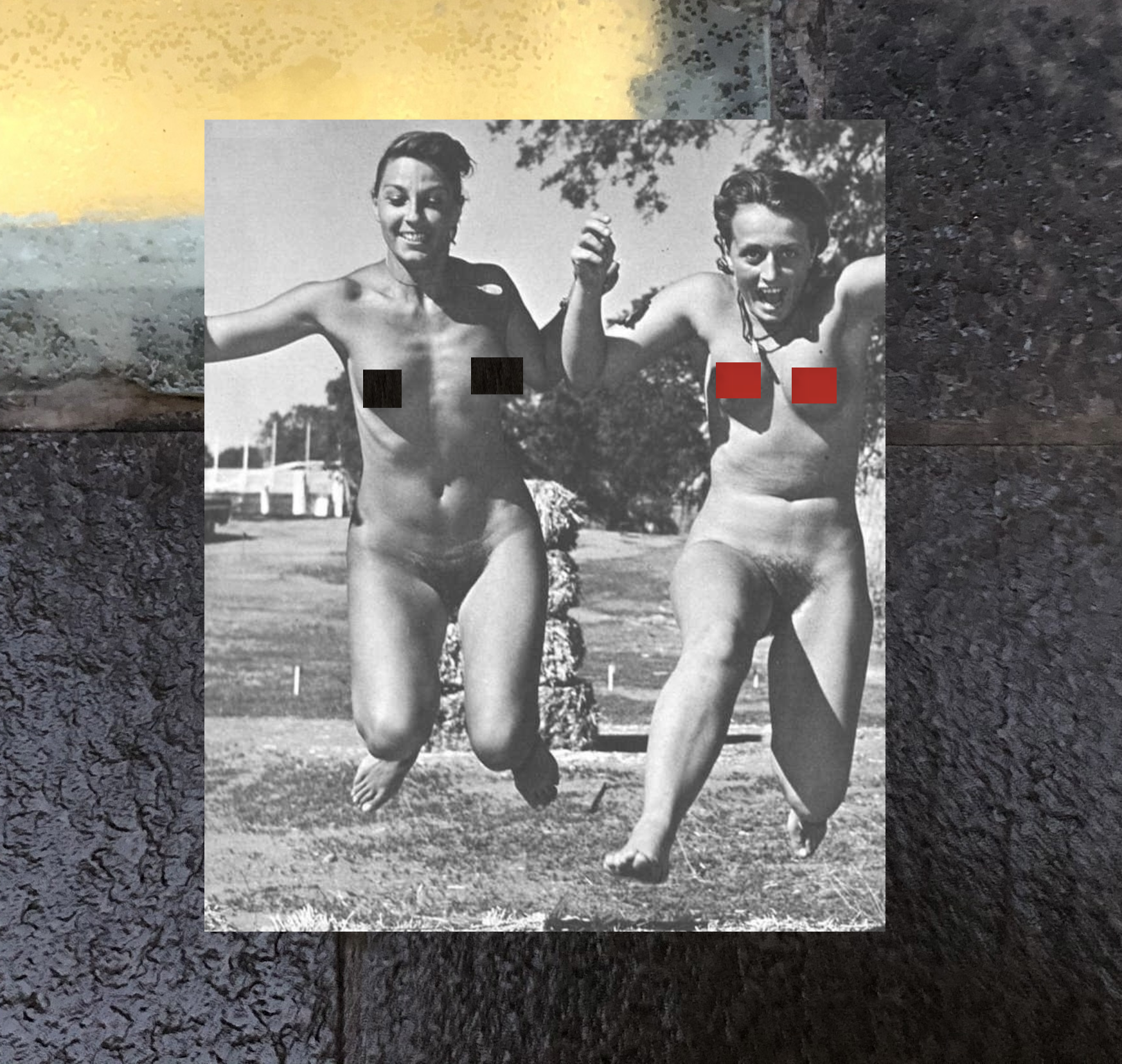
The Back-To-Nature Ranch

A friend writes from Wichita Falls, TX:
My parents died as they lived: together. The neighbors heard the shots. The police came, saw what’d happened, and closed the case. The sheriff phoned to ask if I’d come back home and take care of matters.

Fifty-four years in the same house adds up to a mountain of accumulated stuff. I didn’t want any of it, so I called the Salvation Army. While I was helping them load their truck, one of the guys got lost in fascination over what looked like an old family album. “Maybe you don’t wanna keep this,” he said, “but you oughta give it a look anyway.”

He was right. Everyone in the pictures looks so natural and serene, all those qualities attributed to guests at funeral parlors. Most of all though, they look happy.

Happy memories? These old snaps brought back summers when my parents took off for The Ranch, and left me with Grammy and Grampy, who smelled of medicine and plainly didn’t approve of the “nudie swinger” lifestyle.

Don’t ask me to identify my parents again. Let’s just say that, in these old photos, at least, they look young and carefree, just like everyone else who was there, then.
(Note: blacked-out eyes on those presumed still alive)


***
Ritorno alla Natura Ranch

Un’amica scrive dal Texas:

I miei sono morti come hanno vissuto: insieme. I vicini sentirono gli spari. Venne la polizia, videro cos’era successo e chiusero il fascicolo. Lo sceriffo telefonò per sentire se sarei tornata a casa per sistemare le loro faccende.

Cinquantaquattro anni nella stessa casa vuol dire un sacco di roba accumulata. Non volevo tenermi nulla, quindi chiamai l’Esercito della Salvezza. Mentre davo una mano a caricare il camion, uno dei volontari si perse in ciò che sembrava un vecchio album di famiglia. “Forse non vuoi tenerlo,” disse, “ma dovresti comunque dargli un’occhiata.”

Aveva ragione. Sembrano così naturali e sereni, tutte quelle qualità che vengono attribuite agli ospiti delle pompe funebri. Più che altro sembrano felici.
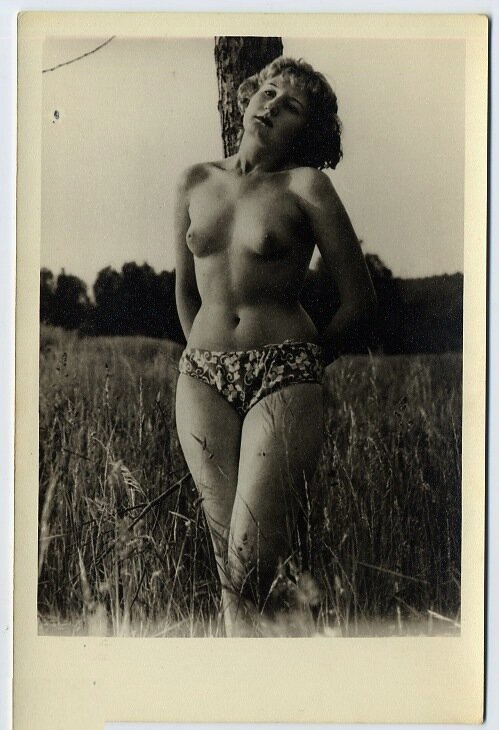
Felici ricordi? Queste immagini riportarono brevemente a vita quelle estati in cui i miei partivano per i loro soggiorni al Ranch e mi lasciavano in balia dei nonni, che odoravano di medicine e palesemente non approvavano lo stile di vita dei “nudisti scambisti”.

Non voglio doverli identificare di nuovo in queste foto, dirò solo che sembrano giovani e spensierati come tutti gli altri che allora erano presenti.
(nota: ho mascherato gli occhi ai presunti ancora vivi)


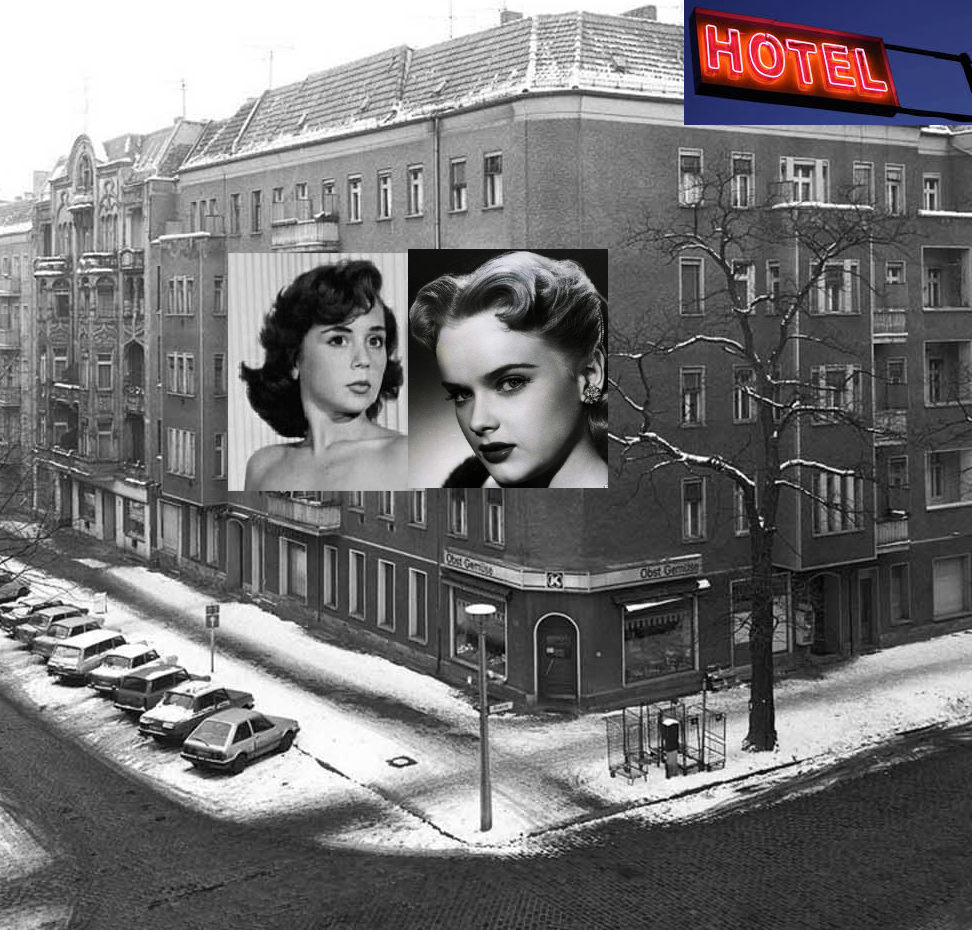
A Permanent Hotel in East Berlin
A friend writes from a country that no longer exists:

Nadége and Chantal drove a borrowed chocolate-brown DS from their adoptive Riga to Berlin. Their only plan was to bask in the glow, or gloom, of the former DDR.

Belarus’ lush scenery gave way to a pervasive gray at the border, which had vanished.

Chantal gazed dreamily at the drab farmhouses and dusty cement factories on either side of the road. Piles of rubble loomed, punctuated by slag heaps and church steeples riddled with bullet-holes. “Exactly the shade we wanted,” she said.

Nadége, the driver, looked at her friend. “Oh darling, we’ll be so happy in East Berlin.”

She should’ve kept her eyes on the road. The cement truck driver, distracted by carnal images on his SmartPhone, blindsided them at full speed. The young women in the gorgeous old automobile never knew what hit them.

Comrade Honecker was on hand to greet the young women, and present them with garlands of red roses. “The State is pleased to offer you the position of receptionists at the People’s Hotel forever and ever. You are eternally free to goof off and wander around the Workers’ Paradise as you desire.”
They heard, and obeyed.


***
Un hotel permanente a Berlino Est
Un amico scrive da un paese che non esiste più:

Nadége e Chantal presero in prestito una DS marrone per viaggiare dalla loro adottiva Riga a Berlino. Il loro unico programma era di bearsi dell’atmosfera di ciò che fu la Repubblica Democratica Tedesca.

Il verde di Belarus cedette al grigio appena oltre il confine ormai inesistente.

Chantal guardava incantata le tristi fattorie e i cementifici polverosi ai bordi della strada. Cumuli di macerie incombevano, punteggiati da montagne di scorie di miniera e campanili crivellati da fori di proiettili. “Proprio il tono che cercavamo,” disse.

Nadége, al volante, guardò l’amica. “Oh tesoro, saremo così felici a Berlino Est.”

Avrebbe dovuto tener d’occhio la strada. Il camionista della betoniera, distratto da immagini indecenti sul suo SmartPhone, le prese in pieno. Le giovani donne nella vettura non sentirono niente.

Il compagno Honecker era lì per riceverle e presentarle ghirlande di rose rosse. “Lo Stato è lieto di offrirvi il posto di reception all’Hotel del Popolo per l’eternità. Siete libere di marinare il lavoro e bighellonare nel Paradiso dei Lavoratori seguendo i vostri desideri.”
Udirono, e obbedirono.


Ghostly Postcards

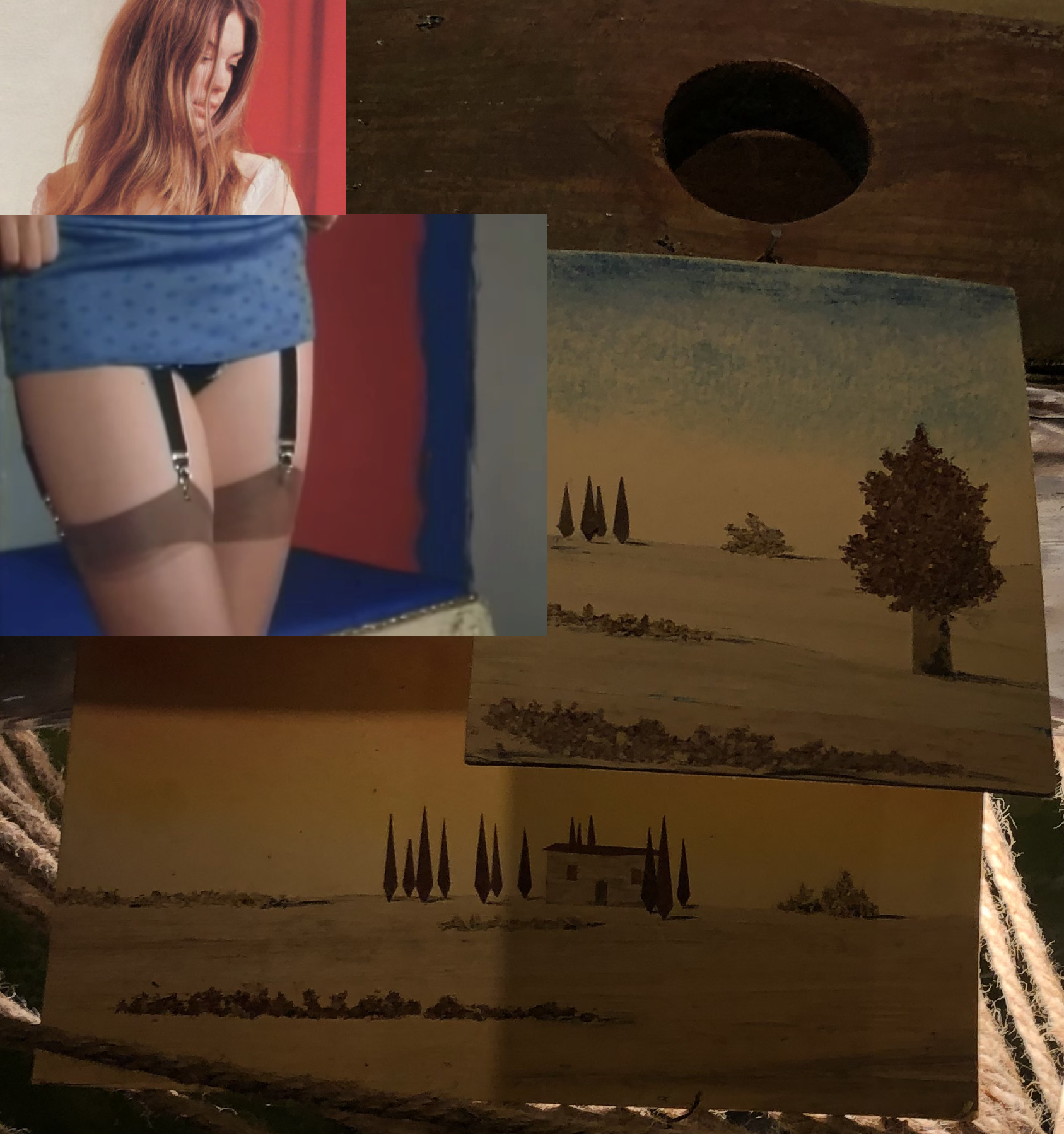
There's a revolving rack where the newsstand used to be in the Kranepool's lobby, and the hat-check room before that. The thing looks like a skeleton now, but once it was alive with colorful paper rectangles that showed views of our hotel inside and out, and glimpses of the surrounding world as some people might still remember it.
The thing creaks whenever someone shoves the entryway’s rotating door a shade too hard. The ancient carousel turns, and wisps of what were once a way to share pleasant sights and brief messages shimmer back into view in the twilight.
It’s always twilight time at the Kranepool, these days.
Take a seat in the lonesome lobby, whoever you are, and watch the show.


***
Cartoline spettrali

Uno stand girevole permane nella hall del Kranepool dove prima stava l'edicola e prima ancora il guardaroba. Ora pare uno scheletro, ma una volta era animato da rettangoli di carta colorata che raffiguravano l'hotel da dentro e fuori, e scorci del mondo circostante come alcuni se lo ricordano ancora.
L'oggetto cigola se qualcuno spinge con forza eccessiva la porta girevole dell'entrata. Il vetusto carosello gira, e nell’ultimo bagliore del crepuscolo si rianima un modo di trasmettere piacevoli visioni e cordiali saluti.
È quasi sempre l'ora del crepuscolo qui al Kranepool, di questi giorni.
Accòmodati su una delle poltrone della hall quasi deserta, chiunque tu sia, per goderti lo spettacolo.



Psychotel

The view from Outside
Standard hotel policy is, a guest arrives, enters the lobby and is cordially received. Documents are checked, payment is agreed upon, and the guest is accompanied to the room or Suite she/he reserved. The bellboy or -girl door closes the door behind him/her and privacy takes over until checkout-time.

All baggage must be checked
Things're different here. Guests either arrive voluntarily, or are brought to us under restraint. The bellboys are called orderlies. They wear white uniforms and have blackjacks in their pockets.

An Inside look
There is no privacy in this place. Freedom from constant surveillance is a privilege that must be earned through good behavior. Some of the suites are padded, for guests' protection. Checkout time's another word for freedom, here, and release depends on the judgment of The Management.
One thing's the same as at other hotels, however: your stay ain't free.

Art therapy salon
It ain't cheap neither. "A lousy breakfast here costs more than Sunday lunch at the Waldorf," quipped a recent guest.

The Room referred to as “The Library”
Shower Hour can be a pleasure or a punishment. It's up to you. Either way, you pay.
Standard hotel policy is a generous supply of warm, soft, absorbent towels and a bathrobe. Here, it's different.

It’s not soft, but it’s clean

Enjoy your stay!
***
Psicotel

Benvenuti nella hall!
La normale politica d'hotel è la seguente: l'ospite arriva e viene cordialmente ricevuto. Vengono controllati i documenti, viene concordato il pagamento, e l'ospite è accompagnata/o alla stanza prenotata. Il facchino/a chiude dietro di sé la porta. Prende il sopravvento l'intimità riservata, fino all'ora del check-out.

Gli spazi pubblici del settimo piano
Qui le cose sono diverse. I graditi ospiti giungono da noi volontariamente, oppure vengono scortati con la forza. I facchini qui si chiamano attendenti, vestono di bianco e sono muniti di sfollagente.

Trattamenti morbidi nella Sala dei Cuscini
Qui non esiste "privacy". La libertà dalla sorveglianza continua è un privilegio che si acquista mediante un buon comportamento. Alcune Suite sono imbottite, per la sicurezza dei graditi ospiti. L'ora del check-out è sinonimo di libertà, e dipende dal parere de La Gestione.
Abbiamo una cosa in comune con i normali hotel però: il vostro soggiorno non è gratis.

Eleganza! “L’ora dello struscio” nella Kursaal
Non costa nemmeno poco. "Una schifosa colazione qui costa più che un pranzo domenicale al Principe di Piemonte," fu la battuta di una recente gradita ospite.

Manie di grandezza vengono coccolate nel Salone dei congressi
L'ora della doccia può essere un piacere o una punizione. Dipende da Lei. In ogni caso, si paga.
Ai normali hotel vengono generosamente forniti asciugamani puliti, caldi e assorbenti. Qui è diverso.

Gli accappatoi forniti dal nostro stabilimento non saranno morbidi, ma sono puliti
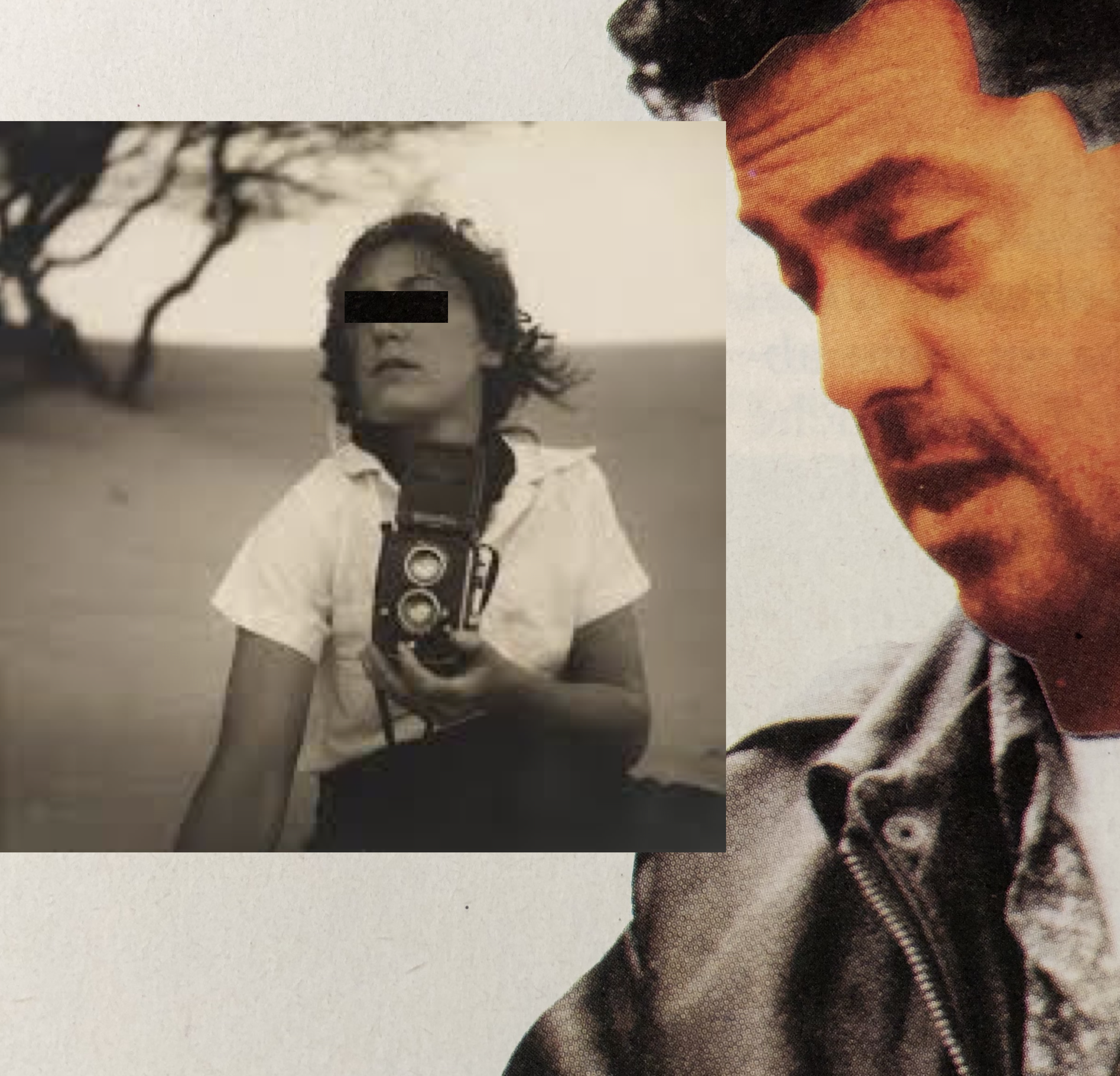
The Dryden West's Secret Vault

A friend writes from A Big City:
This is a p.s. to the story about the removal job I did at the old Dryden West a while back. The place kinda got to me, so I went back for what I thought’d be a last look. I knew there was nothing in there, since I'd personally taken out everything that was take-outable. The building loomed silent and still against the darkness of a late-November evening. As I was about to head off again, a feeling came, like a tap on the shoulder and you turn around but nobody’s there. Something was there. A chill moves in, and takes hold.
Whoever put the chain on the revolving door forgot to close the lock.

The only light was what floated in from the street. A balmy draft blew from where the reception desk was, in the former lobby. It was a human warmth, like when you watch something nice happen between two people you don't know, or when someone does you a favor that you didn't expect, or deserve. A beam bounced off the windshield of a car going by, and hit a safe door hidden down where the wainscoting had been wrenched away. I thought, 'Get a crowbar,' but that proved unnecessary.

Whoever stashed these pictures in there wanted someone to find them. I held onto them for a while, I confess, but they don’t belong to me.


***
La cassaforte segreta del Dryden West

Un amico scrive da una metropoli statunitense:
Questo è un post-scriptum alla storia che scrissi qualche tempo fa sullo sgombero del vecchio Dryden West. Il posto mi aveva fatto effetto, quindi ci tornai per dargli un’ultima occhiata. Sapevo che là dentro non c'era più nulla. Avevo rimosso di persona il rimovibile. Il palazzone scuro incombeva silenzioso e immobile sullo sfondo di una sera di tardo novembre. Stavo per andarmene quando sopravvenne quella sensazione di essere stato toccato. Ti giri e non c'è nessuno. Eppure qualcuno c’era. Ti entra dentro un gelo.
Chiunque avesse messo la catena alla porta girevole non l'aveva chiusa bene.

L’unica luce era il riverbero del mondo fuori. Tirava una corrente tiepida da dove prima stava il banco della reception. Era un calore umano, come quando vedi succedere qualcosa di bello tra due persone che non conosci, o quando qualcuno ti fa un favore che non ti aspettavi, o non meritavi. Un riflesso scaturito dal parabrezza di un’automobile passando illuminò uno sportello di cassaforte in basso dov’era stato divelto il battiscopa. "Ci vuole un piede di porco," pensai, ma non fu necessario.

Chiunque abbia infilato là dentro queste immagini voleva che qualcuno le trovasse. Me le sono tenute per un po’, lo confesso, ma non mi appartengono.


Long for Mary

A red light flickered to life in the security console’s "Basement" region. A smoke alarm seemed to have gone off down there, but there was none of the usual whooping clangour, and no water sprayed from the jets in the ceiling. 'Probably a falsie,' the Night Porter thought. “Still, better investigate.”

The Kranepool was colder than usual that night. Too few guests to warm the place with their normal body temperatures. The cellar was chilly. The Night Porter shivered as he sniffed around and felt the walls for hot spots. He wanted to be thorough: fire's even worse for the hotel business than lowered reservation rates, but there were no smoky smells or sights to detect. He was about to return to his post when he heard a woman's husky voice. A strip of pink light showed under the door of the storage space for outdated hotel ornaments, and furniture in need of repair. He approached quietly, slid his passkey into the slot and pushed.

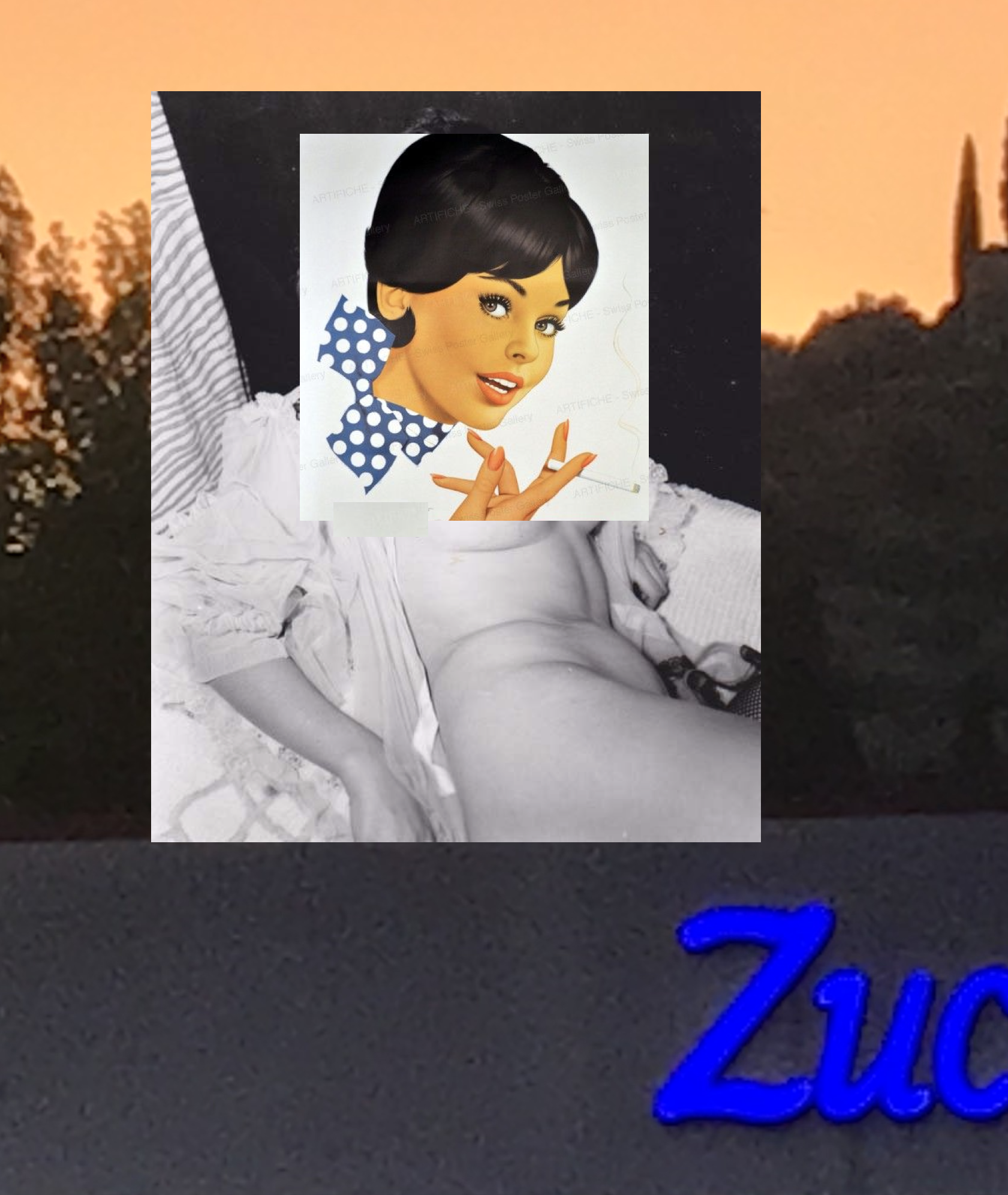
The jukebox that'd once enlivened the Kranepool Bar & Grille was engaged in an animated light-discussion with the coin-operated automat that'd once doled out smokes in the lobby. Between the flickering machines, an intriguing person indulged in forbidden behavior. Her face was a picture that'd vanished along with youth. The end of her cigarette glowed. She took it from her lips as though she were about to say something interesting, and dissolved in a pale gray cloud.

The Night Porter was relieved. He’d’ve been duty-bound to tell her that the Kranepool's basement was a No Smoking area, just like the rest of the hotel, but he would've felt infantile, and a snitch. As soon as he'd closed the fire door behind him, the jukebox whirred and played "Smoke Gets In Your Eyes".

***
Languida Mary Long

Una spia rossa sfavillò nella zona "Cantina" della consolle di sicurezza. Sembrava che fosse scattato un’allarme per il fumo, ma senza il solito clangore né piogge dai getti del soffitto. "Probabilmente un segnale falso ," pensò il portiere di notte. “Comunque, meglio indagare.”

L’Hotel Kranepool era più freddo del solito quella notte. Non c'erano abbastanza ospiti per scaldare i suoi ambienti con le loro temperature corporee. In cantina si gelava. Il portiere di notte tremava mentre annusava in giro e tastava le pareti alla ricerca di punti caldi. Gli incendi sono ancora più nocivi alla vita di un hotel che prenotazioni carenti. Ma laggiù non c'era nulla che sembrasse o odorasse di fumo. Stava per tornare su alla reception quando udì una rauca voce di donna. Si girò e vide una striscia di luce rosa sotto la porta del locale occupato da orpelli obsoleti, e mobili da riparare. Si avvicinò in silenzio, inserì la chiave universale nella fessura e spinse.

Il jukebox che una volta animava il Kranepool Bar & Grille era in luminosa discussione con la macchinetta delle sigarette che era stata da tempo rimossa dalla hall. Tra i due vecchi robot, una persona intrigante indulgeva in un piacere proibito. Il suo volto era un’immagine svanita con la gioventù. Si tolse la sigaretta dalle labbra come se stesse per dire una cosa interessante, e scomparve in una nuvola grigia.

Il portiere di notte provò sollievo. Sarebbe stato suo dovere dirle che nelle zone sotterranee del Kranepool era vietato fumare, come nel resto dell'hotel, ma si sarebbe sentito una stupida spia. Appena richiuse la porta dietro di sé, il jukebox ronzò e suonò 'Fumo blu'.

Nipples Are Nice

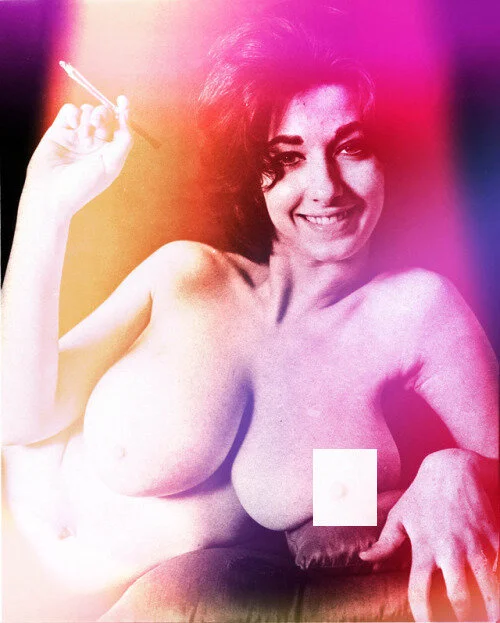
Attention All Staff! Some creeps out there in Etherworld have declared war on female nipples. This is stupid. Nipples are nice and natural. They’re nothing to be afraid of. Don't forget: your mom had 'um, whoever you are, or else you probly wooden't be here.
Hotel Kranepool is a nipple-friendly, nipple-affirmative hospitality establishment. Anyone with nipples can stay here, as long as they've got some dough and behave themselves. Also as long as they check out by 11 a.m.
Signed, the Management


***
I capezzoli non nuociono

Ehi qualche masnada di cretini là fuori nell'etere digitale ha dichiarato guerra ai capezzoli al femminile. Ciò è stupido. I capezzoli sono graziosi e naturali. Non c’è nulla da temere dai capezzoli di donna. Non dimenticare che tua madre ne era dotata, chiunque tu sia, o tu non ci saresti.
Hotel Kranepool è un albergo capezzolo-friendly. Chiunque abbia capezzoli può alloggiare qui, a patto che abbiano anche un po' di soldi e si comportino bene. E devono anche sloggiare alle undici di mattino.
Grazie,
La Gestione


The Totem Pole Inn

Any hotel with exclusive policies would be in serious legal trouble, these days. You gotta be subtle about restrictions. Glittering hi-karat jewelry displays in lobby-based shop-windows, for instance, amount to a “No Poor People” sign.

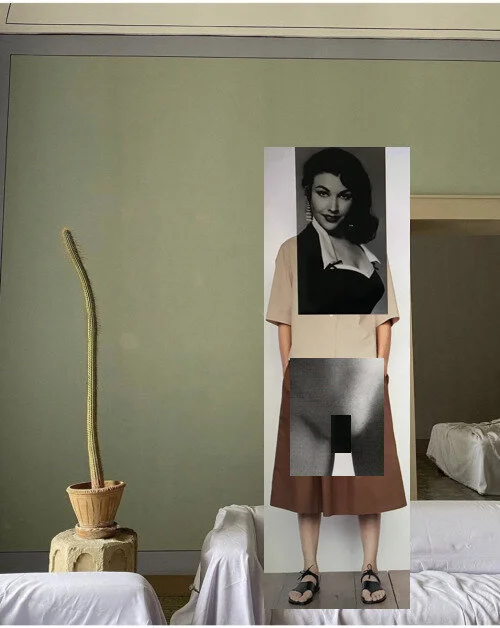
The Totem Pole Inn, however, makes no bones about being For Women Only. This means you, boy. Your XY-chromosome kind’s not welcome here.

Male delivery personnel must go to the rear of the building and dump their loads on the appropriate dock. Then they’d better leave.

There might still be a few Unwed Mothers Homes and Shelters for Mistreated Women left in business out there, somewhere. The Totem Pole Inn’s nothing like those joints. Our guests know how to take care of themselves.
So they do. Often. Maybe it has something to do with our decoration scheme.

***
Hotel Totem-Tabù

Un albergo si troverebbe in seri guai legali di questi tempi, casomai volesse esercitare una politica di esclusività.

Bisogna essere subdoli, in quanto alle restrizioni. Vetrine piene di gioielli luccicanti nella hall sono l’equivalente di un’insegna “Poveracci indesiderati”.

Ma l’Hotel Palo Totem lo dichiara chiaro e tondo: Solo Donne. E questo include te, bamboccio.

I fornitori XY-cromosomatici sono obbligati ad andare al retro per scaricare la loro roba all’apposito scalo.

Da qualche parte rimarranno in piedi delle Case per Ragazze Madri e Rifugi per Donne Maltrattate. Il Palo Totem non ha niente da spartire con quelle stamberghe lì. Le nostre gradite ospiti sanno prendersi cura di sé stesse. E lo fanno. Spesso. Forse ha a che fare con l’arredamento.

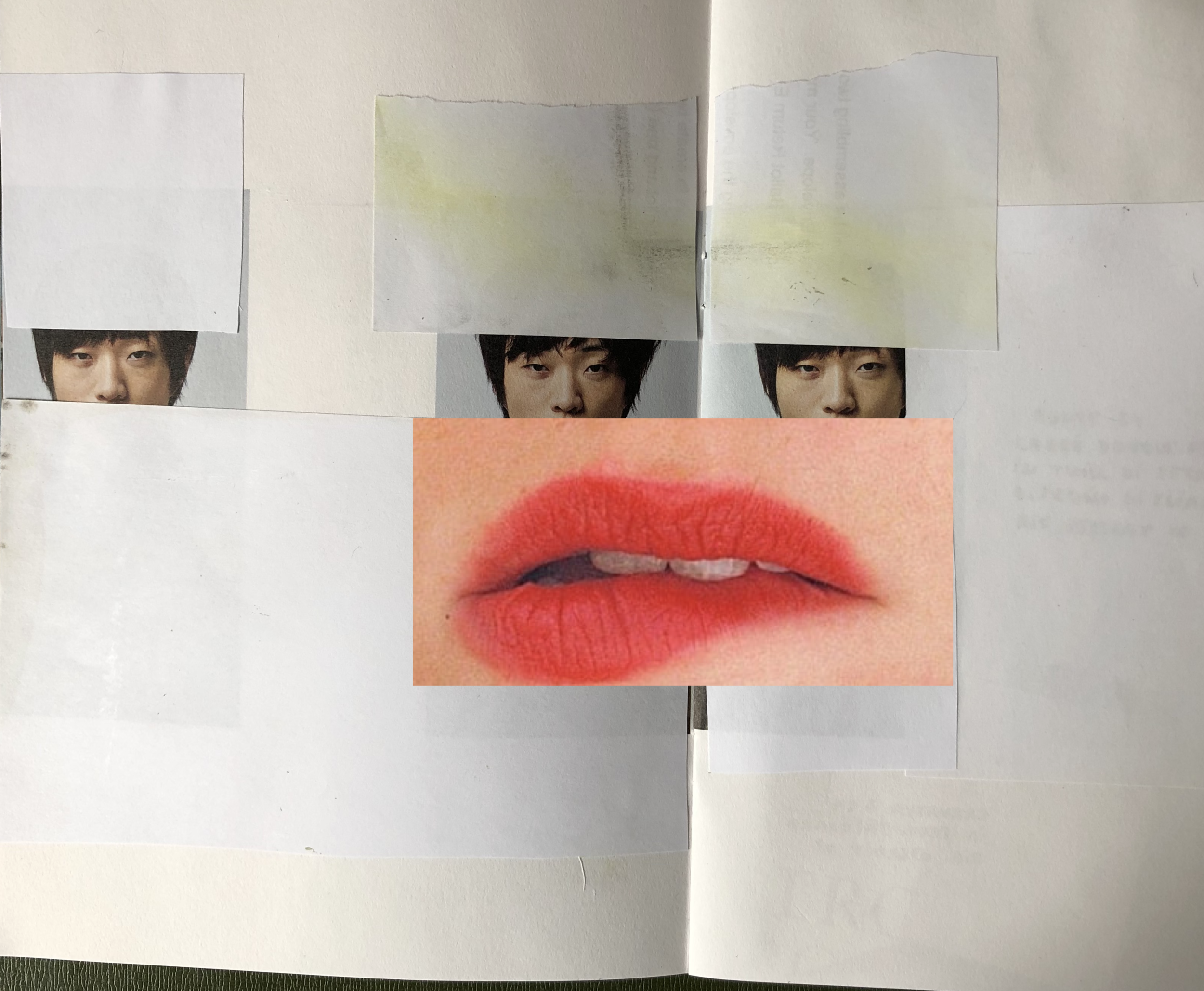
The Bookshelf in the Lobby
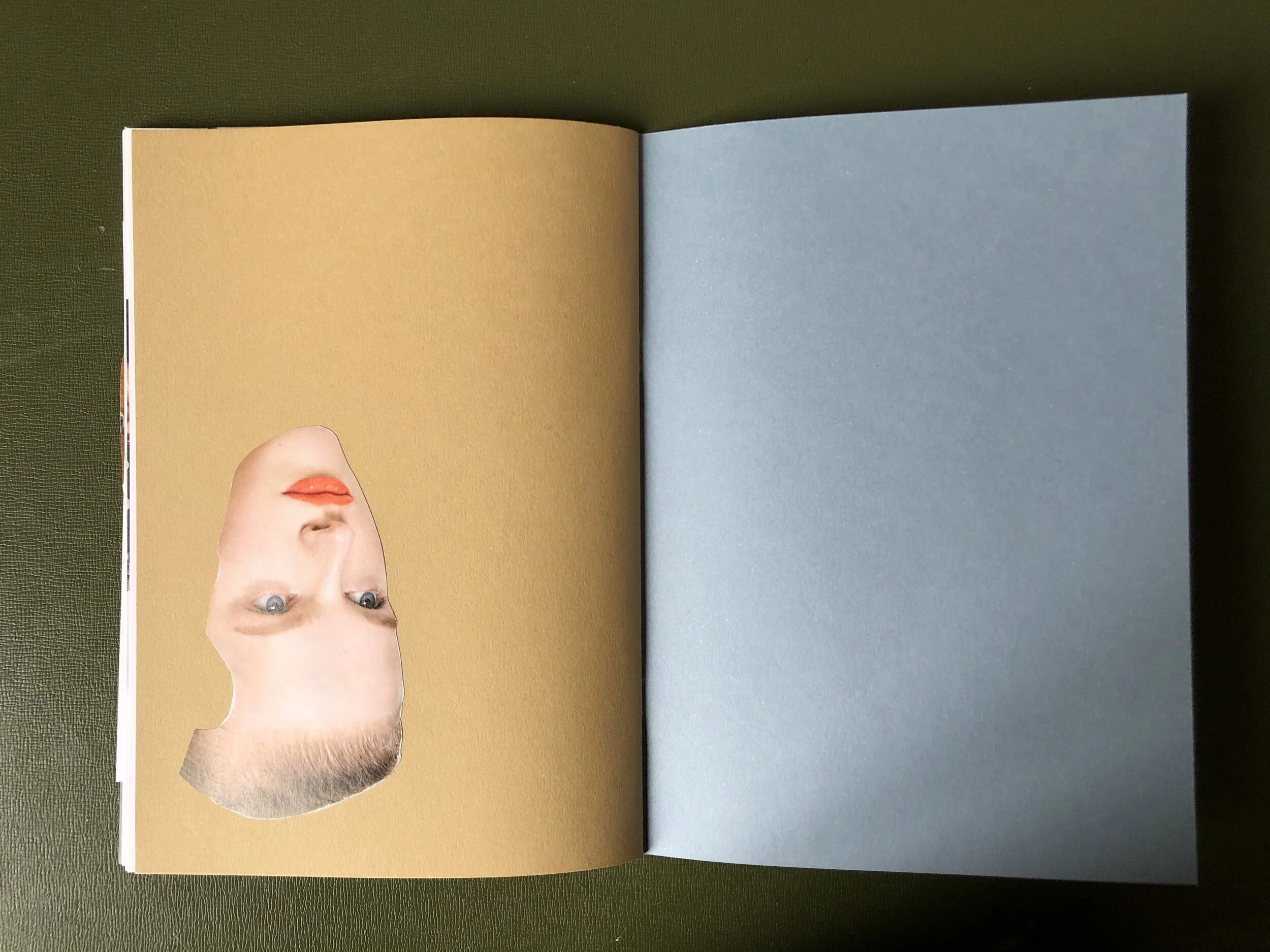
Frontispiece of “My Life as a Supermodel”
Some guests leave books in their rooms when they check out. These volumes wind up on a shelf in the lobby for other guests to peruse, or take home with them, if they please. The Kranepool has no specific policy towards this giveth-and-taketh-away phenomenon. It's a hotel thing, that's all.
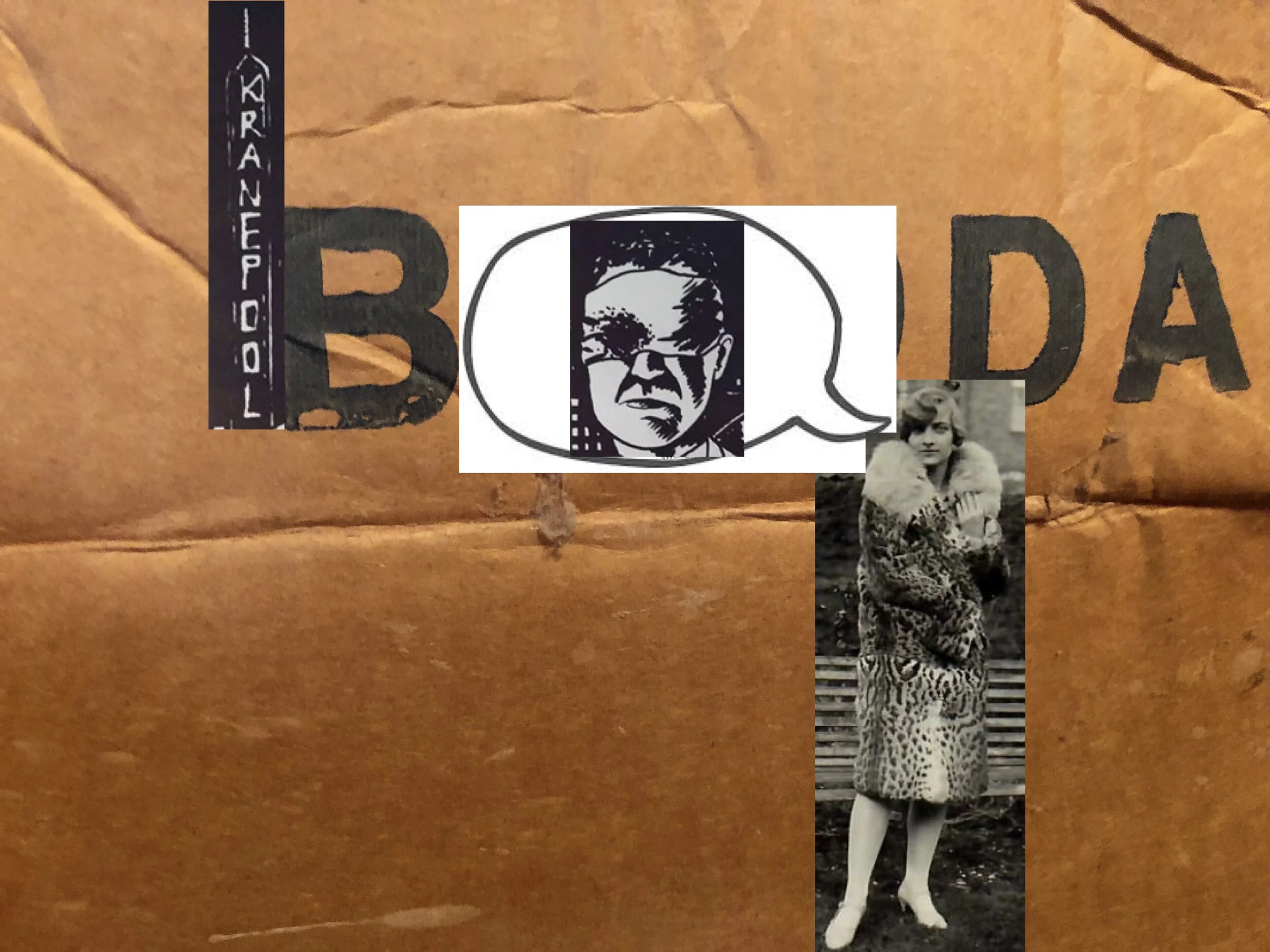
Cover, “A Brief History of Baseball”
Some people come in off the street to sit in the central heating or air-conditioning for a while. They occasionally give the books our guests have left a look-through.
You can be one of them, wherever you are.
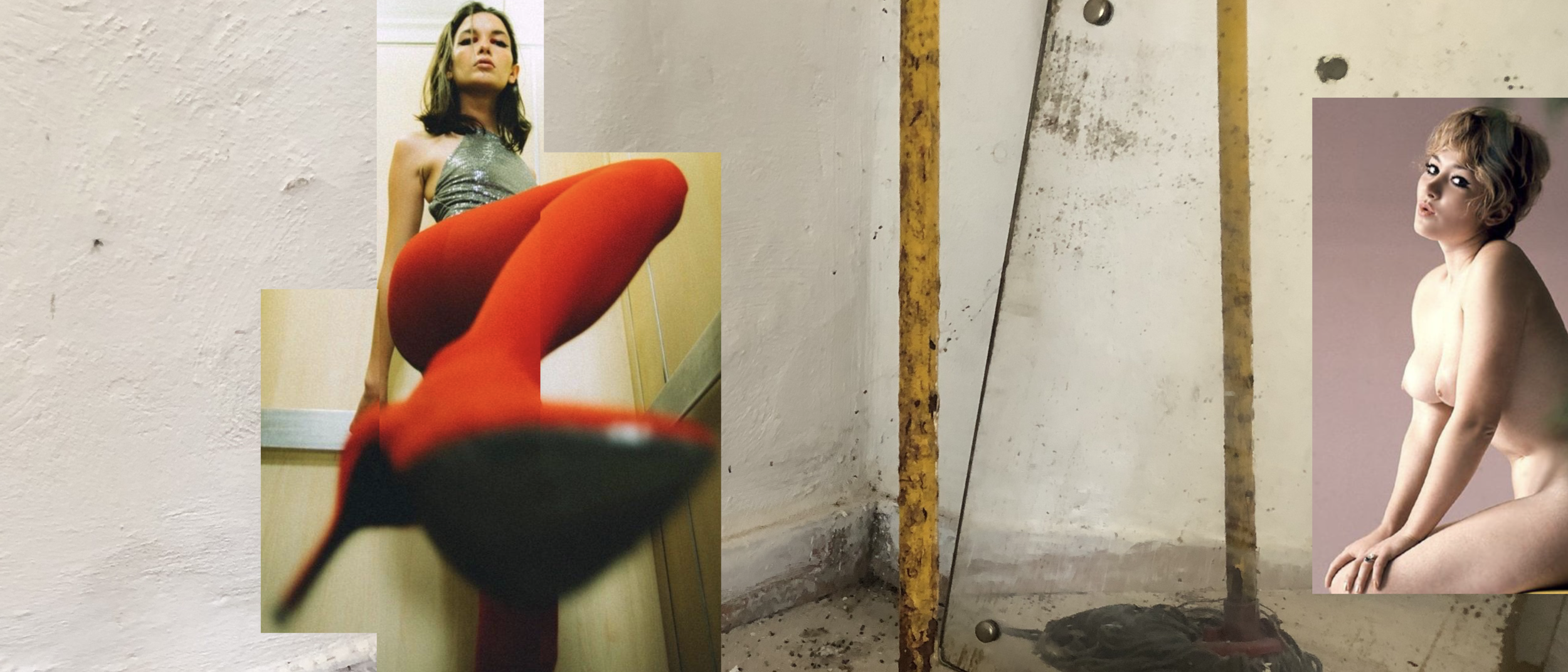
Illustration from “I Stomp Your Face”
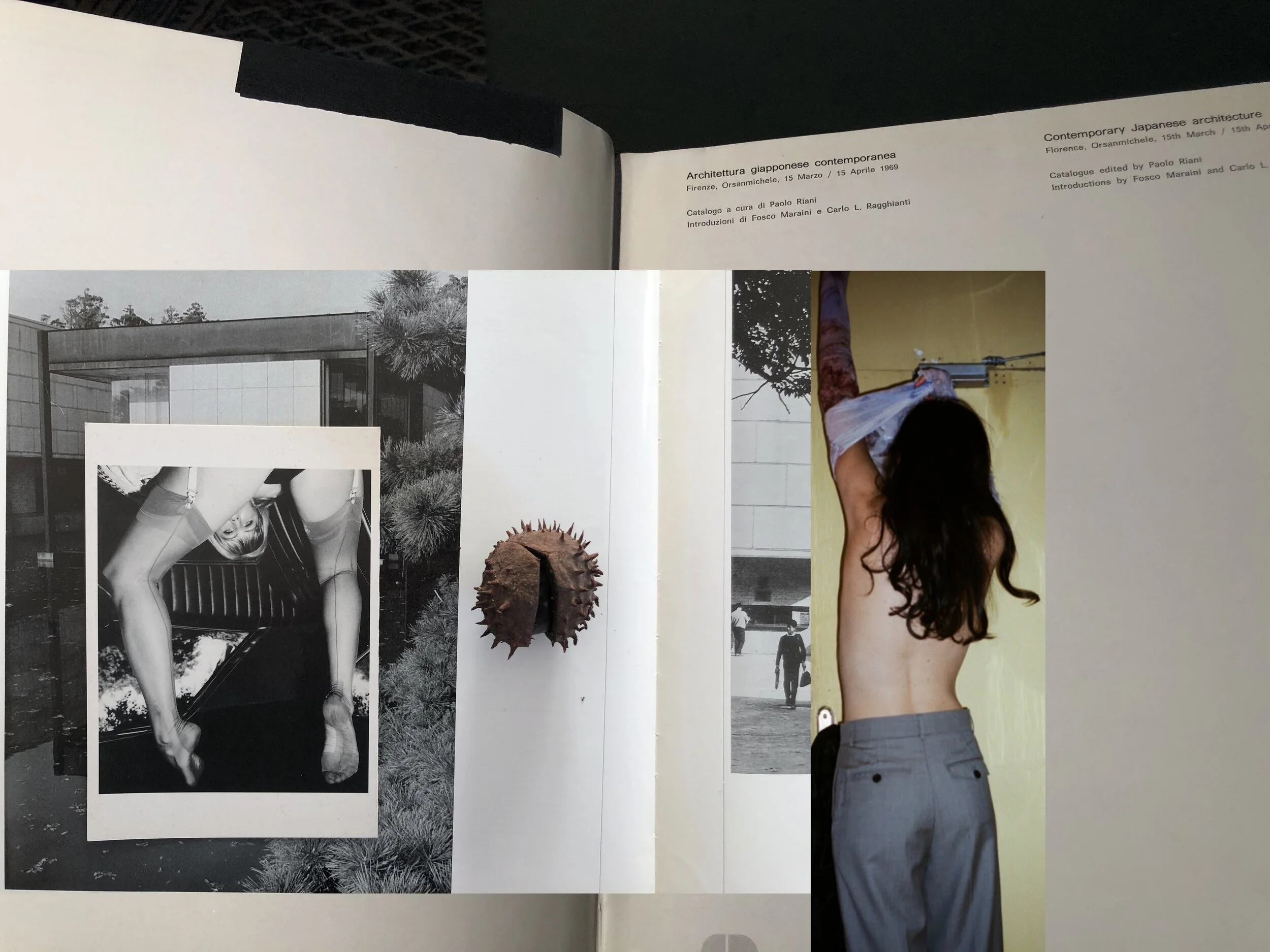
Illustration from “Contemporary Japanese Architecture in Cinema”
Cover, “An Art Gallery for Three”
Illustration from “I Showed You Mine, Now Show Me Yours”
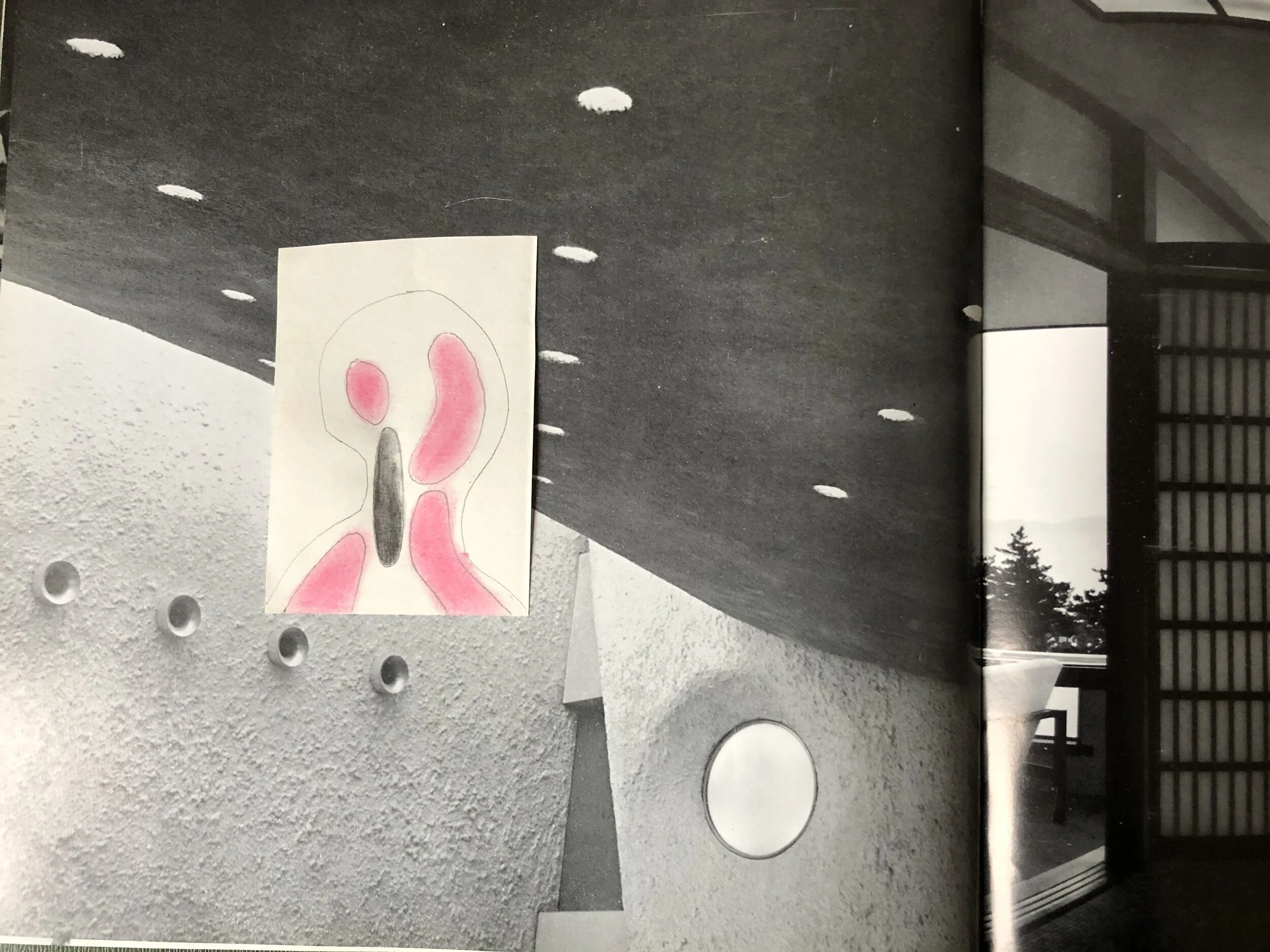
Illustration from “The Cinema in Contemporary Japanese Architecture”
***
Lo scaffale nella hall
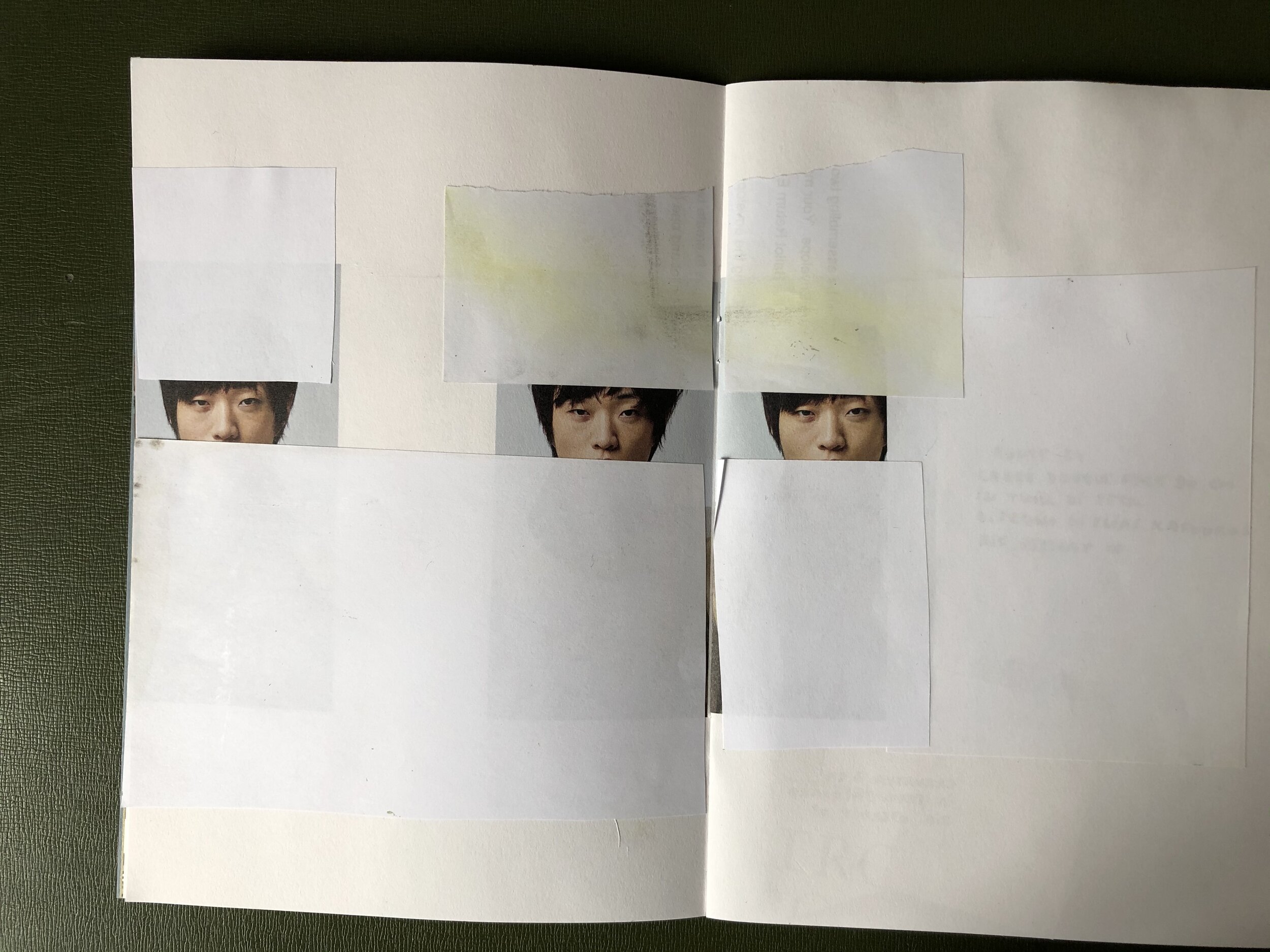
Frontespizio dell’edizione coreano di “Tre Uomini in Barca”
Alcuni graditi ospiti lasciano libri nelle loro stanze dopo il check-out. Questi volumi finiscono su uno scaffale giù nella hall dove altri ospiti possono consultarli, e portarseli a casa, se vogliono. Il Kranepool non ha una politica in riguardo a questo fenomeno prendere-e/o-lasciare. È una faccenda d'hotel, ecco tutto.
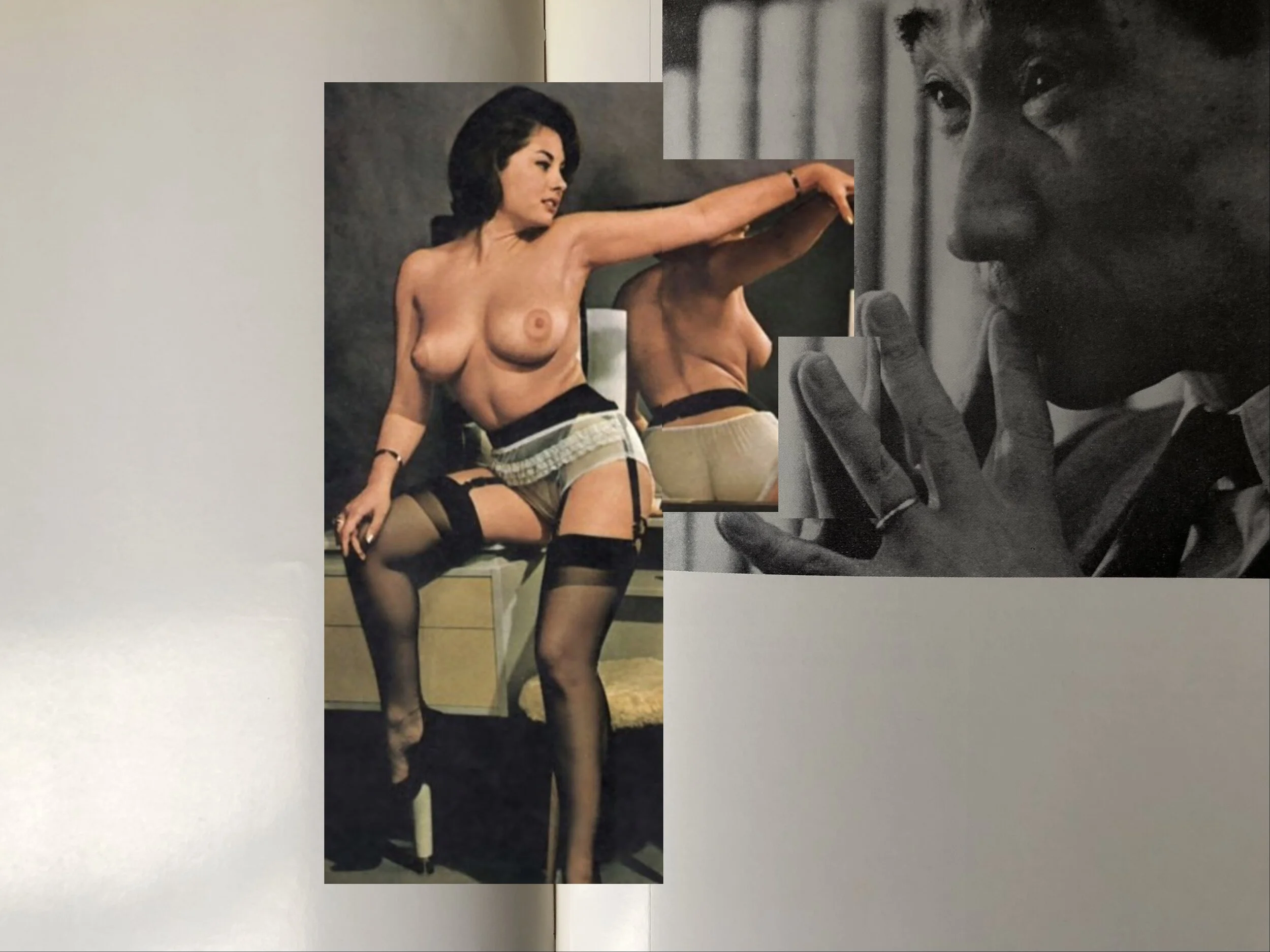
Una illustrazione da “L’abominevole Dott. Gekku”
Certe persone entrano dalla strada per sedersi sui comodi divani e poltrone della hall e godere del riscaldamento o l'aria condizionata. Ogni tanto sfogliano i contenuti dello scaffale dei libri lasciati dagli ospiti.
Puoi essere una di queste persone, ovunque tu sia.
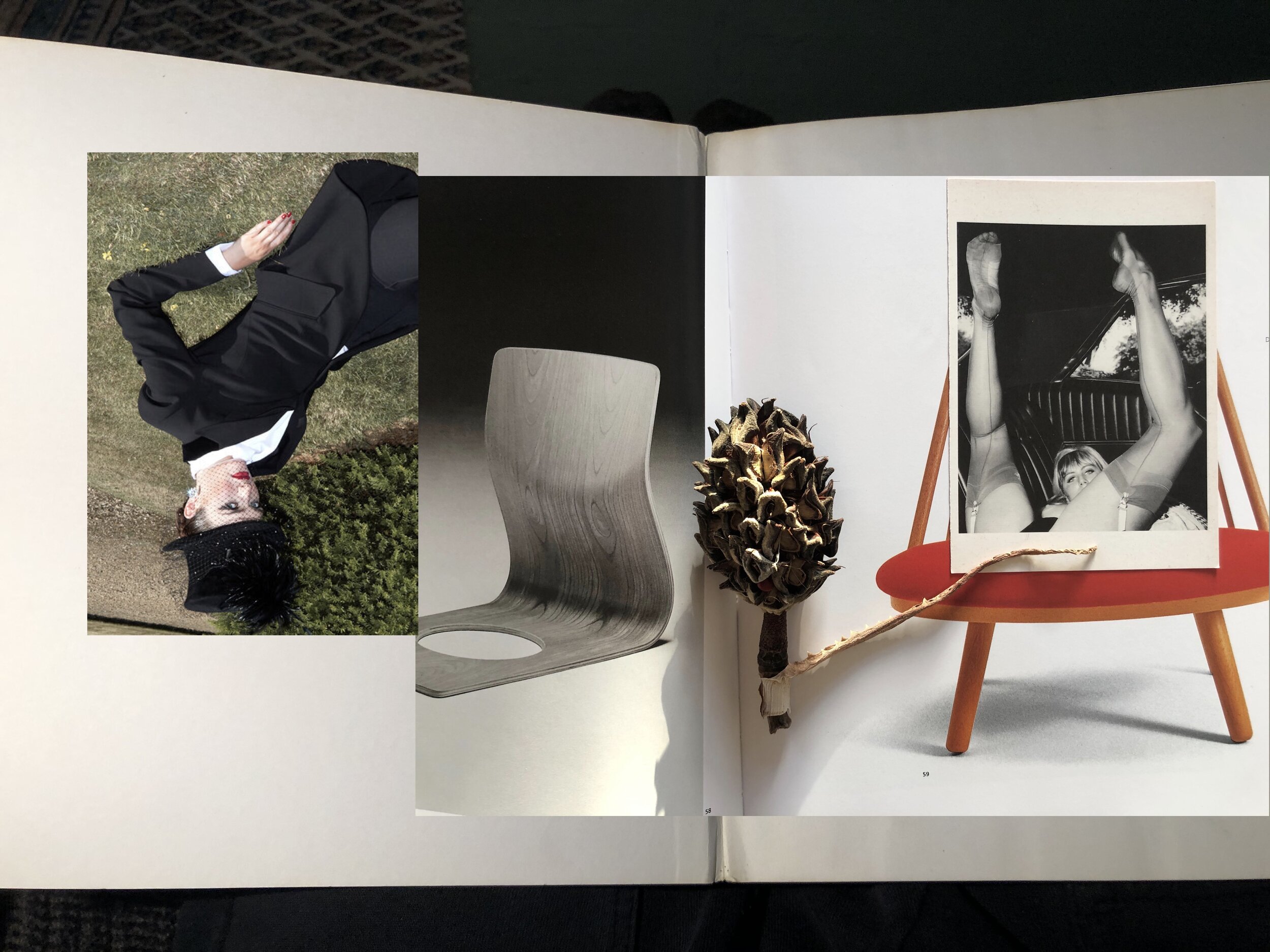
Copertina, “Arredamento/Antropologia”
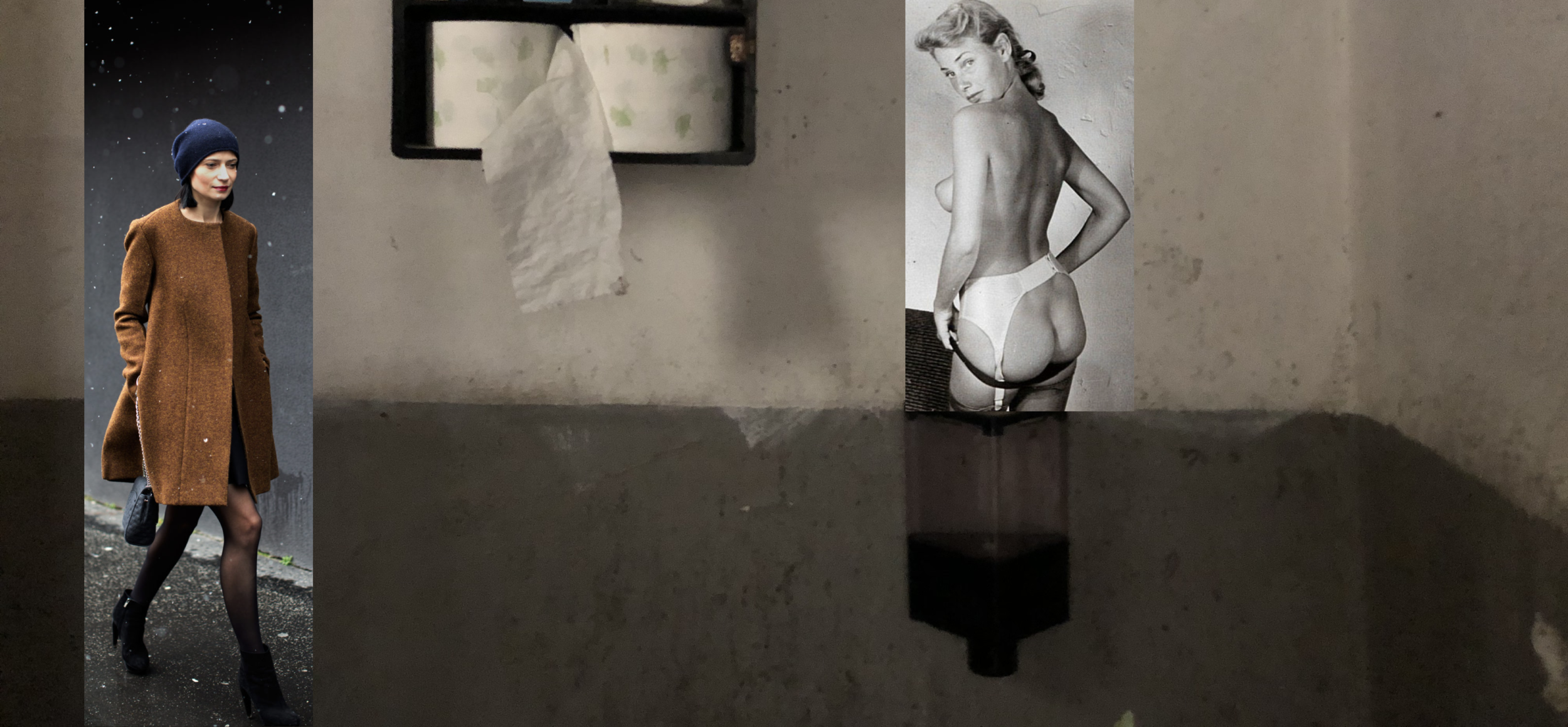
Retrocopertina di, “Fuori servizio”
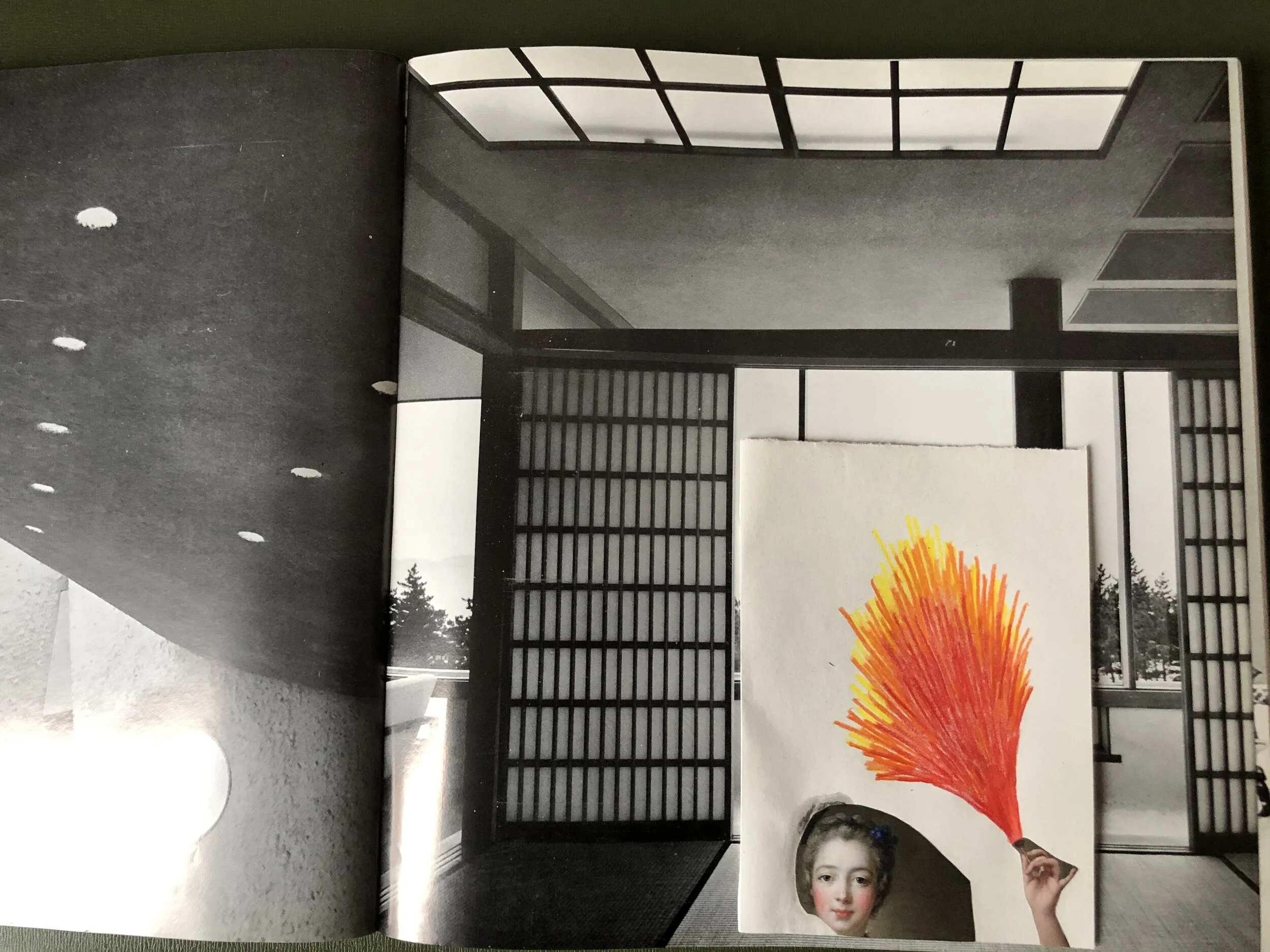
Illustrazione da, “Versailles brucia!”
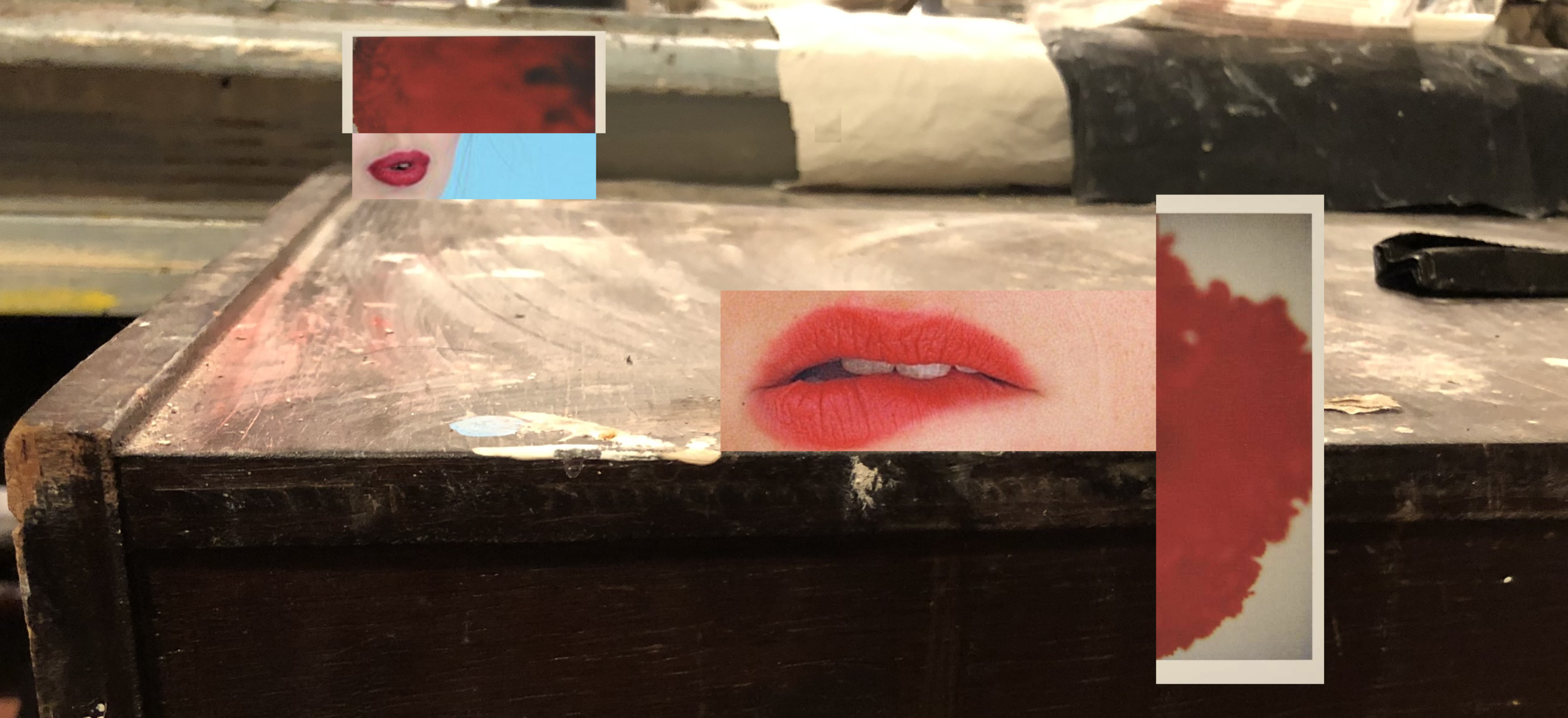
Copertina di, “Le labbra del tempo”
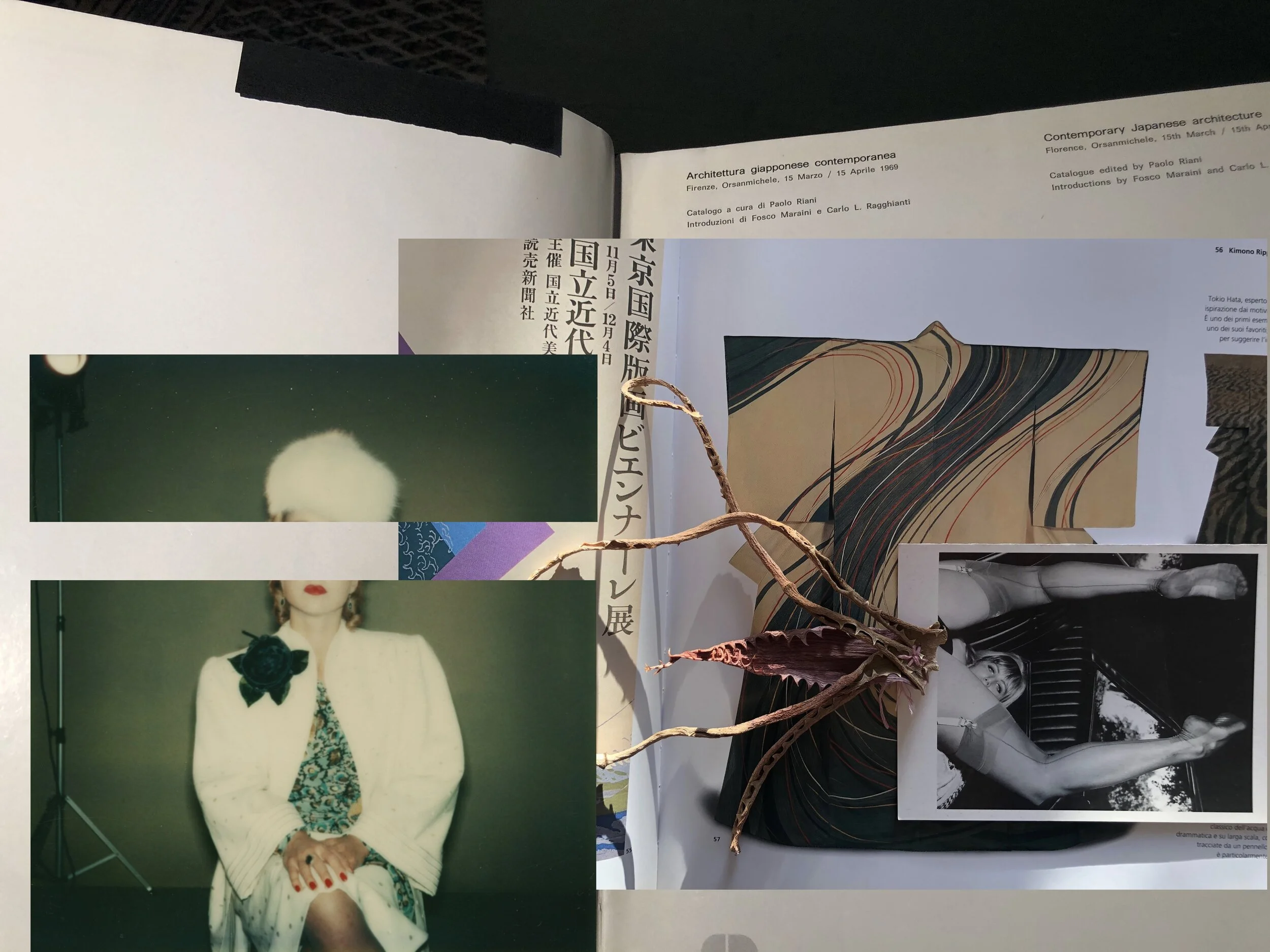
Copertina di, “Tra calamari e Kalahari”
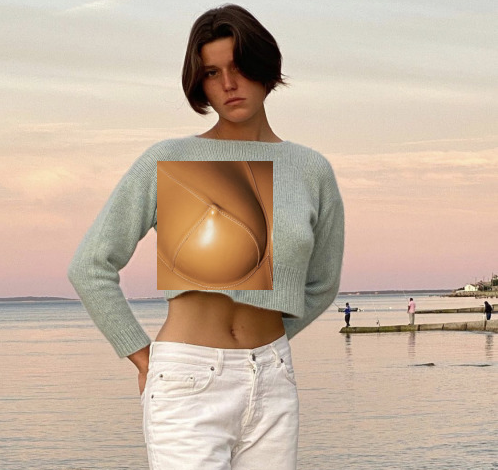
Ubermodel Orchard

Certain beautiful flowers flourish in sunlight. They also need water, and the company of human beings, especially their breath. Fresh blossoms crave conversation, however one-sided the discourse may seem.
Us budding ubermodels bloom differently. We need quiet, softly lit places to develop and grow.

Ubermodeling is an underground scene. With any luck, it'll stay that way. Final hotels are quiet, peaceful, and usually isolated. Their underground guests long for visitors, although they'd never say so. They beam joy from poignant pictures, and their attention never wavers. Those who stop by leave flowers. The artificial variety lasts longer.

Ambitions are like roots, or maybe the opposite is true. Us ubermodels sink our hopes in fertile terrain, trust they'll keep us true to our origins after the desired apotheosis occurs.

Every ubermodel in embryo knows that more sweat is exuded over achieved ambitions than answered prayers.


***
L'orto delle ubermodelle

Tanti bei fiori crescono al sole. Hanno anche bisogno di acqua, e delle cure ed esalazioni degli esseri umani. Queste gemme bramano la conversazione, per quanto unilaterale possa sembrare. Noi ubermodelle sbocciamo diversamente. Abbiamo bisogno di luoghi tranquilli e luce fioca per sviluppare e crescere.

Ubermodellare è un movimento underground. Con un po' di fortuna, resterà tale. I finali hotel sono luoghi di pace, isolati. Gli ospiti gradiscono le visite, pur non pretendendole. Lanciano raggi di gioia dalle loro commoventi immagini, e la loro attenzione non sbiadisce mai. Chi passa lascia fiori. La varietà artificiale è più durevole.

Le ambizioni sono come le radici, o forse è vero il contrario. Affondiamo le nostre speranze nella terra fertile, fiduciose che ci terranno legate alle nostre origini dopo la desiderata apoteosi.

Ogni ubermodella in embrione sa che viene versato più sudore per la ambizioni raggiunte che per i desideri esauditi.

The Saw-Me-Half Inn

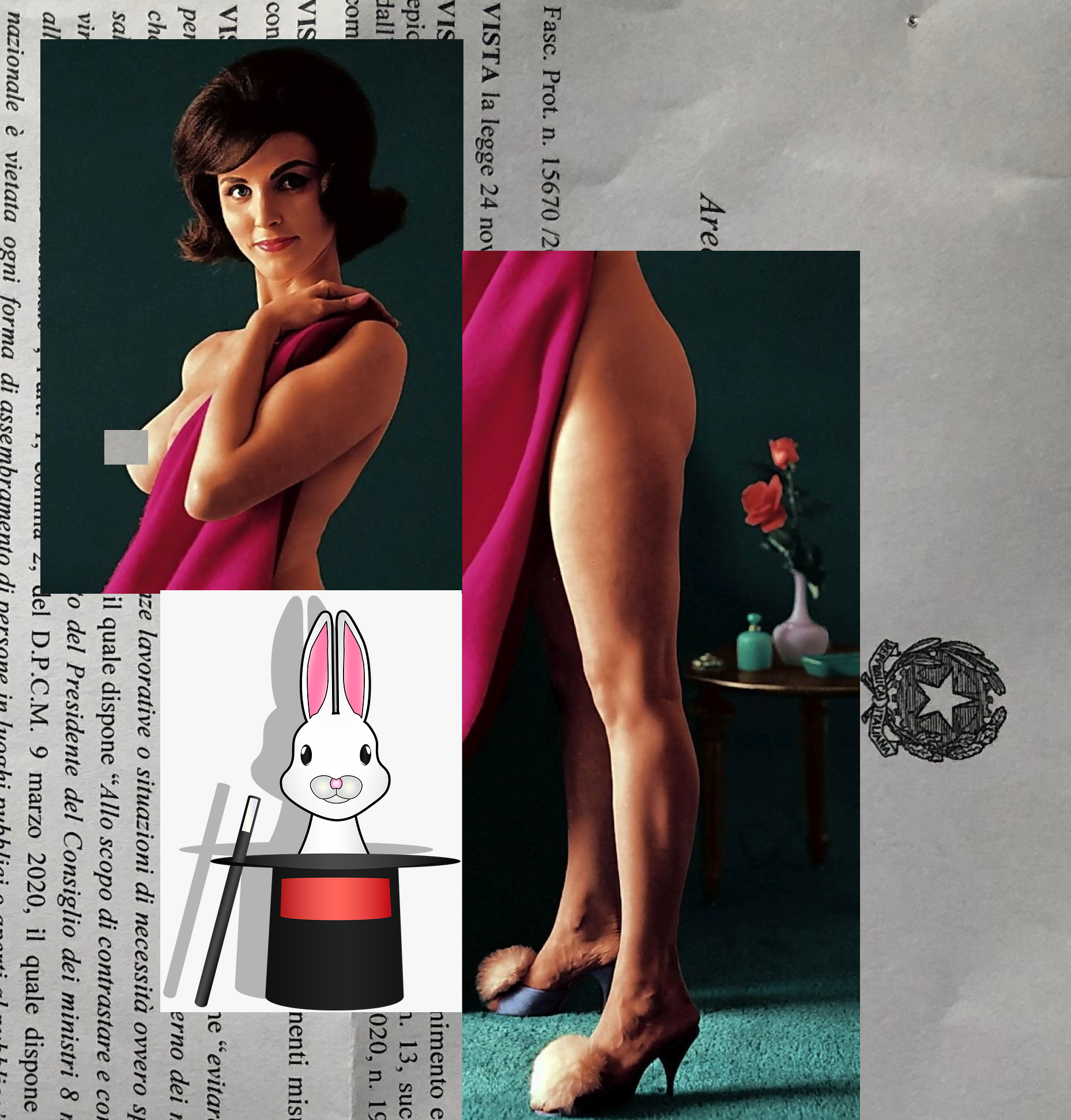
Magic is a hard business. The white rabbits and pigeons disappear into the stew-pot when they've outlived their usefulness. But what happens to the glamorous ladies who appear on-stage in a puff of smoke to misdirect the suckers' attention, who then vanish in a flash after being run through with swords and sliced in two with chainsaws?

A few of these enchanted beings made the jump from Vaudeville to Broadway to Hollywood. The rest wound up here. Somewhere between a rest home and a hotel, the Saw-Me-Half is uncategorizable. The mirrors blow smoke and reflect young ladies in their prestidigitational prime. A senior siren walks into her walk-in closet with a walker and emerges a honey in a bunny-fur bikini.

The receptionist hands out bouquets and streams of silk scarves to all who enter or leave.

The cook throws knives at the ladies who pose before hourglass-shaped targets: Ka-Chung!

At the end of the day, the whole place bursts into flames. Champagne sprays from jets in the ceiling. The ladies run around, shrieking and waving their lithe arms in mock terror, until hunky firemen in glittering red capes arrive on the scene, bash down the doors with their hefty axes and carry them off to the Land of Sweet Dreams. Their hoses spray champagne too.


***
Segamindue

La magia è un mestiere duro. I conigli bianchi e le candide colombe finiscono in pentola quando hanno finito i loro numeri. Ma cosa succede alle affascinanti Miss che appaiono sul palcoscenico avvolte dal fumo per distogliere l'attenzione dei fessi, che poi spariscono in un lampo dopo essere state infilzate da sciabole e dimezzate da seghe a motore?

Poche di queste magiche signorine in bikini hanno fatto il salto dal Varietà a Cinecittà. Le altre vengono a parare qui. Una via di mezzo tra una casa di riposo e un hotel, il Segamindue rifiuta ogni categoria. Gli specchi gettano fumo, e riflettono giovani donne nel fiore dei loro anni. Una strega sciancata entra in un armadio, e ne riemerge una sirena ricoperta da scintillanti paillettes.

L’allegro marcantonio alla reception porge mazzi di fiori e scie di sgargianti foulard di seta a chi entra o esce.

Il cuoco lancia coltelli e mannaie alle donne che si mettono in posa davanti al bersaglio a forma di clessidra. Ka-ciùng!


A fine giornata, tutto lo stabile va in fiamme. Zampilli di champagne spruzzano da getti nel soffitto. Le residenti corrono in giro, urlando e sventolando le affusolate braccia in preda a un finto panico finché arrivano i pompieri fisicati vestiti di mantelli rossi. Sfondano le porte con le loro magiche asce per portarle via, alla terra dei dolci sogni. Anche le loro canne schizzano champagne.

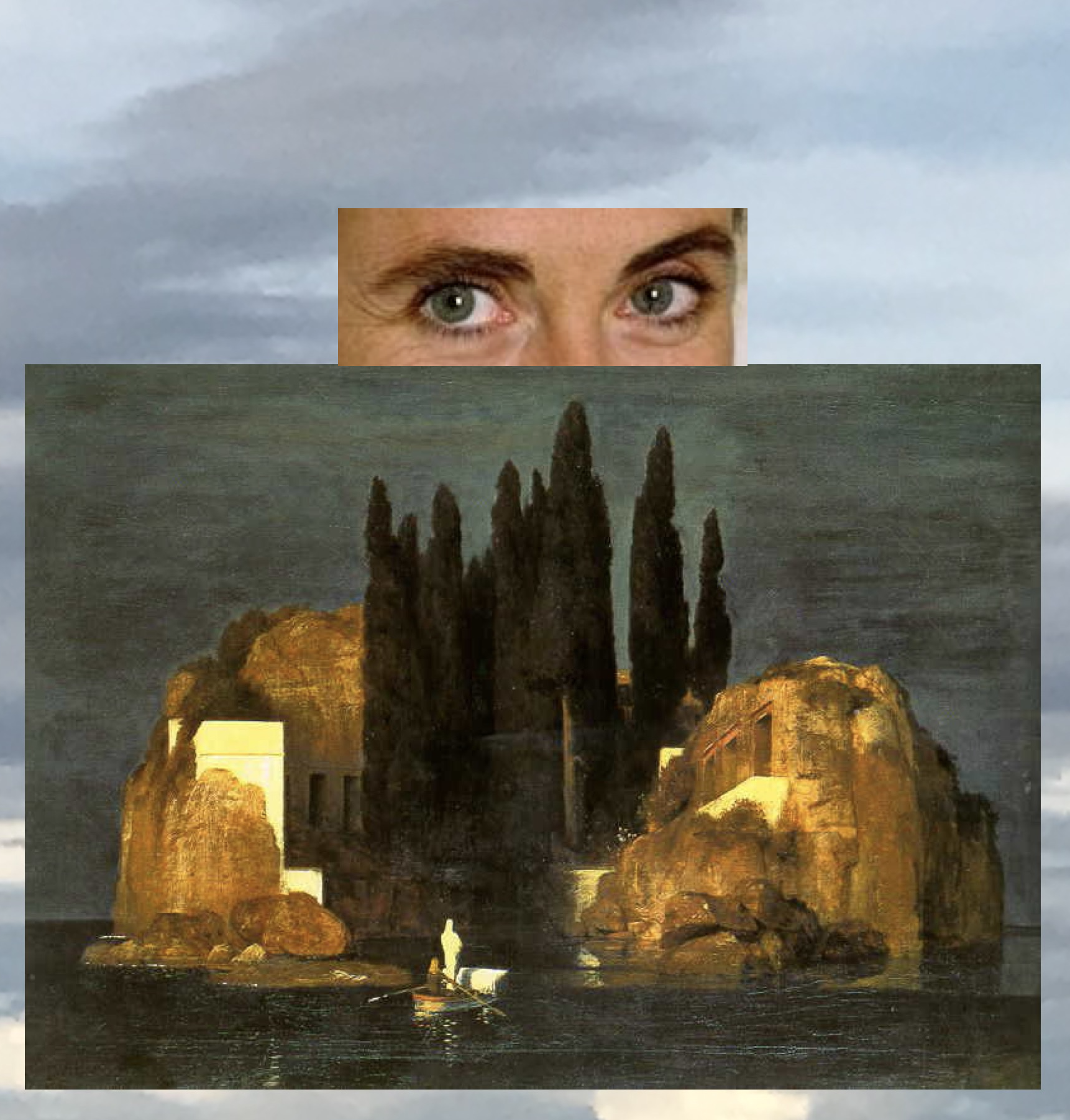
Una Livorno mentale
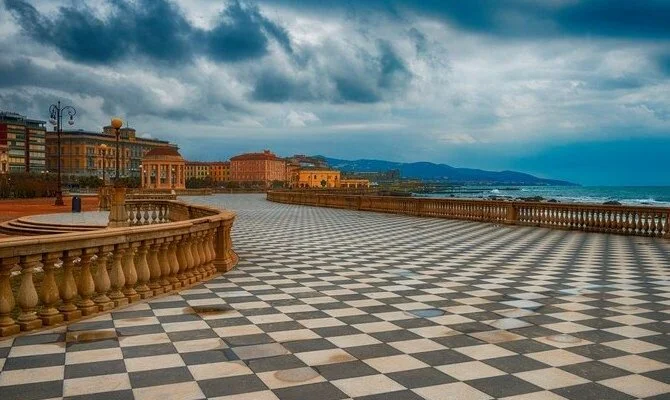
Un amico scrive dall'Italia:
Liverpool, Amburgo, Tangeri, New Orleans... le città di porto sono alberghi malandati che ergono dalla scogliera. I moli sono delle suite per navi merci. Scaricatori, spacciatori e prostitute offrono vari tipi di servizio in camera.

Sono capitato qui per disgrazia. Nel senso che la vita di mare finì per me quando si ruppe un paranco di bordo. Stavamo risistemando il carico dopo una tempesta, ed ero giù nella stiva. La vita a terra iniziò nell'ospedale. Mi rilasciarono in sedia a rotelle. Mi diressi verso il mare per cercare un alloggio, e trovai anche lavoro.

L'hotel ha preso il nome dalla città di porto in cui sono nato. La vita trova sempre il modo per rispedirti al punto di partenza. Il manager disse che gli serviva un guardiano, ma era pura generosità verso un collega marinaio mutilato. Lui aveva perso una mano dentro un argano, al largo di Trieste. Il rancio qui è buono, e nella mia cameretta c'è calduccio d’inverno e fresco d’estate. Anche un bel buio. Dormo poco, però.

Nelle ore libere giro la città. Guardo le onde, le navi là fuori verso l'orizzonte, la gente. Le donne, specialmente. Sono come le onde. Un gruppetto di loro gestisce un bar al vecchio porto. Sono generose nel versare.

La cosa bella delle città di porto è che non sei veramente di lì, anche se ci sei nato. Sei una di quelle cose che il mare butta sulla battigia per poi portarsele di nuovo via con la marea. Scendi a terra e sei contento di essere tornato a casa, ma c'è sempre una barca che ti aspetta. Prima che salpi però, eccoti una tazza di grog e una scodella di zuppa di pesce. Ogni porto ha le proprie varianti delle stesse cose.

C'è una foto nell’angolo della cucina dove mangiano gli impiegati dell'hotel: una sirena, sbiadita ed eternamente bella. Le ho dato un nome: Casa.

***
A Livorno of the Mind

A friend writes from Italy:
Liverpool, Hamburg, Tangier, New Orleans...port towns are run-down hotels that rise from the shore. The docks are suites for cargo ships. Stevedores, pushers and prostitutes provide various kinds of room service.

I landed here by accident. My life at sea ended when an on-board crane broke. We were shifting cargo around after a storm, and I was down in the hold. Life ashore started in the hospital. They released me in a wheelchair. I rolled towards the sea to look for a place to stay, and found a job.

The hotel was named after the port town where I was born. Life has a way of sending you back to where you started out. The manager said he needed a night watchman, but he was just being kind to a fellow mutilated sailor. He’d lost a hand in a winch, just out of Trieste. The food's good here at the hotel, and it's warm in my little room, cool in the summer. Nice and dark, too, but I don't sleep much.

On off-hours I roll around town, look at the waves, the ships out there beyond them, the people. The women, especially. They're like the waves. A little group of them run a bar down near the old port. They pour generously.

The best thing about port towns is that you're not really from there, even if you're from there. You’re one of the things the sea throws up on the beach, only to take it back with the high tide. You're happy to be home whenever you come ashore, but there's always a ship ready to leave. Before you sail off again, though, here's a cup of grog and a bowl of fish soup. Every port has its own versions of the same things.

There's a pin-up on a white-tile wall in the kitchen where hotel employees eat: a mermaid, faded and forever beautiful. She's home.

The Thin Man

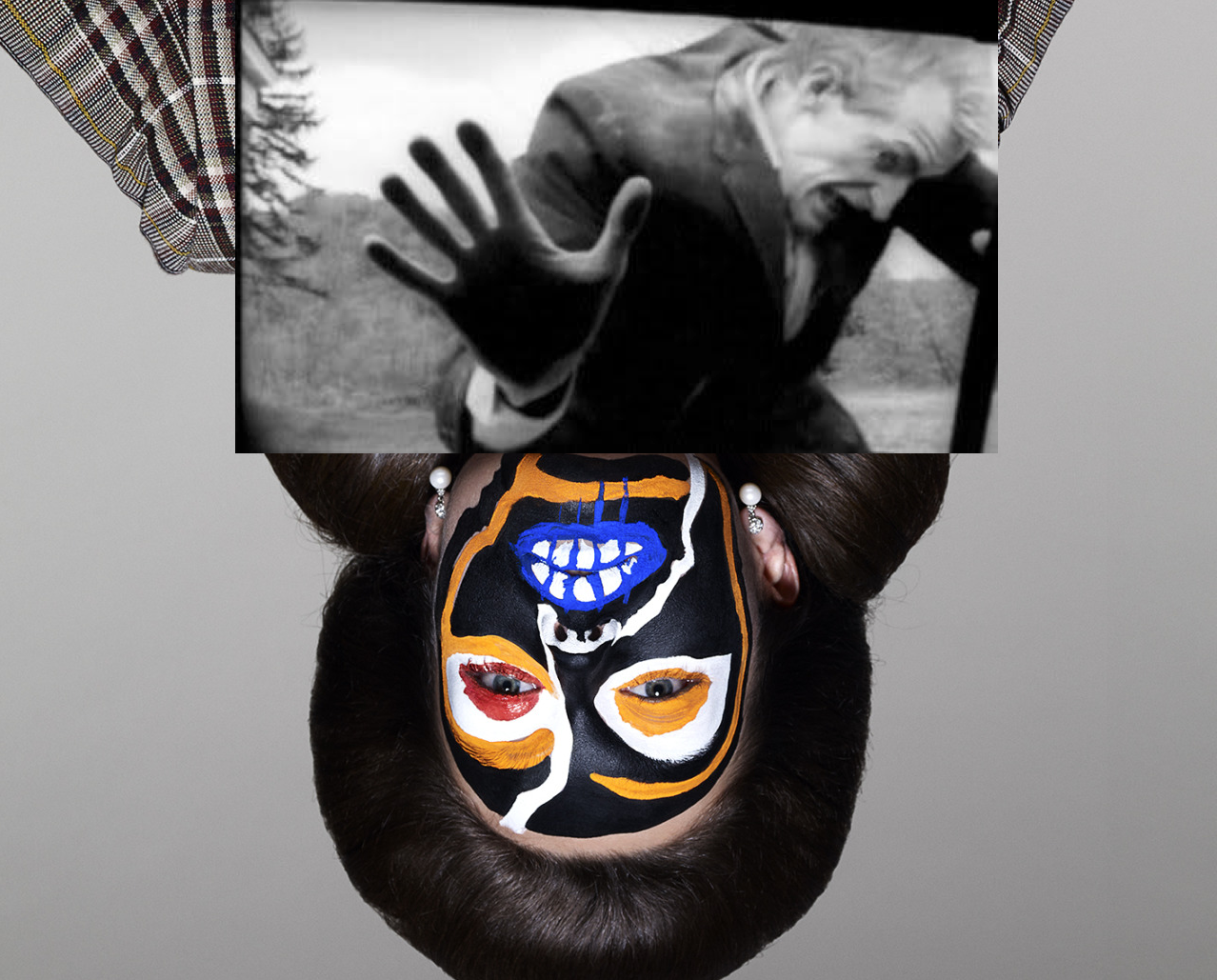
“Tits and ass, and ass and tits. That’s all you got here.”

The man had come in through the revolving door talking loudly to himself. His dark gray raincoat fluttered about his slender frame. He must’ve seen the new installation in the lobby from out on the street. The pictures on the walls shout out loud. Mr Kevin, hairdresser turned curator, might've gone too far this time.

A Night Porter can’t say, “The gallery’s closed, sir. Please come back another time.” A hotel lobby’s a public place. Anyone can come in anytime and stay as long as they want. If they behave themselves, no one can tell them to scram.

The emaciated art critic, if that’s what he was, came over to the Reception desk. “The male figure,” he whispered, “is as beautiful as the female.” As if that were some kind of secret.

“You say potahto,” the Night Porter mumbled.
“What’s that supposed to mean?”
“Don’t look at the pictures, if you don’t like ‘um.”
“Look at this!”

Classic male exhibitionism is monothematic. The gesture never changes. The surprise is no surprise. Shock value, zero.

“Sir, we’re gonna have to ask you to leave.”
After a while, he did.
Dawn light pinkened the black-and-white pictures in the morning.

***
Lo smilzo

"Tette e culi, culi e tette. Non avete altro, qui."

Era entrato dalla porta girevole. Parlava da solo, e alquanto forte. Il suo impermeabile beige gli fluttuava addosso. Deve aver visto dalla strada la nuova installazione nella hall. Infatti le immagini alle pareti urlano forte. Mister Kevin, parrucchiere trasformatosi in curatore, forse stavolta aveva esagerato.

Un portiere di notte non può dire, "La galleria è chiusa, signore. Torni un’altra volta." La hall di un hotel è un luogo pubblico. Chiunque può entrare, a qualsiasi ora, e restare quanto vuole. Se si comportano bene, nessuno gli può dire di sloggiare.
Lo striminzito critico d'arte, se era tale, venne verso la reception. "La figura maschile,” sussurrò, “è bella quanto quella femminile." Come se fosse un segreto.

"Sono arance e mele," bofonchiò il portiere di notte.
"Come sarebbe a dire?"
"Se non le piacciono le opere, non le guardi."
"Guardi questo!"

L'esibizionismo al maschile è monotematico. Il gesto non cambia mai. La sorpresa non è una sorpresa. Non si scandalizza più nessuno.
"Signore, le devo chiedere di andarsene."
Dopo un po' se ne andò.
La luce dell'alba dorò le immagini in bianco e nero.

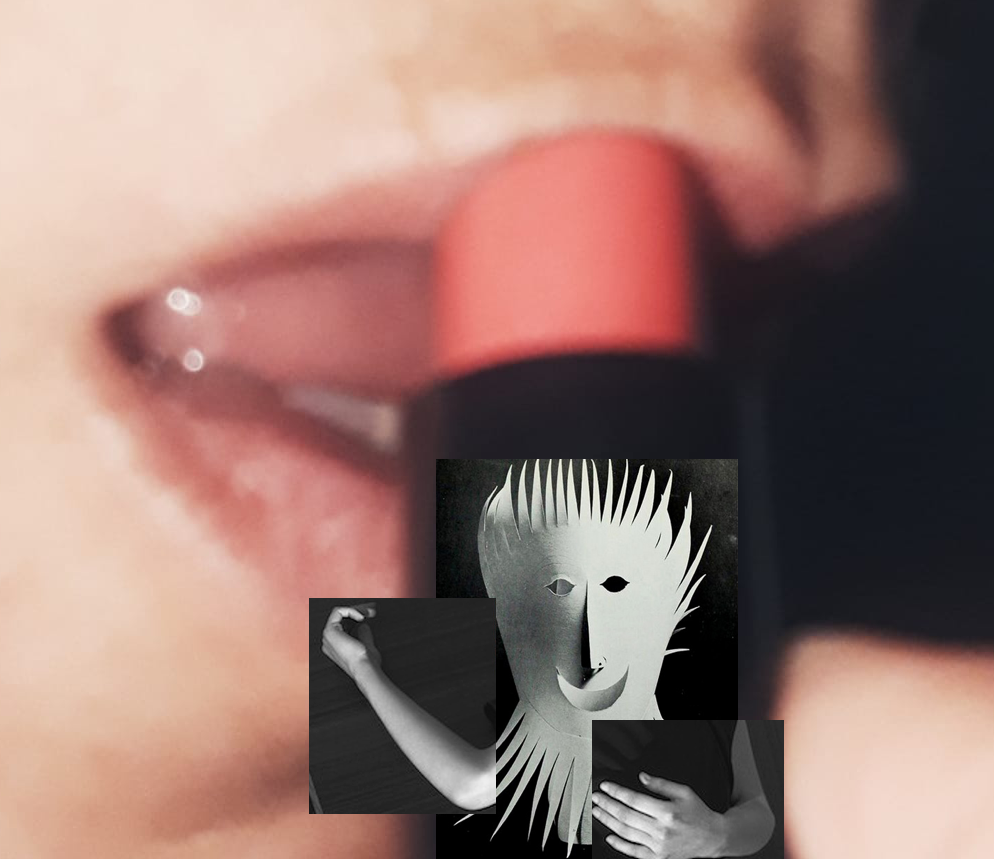
Guest Artist Manlio Bigeschi: The Horizontal Life

Mr Big(eschi) doesn’t appreciate telephone interruptions of whatever it is he does.
Born in Colombia, baptized by fire on Madison Avenue in the 1970s, Manlio Bigeschi gave up the advertising racket’s fast lane for the hotel life in Europe. Ensconced in his lake-view Suite in a mountainous country that once valued secrecy, he writes murder mysteries. He says he does other stuff, too.
We asked him to mount an exhibition in the Kranepool’s lobby. He said, “Hell yes.” A few days later, he checked in with a small package. We asked him to explain its contents.

I Have a Dream of the Sea, mixed media, 52X87
Hotel Kranepool: How many men have you killed, sir?
Manlio Bigeschi: What, you think I haven’t killed any women and children too? (laughs) I guess you mean, in the murder mystery bestsellers. I’m pretty sober, in that respect. One murder per story’s enough for me. Hope it’s enough for whoever buys books these days. The world seems to be in gore-feast mode, which makes me think. Who’s going to have time to read murder mysteries when all the zillionaire dictators have moved to Outer Space and bands of lean, hungry barbarians roam the Earth?

Kranepool Sunrise, mixed media, 27,5X83
Hotel Kranepool: We think we read somewhere that you grew up in a hotel…
Manlio Bigeschi: It’s true. My folks were rather extremely gypsyish. Pop conducted his dirty business in far-flung places like Istanbul, Dar es Salaam, Kingston… Jamaica, not Queens. Mama usually accompanied him. Either they worked together, or else she didn’t trust him. In any case, they’d leave me in the tender care of the hotel personnel. So I’ve come full-circle. The staff at the place where I live now are discreet, attentive, and above all, quiet.

Monsters of the Ego, mixed media, 23,5X87
Hotel Kranepool: Were the “Eloise” books an influence?
Manlio Bigeschi: Huh? What’re you talking about? She was cleared in that cult slay matter.
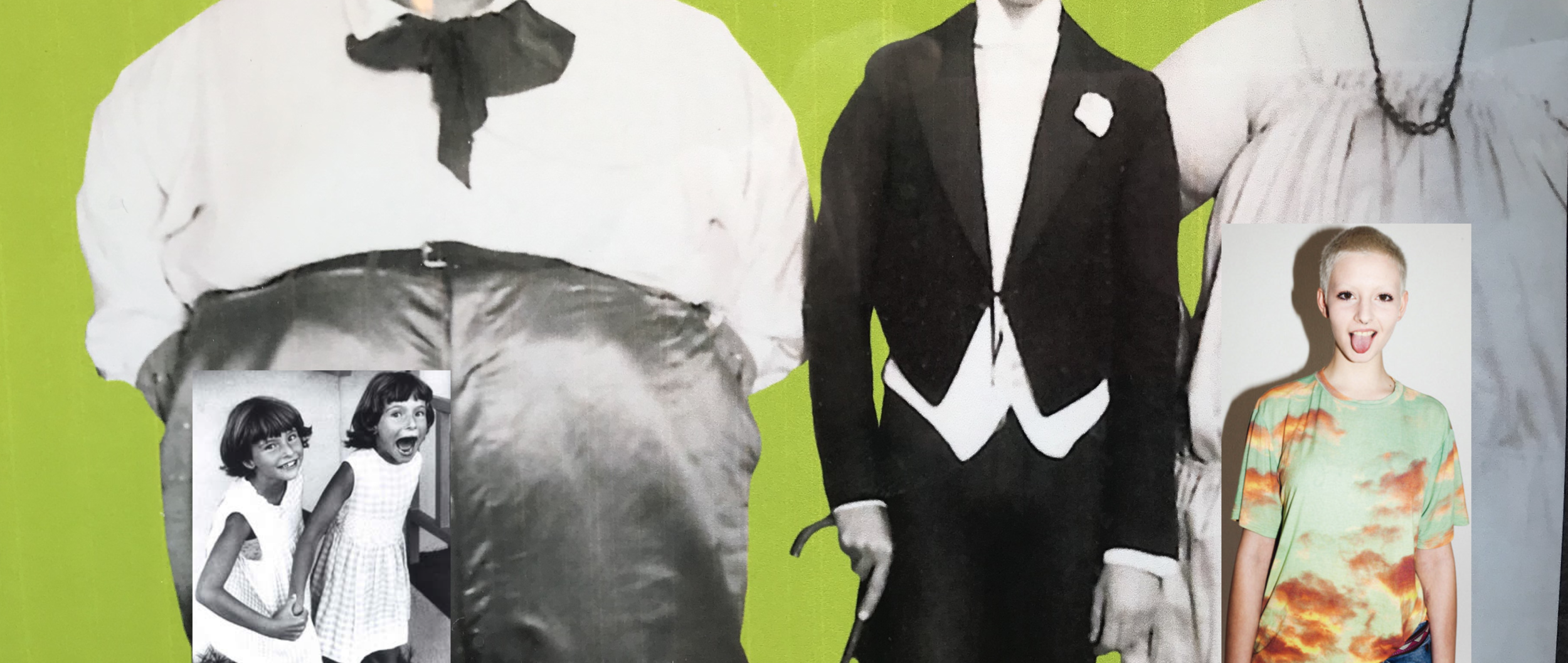
“Eloise” and her Evil Twins, mixed media, 23,5X87
Hotel Kranepool: What makes a hotel legendary?
Manlio Bigeschi: Look, I didn’t check in here at the Kranepool to talk about hotels. Anyone who wants to can look at my ad campaigns in old magazines, if they haven’t all been incinerated. Your legendary establishment is ultimately responsible for The Horizontal Life.

Silent Light, Deadly Light, mixed media, 23,5X87
Hotel Kranepool: When you told us the show’s title, we kinda expected something a little more…spicier. Y’know, like the horizontal Lambada.
Manlio Bigeschi: An unevenness in the weekly blog struck me a jarring blow. There was already too much up n’ down in there. Such T&A refuses to become blatant, or is incapable of raw, throbbing honesty. Made me wanna size things up, tone ‘um down a bit, restore just proportions. For you. Just for you.

The Pacific Northeast Has Beaches Too, mixed media, 57X105,5
Hotel Kranepool: New formats might be considered a form of renovation. Like building a new hotel without destroying the old one inside it.
Manlio Bigeschi: Sure, think of it that way.
***
Guest Artist Manlio Bigeschi: La vita orizzontale

Nasce a Cartagena, Colombia. Si fa le ossa lavorando in pubblicità a New York, negli anni 70 dell’ultimo secolo. Manlio Bigeschi molla la frenetica vita Vip per una tranquilla vita d’albergo in Europa. Insediato nella sua Suite con vista lago in un paese montuoso dove una volta si pregiava la riservatezza e il segreto, scrive gialli. Sostiene di fare anche altre cose.
Lo abbiamo invitato a installare una mostra nella hall del Kranepool. Si è presentato alla Reception con come solo bagaglio un pacco molto sottile. Gli abbiamo chiesto di spiegarne il contenuto.

Intestinal Remains, mixed media, 23,5X87
Hotel Kranepool: Quanti ne hai ammazzati, mister?
Manlio Bigeschi: Suppongo che intendiate nei gialli. Lì sono piuttosto sobrio, almeno in quanto al numero delle vittime. Un omicidio a libro mi sembra sufficiente. Spero che basti anche a chiunque li compri. Il mondo è entrato in una fase cruenta, e ciò mi preoccupa. Chi avrà tempo per leggere gialli nel prossimo futuro in cui tutti i miliardari e dittatori si saranno trasferiti su Marte, e bande di barbari scarni e affamati scorrazzeranno sulla terra bruciata?

The Brootal Trooth, mixed media, 59X103,5
Hotel Kranepool: Crediamo di aver letto da qualche parte che sei cresciuto in hotel.
Manlio Bigeschi: È vero. I miei erano alquanto zingareschi. Papà faceva i suoi loschi affari in posti esotici e lontani: Istanbul, Dar es Salaam, Kingston… e Mamma l’accompagnava. Lavoravano insieme, oppure lei non si fidava, chissà. In ogni caso, mi lasciavano in balia del personale d’albergo. Quindi ho fatto un giro completo. Lo staff dell’hotel dove attualmente risiedo è discreto, premuroso, solerte e soprattutto silenzioso.

Frauenstunde hat Gold im Munde, mixed media, 49X83,5
Hotel Kranepool: Cosa rende leggendario un hotel?
Manlio Bigeschi: Senti, non ho fatto il check-in qui per parlare di hotel. Chiunque abbia voglia può consultare le mie campagne pubblicitarie sulle vecchie riviste, se non sono ancora state incenerite. Comunque, il grande Kranepool è responsabile per La vita orizzontale.

Il sole a schacchi, mixed media, 35,5X71
Hotel Kranepool: Quando abbiamo letto il titolo della mostra, veramente abbiamo pensato a qualcosa di più ehm, piccante.
Manlio Bigeschi: Ho notato un certo disordine nel blog. C’era troppo su e giù. Troppe tette, troppi culi che si rifiutano di essere sfacciati, o che sono incapaci di essere brutalmente onesti. Mi hanno provocato a tagliare, rimettere ordine e proporzione. Per voi. Solo per voi.

Out in the Cold, Into the Light, mixed media, 15X27,5
Hotel Kranepool: I nuovi formati si potrebbero percepire come rinnovi. Come costruire un nuovo hotel senza distruggere quello vecchio che vi è contenuto.
Manlio Bigeschi: Pensatela pure così.