
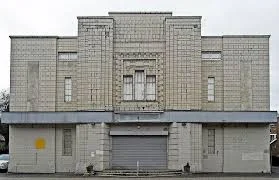
Dietro le quinte all’Hôtel Kränepoule

Chi lavora nei ristoranti in realtà vorrebbe trovare una famiglia. Le famiglie dei ristoranti sono migliori di quelle biologiche in diversi modi: se la combinazione non risulta quella giusta, ti puoi togliere il grembiule con un gesto drammatico, mandare affanculo tutti, e andartene per sempre.

I lavoratori d’albergo cercano atmosfera di casa. Gli alberghi sono migliori delle case in vari modi: puoi fare ciò che vuoi nelle stanze sfitte, a patto che non scompigli le lenzuola e gli asciugamani tanto che gli ospiti lo notino.
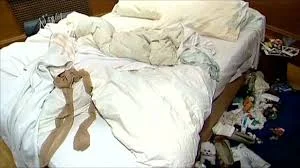
Se sbagli, la gestione manderà affanculo te. E a differenza della famiglia, non sono obbligati a riprenderti, e non ti riprenderanno mai.

Gli impiegati del Kranepool vanno dove gli ospiti non dovrebbero, e probabilmente non vogliono: lo Spogliatoio, per esempio, è severamente riservato al personale.
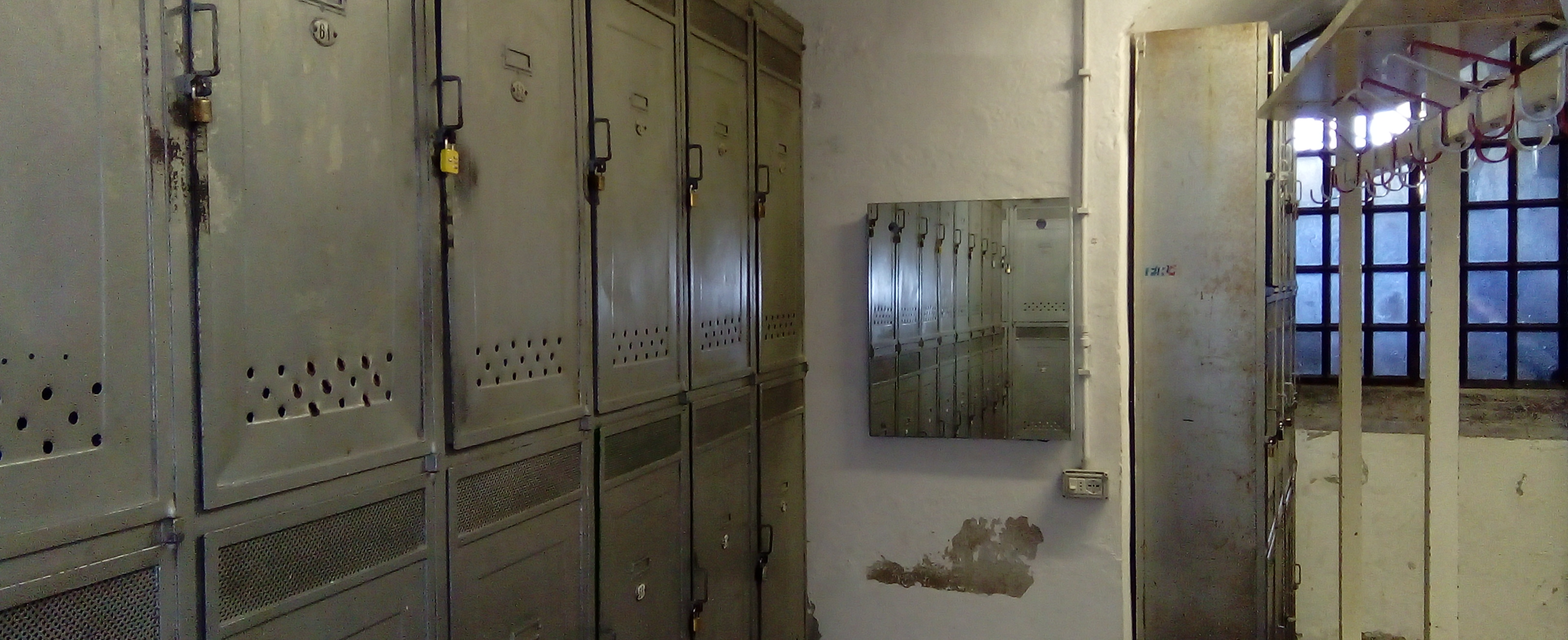
Questo carcere sotteraneo ha atmosfera di casa. Gli armadietti sono minute stanze che i lavoratori d’albergo affittano a costo zero.

Il tetto al retro del Hotel Kranepool è anche territorio proibito, a chi paga per starci. Noi non dovremmo avventurarci sul balcone panoramico, ma non ce ne importa nulla. Non fumo, quindi guardo il passare delle nuvole.

C’è un solo bagno per tutti gli impiegati, a parte quelli esecutivi. Credo che le domestiche affissino i calendari sexy affinché i camerieri si sentano più al loro agio.

A volte sembra che il lavabo del Bagno Impiegati intenda fare discorsi più seri di quelli sull’igiene obbligatoria. Il Buco sussurra, “Dai un senso alla tua vita, cazzo!” Ma lo dice in marziano. Forse dice la stessa cosa a tutti.
Behind the Scenes at the Hotel Kranepool
People who work in restaurants want family, more than a job. Restaurant families are better than the real deal in many ways: if the combination isn’t right, you can pull off your apron in a dramatic gesture, tell everyone to fuck off, and leave forever.
People who work in hotels are really looking for a place that feels like home. Hotels are better than houses in many ways: you can do what you like in the unrented rooms, as long as you don’t mess up the sheets and towels in a way that the guests will notice.
If you make screw up, management will tell you to get lost. Unlike family, they don’t have to take you back, and they won’t, ever.
Kranepool employees may go where the guests aren’t supposed to, and probably don’t want to: the Locker Room, for instance. This moldy space is strictly for staff.
This subterranean dungeon feels homey. Lockers are tiny rooms that hotel workers rent for free.
The Kranepool’s rear rooftop is also off-limits to those who pay to stay. Staff aren’t supposed to venture out where the good views are. I don’t smoke, so I look at the clouds.
There’s only one bathroom, for all employees. I think the chambermaids put up the sexy calendars to make the waiters feel at home.
Sometimes it seems the Employees Must Wash Hands Before Returning to Work sink has something more important to talk about than hygiene. The hole whispers, “Get on with your life!”, but in Martian. Maybe he says the same thing to everyone.
L'appartamento del vecchio proprietario/The Old Owner's Private Quarters
L’appartamento del vecchio proprietario
Gustave Eiffel riservò per sé un appartamento segreto in cima al suo torreggiante capolavoro. Voleva vivere assieme a ciò che aveva creato. Anzi, voleva viverci dentro, di nascosto.
L’Hotel Kranepool non è proprio un monumento della città. La struttura incombe meditabonda sullo skyline al crepuscolo. Esiste per fornire stanze disabitate a chi arriva da fuori, o agli autoctoni per condurre i loro affari privati fuori dalle loro solite dimore.
Il Sig. Kranepool si tenne una suite nell’albergo che comprò quando finì la sua carriera di atleta professionista. Visse e morì di nascosto nel suo sogno.

Le porte sono aperte, ma ciò non vuol dire che devi entrare.

Il vecchio teneva qui il secchio del piscio. L’hanno rimosso gli addetti alla manutenzione.
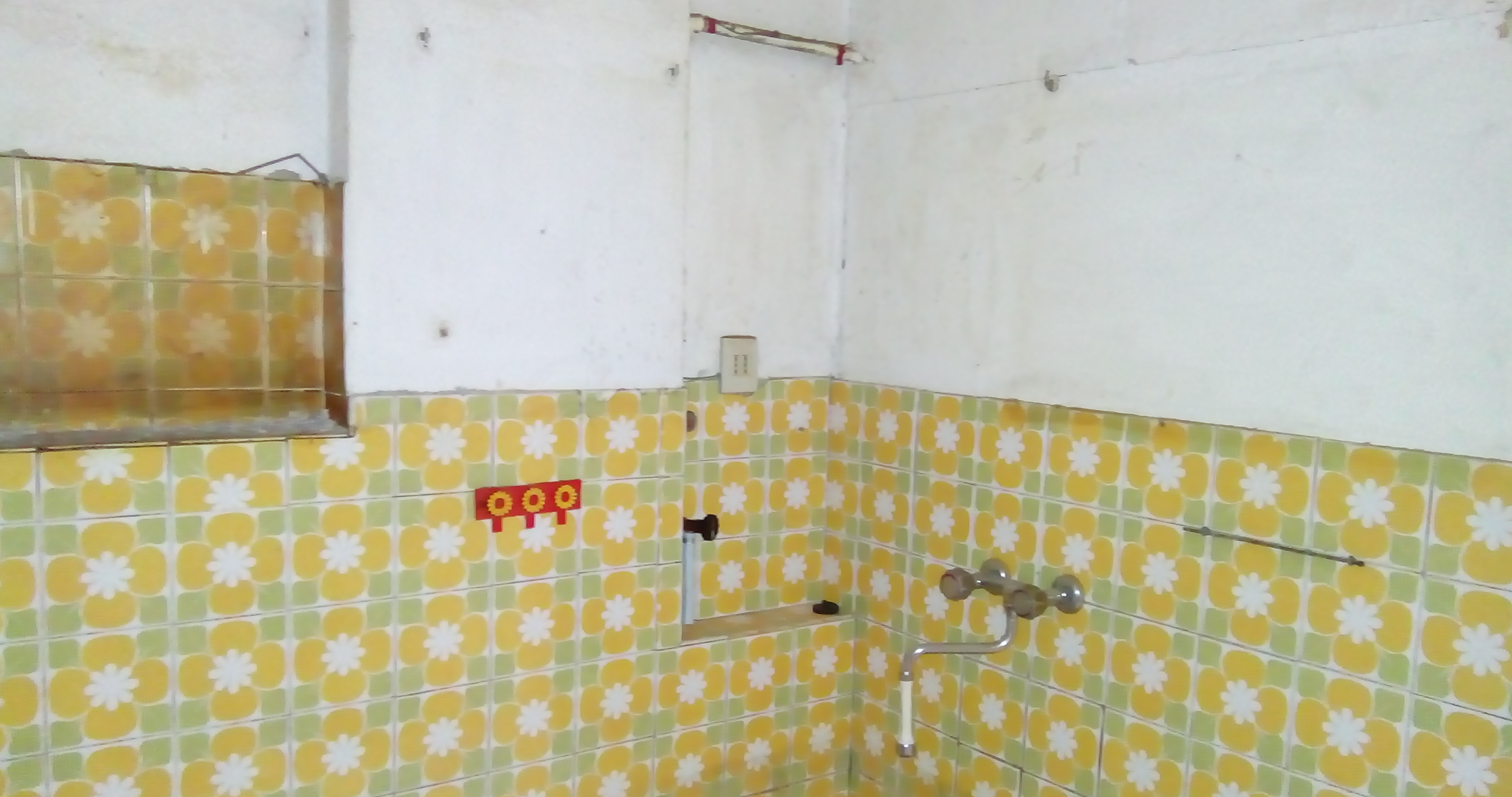
Sig. Kranepool fece smantellare il bagno quando decise in modo definitivo di non lavarsi mai più. Non volle essere indotto in tentazione.

Ancora piscio. Gli piaceva tenerlo al caldo. Il tepore ne spargeva l’acre profumo.

Qui si recise le vene dei polsi, o si tagliò la gola, quando decise che ne aveva avuto abbastanza di questa vita.
***
The Old Owner’s Private Quarters
Gustave Eiffel reserved a secret apartment for himself at the top of his towering masterpiece. He wanted to live with, live inside, what he’d created.
The Hotel Kranepool’s not exactly a monument. The structure hulks and broods against the twilight. Its purpose is to make rooms available to out-of-towners who need to spend a night or two in our fair city, or to locals who want to take care of personal business outside their homes.
Mr Kranepool kept a suite for himself in the hotel he bought after his career as a professional athlete was over. He lived and died in his dream.
The doors are open, but that doesn’t mean you should go in.
The old man kept his piss-bucket here. Maintenance workers removed it.
He had the bathroom dismantled when he decided to stop washing, permanently. He didn’t want to take any chances, after that.
More piss. He liked to keep it warm. Heat spread the tangy perfume.
This is where he slit his wrists, or cut his own throat, when he decided he couldn’t take it any more.
Cornata per lingue morte
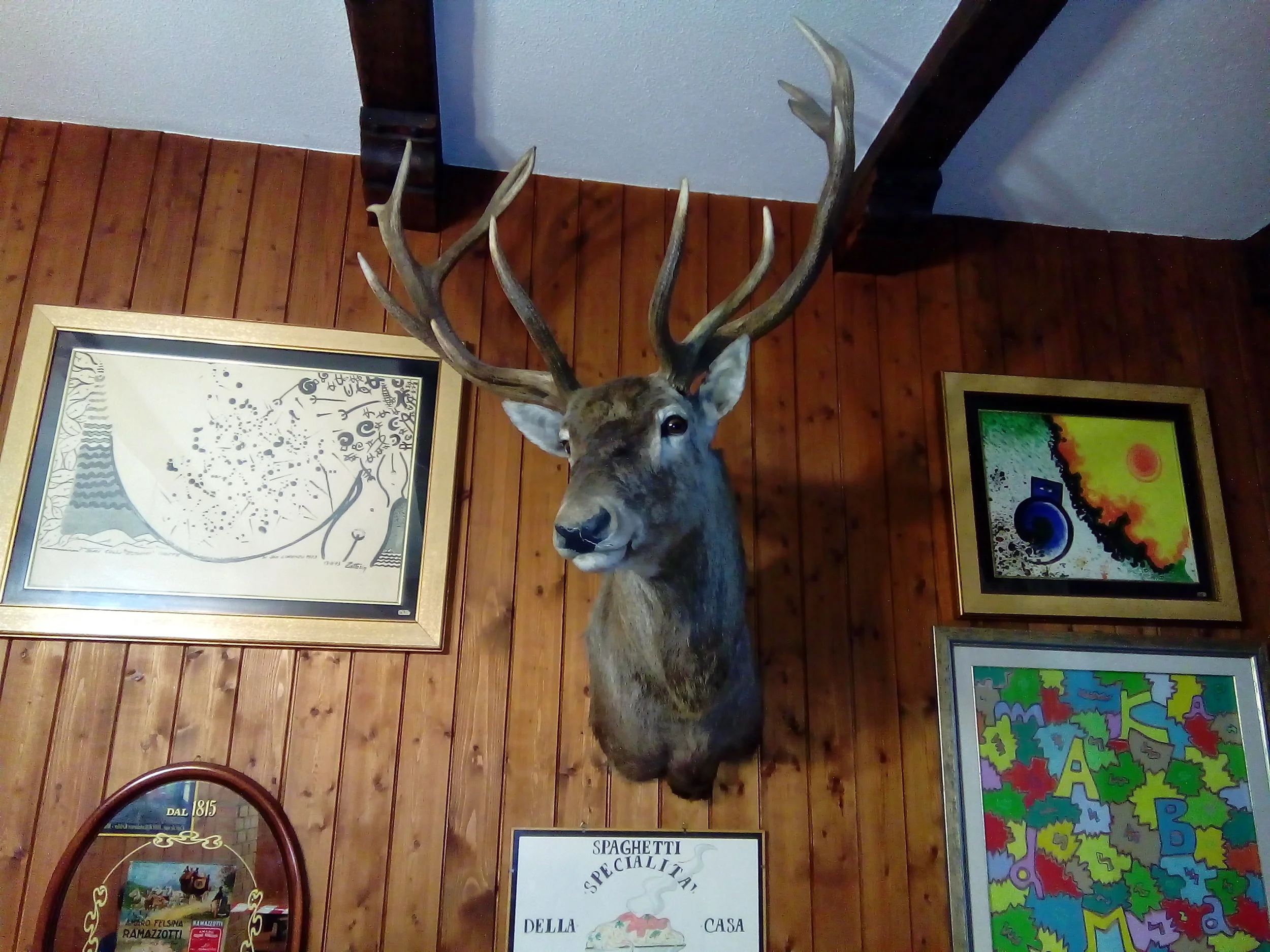
Non tutti gli alberghi sono cornuti e contenti. Lo Safari Lounge dell’Hotel Kranepool vanta un’atmosfera tra cruenta e conviviale. Visto che i turisti cacciatori preferiscono alloggiare al rustico campeggio ai margini della città, la suite d’ispirazione venatoria è divenuta il ritrovo per partecipanti a convegni di stampo intellettuale. I filatelisti che arrivano nei mesi freddi sembrano trovare conforto nell’essere seguiti da occhi vitrei per gli spazi del Lounge.

La conferenza dei bibliotecari invece si tiene d’estate. Custodi occhialuti di libri sprofondano nelle venerande poltrone di pelle, e sognano di lavorare per Ludovico Secondo di Baviera. Sono timidi, finché non arriva il Club degli amici della letteratura comparata, per festeggiare la Settimana della cultura tedesca.

Le corna sembrano assorbire zingaresche radiazioni di vibrafono, conciliando nelle sale un silenzio da foresta. Escrescenze di cheratina fungono da antenne per trasmissioni private, rimasugli della Guerra Fredda. Nel silenzio tetro e peloso de Lo Safari Lounge, una volta vidi vibrare le orecchie villose di questo maschio quando aprii la porta e cantai sussurrando le prime frasi di “Sputnik Lubna”.
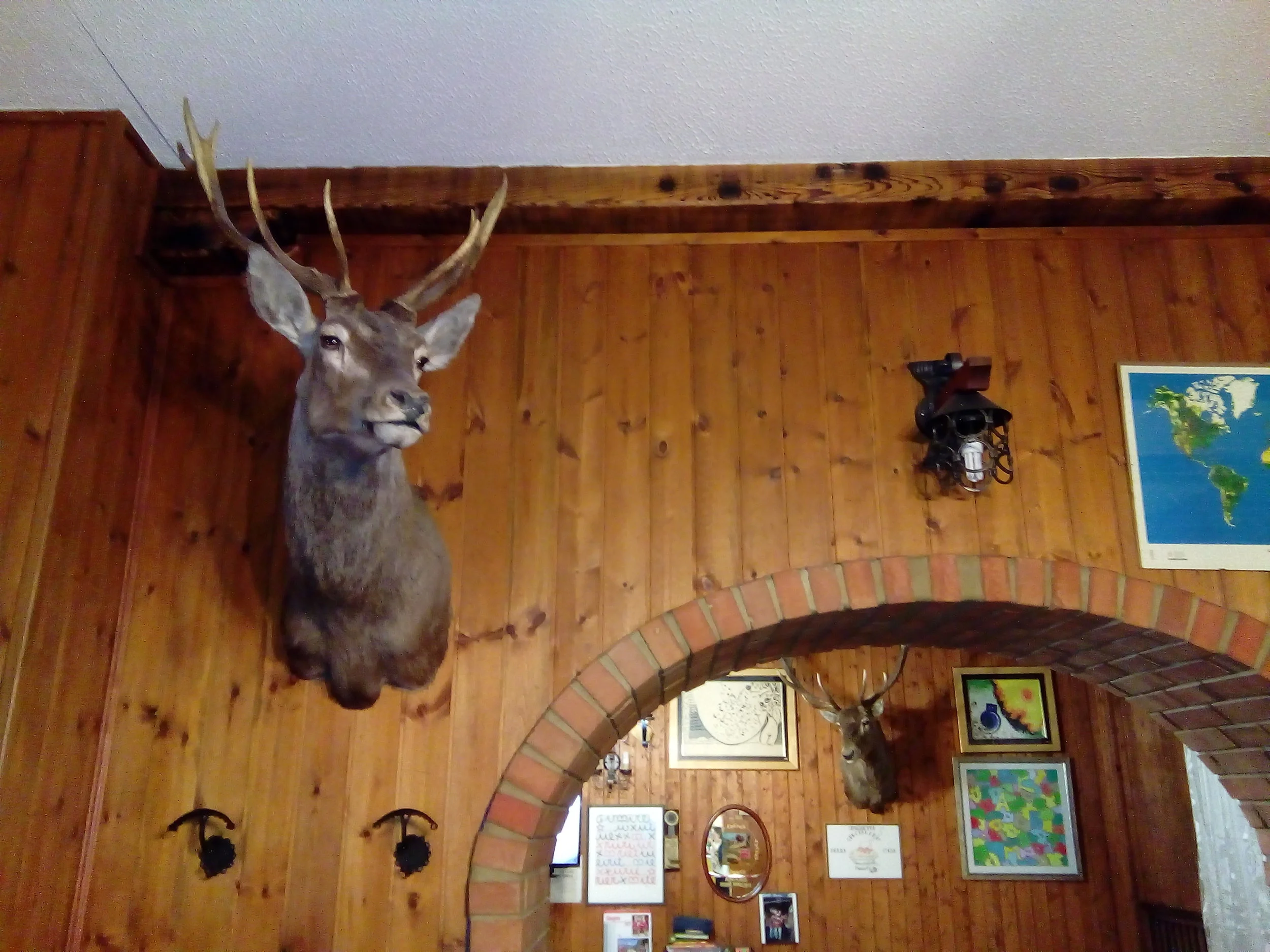
Di primavera c’è la Maratona Danzante degli igienisti dentali. Il Kranepool diventa un Playboy Club a tre stelle, dove vanno di moda camici e intimo di pizzo. Ho tolto reggiseni e mutandine dalle corna di questo aspirante alce.
I cacciatori legano cervi morti ai parafanghi delle loro Suv. Sangue rosastro sgorga e gronda dalle bocche degli animali, i loro occhi estinti si tingono di un nebuloso scarlatt, le loro lingue nere penzolano, una leccornia. Non invidio il portiere di notte del campeggio.
Suite for Dead Languages
Horns: some people play them, others kill for them. The Safari Lounge at the Hotel Kranepool exudes a gory coziness. The hunting crowd stays at the rustic local campground, so these rooms have become a hangout for intellectual conventioneers. The philatelists who show up during the cold months seem to enjoy having glass eyes follow them around the trophy rooms.
Librarians sink into the club chairs, and dream of fantastic careers in the court of Ludwig ll of Bavaria. They’re a bashful crowd, until the Comparative Literature Club shows up for German Culture Week in early fall.
Antlers seem to absorb stray vibraphone radiation. Keratinous mating-ritual ornaments may also function as antennae for ghostly ham-radio transmissions from the Cold War years. In the rooms’ grim, furry silence, I saw this 7-point buck’s furry ears swivel in their sockets one time when I opened the door and whisper-sang the first verse of “Sputnik Lubna”.
Spring brings the Single Dental Hygienists’ Dance-a-thon. The Kranepool becomes a three-star Playboy Club for the labcoats n’ lingerie set. I’ve removed bras, panties, and deflated balloons from this moose manquè’s rack.
The hunters tie dead deers to the fenders of their 4-wheel drive vehicles. Pink blood dribbles and bubbles from the animals’ mouths. Their extinguished eyes take on a glassy scarlet glint. Their black tongues loll, a delicacy. I don’t envy the night porter at the local campground.
Vecchi e nuovi fantasmi
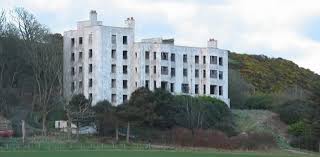
L’archeologia urbana è la nuova tendenza di grido qui in città, ed è contagiosa. Quindi una notte mentre facevo le ronde come al solito, controllando per luci lasciate accese da spegnere, e sigarette spente male lasciate sulla moquette o su davanzali dietro le tende che non contengono nemmeno una briciola di amianto, sbirciavo in giro per segni del nebuloso passato del Hotel Kranepool. Forse il posto non fu sempre ciò che è ora.

Questo allegro bassorilievo nel fregio, o nella metopa, o comunque si chiami questo interstizio architettonico sopra la sala conferenze junior (detta la Zona Roswell dai dipendenti), non quadrava col resto dell’ornamento dell’albergo. Ciò mi condusse a fare delle ricerche nella povera biblioteca del Hotel Kranepool. Gli ospiti spesso vi lasciano libri e riviste che hanno finito di leggere. C’è un lato poetico a questa loro tendenza, che esploreremo in un altro episodio.
Gazelle saltanti privi di corna, scoprii, erano sacre alla dea etrusca Amònia (donde derivano le moderne locuzioni “armonia”—i lustri hanno aggiunto la erre), più o meno l’equivalente di Diana, la cacciatrice, a parte che non uccide mai nulla, né in cielo né sulla terra. Avrebbe potuto, se avesse voluto, secondo gli etruschi: con la sua balestra era una cecchina divina. Ma non scannava mai.
L’idolatria pagana mi attira, specialmente se gli idoli in questione sono al femminile. Fui seguace di Kali, quando abitavo ancora a Los Angeles, ma quella particolare setta non mi portò lontano. Vita nuova, nuovi idoli. Lasciai un piatto di salame affettato e un bicchiere di vino rosso per la dea Amònia sulla credenza stile Biedermeier appena fuori la Zona Roswell, e allestii la piccola telecamera segreta stile 007.

A questa dea piacciono il salame felino e il Gallo Nero, a quanto pare.
Forse era anche sacra agli etruschi bramosi di salire ai piani alti.

Ghosts Old and New
Urban archeology is the hot new craze here in town, and it’s infectious. So one night when I was making the rounds as per usual, looking for left-on lights to turn off, and cigarettes left smoldering on the Kranepool’s wall-to-wall, or on windowsills behind the non-asbestos curtains, I searched for signs of the hotel’s murky past. Maybe the place wasn’t always what it is now.
This cheerful ornament in the frieze or metope or whatever it’s called above the second floor’s Junior Conference Chamber (known to employees as The Roswell Room) seemed out of synch with the rest of the Kranepool’s decor. This led to some research in the establishment’s meager library. Guests often leave books and magazines in their rooms, and they end up in there. The library has a poetic side, which shall be explored in another instalment...
Leaping antler-free gazelles are sacred to the Etruscan goddess Amònia, roughly the equivalent of Diana, the huntress, except she never kills anything, in heaven or on earth. She could have, if she’d wanted to, according to the Etruscans: she was supposed to be a deadly shot with her crossbow. But she never did.
Pagan idolatry is OK with me, especially if the idols in question are female. I was a Kali devotee for a while, when I still lived in Hollywood, but that particular cult didn’t get me too far. Another life, another idol. I left a tray of sliced salami and a glass of red wine for Amònia on the Biedermeier console just outside the Roswell Room, and set up the secret spy camera.
This goddess goes for salami and Chianti, apparently.
Maybe she’s also sacred to Etruscans who aspire to higher floors.
Hully Gully Hotel
Hully Gully Hotel
Lo Shining finisce con un primissimo piano su un dettaglio di una foto in bianco e nero su una parete della sala da ballo dello spettrale hotel. Il mostro risulta essere sempre stato residente lì. Non è il film migliore da guardare, se fai il portiere di notte.

I baristi qui al Hotel Kranepool sembrano essere sempre stati alquanto sentimentali. A certe persone piace ripensare a tempi più felici.
La vita qui in città non è proprio allegra di questi giorni, ammettiamolo.
Il Film Festival non attira più lo stesso calibro di stelle come una volta, o forse sono le stelle stesse a essere meno brillanti.
Anche il Jazz Festival emana un bagliore sempre più oscuro.
I due Festival hanno luogo durante lo stesso periodo, che già è alquanto bizzarro.

Una sera Max il Barista chiese un aiuto a ripulire dopo una festa privata nel Kranepool Lounge. Non c’era movimento, aveva finito una ronda. Per ammazzare l’inquietante silenzio, mi raccontò delle Olimpiadi di Hully Gully che si svolsero spontaneamente qui nel 1972.
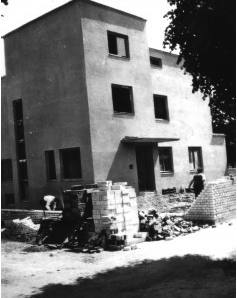
La foto a destre raffigura l’orchestra All Star buttata insieme da nientemeno che Archie Blaine, per far ballare le stelle del cinema. Lo scatto a sinistra immortala la carnale mossa di Maisie Farkas (protagonista di “Ragazza a sorpresa”, regia di Mick Dancer), ai danni di Big Bill Gester (che interpretò sé stesso in, “Solo autista”, regia di J.P. Slone). Risultarono una coppia vincente, almeno per quella sera. Il grande premio, a quanto pare, era ancora una notte spesata qui all’Hotel Kranepool. Offerta che rifiutarono entrambi le stelle.
Arrivò la polizia quando qualche ospite spione si lamentò del baccano con loro, anziché con la reception.
Il batterista degli All Stars dovette andare alla centrale di polizia con gli agenti, dove gli fecero parecchie domande in quanto alle sue attività della notte precedente. Un vibrafonista fu rinvenuto cadavere, strangolato, nella stanza 152.
Testimoni oculari dichiararono di aver visto un rumoroso litigio tra i due percussionisti prima dell’inizio delle Olimpiadi di Hully Gully. Non ci fu un’olimpiade Hully Gully nel 1973. Mai più Hully Gully, qui al Kranepool.
Hully Gully Hotel
The Shining ends with a zoom-in shot of a black & white photograph on a wall of the creepy old hotel’s grand ballroom. The ax murderer has always been a resident. Not the best possible movie to watch, if you’re a night porter.
The guys who’ve worked the bar here at the Hotel Kranepool through the years seem to have always been a sentimental crowd. Some people like to be reminded of happier times. Life is hardly gay here in town these days, let’s face it. The Film Festival doesn’t attract the same caliber of stars as it once did. Or maybe it’s the stars who’ve grown less brilliant.
The Jazz Festival too glimmers ever more obscurely.
The two festivals are concurrent. Strange.
One night Max the Barman asked for help cleaning up after a private party in the Kranepool Lounge. The place was quiet, and I was between rounds. To kill the somewhat eerie silence, he told me about the Hully Gully Olympics, which were spontaneously staged here in 1972.
The shot on the right shows the All-Star jazz orchestra slapped together by none other than Archie Blaine, to provide syncopated hully-gully music that’d make the movie stars dance. The snap on the left shows Maisie Farkas (Star of “The Surprise Girl”, directed by Mick Dancer) working carnal moves on Big Bill Gester (Who played himself in “Only a Chauffeur”, directed by J.P. Slone). They were a winning combination, at least on that evening. The big prize, apparently, was an extra night’s stay at the Hotel Kranepool, which both stars declined.
Cops showed up when some fink guest complained about the noise to them, instead of going through ordinary channels, i.e. the Front Desk.
The Hully Gully All-Stars’ drummer had to go down to the station to answer some questions about his whereabouts, and to give a run-down of his actions, on the previous evening. Some vibraphone player was found dead, strangled, in Room 152.
Eyewitnesses said they’d seen the percussionists enmeshed in a heated argument before the Hully Gully Olympics got into full swing.
There were no Hully Gully Olympics in 1973. No more Hully Gully at the Kranepool, ever again.
Vedo la luce
La gestione dell’Hotel Kranepool insiste sulla parsimonia. Durante le ronde, tra mille altre cose, devo cercare luci lasciate accese, e spegnerle. Questo sarebbe per amore dell’ecosistema. A volte prefirerei lasciare sfarzosamente illuminato tutto, per amore di non essere spaventato a morte da certe zone dello stabilimento.
La gestione nega che sia stato commesso un cruento omicidio nella sala conferenze al secondo piano.

Che strano, allora, che sia proprio la luce in quell’ampio salone che rimane più spesso “accesa”. Molte sono le notti in cui vedo strisce di luce in fondo a quelle doppie porte chiuse. So che non c’è nessuno, là dentro, ma devo guardare comunque. Premo il pulsante per spegnere, e continuo la ronda.
La piccola sveglia Braun che ho sistemato nella stanzetta dietro la reception mi intima di rifare il giro solitario, ed ecco di nuovo la traccia luminosa di presenze in conferenza. Chi riaccende il lampadario fantasma, questo polpo fosforescente che fluttua in cerca di nutrimento a 2,000 leghe sotto il mare.
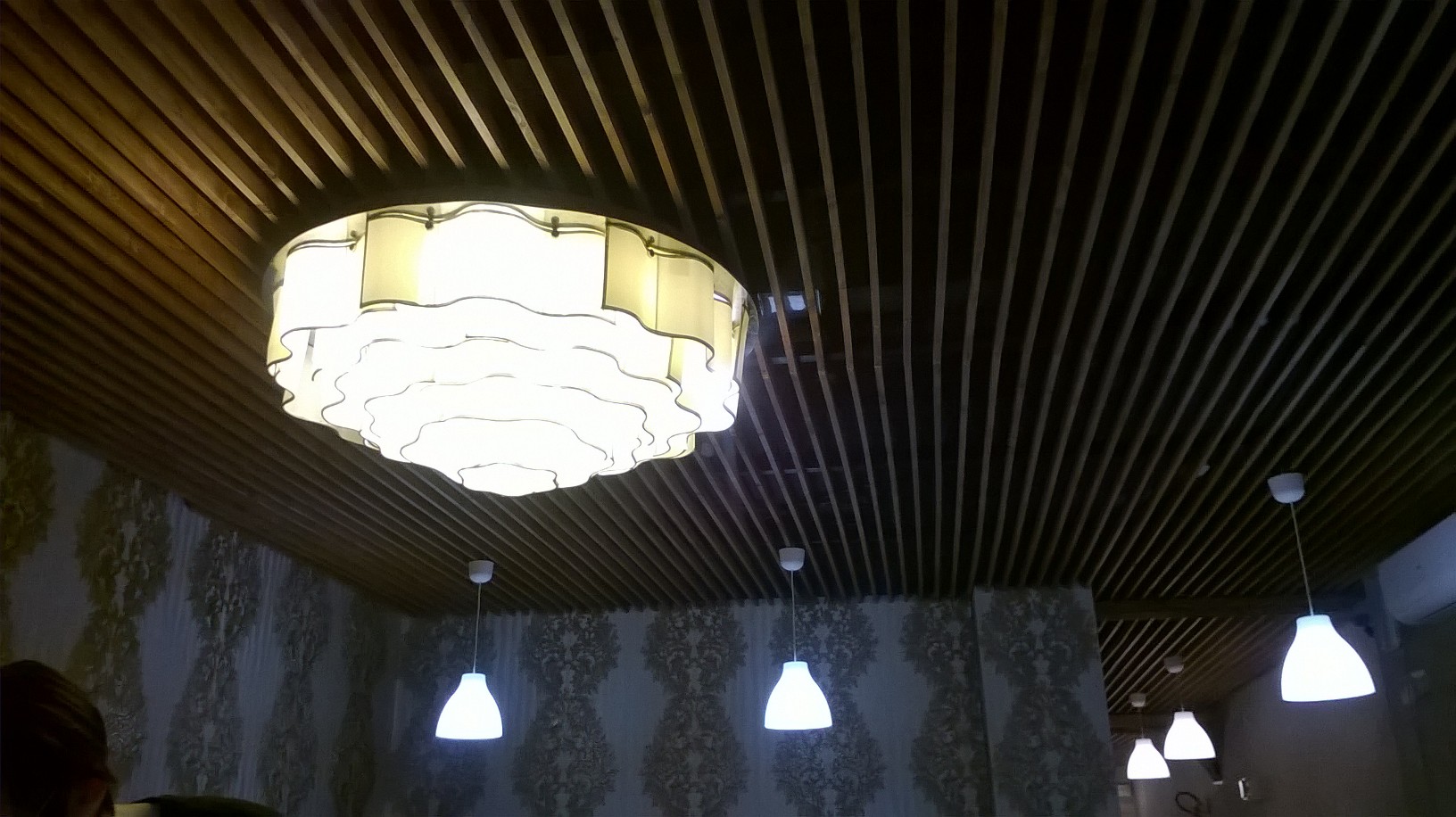
Questa medusa a forma di cavolo verza ha divorato una fetta di soffitto nel salone detta la James Bond/Edgar Allan Poe Lounge. Tutte le volte che la trovo accesa, sento melodie di vibrafono che vagano per l’aria condizionata. La gestione insiste, veementemente, che il Kranepool non dispone assolutamente di un dispositivo Muzak. Eppure quel suono di campane tubolari non è dissipato quando spengo la luce.
L’ultima volta che andai alla biblioteca comunale, feci una ricerca nell’archivio del quotidiano locale. Sfogliai a lungo le pagine di cronaca nera. “Vibrafonista dei Vip, strangolato in Hotel!”Non a tutti piace il jazz lenitivo, a quanto pare.

Mort, il barman del Kranepool, si ricordava dell’omicidio jazz, ma non voleva parlarne. Invece, disse che l’oggetto qua sopra fu la lanterna a babordo dell’Andrea Doria.Gli chiesi come aveva fatto la gestione del Kranepool a ottenere questa affascinante reliquia di una nave che, per quanto ne sappia, è rimasta sul fondo del mare da qualche parte.
“Tramite conoscenze,” rispose.Quando gli chiesi perché fosse stata dipinta di una pallida magenta opaca, mentre il colore tradizionale per le lanterne di babordo è il rosso, disse, “Credo che volessero attirare una clientela dal mondo del design.”Questo loro progetto fallì. Né architetti né arredatori d’interni bazzicano il Kranepool Bar. Questa luce qui, perlomeno, rimane sempre spenta.

See the Light
Management here at the Hotel Kranepool is insistent on thrift. During rounds, I’m supposed to keep an eye out for lights left on, and turn them off. This is in the interest of ecology, they claim. Sometimes I’d prefer to leave the whole place ablaze, in the interest of not being spooked by certain areas of the establishment.Management denies that a gruesome murder was committed in the second-floor conference/dining room.
How odd, then, that this is the light that gets left on most. Many nights, bright strips glow under the closed double-doors. No one’s in there, I know, but I go in anyway, flick the switch, and continue the inspection tour.When the Braun alarm clock I installed in the little room behind the reception desk says it’s time for another lonely hike, there’s the luminous sign of supernatural presences, and there’s the phantom chandelier, a phosphorescent octopus ghosting through light-space in search of food at 2,000 fathoms.
This cabbage-shaped luminous jellyfish has engulfed a portion of ceiling in the room known as the James Bond/Edgar Allan Poe Lounge. Whenever I find it left on, vibraphone melodies waft through the chill air. Management insists, vehemently, that the Kranepool is utterly devoid of Muzak. But the chimes aren’t dispelled when I kill the light.
Last time I went to the Public Library, I ran a check in the back-date newspaper morgue. There it was, in black and white: “Celebrity Vibraphonist Found Strangled in Hotel!”Not everyone loves soothing jazz, apparently.
Mort the Barman told me this odd accoutrement was a running light on the Andrea Doria. The left, or port, lantern, of that doomed ship.“How did Kranepool Management obtain this fascinating relic?” I asked. Especially when that particular ocean liner’s permanently at rest on the ocean floor somewhere.
“Through connections,” he said.When I asked why the lantern had been painted a pale opaque magenta, when the traditional color for port-side running lights is red, he said, “I think they wanted to attract a design world clientele.”Management’s scheme failed. No architects or interior decorators haunt the Kranepool Bar. This light, at least, can be relied on to stay off.
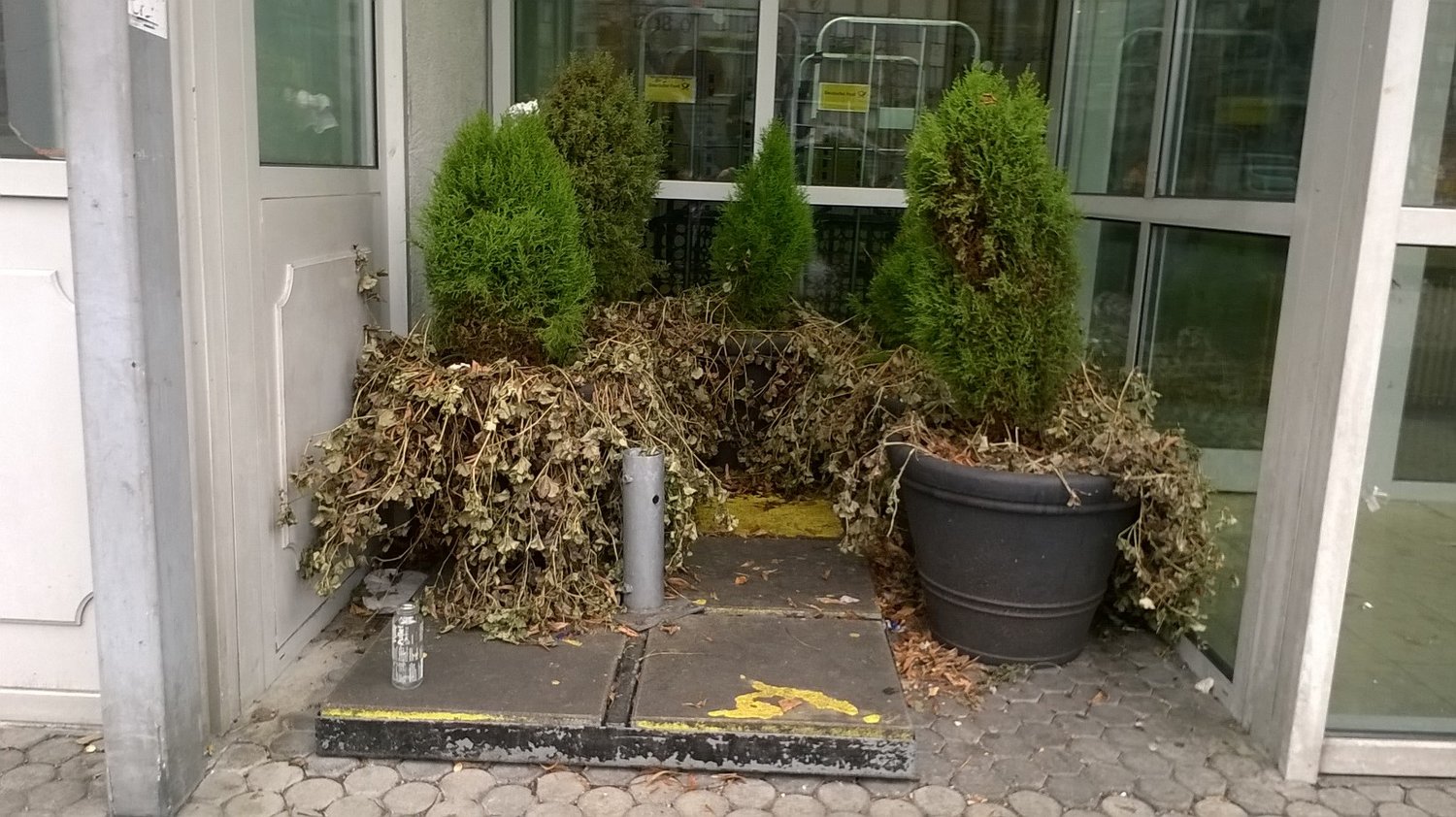
Vita nottidiana al Kranepool
Vita nottidiana al Kranepool
Nonostante sia da perdenti frequentare il posto di lavoro nei giorni liberi, a volte, diretto alla Biblioteca Comunale, mi fermo a Hotel Kranepool. Dico a me stesso che voglio solo assicurarmi che lo stabilimento non sia crollato, che siano tutti vivi tutti quelli che dovrebbero esserlo, e che gli ospiti sembrino contenti.
Sospetto che gli ospiti preferirebbero non essere osservati dal portiere di notte alla luce del giorno, quindi mi nascondo. Loro vanno e vengono: è quello il loro lavoro.
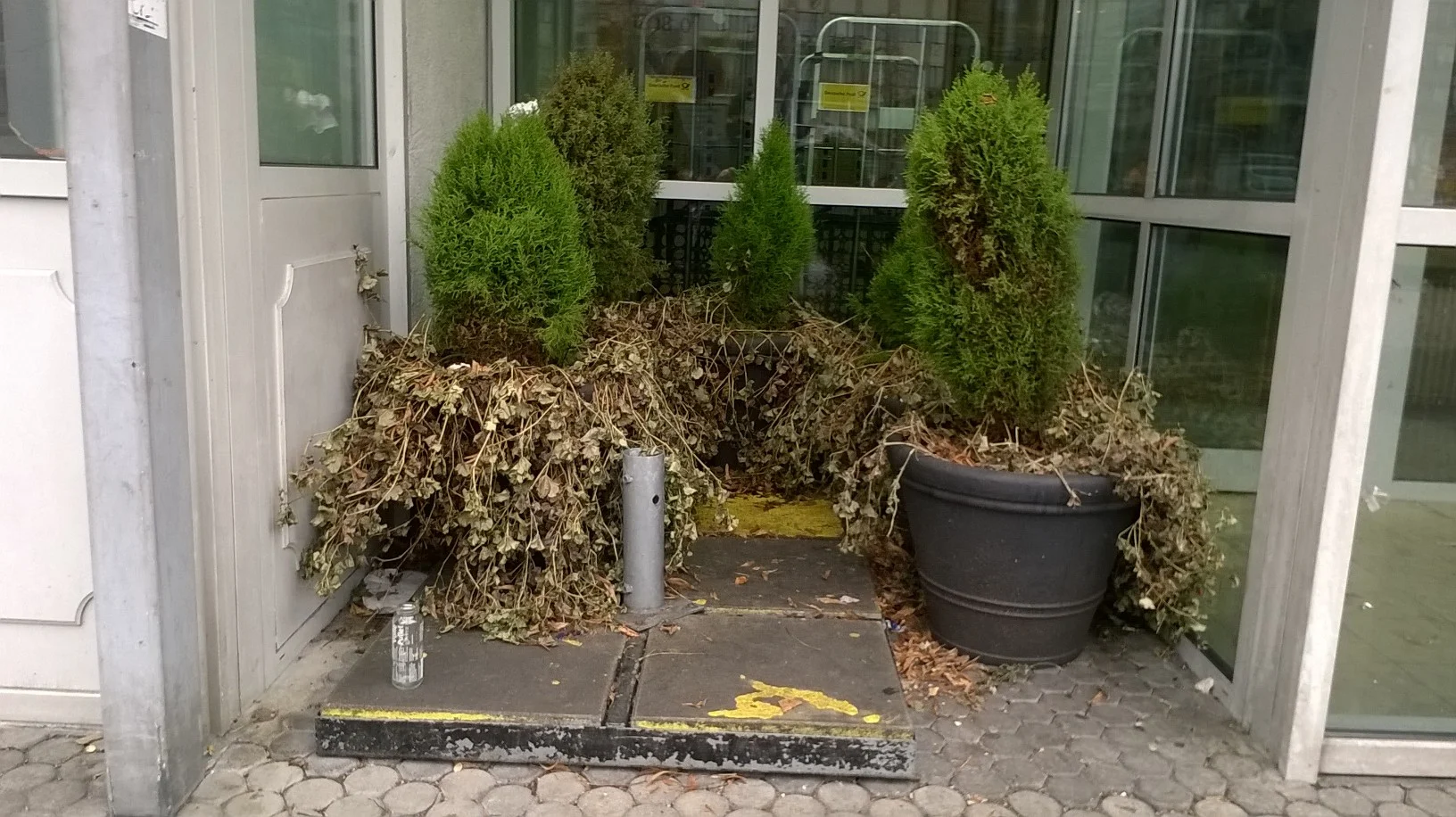
Forse potrei far il lavoro del giardiniere, nei giorni liberi.
A volte gli ospiti lasciano cose nelle camere. Frugo nell’armadio degli oggetti smarriti, di notte, quando nell’albergo c’è solo silenzio. A volte però faccio scoperte inquietanti mentre faccio le ronde. Le porte aperte vanno ispezionate. La regola è di bussare piano, poi tossire, o dire, Permesso? Poi entri.
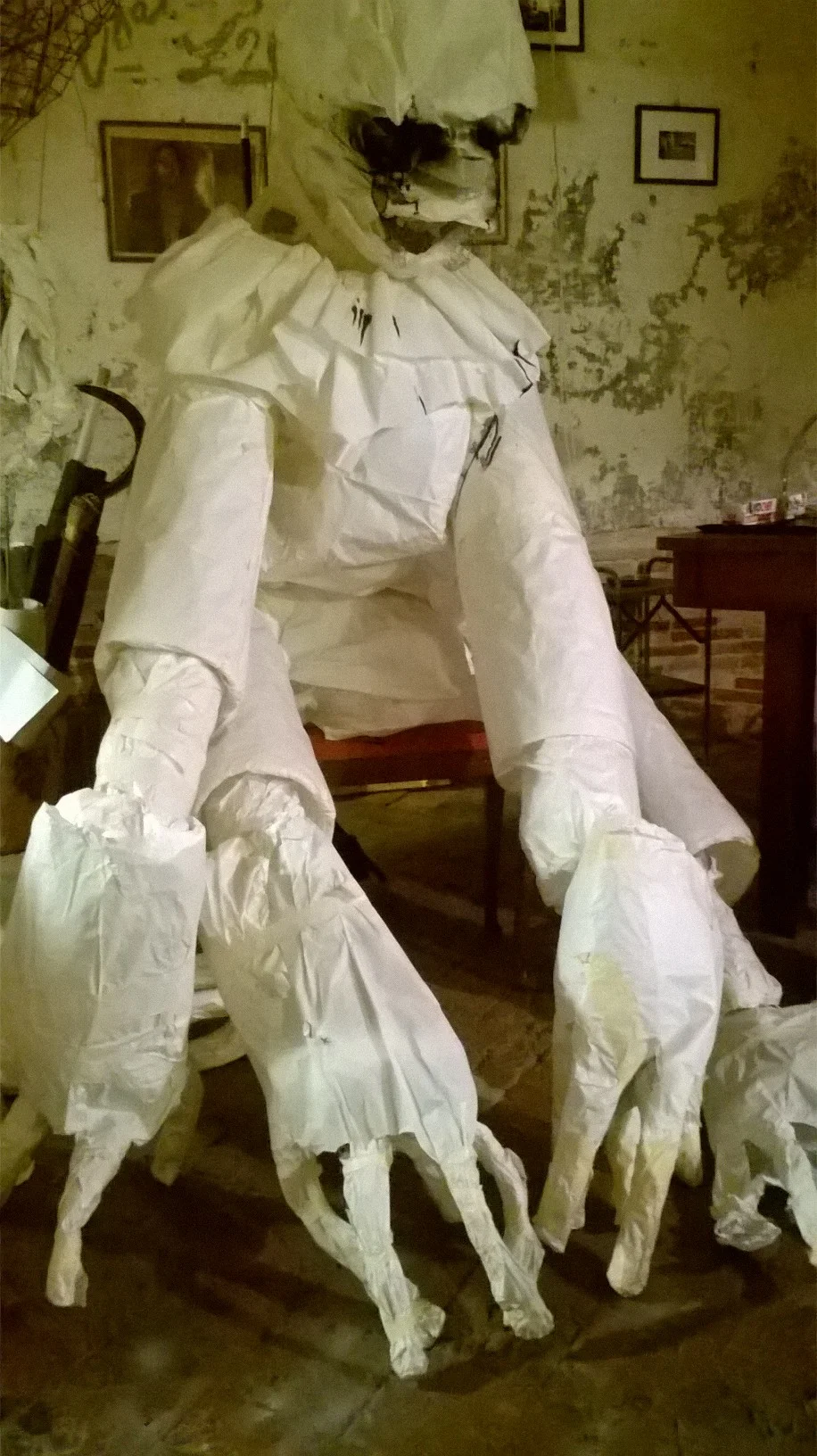
Il gorillone di cartapesta era tra le peggiori.
Ma queste vittime della smemoratezza degli ospiti, orfani delle loro vacanze, o dei loro viaggi d’affari, possono avere un loro lato poetico.
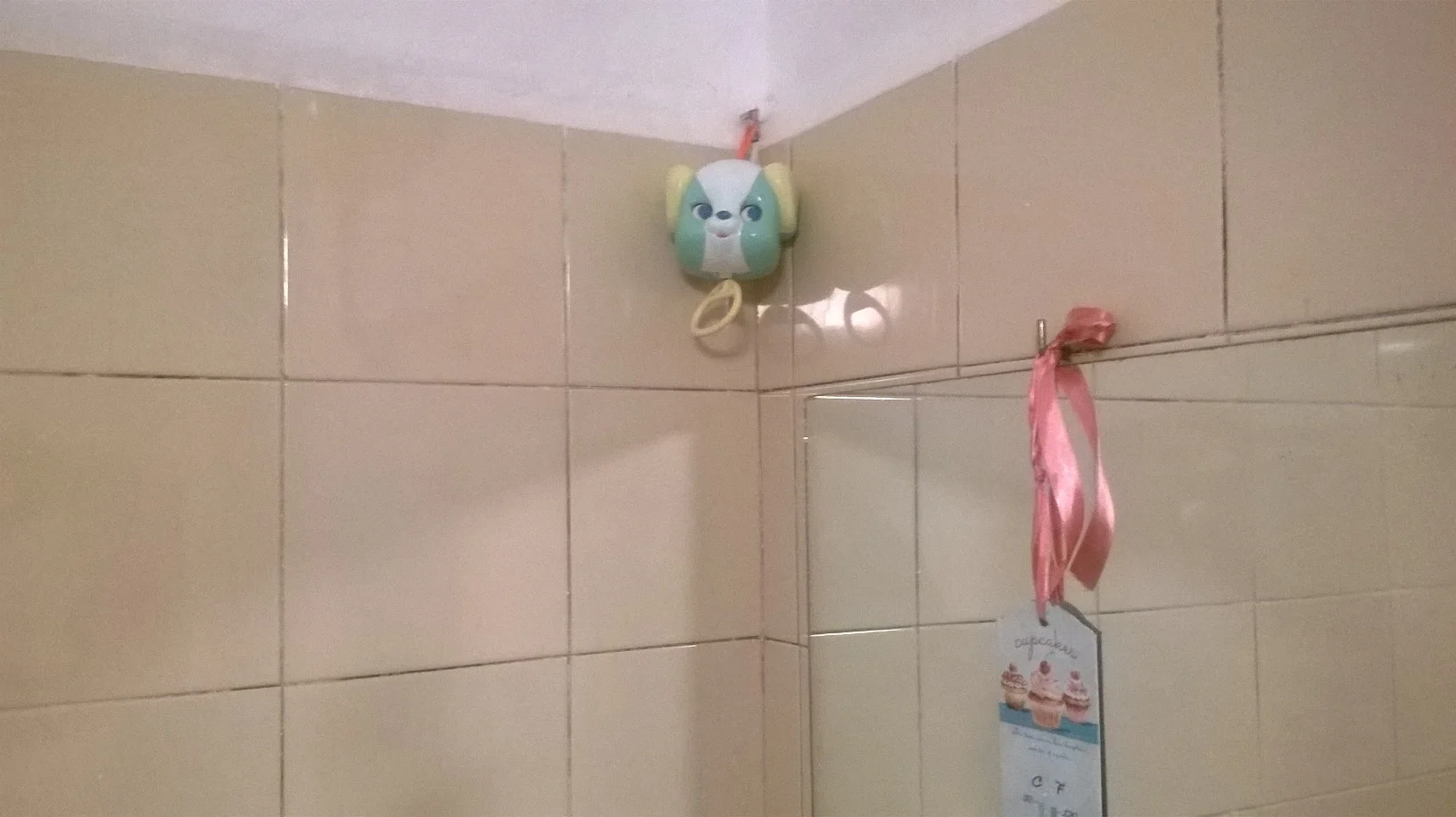
Peggio per me, la testa rimpicciolita di cagnolino urlò, e sputò sangue dagli occhi sporgenti e roteanti quando tirai la cordicella.
Meno male, nessuno degli ospiti se n’è lamentato, il giorno dopo.
Nightlife at the Kranepool
Some losers hang out where they work on their days off. I try not to do this, but the Hotel Kranepool’s between where I live and the Public Library, so occasionally I’ll drop by. Just to make sure the place hasn’t collapsed, that everyone’s still alive who should be, that the guests look happy.
They might not want the Night Porter to watch them in the light of day, so I stay out of sight. They come and go. That’s their job.
Maybe I could take over the gardner’s job, on days off.
Guests leave things in their rooms. It’s fun to poke through the Lost and Found closet at night. Awkward discoveries when I do the rounds are another matter. Open doors demand inspection. The rule is to knock softly, then cough, or say, hello? Then you go in.
The papier-mache gorilla was one of the bad ones.
Victims of guests’ forgetfulness, orphans of vacations or business trips, have their poetic side.
When I pulled the string, the little dog-head screamed, and spit blood out of its roly-poly eyes.
Luckily, none of the guests called management to complain.
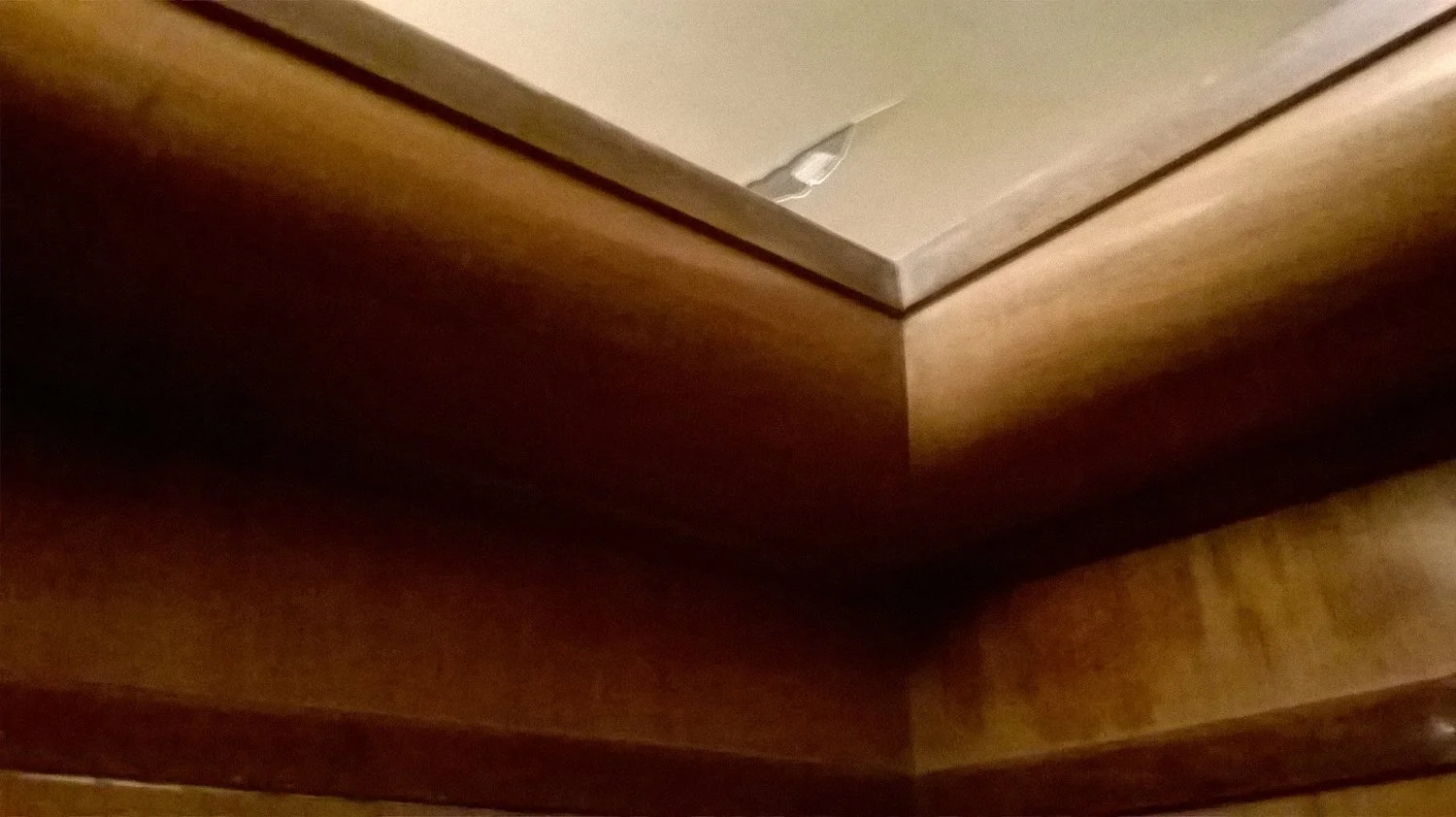
Old Mold, New Mold/Muffe, vecchie e nuove
La muffa non dorme mai. Ai portieri di notte è concesso di appisolarsi, ma è meglio non esagerare. I manager ti vogliono stropicciato e intontito dal sonno quando arrivano, la mattina. Borse grigie sotto gli occhi sono segni di solerzia.
Passano molte notti senza chiamate alla reception. Suonano campanelli attutiti quando qualcuno entra nella hall dal mondo di fuori, ma non succede spesso. Fanno scattare. Evito i paragoni con criceti ammaestrati.
L’Hotel Kranepool è un posto tranquillo quando c’è buio fuori, ma non sempre.
La signora nella Stanza 512 disse che la muffa nel bagno le impediva il riposo. “Fa un suono sgranocchiante,” sussurrò, come se avesse paura che la muffa la sentisse. “Come una persona obesa e sdentata che mastichi semolino.”
Lasciai la targhetta Torno Subito sul banco della reception e salii in ascensore. Anche l’ascensore sembra che mastichi, almeno in salita. Forse è solo di notte, però. Il Kranepool ha fame, quando gli internati hanno mangiato e si sono coricati.
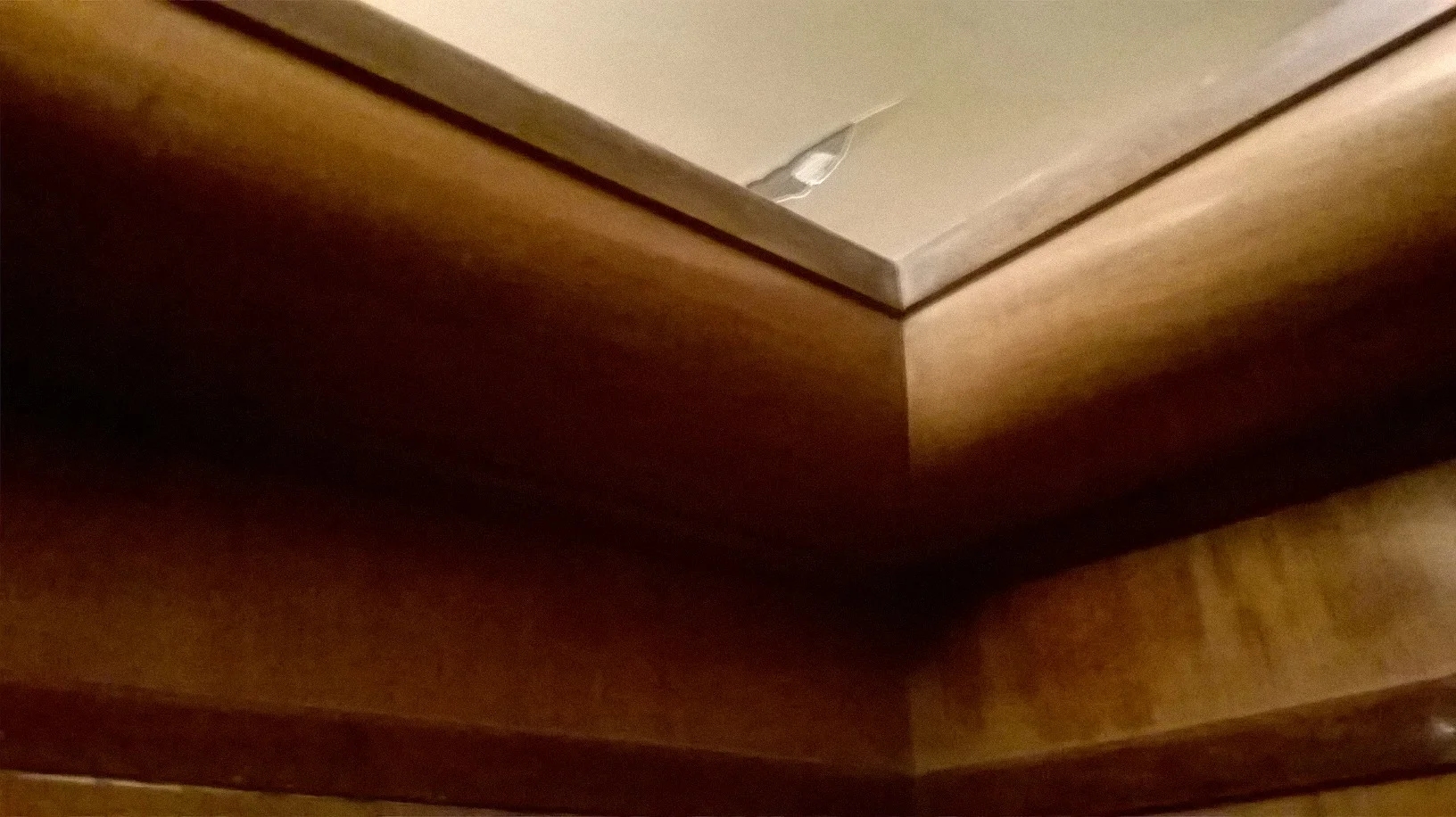
La signora in 512 stava a piedi nel corridoio moquettato, reggendo la porta, come se avesse paura di stare nella camera. Aveva sciolto i capelli bianchi. Non si era messa l’accapatoio Kranepool. La sua camicia da notte era translucida, come le tende delle docce dell’hotel, sulle quali affiorano macchie trasparenti quando si bagnano. La gestione ha affissato insegne per pregare gli ospiti di lasciare aperte le finestre dei loro bagni quando escono.
La sua camicia da notte presentava ombre sfumate nei punti di contatto con la sua pelle.
Forse la fissai. Pensavo a muffa.
La luce del bagno era accesa. La camera era illuminata solo dall’abat-jour sul comodino accanto al letto. Non c’è televisione, al Kranepool. Alcuni ospiti se ne lamentano, altri dicono di gradire la vacanza dalle radiazioni catodiche, e dalle voci trasmesse. Stava leggendo un denso libro dalla copertina blu, non si leggeva il titolo. Le tende chiuse venivano smosse dall’aria fresca che entrava dalla finestra socchiusa.
Ascoltammo. Ci guardammo negli occhi.
C’era un suono, come di nuvole grigie che si baciavano appassionatamente in una cella carceraria tappezzata di ovatta polverosa. Mi guardò, come per dire, “Te l’avevo detto.”
I rumori di fame romantica venivano dal bagno. Lei si sedette sul letto. Entrai nel bagno.
Lo specchio sopra il lavabo non era appannato, anche il vetro smerigliato della finestra era libero di ombre. Non c’erano macchie nella vasca da bagno, né nella cabina doccia, o sulla tenda. Mi chiusi dietro la porta del bagno. C’era una lieve macchia nella parte di sopra a destra. Quando la guardai meglio, la macchia espanse e crebbe. Dal suono che produsse, decisi che era meglio muovermi piano. La muffa, come spore di piede d’atleta, può saltare. Presi una salvietta dalla rastrelliera cromata sopra la vasca da bagno e strofinai. Era come un gioco che mi piaceva da bambino. Tracciavi formule e diagrammi come uno scienziato impazzito al comando di qualche lunatica macchina spaziale, poi, quando le cose si complicavano troppo, potevi cancellare lo schermo argentato girando una manopola. Quel gesto dava grande soddisfazione. Ripetei l’intervento sulla porta ammuffita, e appallottolai la salvietta.
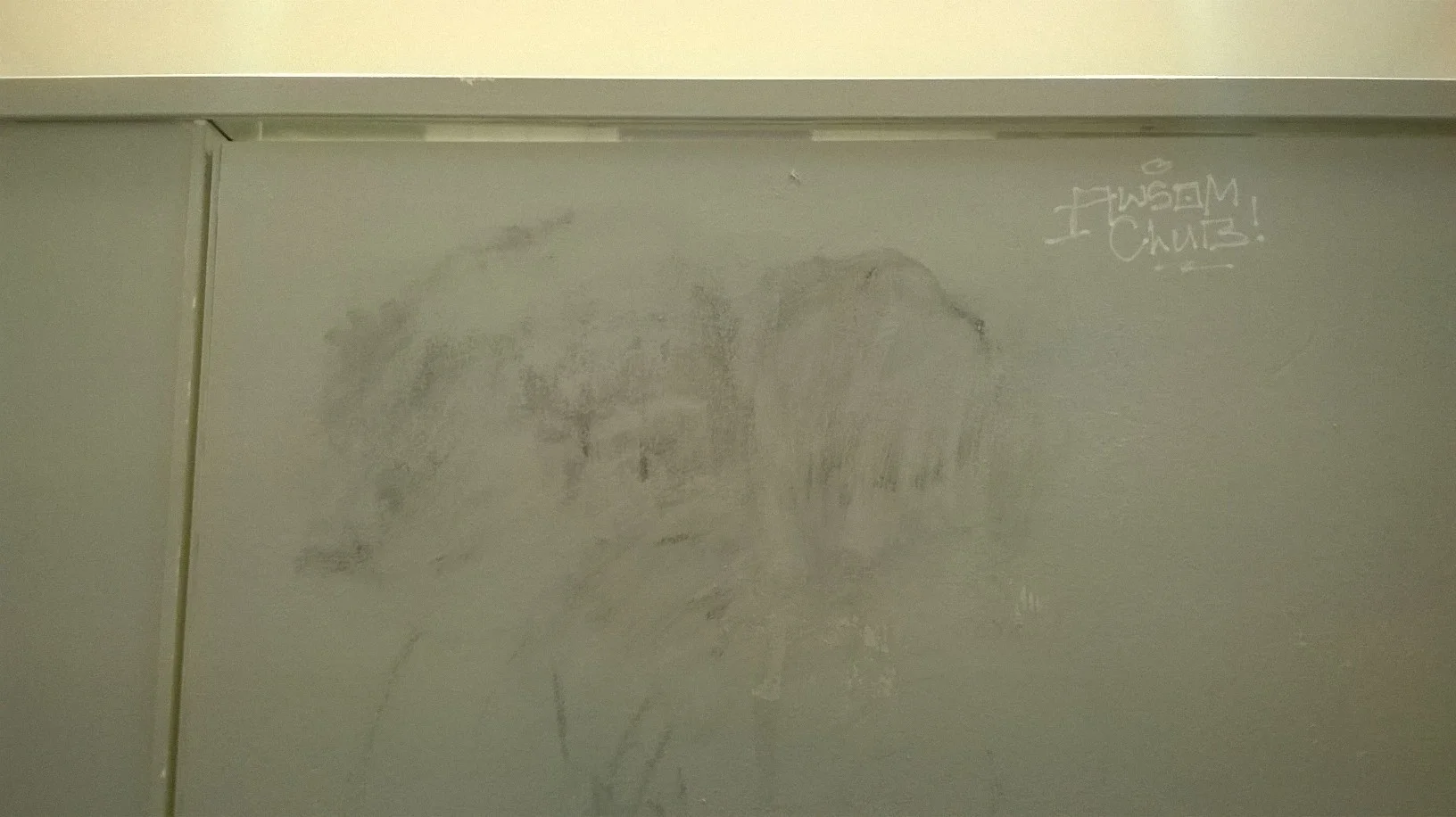
“Ora dovrebbe essere tutto a posto,” dissi.
Stava leggendo il suo libro. La parte in cima di lei scompariva contro le coltri bianchi e la parete bianca.
L’ospite della stanza 512 sembrava un fantasma dal viso il colore della pelle.
Ascoltammo un poco. C’era silenzio, a parte il vento fuori.
“Buonanotte,” disse lei.
La lavanderia dell’hotel è in cantina, direttamente sotto la cucina a pianterreno. Di notte, un bagliore verdastro pervade quella camera piena di acciaio inossidabile. Le radiazioni gamma neutralizzerebbero germi, materiale genetico umano e acari. Buttai la salvietta macchiata nel cesto della biancheria, che sembra il fratello minore di un ciclotrone, crivellato di colpi.
Il resto della notte è passato senza problemi, come tante notti qui al Kranepool. Mi afflosciai sulla brandina nella cabina dietro la reception. Feci un incubo erotico con Mary Tilden, la temibile bulla di uno dei licei che frequentai quando mio padre era nella Marina Militare.
A volte faccio colazione all’hotel prima di tornare a casa. Per me è la cena, suppongo.
Gli ospiti mattinieri si pappano il meglio del buffet. La collega incaricata della prima colazione sembra scocciata quando mi aggrego a loro, ma ne ho diritto. Ho controllato.
La giornata prometteva splendore.
I pochi ospiti presenti non potevano masticare così rumorosamente. Qualcuno gridò in cucina, e fece cadere un vassoio carico di porcellana pesante. Mi sentii responsabile, come se avessi sbagliato qualcosa durante la notte.
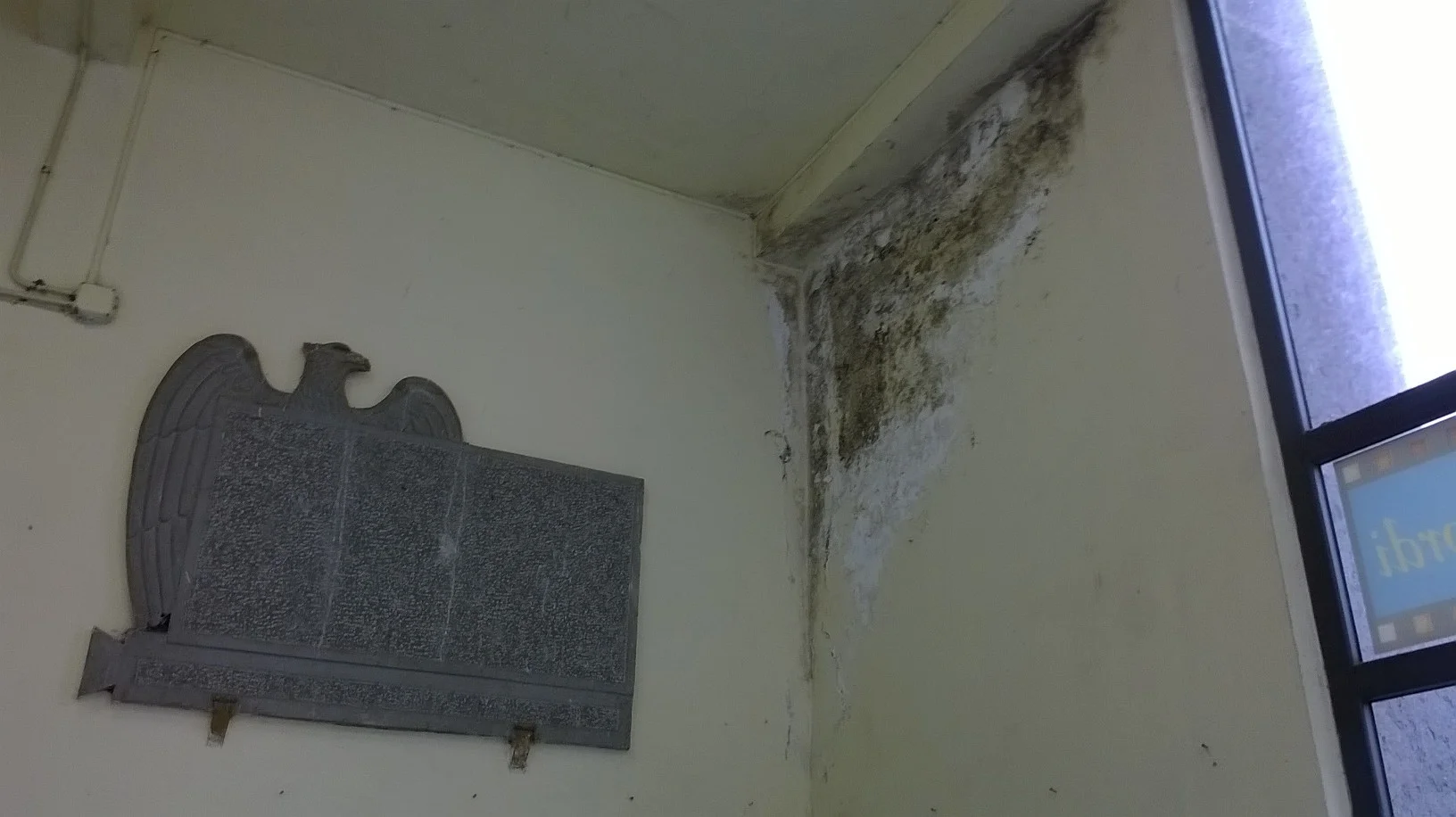
La collega incaricata del pasto mattutino stava in cucina trafissa. Teneva le mani sulle guance, paralizzata in un urlo da film-horror muto. Fissava una chiazza scura sulla parete accanto alla finestra. La macchia nerastra si espandeva piano, mangiando il vuoto bianco.
Mold never sleeps. Night porters are allowed to, but it’s better not to overdo it. Managers want you rumpled and bleary when they come in. Gray bags under the Night Porter’s eyes are the mark of a job well done.
Most nights pass with no calls to the front desk. Muted bells bong when someone enters the lobby from the outside world, but that doesn’t happen often. Still, the job is to be alert, buttoned up and at your post while the echoes bounce around the lobby.
The Kranepool’s a quiet place when it’s dark outside, but not always.
The woman in Room 512 said the mold in the bathroom was disturbing her rest. “Makes a crunching sound,” she whispered, as though she were afraid the mold might hear her. “Like someone fat, without enough teeth, mushing oatmeal.”
I left the Be Right Back sign on the desk and rode the elevator upstairs. The elevator makes chewing sounds too. Maybe it’s only at night, though. The Kranepool gets hungry, when everyone’s eaten and gone to bed.
The lady in 512 was standing barefoot in the carpeted corridor, holding the door, as though she were afraid to be in her room. She’d let her white hair down, hadn’t put on a Kranepool bathrobe. Her nightgown was translucent, like the hotel’s shower-curtains, which bloom with clear spots when wet. There are signs posted asking guests to please leave the bathroom windows of their rooms open when they go out.
Her nightgown showed nuanced shadows at points of contact with her skin.
Maybe I stared. Mold on the brain.
The light was on in the bathroom. The room itself was lit only by the reading lamp on the little bedside table No television, at the Kranepool. Some guests complain about this, others say they enjoy the break from cathode radiation and broadcast voices. She was reading a thick book with a blue cover, its title indiscernible. The drawn curtains moved, stirred by fresh air from the slightly open window.
We listened. We looked at each other.
There was a sound, like gray clouds kissing each other passionately in a prison cell lined with dusty cotton wool. Her look said, told you so.
The romantically hungry noises came from the bathroom. She sat at the foot of the bed. I went in.
The mirror over the sink was unfogged, the frosted window shadow-free. No stains on the bathtub, shower-stall or shower-curtain. I closed the bathroom door behind me. There was a faint blot on the enamel paint at its top left quadrant. On closer inspection, the blot grew and spread. The sound it made said, better move slowly. Mold, like athlete’s foot, can leap. I took a washcloth off the chrome rack above the bathtub and wiped. The effect was like a game I used to enjoy when I was a kid. You scribbled and scrawled formulae and diagrams like a scientist at the controls of some crazy space-gadget, then, when things got too complicated, you could sweep the silver screen clean by turning a dial. This always felt so satisfying. I repeated the operation, then balled up the washcloth.
“Should be OK now,” I said.
She was reading her book. Her top half blended in with the white sheets and bedstead. The guest in 512 looked like a ghost with a skin-colored face.
We both listened a while. Silence, except for the wind outside.
“Good night,” she said.
The hotel’s laundry facility is in the basement, directly under the ground-floor kitchen. Greenish lights glow in that steel-lined room, at night. Gamma-radiation supposedly annihilates germs, human genetic material and mites. I tossed the mold-stained washcloth in the main hamper, which looks like a cyclotron’s kid sister, shot full of holes.
The rest of the night was uneventful, like so many nights here at the Kranepool. I flopped on the cot in the little room behind the reception area, and had a wet nightmare about Mary Tilden, the fearsome girl bully at one of the high schools I attended when my father was in the Navy.
Sometimes I have breakfast at the hotel before I head home. I guess it’s dinner, for me. Guests who’re early risers get to enjoy the buffet’s Greatest Hits. The Kranepool’s breakfast director seems annoyed when I join them, but I’m within my rights. I checked.
It looked like a bright day was in store.
The chewing sounds in the dining room were louder than should’ve been possible for such a small number of breakfasters. Someone in the kitchen screamed and dropped a tray loaded with heavy porcelain. Somehow, I felt responsible, as though I’d misbehaved during the night.
The breakfast director stood paralyzed, her fists on her cheeks in a silent horror-movie scream. She stared at the spot of the kitchen’s wall by the window. The fuzzy blackness spread, slowly, eating white space.
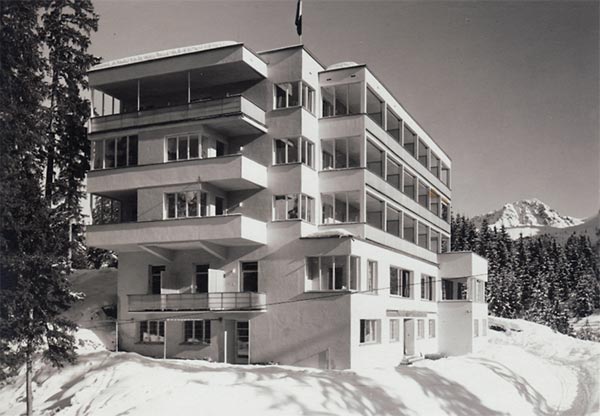
Hotel Kranepool
Sono passati i tempi in cui uno poteva guadagnare da vivere scrivendo racconti. Un romanziere di grande successo disse che il lavoro ideale per narratori è ragioniere di bordello. L’Hotel Kranepool non è un posto così, e non so ragionare. Il manager mi guardò appena, e non mi fece accomodare. Lesse il foglio che gli avevo dato e disse, “Portiere di notte.”
C’è una branda nella stanzetta dietro la reception. Il monitor di sorveglianza emette un lieve ronzio e un bagliore caloroso nelle notti fredde. L’albergo è abbonato a svariate riviste, accatastate ordinatamente sui mobili nella hall. Gli ospiti sembrano avere poco tempo per leggerle. Io invece, almeno in teoria, avrei tutto il tempo del mondo.
Più o meno ogni ora lascio la reception per fare le ronde. Per sentire se qualcuno urla in maniera preoccupante, se scorre sangue da sotto le porte. Per controllare che non ci siano finestre rotte. Se ne trovo una aperta, guardo se un’ospite si è buttato di sotto. Non succede spesso, ma succede.
Di solito sento prima le sirene.
Il manager è un tipo decente. Dice che se voglio scrivere per aiutarmi a stare sveglio, sono affari miei. Per contraccambiare, gli ho dato alcuni fogli scarabocchiati. Ringraziò senza guardarli.
Il manager mi guardò come fossi impazzito quando gli chiesi se si poteva spegnere il sistema sonoro Muzak durante il turno di notte.
“Di che stai parlando?” disse.
“Magari gli ospiti preferirebbero non dover sentire musica mentre cercano di dormire,” dissi. Intendevo, mi sta facendo impazzire mentre cerco di scrivere o leggere riviste tra le ronde di sorveglianza.
“Voglio dire, qui al Kranepool non ce l’abbiamo, il Muzak. Nemmeno nella sala da pranzo. Non esiste suono al mondo che mi dia più fastidio che melodie sul vibrafono.”
“Come fa a sapere che sono coinvolti vibrafoni?”
Mi guardò come per dire, vuoi fare il furbo? “Bene, nottambulo. La tua missione sarà di scoprire donde scaturisce questa musica notturna. Alcune persone sostengono di ricevere trasmissioni radio attraverso le loro otturazioni dentali. Se scopri che la musica ce l’hai in testa, costituisciti al manicomio più vicino, e noi ci cercheremo un altro portiere di notte.”
Pensieri di rinnovata disoccupazione e manicomio diedero impeto alle ronde di quella notte. Cominciai nella sala da pranzo, dove di solito si possono rimediare rimasugli di colazione. Mungendo il samovar, si ottiene un caffè maniacalmente forte. Là dentro si sentivano fioche note di vibrafono. Sembravano raffreddare l’aria. Le tende di lino si muovevano quasi impercettibilmente.
C’erano luci accese in alcune delle stanze che, secondo il registro, non erano affittate per la notte. Non si muovevano ombre nell’interstizio tra porta e pavimento. Non controllai se le porte erano aperte, nemmeno entrai per spegnere le luci. Non bussai. Stavo cercando musica. Magari in una delle stanze illuminate c’era un uomo in piedi su una sedia che reggeva una radio accesa sotto lo sfogo dell’aria condizionata. Il mistero sarebbe risolto, ma si sarebbe creato una situazione scomoda. Il portiere provvede sicurezza, coperte, cuscini extra e informazioni utili per le attività notturne degli ospiti. Non sono lì per fare domande, o dare ordini. “Per favore spenga la radio e vada a letto, signore. È tardi.”
L’Hotel Kranepool ha una piattaforma d’osservazione dove gli ospiti possono ammirare i decolli e gli atterraggi di aerei all’aeroporto, se vogliono. Un albergo in centro ha all’ultimo piano un ristorante-bar che rotea come il piatto di un giradischi al rallentatore.
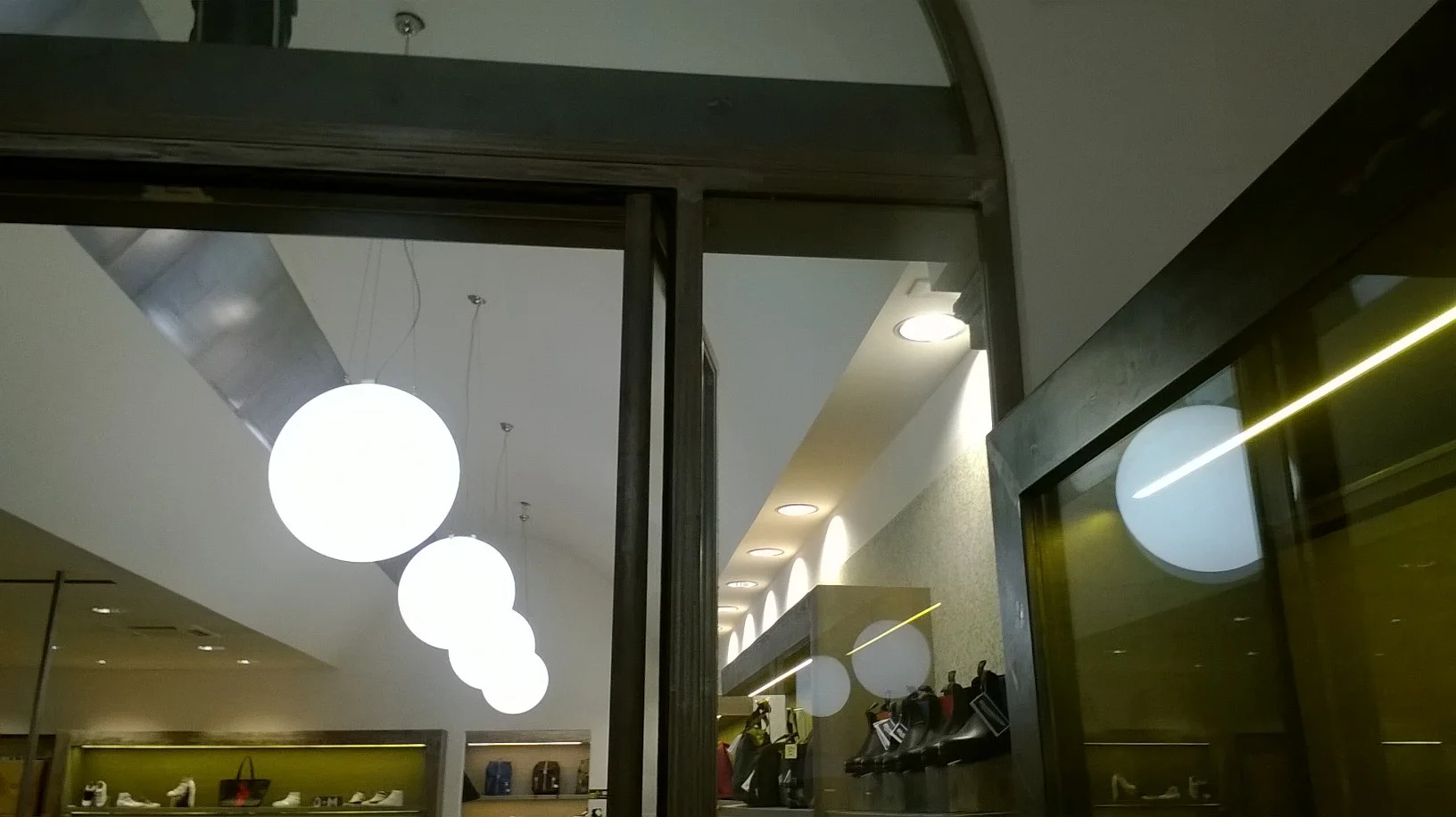
L’illuminazione lassù all’osservatorio è strana. Le sfere luminose sono spettrali anche quando sono accese. Il soffitto non è terribilmente alto. Note cristalline trasparivano da quei corpi vitrei. Pensando che potesse essere uno scherzo delle brezze notturne, controllai le finestre. Erano saldamente chiuse . Le notti in questa città sono sorprendentemente fredde, ma nascono zanzare dalle pozzanghere sul tetto stile Internazionale. Mi alzai su una sedia, e ascoltai.
The days when a guy could write short stories for a living are over. A fabulously successful novelist once said that the ideal job for fiction types is bookkeeper in a whorehouse. The Kranepool’s not that kind of joint, and I couldn’t keep books to save my life. The manager barely looked up, and didn’t say please sit down. He read the scribbled application form and said, “You can be night man.”
There’s a cot in the little room behind the reception desk. The surveillance monitor hums gently and glows warm, on cold nights. The hotel subscribes to a wide variety of magazines. They cover the lobby’s coffee table in orderly stacks. The guests have no time for print media. I have all the time in the world. At night, at least.
Once an hour or so I'm supposed to make the rounds. Listen for screams, the bad kind. See if blood’s flowing from under doors. Check for broken windows. If you find one open, look down to see if a guest jumped. Doesn’t happen often, but it does.
Usually you hear the sirens first.
The manager’s a decent guy. He says if I want to write while I’m at the desk in order to stay awake, great. He looked at me like I was nuts when I asked if I could turn off the Muzak machine during the night shift.
“What’re you talking about?” he said.
“The guests might prefer not to have music when they’re trying to sleep," I said. What I meant was, it was driving me nuts when I was at the desk, trying to write stories and read magazines in between inspection rounds.
“What I mean," he said, "is that we don’t have Muzak here at the Kranepool. Not even in the dining room. There isn’t a sound in the world that bugs me more than vibraphone melodies.”
“Then how’d you know there’s vibraphones involved?”
His look said, wise guy, huh? “OK, night man. Your mission is to find out where this Muzak of yours comes from. Some people, you know, receive radio transmissions through the amalgam fillings in their teeth. If you find out the music’s all in your head, you can check yourself into the nearest mental hospital, and we’ll find us another night porter.”
Thoughts of fresh unemployment and the nuthouse meant I went walking, after midnight. The dining room’s usually good for stale rolls. The samovar can be milked for a cup of weapons-grade coffee. The music was faint, but it was there. Vibraphone notes lent a chill to the air. The muslin curtains moved almost imperceptibly.
There were lights on in some of the rooms that weren’t supposed to be rented for the night, according to the register. No shadows moved under the door-frames. I didn’t check to see if the doors were open, so I could go in and switch the lights off. Didn’t knock, either. I was looking for music. I thought if I went into one of the lit rooms there’d be a man standing on a chair, holding a ghetto blaster up to the air vent. They mystery would be solved, but the situation would be awkward. A night porter provides security, extra blankets, and information to guests who want help in their nocturnal ramblings. He's not there to ask questions, or give orders. “Please put the radio down, sir, and go to bed. It’s late.”
The Kranepool has an observation deck. Guests can watch airplanes take off, circle, and land at the airport. A hotel downtown has a rotating bar and restaurant on its top floor. The dining room turns like a record player’s wheel.
The observatory’s lighting scheme is odd. The luminous spheres are ghostly even when they’re switched on. The ceiling isn’t terribly high. Glassy notes floated from those vitreous bodies. I thought it might be a trick of the breeze, so I checked the windows. They were shut, tight. Gets surprisingly cold in this city, at night, and mosquito hordes are born from puddles on the International Style roof. I stood on a chair, and listened.
