
The Empty Space

The void was like a missing tooth in a closed mouth. The paper that sealed off the glass wall from the inside was the same pale green as the lobby’s paintjob. In a spot where some commercial enterprise was to have settled, emptiness had taken root.

Management obviously didn’t know what to do with this invisible availability, or else they would’ve posted For Rent signs, taken out ads in the local newspapers.
No businessperson had ever walked in off the street to enquire.

Regina the Flower Girl found the Space’s semi-luminous gravity disquieting. Her florist’s shop, The Green Fuse, abuts the only vacancy on the Kranepool’s ground floor.
“The emptiness in there’s sucking the life outta my plants,” she said.

Mr Kevin’s Salon de Beauty is opposite The Green Fuse. “You must’ve smoked their dry husks,” he said. “I didn’t even know there was a vacant lot within these walls.”

“You’re insensitive,” Madame Ozmya the Psychic said, and folded her cards. The group was immersed in a three-way Bridge game. “I’ve seen inappropriate lights and felt odd presences behind that thin veneer. Something was there once that came to a bad end.”
“Oh yeah? Like what?” Mr Kevin polished off his third gin-and-tonic of the afternoon. “An Indian burial ground?”
“Do we really want to to find out what the empty space means?” Madame Ozmya said.

“Well yeah, sorta, I guess.” Regina the Flower Girl erupted in goosebumps under her tank-top at the thought.
“Count me out,” Mr Kevin said. “I know where I’m not wanted, and empty space is definitely that place.”

Madame Ozmya instructed Regina the Flower Girl to leave a potted plant on the floor before the emptiness’ entryway when she closed up for the day. “As though you just forgot it there. Plant life is open to the metaphysical realm, and flowers never lie.”
“Oh what a great idea.” Mr Kevin decided to close up early, and left the Kranepool in a huff.

The Night Porter handed Regina the Flower Girl a clay pot with something alive in it as he went off his shift the next morning. “You forgot this poor little guy outside your store yesterday evening,” he said. “I settled him under the reception desk so no one would step on him, gave him some water. We thought about wabi-sabi together all night long.”

A pale pink flower had bloomed at the end of one of the plant’s stems.

“Thanks,” Regina the Flower Girl said, and never thought of the space next to her shop as empty again.

***
Il vuoto

Lo spazio era come una bocca chiusa alla quale manca un dente. La carta che sigillava la parete di vetro era dello stesso verde pallido della carta da parati della hall. Nel posto dove si sarebbe dovuto installare qualche impresa commerciale, si era radicato il nulla.

La Gestione evidentemente non sapeva cosa fare con quella disponibile metratura, altrimenti avrebbero affisso manifesti Affitasi, o fatto pubblicare inserti sui giornali locali.
Nessun imprenditore era mai entrato per chiederne informazioni.

Regina la fioraia trovava inquietante la gravità semi-luminosa dello Spazio. La sua fioristeria, Il Fusto Verde, confinava con l’unico posto vacante al pianterreno di Hotel Kranepool.

“Il vuoto là dentro sta succhiando la vita alle mie piante,” disse.

Il Salon de Beauty del parrucchiere Mister Kevin è sito dirimpetto al Fusto Verde. “Avrai fumato le loro foglie rinsecchite,” disse lui. “Non sapevo nemmeno che esistesse un lotto libero tra queste mura.”

“Sei insensibile,” gli disse Madame Ozmya la chiaroveggente, buttando sul tavolo le carte. Il gruppo era immerso in una partita di Bridge a tre. “Là dentro ho visto luci non appropriate, sentito presenze inusuali. Come se prima ci fosse stato qualcosa che ha fatto una brutta fine.”

“Ah sì? Tipo cosa?” Mister Kevin buttò giù il resto del terzo gin-tonic del pomeriggio. Un cimitero degli indiani?”
“Ma siamo sicuri di voler scoprire il significato del vuoto?” disse Madame Ozmya.
“Un po’ sì, direi, immagino.” A Regina la fioraia venne la pelle d’oca sotto la canottiera solo a pensarci.
“Non io,” disse Mister Kevin. “So dove non è gradita la mia presenza, e lo spazio vuoto è quel posto.”

Madame Ozmya disse a Regina la fioraia di lasciare una pianta in un vaso sul pavimento subito fuori l’entrata alla stanza vuota quando avrebbe chiuso bottega quella sera. “Come se tu l’avessi dimenticata lì. Il regno vegetale è aperto al regno metafisico, e i fiori non mentono mai.”
“Oh che grande idea.” Mister Kevin decise di chiudere prima, e lasciò il Kranepool in un panico.

“Questa povera creatura qui l’hai lasciata fuori ieri sera.” Il portiere di notte porse a Regina la fioraia un vaso di cotto con qualcosa di vivo dentro quando smontò la mattina dopo. “L’ho messa sotto il banco della reception dove nessuno la poteva calpestare e le diedi dell’acqua. Abbiamo discusso il wabi-sabi tutta la notte.”

Su uno dei gambi della pianta era sbocciato un pallido fiore rosa.

“Grazie,” disse Regina la fioraia, e non pensò mai più allo spazio accanto al suo negozio come un vuoto.

The Discreet Register, part 2
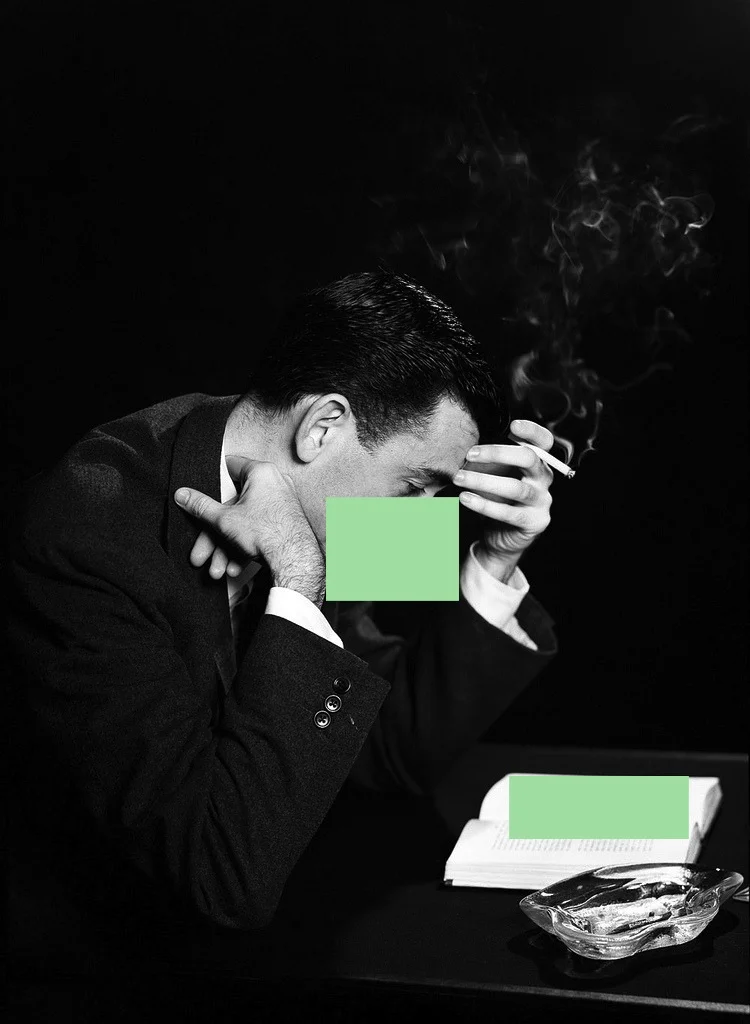
‘There’s gotta be a way to make some dough off this,’ the Night Porter thought, as he mused on a book bound in black leather, a leftover from an unsuspected halcyon time at the hotel where he worked.

The world outside the Kranepool was obsessed with celebrity. People wanted pictures, not stories. The narratives behind the fame had gotten lost as attention-spans shriveled. The book he held in his hands was potentially a hot literary property, as long as the public could be made interested in stardom past.

‘Doctor Buck will know what to do,’ the Night Porter thought further. ‘He always does.’
He shot a daydreamy look at the overhead security camera. The machine blinked on and off as it swiveled through its panoramic record of hotel life. When he was out-of-frame, the Night Porter stuffed the Secret Register into an XL manila envelope with the Hotel Kranepool logo printed on the upper left-hand corner.

Dr Buck isn’t a medical man, he’s a philosopher. He knows what’s what. So he’s not the easiest man in the non-hotel world to nail down.
“Meet me at the Flame Bar before you head in to work tonight,” the doctor said, and hung up.
The day went by. The Night Porter missed it.
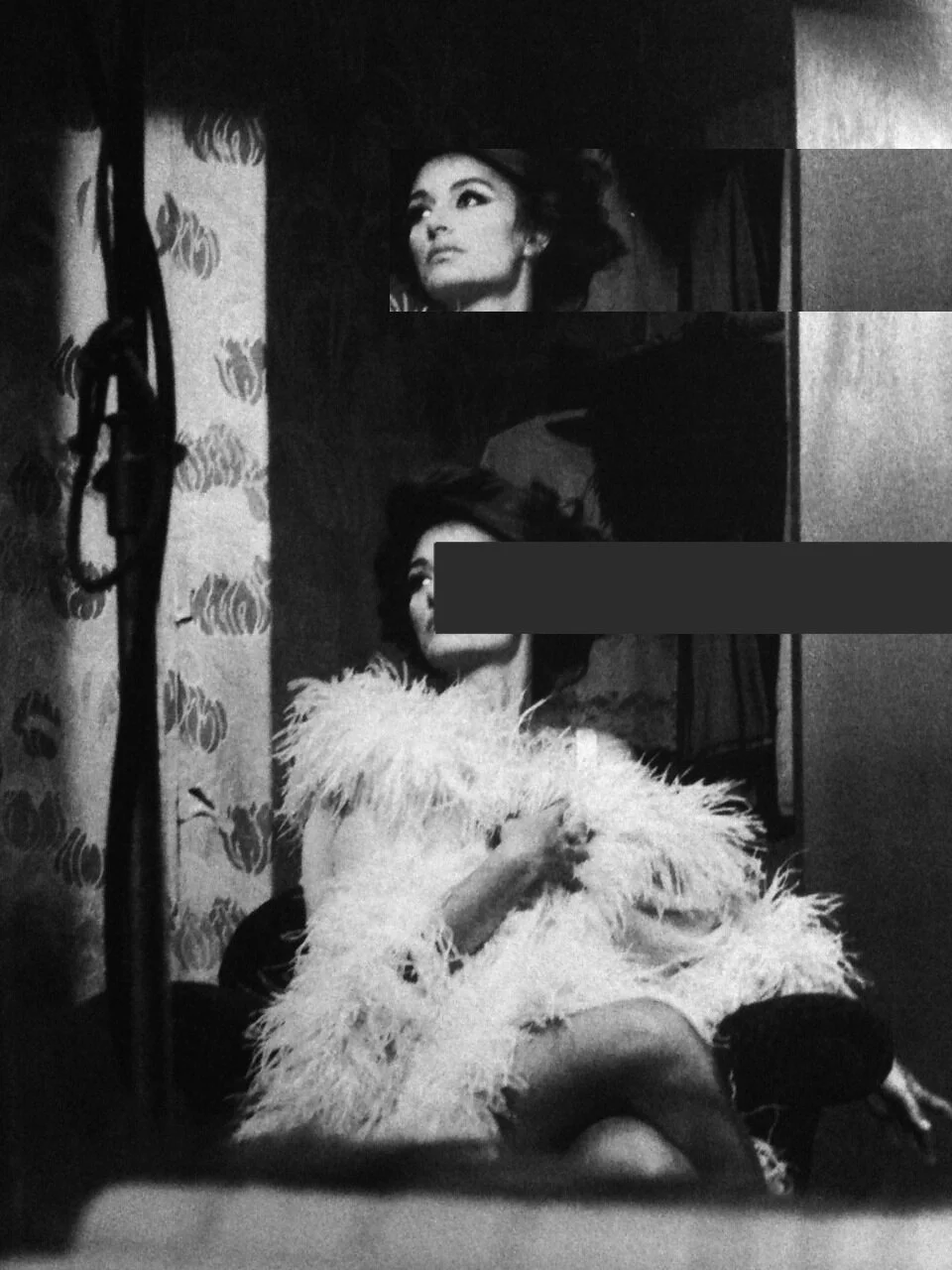
The Flame is uncomfortably close to the Kranepool, for a furtive Night Porter. The manila envelope seemed to have gained weight. The blue of the logo had deepened.
Doctor Buck had occupied a corner booth. “Show me what you got,” he said.
He lowered his sunglasses when the Secret Register slid onto the table. “Feel like I should put on the white gloves,” he said.

“Glamour,” the Night Porter whispered. “Beauty, talent, perseverance and the survival instinct. The stories behind these pictures should be worth a million words, each. And money. Preferably a lot.”

Dr Buck opened a few pages at random, then put his sunglasses back in place. “What’re you trying to pull here, shmo?”
“Whu-whuddya mean?”
Dr Buck pushed the big black book back across the table. “You tell me.”
The pages were blank. All of them. Nothing but gray cardboard rectangles with sheets of translucent vellum between them.

***
Il registro discreto, seconda parte
“Ci deve pur essere un modo per ricavarci soldi,” pensò il portiere di notte.
Stava rimirando un libro dalla copertina di pelle nera, un rimasuglio dell’insospettato alcione dell’hotel dove lavorava.

Il mondo fuori dal Kranepool era ossessionato dalla celebrità. La gente voleva immagini, non storie. Le narrative dietro la fama si erano perdute nella generale atrofia dell’attenzione. Il libro che teneva in mano poteva diventare una lucrativa proprietà letteraria, se il pubblico poteva essere indotto a sbavare per la gloria passata.
“Dottor Buck saprà cosa farne,” pensò il portiere di notte.

Lanciò uno sguardo trasognato verso la telecamera di sicurezza sopra il banco della reception. Il marchingegno ronzava e lampeggiava durante la sua panoramica sorveglianza della vita alberghiera. Appena era fuori inquadratura, il portiere di notte mise il Registro Segreto in una busta con il logo di Hotel Kranepool.
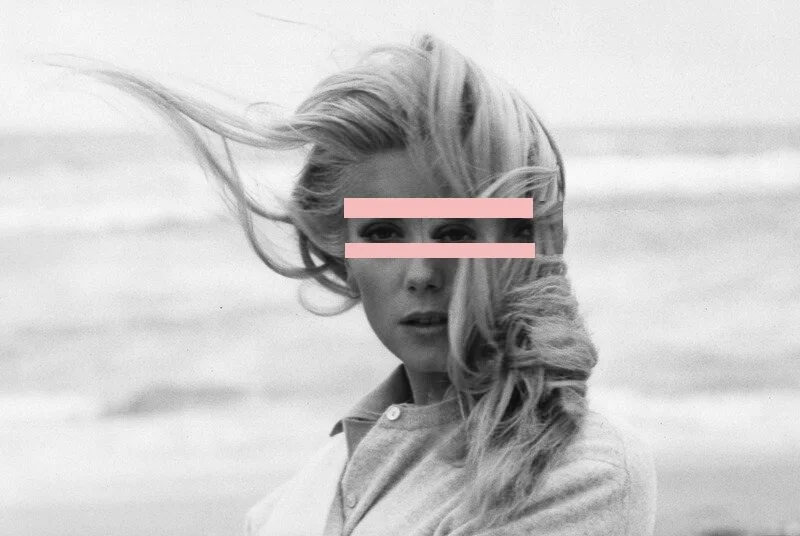
Dottor Buck non è medico, è filosofo. Sa il fatto suo. Non è facile inchiodarlo.
“Vieni al Flame Bar prima di iniziare il turno stasera,” disse, e riattaccò.
La giornata passò. Il portiere di notte se la perse.

Il Flame Bar è inquietantemente vicino al Kranepool per un portiere di notte dalla coscienza sporca. La busta sembrava incongruamente pesante. Il blu del logo si era approfondito.
Dottor Buck aveva preso posto ad una tavola d’angolo. “Fa’ vedere,” disse.
Abbassò gli occhiali da sole quando scivolò sul tavolo il Registro Segreto. “Forse dovrei mettermi i guanti bianchi,” disse.

“Glamour,” disse il portiere di nottte, annuendo. “Bellezza, talento, perseveranza e l’istinto di sopravvivenza. Le storie dietro queste immagini dovrebbero valere milioni di parole, ciascuna. E anche della grana, preferibilmente tanta.”

Dottor Buck sfogliò brevemente, poi richiuse il libro e rimise a posto gli occhiali d’oro. “Chi credi di imbrogliare, fesso?”
“Co-cosa vuoi dire?”
Dottor Buck spinse via da sé il librone nero. “Dimmelo tu.”
Le pagine erano vuote. Erano solo dei rettangoli di cartone grigio con in mezzo fogli di pergamena traslucida.

The Discreet Register
Another quiet night at the Kranepool.

The Night Porter avoided television, except for occasional glances at the security monitors. There was nothing new on the shelf reserved for books left behind by guests. The people who come and go read less and less. He opened and closed the reception desk’s drawers to give a sort of rhythm to the time that passed in silence.
On a low wooden glissando, a large black notebook he’d never noticed before slid into view. He pulled it out. The thing was heavy.

Secret Register was stamped on the pebbled cover in gold. The pages were beige cardboard, with sheets of vellum between them. The book was full of photographs, one to a page, with scribbled notes and signatures underneath.

‘Huh,’ the Night Porter thought, as he leafed through at random. ‘Guess this joint wasn’t always just a wayside dump for drifters and dreamers.’

“To all my Hotel Kranepool boys & girls! Don’t let the ghost party stop! And remember: a black kimono is a happy kimono.”

“Don’t know what I’d do without my collection of Hotel Kranepool stationery.”

“The Photomat machine in the lobby is a mind-blowingly great idea.”

“Je ne regrette rien… except that peek-a-boo bra I left behind in Suite 1690. Should it ever return to light, please send it on. Thanks a million.”

"Lobby to bus station in under ten minutes, on foot. But that’s only one of the reasons I choose to stay at Hotel Kranepool. That shoe-shine machine by the Men’s Room, for instance. Nice touch.”

“Laws may change, but great hotels endure. Thanks for the enhanced smoking area. And by the way…I’d be delighted to design and decorate the Liège Kranepool.”
***
Il registro discreto
Un’altra notte tranquilla al Kranepool.

Il portiere di notte evitava la tivù, a parte qualche sbirciata ai monitor di sicurezza. Non c’erano nuove aggiunte allo scaffale riservato ai libri lasciati dai graditi ospiti. L’umanità che va e viene legge sempre meno. Prese ad aprire e richiudere i cassetti del banco della reception per dare un ritmo al tempo che passava in silenzio.

Durante un lungo, legnoso glissando scivolò in vista un grosso quaderno nero che non aveva mai notato prima. Lo tirò fuori. Era pesante.

Registro riservato era stampato in oro sulla copertina. Le pagine erano di cartone beige, separate da fogli di pergamena traslucida. Il libro era pieno di foto, una a pagina, con sotto scarabocchiate delle dediche e dei pensieri.

“Ma guarda un po’,” pensò il portiere di notte, mentre sfogliava a caso. “A quanto pare questa stamberga non è sempre stata una sosta temporanea per anime vagabonde e sognatrici.”

“A volte una stanza oscurata con aria condizionata e doppi vetri alle finestre è la migliore amica che si possa avere. Grazie. Tornerò presto!”

“Sul set urlo di continuo. Poca gente sa quanto sia frustrante questo lavoro. Perciò apprezzo avere ogni desiderio esaudito grazie a sommesse telefonate alla reception. Non scorderò mai ciò che mi disse la vostra elegantissima negromante massaggiatrice.”

“Ma è possibile amare troppo? Se si tratta dei cocktails del Kranepool Bar & Grille, direi proprio di sì. Tornerò quando avrò di nuovo sete di sensazioni forti. Un (gelido) bacio.”

“Le stanze che danno sul retro sono fin troppo silenziose. Ho bisogno di sentire voci, vecchie e nuove. Per la prossima visita, prenotatemi la Suite 1690.”

“Non sarebbe successo quel brutto casino se fossi rimasto al Kranepool. Alla prossima!”

“Ho scritto la canzone Whites Only Hotel Blues nella vostra Blue Suite. Non è riferita al Kranepool, naturalmente. Non cambiate mai.”
Somnamballerina

Another quiet night at the Kranepool, shattered by a phone call to the reception desk.
The guest in Suite 1530 reported a disturbance in the hall.
A television at excessive volume? Alcoholic exuberance? A couple who couldn’t wait to get into their room? Walls are never quite thick enough.
“More like tap-dancing,” the guest said. “Muffled, but an annoyance nonetheless.”
The Night Porter put the leather Be Right Back sign on the counter and trudged upstairs.

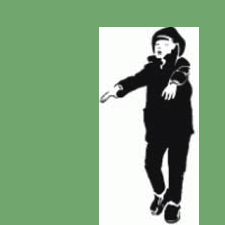
The disturbance wore a see-through nightgown and was light on her bare feet. Whatever she was doing wasn’t tap. Looked more like butoh.
The Night Porter had heard it’s better not to awaken sleepwalkers, but rules change, in hotels.
“Miss,” the Night Porter whispered. “Please dance in your room, if you must.”

“There’s not enough space in there,” she whispered even more quietly, “to dance the emotions of my dreams.”
‘Then you should’ve rented the Pina Bausch Suite upstairs,’ the Night Porter thought.
“Can’t afford it.” The nocturnal dancer could read his mind. “And anyway, it’s booked solid.”
That was true, and also a mystery. Signed photographs on hotel walls draw crowds.

“Come down to the lobby,” the Night Porter said. “You’ll have more of an audience there.”
“Are bare feet allowed on the furniture?”
The Night Porter felt as though he were in a Quentin Tarantino film. “Your soles look clean,” he said. Unwritten hotel rules were made to be bent, if not broken.

The barefoot wraith moved slowly, to music only she could hear. The emotions were hard to follow, impossible to interpret. A luna moth beat against the window in the light of the Kranepool’s blue neon sign to lend the scene a hypnotic rhythm.

The day clerk rang the bell on the desk and gave his sleeping colleague a gentle shake. “Hey old guy,” he said. “Looks like the nights have become too quiet for you. Oh, and there’s a bus strike today.”
This report was true, and it was a long walk home. Dreams may not have wheels, but then, neither do they internally combust.

***
La sonnamballerina

Un’altra notte tranquilla al Kranepool, distrutta da una telefonata alla reception.
La gradita ospite nella Suite 1530 voleva segnalare un disturbo proveniente dal corridoio.
Un televisore a volume eccessivo? Esuberanza generata dall’alcol? Una coppia che non poteva aspettare di entrare in camera? Le pareti non sono mai spesse abbastanza.
“Sembra che ballino il tip-tap,” disse l’ospite. “Un rumore attutito, ma comunque scocciante.”
Il portiere di notte mise l’insegna Torno Subito sul banco e salì per le scale.

Il disturbo indossava una camicia da notte trasparente. Non ballava il tip-tap. Sembrava butoh, piuttosto.
Il portiere di notte aveva sentito che è meglio non svegliare i sonnambuli, ma le regole cambiano, in albergo.
“Signorina,” sussurrò. “La pregherei di ballare in camera sua, se proprio deve.”

“Non c’è abbastanza spazio là dentro,” sussurrò lei ancora più piano, “per ballare le emozioni dei miei sogni.”
“Dovevi prenotare la Pina Bausch Suite al piano in cima,” pensò il portiere di notte.
“Non me la posso permettere.” La ballerina notturna gli poteva leggere nel pensiero. “E poi è al completo per tanti mesi a venire.”
Era vero, e anche un mistero. Perché le foto autografe su pareti d’albergo attirano le folle?

“Venga giù nella hall,” disse il portiere di notte. “Lì avrà più pubblico.”
“Sono ammessi piedi nudi sui mobili?”
Il portiere di notte sentiva di essere in un film di Quentin Tarantino. “Hai le piante pulite,” disse. Le regole non-scritte degli hotel sono fatte per essere aggirate, se non addirittura infrante.

La spettrale giovane scalza si muoveva lenta, al passo di una musica udibile solo a lei. Le sue emozioni erano difficili da seguire, impossibili da interpretare. Una falena luna batté contro il vetro della finestra sotto l’insegna al neon blu del Kranepool per dare un ipnotico ritmo alla scena.

Il commesso della reception suonò il campanellino. “Ehi vecchio,” disse al collega assopito, scuotendolo con delicatezza. “Sembra che le notti siano fin troppo tranquille per te. Oh, e oggi c’è sciopero degli autobus.”
Era vero, e anche una lunga camminata. I sogni non hanno le ruote, ma nemmeno bruciano carburante fossile.

A Postcard from Monte Carlo

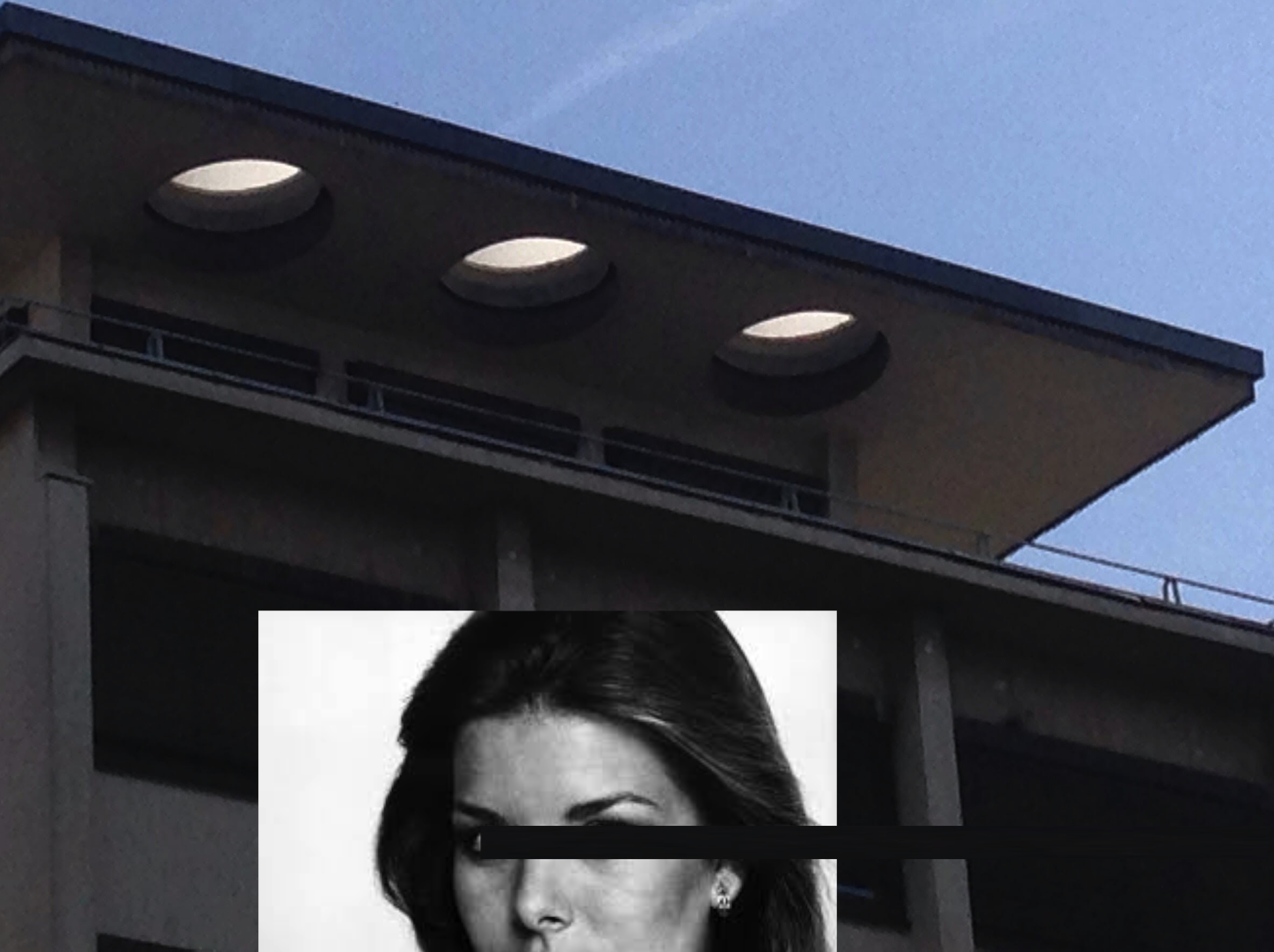
“Monte Carlo”: the words conjure images of Grand Hotels, fairy-tale princesses, James Bond, casinos where only louche billionaires dare enter, obscene yachts, and Formula One cars that run on chilled champagne.
That vision of Monte Carlo is strictly PR, as in PRincipality.
Behold the reality behind the glittering facade, the ugly truth about what vast riches look like in the nude.

The University of Monaco, where illegal alien workers force expanded corks back into champagne bottles re-filled with bargain-brand ginger ale.

The Ministry of Epicure, where spilled crude oil recovered from tanker leaks off the Côte d’Azur is emulsified with potato starch to make “caviar”.

The House of Pain, where native girls are stretched and chiseled into Supermodel genetic mutants.

Captain Cousteau’s Wax Museum, where obsolete Hollywood stars are immortalized by lethal silicone injection.

The Eveningwear Dungeon, where parking violation scofflaws (Rolls Royce, Ferrari) recycle garbage bags into tuxedoes and cocktail dresses.

The barracks where tax refugees who’ve requested citizenship must spend their first months in-country. They learn the hard way that revealing State secrets is a big mistake.
***
Cartolina da Monte Carlo

Monte Carlo: il nome suscita immagini di Grand Hotel, principesse da fiaba, James Bond, casinò in cui osano avventurarsi solo loschi miliardari, osceni yacht e bolidi Formula Uno che corrono a champagne ghiacciato.
Quella Monte Carlo lì è solo PR, come PRincipalità.
Date un’occhiata alla sordida realtà che si nasconde dietro la scintillante facciata. La ricchezza messa a nudo è mostruosa.

L’università di Monaco, dove immigrati clandestini rimettono tappi già espansi dentro bottiglie di champagne riempite di gazzosa no-logo.

Il Tempio di Epicuro, dove petrolio grezzo sbrodolato da petroliere al largo della Costa Azzurra viene mescolato con fecola di patate per sofisticare il “caviale”.

La Casa del Dolore, dove autoctone normali vengono mutate con la forza in supermodelle.

Il Museo delle Cere del Capitano Cousteau, dove vecchie stelle di Hollywood vengono immortalate con iniezioni letali di silicone.

La prigione della moda, dove sacchi dell’immondizia vengono riciclati in frak e gonnelline cocktail da carcerati accumulatori di multe sulle Ferrari e Rolls-Royce.

I rifugiati fiscali richiedenti cittadinanza del “paradiso” passano i primi mesi di residenza in questa caserma. Imparano nel più duro dei modi che rivelare segreti di Stato porta solo dolori.
The Good Salesperson
Mr Kevin opens his Salon de Beauty punctually at ten. His morning ritual is coffee from the gleaming machine and the latest fashion glossies. Usually he has a few hours to look at pictures and dream. Glamour patients only start to appear towards lunchtime.
That morning was different. An imposing figure loomed before the glass door that leads into fabulous hair days, and tapped a pointy toe to mark wasted time.

The clock over the reception counter across the Kranepool’s lobby said, ten-oh-two.
“Sorry,” Mr Kevin said, over the jingle of keys. “Car trouble.” This was a lie. Mr Kevin is a public transportation customer.
The person by the door hefted a black steamer trunk and followed him into the Salon de Beauty.

“I’m here to show you The Line.” The person, who apparently was a salesperson and not a customer in need of a style-out, had a husky voice. “And to distribute free samples for professional trial.”
“Oh lucky, lucky me.” Mr Kevin turned on the shop’s sound system, and tuned the receiver to a popular New Age station.

“Please take a seat,” the salesperson said, and patted a padded swivel-throne. “Today, you will be the beauty client, and I shall be the hairdresser with massage skills.”
Mr Kevin experienced a nameless dread. What if the muscular salesperson wasn’t a salesperson at all, but a hit-person from a rival salon? ‘Perhaps that creep Mister Andy...’
The salesperson, or whatever the person was, packed heavy animal magnetism. Mr Kevin felt he had no choice but to take the seat of enhanced appearance.

The salesperson opened the coffin-like valise and pulled various bottles and tubes from its fastnesses. ‘Omigod.’ Mr Kevin thought. ‘Here it comes. Extreme unction.’
“This goop here really brings the tendrils back to life.” The salesperson squirted a copious load onto Mr Kevin’s head.
The power of those arms, the grip of those hands, was supernatural.
Mr Kevin felt himself spirited away.

When the sales pitch concluded, Mr Kevin placed a large order for hair-care products and essential oils.
The salesperson thanked him, and handed over a business card.
Mr Kevin glanced at it later in the day. “Also available for escort/bodyguard.”

***
Rappresentanza ambulante
Mister Kevin, parrucchiere presso Hotel Kranepool, apre il Salon de Beauty puntualmente alle dieci del mattino. Ha un suo rituale: la macchinetta del caffè, le nuove riviste di moda. Di solito ha qualche ora per guardare foto e sognare. I clienti in cerca di glamour arrivano solo verso l’ora del pranzo.
Quel mattino era diverso. Una figura imponente incombeva alla porta di vetro, scandendo il tempo perso con un tacco alto.

L’orologio sopra il banco della reception diceva, “Sono le dieci e due.”
“Chiedo venia,” disse Mister Kevin, facendo tintinnare delle chiavi. “Problemi di automobile.” Mentiva. Mister Kevin è fautore del trasporto pubblico.
La persona alla porta issò un baule nero e lo seguì dentro il Salon de Beauty.
“Sono qui per mostrarti i nostri prodotti.” La persona quindi non era venuta in cerca di bellezza, ma per vendere. Aveva la voce roca. “Ho dei campioni interessanti da regalare.”
“Oh, me fortunato.”
Mister Kevin accese la radio.

“Prego, si accomodi,” disse la persona, mettendo mano a una delle poltrone girevoli. “Oggi il cliente sarà lei. Le dimostrerò le ultime tecniche di massaggio.”
Mister Kevin ebbe un brivido freddo. Forse la persona muscolosa non era venuta per promuovere prodotti per estetisti, ma per freddarne uno, mandato da un parrucchiere rivale. “Forse quella carogna di Mister Andy...” Ma la persona, chiunque fosse, disponeva di un forte fascino. Mister Kevin sentiva di non avere scelta. Si sedette.

La persona aprì il baule nero e ne tirò fuori svariate bottigliette e tubi. “Oddio.” Mister Kevin era sull’orlo del panico. “Ora mi darà l’estrema unzione.”
“Questa roba qui riporta a vita i follicoli,” disse la persona, e gliene schizzò una quantità oscena sul cuoio capelluto.
La forza di quelle braccia, la presa di quelle mani, era sovrannaturale.
Mister Kevin si sentì venir meno.

Quando la dimostrazione giunse al termine, Mister Kevin ordinò abbondantemente dei prodotti che gli erano stati applicati.
La persona rappresentante lo ringraziò, e gli porse il biglietto da visita.
Mister Kevin lo riguardò meglio verso la fine della giornata. “Disponibile anche come escort/guardia del corpo.”

The RK
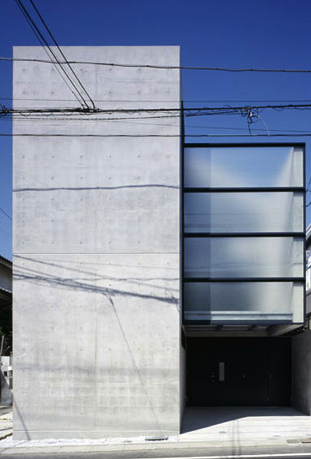
Located in a back-alley of downtown Nagoya, the RK is a top-secret non-destination for an exclusive crowd of non-guests.

Designed by an anonymous but incredibly famous non-architect fashion designer, the RK doesn’t accept reservations.
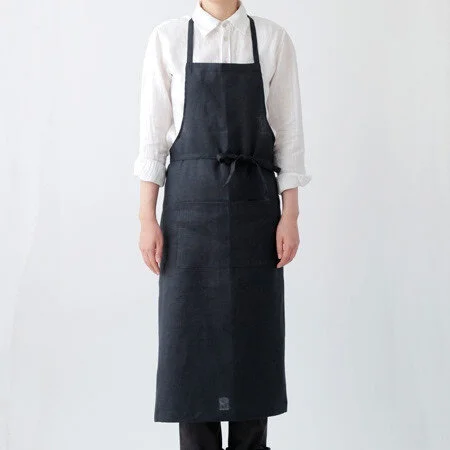
The hotel is fully staffed, except for a receptionist. There has never been, nor will there ever be, a receptionist at the RK.
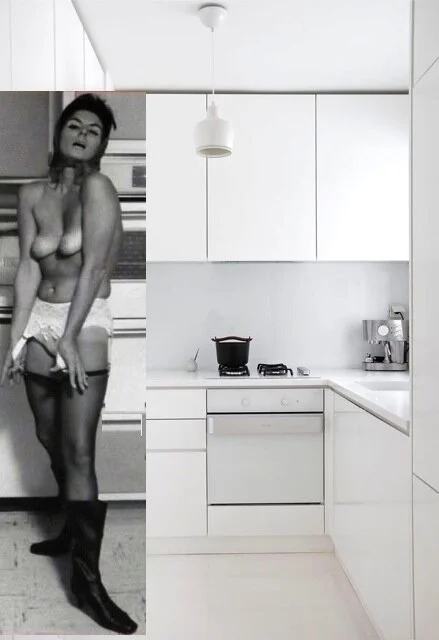
The coffee machines in the kitchen have never oozed the black stimulant. (Note: the “guest” in this image is a cardboard cut-out)
The shoeshine machines in the hallways are always on. They hum softly.

The mirrored elevators have never borne passengers, nor unaccompanied luggage.

The closets at RK are empty. They must remain so forever.
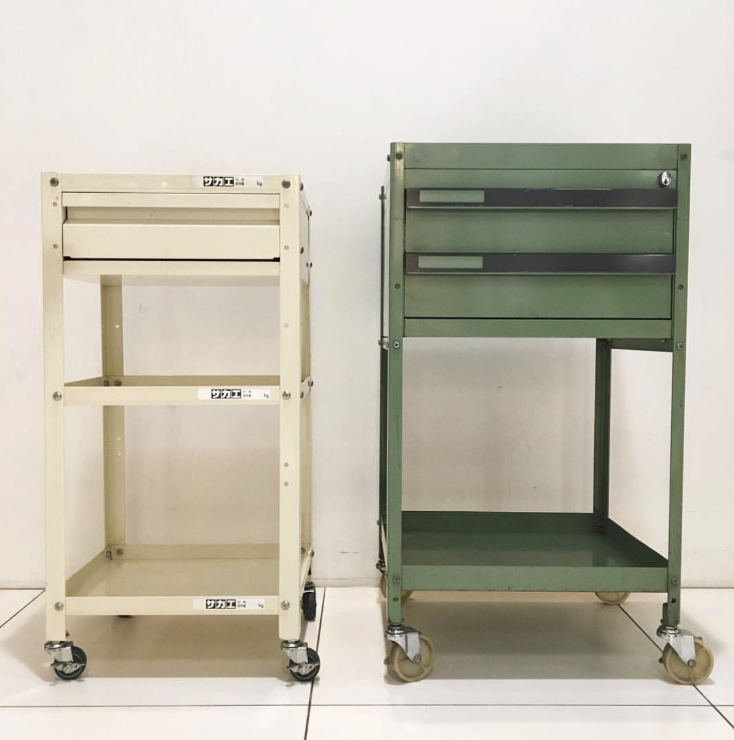
The room service equipment has never been used, but it’s there.
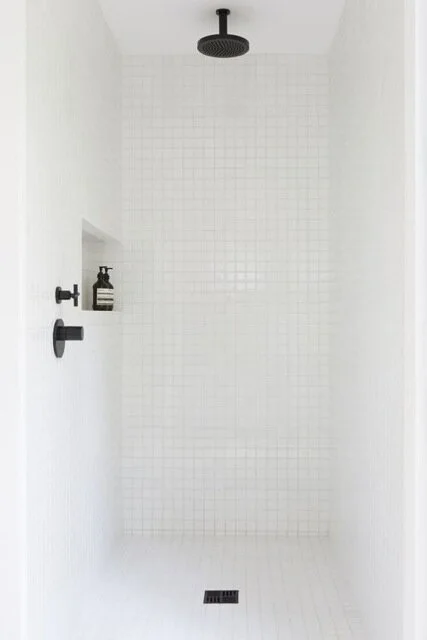
There’s hot and cold running water everywhere, in RK. But not a drop has ever flowed.

There are no TVs in the rooms, or in the lobby. The armchairs and sofas of the ground floor’s “public areas” are slavishly faithful reproductions of pieces designed by Carlo Mollino.

Anything leather in the hotel is stingray. That’s the only skin in the RK.

No business meetings have ever been conducted in the RK Conference Room.

You can’t come in for a look. Nobody can.
The only way to enter the RK is through Hotel Kranepool.
***
Hotel RK

Sito in un vicolo nel centro di Nagoya, l’Hotel RK è una non-destinazione ultra-segreta per una esclusiva casta di non-ospiti.

Concepito da una celebre stilista non-architetta , RK non accetta prenotazioni.
Il personale dell’albergo non include la reception. Non c’è e non ci sarà mai nessuno alla reception di RK.

Le macchine del caffè nell’antisettica cucina non hanno mai secreto lo stimolante nero. (Nota: la modella nella foto non è che una immagine stampata su cartone)

Gli ascensori specchiati non hanno mai portato passeggeri, né bagagli.
Le macchine lustrascarpe nei corridoi sono in moto perpetuo. Ronzano sommesse.
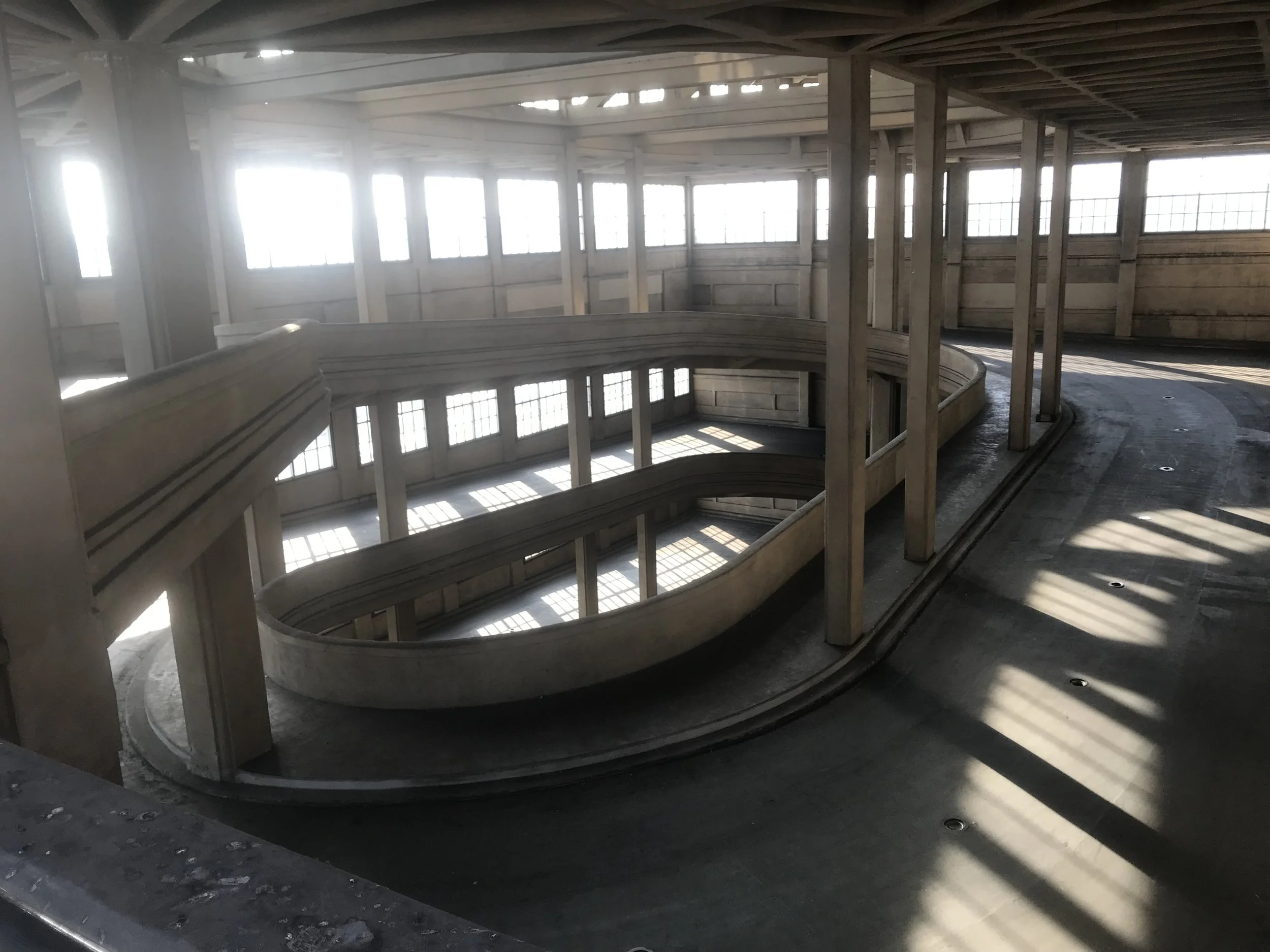
Il servizio in camera c’è, ma non è mai stato effetuato.
Gli armadi di RK, seppure vasti, sono vuoti. E così devono restare.

Non vi sono televisori nelle stanze, né nella hall. Le poltrone e i sofà a pianterreno sono riproduzioni di mobili progettati da Carlo Mollino.

Tutti gli oggetti in albergo ricoperti di pelle sono ricoperti di pelle di razza. È l’unica pelle in vista, a RK.
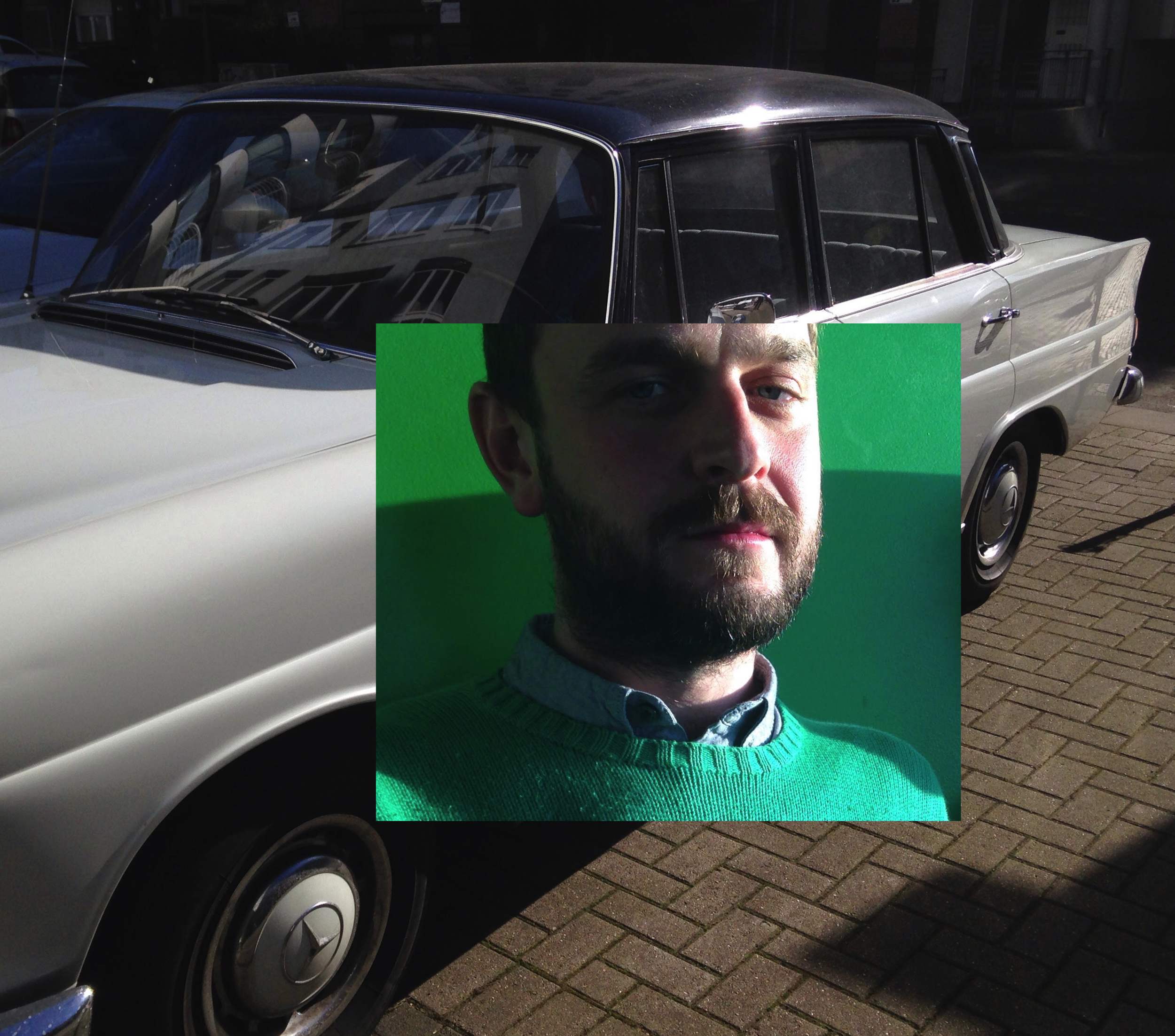
Non si è mai tenuta una riunione nella Sala Conferenze RK.

Non puoi entrare per dare un’occhiata. Nessuno può.
L’unico modo per accedere a RK è attraverso Hotel Kranepool.
Guest Artist Christoph Westermeier: My Life in Hotels

Hotel Kranepool: When was your nostalgic obsession born?
Christoph Westermeier: At the same time I was. My family owned a hotel in a city on the Rhine. We all worked, but since I was the youngest, my job was to sit in the lobby and look at magazines, or out the window. People who went by who are now dead. Boats floated past that sunk or were tugged off to India to be scrapped. I observed that the world beyond the hotel’s windows was made of shadows and time, the way molecules are made of atoms in constant motion. One day my mother brought me to a shop in town and bought me a blue work-smock and a professional feather-duster. When we got back to the Hotel zur Taube, she put me in charge of the paintings on the walls and the antiques in the lobby. I realized I was an artist after the first few hours on the job.
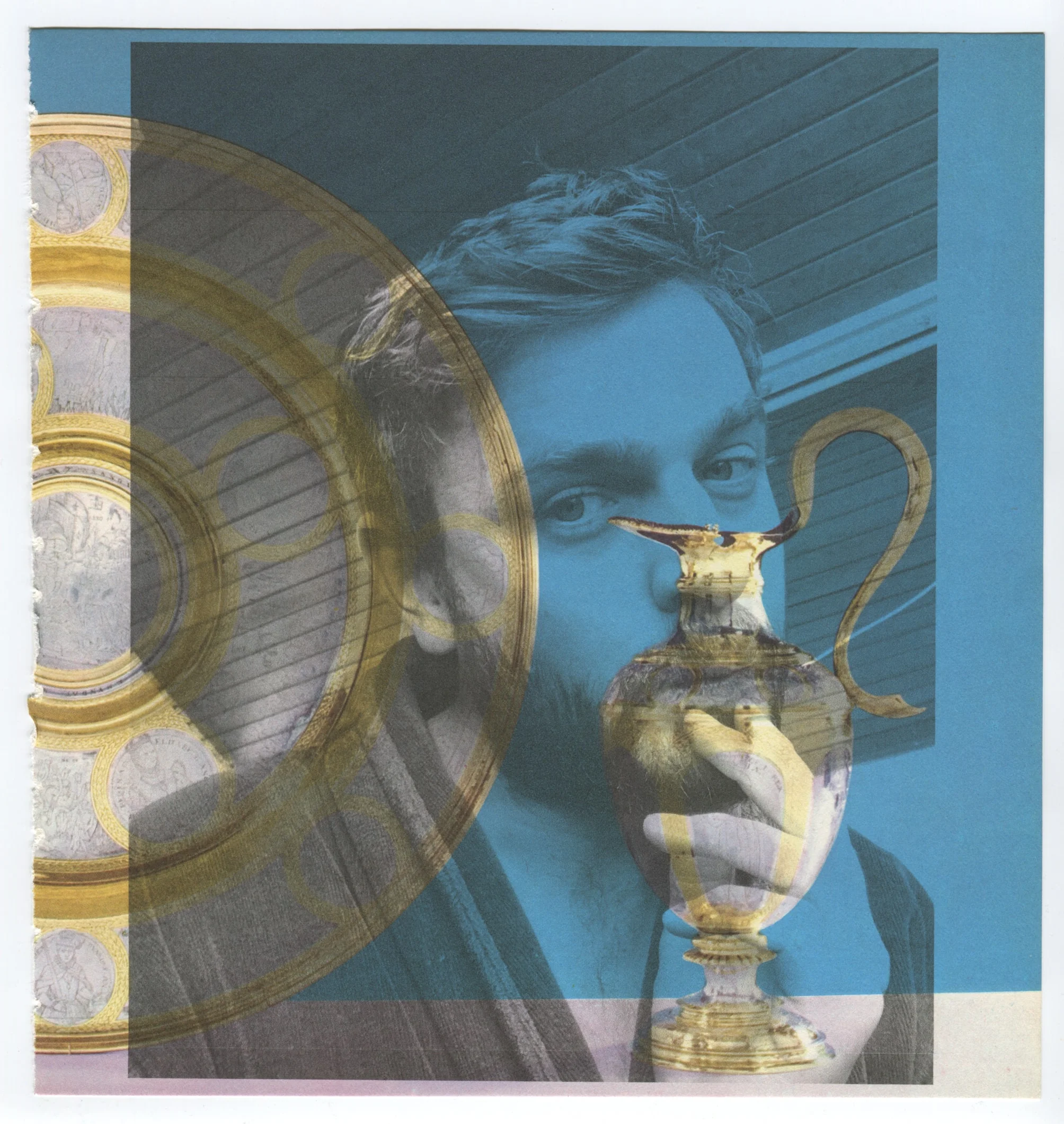
Hotel Kranepool: Didn’t you have to rise through the usual hotel ranks of breakfast, bar, restaurant, reception?
Christoph Westermeier: Of course, but I was working as an artist at that point. Laundry, business with suppliers and services, maintenance and Public Relations were my Academy. I bought my first Leica in high school, and always wore it under my work-clothes. I shot the play of light on the hotel’s interiors, the guests (if they gave permission, or sometimes even if they didn’t), the rooms as they looked before the guests arrived, and when they left.

Hotel Kranepool: Do you miss the hotel world, now that you’re a citizen of the art world?
Christoph Westermeier: What’s the difference?
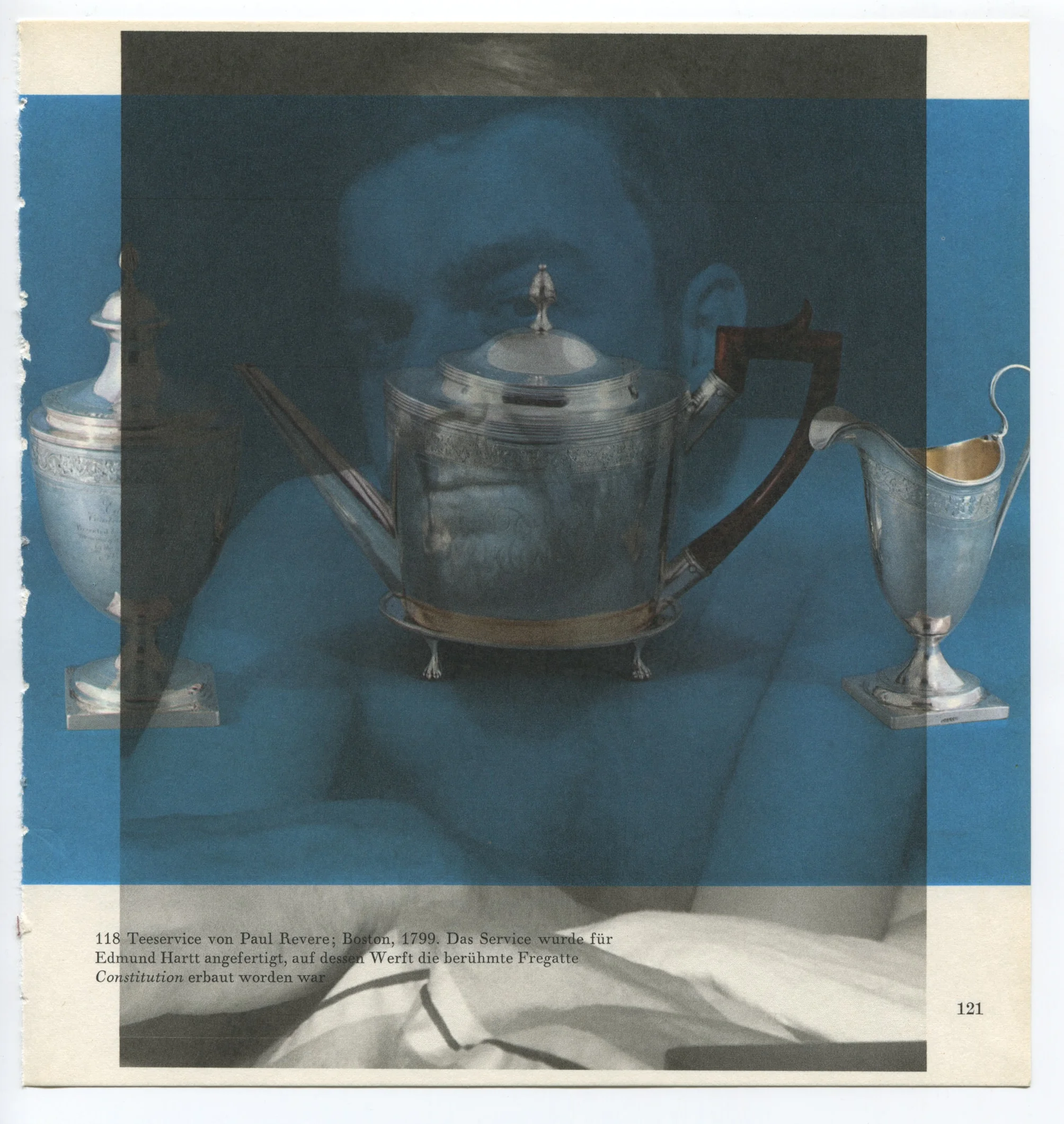
Hotel Kranepool: Do you prefer to show your work in art galleries, or in hotel rooms and lobbies?
Christoph Westermeier: Again: what’s the difference? I travel a lot. I’m on the other side of the hotel world mirror now. You can swing deals with enlightened hotel managers and night porters. You display my distressed unframed photographs, I’ll take this porcelain figurine. I’ve amassed quite a collection. I’m obsessed with things other guests leave behind. Those objects are a work-in-progress that’s been in progress since I was a hotel child. Everything I see, everything I touch, everything I take and leave behind is a part of it.
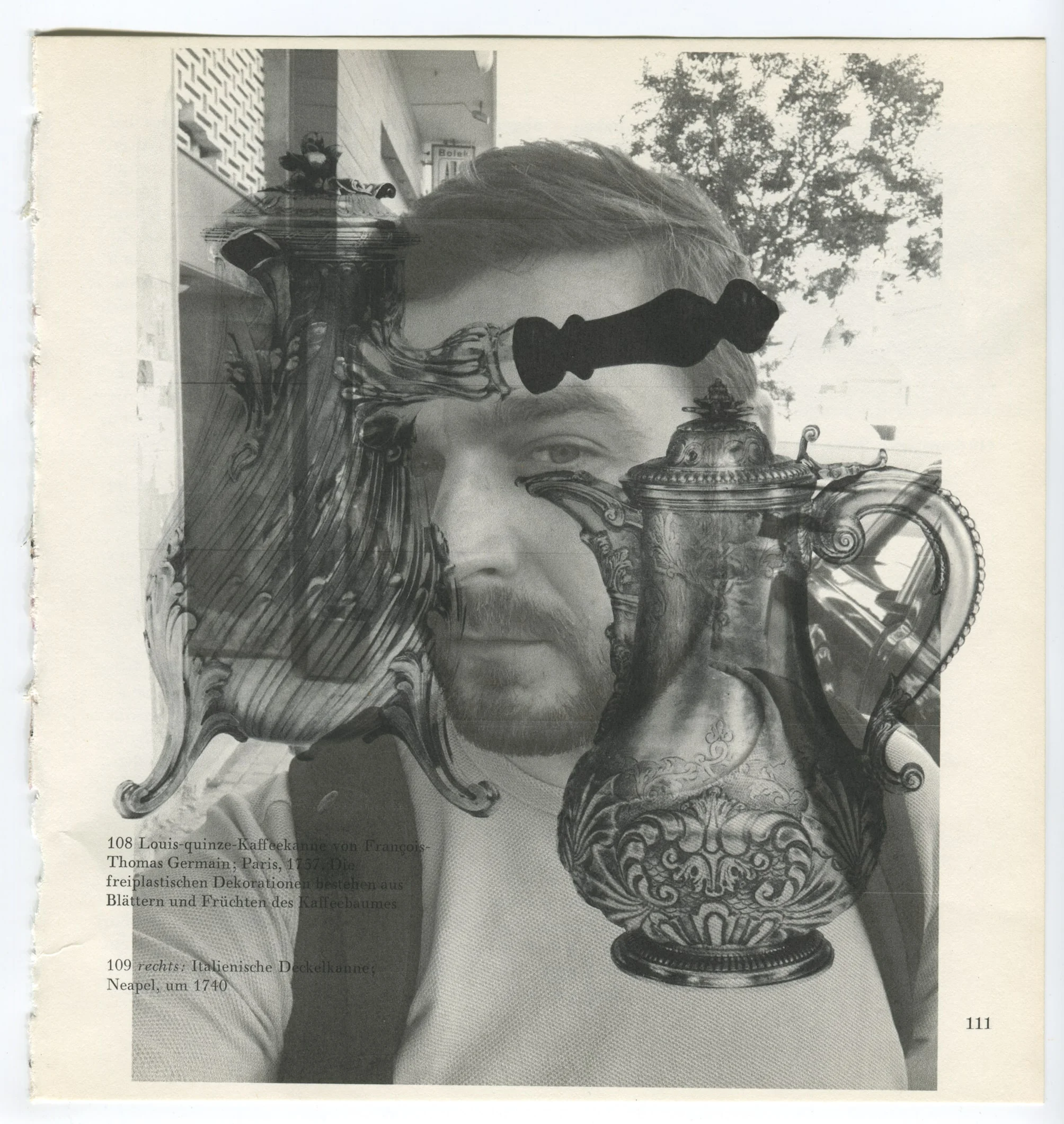
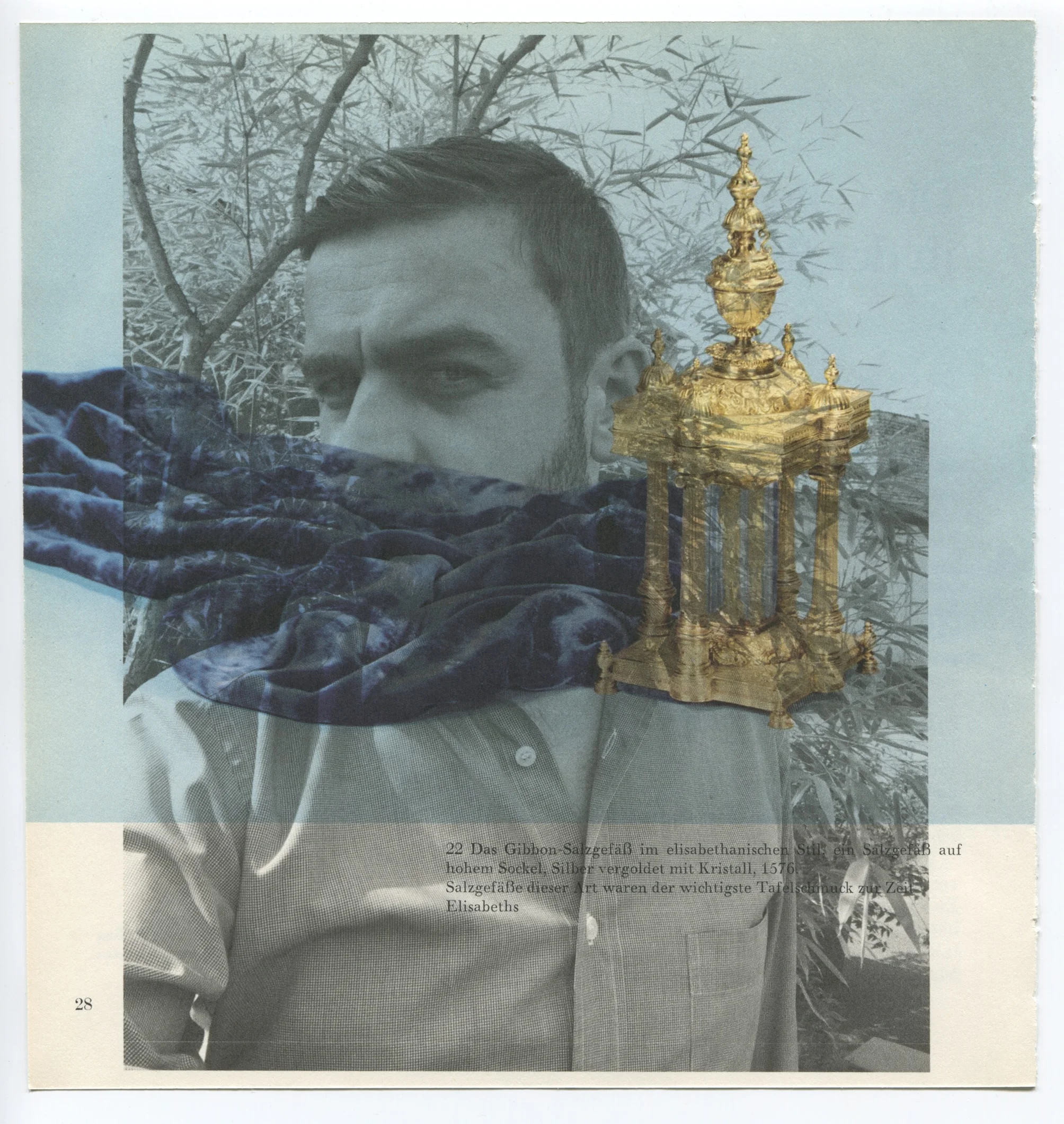
Hotel Kranepool: What happened to the hotel where you were born and grew up?
Christoph Westermeier: Unfortunately, it was demolished. There’s a much bigger hotel on the site now. Mirrored glass windows, neon sign, guidebook stickers on the door, a website. A monster.
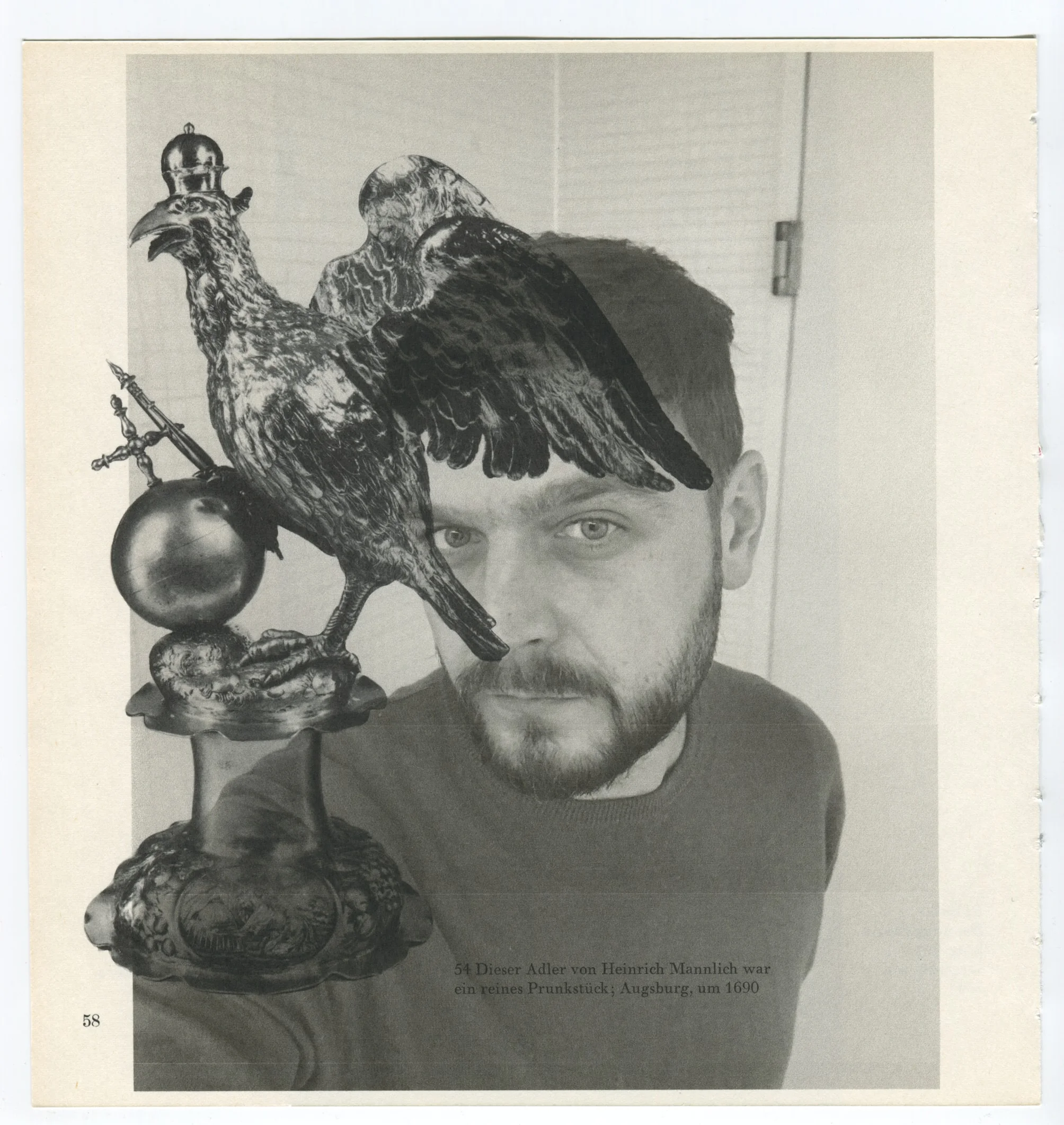
***
Guest Artist Christoph Westermeier: Una vita d’arte in albergo
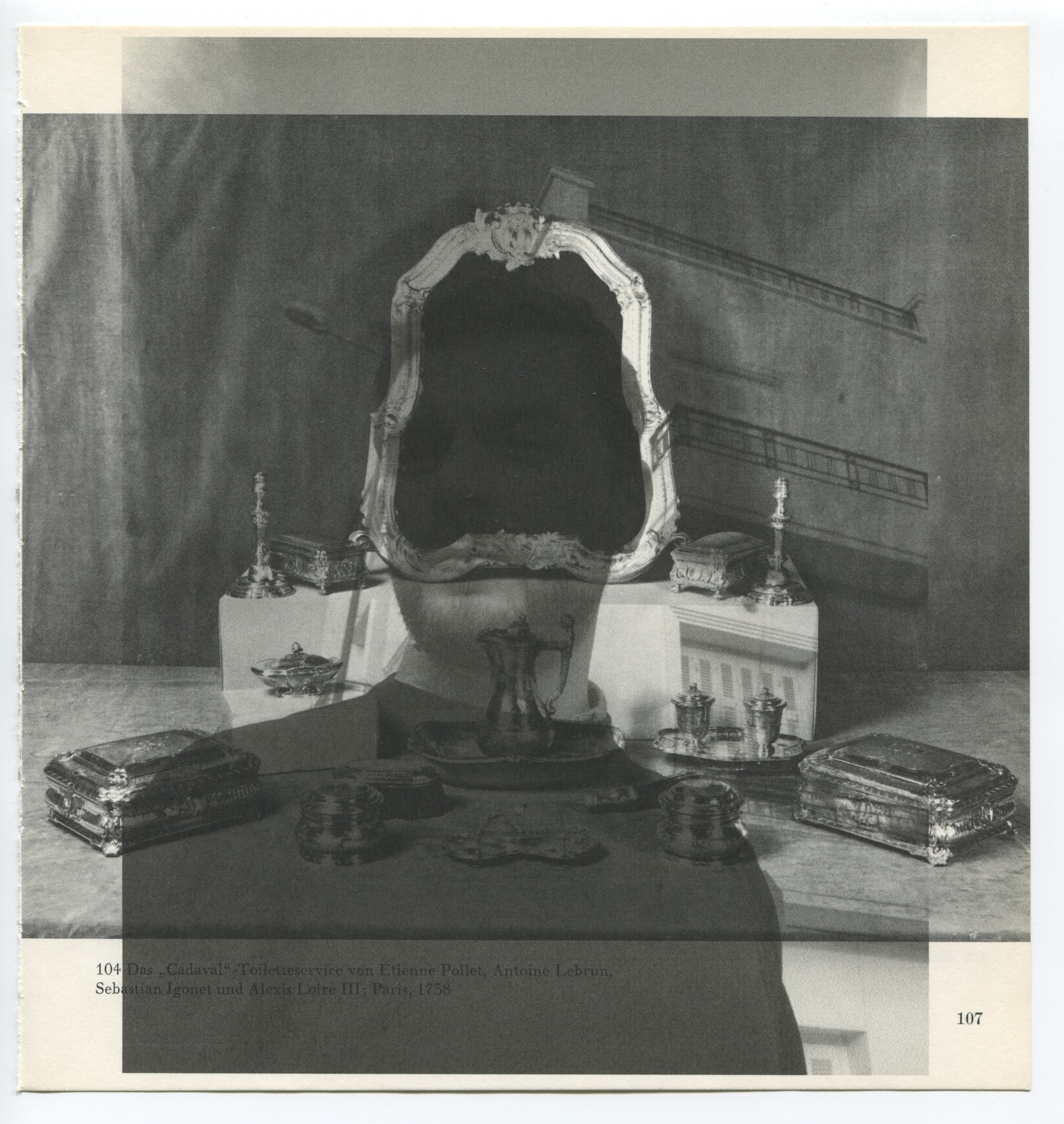
Hotel Kranepool: Quando nacque la tua nostalgica ossessione?
Christoph Westermeier: Quando sono nato io. La mia famiglia aveva un albergo nel centro di una città sul Reno. Lavoravamo tutti, ma visto che ero il più piccolo, il mio lavoro era di sedere nella hall a leggere riviste e guardare dalle finestre. Ai passanti che ora sono morti. Alle navi che affondarono o che vennero portati in India per la rottamazione. Mi resi conto che il mondo oltre le finestre dell’hotel era fatto di ombre e tempo, come le molecole sono composte da atomi dagli elettroni vorticanti. Poi un giorno mia madre mi portò a un negozio dove mi confezionarono il primo grembiule blu da lavoro. Mi comprò anche uno spolverino di piume. Quando tornammo in albergo mi incaricò di spolverare i quadri alle pareti e le antichità nella hall. Mi resi conto di essere artista dopo poche ore al lavoro.


Hotel Kranepool: Ma non hai dovuto fare la solita gavetta colazione-bar-ristorante-reception?
Christoph Westermeier: Naturalmente, ma a quel punto lavoravo da artista. Lavanderia, trattative coi fornitori, manutenzione e pubbliche relazioni furono la mia Accademia. Comprai la prima Leica al liceo, e l’avevo sempre con me sotto gli abiti da lavoro. Scattavo il gioco di luce sugli interni dell’hotel, gli ospiti (se mi davano il permesso, o a volte anche senza), le stanze prima che arrivassero gli ospiti e dopo che erano partiti.


Hotel Kranepool: Hai nostalgia del mondo alberghiero, ora che fai parte del mondo dell’arte?
Christoph Westermeier: Qual’è la differenza?

Hotel Kranepool: Preferisci esporre in gallerie d’arte, o in stanze e hall d’albergo?
Christoph Westermeier: Ripeto: che differenza c’è? Viaggio tanto. Ora mi trovo dall’altra parte dello specchio alberghiero. È possibile trattare con manager e portieri illuminati. Potete esibire le mie foto e io mi prendo questa sculturina di porcellana. Ho ammucchiato una bella collezione. Sono ossessionato dalle cose che lasciano gli ospiti d’albergo . Fanno parte di un’opera che è in corso da quando ero un bambino d’albergo. Tutto ciò che vedo, tutto ciò che tocco, tutto ciò che prendo e lascio indietro ne fa parte.
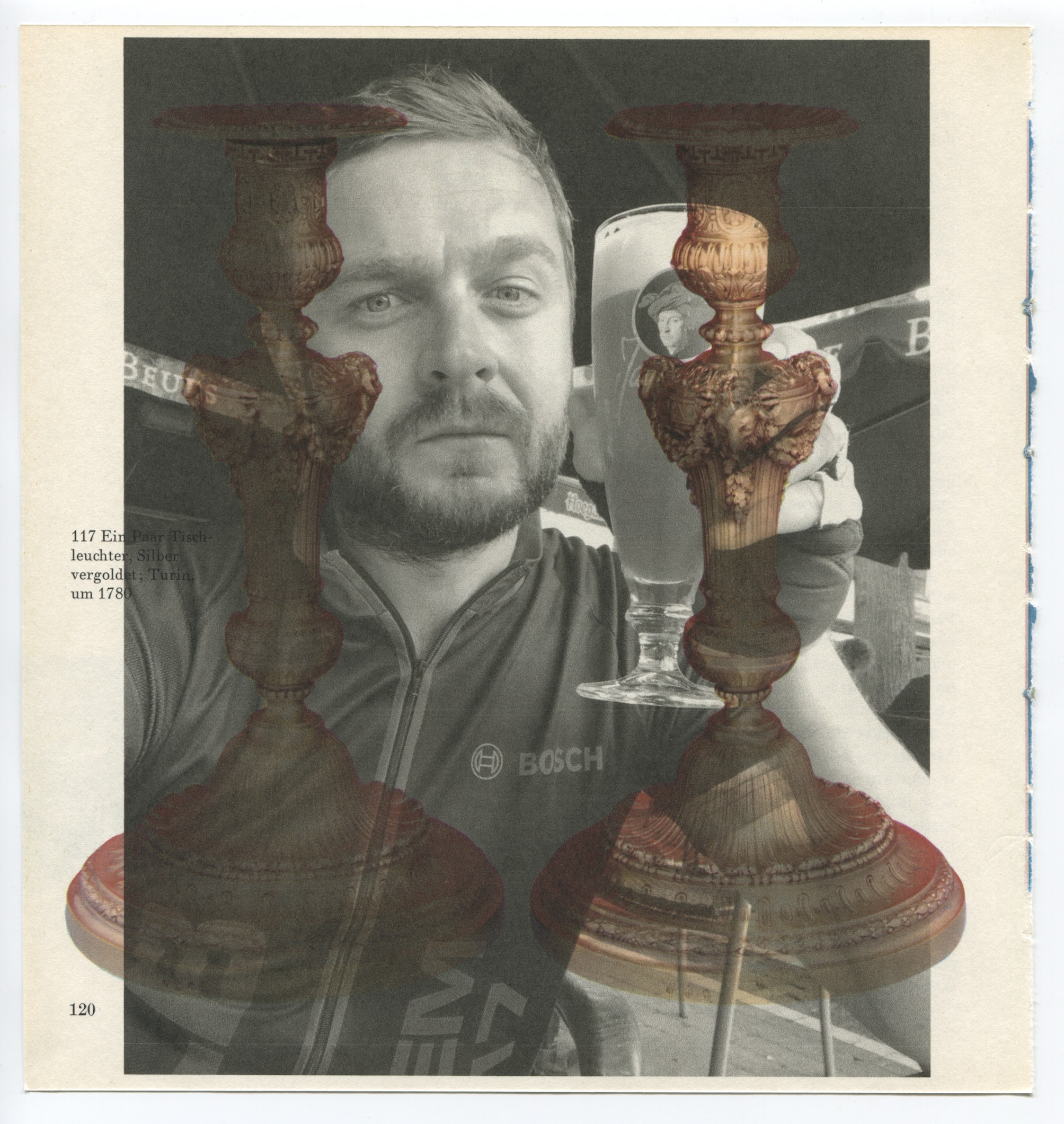
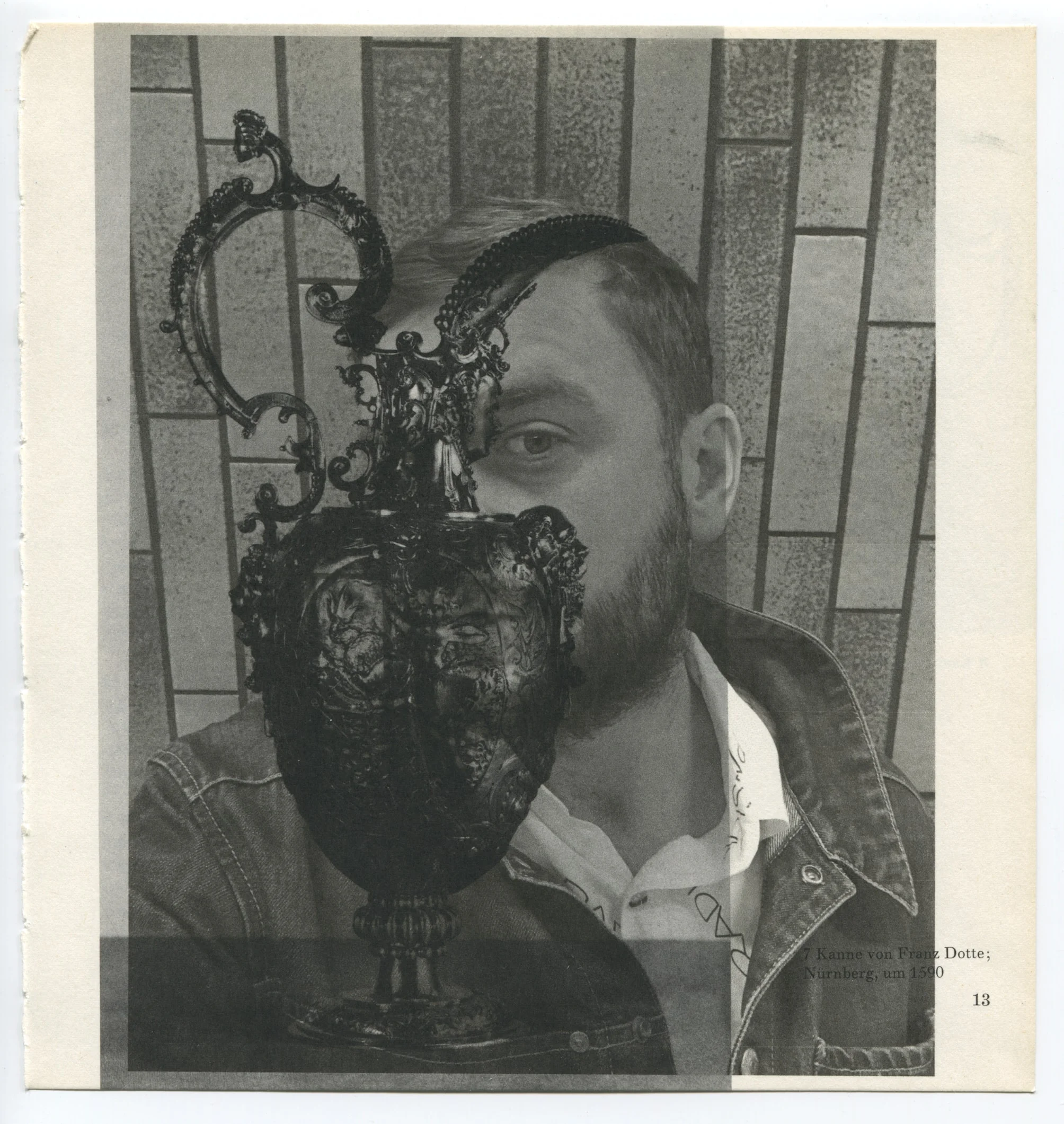
Hotel Kranepool: Cosa ne è stato dell’hotel dove sei nato e cresciuto?
Christoph Westermeier: Sfortunatamente è stato demolito. Ora c’è un albergo molto più grande. Vetri specchiati, insegne al neon, decalcomanie delle varie guide alla porta d’ingresso, un sito Internet. Un vero mostro.


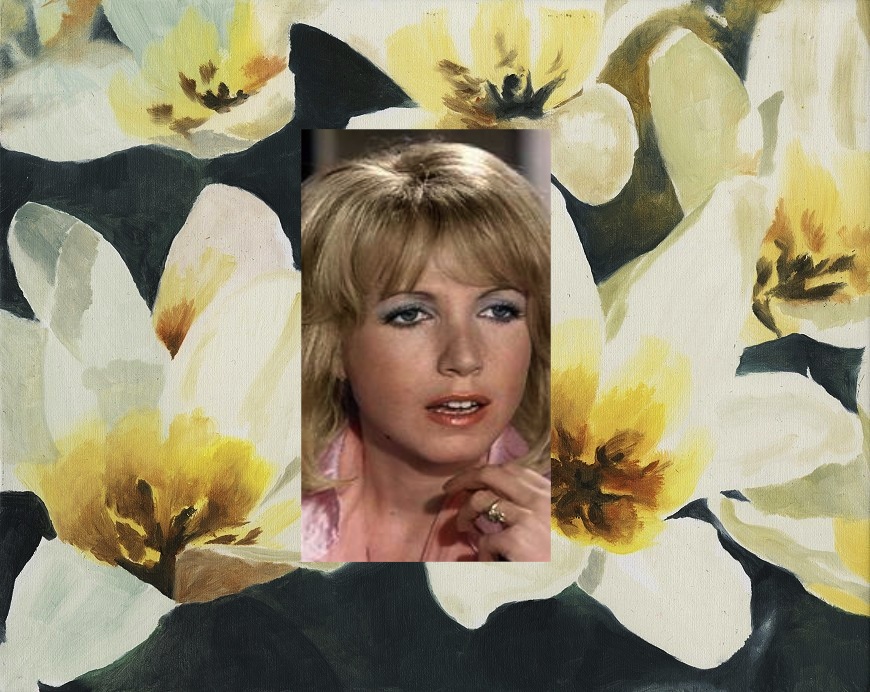
Hotel Goddess Bulle Ogier
A friend writes from London:
My uncle Nigel was one of those people who compulsively collect and accumulate things. When he passed away, my husband and I had to go clean out his bed-sit(*).

Uncle Nigel worked in hotels all his life. He started off as a bellboy and rose to the exalted rank of boot-black(**). Or perhaps it was a demotion. In any case, he remained in that position for the rest of his working life: on a little stool, hunched over endless pairs of the guests’ shoes, in a fury with a handbrush. When he was done, he worked up a luster with a soft rag.

We found mounds of stained flannels crushed into a corner of his “living” room.
It seemed as though he’d only worn one pair of shoes his entire adult life. He didn’t go for walks, didn’t like the country. He preferred hotel life to wildlife.
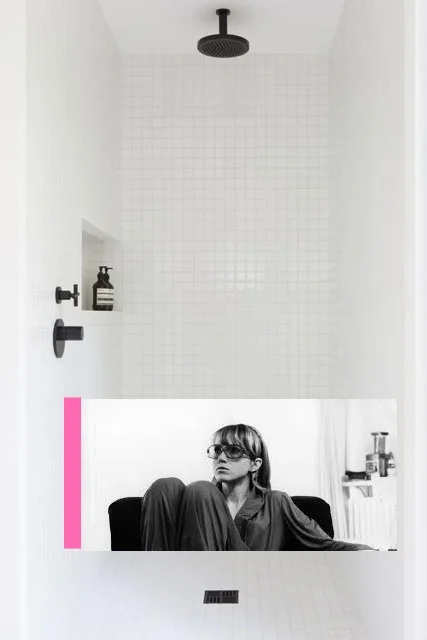
His closets were stuffed with sheets, pillowcases and towels from hotels that had gone out of business, all soiled. He slept on a gorilla’s nest made up of clothing left behind and forgotten by hotel guests throughout the decades.

In a corner of his “bed” room, we found a pile of black-and-white photographs of a beautiful woman. Some of them were autographed on the back, and one bore an inscription: “To dear Mr. Nigel—no one ever made my little shoes shine blacker! Love, (dark red kiss print) Bulle”.

After we’d made an unusually large deposit at the nearest tip(***), we brought the trove of glamour photographs home. We did a bit of research, and were surprised to find that my solitary relative had had a brush with a foreign film star.
So what? Exactly.
(*) depressing apartment
(**) shoeshine boy
(***) garbage dump

***
Dea d’albergo Bulle Ogier
Un’amica scrive da Londra:
Zio Nigel era tra quelle persone che accumulano ossessivamente roba. Quando morì, dovetti andare con mio marito a sgomberare la sua tana.
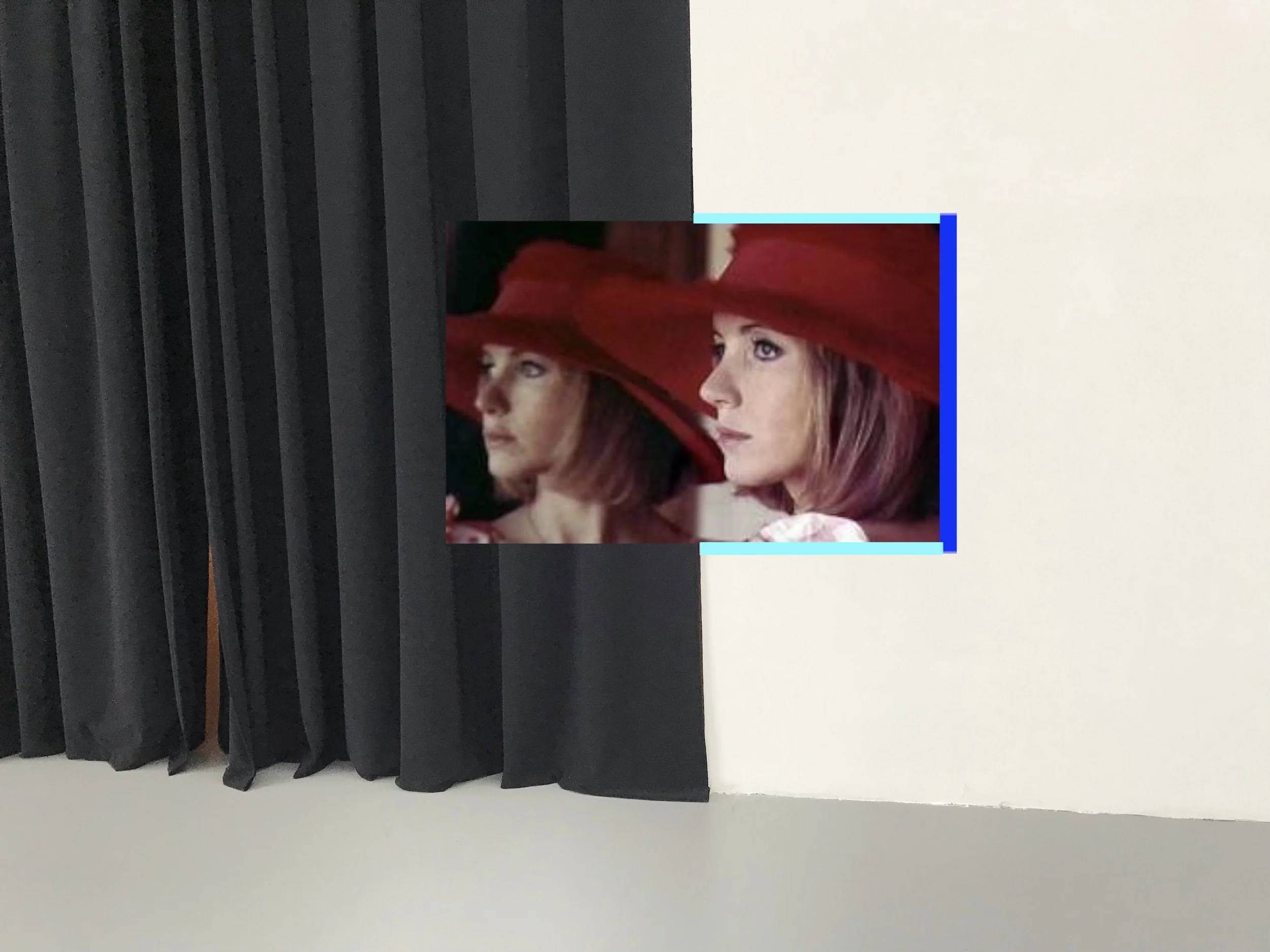
Zio Nigel ha sempre lavorato negli alberghi. Iniziò la carriera come facchino e venne promosso a lustrascarpe. Forse non era una promozione. In ogni caso, rimase in quella posizione per il resto della vita lavorativa: sul suo sgabello, curvo su infinite paia di scarpe degli ospiti, intento a spazzolare furiosamente. Quando finiva, ripassava con un cencio umido per esaltare il lustro.

Trovammo montagne di cenci pataccosi schiacciati in un angolo del “salotto”.
Sembrava che avesse portato un solo paio di scarpe per tutta la vita adulta. Non faceva passeggiate, non gli piaceva la campagna. Preferiva la vita in albergo alla natura.
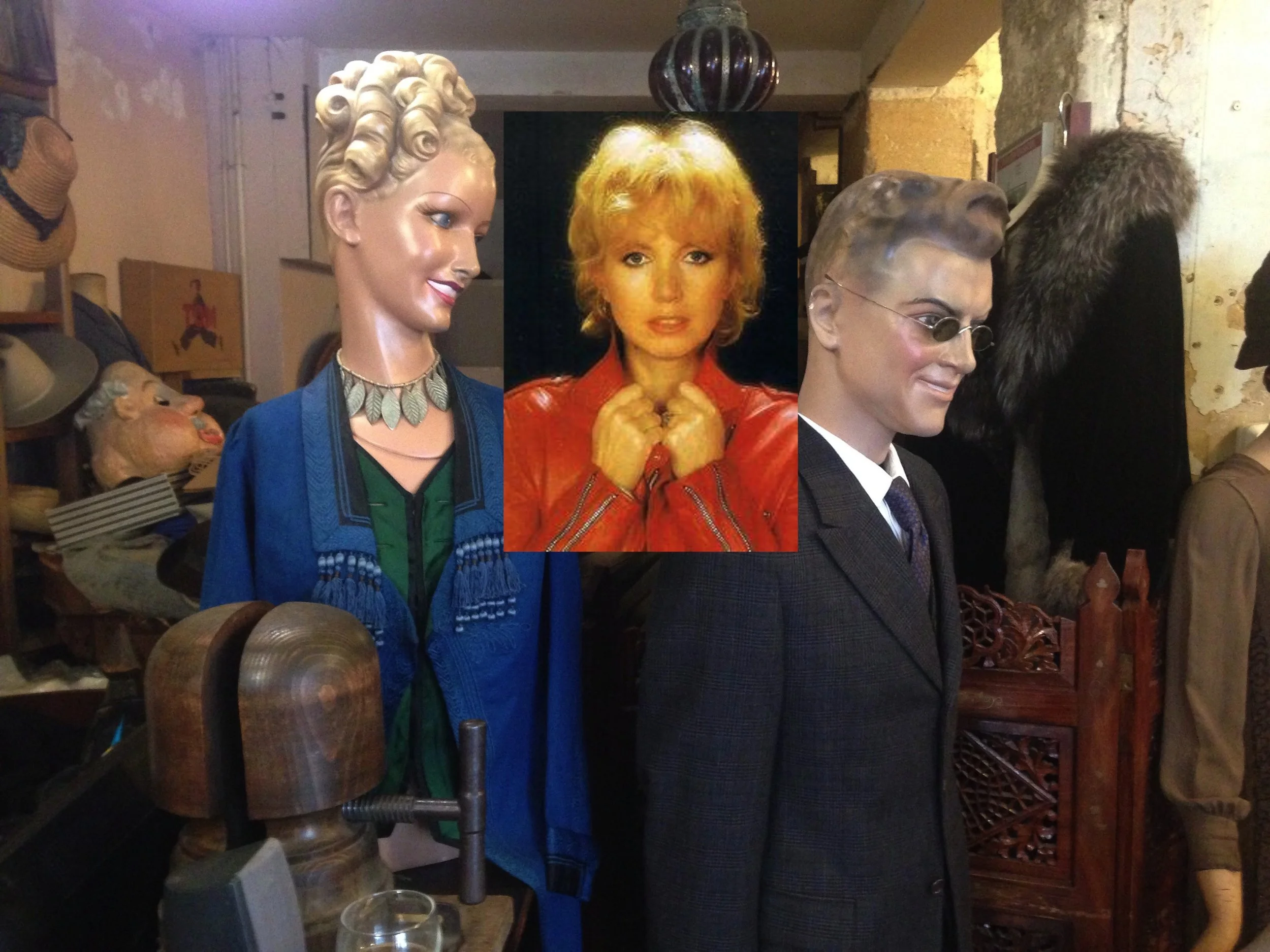
I suoi armadi, chiamiamoli così, erano zeppi di luride lenzuola, federe e asciugamani di alberghi falliti. Dormiva in un nido di gorilla fatto di indumenti dimenticati o abbandonati dagli ospiti di quegli alberghi morti.
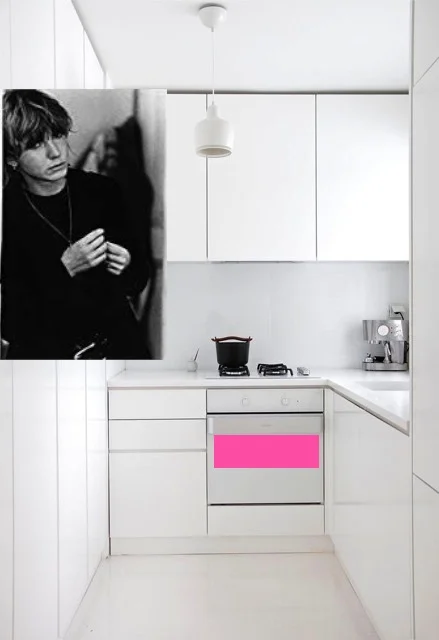
In un angolo della sua “camera da letto” trovammo svariate foto in bianco e nero di una bellissima donna. Alcune recavano l’autografo, una addirittura la dedica: “Al caro Mister Nigel—nessuno ha mai fatto brillare così tanto le mie scarpine nere!” C’era un’impronta di labbra col rossetto colore del sangue arteriale e di nuovo la firma, Bulle.

Dopo aver buttato tutto alla discarica più vicina, portammo a casa la misteriosa collezione di foto. Facemmo una breve ricerca, e fummo sorpresi di scoprire che la vita del bizzarro parente aveva incrociato quella di una straniera stella del cinema.
E con ciò? Niente.

The Unknown Black and White
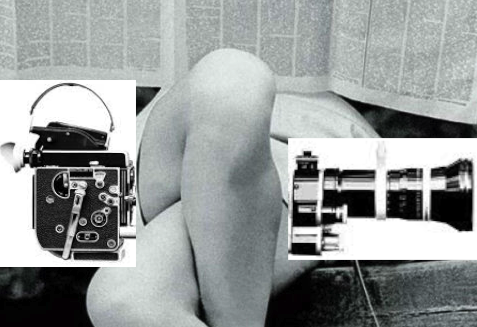
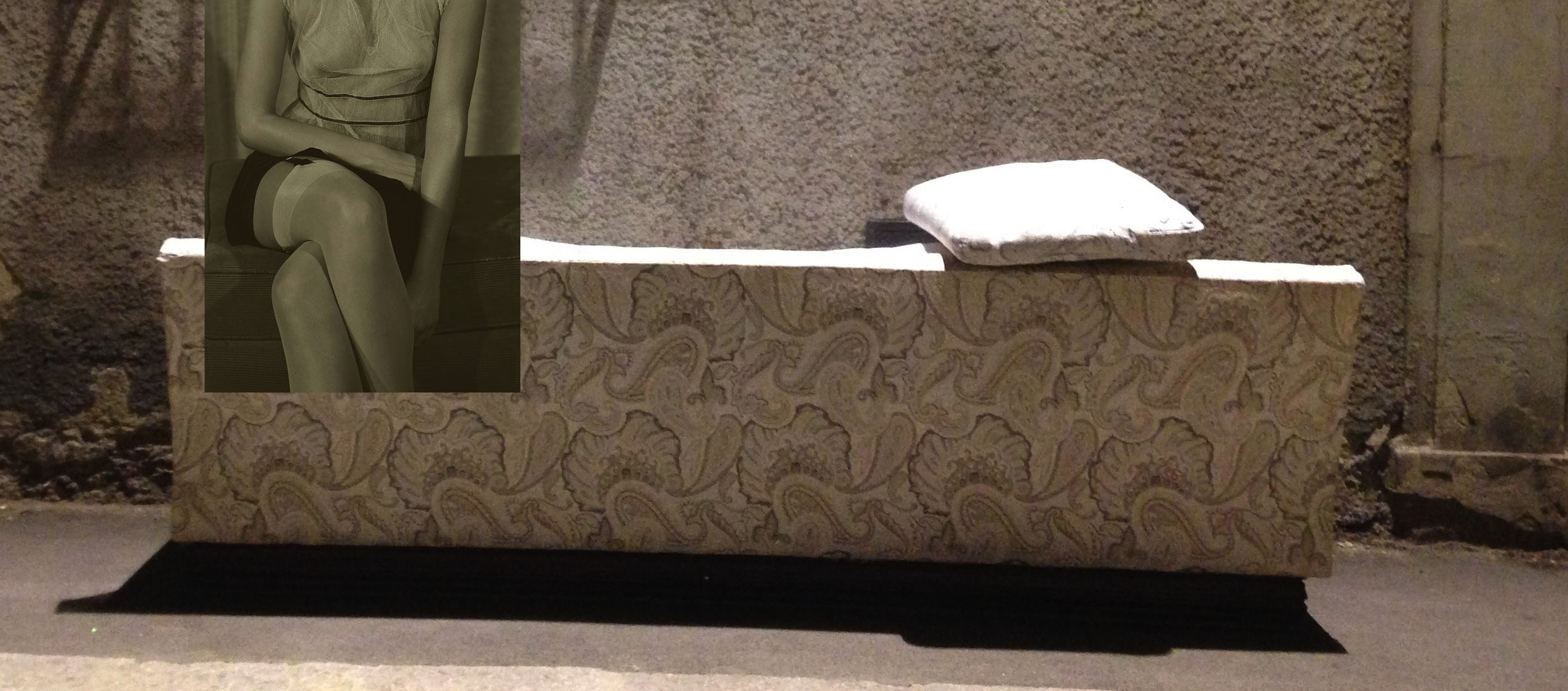
The Black and White Hotel is in Morocco, near an unidentified nude beach. The establishment was decorated (and exclusively documented for Hotel Kranepool) by an artist with a bi-tonal world-view. This person refuses to reveal his/her identity, or have her/his likeness reproduced for digital (or any other) media. She/he was, however, willing to discuss his/her work, and her/his affiliation with that other outpost of metaphysical hospitality.

Hotel Kranepool: Were you already in Morocco when the Black and White Hotel was established, or was it the other way around?
Unknown Black & White: The world was a swirl of gray smoke when the hotel appeared before me in all its chiaroscurian mystery. I’d been sleeping on park benches (there aren’t too many of them, in Morocco), under bridges (not many of those, either) and in makeshift tents until then. Without really looking, I’d been after a place to stay where I felt at home. The Manager, an enormous fellow in every sense of the word, extended a permanent invitation, as long as I made his place look the way he thought it ought.

Hotel Kranepool: Do you find hotels erotic?
Unknown Black & White: Only in my pictures. Often, I wander the lobby and the hallways until I bump into some guest or other. Conversations ensue, and close-up dances may ensue if the part-time Gnaoua in the lobby is in the mood to sing the Tuareg blues. Dancing can lead to trouble, so the Manager discourages the practice. At least outside the rooms. Guests can dance as much and as dirty as they like, as long as they close their doors and check out by eleven in the morning.

Hotel Kranepool: Are hotels male, or female?
Unknown Black & White: Uhm, that’s a “When did you stop beating your husband/wife?” question. Everyone knows that some hotels have the Y chromosome, while others are strictly double X, or if you’re lucky, XXX. What you’re really asking, I guess, is: which kind are you? What’s your preference? Lemme turn the question around. What’s the sex of Hotel Kranepool?

Hotel Kranepool: Management has a stock reply to such queries: None, and all. Did you grow up in a hotel?
Unknown Black & White: Any artist’s stock answer: who wants to grow up? I just want to create sexy black and white pictures.

Hotel Kranepool: Is anonymity a ploy to achieve art world fame?
Unknown Black & White: Of course.
***
Lo/la sconosciuta/o Black and White
L’Hotel Black and White è sito in Marocco, non lontano da una spiaggia naturista non identificata. Lo stabile è stato arredato e documentato da una persona con una visione limitata del mondo. L’artista si rifiuta di svelare la propria identità, o di far riprodurre la sua immagine sui digital o qualsivoglia mezzo d’informazione. Si è comunque gentilmente offerta/o di parlare del suo lavoro e della sua affiliazione con quell’altro avamposto di ospitalità metafisica.

Hotel Kranepool: Stavi già in Marocco quando fu fondato il Black and White Hotel, o è vero il contrario?
Unknown Black & White: Il mondo era uno svolazzo di fumo grigio quando l’hotel mi si materializzò davanti in tutto il suo misterioso chiaroscuro. Prima di allora dormivo sulle panchine dei parchi (non che ve ne siano molti, in Marocco, di parchi o panchine), sotto i ponti (pochi pure quelli) e in tende di recupero. Senza cercare, volevo trovare un posto dove mi sentissi a casa. Il manager, un tipo imponente in ogni senso della parola, mi invitò a installarmi a oltranza nel suo albergo, a patto che gli dessi l’aspetto che aveva nei suoi sogni.

Hotel Kranepool: Trovi erotici gli hotel?
Unknown Black & White: Solo nelle mie immagini. Spesso girovago per la hall e per i corridoi finché non mi imbatto in qualche ospite. Seguono delle conversazioni, e a volte ci si mette a ballare, specialmente se il Gnaoua residente è in vena di cantare il tuareg blues. Ballare può condurre a problemi, perciò la gestione lo vieta, perlomeno fuori dalle stanze. Gli ospiti possono ballare quanto, e quanto oscenamente vogliono. Basta che chiudano le porte, e che effettuino il check-out prima delle undici del mattino.
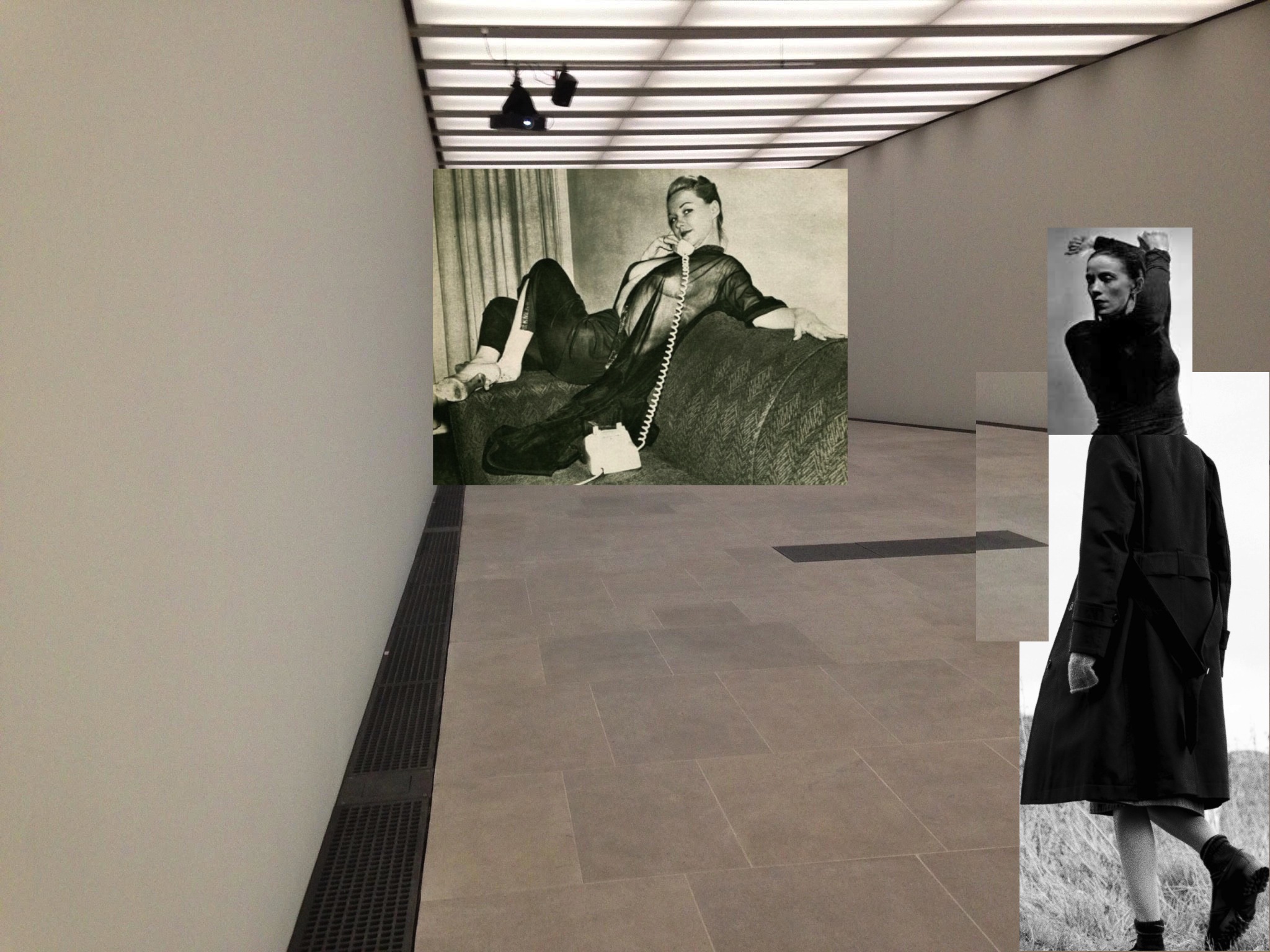
Hotel Kranepool: Gli alberghi sono maschili o femminili?
Unknown Black & White: Ehm, quella è una domanda del tipo, quando hai smesso di picchiare tua moglie/tuo marito. Come tutti sanno, alcuni hotel hanno il cromosoma Y, mentre altri sono puramente doppia X, oppure, se sei fortunato/a, XXX. Ciò che vuoi sapere, credo, è: di che genere sono io? Qual’è la mia preferenza? Rigiro la questione. Di che sesso è Hotel Kranepool?

Hotel Kranepool: La Gestione ha una risposta di riserva per tali domande: nessuno, e tutti. Lei è cresciuta/o in un hotel?
Unknown Black & White: La risposta di riserva di ogni artista: chi ha voglia di diventare adulti? Voglio solo creare immagini erotiche in bianco e nero.

Hotel Kranepool: L’anonimato è uno stratagemma per conquistare gloria nel mondo dell’arte?
Unknown Black & White: Naturalmente.

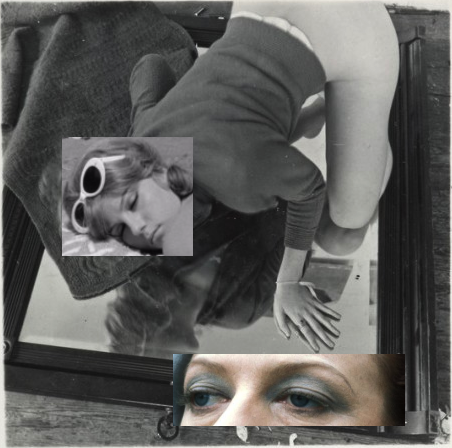
The Mirrors of Jena
A colleague writes from Germany:
Jena, deep in the heart of the former German Democratic Republic, is known for its production of glass, one of nature’s most useful gifts to mankind.
Aside from holding beer, glass is indispensable to precision photographic lenses, and enables us to reflect on who we are, or at least what we look like. Mirrored glass is made through the application of mercury, an element hazardous to our health.
Under certain conditions, mirrors become screens on which aspects of our previous lives are projected.
I was lucky enough to manage the Grand Hotel Jena for many years. To encourage the local trade, the lobby, hallways and rooms were thickly encrusted with mirrors of all shapes and sizes. Some of our honored guests were pleased to offer their reflections. It gives me great nostalgic joy to share them with Hotel Kranepool.
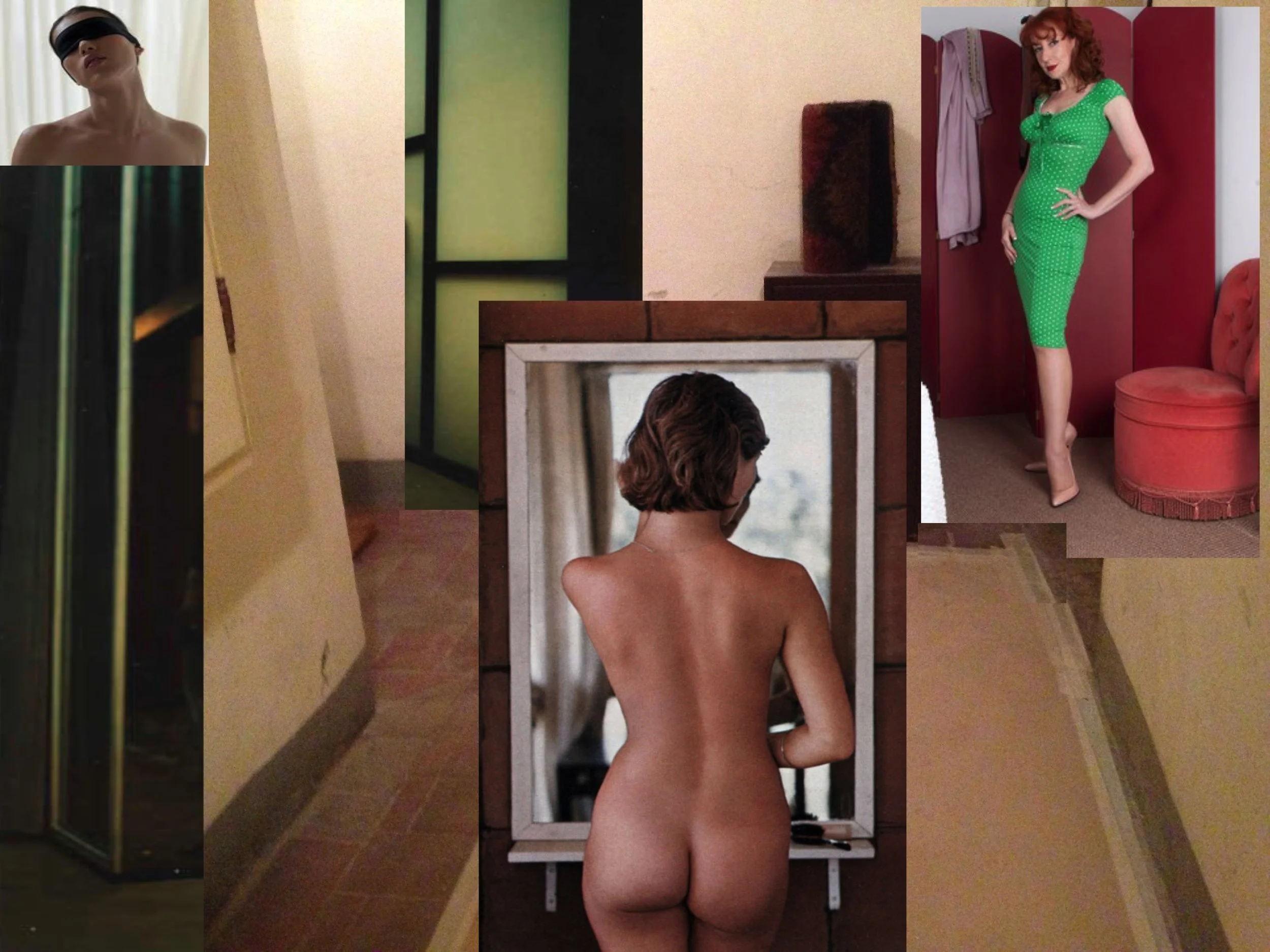
Duschka W., age 24, from Weimar (with two of her past-life alter-egos): “I come to Jena to take the waters. The shower rooms’ mirrors make me look slim and practically hairless.”

Trautwig H., age 32, from Rostock: “Yoga lessons at the Jena Grand are strenuous. I’m careful to warm up before a mirror, to ensure that my positions are correctly assumed.”

Buna K., age 27, from Potsdam: “My childhood dream was to be a go-go girl at the Volksbühne. That’s no longer possible. My fantasy career went off in another direction, but I can still shake it for myself in the closet.”

Gerda von R., age 25, from Hoyerswerda: “I learned Russian by mouthing words before a mirror. How I love to re-live this girlish experience.”

Frauke T., age 24, from Halle: “Following fashions from across the Magic Curtain (it was forbidden to call it the Iron Curtain) was never easy. Figuring out what to wear was like a séance.”

Verena S., age 31, from Wismar: “Whenever I look in a mirror, I get the feeling someone’s standing behind me and slightly off to my right or left. It’s disturbing, but I wouldn’t have it any other way.”
***
Gli specchi di Jena
Un collega scrive dalla Germania:
Jena, nel cuore dell’ex-Repubblica Democratica, è rinomata per la produzione del vetro, un utile dono della natura.
A parte contenere birra, il vetro è indispensabile nella manifattura degli obbiettivi fotografici. Il vetro ci fa riflettere su chi siamo, o perlomeno come sembriamo. Tramite l’applicazione del mercurio, un elemento dannoso alla salute, nel vetro ci possiamo anche specchiare.
In certe condizioni gli specchi diventano schermi sui quali vengono proiettati certi aspetti delle nostre precedenti esistenze.
Fui per molti anni il direttore del Grand Hotel Jena. Per incoraggiare l’industria locale, la hall, i corridoi e le stanze erano incrostati da specchi di ogni dimensione. Alcune delle nostre gradite ospiti sono state così gentili da donare le loro riflessioni. Per me è una nostalgica gioia condividerle con Hotel Kranepool.

Hessa D., 23 anni, di Cottbus: “Le docce comunali di una volta non erano poi così male. Vi si facevano delle amicizie profonde e durature. Ma preferisco truccarmi da sola. “

Uta B. 32 anni, di Gera: “Il carnevale non è più divertente come durante il socialismo. Ora dobbiamo per forza mascherarci per Halloween. Quest’anno sarò la Donna Ragno.”

Christiane F., 29 anni, di Berlino (ex-est): “Occhio non vede, bocca non dice. Non mentire allo specchio, perché lo specchio risponde sempre con la brutale verità.”

Silke U. 31 anni, di Frankfurt an der Oder: “Colloco gli specchi più in basso possibile. Li stacco dal muro, se ci riesco. Sotto sotto sono narcisista. Ammirare i propri piedi è maledettamente difficile. Ci vorrebbe un’apparecchiatura specializzata. Perché i fisici sprecano tempo sulle particelle elementari?”

Freya K. anni ?, di Dessau: “Accidenti ai misteri del tempo. Dovevo nascere nella Repubblica di Weimar. Me lo dice anche lo specchio quando chiedo chi è la più bella della DDR.”

Anka Z., anni 25, di Lipsia: “Il trionfo del capitalismo è che ora possiamo avere quante scarpe vogliamo.”
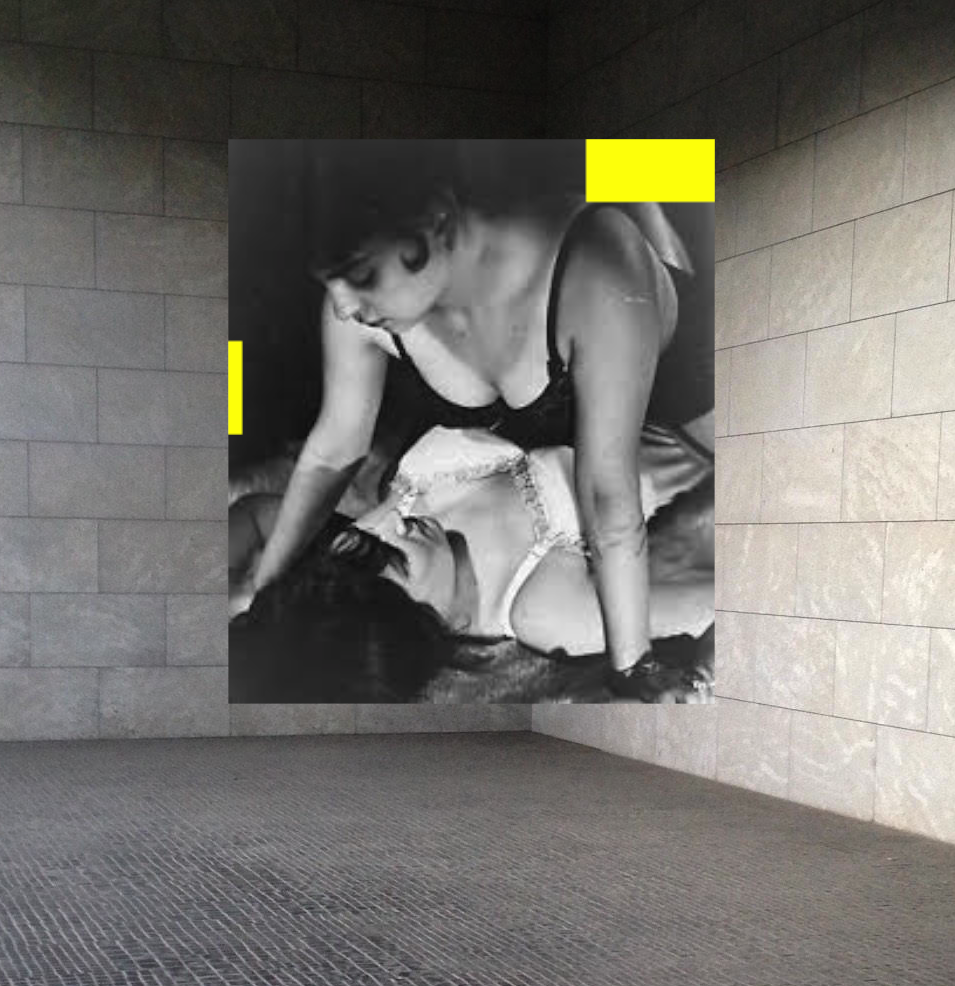
Aunt Vera’s Motel
A colleague writes from Nevada:
Vera wasn’t really family. She was brought into our household by some charitable arrangement, or at least that was the unmentioned official story. She never fit in.
She gained financial independence in a manner that was thought disreputable at home, and left. She stayed away, and kept quiet.

When I’d almost forgotten about “Aunt” Vera, she wrote to offer me a summer job at her Motel off Interstate 15. I thought I needed money to further my education. I still had a lot to learn. My decision to accept was taken as an affront to family propriety. The implication was, If you go, then don’t come back.
Drivers still picked up hitchhikers, in those days.

This is me, on a break outside Vera’s Motel.
Vera’s place was like her: the windows were shut, and there was no sign out front.
On the threshold of what I imagined was the front office, I closed my eyes and remembered that time I went into the bathroom without knocking. The woman I’d been told was an aunt looked away from her reflection in the steamed mirror. She didn’t cover herself with a towel. She walked towards me in a fog of familiar perfume, and quietly closed the door behind me. We held a clinch, like in a movie, then life changed.

This time she opened the door, took my hand and pulled me into her world. She showed me a bunk in a bare room, handed over some sheets and a gray towel. She said I’d be responsible for cleaning the floors. After a week or so, she let me handle the laundry.
The real business of Aunt Vera’s Motel was revealed when I finally made it behind the Reception desk.
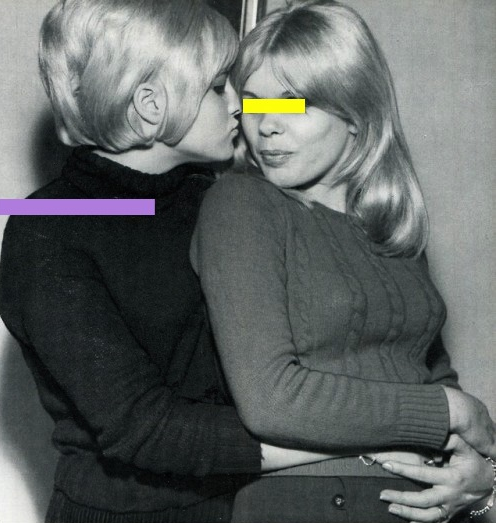
The guests were all couples. The rooms weren’t entirely private. Mirrors with two sets of eyes was another, unspoken facet of Aunt Vera’s business. She did pretty well with her secret intimate pictures, and shared the profits. I soon got used to having the clothes I always wanted to wear.

The images I’ve chosen to share with Hotel Kranepool might seem tame, but life in more permissive times is an illusion that fades slowly, if ever.


Aunt Vera and I still shower together after work, but those images are private.

***
Il motel di zia Vera
Una collega ci scrive dal Nevada:
Vera non era veramente di famiglia. Venne a stare con noi per via di qualche accordo caritatevole, o perlomeno si raccontava così. Non si è mai adattata. Conquistò l’indipendenza economica in un modo considerato indecoroso, e se ne andò. Seguì un lungo silenzio, da parte sua.

Mi ero quasi dimenticata di “zia” Vera, quando mandò una lettera con l’offerta di fare la stagione al suo Motel sull’Autostrada 15. Credevo di aver bisogno di soldi per continuare a studiare. Avevo ancora molto da imparare. Decisi di andare, e in famiglia fu considerato un affronto. Era implicito: se ci vai, non tornare.

Gli automobilisti davano ancora passaggi a sconosciute, a quei tempi.

L’hotel di Vera era come lei: le finestre erano chiuse, e non c’era alcuna insegna. Alla porta, chiusi gli occhi e tornai mentalmente a quella volta quando sono entrata in bagno senza bussare. La donna nuda smise di guardarsi allo specchio appannato e mi venne incontro senza coprirsi. Chiuse silenziosamente la porta dietro di me e ci abbracciammo, come in un film.

Stavolta zia Vera aprì la porta, mi prese per mano e mi tirò dentro al suo mondo. Mi mostrò una brandina in una stanza spoglia, mi diede lenzuola e un asciugamano grigio. Disse che ero responsabile per la pulizia dei pavimenti. Dopo qualche settimana, mi incaricò della lavanderia.
Il vero commercio del Motel di zia Vera divenne chiaro durante il primo turno alla Reception. La clientela era composta da sole coppie. Le stanze non erano del tutto private. Gli specchi a quattr’occhi erano un’altra, tacita sfaccettatura degli affari di zia Vera. Guadagnava discretamente bene con le sue foto, e condivideva il ricavato. Mi abituai a potermi mettere vestiti del tipo che mi piacciono.

Queste immagini che condivido con Hotel Kranepool sembreranno miti, ma vivere in tempi più permissivi è un’illusione che svanisce solo lentamente.

Zia Vera che fuma nel nostro salone privato.
Io e zia Vera ci facciamo sempre la doccia insieme dopo aver lavorato, ma quelle immagini sono private.

Unter den Blinden
A friend writes from (the erstwhile East) Berlin:
The place wasn’t really a hotel. More like a hostel, I suppose, although that term implies youth, or transience. It was run by an organization that provided assistance to the blind. There are still shelters for those in need who are presently referred to with polite names, but the spirit that possessed the big house where we went to fill quotas for work best suited to those accustomed to darkness has vanished.

I was always glad, when the summonses came. We found unity there, and dignity.
We were also extravagantly fed. The beer ration was doubled. And then, after work, nutrition and intoxication, we were entertained.
Music is a dance of colors and vibrations. Dancers exude an enigmatic perfume. Physical contact deepened the sensations aroused.

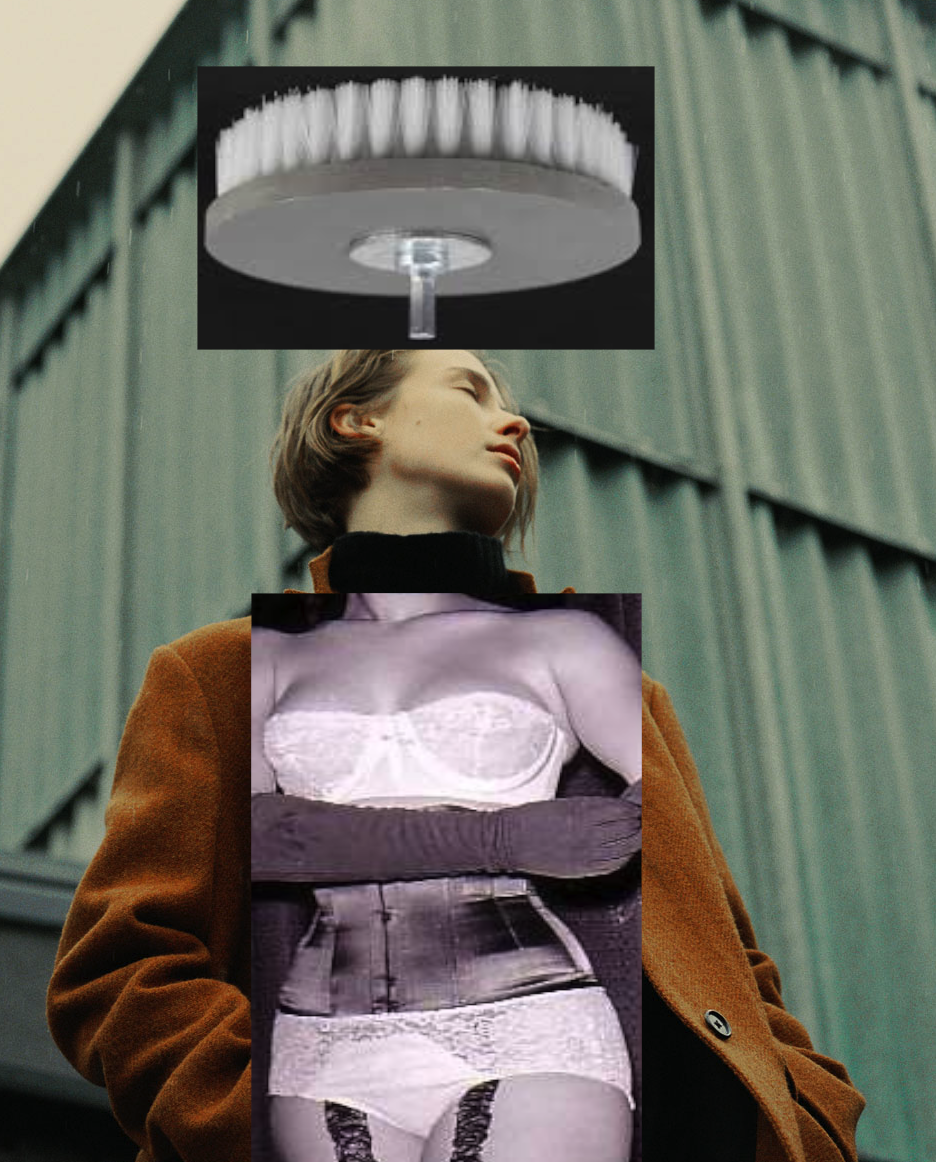
We worked only with natural bristles at the Blindhouse (I don’t know what else to call it, now). They were taken from a specific breed of hogs. The skill for assembly was all in the fingertips. We counted the bristles, bound them with waxed thread, inserted the fascicles into holes drilled into hardwood forms so they’d stay put even without an application of glue. The foremen were vague about the brushes’ purpose. They said they didn’t know, but that our products were in great demand. We should feel proud to be of use to the State.

Once, in a nightmare, I saw what the brushes were for.

The next time a call for work came, I said I’d been taken ill. I was believed.
When the Wall came down, I was glad. No more Blindhouse, and maybe no more brushes. Hard to believe. Those in power must use something else now, with a different name, made by robots, in China.
I miss the big old house, the beer, the dancers. There’s nothing like it left. Some people would say that’s a good thing.
I’m too old to work. I live in a home for the elderly blind, and for other old people who can see but no longer want to.

***
Unter den Blinden
Un amico scrive da Berlino (ex-est):
Non era veramente un hotel. Un ostello, forse, anche se in quella parola è implicita gioventù o transitorietà. Era gestito da una ente che provvedeva per i ciechi. Ci sono sempre ricoveri per i bisognosi che ora vengono chiamati con altri nomi, ma è svanito lo spirito che pervadeva la grande casa dove venivamo per riempire le quote di un lavoro adatto a chi è abituato al buio.

Ero contento quando ci convocavano. Lì trovavamo solidarietà, e una nostra dignità.
Venivamo abbondantemente nutriti. La razione di birra era raddoppiata. Dopo il lavoro, il pasto e le bevute, c’era l’intrattenimento.
La musica è una danza di colori e vibrazioni. I danzatori trasudano un profumo esoterico. Il contatto fisico approfondiva le sensazioni.

Usavamo solo setola naturale alla Casa dei Ciechi (ora non saprei che nome dargli), raccolta da una particolare specie di suini. La manualità era tutta nei polpastrelli. Contavamo le setole, le legavamo col filo cerato, inserivamo i fascicoli nei pertugi trapanati nel legno per farli stare fissi anche senza colla. I caposquadra non dissero mai a cosa servivano le spazzole. Dissero di non sapere, ma che per il nostro prodotto c’era una grandissima richiesta. Dovevamo sentirci fieri di essere utili allo stato.

Vidi in un incubo a cosa servivano le spazzole.

La prossima volta che mi chiamarono per venire a lavorare, dissi di stare poco bene. Fui creduto.
Quando venne giù il muro, ero felice. Niente più Casa dei Ciechi, e forse niente più spazzole. Ma non credo. Quelli al potere useranno qualche altro strumento, con un altro nome, fabbricato da robot cinesi.
Mi manca la vecchia grande casa, la birra, i danzatori. Non c’è rimasto nulla di simile. Alcuni direbbero che è meglio così.
Sono troppo anziano per lavorare. Vivo in una casa per anziani ciechi, e altri anziani che ci vedono, ma non ne hanno più voglia.

Suite 1666, part 2
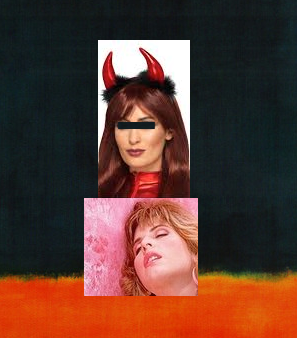
(Note: in the previous episode, Hotel Kranepool was immersed in a sulphurous swamp of random diabolical occurrences. Nude guests demanded attention from non-guests who would’ve preferred not to have to look. The police were summoned, but the problem was beyond their jurisdiction.)

“Don’t let her touch you,” Madame Ozmya said, and pulled the Night Porter into her room.
“Oh? Why not?” The exhibitionistic guest in the hall was far from unattractive.
“You’d get scorch-marks all over,” Madame Ozmya said, when the demonically possessed harpy’s voice had vanished down the stairwell. “Sounds like the coast is clear. Let’s go talk to The Man Upstairs.”
She meant the celebrity guest in Suite 1666.

The hallway was deserted, save for shadows and ghostly moans. They rode the service elevator to the top floor. Felt like the North Pole up there. Madame Ozmya wasn’t dressed for the Arctic. She was barely dressed for Tahiti. She was barely dressed, period. Her teeth chattered, her breath showed.
“The rest of the planet could use this sorta treatment,” she whispered.
The numeral 1 had fallen off the door of Suite 1666. The Night Porter knocked, quietly. The man in the white suit answered. He was on the telephone. He made a ‘be with you in a minute’ gesture and stood aside.
The view from the Suite’s windows was of a world on fire.

Madame Ozmya was unfazed. The Night Porter was upset. “Excuse me sir, but is that Hell out there?”
The guest in white hung up. “That’s the future. Hell is where I am, usually. It’s an endlessly dull place. Which is why I come up here every now and then.”
“We’ve, uh, we’ve had complaints about the other guests’ behavior. Management believes they’re acting under your orders.”

“The only thing I ever said was, do as you will. That,” the Man in White made a sweeping gesture at the panorama, “is what you willed, I guess. The other guests here just want to have some fun while they can.” He sighed. “Can I offer you kids a drink from the Mini-Bar?”
“Take your party to another hotel,” Madame Ozmya said.
“Oh yes ma’am,” the Man in White said. “I’ll be gone tomorrow.”
Madame Ozmya raised an eyebrow.
“I know, I know...by 11 o’clock.” The Man in White shut the door behind them.

The hallway of the Kranepool’s top floor was still cool and quiet. The elevator ride downstairs was uneventful. The indecorous episodes ceased. Outside, yet another heat-wave poured in from the south.
Management was pleased with the way the Night Porter had handled the problem.
“Excellent work, Sparky,” the Manager named Shredni said. “Go ahead and take a fifty from petty cash. Now kindly excuse me, I must place a call to our nation’s capital.”
The Night Porter shut the door but stayed to eavesdrop.
“Yes, your most mighty excellency. We won’t have any more trouble from that bothersome entity. Not for a while, at least.”
(Note: Hotel Kranepool is not necessarily located in the United States.)

***
Suite 1666, parte 2
(Nota: nell’ultimo episodio, Hotel Kranepool è travolto da una maleodorante ondata di avvenimenti demoniaci. Ospiti discinti si esibiscono a non-ospiti che preferirebbero non dover vedere. Interviene la polizia, ma il problema va oltre la loro giurisdizione.)

“Non lasciare che ti tocchi,” disse Madame Ozmya, e tirò il portiere di notte dentro la sua stanza.
“Perché no?” L’ospite esibizionista nel corridoio non era per niente brutta.
“Ti causerebbe gravi ustioni,” disse Madame Ozmya. “Dobbiamo parlare con l’uomo all’ultimo piano.”
Voleva dire il celebre ospite nella Suite 1666.

Quando il corridoio era di nuovo sgombro e silenzioso, andarono su nell’ascensore di servizio.
Lassù era freddo come al polo nord. Madame Ozmya non era vestita adeguatamente. Le batterono i denti, le si vedeva il fiato.
“Queste temperature non sarebbero male per il resto del pianeta,” sussurrò lei.
Il numero uno era cascato dalla porta della Suite 1666. Il portiere di notte bussò comunque. Aprì l’uomo vestito di bianco. Era al telefono. Si scostò per farli entrare e fece un gesto per indicare che si sarebbe occupato di loro non appena finiva la conversazione.
Dalle finestre della Suite si vedeva un mondo in fiamme.

Madame Ozmya rimase impassibile. Il portiere di notte invece era scosso. “Mi scusi signore, ma è l’inferno là fuori?”
L’ospite in bianco agganciò. “Ciò è il futuro. L’inferno è dove sto io, solitamente. È un posto infinitamente noioso. Per questo salgo quassù ogni tanto.”
“Abbiamo avuto, ehm, delle lamentele per il comportamento degli altri graditi ospiti. La Gestione crede che stiano obbedendo ai vostri ordini.”

“Ho solo detto loro, fate come volete. Quest’altro inferno là fuori è ciò che volete, suppongo.” L’uomo in bianco fece un largo gesto verso il terrificante panorama. “L’avete combinato voi. Questi vostri ospiti si vogliono solo divertire finché possono.” Sospirò. “Posso offrirvi da bere dal MiniBar?”
“Porti le sue festività a un altro hotel,” disse Madame Ozmya.
“Oh sissignora,” disse l’uomo in bianco. “Domani effettuerò il check-out.”
Madame Ozmya inarcò un sopracciglio.
“Lo so, lo so... prima delle undici.” L’uomo in bianco chiuse la porta dietro di loro.

Il corridoio dell’ultimo piano del Kranepool era fresco e silenzioso. Il viaggio in ascensore era di routine. Fuori dall’albergo, arrivò dal sud l’ennesima ondata di caldo.
La Gestione era contenta del portiere di notte per come aveva risolto il problema.
“Ottimo lavoro, pupo,” disse il Manager che si chiamava Sredni. “Prenditi pure cinquanta sacchi dalla piccola cassa. E ora sparisci. Devo telefonare alla capitale.”
Il portiere di notte rimase dietro la porta per origliare.
“Certamente, vostra eccelentissima maestà. Non avremo più problemi con quell’entità molesta, almeno per un po’.”
(Nota: Hotel Kranepool non necessariamente è sito negli Stati Uniti.)

Suite 1666 (part 1)

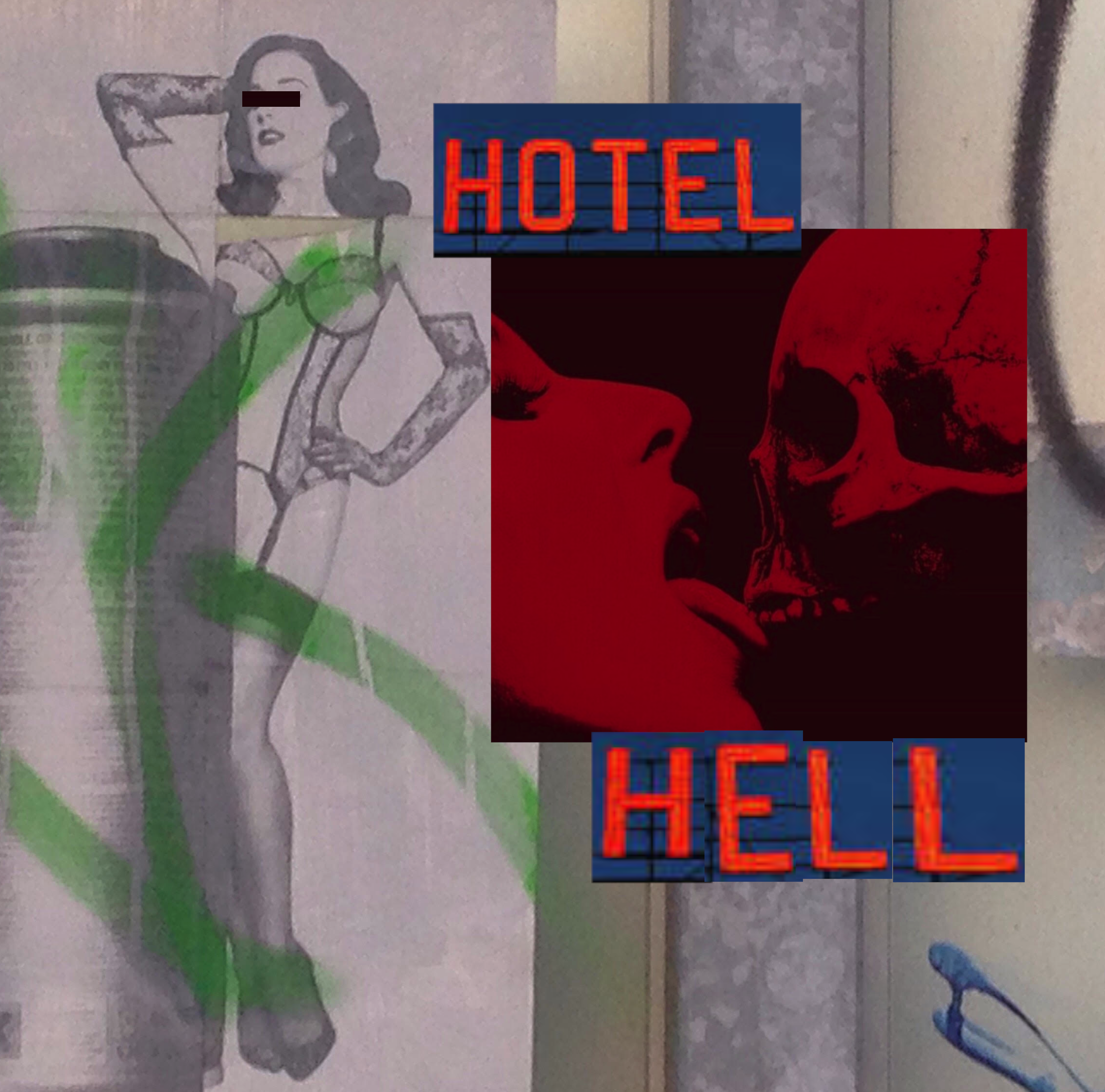
A man dressed in white checked in not long ago. According to his passport, he lived in Turin, Italy. He listed his profession as “entertainer”, and said he was in town on business. His white hair fell well past his broad shoulders. Any trace of dandruff disappeared against the snowy fabric of his suit.

The man in white hadn’t made a reservation. The only suite available was on the top floor, next to the elevator bank, with a view of the garbage dumpsters in the alley.
Other penthouse guests soon began to call reception with complaints that the air-conditioning had gone insane, that the Magic Fingers™ machines had launched themselves into overdrive, and that the TVs showed only static sparks which coalesced into horned silhouettes. The faucets and shower-heads in the bathrooms made human sounds and disgorged brown-red fluids.

A young couple who’d walked in off the street for a romantic dinner at the Kranepool Bar & Grille whispered to the Maitre d’ that the steak tartare tasted of human flesh. Decomposed human flesh.
The wallpaper on floors below the uppermost peeled off in strips to reveal disturbing graffiti.

The guests themselves took up strange behaviors after sundown. They flashed their flesh at each other, and at passersby, from the windows. They shouted obscenities at pedestrians who dared look away.
Several non-guests reported these incidents to the police.

Management barely convinced the responding officers that the matter was under control.
“When you have a problem and you don’t know what’s causing it or how to fix it, then you gotta call in a specialist.” The Manager known as Flenser fixed his basilisk stare on the Night Porter. “The trouble happens at night, and you’re the night man. Find the right person for the job, and make sure it gets done.”
The implication was, or find another job yourself.

Madame Ozmya answered her door in a black negligee and immediately said, “So you think the guy all in white on the highest floor is the devil.”
“Damn you’re good,” the Night Porter said. “But it doesn’t matter what I think. Management is intolerant of mirrors that scream, deep-freeze elevators and nudism in the lobby and the dining room.”
“What a buncha prudes. They should be glad to have a celebrity guest. Just gotta go the extra mile, is all.”
“At least the vibraphone music’s stopped.”
“What’re you talking about?”
When Madame Ozmya stepped aside to let the Night Porter into her room, a woman raced down the hall towards them. Her laughter was between hysterical and evil. “Look at me!” she shrieked. “Look at me!”

***

Suite 1666 (prima parte)
Un uomo vestito di bianco apparve al Kranepool e fece il check-in. Residente a Torino. Professione: intrattenitore. Disse di essere venuto in città per affari. I suoi capelli bianchi erano lunghi fin oltre le larghe spalle. Qualsivoglia traccia di forfora spariva contro il tessuto niveo del suo completo.

L’uomo in bianco non aveva prenotato. L’ultima suite disponibile era all’ultimo piano, accanto agli ascensori, con un panorama dei cassonetti nel vicolo dietro l’hotel.
Altri ospiti presero a telefonare alla reception per lamentarsi che l’aria condizionata era impazzita. In tivù c’erano solo scintille che si risolvevano in sagome cornute. Le rubinetterie dei bagni emettevano suoni umani e sgorgavano fluidi rosso-marroni.

Una giovane coppia venuta al Kranepool Bar & Grille per una cenetta romantica sussurrarono timidi al caposala che la tartare di manzo sapeva di carne umana. Anzi, di carne umana putrefatta.
La carta da parati sui piani inferiori si staccava a brandelli per rivelare inquietanti graffiti.

Gli ospiti si lasciarono andare a comportamenti inconsueti dopo il tramonto. Si mostravano indecentemente gli uni agli altri, e pure ai passanti, dalle finestre. Urlavano oscenità a chi osava distogliere lo sguardo. Alcuni non-ospiti fecero rapporto alle forze dell’ordine.
La Gestione riuscì a malapena a convincere gli agenti intervenuti che la faccenda era sotto controllo.
“Quando hai un problema e non sai qual’è la causa o come risolverlo, bisogna interpellare uno specialista.” Il manager chiamato Flenser posò lo sguardo da iguana sul portiere di notte. “Il problema si verifica di notte, e tu sei il portiere di notte. Trova la persona giusta, e fai sparire il problema.”
Era implicito: oppure trovati un altro lavoro.

Madame Ozmya, vestita di nero trasparente, aprì la porta della sua stanza e disse immediatamente, “Quindi pensi che il tipo vestito di bianco in cima alla baracca sia il diavolo.”
“Accidenti quanto sei brava,” disse il portiere di notte. “Ma non importa ciò che penso io. La Gestione non tollera specchi urlanti, ascensori congelati e naturismo nella hall e la sala pranzo.”
“Che masnada di puritani. Dovrebbero essere contenti di avere un’ospite celebre. Bisogna saper andare un po’ oltre, ecco tutto.”
“Almeno è cessata la musica di vibrafoni.”
“Ma di che parli?”
Quando Madame Ozmya fece per fare entrare il portiere di notte, una donna corse verso di loro per il corridoio. La sua risata era tra isterica e malvagia. “Guardatemi!” strillò. “Guardate me!”

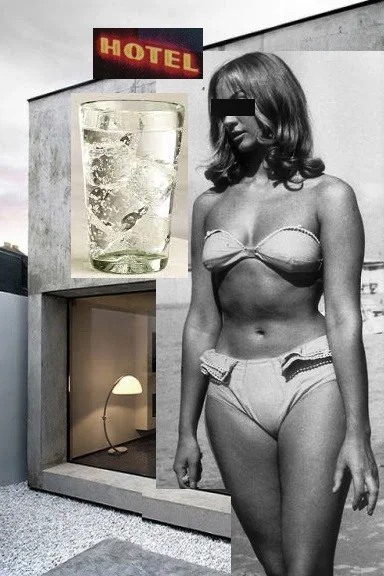
Miss Ice-Cubes
July and August are the bathing suit-est months. The Kranepool and her neighboring hotels once hosted bathing beauty contests. That tradition too has fallen by the wayside. Costly. Sexist. Appearance-ist. The public-at-large no longer has time for frivolous displays of flesh, and Management has less and less patience for complicated publicity stunts.

Beauty? A publicity stunt?
The merchants and artisans who enliven the Kranepool’s lobby, on the other hand, are deeply concerned with aesthetics, and with the past and future. Of a sweltering twilight, they conspired to create a cocktail-hour pageant of their own. Miss Ice-Cubes tinkled to life.

Beauty? A cold concept?
“I’ll do the girls’ hair,” Mr Kevin the Hairdresser said. “And say yes or no to their outfits.”
“I’ll arrange flowers on the runway,” Regina the Florist said.
“I’ll predict the winner, and then I’ll tell the losers their dreary fortunes.” Madame Ozmya the Clairvoyant set her Zombie glass down on a low lobby table with a dead thunk.
“I’ll uh, carry their bags, I guess, if they have any.” The Night Porter, who’d just come on duty, wore a black leather eye-patch. “Sleepwalked into an open closet door in a dark room,” he said.
“In future, consult me before you wander dim Bardo-lands,” Madame Ozmya said.

Beauty shines through any darkness
“Must the contestants be guests here at the Kranepool? Or can anyone beautiful just wander in off the street.” Mister Kevin seemed to prefer option two.
“Must Miss Ice-Cubes necessarily be a woman?” Regina the Florist plainly didn’t think so. “Does she or he have to be single?”

Cubes and squares get along just fine
The Night Porter put the Be Right Back sign on the reception counter and went to fetch the Miss Ice-Cubes committee a fresh round of cocktails from the Kranepool Bar & Grille. He saw himself in the role of presenter. He’d announce the contestants’ names, list their accomplishments, maybe sing a song when the Grand Prize was awarded. He’d offer to guide the winner upstairs to her complimentary suite on the hotel’s top floor. Rooms with a view of the river, the park, the train station, the office buildings in the business district, the highway that leads out of town.

Beauty is clean. Cleanliness, beauty (not always, though).
When the Night Porter returned with a tray of ching-a-ling employee discount libations, the lobbyists who’d dreamed up the Miss Ice-Cubes Pageant had decamped to Miss Frau, a nearby discotheque.
Hotel Kranepool management forbids employees to consume alcohol while on duty. The ice cubes in the full highball glasses and an idea of frigid beauty shrunk and vanished without a sound.
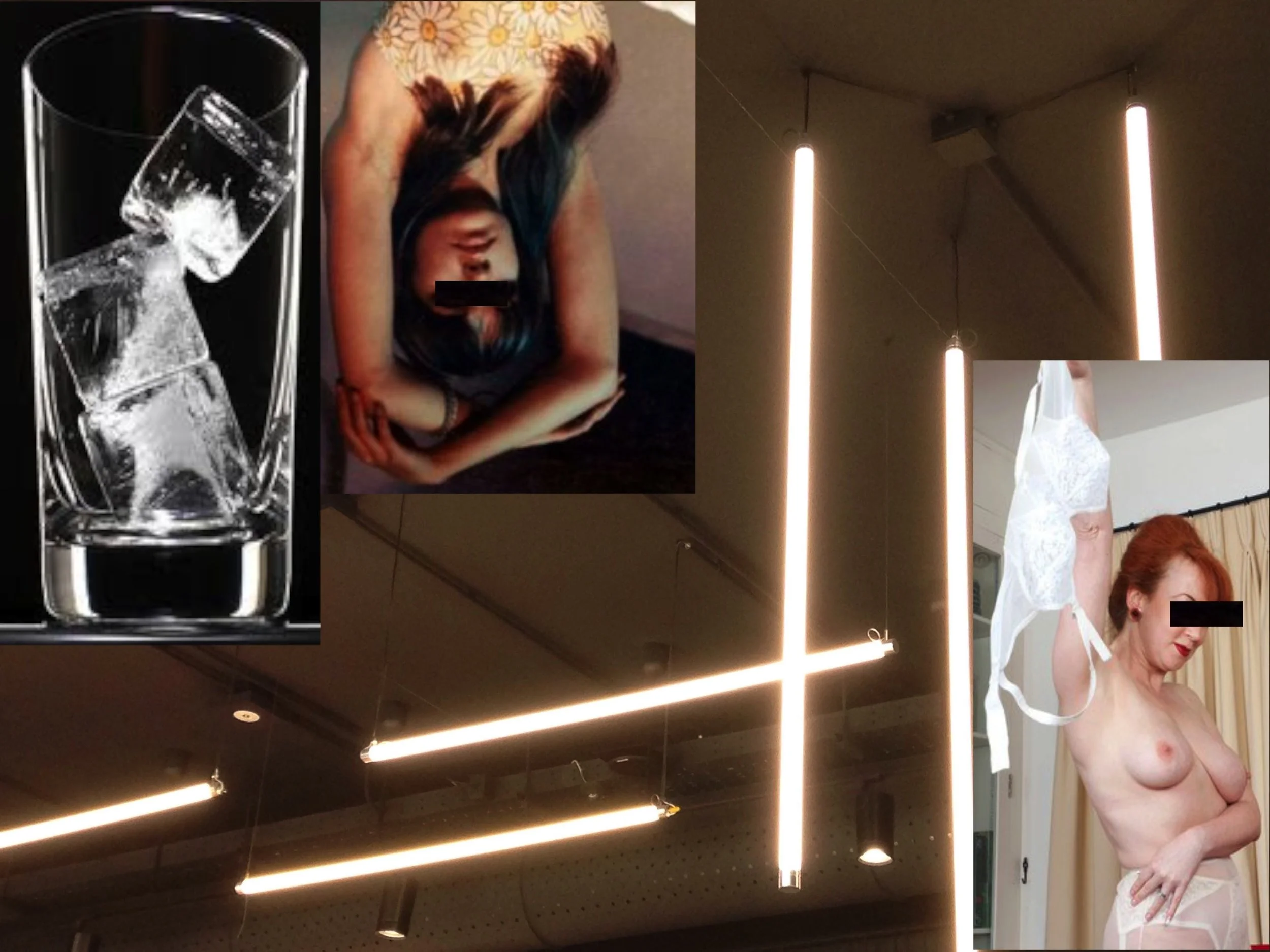
The climate is inexorably warming
***
Miss Cubetti di Ghiaccio
Luglio e agosto indossano il costume da bagno. Il Kranepool e gli hotel circostanti una volta ospitavano concorsi di bellezza con una certa frequenza. Anche quella tradizione è sparita. Troppo costoso. Sessista. Apparenzista. Il pubblico odierno non ha tempo per tali frivoli pseudo-eventi.
La Gestione non considera più complicate prodezze pubblicitarie.

Una gradita ospite si accinge ad attingere del fresco
La popolazione professionale della hall del Kranepool invece è devota all’estetica, al passato e al futuro. Di un torrido tardo pomeriggio, complottarono l’organizzazione di una sfilata per animare l’ora dell’aperitivo in albergo. Miss Cubetti di Ghiaccio tintinnò a vita.
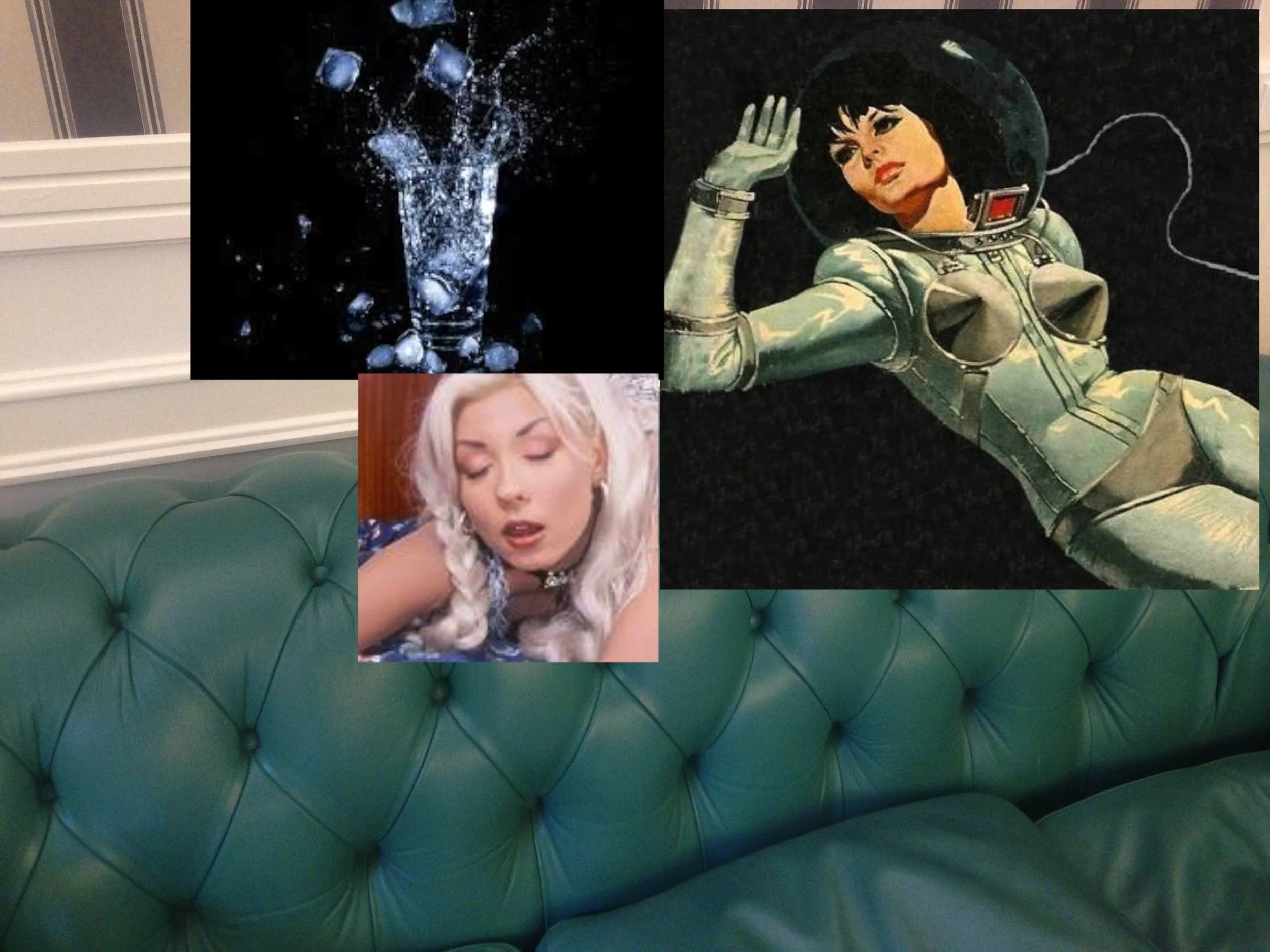
Nel cosmo è udibile la musica dei cubetti
“Creerò stravaganti acconciature per le ragazze,” disse Mister Kevin il Parrucchiere. “Esprimerò severi giudizi sui loro costumi.”
“Sistemerò fiori sulla passerella,” disse Regina la Fioraia.
“Predirò la vincitrice, e poi dirò alle perdenti quali tristi destini li aspettano.” Madame Ozmya la Chiaroveggente posò il bicchiere sul tavolo basso con un tonfo attutito.
“Porterò, ehm, le loro valigie, suppongo, se ne hanno.” Il portiere di notte, che era appena montato in servizio, aveva all’occhio una benda di cuoio nero. “Da sonnambulo mi sono imbattuto nella porta aperta di un armadio in una stanza al buio,” spiegò.
“In futuro, consultami prima di girovagare nel limbo,” disse Madame Ozmya.

Pronto? Desidero partecipare al concorso…
“Le concorrenti devono per forza essere ospiti qui al Kranepool? O possono entrare le bellezze da fuori.” Mister Kevin sembrava preferire la seconda opzione.
“Miss Cubetti di Ghiaccio deve necessariamente essere femmina?” Regina la fioraia palesemente preferiva di no. “Dev’essere single?”

L’amicizia perdura, i cubetti di ghiaccio meno
Il portiere di notte mise la targhetta Torno subito sul banco della reception e andò a prendere un altro giro di cocktail per il comitato Miss Cubetti di Ghiaccio. Si vedeva nel ruolo di presentatore. Avrebbe annunciato i nomi delle partecipanti, elencato le loro doti. Avrebbe cantato mentre veniva conferito il premio. Si sarebbe offerto di accompagnare la vincitrice di sopra alla Suite in omaggio al piano più in alto del Kranepool. Camere con vista del fiume, del parco, della stazione ferroviaria, dei grattacieli del centro, dell’autostrada che porta fuori città.

Bellezza e ghiaccio si sciolgono, si confondono, e svaniscono
Quando tornò con un vassoio di bevande rinfrescanti dal Kranepool Bar & Grille, i lobbyisti che avevano fantasticato la sfilata Miss Cubetti di Ghiaccio si erano trasferiti alla discoteca Miss Frau.
La Gestione vieta agli impiegati di consumare alcol durante il turno. I cubetti nei bicchieri colmi e un’idea di algida bellezza svanirono senza far rumore.

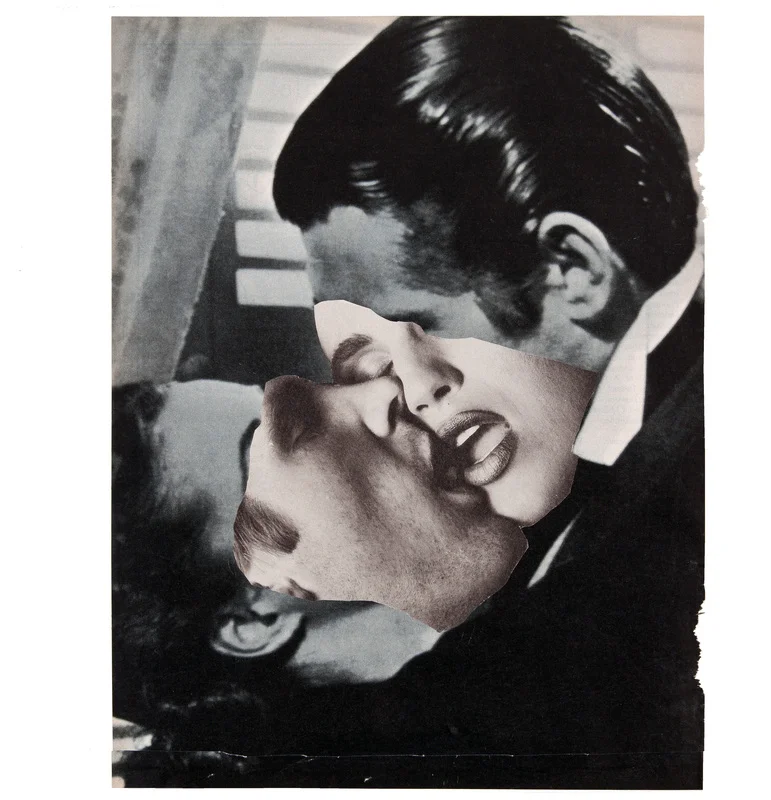
Guest Artist in Residence: Vera Lossau
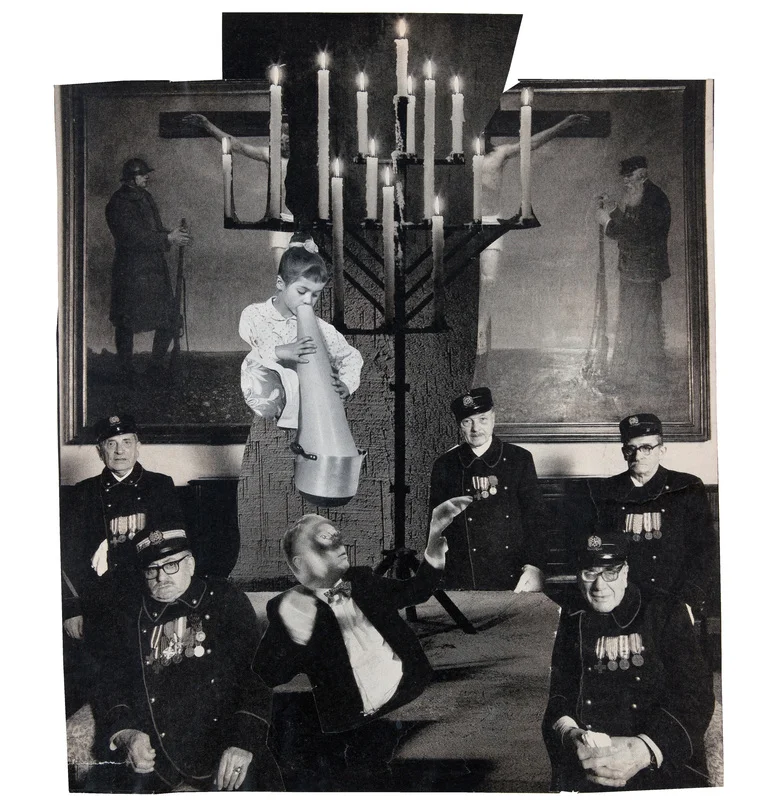
"Prenatal, Postnatal, Aftershock"
The Art World is a glamorous dimension where beautifully dressed people discuss lofty topics over libations before they disappear in various configurations into the well-appointed rooms upstairs.
Just like certain hotels.
This week, Hotel Kranepool is pleased to present the work of Vera Lossau, an artist based in Düsseldorf.

Hotel Kranepool: Which is your favorite hotel, Vera?
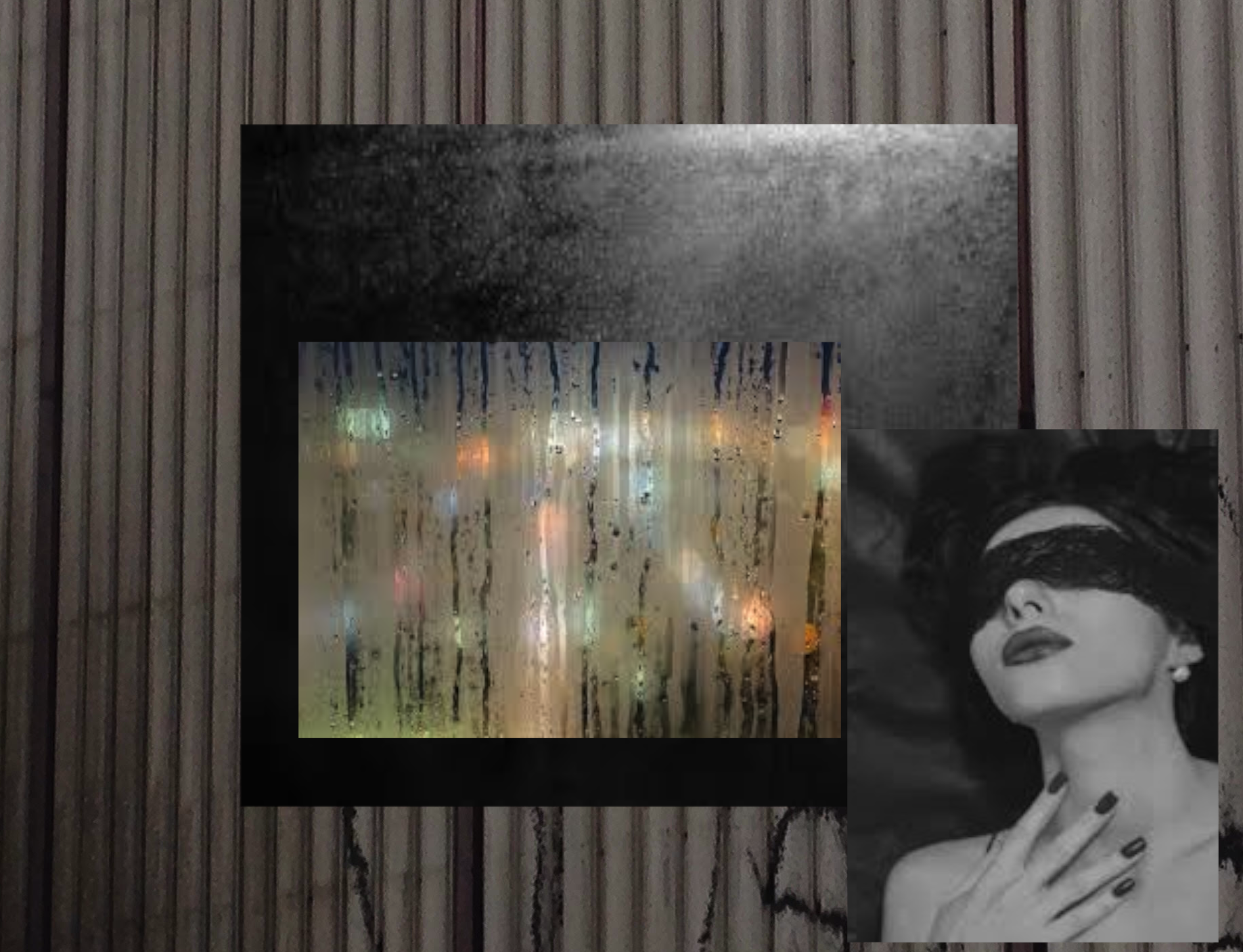
Vera Lossau: The Schatzalp, which exists only in Thomas Mann’s novel. Some of the collages in the Kranepool series might not be out of place in a fantasy hotel’s lobby.

HK: Do you live for art? Or art for live?
VL: We human beings make vital decisions during adolescence, before the gravity of responsibility takes hold of us. My eyes took so much in. They had to give something back. Excessive ingestion can cause damage. I like to draw. I love to paint, and build things out of other things. But to digest existent pictures and render new imagery excites me the most. I guess I art to live. Like most, if not all, artists.

HK: Did you stay in hotels when you were a little girl?
VL: Oh yes. Sometimes I imagined that my family was a band of gypsies, constantly on the move, one step ahead of the police. Actually, I grew up in the former East Germany, where hotels were a bourgeois affectation, strictly for foreigners. I wished I was a foreigner, and eventually this wish was granted. Now I live in a hotel full-time. Just kidding...

HK: Is Heaven organized like a hotel, or an art gallery?
VL: Heaven is a place of vast well-lit white rooms with paradisal imagery on the walls, soft mattresses, free room service, open bar, and a nude beach where all the people who’ve sacrificed their lives for art can be famous for many light-years and appreciated forever.
(Look for more of Vera Lossau’s work below the Italian text)
***
"Prenatal, Postnatal, Aftershock"
II mondo dell’arte è una dimensione scintillante nella quale persone eleganti discutono argomenti interessanti mentre bevono spumeggianti cocktail prima di sparire in varie configurazioni nelle loro sontuose stanze.
Proprio come in certi alberghi.
Questa settimana, Hotel Kranepool è lieto di presentare le opere di Vera Lossau, un’artista con lo studio a Düsseldorf.

Hotel Kranepool: Qual’è il tuo hotel preferito, Vera?
Vera Lossau: Lo Schatzalp, che esiste solo nel romanzo di Thomas Mann. Alcuni collage della serie Kranepool non sarebbero fuori luogo nella hall di un tale albergo fantomatico.

HK: Vivi per l’arte? O arti per vivere?
VL: Gli esseri umani prendono decisioni importanti da adolescenti, credo, prima che la gravità delle responsabilità gli gravi. Ho divorato tanto con gli occhi. Dovevano rendere qualcosa. Una ingestione eccessiva può recare danni. Mi piace disegnare. Adoro dipingere, e costruire cose con altre cose. Ma digerire immagini esistenti e far nascere nuove opere mi eccita di più. Credo di artare per vivere. Come molti, se non tutti gli artisti.

HK: Soggiornavi spesso in hotel da ragazza?
VL: Oh sì, spessissimo. A volte fantasticavo che la mia famiglia fosse una banda di zingari, sempre in movimento, rincorsa dalla polizia. La verità è che sono cresciuta nell’ex-Repubblica Democratica, dove gli alberghi erano un concetto borghese, solo per stranieri. Volevo essere straniera, e questo desiderio è stato esaudito. Sto scherzando, naturalmente...

HK: Il paradiso è organizzato come un hotel, o come una galleria d’arte?
VL: Il paradiso è un luogo composto da vaste stanze brillantemente illuminate, con immagini paradisiache alle pareti, materassi morbidi, servizio in camera gratis, open bar e una spiaggia naturista dove chiunque abbia sacrificato la vita per l’arte può essere famoso per tanti anni-luce e apprezzato in eterno.




Steamed Mirrors
Baby, it’s hot outside Hotel Kranepool. The sidewalks shimmer. Parked automobiles tick like giant cockroaches in heat while their tires painfully swell. You could fry chicken on the manhole covers. No breeze to blow loose garbage down the deserted streets.
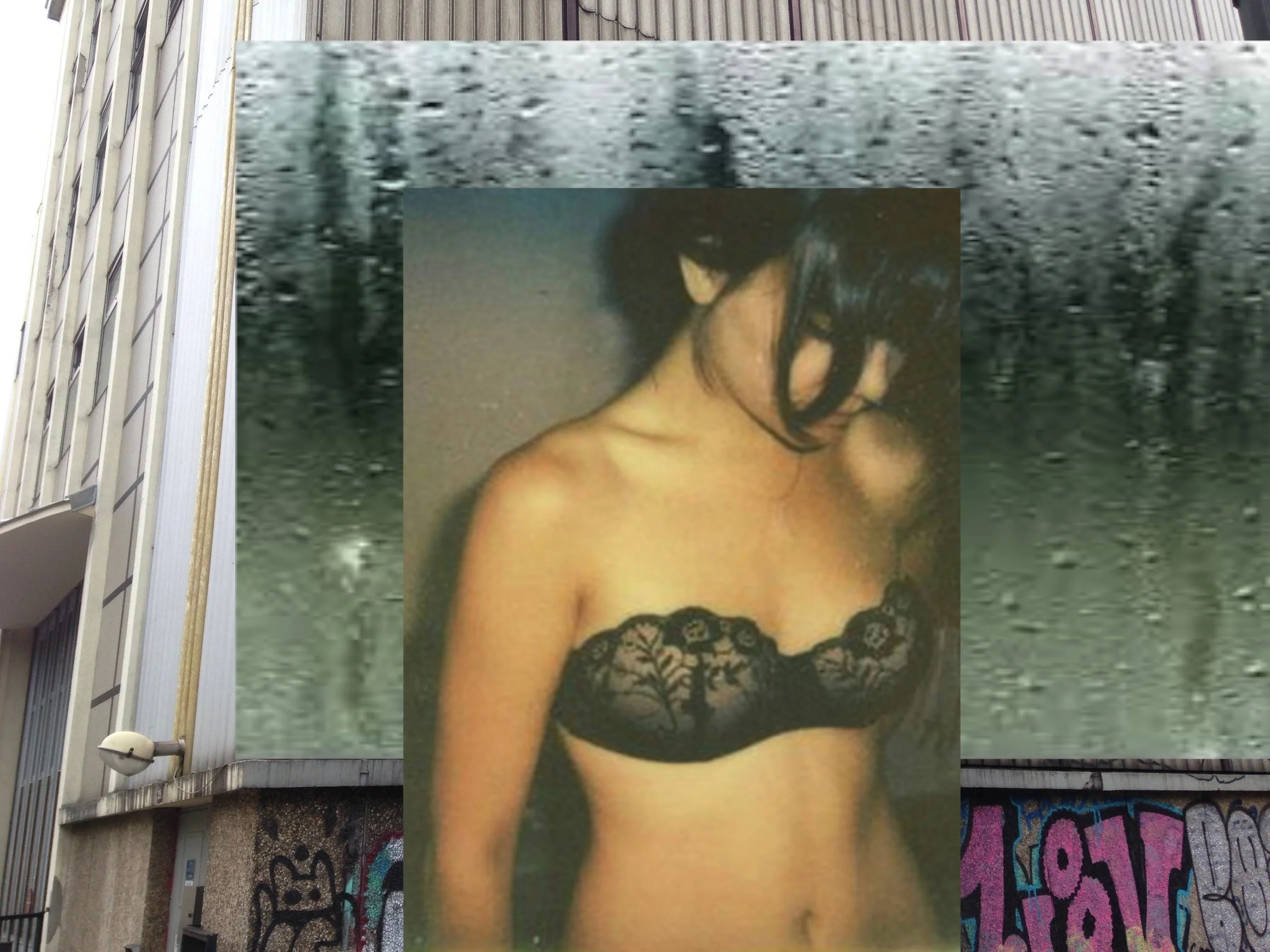
The birds in the trees around the hotel have fallen silent.

Blinds drawn, shutters down, the Kranepool’s windows have put on sunglasses. Fans whirl listlessly in the lobby. The air-conditioning unit in the basement drones an endless ohm chant. In the rooms, guests take repeated showers to relieve the stickiness, for a while at least. Lukewarm water splashes their bodies and runs down the drain .

Unwatched TV sets blare, murmur and radiate cathodic heat.

Moisture drifts unseen in the conditioned air and is transfigured into fog and droplets on mirrored surfaces. Shadowy forms wander back and forth, in and out of focus. Ghosts of water, air and light.

Their phantom voices get lost in the hum of the hotel. Elevators shuttle from floor to floor. Their passengers stare into their own eyes reflected in the cabins’ clear mirrors. Up for a shower, down and out to face the furnace. Security cameras’ red eyes rove the building’s dead spaces uselessly.
***
Specchi appannati
Fuori dall’Hotel Kranepool fa un caldo disumano. I marciapiedi incandescenti lanciano miraggi. Le automobili parcheggiate ticchettano come scarafaggi in calore, i loro pneumatici si gonfiano dolorosamente. Si potrebbe friggere pollo sui tombini. Nemmeno una brezza per smuovere i rifiuti sciolti per le strade deserte.

Gli uccelli negli alberi attorno all’albergo sono stati zittiti dall’afa.

Persiane chiuse, bandoni abbassati, le finestre del Kranepool si sono messe gli occhiali da sole. I ventilatori girano svogliatamente nella hall. Il condizionatore d’aria industriale in cantina ronza un infinito canto ohm. Nelle camere, i graditi ospiti si fanno ripetute docce per alleviare la sensazione appiccicosa, almeno per un po’. Acqua tiepida bagna le loro membra e scende per lo scolo.

I televisori non guardati sfavillano, stridono e irradiano un calore catodico.

L’umidore vaga invisibile attraverso l’aria condizionata e viene trasfigurato in nebbia e goccioline sulle superfici riflettenti. Forme ombrose vanno alla deriva, sfocate. Fantasmi d’acqua, aria e luce.
Le loro voci si perdono nel brusio dell’hotel. Gli ascensori viaggiano tra i piani, i loro passeggeri fissano i propri occhi riflessi negli specchi puliti delle cabine. Le spie rosse delle videocamere di sicurezza errano inutilmente per gli spazi morti dell’edificio.
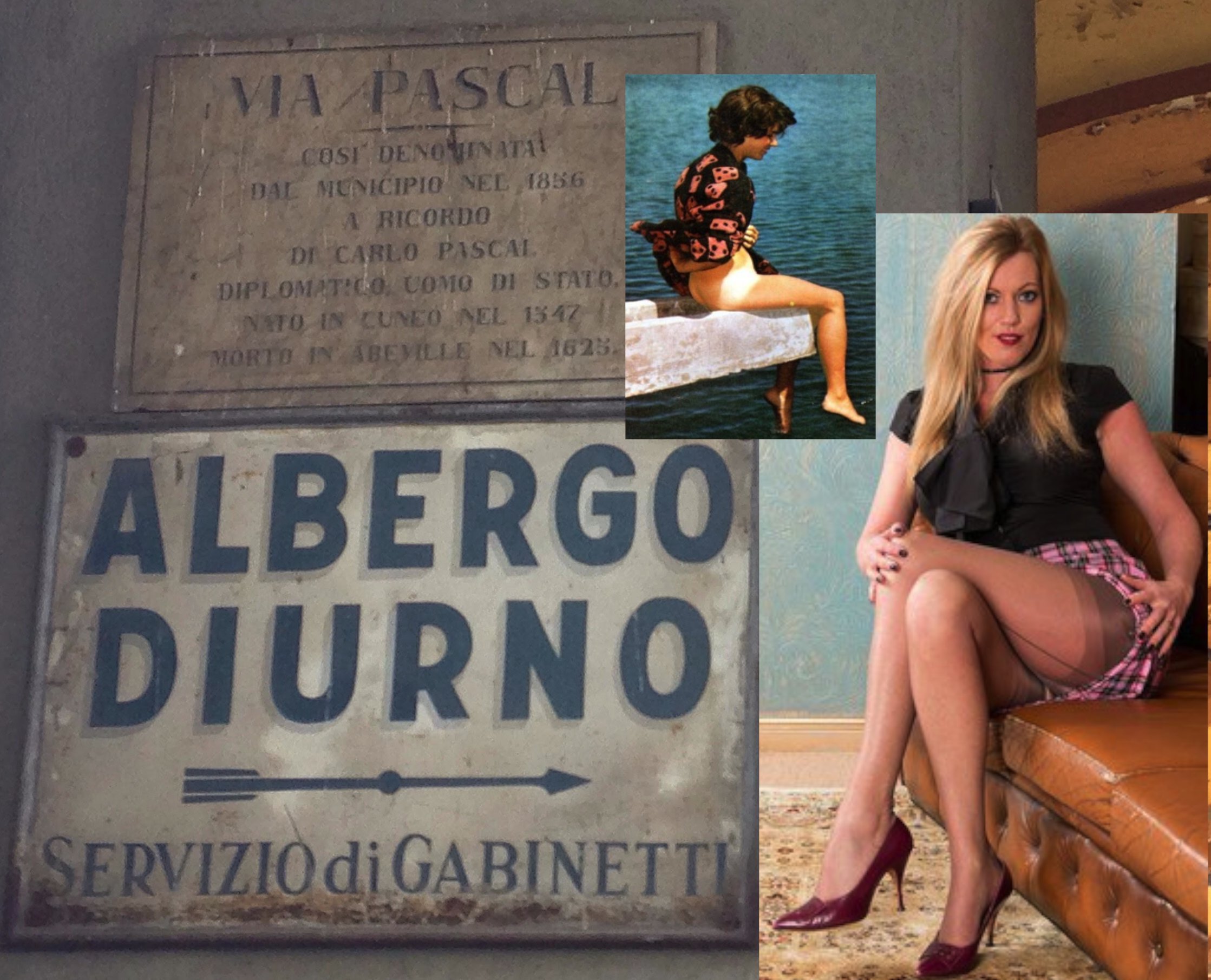
Notturni di un albergo diurno, 2
Un’amica ci scrive da Torino:
Dietro il banco dell’albergo diurno sotto la stazione centrale sedeva la donna più enorme che avessi mai visto.
Sentendo la mia voce, si alzò. “Ah eccoti. Cosa posso fare per te, ragazzina?”
“Non sono una ragazzina. Cerco lavoro. Non mi vogliono ai negozi di moda in centro.”
“Cosa sai fare? Non è mica un circo, qui.”
“So far stare bene la gente,” dissi. “Specialmente quando ho tra le mani i loro piedi.”
“Ti prendiamo in prova.”

Il grembiule che la gigantessa tolse da un armadietto era roba da scuola elementare. Potevo solo immaginare dove si faceva confezionare gli indumenti da lavoro lei.
Pedicure e massaggio dei piedi è un lavoro duro. La condizione di quelle estremità la racconta lunga sulla vita di una persona. Lavorai sodo e ascoltai storie. La lista dei miei clienti crebbe. Dopo poche settimane avevo i giorni e le notti esauriti.
La gestione del diurno ne era contenta.

Una sera, quando avevo una rara mezz’ora libera tra appuntamenti, la gigantessa entrò nella mia cameretta. “Ti devo dire una cosa,” disse.
Ero sicura che voleva chiedermi una percentuale delle mance, visto che mi aveva dato una possibilità.
“Ho i piedi martoriati,” disse invece. “Da sempre. Ma nessuno è mai riuscito ad aiutarmi.”
“Fammi provare.”
Era un’impresa sistemare solo uno dei suoi piedoni nel mio grembo. Aveva le piante dei piedi dure come quelle di un’elefantessa. Dovetti lavorare in profondità sui tessuti. La donnona gemette.
Il prossimo cliente bussò, poi picchiò sulla porta. Le mezz’ore libere volano. “Dovremo finire dopo,” sussurrai.
“Assolutamente,” mugugnò la gigantessa. “Dobbiamo. Finire.”

L’albergo diurno chiudeva alle due del mattino. Non c’è tanta gente in giro a quell’ora. Nemmeno ci sono treni. Regna un bel silenzio. Mi sarò addormentata nella poltrona pedicure.
“Qualunque cosa tu abbia fatto,” mi sussurrò nell’orecchio la gigantessa, svegliandomi, “ora devi andare fino in fondo.”
Stanca com’ero, mi addentrai ancora di più nelle storie dei suoi piedi. Eravamo sole, poteva urlare quanto voleva. Eventualmente il trattamento riuscì. “E ora cosa posso fare per te, mio piccolo bocciolo di rosa?”
“Fammi sentire alta,” dissi.
Mi issò sulle spalle e danzammo per la stanzina. Uscimmo fuori nel buio della metropoli e vagammo per le strade fino all’alba. Tornando all’albergo diurno, lanciavamo un’unica, vasta ombra.

***
Albergo Diurno Days & Nights, part 2
A friend writes from Turin, Italy:
Behind the desk at the entrance to the Albergo Diurno under the main train station sat the largest woman I’d ever seen.
She heard my voice, and rose. “Oh, there you are. What can I do for you, little girl?”
“I’m not a little girl. I need work. They won’t hire me at the fashion boutiques in town.”
“What can you do? This isn’t a circus.”
“People feel good after they’ve put their feet in my hands” I said.
“You’re hired.”

The work-smock the giantess pulled out of a locker was a memory from grade school. I could only wonder where she had her clothes made.
Pedicure and foot massage is hard work. The condition of a person’s feet tells you a lot about his or her life, if you’re willing to listen. I worked hard, and heard the stories. My client list grew. Soon my days and nights were fully booked.
Management was pleased.

One evening during a rare free half-hour between sessions, the giantess receptionist loomed in the doorway of my cubicle. “Gotta tell you something,” she said. I thought she’d demand a percentage of my tips, since she’d given me the job.
“My feet are killing me,” she said instead. “They always have. But no one’s ever been able to help.”
“Lemme try.”
Just to get one of her massive hooves into my lap was a struggle. Her soles were thicker than an elephant’s. I had to work deep into the tissues. The big lady moaned.
The next client knocked, then banged on the door. Free half-hours fly by. “We’ll have to finish this later,” I said.
“Oh yes,” the giantess gasped. “We must. Finish this.”

Closing time was two in the morning. Not many people around at that hour. No trains rumble in and out of the station. A lovely quiet takes over. I must’ve fallen asleep in the pedicure chair. The giantess whispered in my ear and woke me up. “Whatever you did, you have to go all the way. Now.”
Exhausted as I was, I pressed even deeper into the giantess’ feet. Since there was no one else around, she groaned out loud. Eventually the job was done. “What can I do for you now, my little pink bonbon?”
“Make me feel tall,” I said.
She hoisted me onto her shoulders and danced me around the room. Then we went out into the city night and wandered the streets until dawn. On the way back to the Diurno, we cast one, vast shadow.


AirBnB Apocalypse!
Memo from: Management
To: Chambermaid X
Re: AirBnB--Confidential!
A global phenomenon threatens our industry. If you value your career at Hotel Kranepool, we urge you to go undercover as a typical mass tourist to gather information. You are authorized to render receipts for Petty Cash.
Chambermaid X had never been on a secret mission before. The thrill was like entering a room with no Do Not Disturb/Please Make Up My Room sign on the door. She always knocked first, but sometimes guests don’t hear, or pretend not to, or are handcuffed to the radiator with sexy lingerie stuffed in their ears. That only happened once, but it happened.
The most dangerous job in the hotel biz.
Chambermaid X packed her bag with sexy underwear, wore a magenta Louise Brooks wig for anonymity.
The first AirBnB joint Chambermaid X booked was in the Hanger Steak District, which is sorta rough, sorta hipster.

Report to Management: The place was clean, gotta say that. Bare bones, Spartan and no frills, but spotless. The furniture was alienating, maybe even evil. The coffee machine worked. Its friendly ping was the only human note to my stay.
The woman who delivered the keys seemed disappointed by life. She freaked out when I hugged her.
There was yogurt in the fridge. Apricot. That was all.

Report to Management: Found a spent condom under the bed. Only one, but yuck.
Banana yogurt in fridge. Yum.
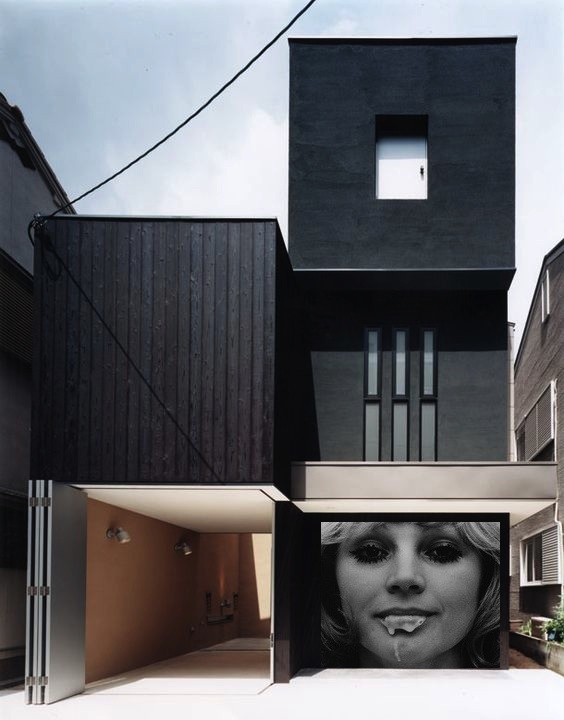
Report to Management: This rent-a-pad was advertised as “Female Friendly”. What that means: Magic Wand in the drawer under the (non-flat screen) TV. Not in a sanitary plastic wrapper. Worked, though. Gotta say that.
Vanilla yogurt. Inside of fridge was creepily warm.

Report to Management: This place cost almost as much as the Leni Riefenstahl Suite at the good ol’ Kranepool, but felt more like one of those coffin hotels in Tokyo. Decor as per usual. Feels as though no one’s ever lived here, no one’s ever stayed more than a day or two. That’s the pervasive feel of these places: no one home. No home.
Hotels feel like family, by comparison. Hotels create jobs, instead of stress. Hotel lobbies are public places where people can meet, get to know each other and drink cocktails.
Big surprise in the fridge: creamiest yogurt ever.

Memo to: Management
From: Chambermaid X
Re: AirBnB Crisis
Prediction: AirBnB will go the way of 8-track tapes and CB radios.

***
Crisi AirBnB!
Nota da: Gestione
A: Cameriera X
Soggetto: AirBnB--massima discrezione
Un fenomeno globale minaccia la nostra industria. Se ci tieni alla carriera qui a Hotel Kranepool, vi ci tufferai nelle vesti di una tipica turista di massa per raccogliere dati. A tale scopo ti autorizziamo a richiedere soldi alla piccola cassa.
Cameriera X non era mai stata in missione segreta. Sentì il brivido che la scuoteva ogni volta che entrava in una stanza sulla quale porta mancava il cartellino Non disturbare/Rifare la camera. Bussava, ma a volte i graditi ospiti non sentono, o fanno finta di non sentire, o sono ammanettati al radiatore con mutandine sexy infilate nelle orecchie. Era successo solo una volta, ma è successo. Il lavoro più pericoloso di tutto il settore alberghiero, dicono. E dicono bene.
Cameriera X riempì la borsa di intimo sexy e si mise una parrucca magenta stile Louise Brooks per l’incognito: costava meno di una nuova acconciatura.
Il primo AirBnB che perlustrò Cameriera X era in un quartieraccio in fase di hipsterizzazione.

Rapporto a La Gestione: il posto è pulito, va detto. Spartano allo stremo, ma immacolato. I mobili sono alienanti, addirittura malvagi. Il borbottare della macchinetta del caffè era l’unica nota umana che sentii durante il soggiorno. La donna che mi passò le chiavi sembrava stanca e delusa dalla vita. Andò in panico quando l’abbracciai.
Nel frigo c’era una confezione di yogurt all’albicocca. Nient’altro.

Rapporto: trovato un preservativo sotto il letto. Solo uno, ma che schifo.
Nel frigo, yogurt alla banana. Delizioso.

Rapporto: questo stabilimento sarebbe “Female Friendly”. Varrebbe a dire: vibratore nel cassetto sotto il televisore (non plasmatico). Nemmeno impacchettato per l’igiene. Però funzionava, andrebbe detto.
Yogurt alla vaniglia. Dentro al frigo c’era un caldo schifoso .

Rapporto: questa stamberga costa quanto la Leni Riefenstahl Suite al buon vecchio Kranepool, ma sembrava di stare in uno di quegli alberghi a loculi di Tokio. Solito arredamento impersonale. Dà l’impressione che non ci ha mai vissuto nessuno, che nessuno vi sia rimasto più di un giorno o due. La vibrazione emanata da questi posti: non c’è nessuno, non sei da nessuna parte. Un albergo sembra una casa di famiglia, a confronto. Gli alberghi creano lavoro, anziché stress. Le hall d’hotel sono luoghi pubblici dove la gente può incontrarsi, scambiare idee, bere alcolici.
Sorpresa nel frigo: lo yogurt più cremoso del mondo.

Nota a: Gestione
Da: Cameriera X
Soggetto: Crisi AirBnB
Il fenomeno degli AirBnB è come la mania Madonna degli anni 80. Spariranno, come i dinosauri.
