
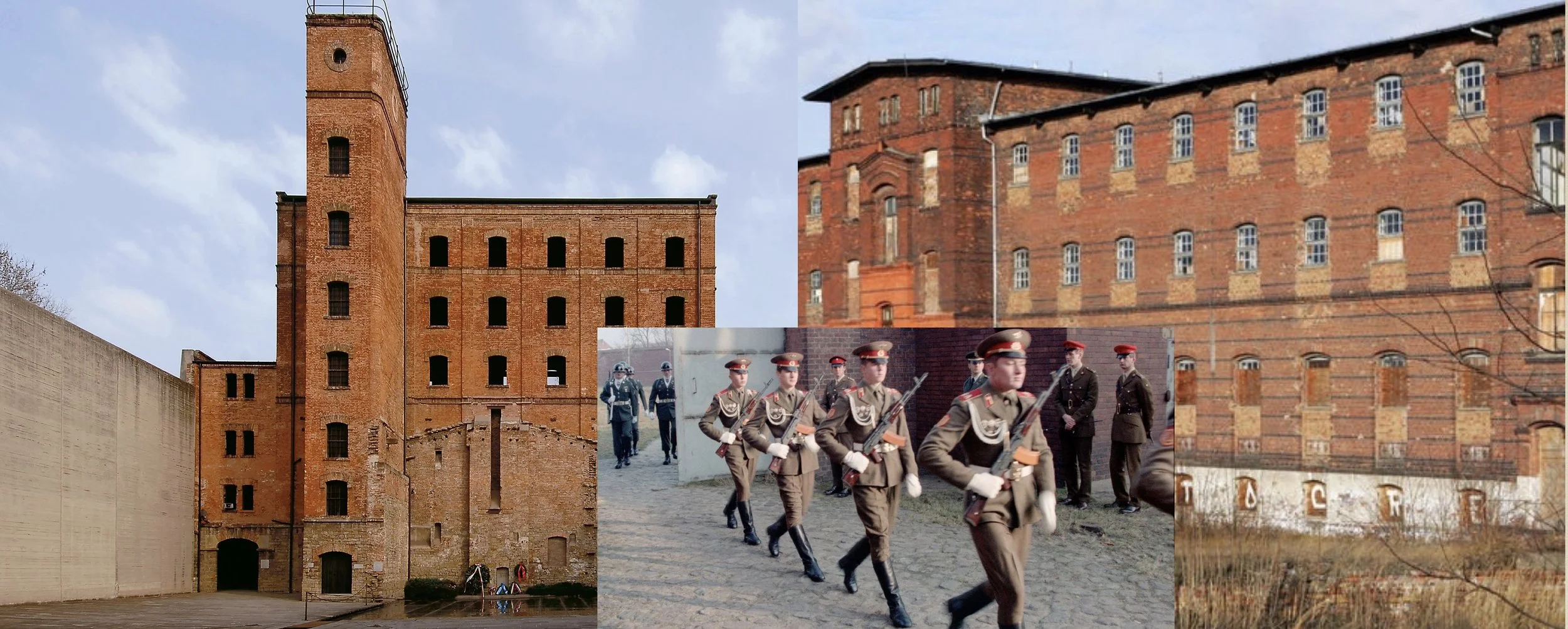
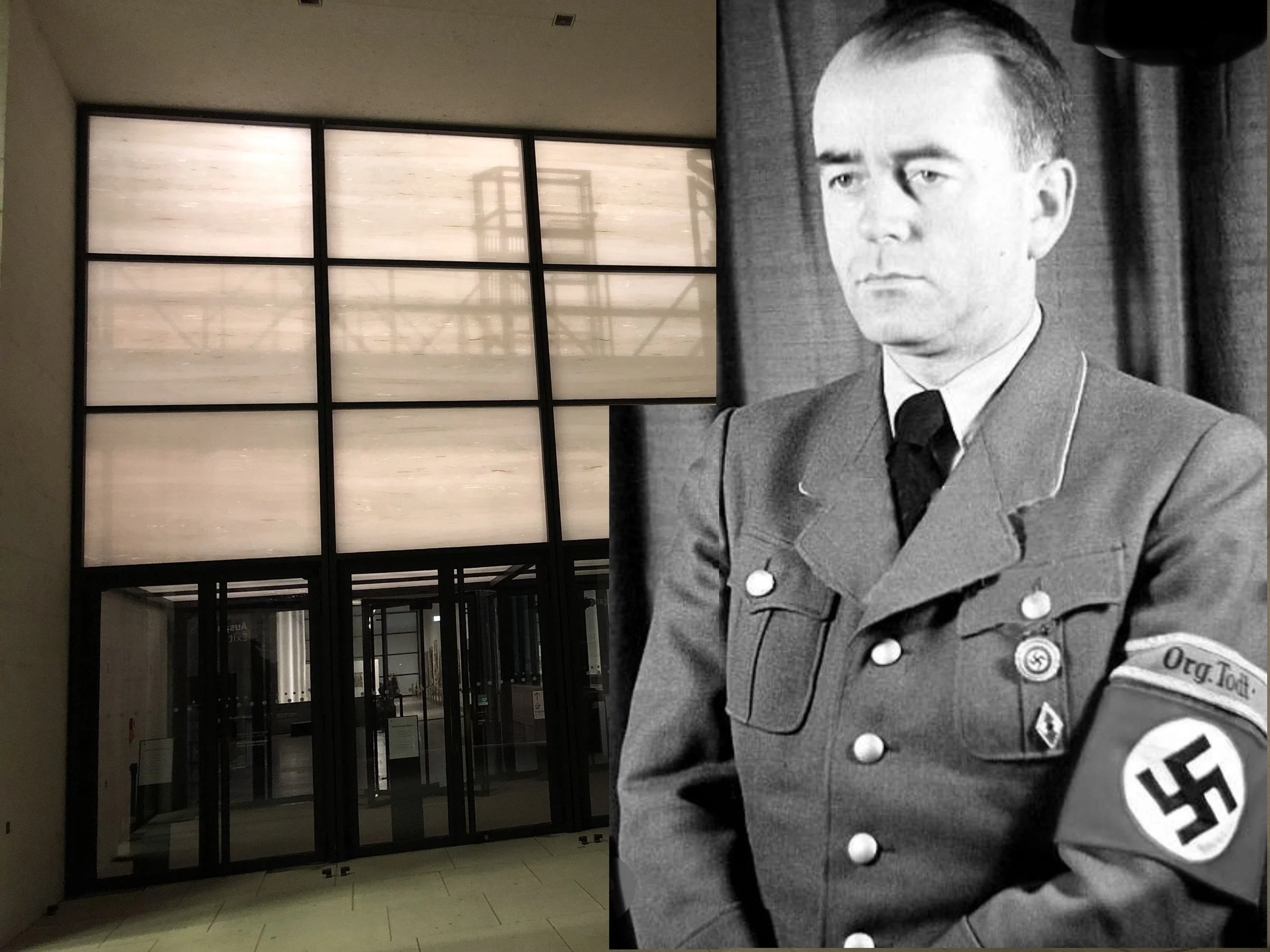
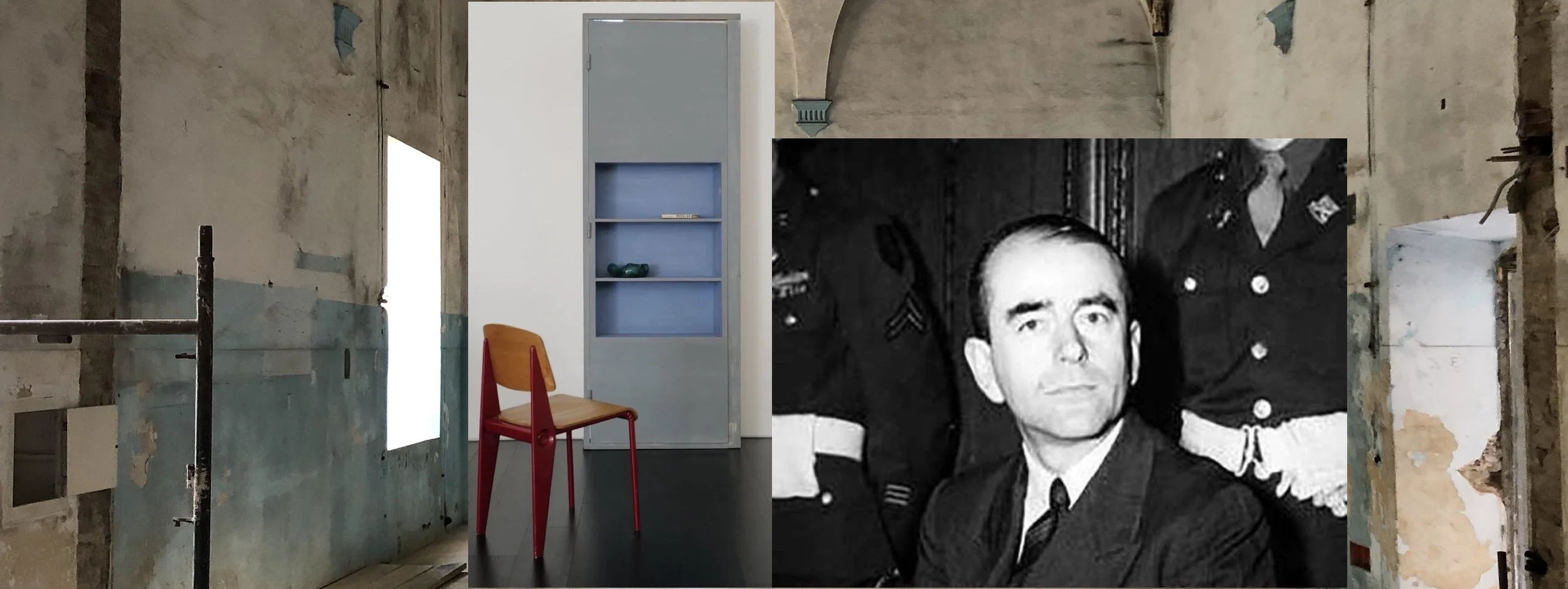
Heinrich Böll & Albert Speer at the "Spandau Hilton"
Two German authors sit across from each other at a stainless steel table bolted to the floor of a prison chamber in West Berlin, a city that no longer exists.
Millions of copies sold on the one hand. Nobel Prize on the other.
Before, they were comrades, officially. In the grim "Spandau Hilton", they're on different sides, at least in an existential sense. One guest can check out at the end of their visit.
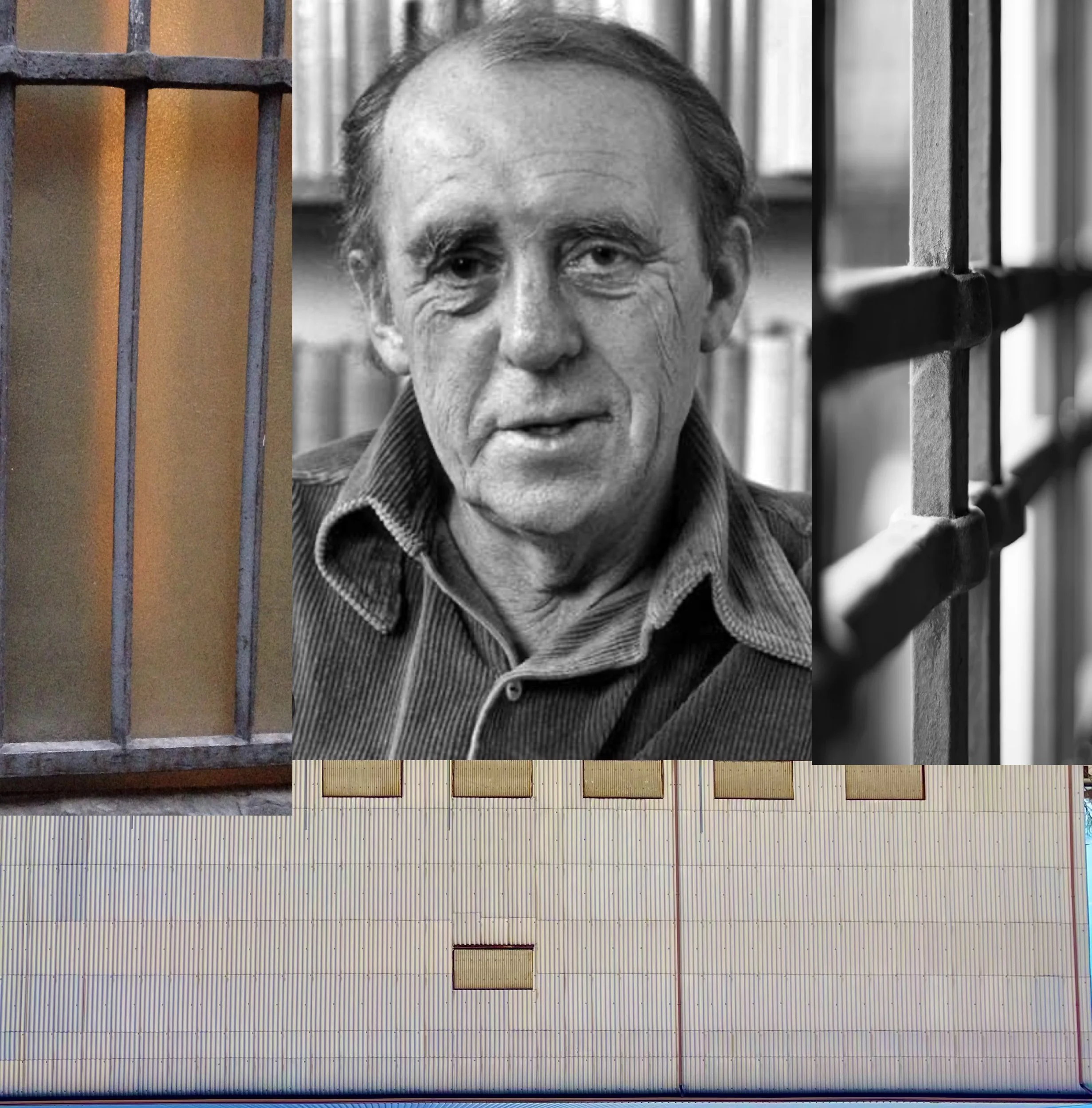
Heinrich!
Heinrich Böll: Here, I brought you something. (tosses a small package on the table)
Albert Speer: (eagerly unwraps it) Oh...cigarettes, Schnaps, paper and pencils. I hoped you would bring Pervitin...
Heinrich Böll: I thought the guards would've confiscated these items. They've gotten somewhat lax. Which is no surprise. Or maybe it's because of that prize. They didn't frisk me. Here. (pulls a cardboard box from a chest pocket, sets it down)
Albert Speer: (tears it open, looks inside) Oh thank God! You really are a genius.
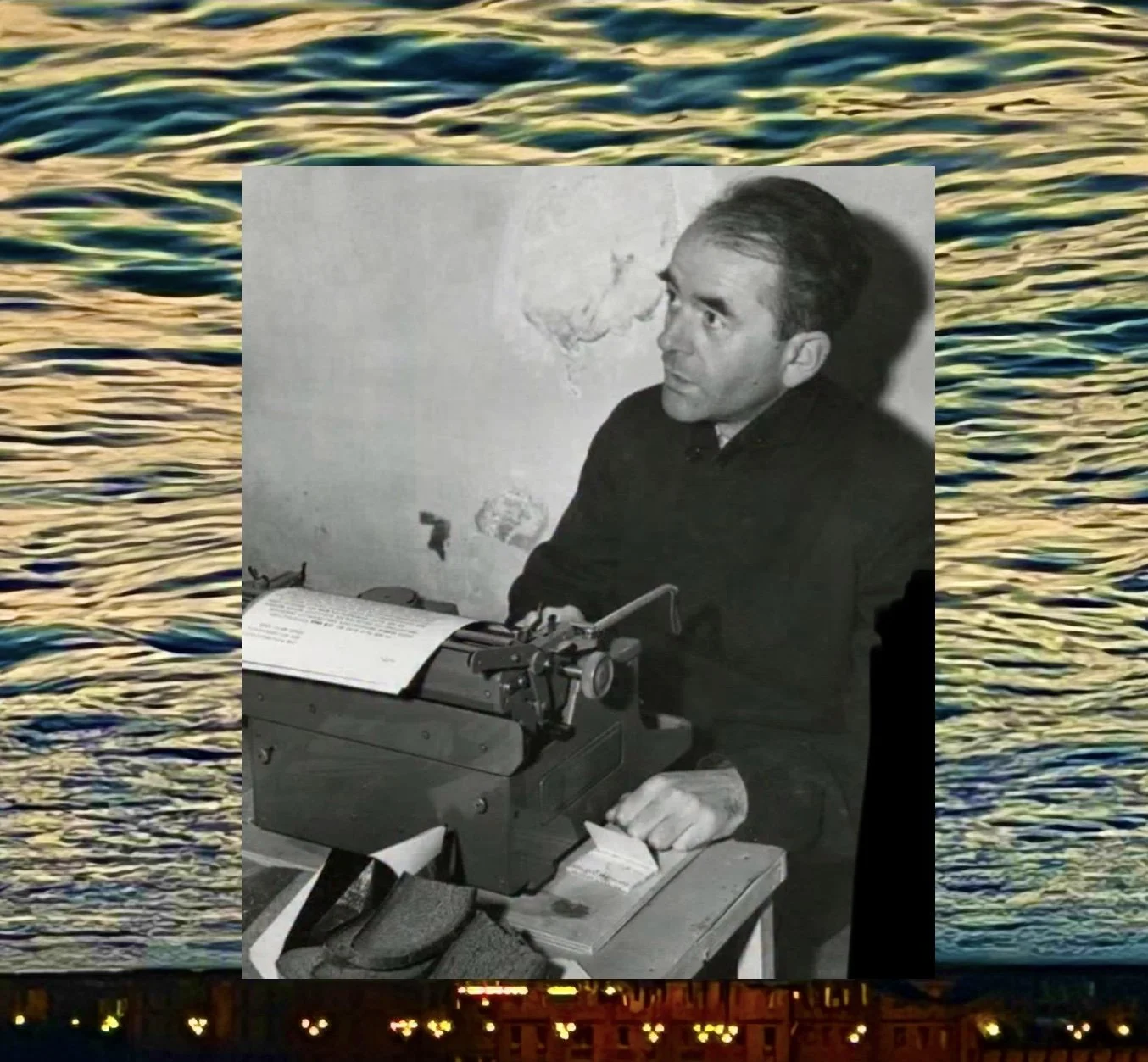
Albert!
Heinrich Böll: To tell you the truth, I'd been hoarding these little pink beauties for a time when no ideas would come. But after all these years, I’ve decided that coffee, backed up with a cigarette or two, works just as well.
Albert Speer: I do appreciate the writing materials, but I'm all written out. And all the money from the book goes for reparations. Worthless to me, in here.
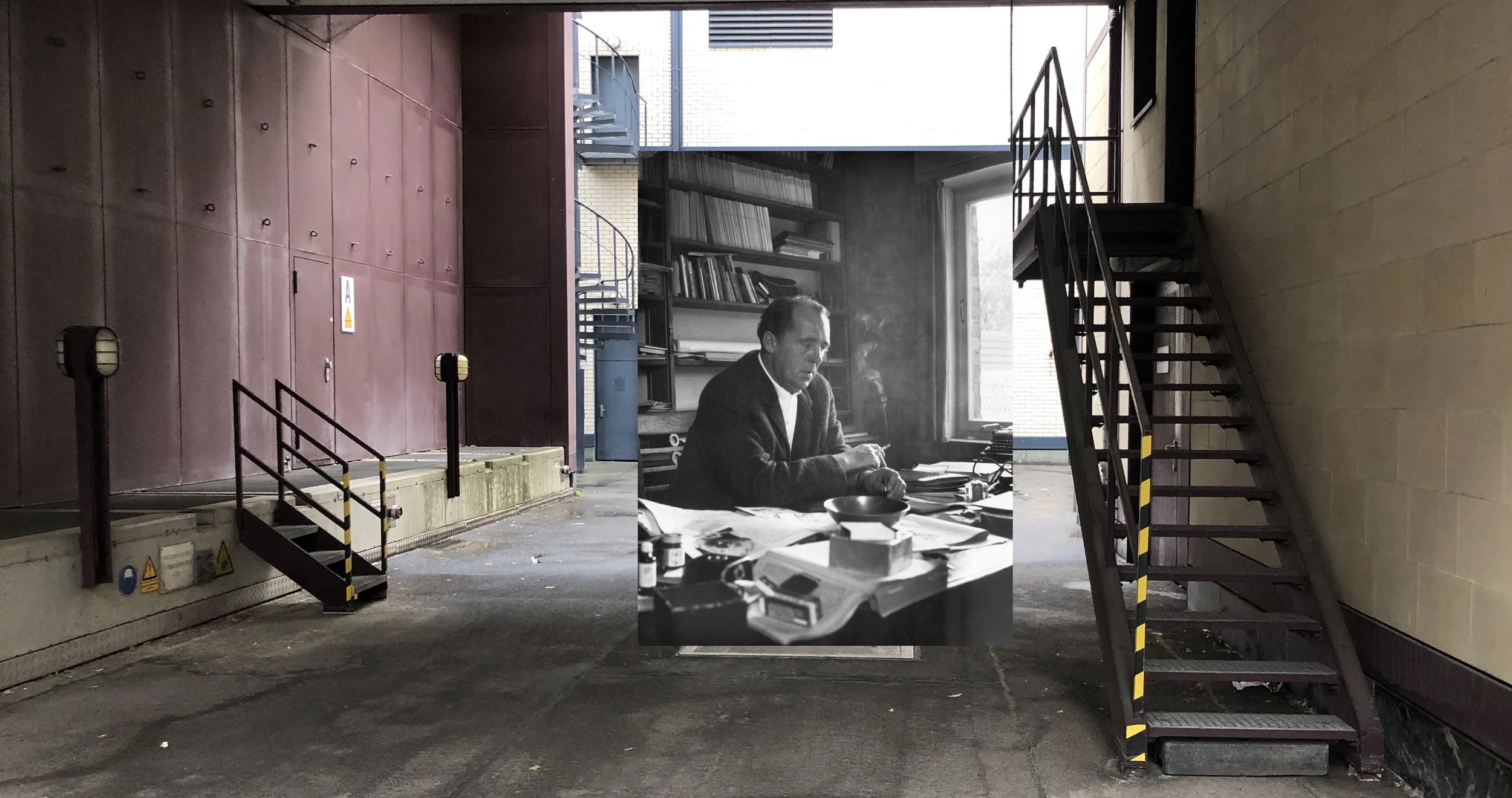
Heinrich!
Heinrich Böll: You left out the private parts.
Albert Speer: If I hadn't, I wouldn't be here speaking to you now.
Heinrich Böll: You survived.
Albert Speer: Some part of me, perhaps. Shall we drop a few of these together, for old times' sake?
Albert!
Heinrich Böll: As long as you promise not to sing the songs.
Albert Speer: Do you think I'm mad? The guards would come immediately and take away these precious pills. They'd throw them away. They have no idea!
Heinrich Böll: (gobbles several, washes them down with Schnaps) Ahhhh...the flavor of youth.
Albert Speer: (does the same) To youth!
***
Heinrich Böll & Albert Speer allo "Spandau Hilton"
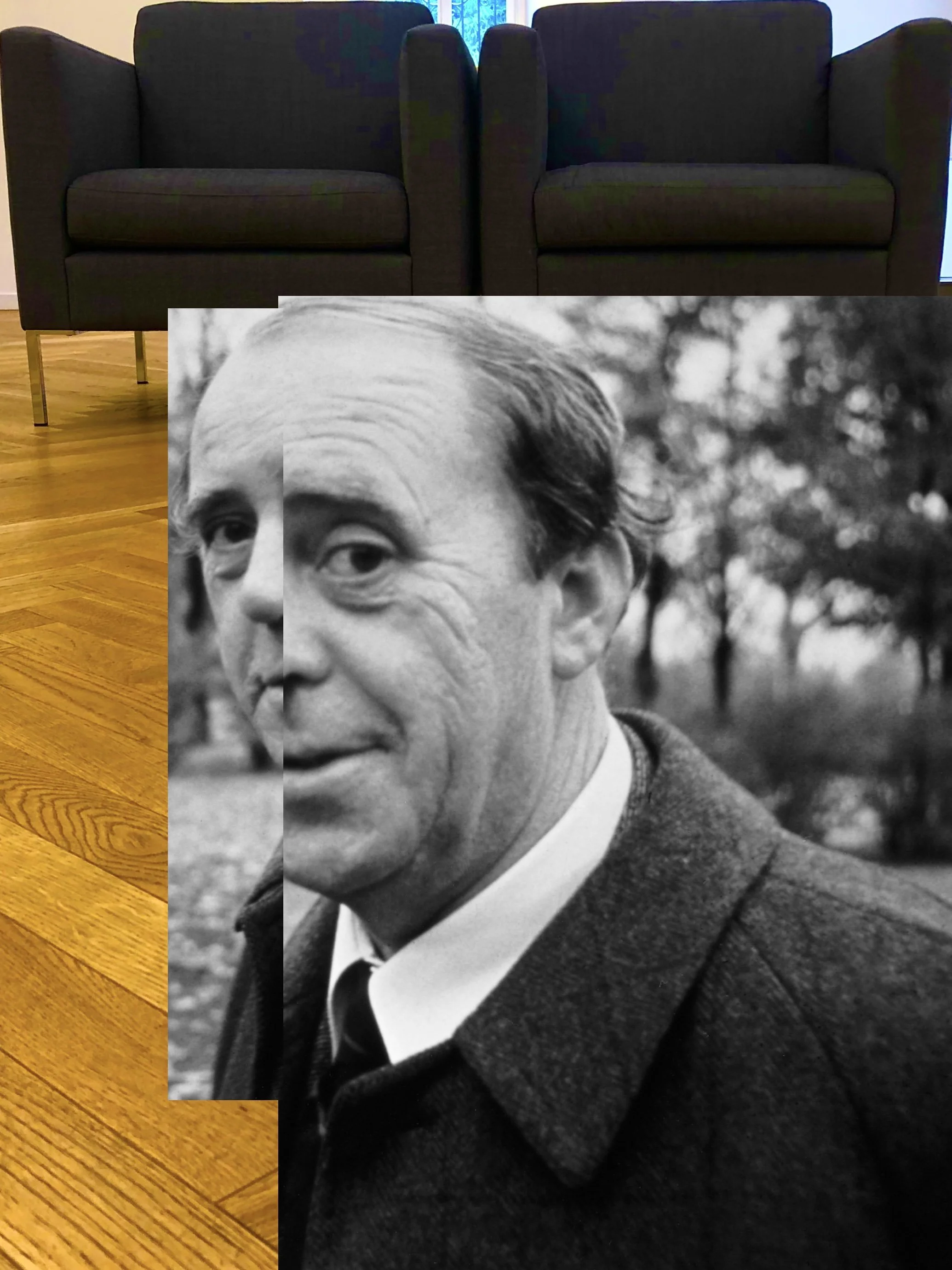
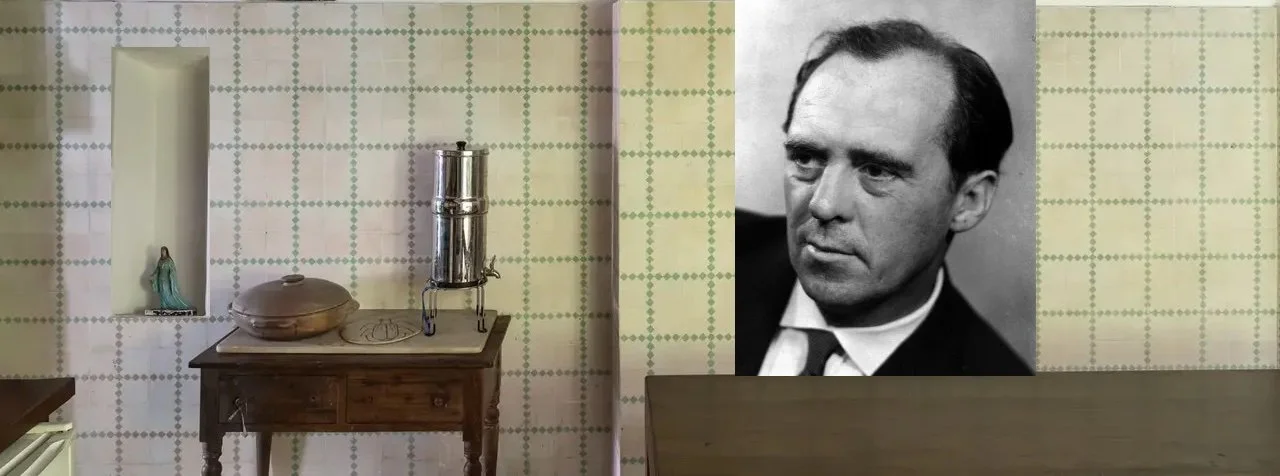
Due autori stanno seduti l'uno di faccia all'altro ad un tavolo d'acciaio inossidabile fissato al pavimento in una stanza in un carcere di Berlino Ovest, una città che non esiste più.
Milioni di copie vendute da una parte. Premio Nobel dall'altra.
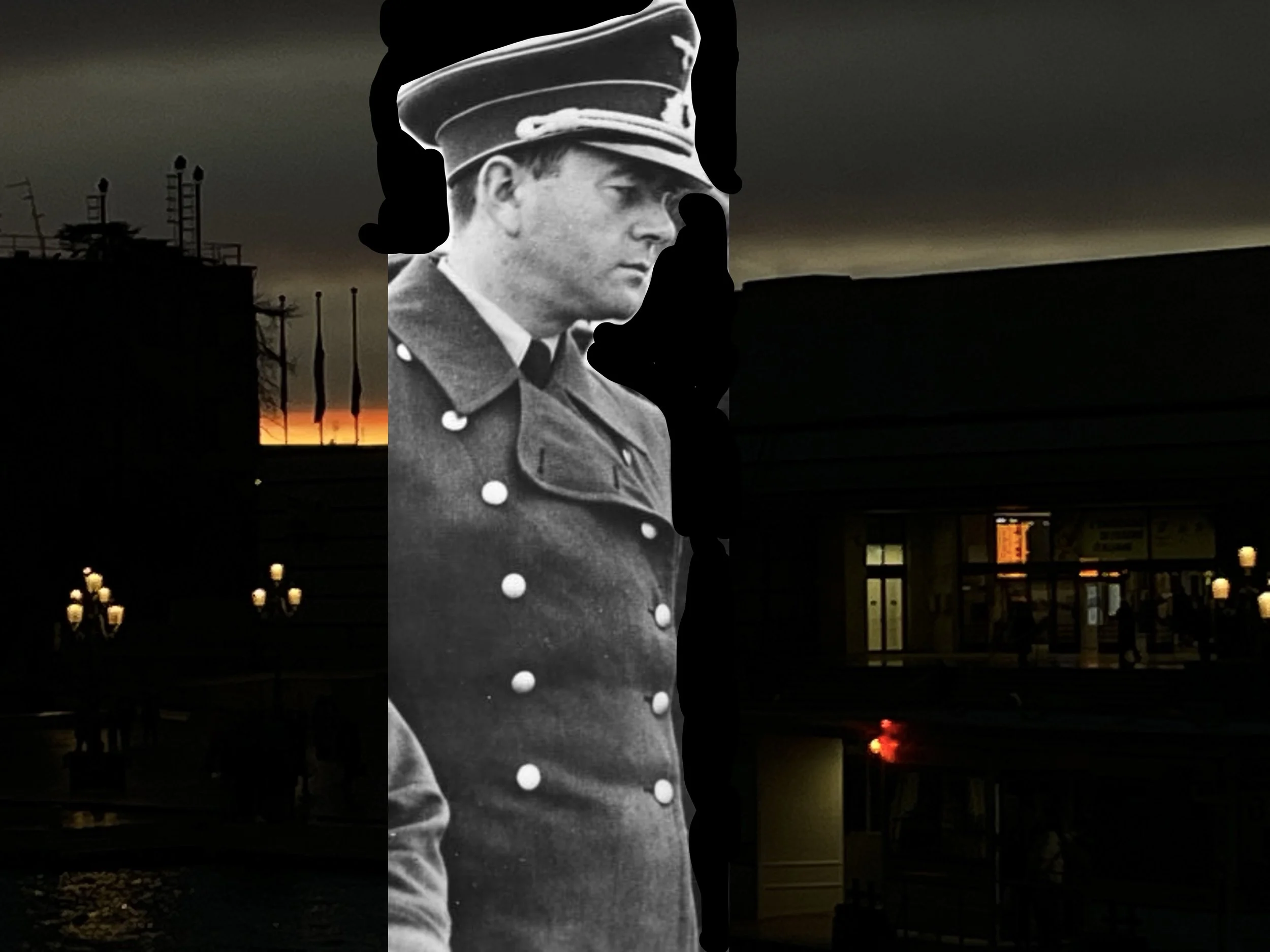
Nessuno dei due è qui per accusare, giudicare o simpatizzare. Prima erano camerati, ufficialmente. Nel truce "Spandau Hilton" stanno da parti diverse, almeno in un senso esistenziale. Alla fine della visita uno degli ospiti potrà uscire.
Heinrich!
Heinrich Böll: Ecco, ti ho portato qualcosa. (butta sul tavolo un pacchetto)
Albert Speer: (lo scarta in fretta) Ach... sigarette, Schnaps, carta e matite.
Heinrich Böll: Credevo che i secondini avrebbero confiscato questa roba qui. Sono diventati alquanto negligenti. Si può capire. O forse è per via del premio. Non mi hanno perquisito. Tieni. (trae di tasca una scatoletta di cartone e lo posa sul tavolo)
Albert Speer: (la apre voglioso) Oh grazie a dio! Sei davvero un genio.
Albert!
Heinrich Böll: A dirti la verità, queste piccole bellezze rosa le tenevo di scorto per un tempo in cui mi verranno meno le idee. Ma dopo tanti anni, ho capito che un caffè rinforzato con qualche sigaretta mi fa lo stesso effetto.
Albert Speer: Apprezzo anche la roba di cartoleria, ma non ho più nulla da scrivere. Tutti i soldi del libro vanno per pagare le riparazioni. Qua dentro non mi valgono nulla.
Heinrich Böll: Hai trascurato le parti intime.
Albert Speer: Se non l'avessi fatto non sarei qui a parlare con te.
Heinrich!
Heinrich Böll: Sei sopravvissuto.
Albert Speer: Una parte di me, può darsi. Ci caliamo alcuni di queste leccornie chimiche ora, come ai vecchi tempi?
Heinrich Böll: A patto che giuri di non metterti a cantare le canzoni.
Albert Speer: Fossi matto! Arriverebbero subito le guardie e porterebbero via queste preziose pasticche. Non le saprebbero apprezzare. Non ne hanno un’idea!
Heinrich Böll: (ne ingurgita diverse e le manda giù con lo Schnaps) Ahhhh... il sapore della gioventù.
Albert Speer: (si impasticca e beve anche lui) Brindo alla gioventù!
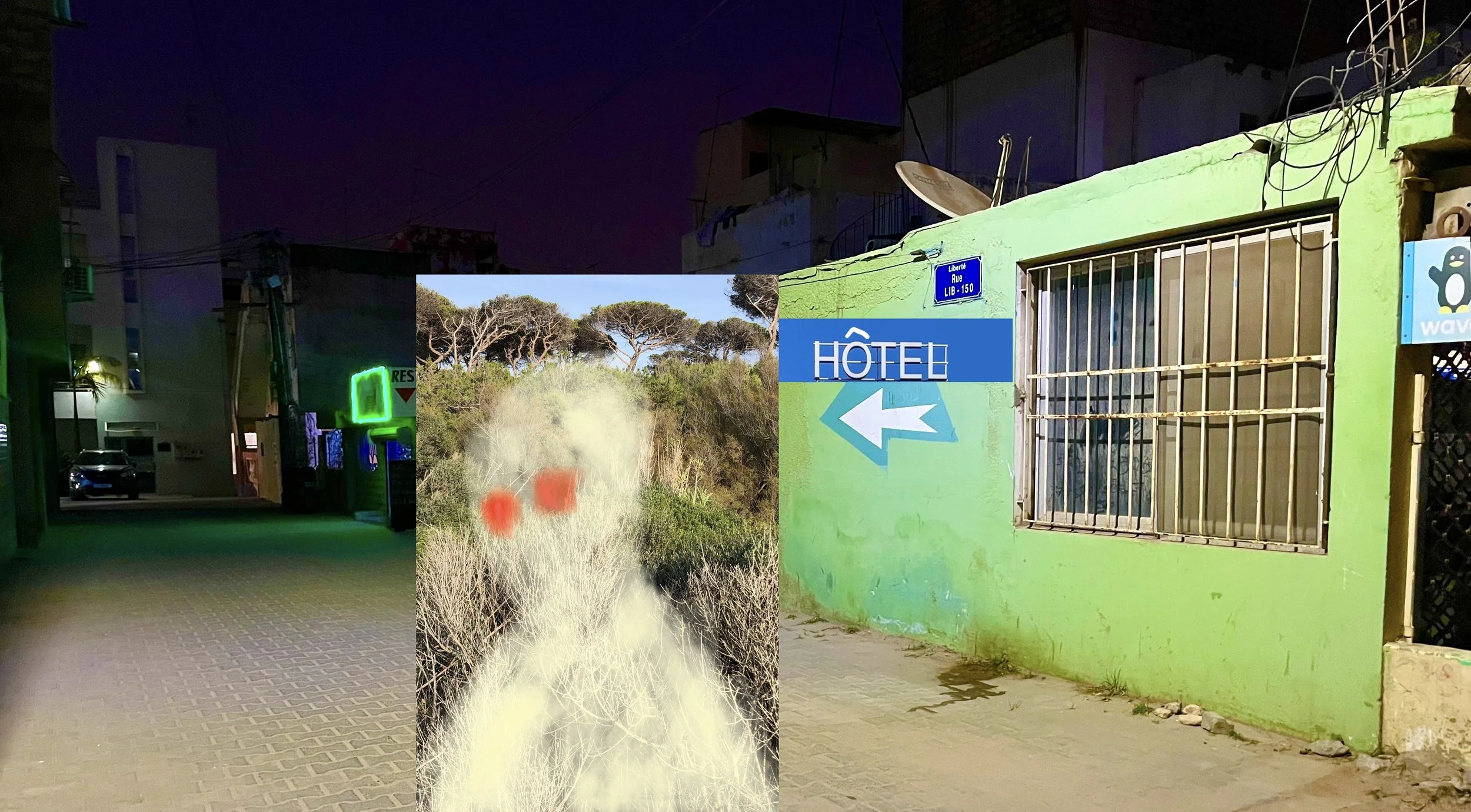
Hôtel Fétiche
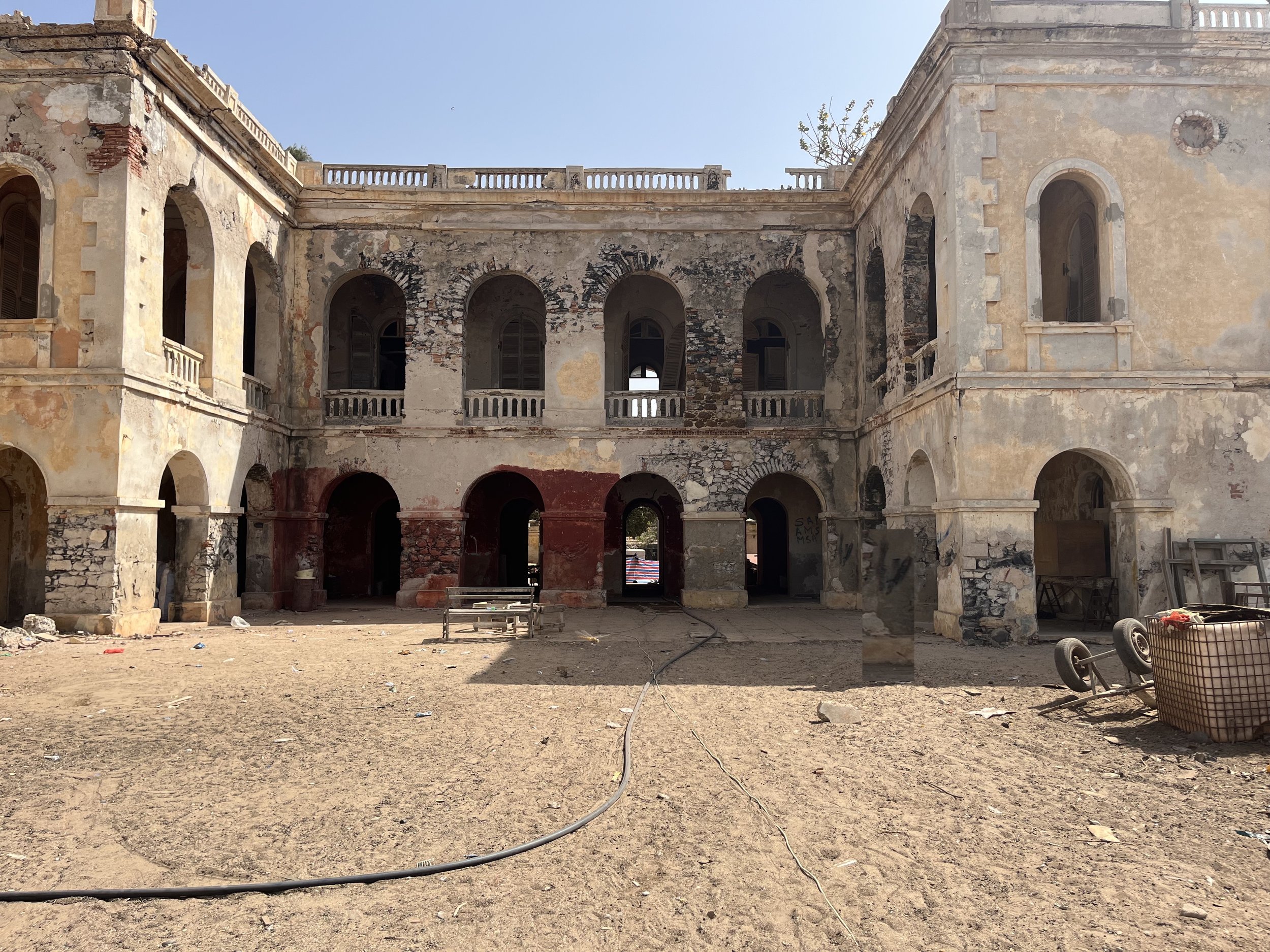
The palace was built in early colonial times.
Once I had a hotel in Africa. It was in a village that was inexorably absorbed by the city that burgeoned as far West as it's possible to go on the so-called Dark Continent. The big house hadn't been built to provide hospitality to paying guests, but since I never said no to anyone who needed a place to stay, or to children whom no one else wanted, it became known as "L'Hôtel".
Some of my guests brought food, or helped keep the place in order. Those who could pay something, paid. "L'Hôtel" became a means to live.
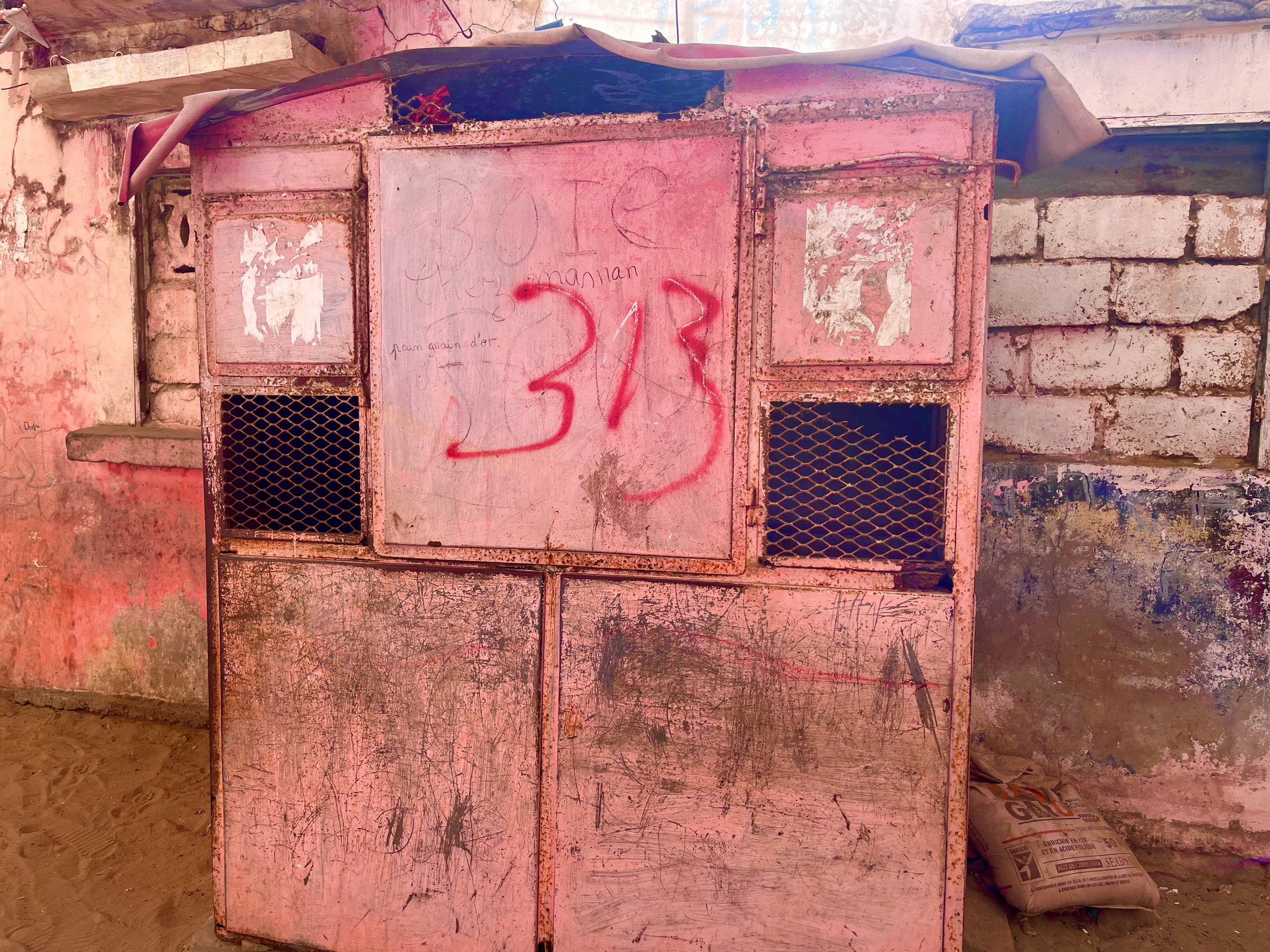
This was the address.
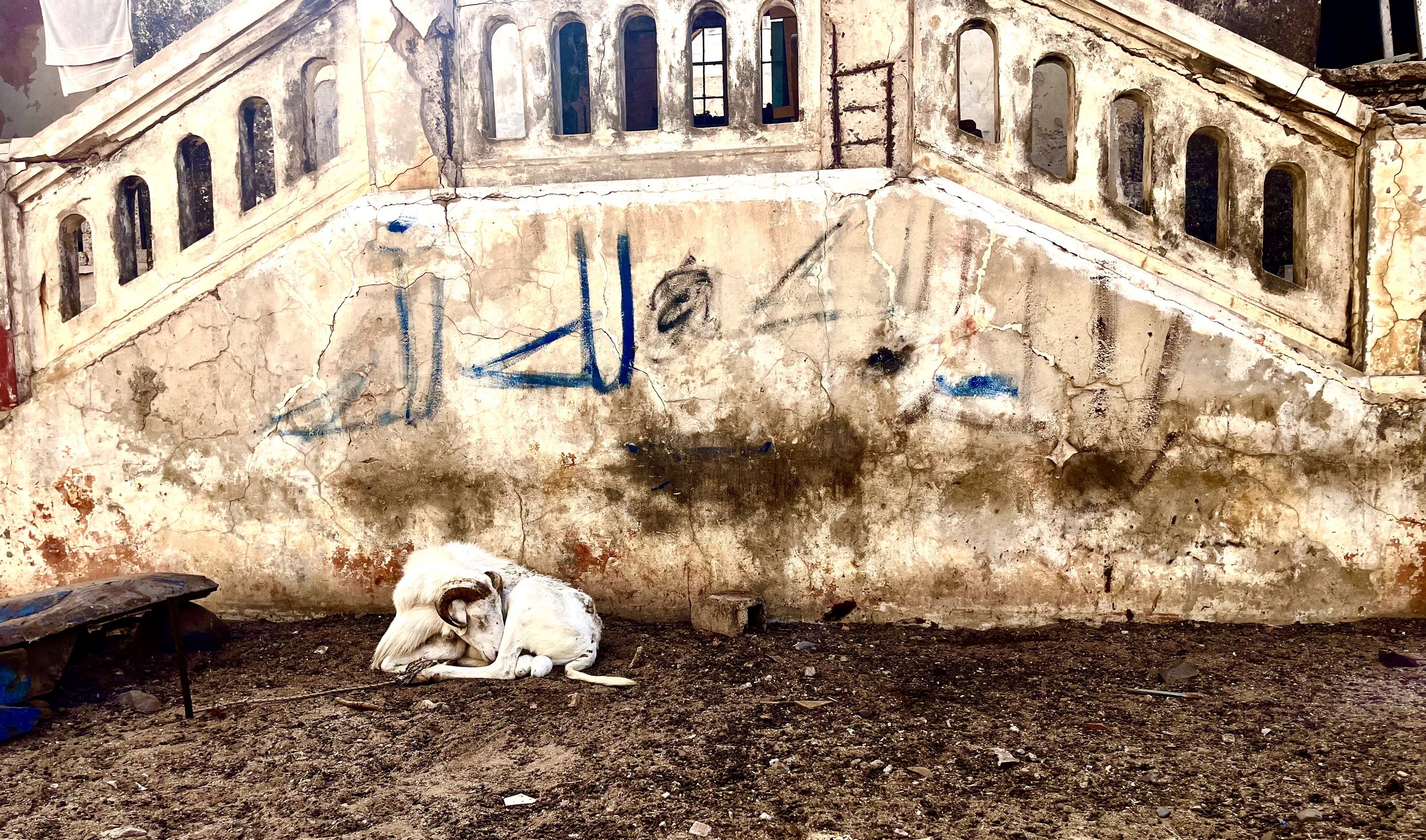
He was a good ram.
When Municipal Inspectors inevitably came to visit, it was immediately clear that the end of a happy enough situation had come. They looked around, wrote in their notebooks, took pictures. The verdict: unsafe, unhygienic, tax evasion. Police stretched yellow plastic ribbons across the doors., but didn't stay to enforce the barrier. People came and went as before, but not for long.
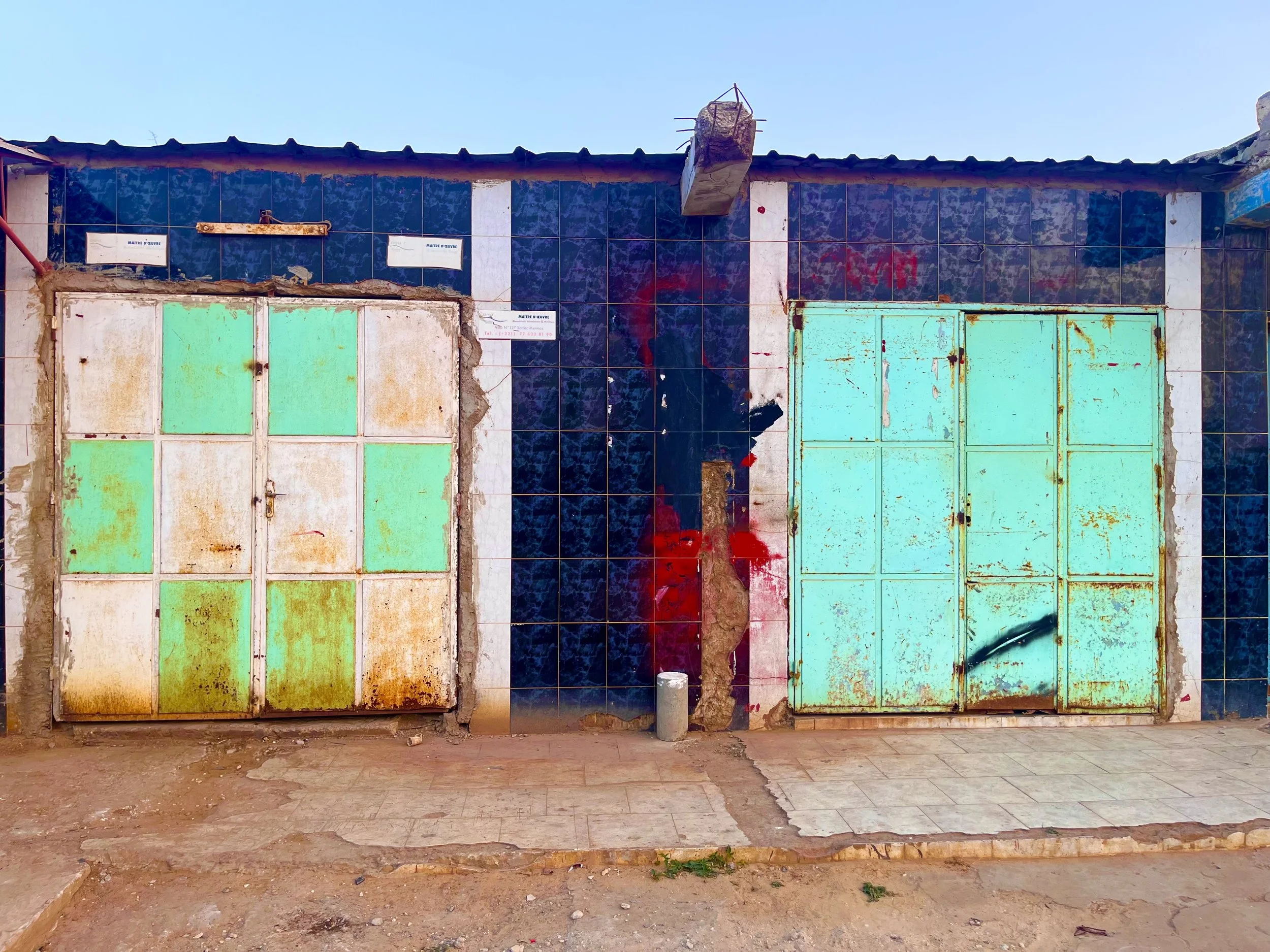
Many guests slept in these rooms.
The officials and the police wanted money, and to make a show of doing their work conscientiously. They said I had to pay a fine. If I didn’t or couldn't pay, they'd put me in prison.
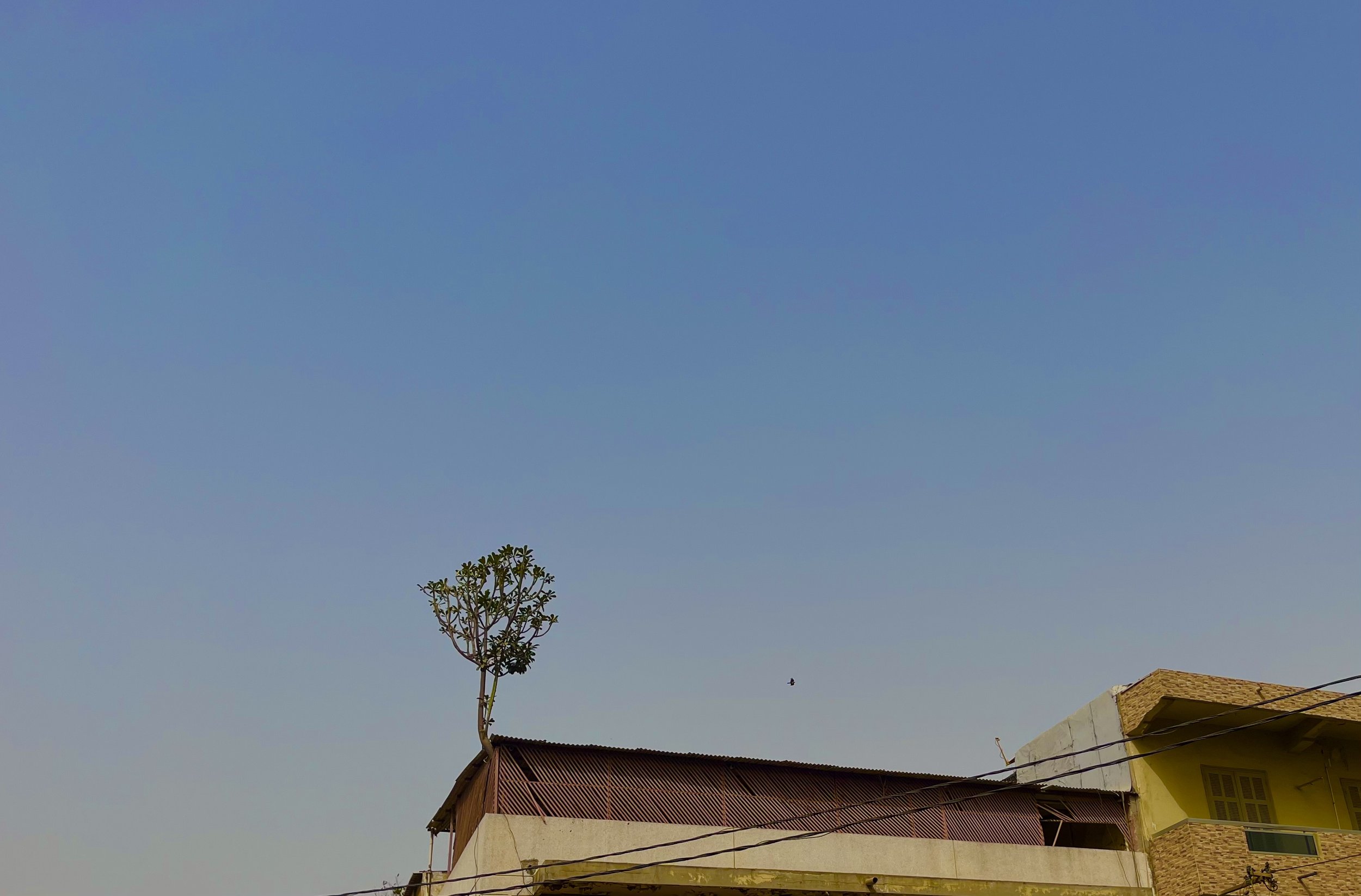
When the inspectors came I felt completely alone for the first time in my life.
The guests prayed for the laws to change. They contributed earnings from the trinkets they made and sold to tourists. I went to see a féticheur.
"The matter is serious," he said, after some consideration. "But you must not lose hope. Think positively, and the dead will assist you in your struggle." He wanted money too.
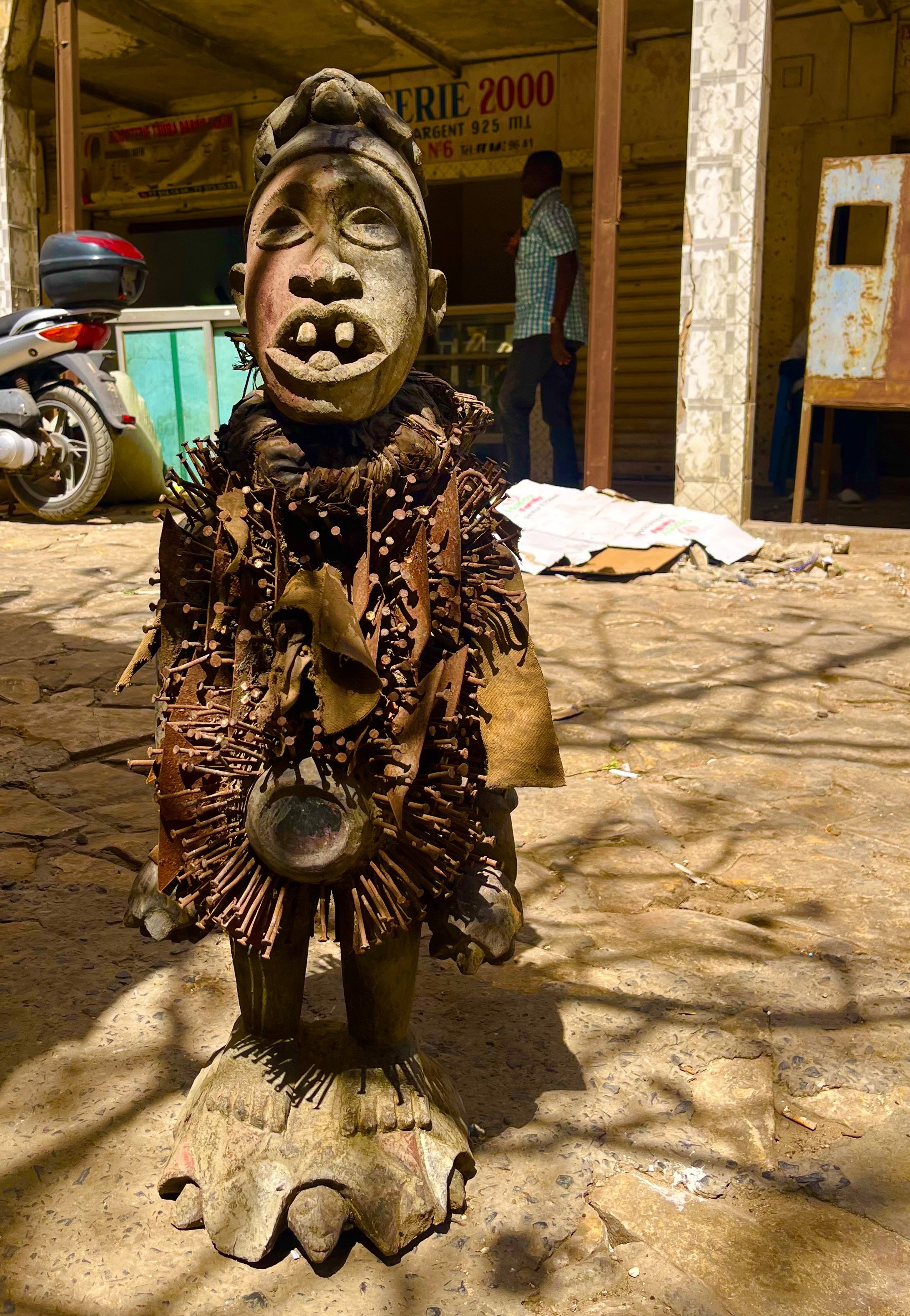
Spirits symbolically assist the living.
The dead had more important things to worry about. A French corporation bought the land under "L'Hôtel", which, according to Municipal Authorities, I didn't legally own. There was no documentation. The bulldozers moved in.
The plan was for a tall, tall building. The result was a skeleton which threatens to crumble and crush those who pass by.
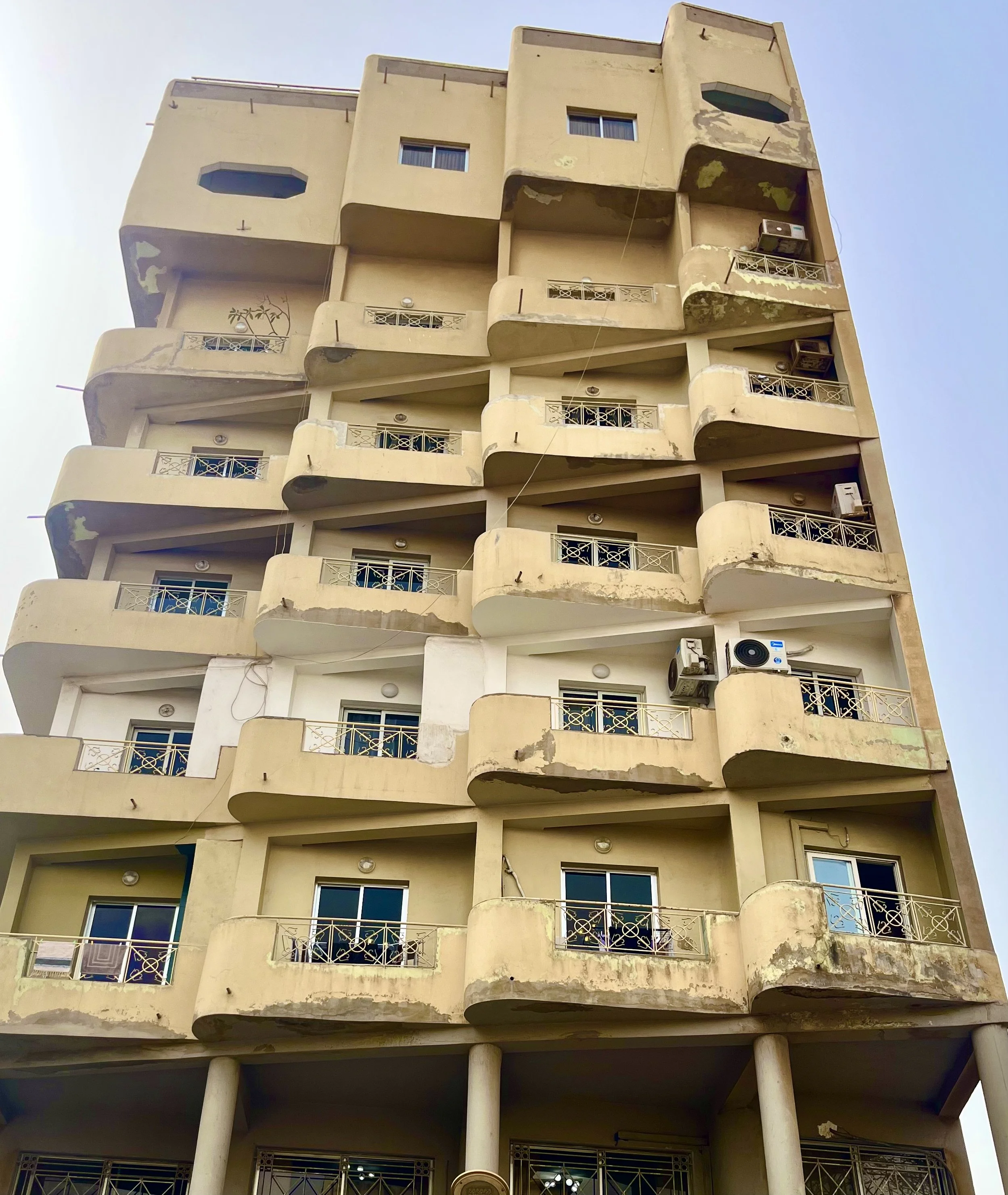
Some of the new structures are inhabited.
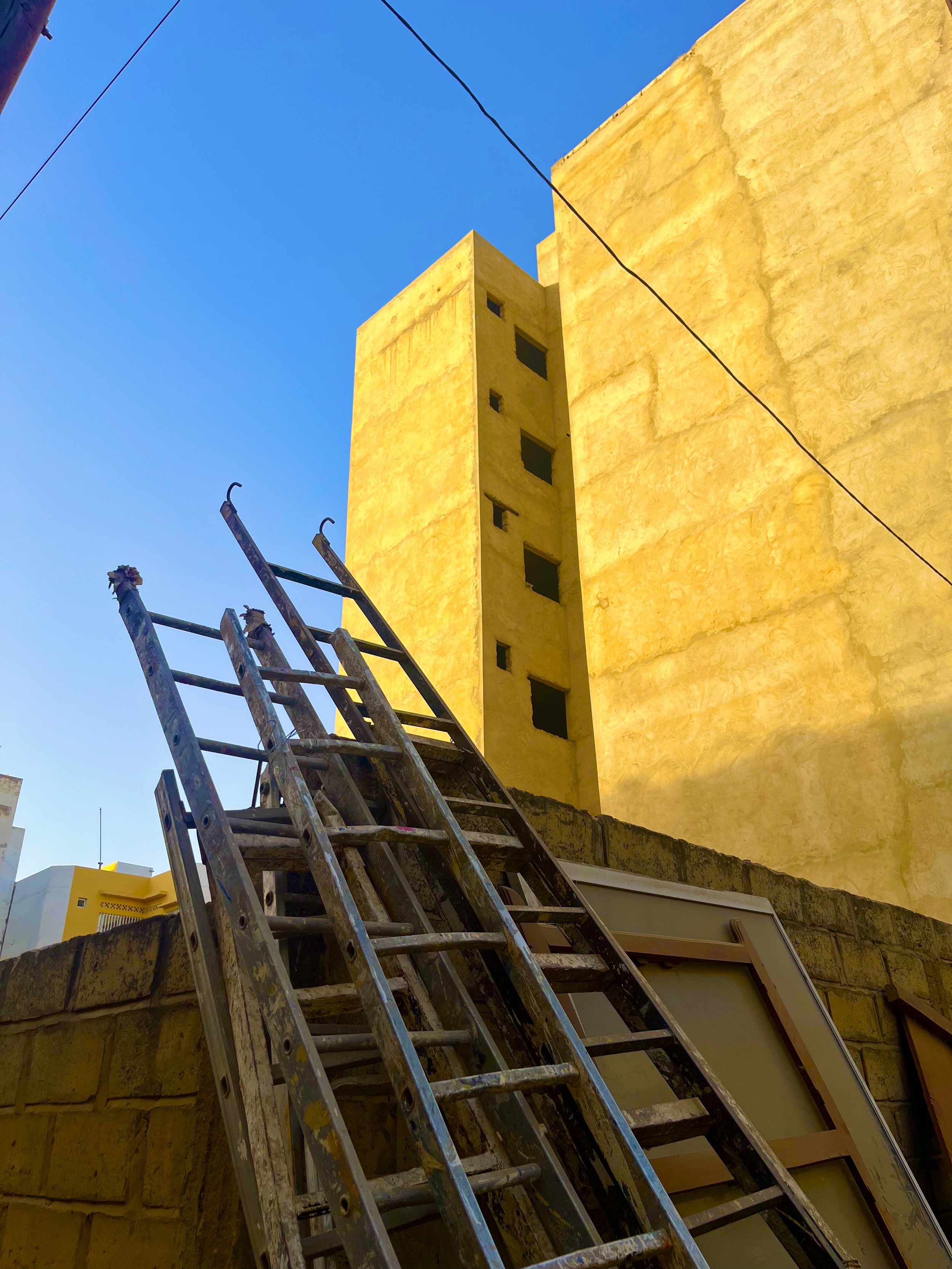
Many remain empty…
"L'Hôtel" was no more, but the fines were still outstanding. I had to escape the skeletal metropolis. After many dubious adventures I wound up in a seaside resort in Europe, where I clean hotel rooms. Not much money, but a bed in which to sleep and three meals a day.
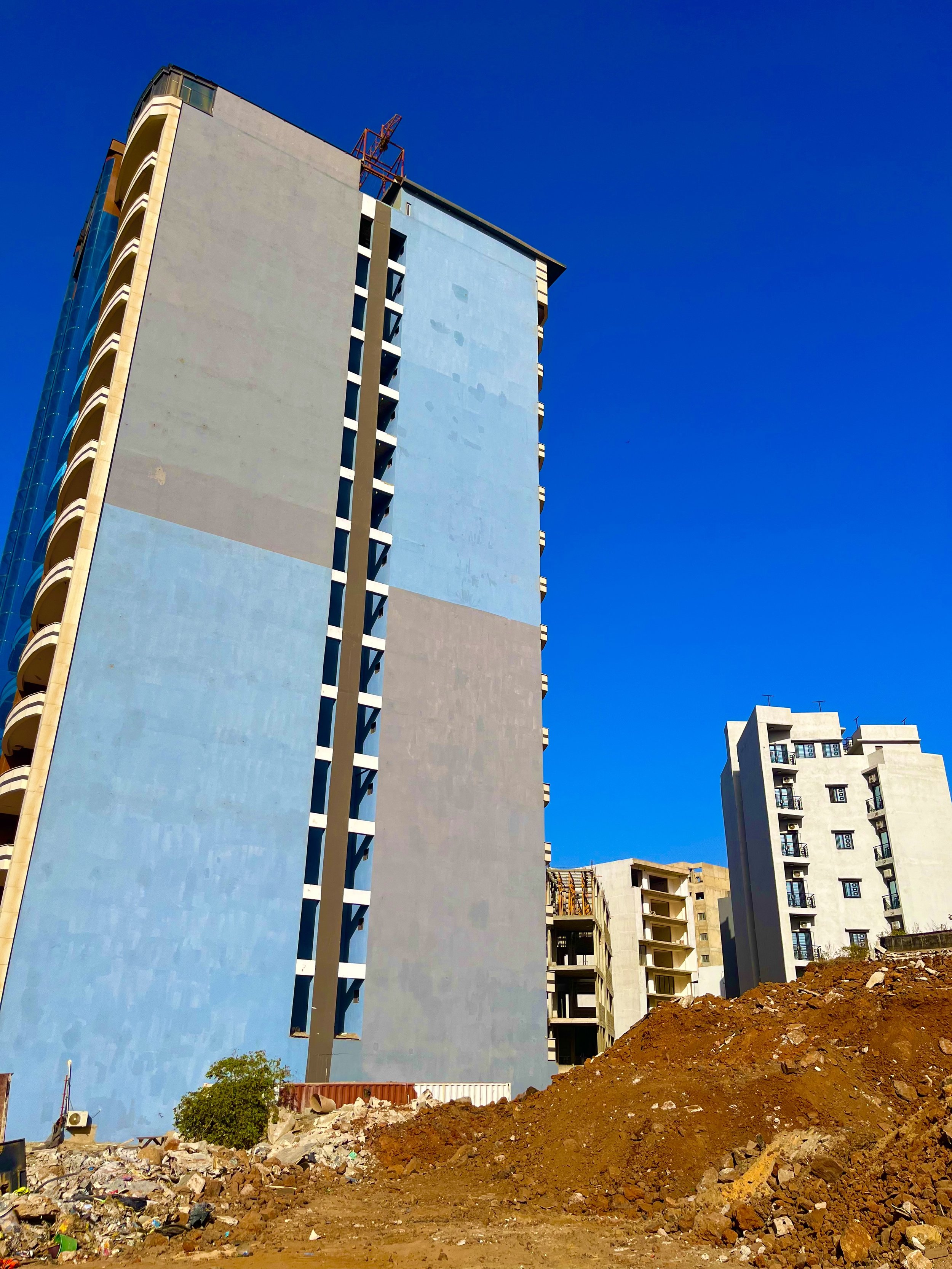
More and more of them, all the time.
***
L'Hôtel dei morti
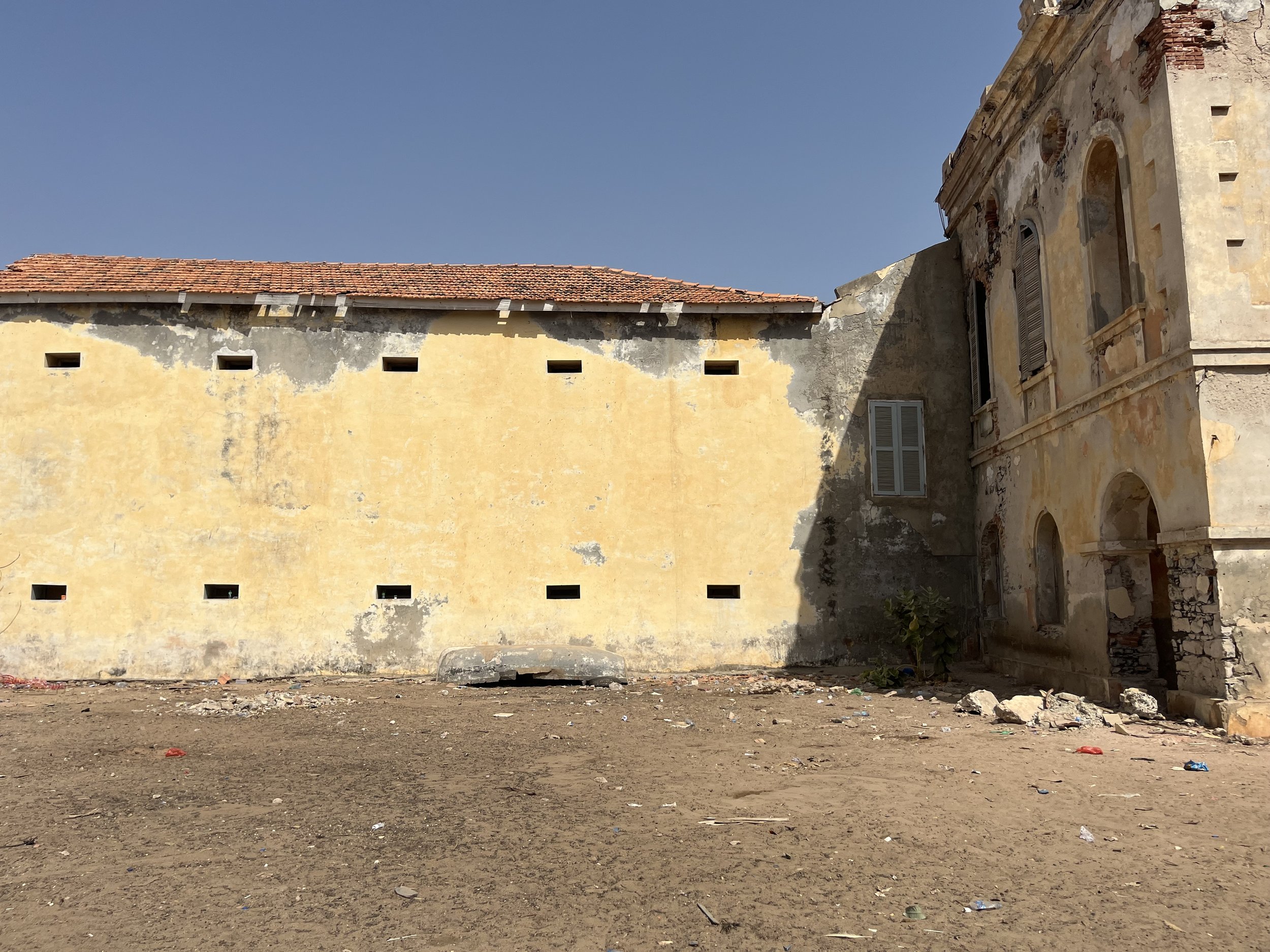
Il palazzo risale all’epoca coloniale.
Una volta avevo un hotel in Africa. Era in un villaggio che fu inesorabilmente assorbito dalla città che si sviluppa più a ovest possibile sul cosiddetto continente scuro.
La grande casa non era stata costruita per accomodare ospiti paganti, ma visto che non dicevo mai di no a chiunque avesse bisogno di un alloggio, e ai bambini che nessuno voleva, veniva chiamata "L'Hôtel".
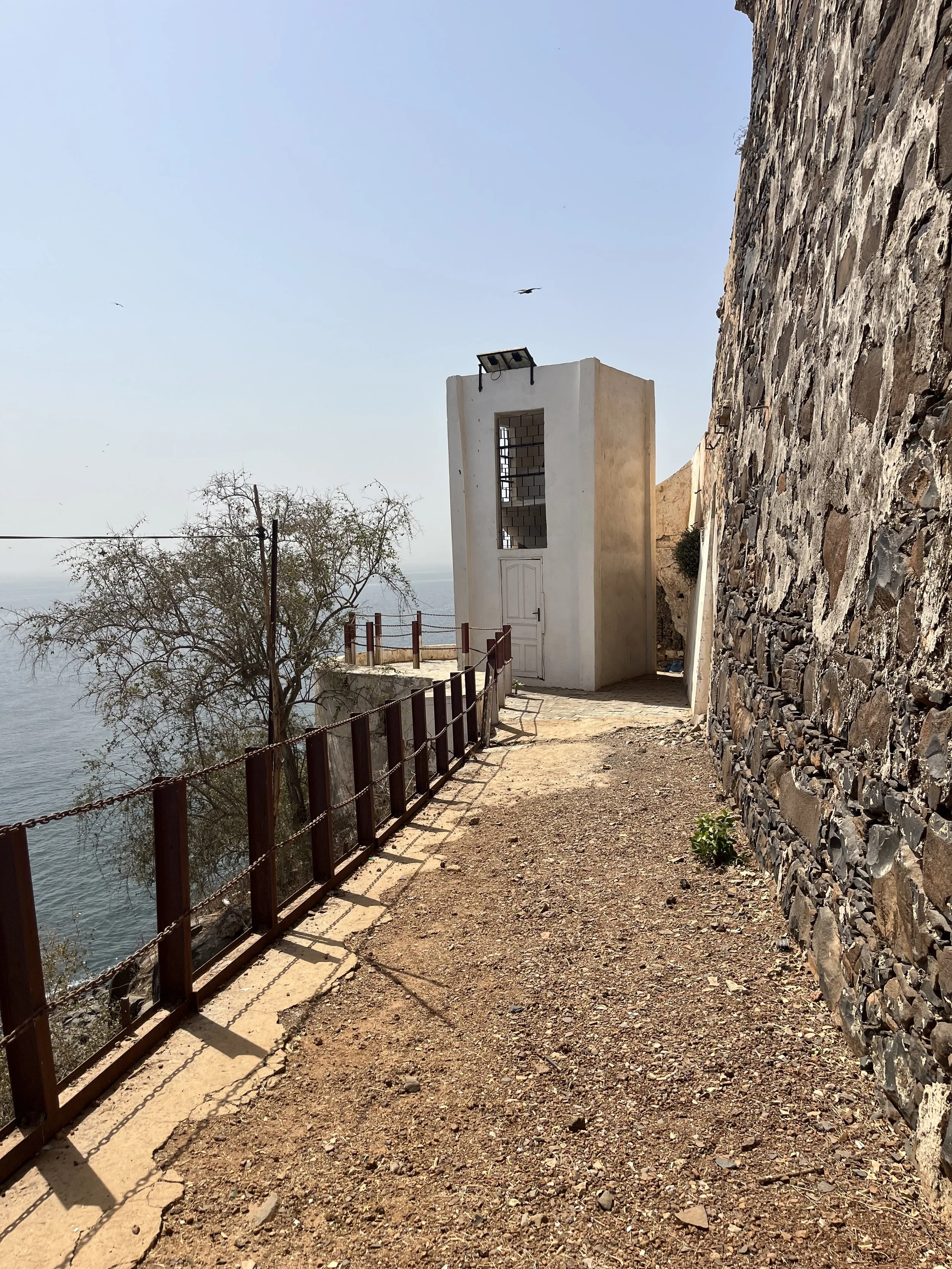
Il bagno era una struttura un po’ discosta.
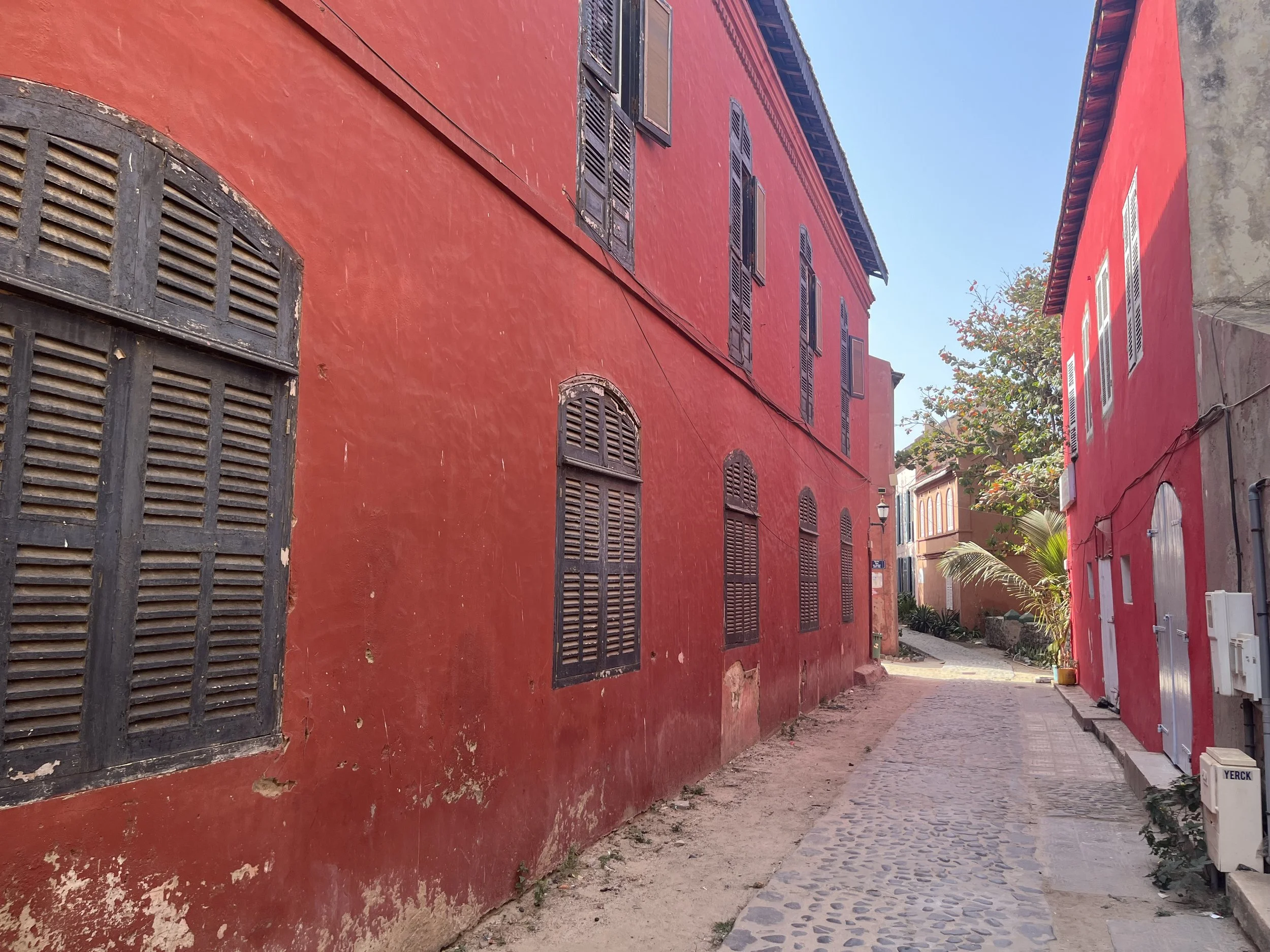
Le strade una volta erano libere da traffico di automobili.
Alcuni portavano cibo, altri aiutavano a tenere in ordine. Chi poteva pagare qualcosa pagava. "L'Hôtel" divenne un modo per campare.
Quando inevitabilmente arrivarono gli ispettori municipali era chiaramente arrivata anche la fine di una situazione abbastanza felice. Fecero il giro, scrissero nei loro taccuini, scattarono foto. Il verdetto: inagibile, poco igienico, evasione fiscale. Venne la polizia e posero del nastro giallo di plastica alle porte. Non rimasero a controllare. La popolazione de "L'Hôtel" andava e veniva come sempre, ma non poteva durare a lungo.
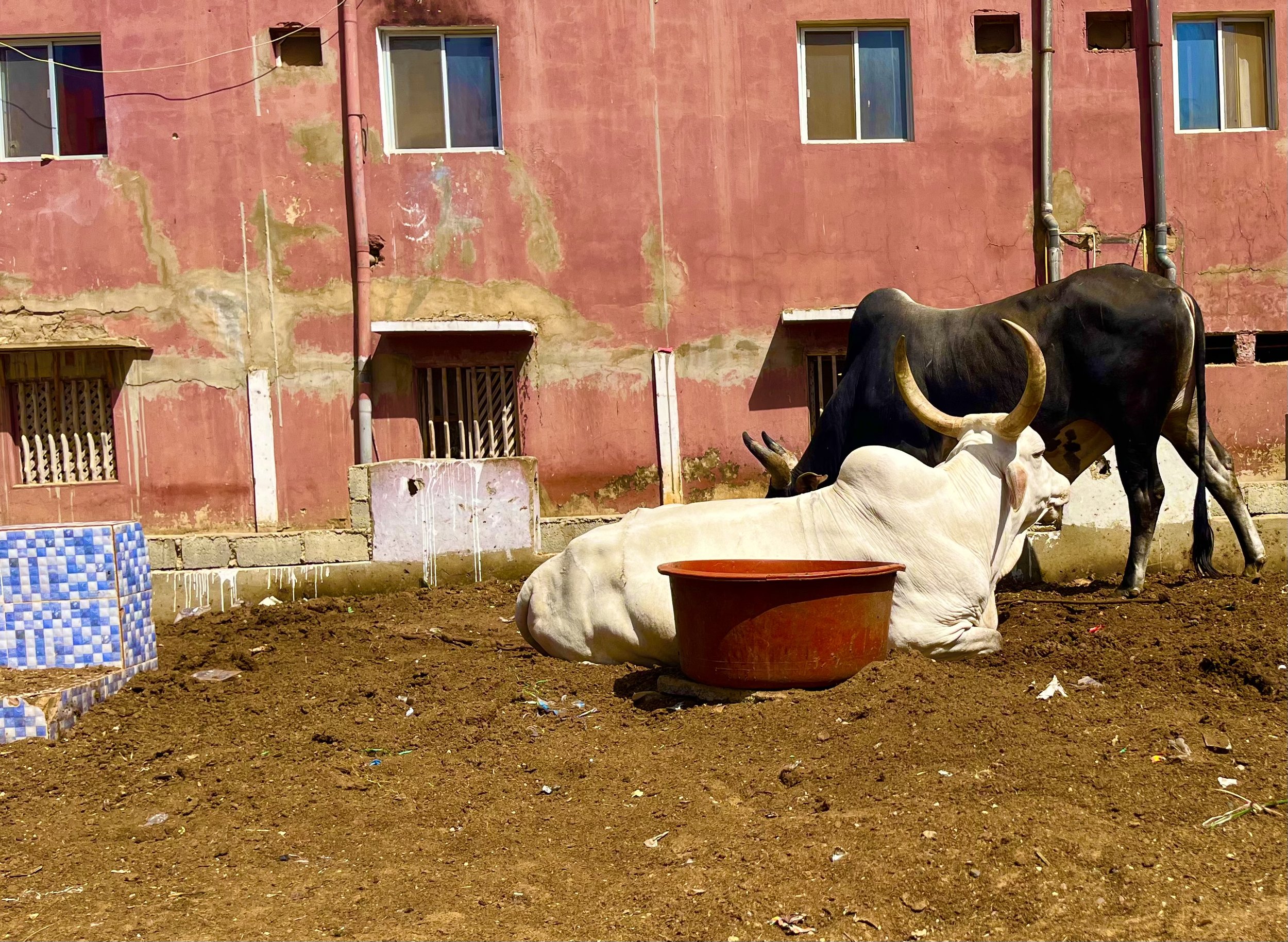
Generosamente ci davano il latte.
Alla fine gli ufficiali e i gendarmi volevano soldi, e far vedere che svolgevano scrupolosamente le loro mansioni. Dissero che dovevo pagare una multa. Se non potevo pagare mi avrebbero messo in carcere.
Quando arrivarono gli ufficiali del comune mi sono sentita sola per la prima volta in vita mia.
Gli ospiti pregarono per far cambiare le norme. Contribuirono ciò che guadagnavano vendendo gli oggetti che confezionavano ai turisti. Io sono andata dallo stregone.
"La cosa è seria," disse lui, dopo averci meditato a lungo. "Ma non ti devi disperare. Fai pensieri positivi e i morti ti assisteranno nella tua lotta." Anche lui voleva soldi.
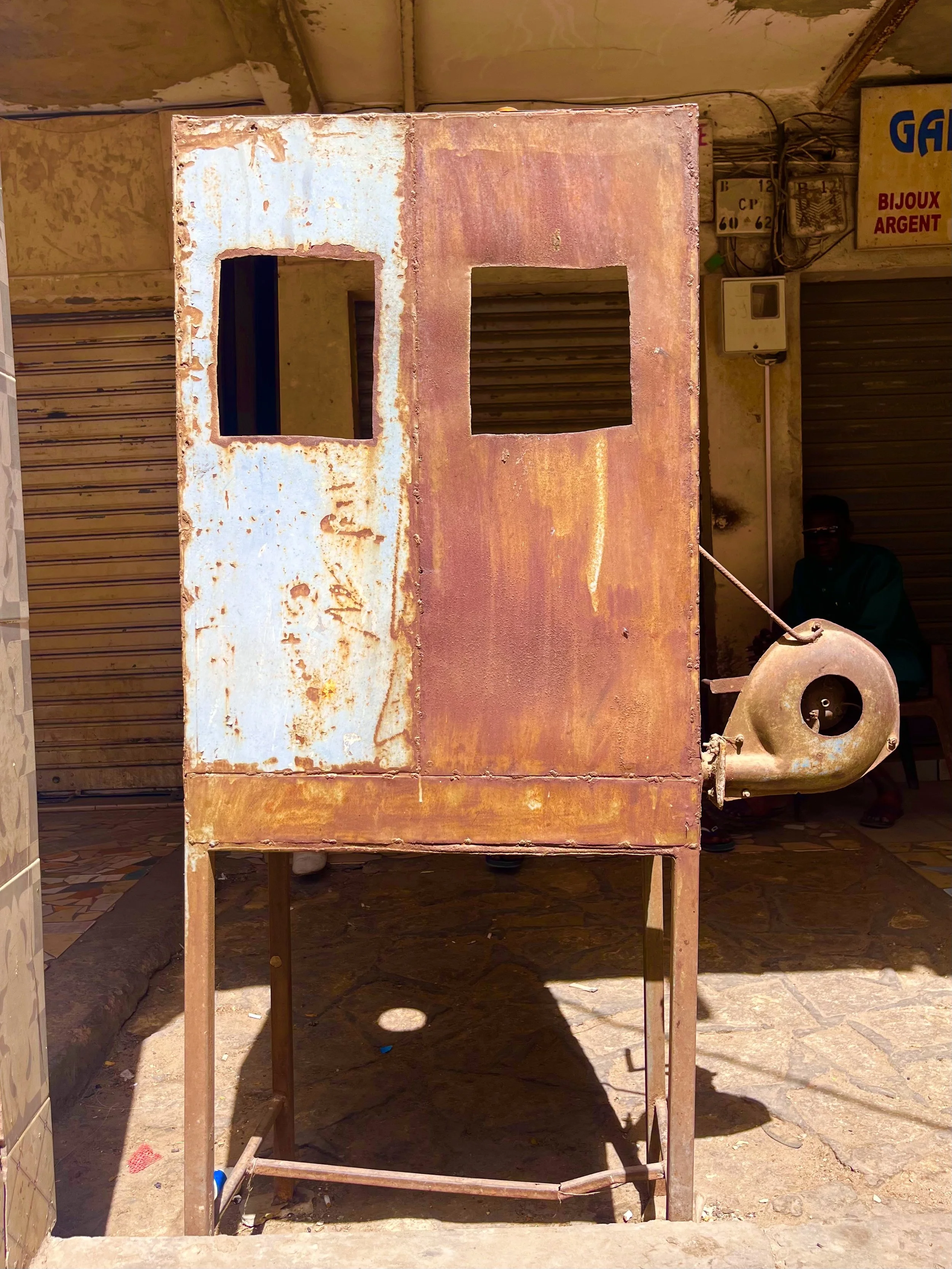
Il volto dei morti.
Si vede che i morti avevano altro a cui pensare. Un'azienda francese comprò il terreno sul quale era stata costruito il palazzo. Secondo il catasto non mi apparteneva legalmente. Non c’era documentazione. Vennero le ruspe.
Si doveva costruire un grattacielo, ma del progetto è rimasto uno scheletro che minaccia di crollare e schiacciare i passanti.
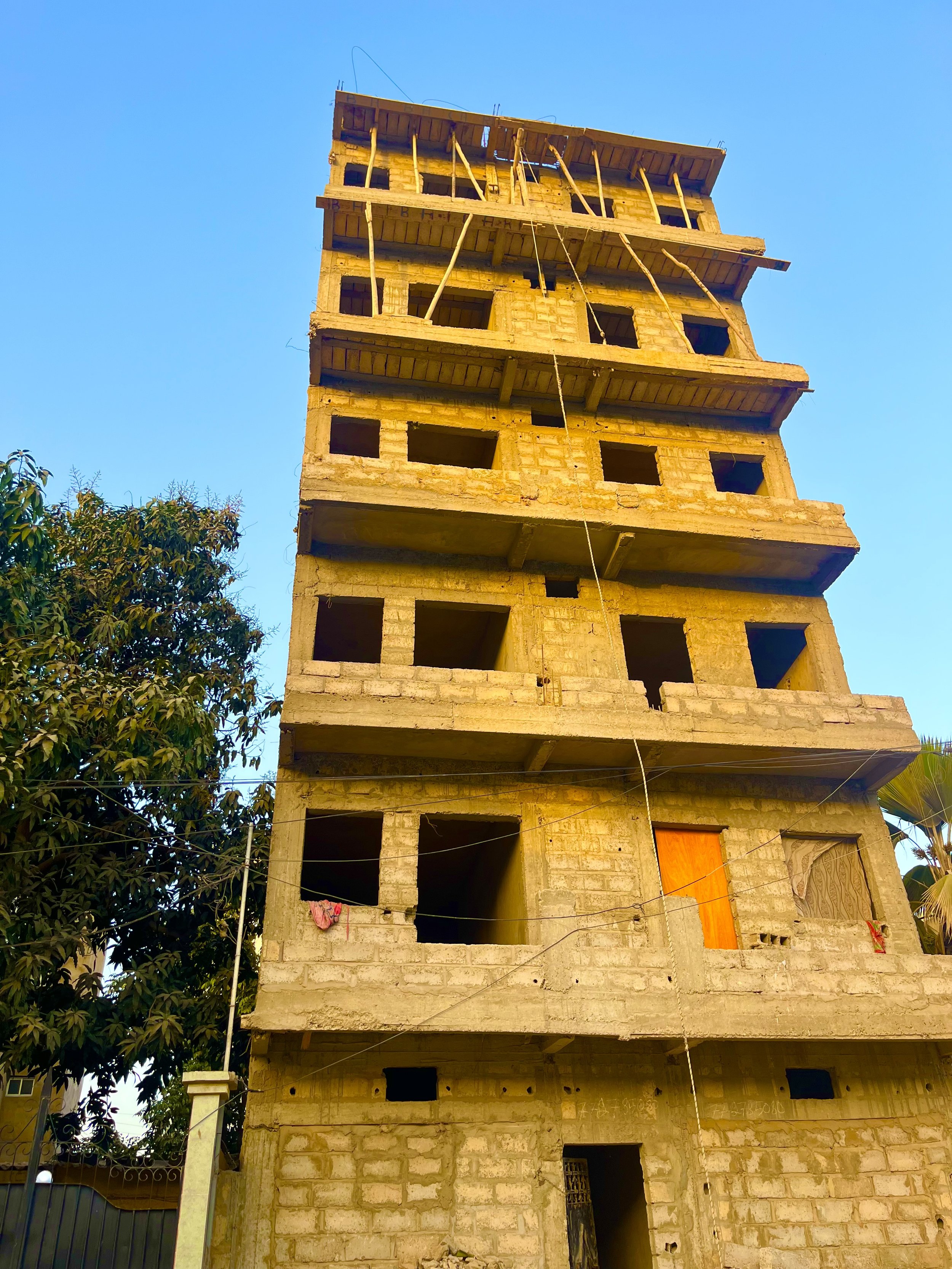
Ci vivono abusivamente i manovali e le guardie di sicurezza.
"L'Hôtel" non c’era più, ma dovevo comunque pagare le multe. Sono fuggita dalla scheletrica metropoli. Dopo una serie di sventure finii in un luogo di mare in Europa, dove pulisco stanze d'hotel. I soldi sono pochi, ma mi danno un let e tre pasti al giorno.
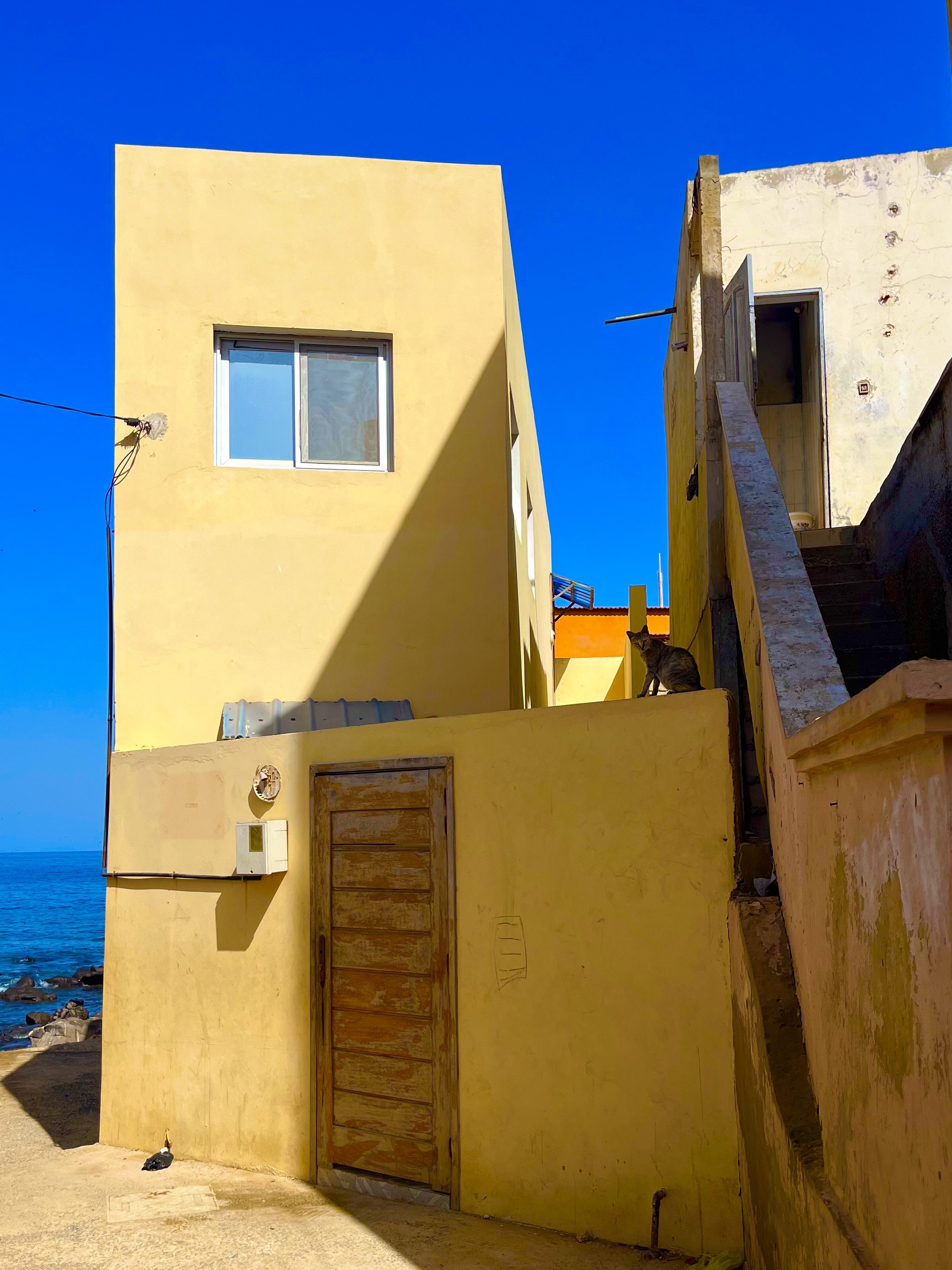
Forse sarebbe stato meglio vivere in una casa piccola.
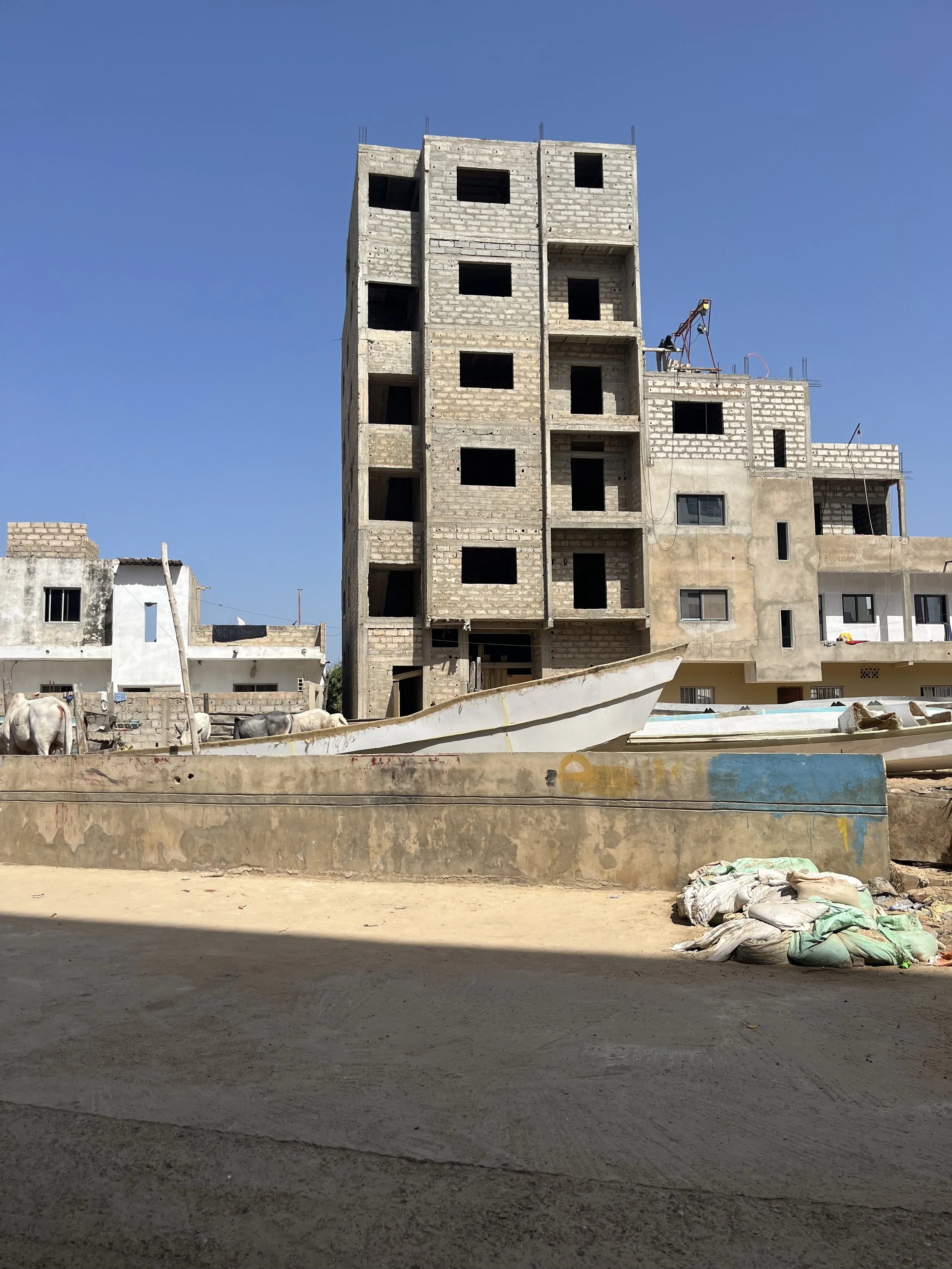
Doveva essere una casa per vecchi pescatori.
4 Hotels
A flashy little fellow showed up at the Kranepool and said he wanted to feature the hotel on his TV program. "Extremely popular in Italy," he said.
"What’s uh, the deal?" the Night Porter asked him. "Like, you rent a suite for a night or two and videotape your experience?"
"Oh no," the diminutive foreign show-biz personality replied, with a flurry of hand-wave sign-language. "It's more like a game show. You host three of your local competitors, and then you stay at their hotels. At the end of the episode all participants rate the others, and whoever has the highest score wins a check, the entire amount of which to be spent in improvements to his or her professional hospitality enterprise."
"So, you and our rival hotels don't pay for their rooms, and then they get to denigrate our locale and services."
"Well yeah, but you get to do the same. Lots of free publicity."
"Including the negative kind, if the competition plays dirty. Which is usually the case."
"A great artist once said that there's no such thing as bad publicity."

Publicity is good.
The Night Porter thought, 'What would Management do?' The next thought was, 'Who cares?' Reservations were way down, due to various international crises. "Guess we could try."
The result? Disaster.
Note to hotel owners/managers: DO NOT allow TV crews into your place. Legit (i.e. paying) guests will be disturbed. Property will go missing. Complimentary room service privileges will be grievously abused.
The main thing, though, was that the little TV person (oh so famous in Italy) did everything he could to sabotage and annoy the cleaning staff, room service technicians and concierge.
As a result of all this, certain "friends" of the Kranepool came to expulse the whole game show frammitz. Out onto the street. On their TV-ready ear.
Moral of the story: Hotels and TV shouldn't mix. Unless it's Fawlty Towers. That show was piss-your-pants funny.
***
4 Hotel (e un Kranepool)
Un piccoletto vestito sgargiante arrivò al Kranepool e disse che voleva che l'hotel partecipasse al suo programma in tivù. “Estremamente popolare,” chiarì.
"Come funziona?" gli chiese il portiere di notte. "Prendi una suite per qualche notte e filmate la vostra esperienza?"
"Oh no," disse il tipetto dandy. "Si tratta di una competizione. Voi ospitate tre dei vostri colleghi della zona, e poi stai ospite da loro. Alla fine i concorrenti valutano gli altri e chi ottiene il punteggio più alto vince un assegno, l'ammontare del quale da essere devoluto in miglioramenti del proprio esercizio di ospitalità professionale."
"Quindi tu e i nostri rivali non pagano le stanze né niente, e poi possono denigrare i nostri spazi e servizi."
"Be' sì, ma poi tu puoi fare altrettanto. Un sacco di pubblicità. Gratis."
“Anche quella negativa se gli altri giocano sporco.” Come spesso succede nel commercio.
C'era da pensarci. Le prenotazioni erano scese in un baratro di crisi globali. ‘Cosa farebbe la gestione,’ si chiese il portiere di notte. E poi, ‘Chi se ne frega?’
"Proviamo," disse.

“Vogliamo provare?”
La mattina susseguente ci fu l'invasione di gente con le telecamere, microfoni, le cuffie al collo e fame, tanta. In poco tempo il buffet della colazione sparì.
Sciamarono rappresentanti di altri hotel della zona. Scroccavano sì, ma più che altro si lamentavano: qui è sporco, qui manca un estintore, ma non c'è nemmeno il parcheggio.
Faceva parte dello spettacolo. Ma fu il presentatore del programma a far traboccare la brocca. Telefonava alla reception per dire che aveva trovato dei peli tra le lenzuola, che c'erano delle orme sulla moquette, che mancava la saponetta nel box doccia. Problemi creati da lui per vessare gli addetti alle pulizie.
Senza che glielo dicesse nessuno il facchino gli entrò nella stanza, lo prese per il colletto e la cintola e lo scaraventò fuori dalla porta girevole. Gli altri concorrenti lo seguirono di loro spontanea volontà.
Morale della favola: hotel e tivù non si dovrebbero mai incontrare.
L’ospitalità non è un gioco, mister.
Teri & Candy at the Blue Robin Inn
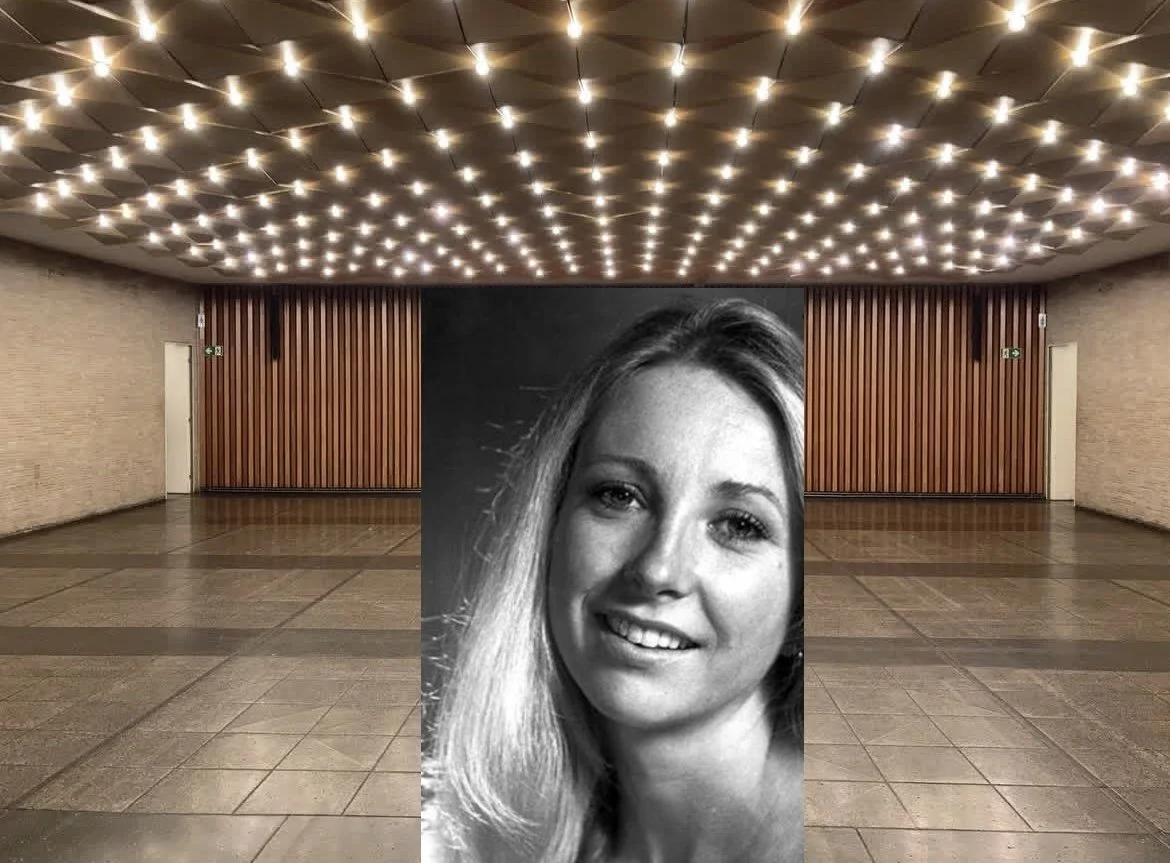
Teri, a life under the hot lights.
Two women were splayed in the club chairs placed before the enormous picture window in the lobby of the Blue Robin Inn, nestled among the hills of LA. They looked young, smart, happy and full of life, the way Hollywood wanted them to look. But that's really the way they were and are, inside and out.
They'd never worked together, or even been formally introduced. Not because they avoided each other. There was no rivalry between them. The whimsical Industry kept them on the move in different directions.
"Nice to just sit here and look out into the lights," Teri said.
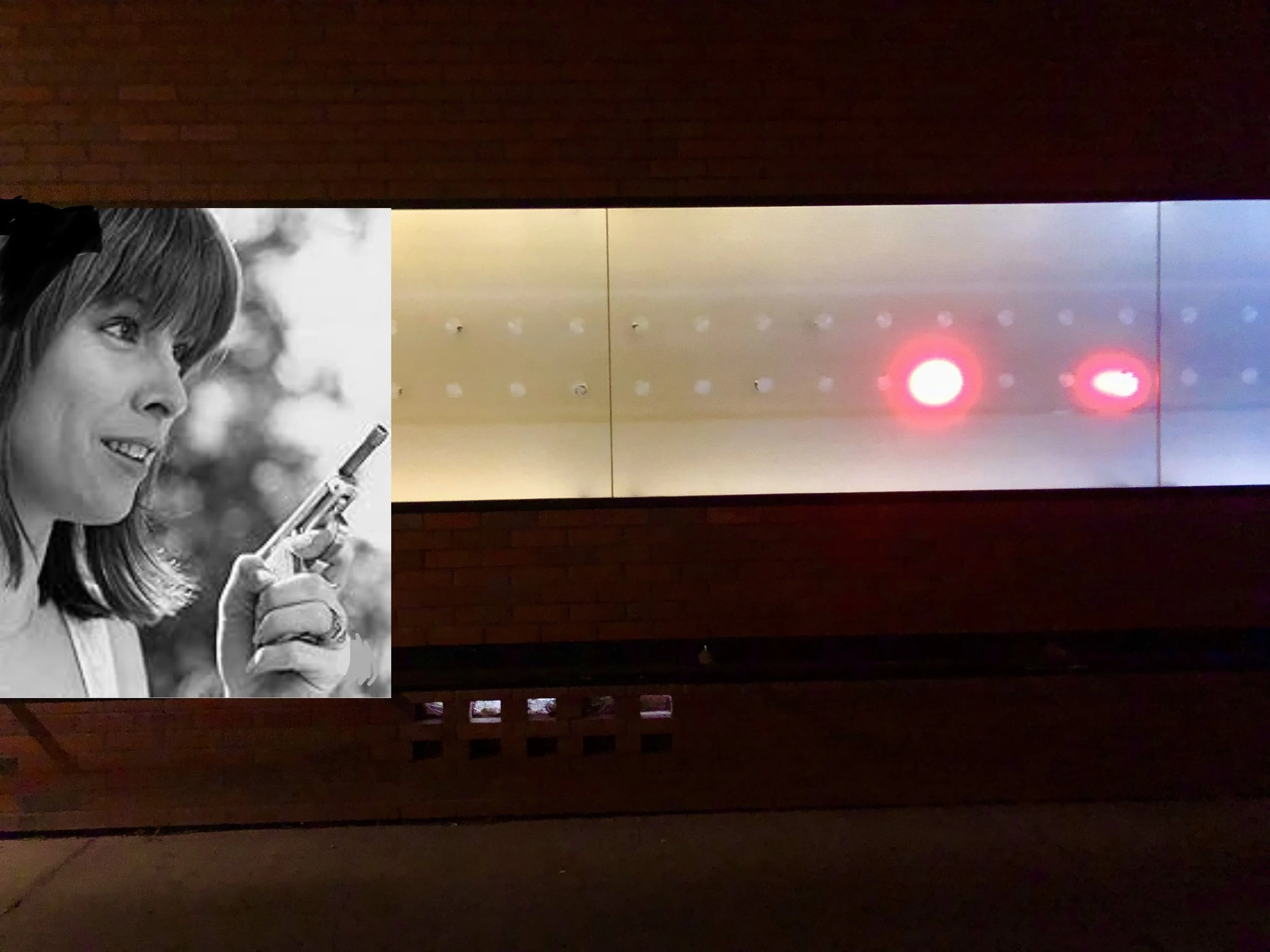
Candy’s got Hollywood covered.
Tinseltown's mythical searchbeams flashed away into the night. Due to curved space and time, they reflected off the windows of the revolving restaurant atop The Horizon, a 15-storey hotel in Honolulu.
Teri guzzled what remained of her Rum Cooler, and playfully wiped her chin. "Good strong cocktails, too." She waved to the waiter to signal that she wanted another before she had to go.
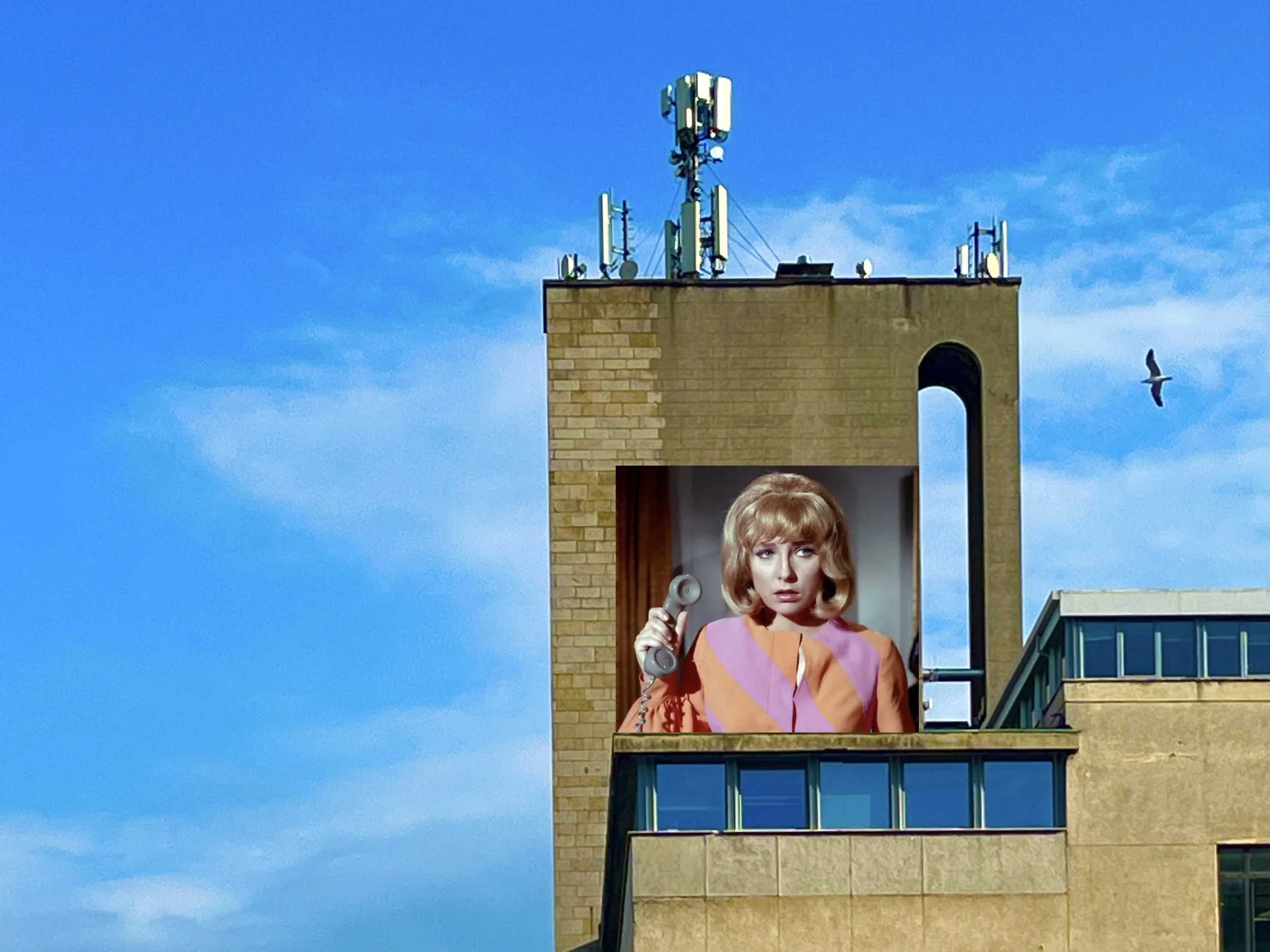
Teri takes an urgent call from somewhere out there.
Looking at her erstwhile colleague and new sort-of friend, Candy thought, 'She doesn't really know yet.'
But Teri was fully aware that her spark was bound for the middle of the boundless ocean, the center of the uncentered All. She didn't want to be alone before take-off. Perhaps sheàd summoned a kindred spirit in whom the flame still sparkled, regardless of what the trade papers thought or printed, the way elephants select a mate for the last walk in the woods.

“Will you be my friend?”
"Gotta run now," Teri said, and rose. "Drinks are on me. See you at the Lifetime Achievement Awards ceremony."
She was out the revolving door before Candy could ask, "Which one? Where?"
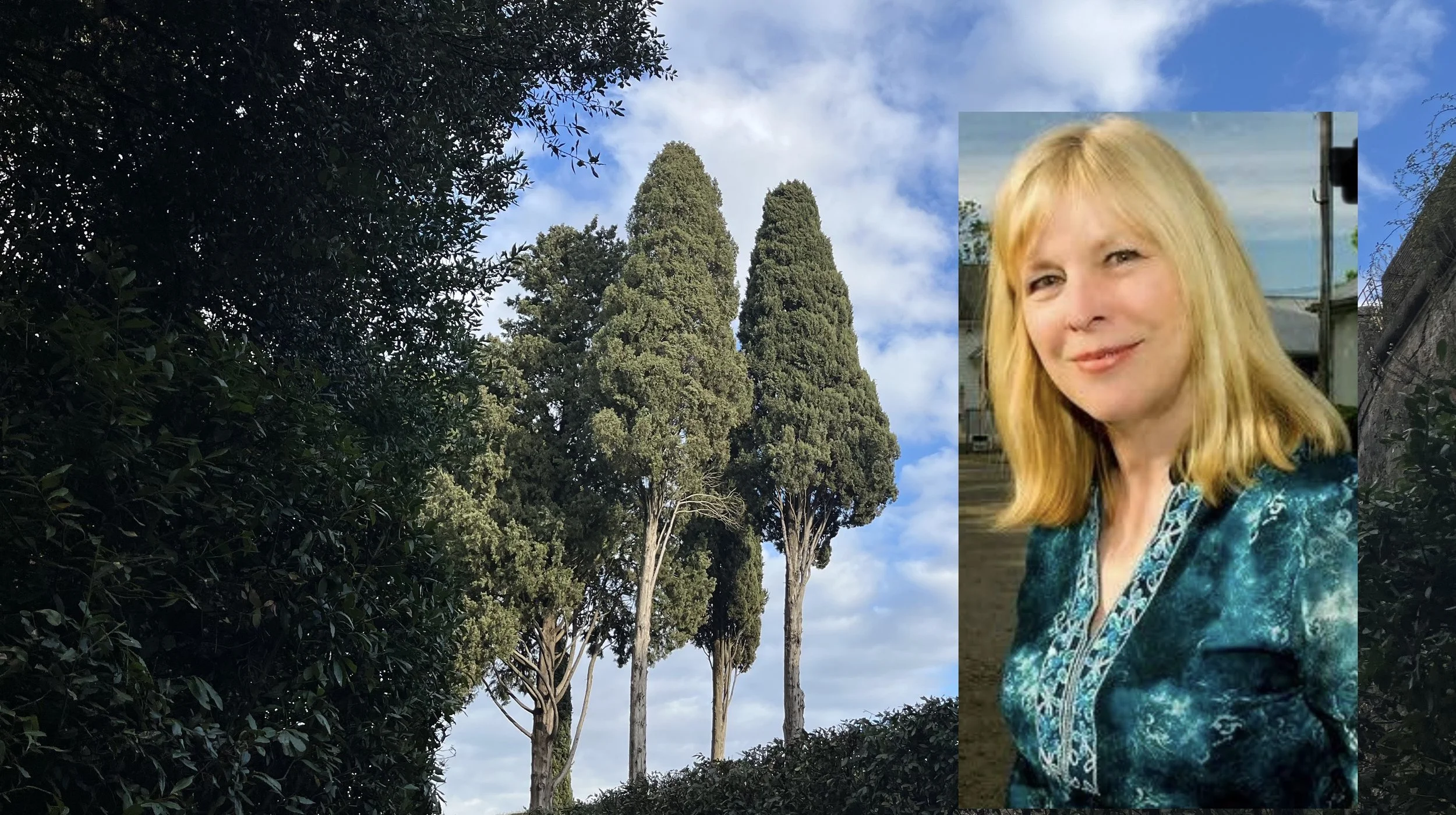
Candy in the green of life.
***
Teri e Candy dal vivo (+ o -) al Blue Robin Motel
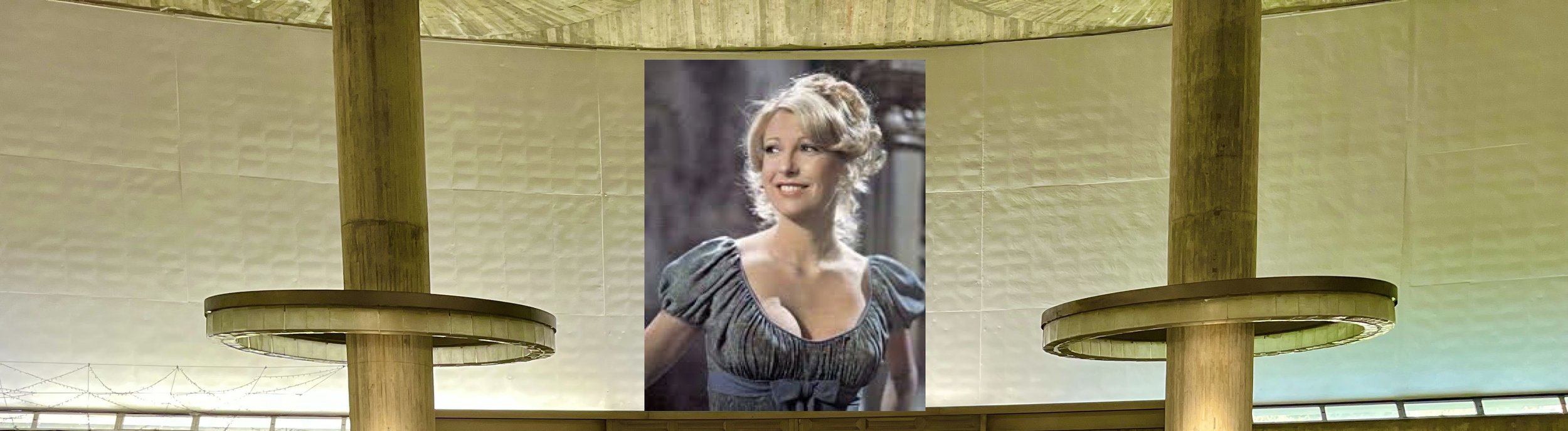
Teri assorbe la luce calda dei riflettori.
Due donne occupavano le poltrone di pelle poste davanti alla finestra panoramica nella hall del Blue Robin Inn, nelle brulle colline di Los Angeles. Sembravano giovani, intelligenti, felici e piene di vita, come le voleva Hollywood. Ma erano così anche nella realtà, dentro e fuori.
Non avevano mai lavorato insieme. Nessuno le aveva mai formalmente presentate. Ma non perché si evitavano. Fra loro non c'era rivalità. La volubile industria del cinema continuava a spostarle in direzioni opposte.
"Che bello stare qui a guardare le luci," disse Teri.
I misteriosi fari di LA splendevano tagliando a fette il buio.
Teri trangugiò ciò che restava del suo Rum Cooler e scherzosa si pulì il mento con la mano. "Cocktail belli forti." Segnalò al cameriere di volerne un altro prima di doversene andare.
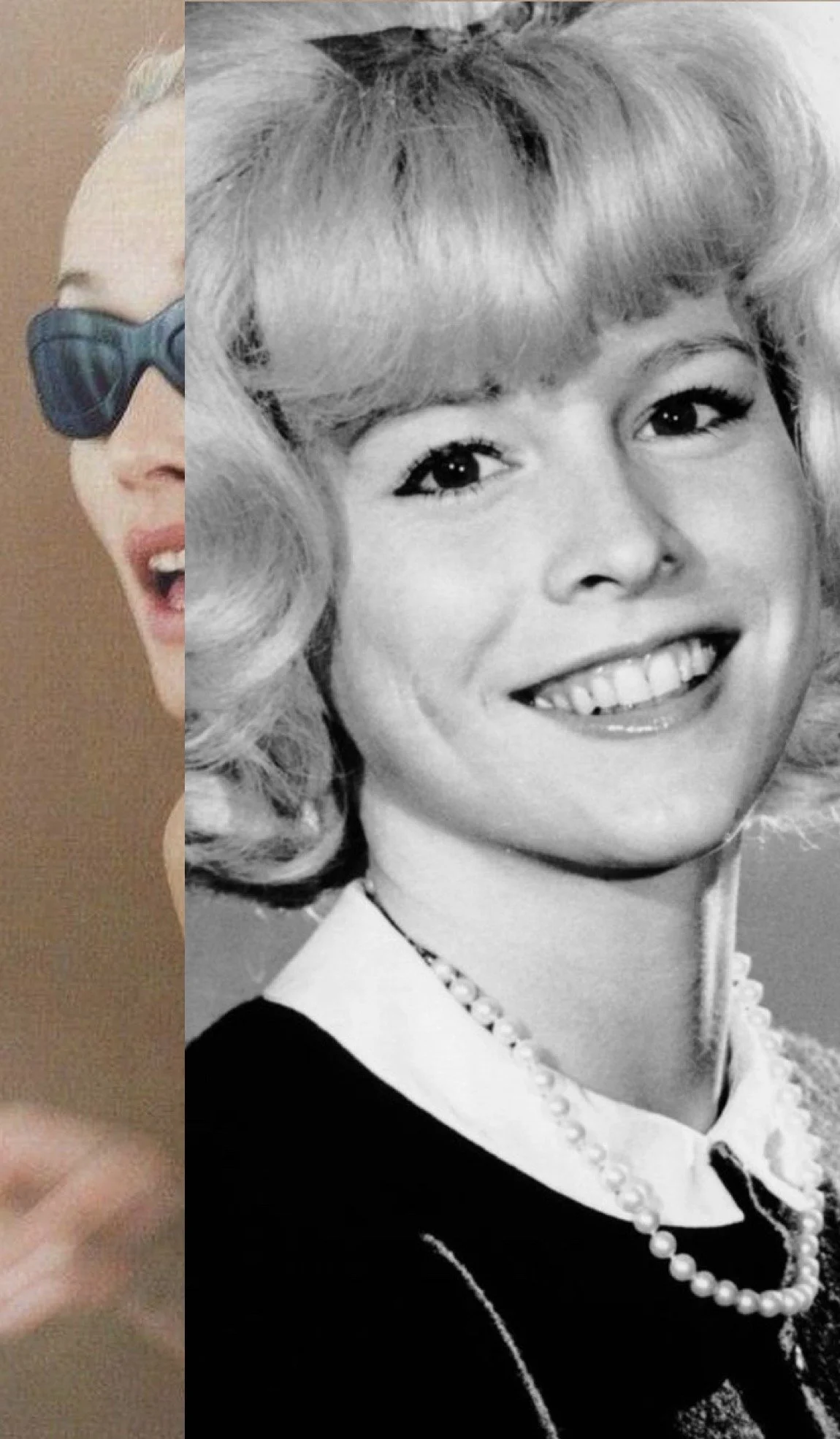
“Candy, berresti un ultimo cocktail con me?”
Guardando la sua ex collega, ora amica, più o meno, Candy pensò, 'Non si è ancora resa conto.'
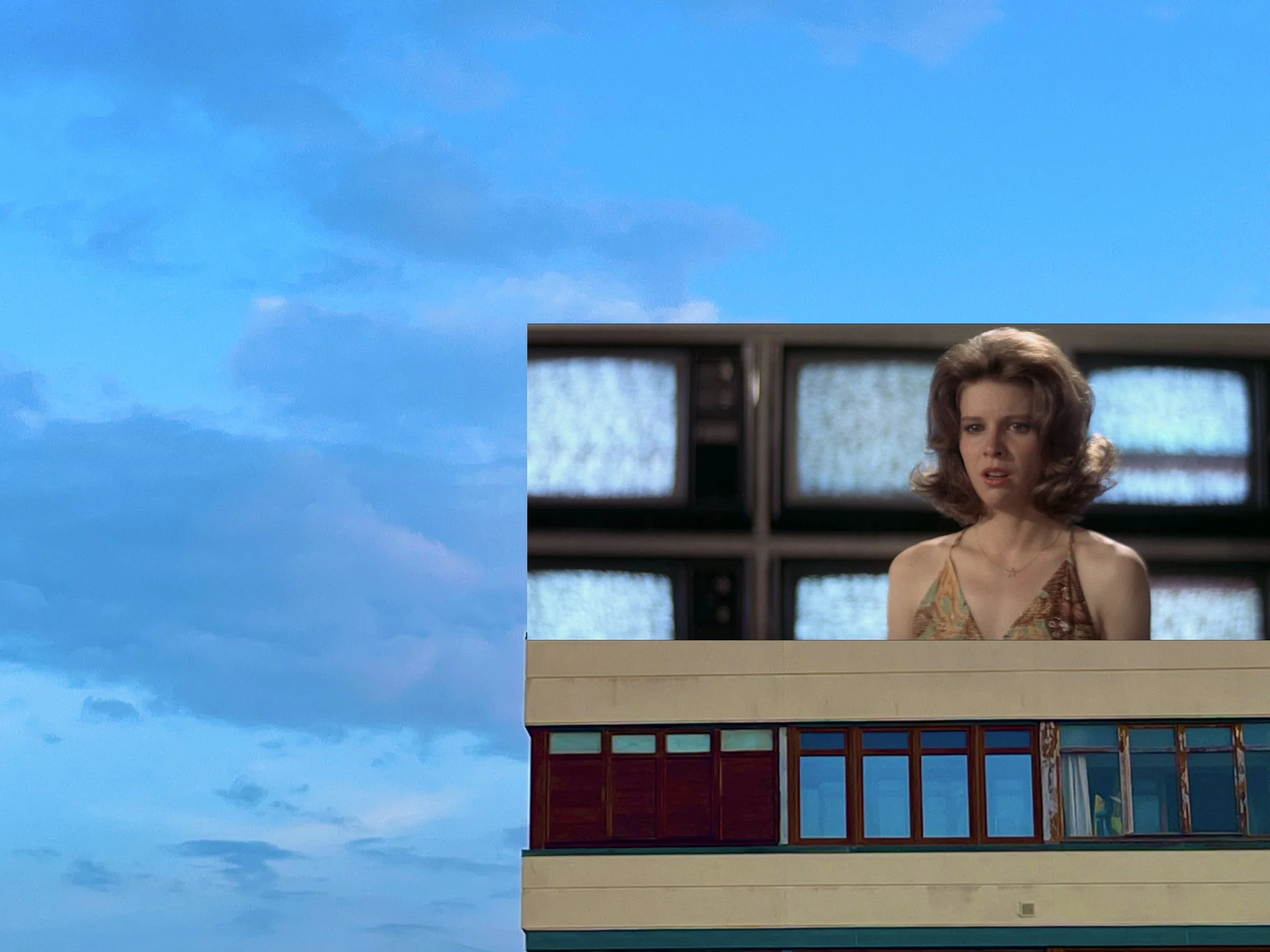
‘La risposta è là fuori nell’etere.’
Invece Teri sapeva che la sua scintilla era in partenza verso il mezzo dell'oceano sconfinato, il centro dell'universo senza centro. Non voleva essere sola. Può darsi che abbia convocato un'anima affine nella quale la fiamma bruciava ancora, nonostante ciò che pensavano o stampavano i rotocalchi dello spettacolo, come gli elefanti si scelgono un compagno per l'ultima passeggiata nella savana.

Mi puoi accompagnare solo fino a un certo punto.
"Devo scappare," disse Teri alzandosi. "Le bevute le ho già pagate io. Ci vediamo alla presentazione del premio per la carriera."
Uscì dalla porta girevole prima che Candy le potesse chiedere, "Quale? Dove?"
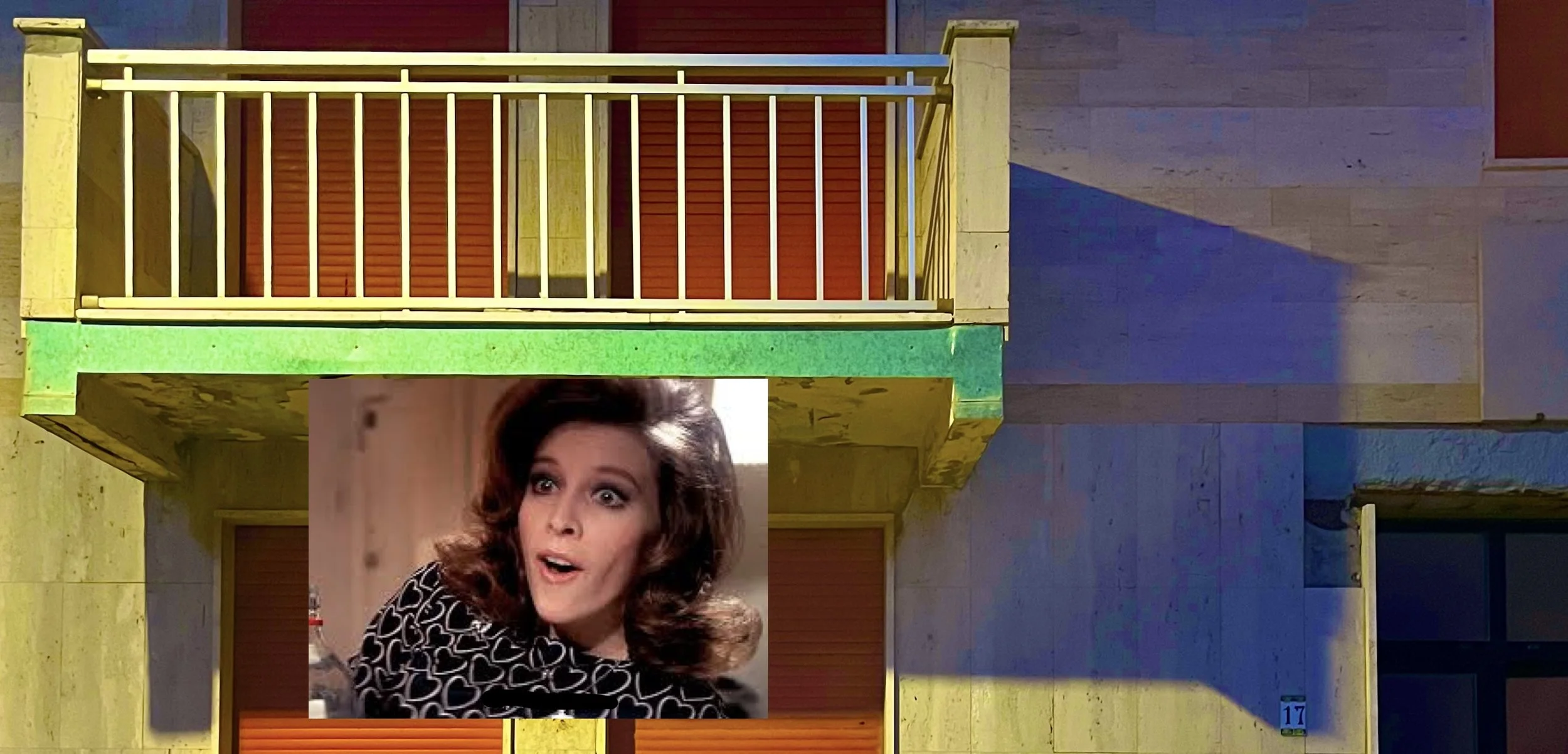
“Aspetta!”
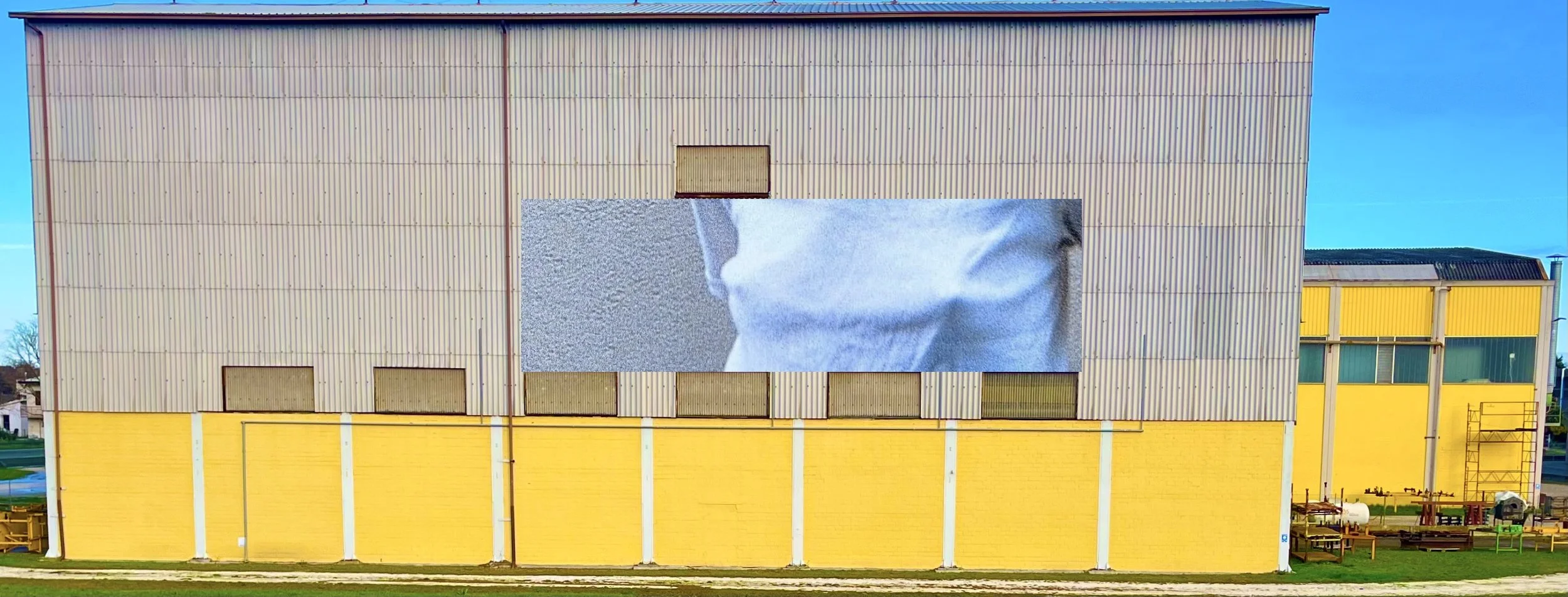
Hotels of North America
Guests leave books they've finished reading in their rooms, or place them on a shelf in the lobby so that unknown future fellow-guests may take them upstairs, or away with them after check-out.
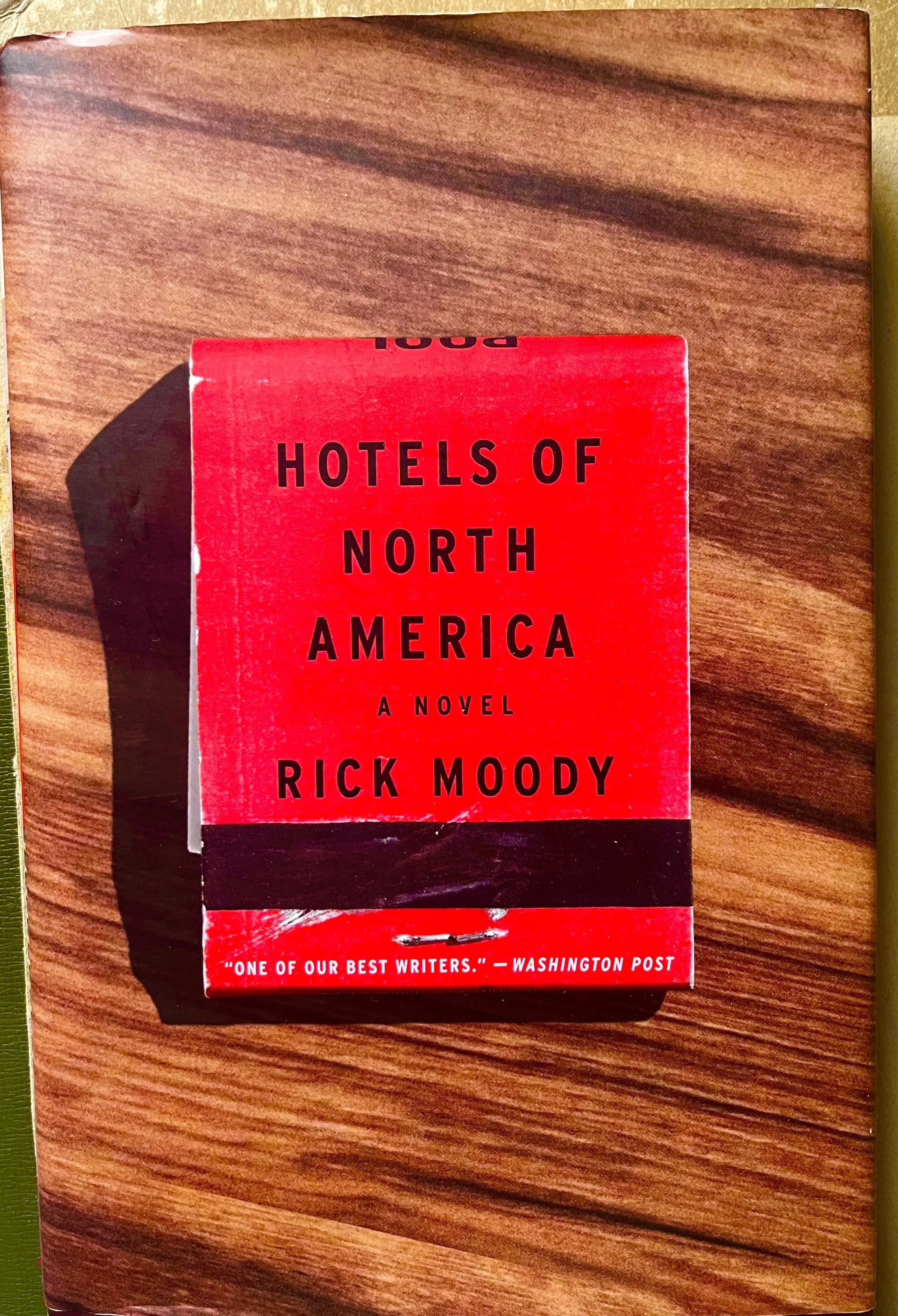
Catchy cover!
One volume stood out for its eye-catching cover: a close-up of a used matchbook, of the sort once given out free by hotels and cocktail lounges nation-wide. The title, Hotels of North America, suggests a guidebook. The next line changes the perspective: a novel by Rick Moody. An author quite well-known, somewhere between bestseller and sui generis oddball. Almost as an afterthought, a blurb: “One of our best writers.”, from the Washington Post, no less. Does Mr Moody write for that formerly illustrious daily?
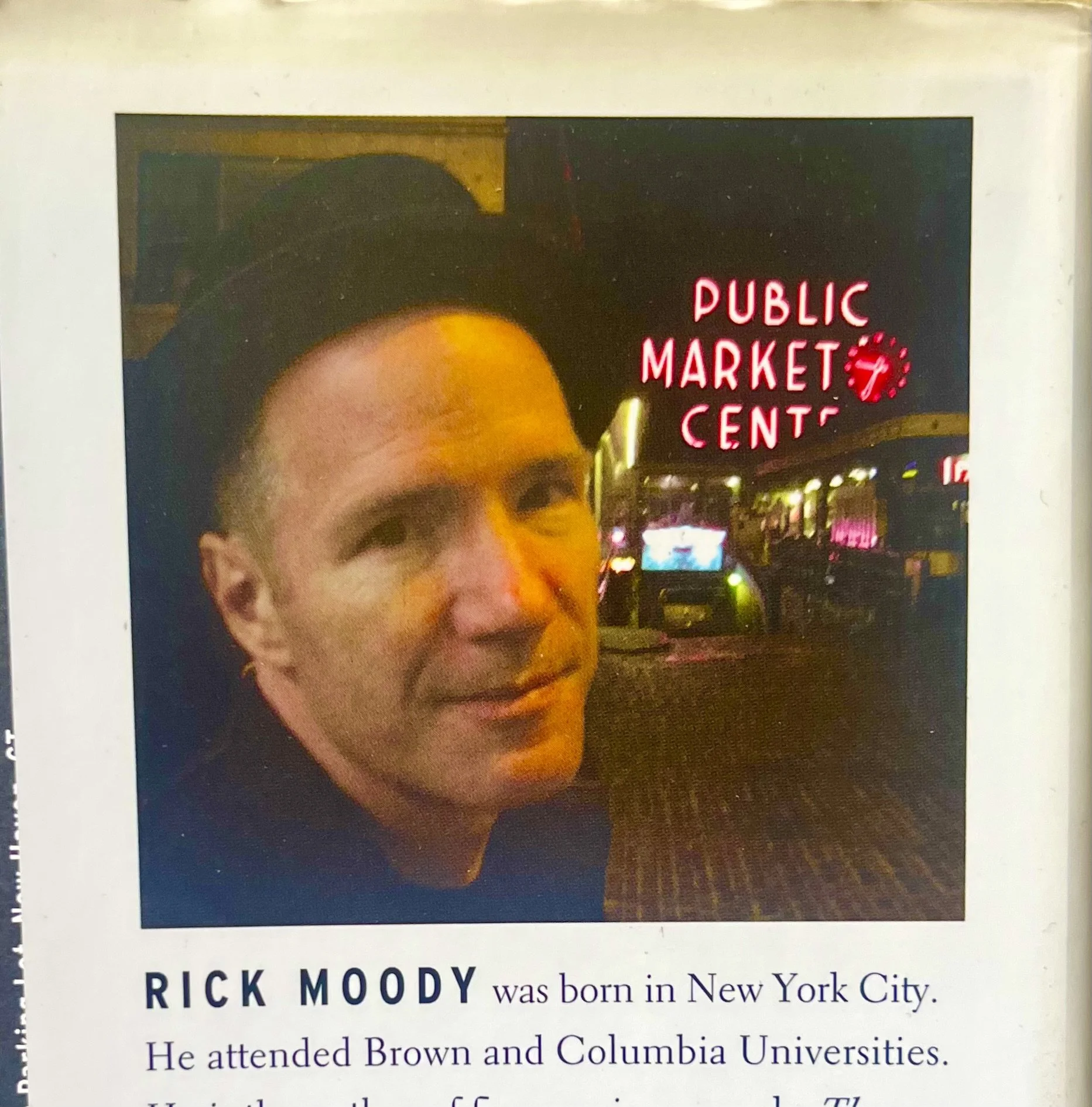
The author, against a backdrop of his native city.
The book is a vade mecum to worlds of loneliness and alienation, written in the form of on-line reviews allegedly posted by one Reginald Edward Morse, with a Nabokovian afterword by Mr. Moody.
Hotel Kranepool is immune to guest reviews. Hotel Kranepool doesn't post criticism of any kind. As with all things Kranepudlian, take it or leave it. This book's out there, somewhere.
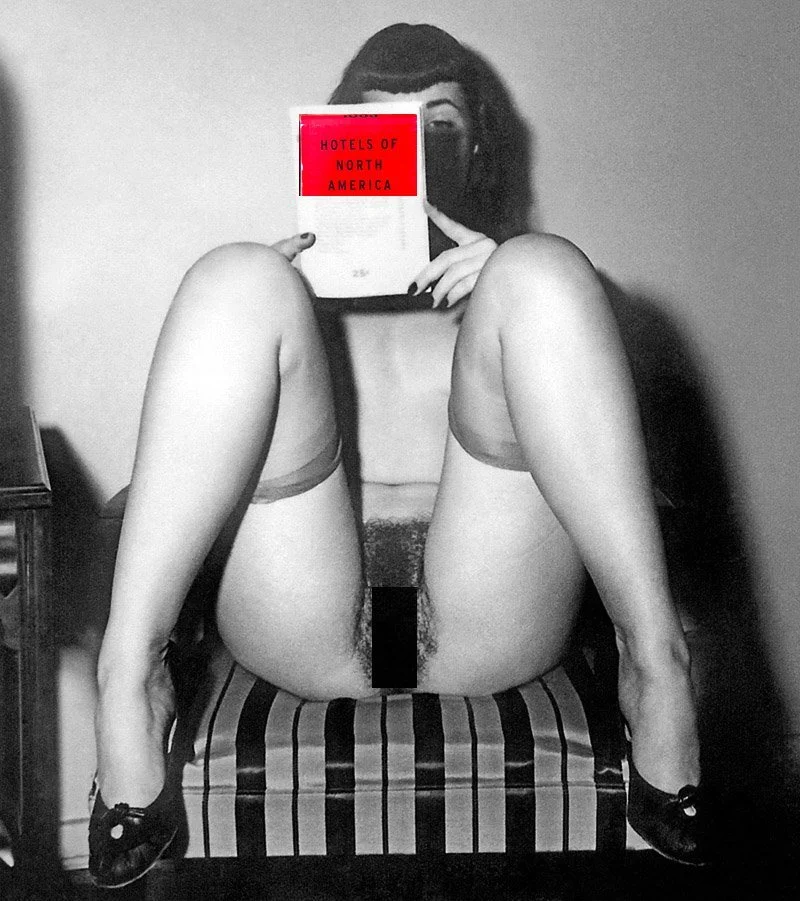
She’s got her copy!
***
Hotels of North America
Gli ospiti d'hotel lasciano i libri che hanno finito di leggere nelle loro stanze, oppure li collocano nell'apposito scaffale nella hall, di modo che futuri ospiti a loro sconosciuti li possano portare di sopra o via con sé dopo aver effettuato il check-out.
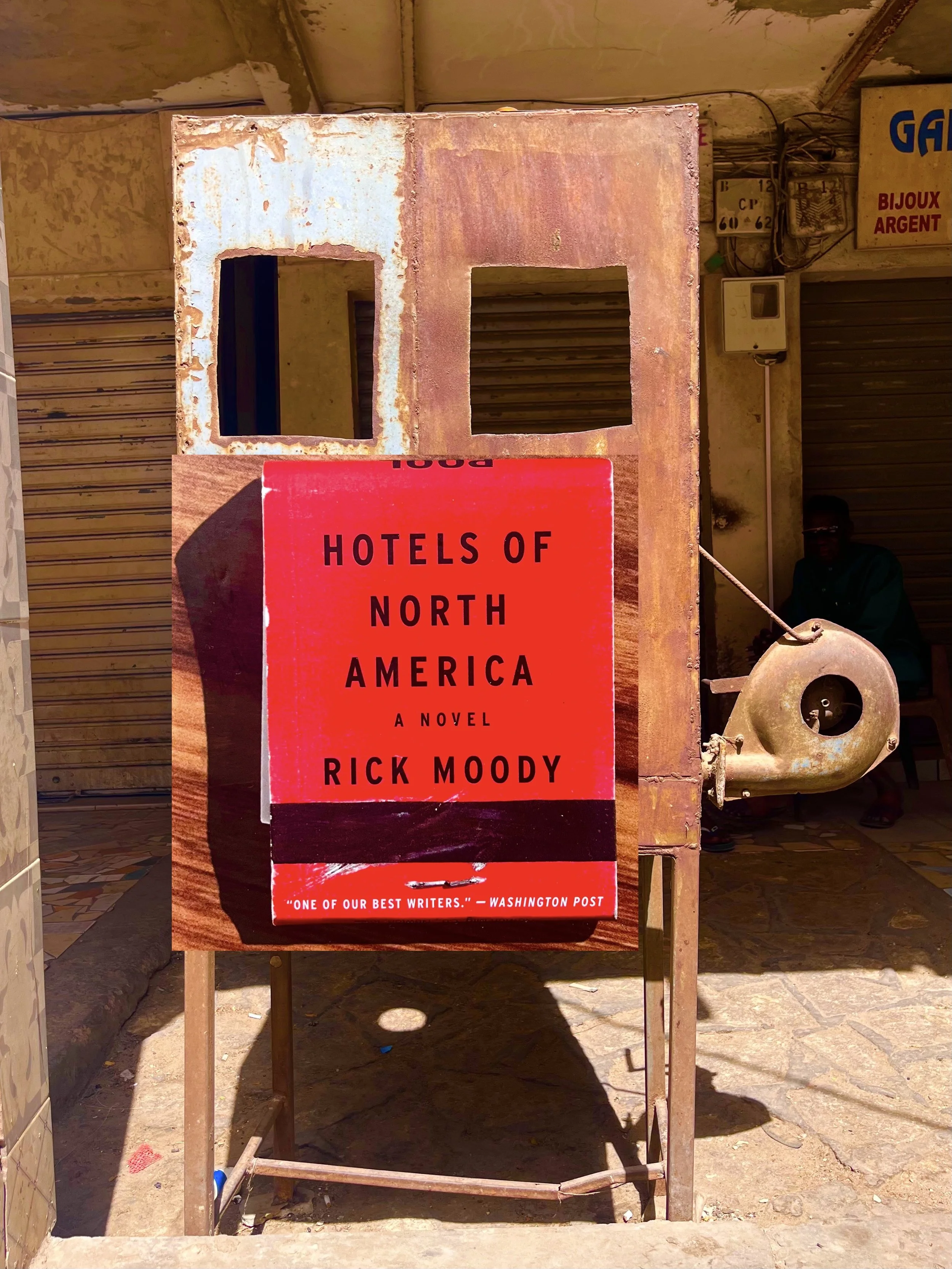
Copertina concettuale
Un volume spuntava per via dell'insolita copertina, un primo piano di un libro di fiammiferi usato, del tipo una volta dato in omaggio a ospiti d'hotel e frequentatori di bar cocktail. Il titolo, Hotels of North America, suggerisce una guida. Il sottotitolo cambia la prospettiva: romanzo di Rick Moody. Un autore abbastanza affermato, tra bestseller e sui generis.
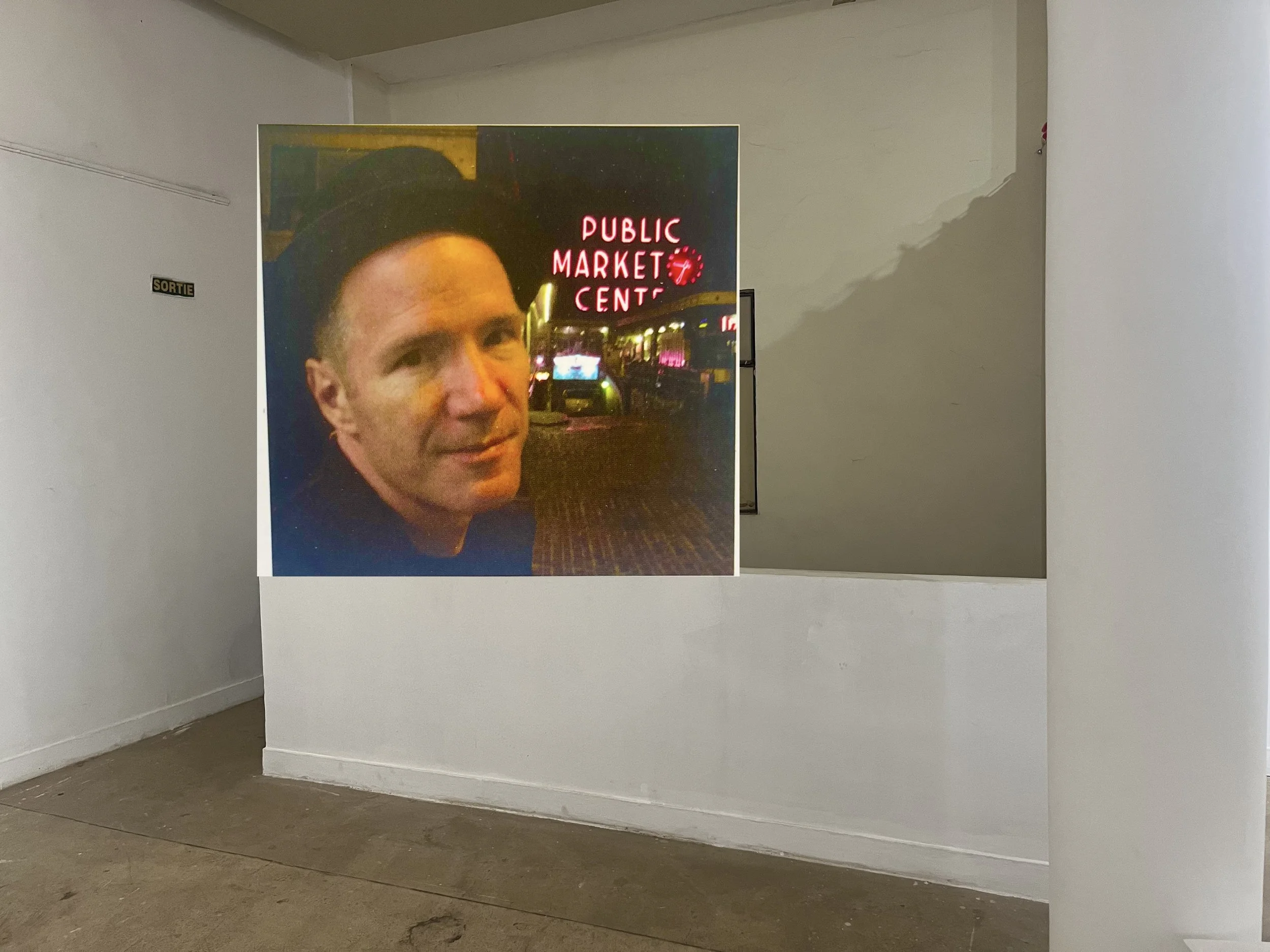
L’autore raffigurato nella sua città natale.
Il libro è un vademecum per mondi di alienazione e solitudine, scritto in forma di recensioni on-line postati, pare, da un certo Reginald Edward Morse, con una postfazione nabakoviana del Sig. Moody.
Hotel Kranepool è immune alle recensioni. Hotel Kranepool non mette in rete alcun tipo di critica. Come con tutte ciò che è kranepooliano, prendere o lasciare. Questo libro è là fuori da qualche parte.
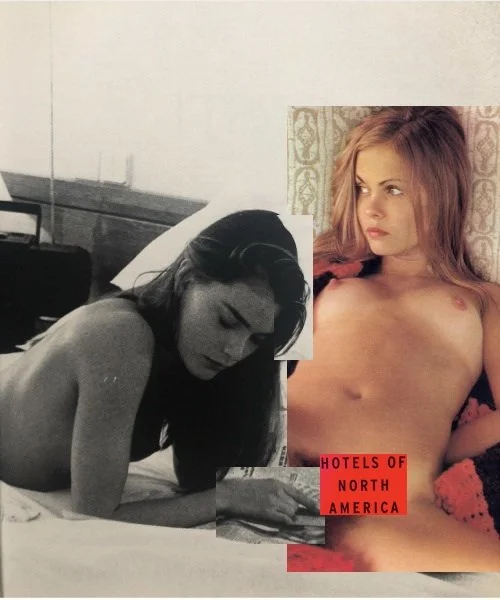
Loro hanno trovato qualcosa da leggere.
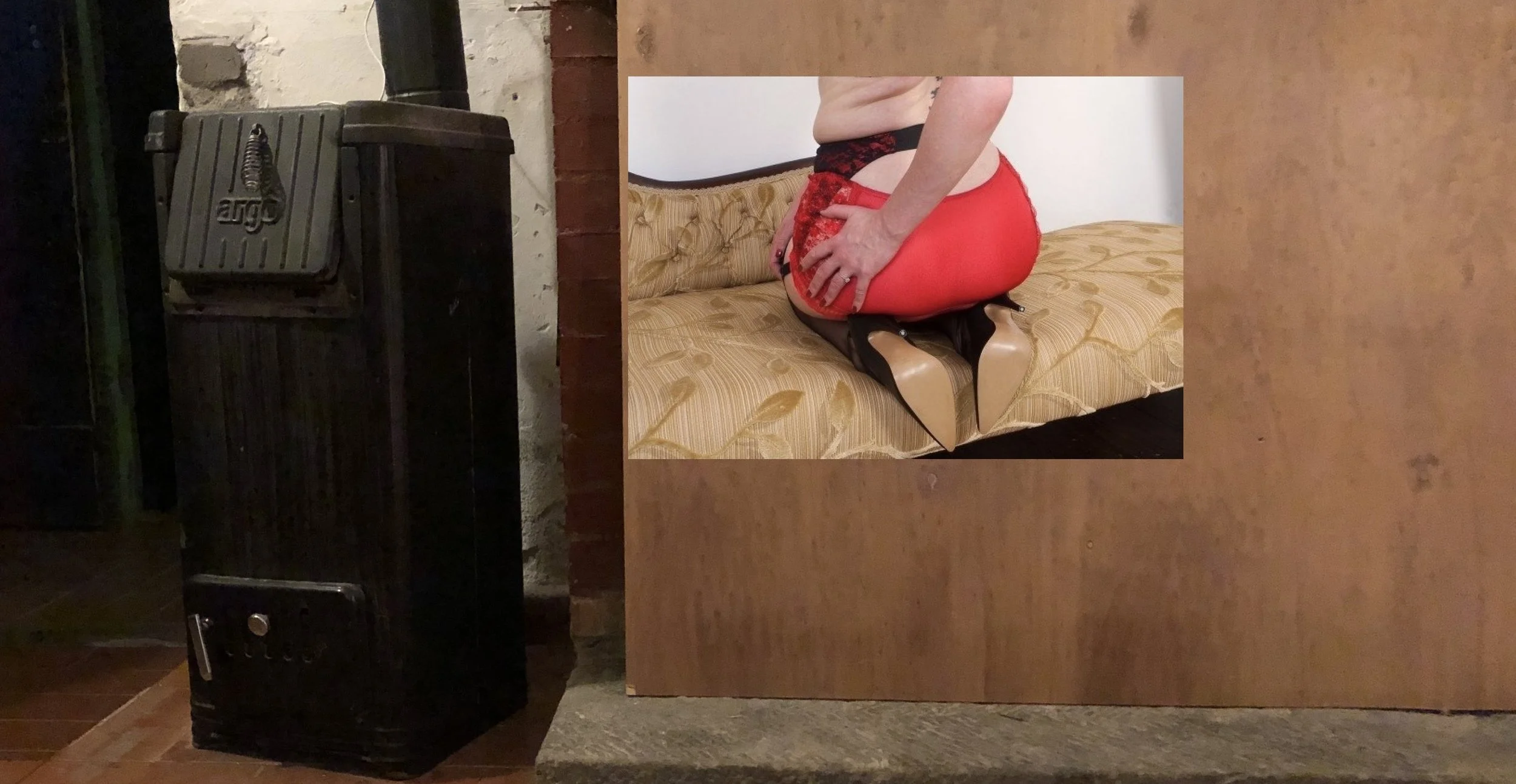
Palms Tinted Pink on Sunset
Sunsets play gentle with women and ruins.
Everyone who lives in Tinseltown thinks they know about the Pink Palm Palace. Built by a Silent Screen Star as an investment just prior to the Crash of '29, the structure's future was all downhill. During its 20th Century (not Fox) nadir, the spooky white elephant on Sunset Blvd rented out suites to porn production companies from THE OTHER Hollywood (the North one). But things've changed.
The Manager waxes nostalgic about the low point of his career.
Since the global outbreak of Artificial Intelligence, the Pink Palm has licensed its rooms and even entire floors in digital format for use in CGAE (home jack-off stuff).
Futuristic sex toy? Or primitive fertility fetish.
"Not as much fun as in the bad old days," says the Manager, who prefers anonymity. "And no freebie nookie goodies, neither. On the other hand, no mess to clean up, no complaints about cockroaches or bedbugs, no suitcases to drag upstairs, and if the place burns down, well, it isn't really real no more anyway."
Show ‘um some leg for free and the suckers’ll pay for a dream of the rest. -Hollywood proverb
Flesh-and-blood tourists of the sort who buy Maps to the Stars' Homes occasionally enter to ask if they can have a look around the joint. They want a sniff of virtual porn idol pussy, or to slip on a glob of digital jizz on the original Art Deco wall-to-wall carpet. They want to see "for real" the images that once got 'um hot, then faded from their vestigial imaginations. They come away with a sense of loss, peripheral flashes of minimal set design, zones of forgotten skin, the sounds that echo from the fusion of bodies and souls.
They come, and they do not return.
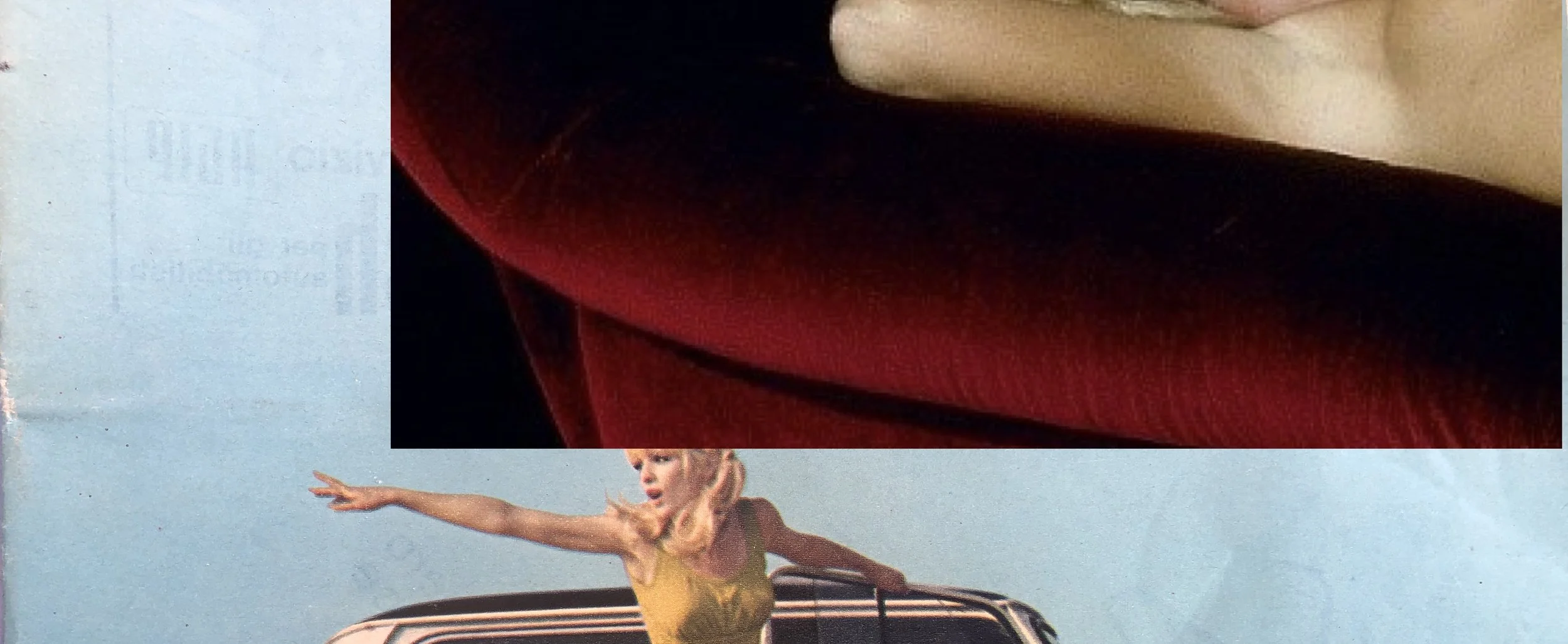
Look! Over there! A triple-X ethereal celebrity!
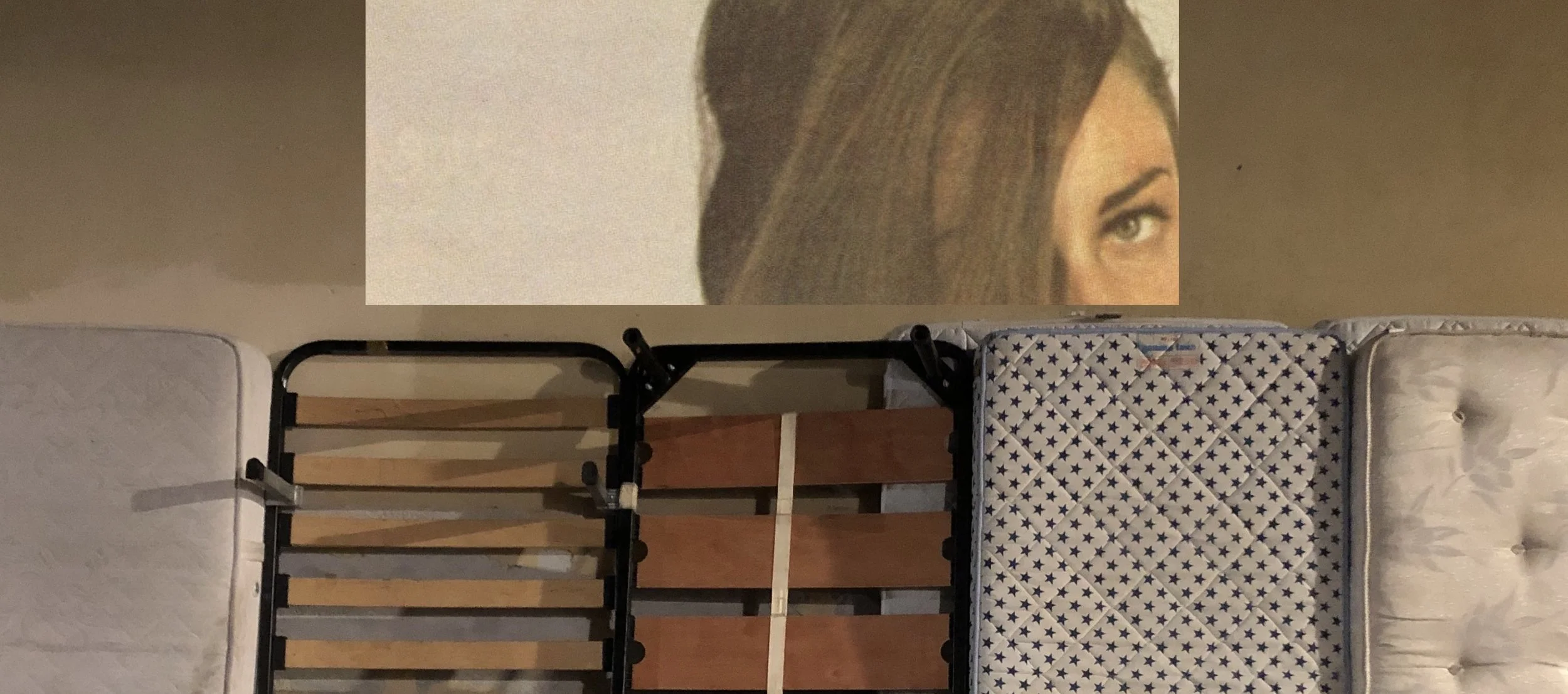
If old mattresses could talk, would anyone still listen?
***
Palme tinte di rosa al tramonto
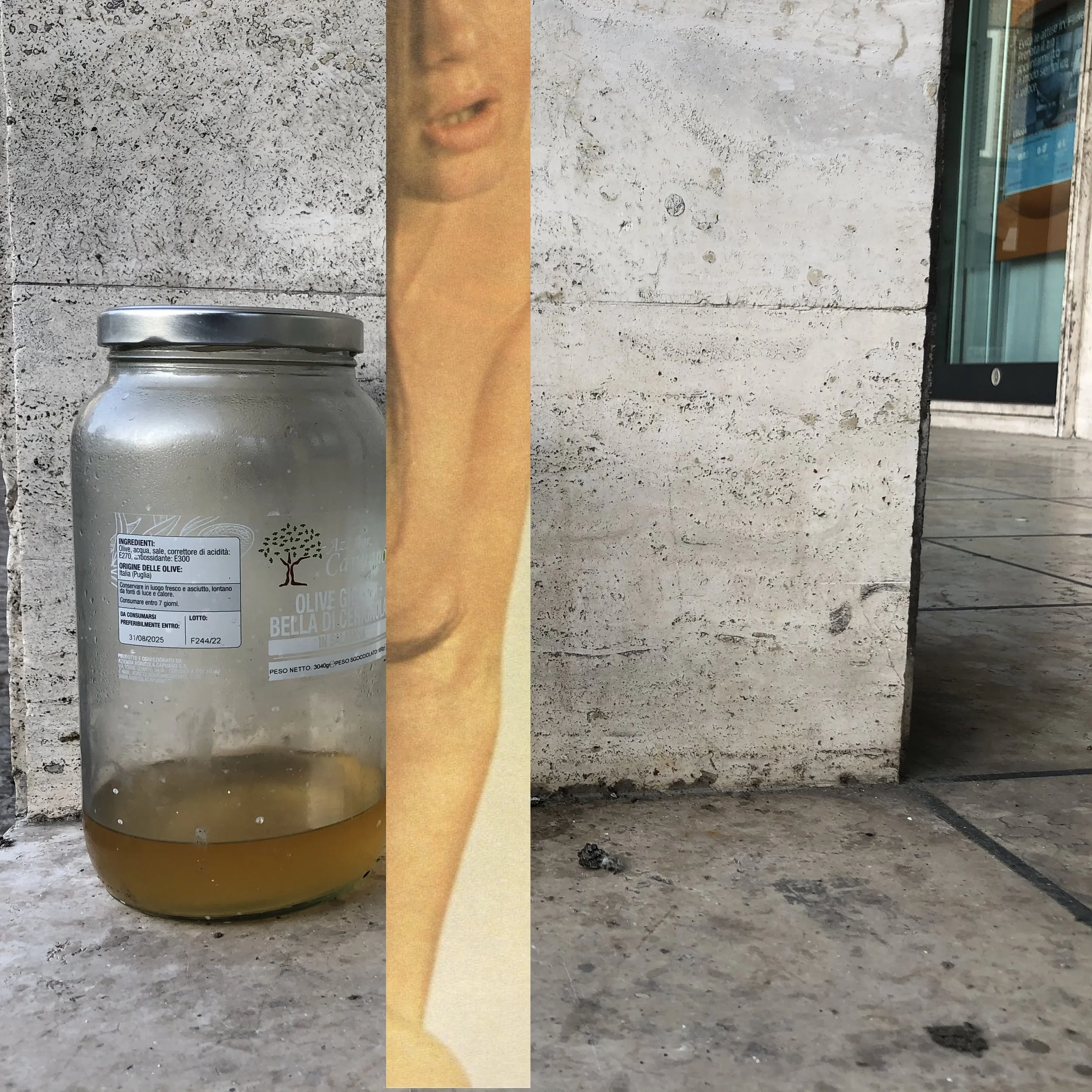
Un lascito liquido di un’epoca dorata.
Tutti gli abitanti della Città degli angeli perduti credono di sapere la storia del Pink Palm Palace. Commissionato da una stella del cinema muto subito prima della Grande Depressione, il futuro della struttura fu tutto in discesa. L'inquietante mastodontico hotel su Sunset Boulevard toccò il fondo verso la fine del secolo scorso quando prese a noleggiare le ampie Suite a produttori di film porno dell'ALTRO Hollywood, cioè quello a nord. Ora è cambiato tutto.
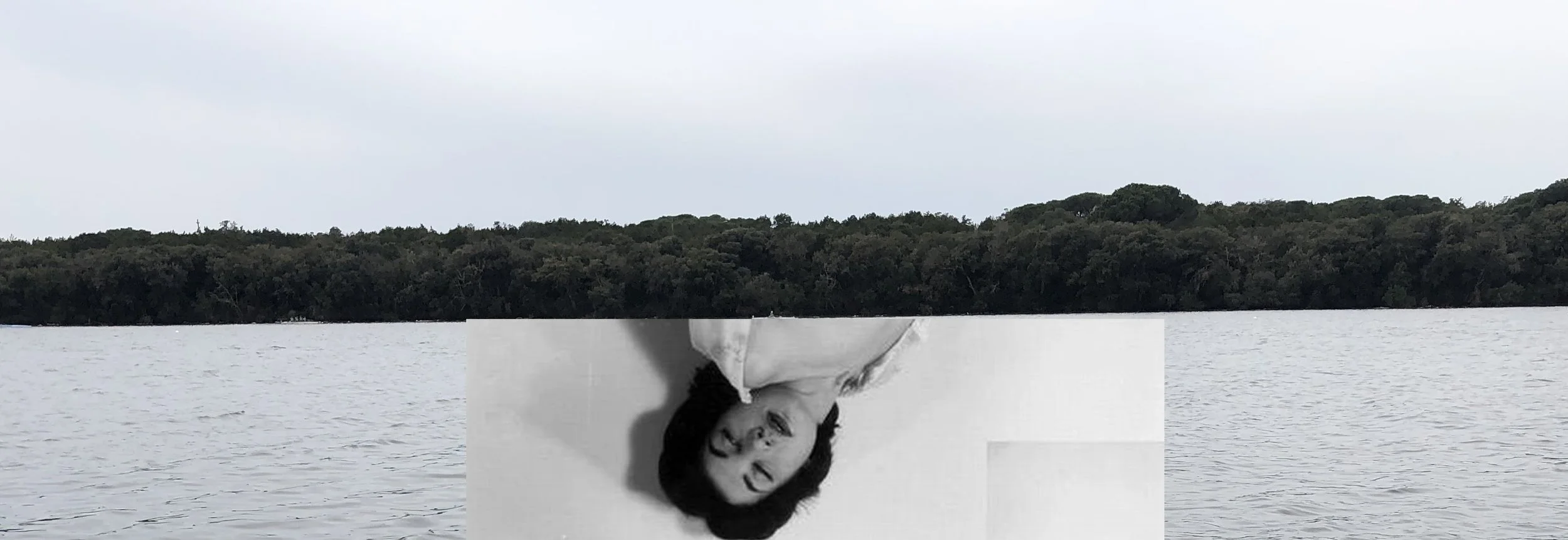
Naufraga in un erotico mare artificiale.
Da quando l'intelligenza artificiale domina il mondo, il Pink Palm dà licenza a utilizzare stanze e piani interi in formato digitale come scenografie di intrattenimento artificiale per soli adulti (o meglio, adulti soli) generato da computer.
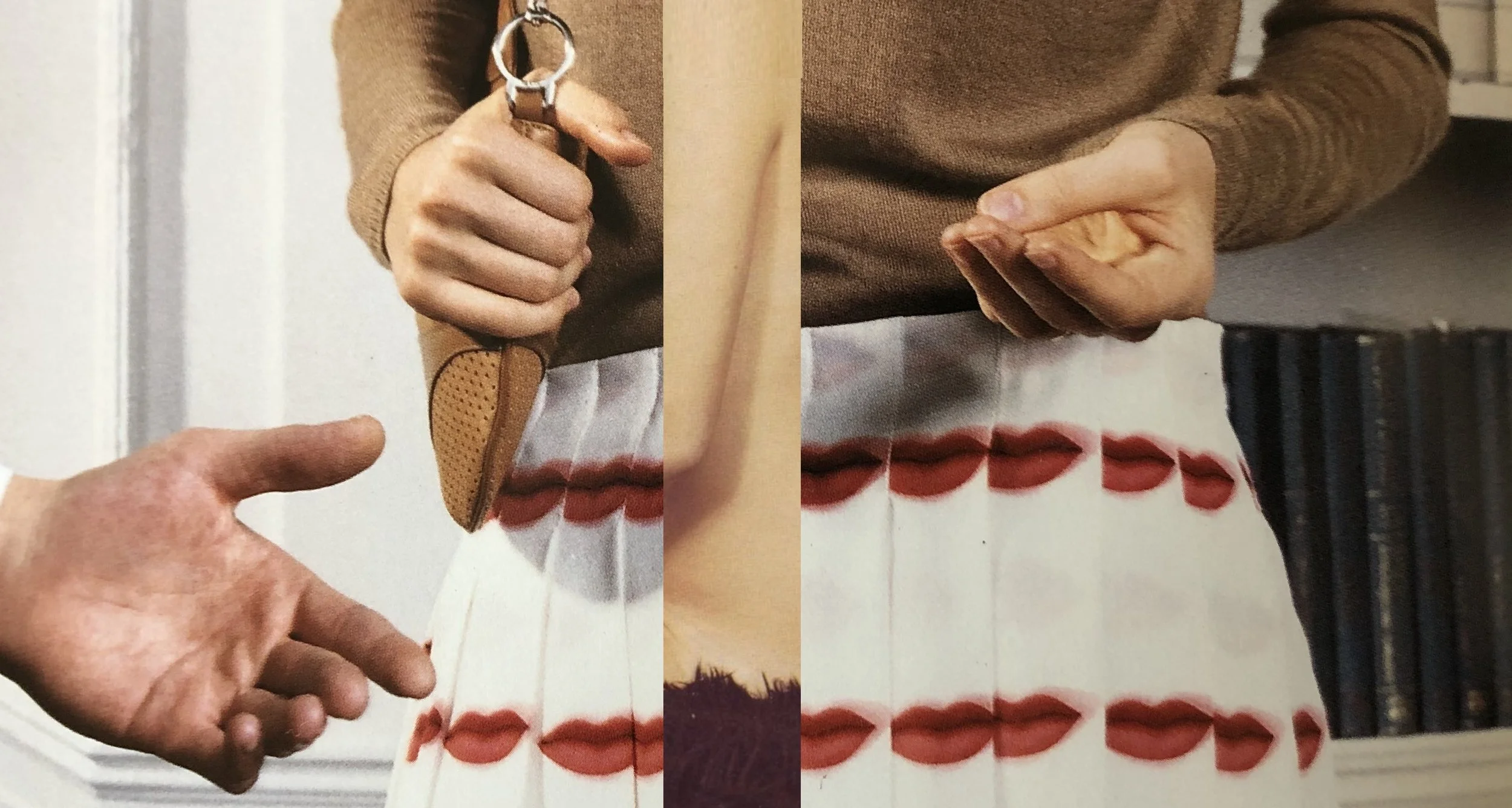
Al manager anonimo mancano quelle mani, quelle bocche…
"Non è divertente come ai brutti vecchi tempi," dice il manager, che preferisce l'anonimato. "E di piacerini extra gratis non se ne parla. D'altronde nulla da pulire, niente lamentele riguardo scarafaggi e/o piattole, zero valigie da sfacchinare di sopra e se il posto dovesse finire incenerito non importa, tanto non è più veramente vero."
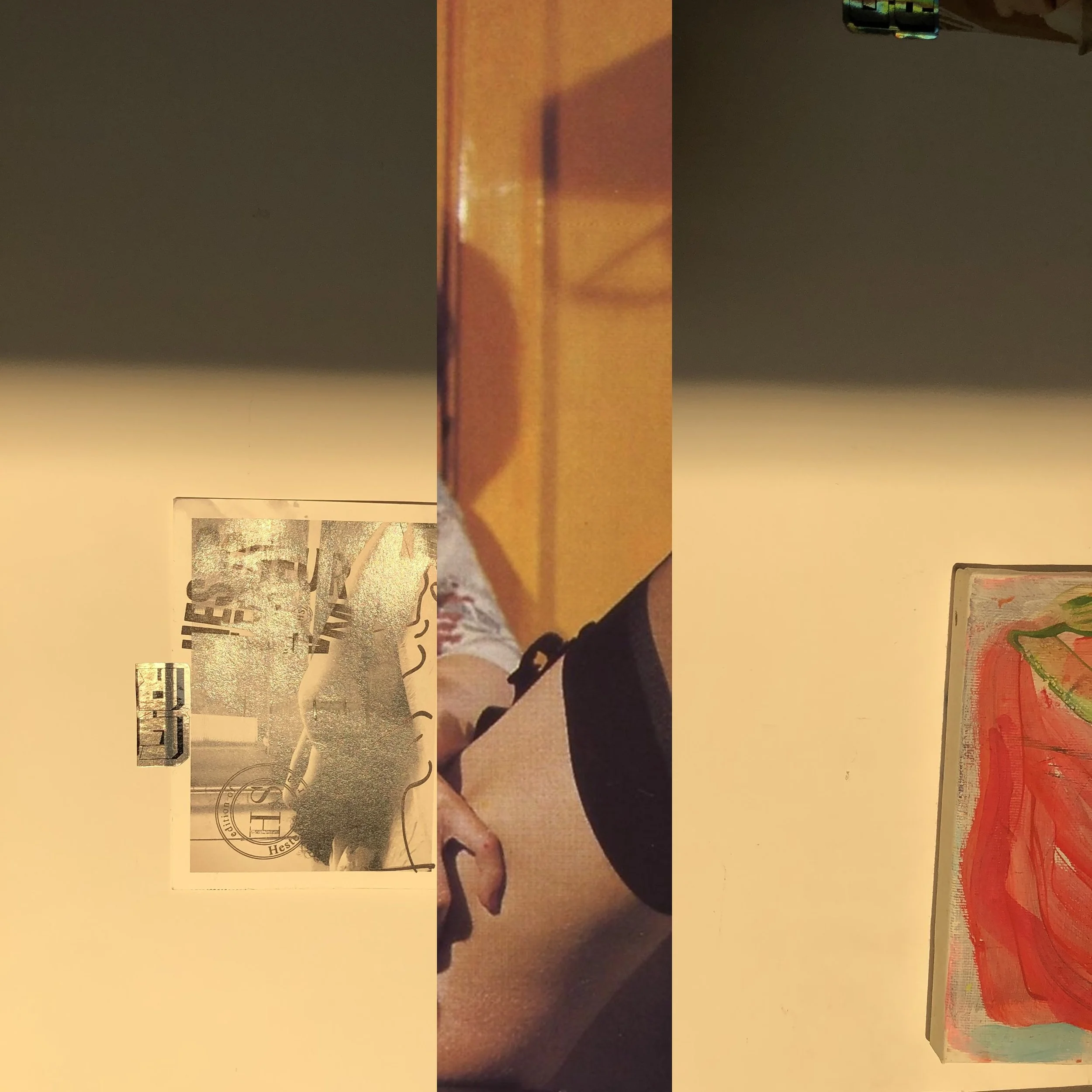
Ma la verità era davvero vero come ci hanno fatto credere?
Turisti in carne e ossa del tipo che acquistano Mappe alle residenze delle stelle entrano e chiedono di poter fare un sopralluogo della baracca. Bramano una zaffata di figa di idolo porno virtuale, slittare in una pozzanghera di sborra digitale sulla vecchia moquette Art Déco. Vogliono vedere "dal vivo" i colori e gli ambienti che in passato li hanno arrappati e poi sono spariti dentro ciò che resta dei loro immaginari. Si portano via un senso di perdita, visioni lampeggianti di scenografie ridotte all’osso, zone di pelle dimenticata, i suoni che echeggiano dalla fusione di anime e corpi.
Vengono, e poi non tornano mai più.
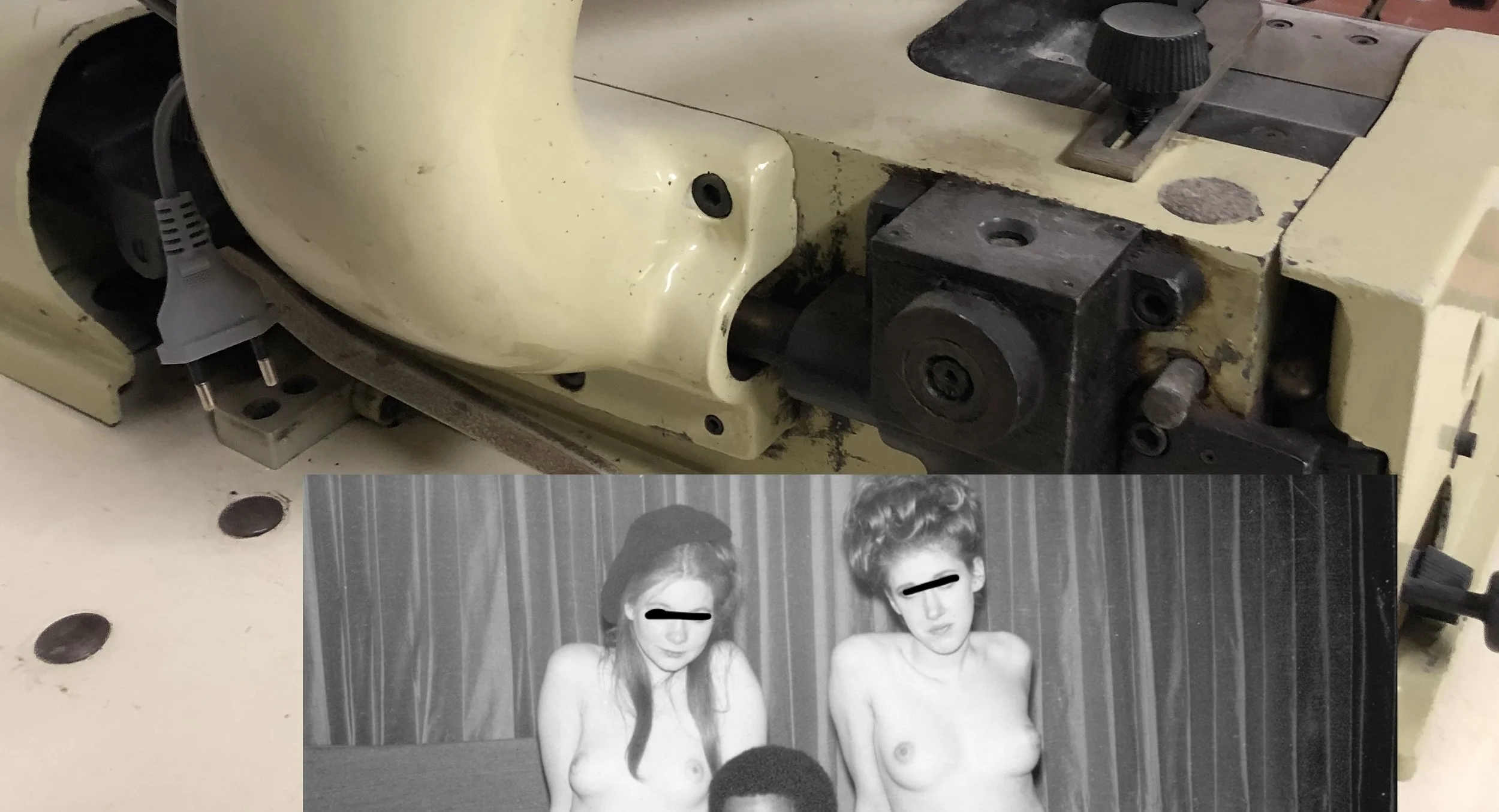
Una volta c’era da lavorare per tutti.
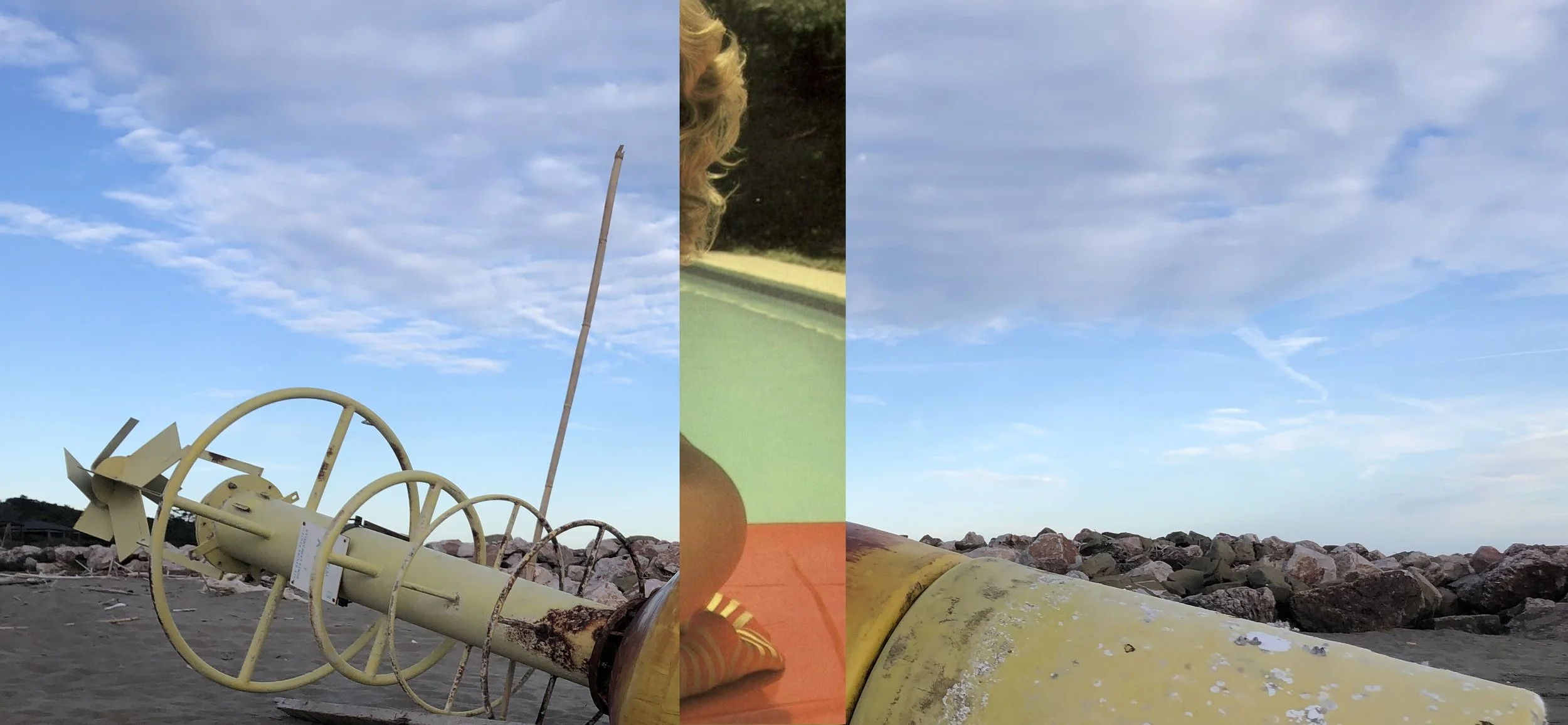
Il futuro è un’astrazione desolata…
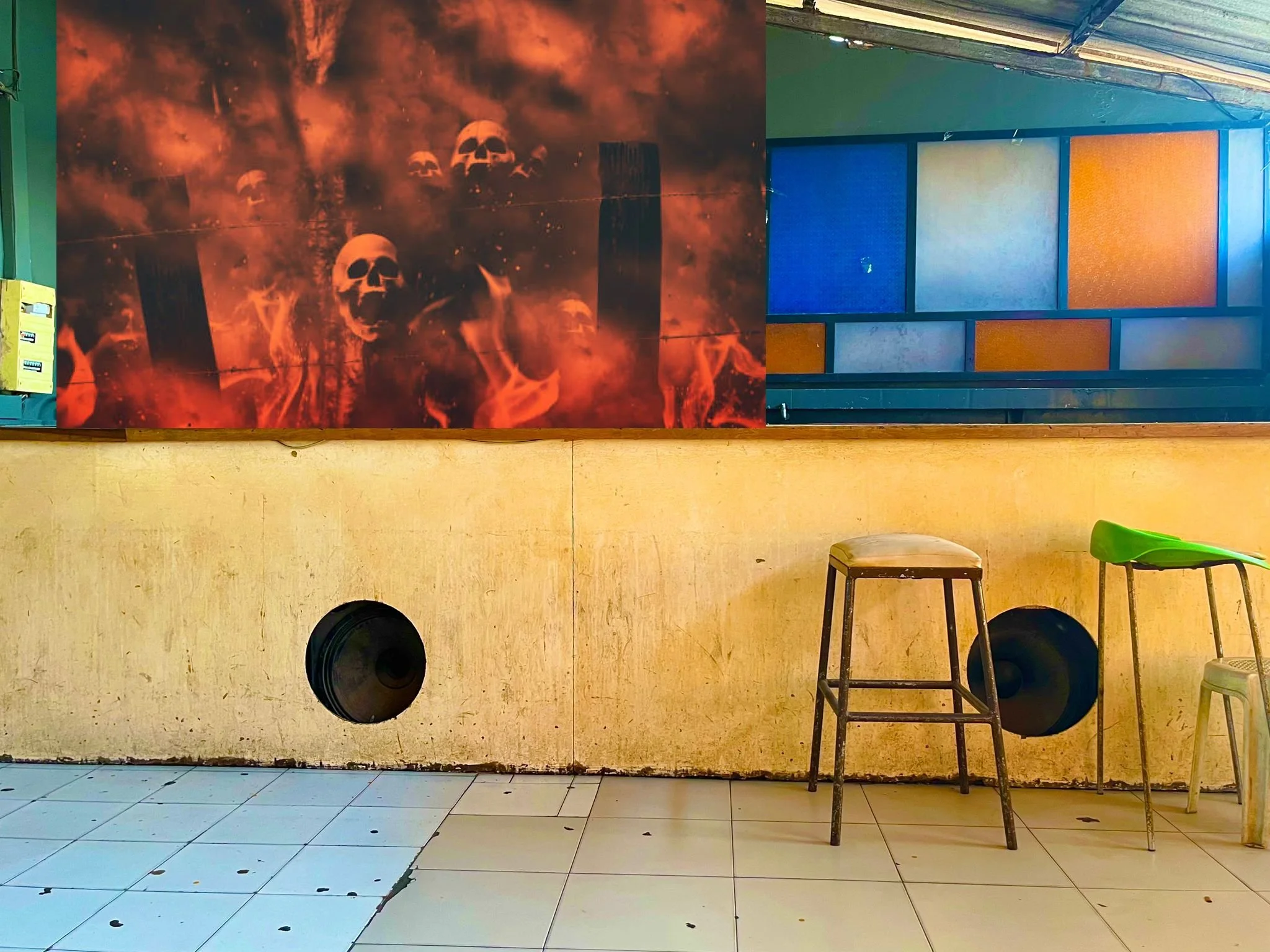
Heaven or Hell Hotel
You approach the reception desk. Behind the weird beard at the counter is a rack of keys hung from sharpened hooks. You give him your vital information, sign the register, and pay. The price is everything you've brought with you. He chooses which key you get. Upstairs or downstairs. Hot or cold.
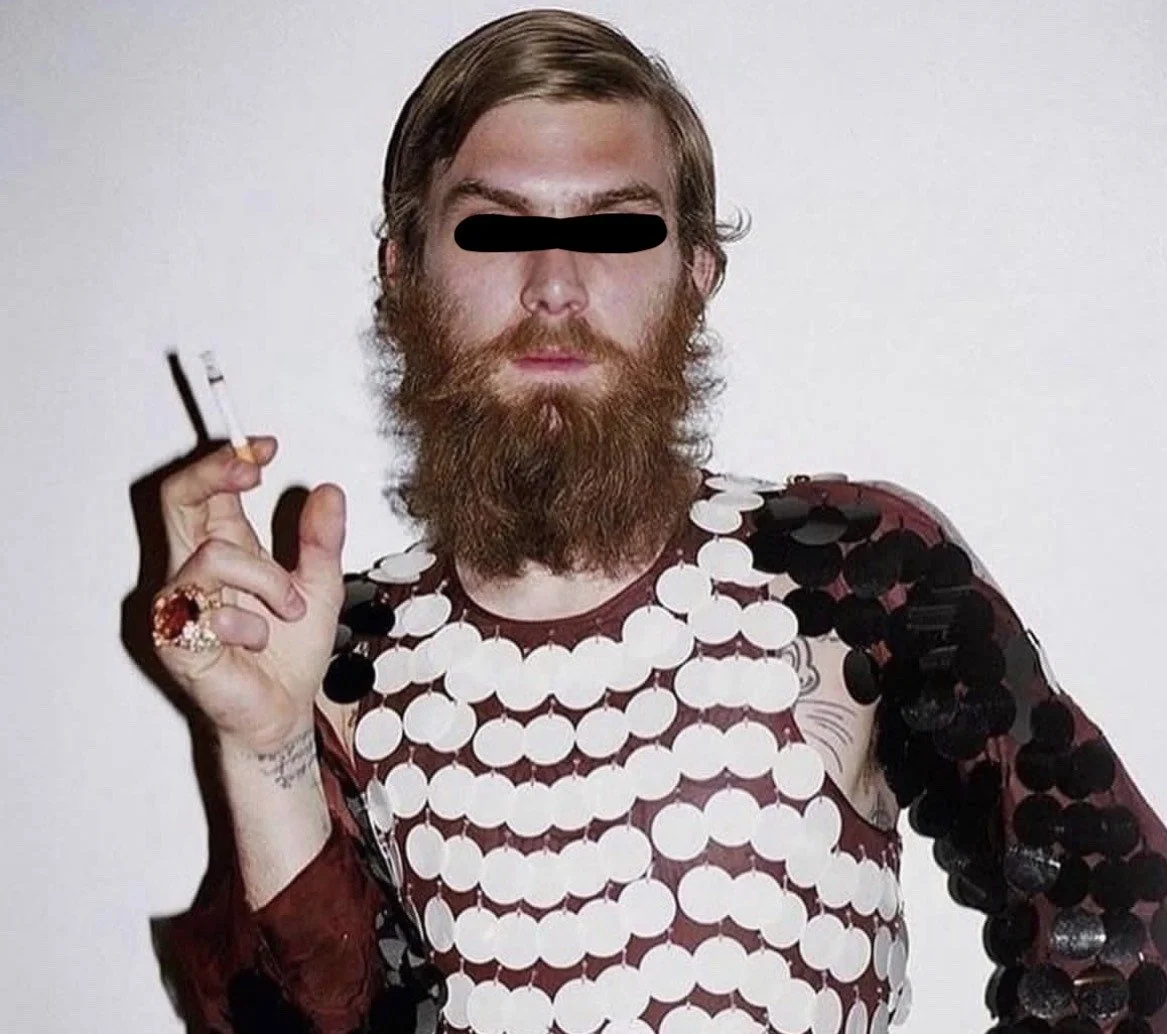
Up to Him.
The suites with the sunny views are standardized, sterile. Guests discover that the floor-to-ceiling glass doors don't slide. The only windows that open are above the tubs in the palatial bathrooms, but they're equipped with bars. Heavenly music floats eternally through the Muzak system, a loop that can't be silenced or even turned down.
Room service makes up for it. The food's divine. There's no scale in the bathroom, no mirrors in the closet. All the togas you want, in any color you like, as long as it's white.
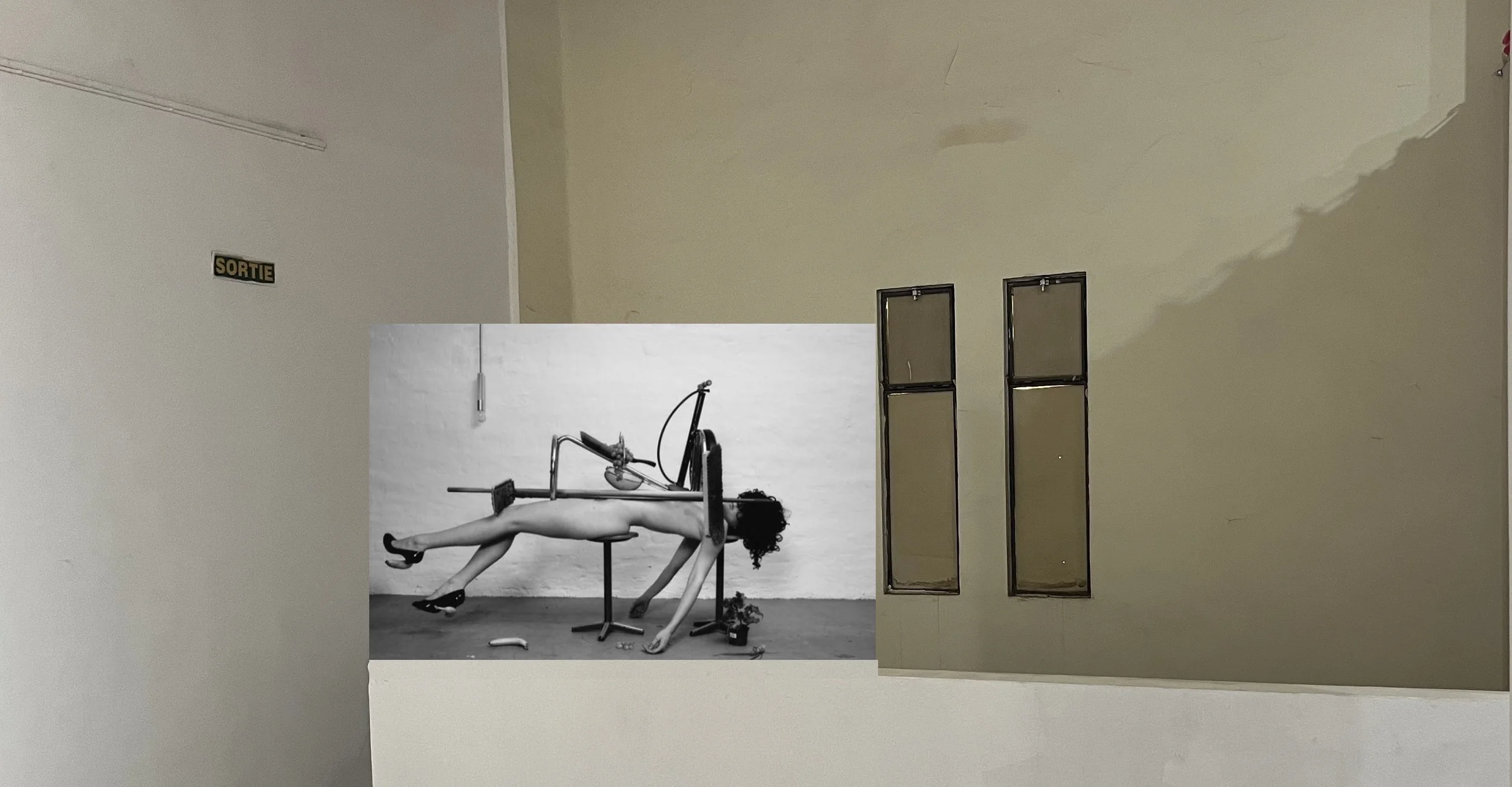
Heavenly reduction.
The Lower Lounge throbs with heavy blues, occasionally Satanic Metal. Red lights lend a sexy vibe. The horned waitresses are encased in leathery licorice. Not to everyone's taste, but guests learn to like it.
The rest of the menu is fried things drenched in hot sauce. Water? Fuck water. Beer. There's a long, long line for the restroom.
No beds? No problem. Sleep's forbidden.
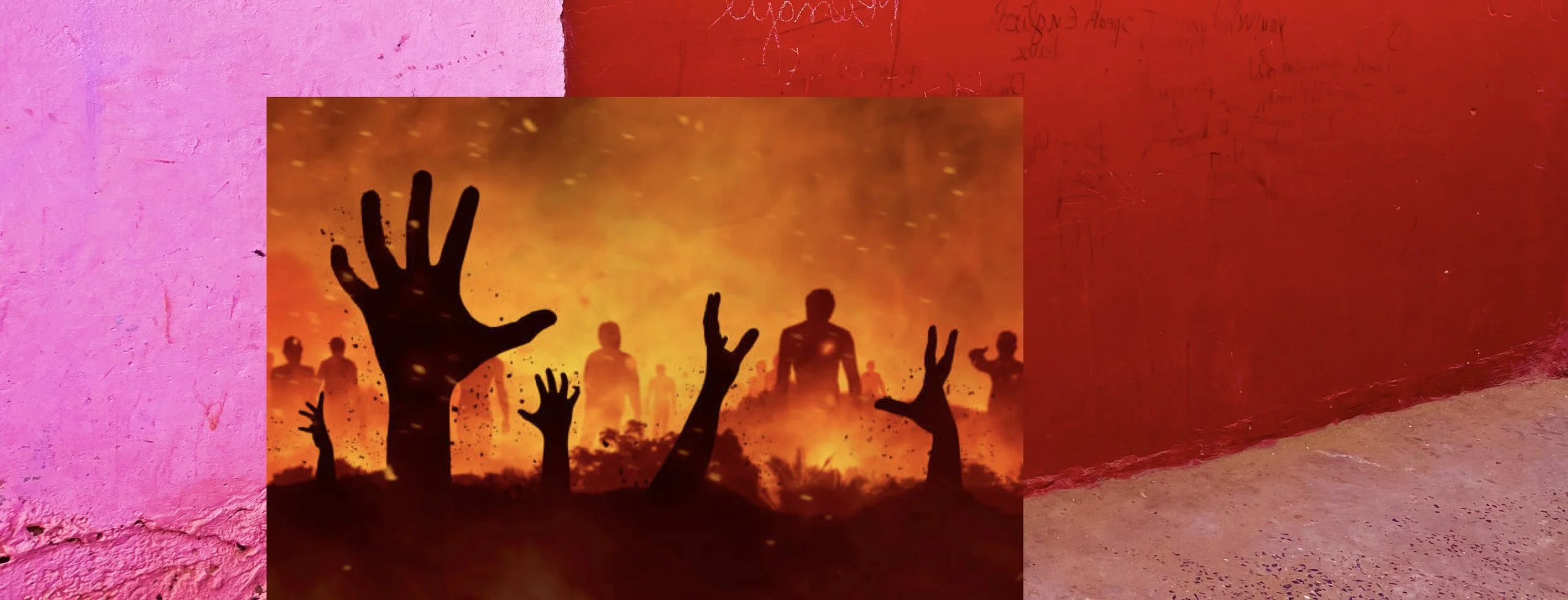
No sleep till…?
So what's it going to be then, eh?
***
L'hoteliera commedia
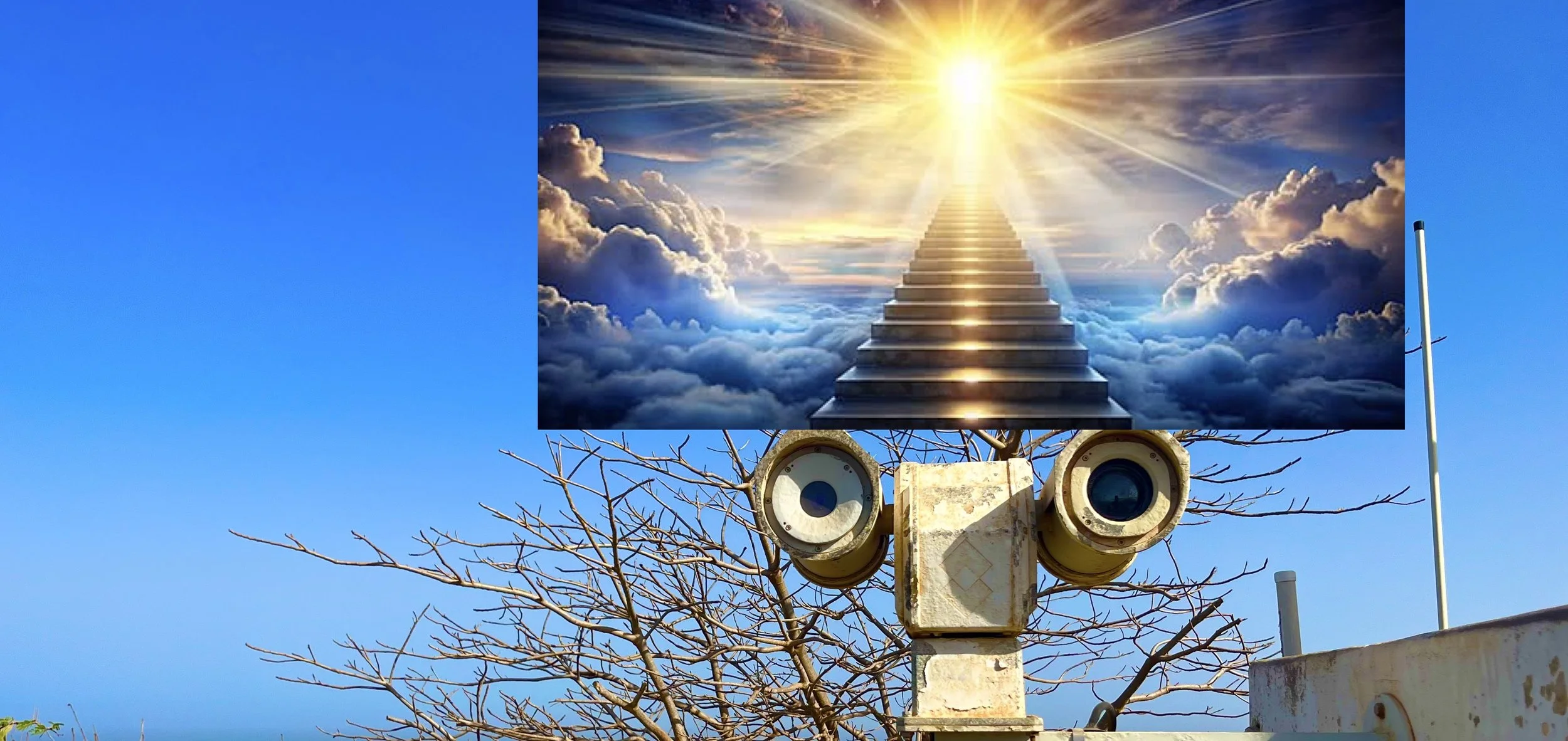
Un beatifico sguardo in alto.
Arrivi alla zona accoglienza. Dietro al tipo barbuto al banco sta un'infinità di chiavi appesi a dei ganci puntuti. Gli dai le tue informazioni vitali, firmi il registro e paghi. Il prezzo è tutto ciò che ti sei portato appresso. Sceglie lui quale chiave darti. Di sopra o di sotto. Caldo o freddo.
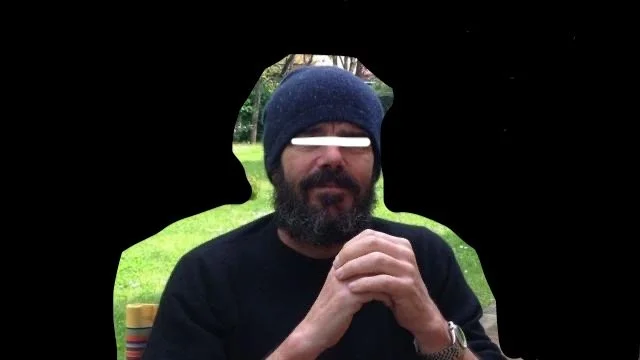
Decide lui.
Le suite panoramiche sono standardizzate, sterili. Gli ospiti scoprono che le porte scorrevoli di vetro da pavimento a soffitto non scorrono affatto. Le uniche finestre apribili sono sopra le vasche dei spettacolari bagni, ma sono sbarrate. Una musica celeste fluttua per l'impianto sonoro Muzak, un loop che non si può spegnere né attutire.
Per rimediare c'è il servizio in camera. Qui si mangia divinamente. Non ci sono bilance nei bagni, né specchi negli armadi. Tutte le toghe che vuoi, nel colore che preferisci, a patto che sia bianco.
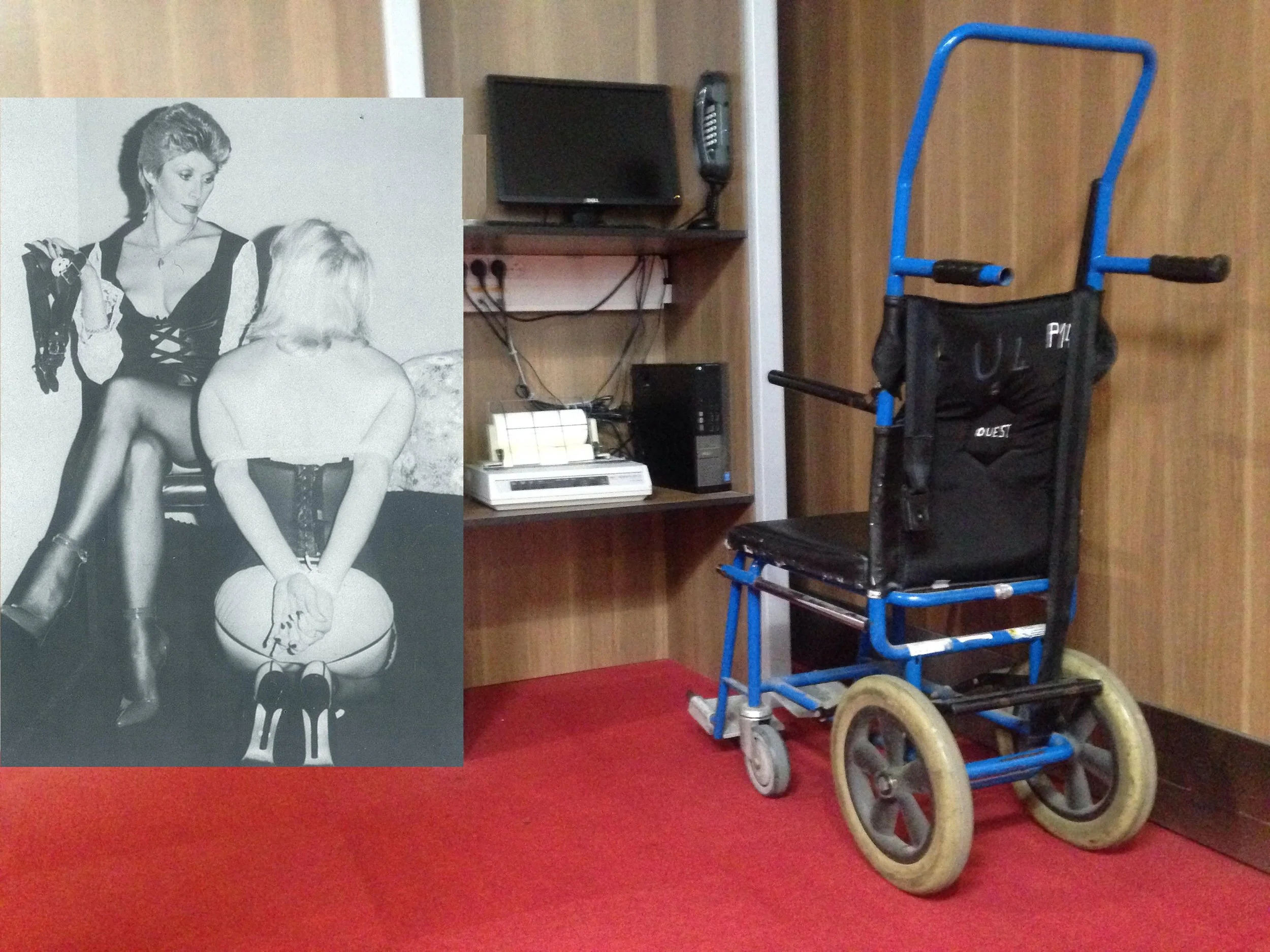
Bastava cambiare vita, tesoro.
La Sala di Sotto vibra di blues pesante, ogni tanto del metal satanico. Luci rosse creano un'atmosfera sexy. Le cameriere cornute sono rivestite di cuoio nero che in realtà è liquirizia. Non a tutti piace quel gusto, ma gli ospiti ci si abituano presto.
Il resto del menù è roba fritta affogata nella salsa piccante. Acqua? Affanculo l'acqua. Birra. La fila per i cessi è sterminata.
Niente letti? Nessun problema: è proibito dormire.
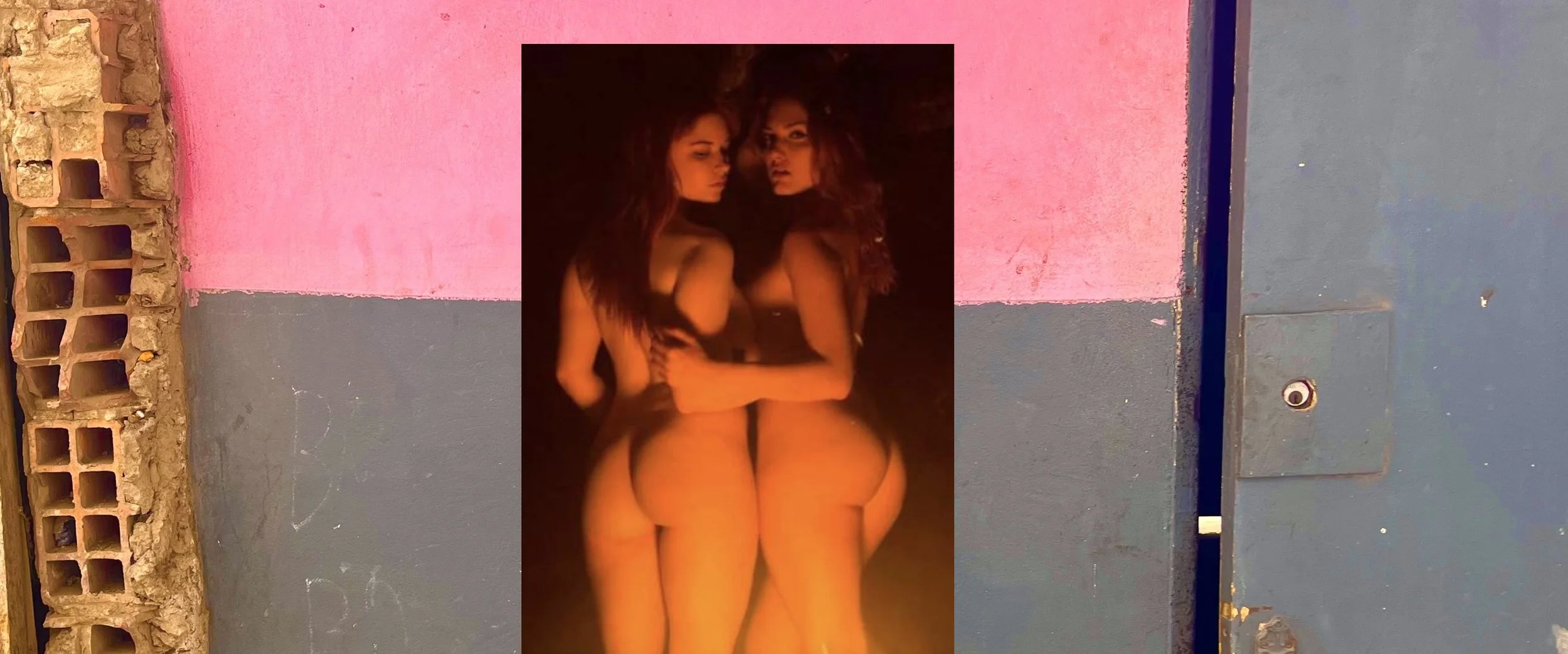
E chi ha tempo di riposarsi?
Allora? Dove credi che finirai?

Qui. Solo qui.

Va-Va-Va-Boom! Las Vegas!
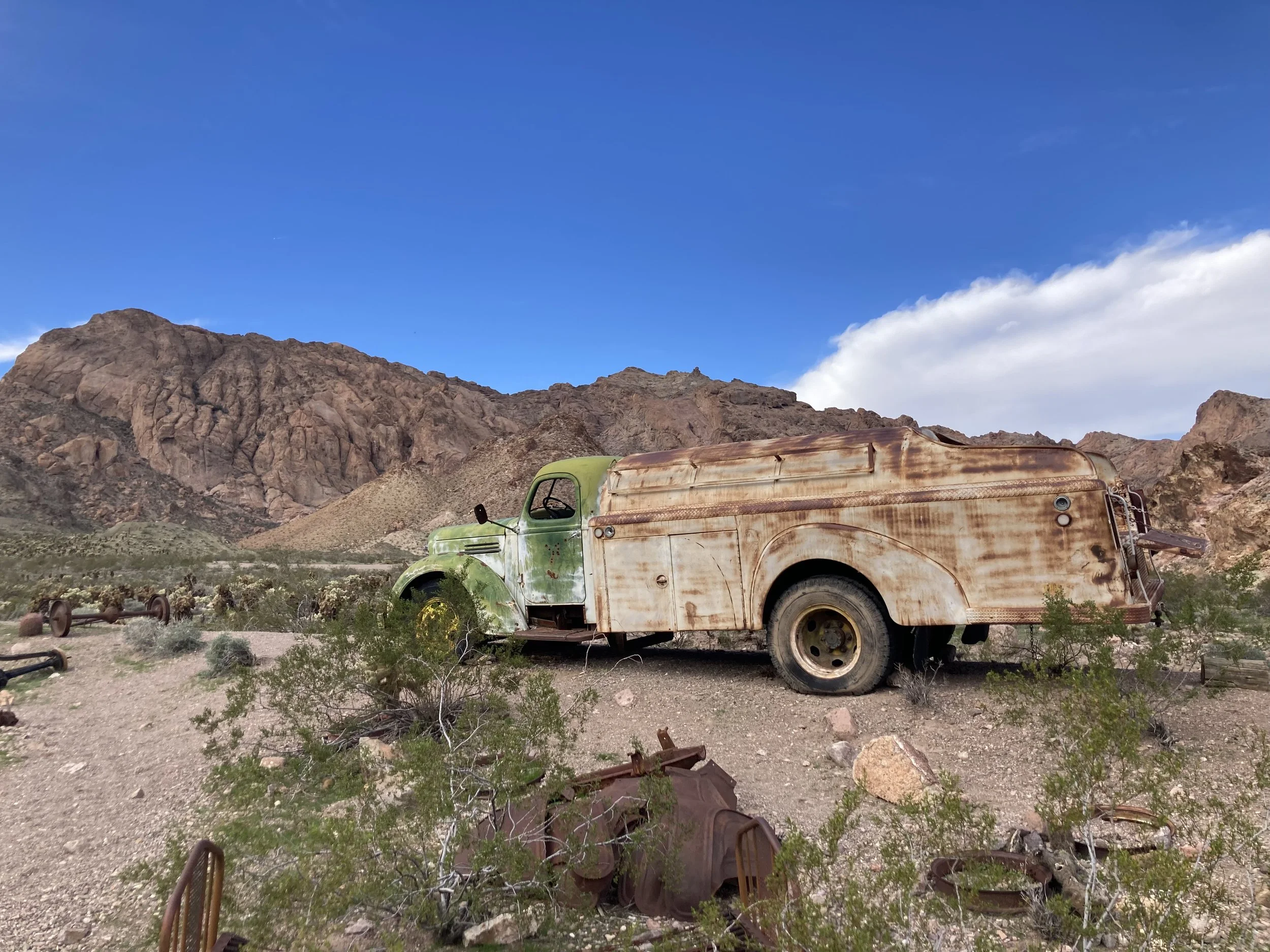
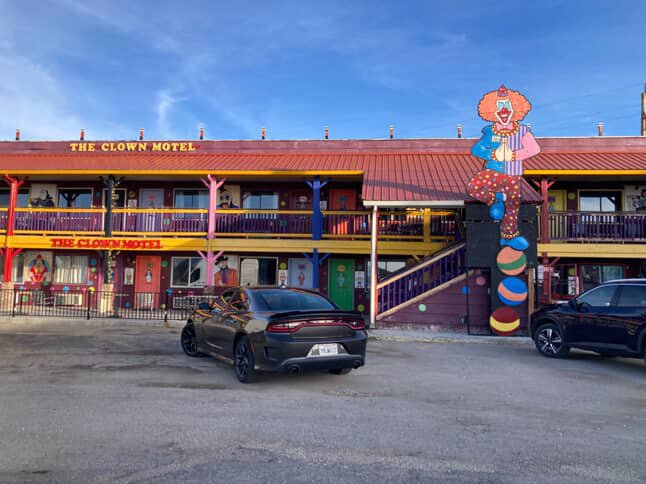
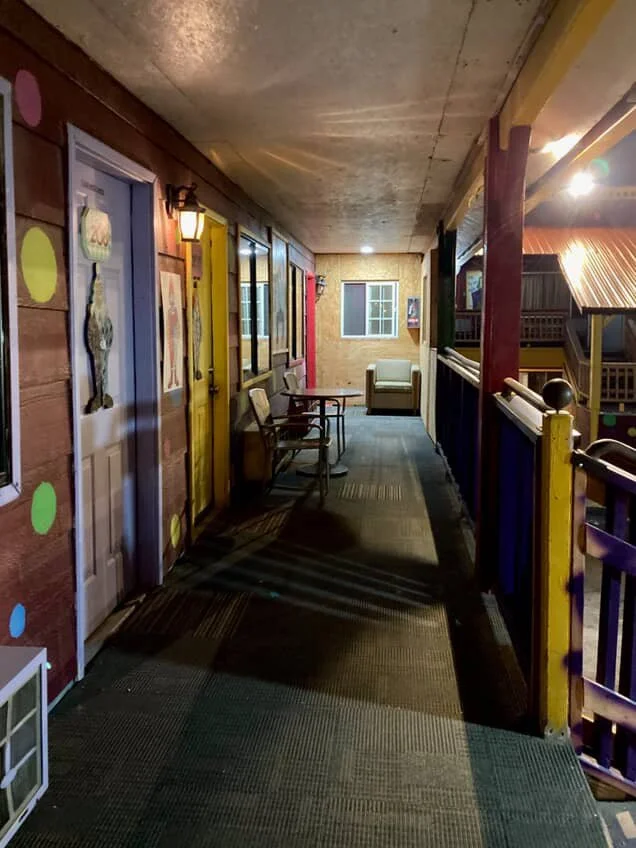
Hotel/Motel architecture enthusiast/award-winning photographer Kenneth K. took a well-deserved vacation West and was kind enough to send these pictures. Check out his beautiful Instagram page: @kenkurtz718
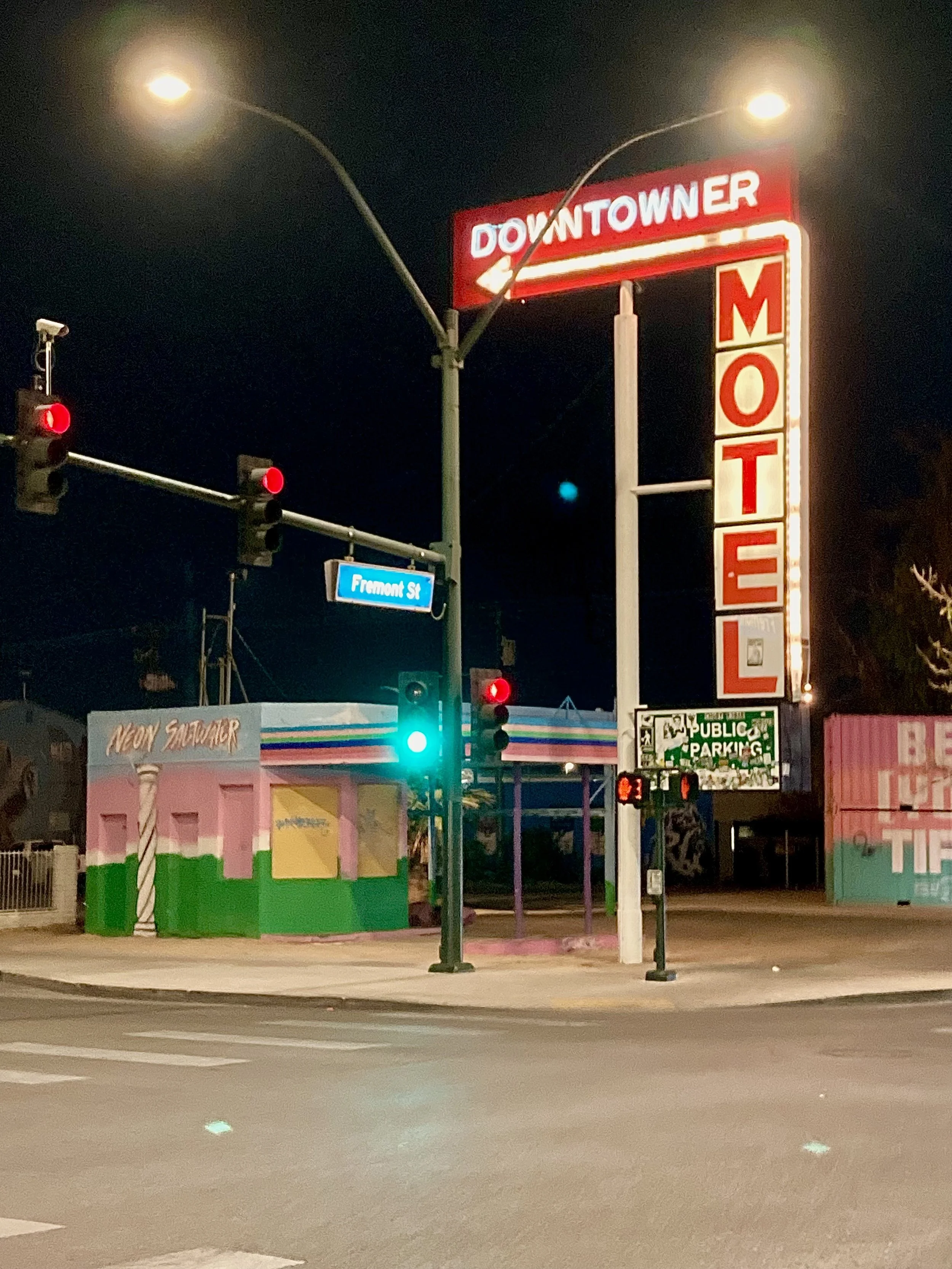
“It’s all about the light.”
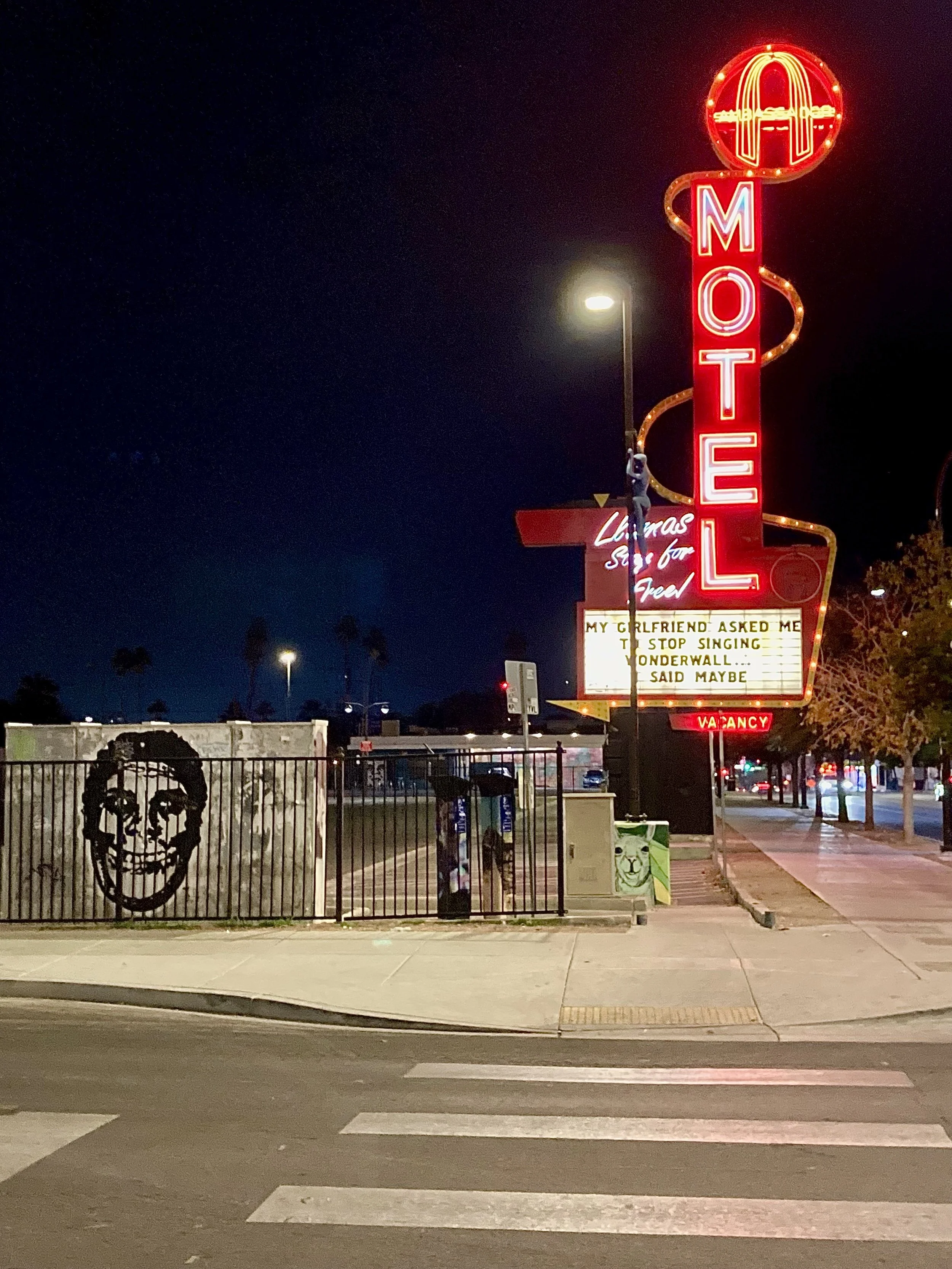
“Motel marquee wit, instead of The New Yorker.”
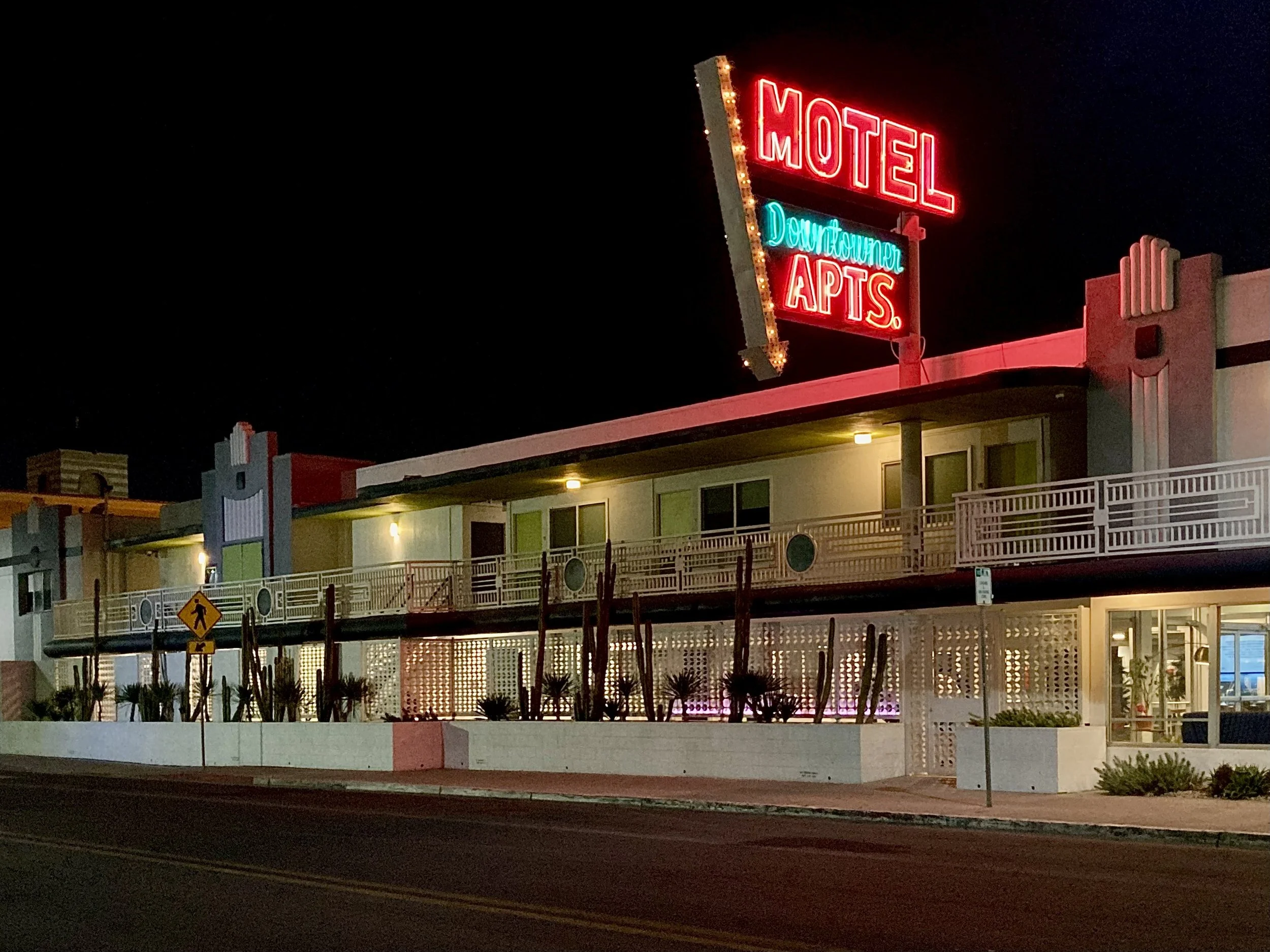
“Cactus and dwarf palms take up more space than the guests.”
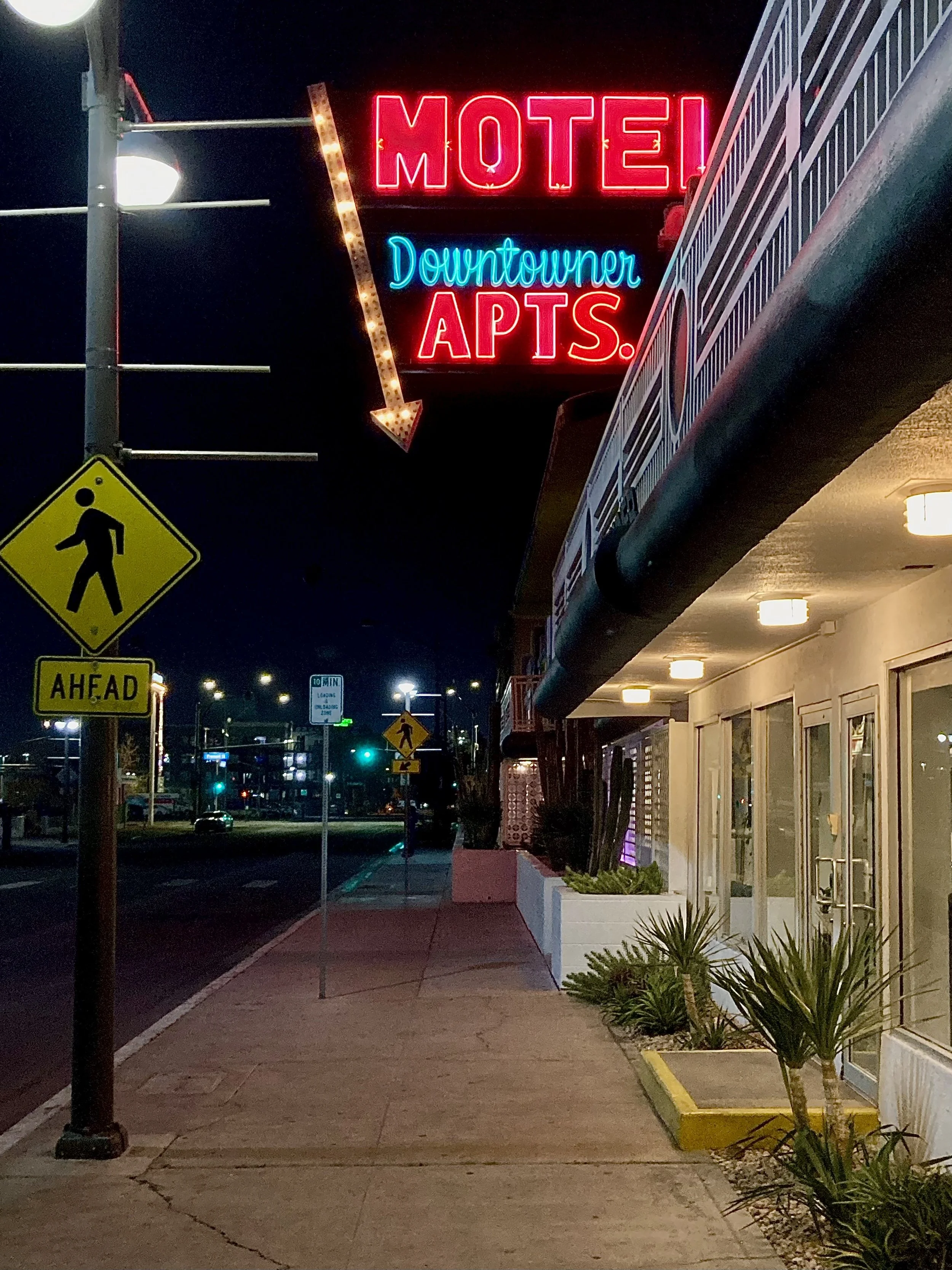
“Possibly intoxicated and/or totally broke hotel guests ahead.”
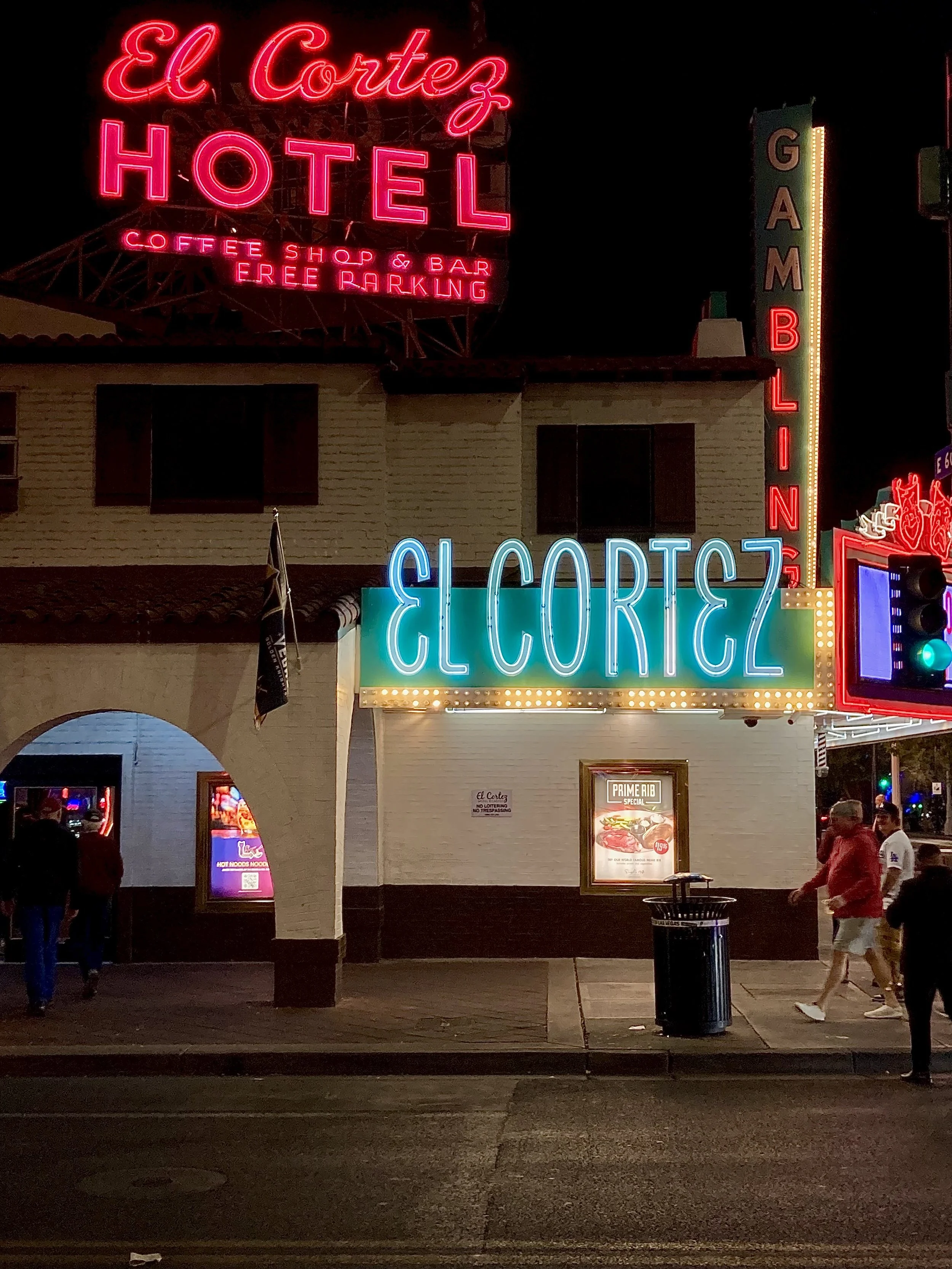
Q: Did you win or lose? At the casino, we mean.
Kenneth K.: I didn’t gamble, but regardless of any other law, smoking is allowed in anything that can be called a “casino.” like a room with a couple of machines next to the diner or gas station or a glass cubicle in the airport. As a result, I spent a lot of time in casinos.
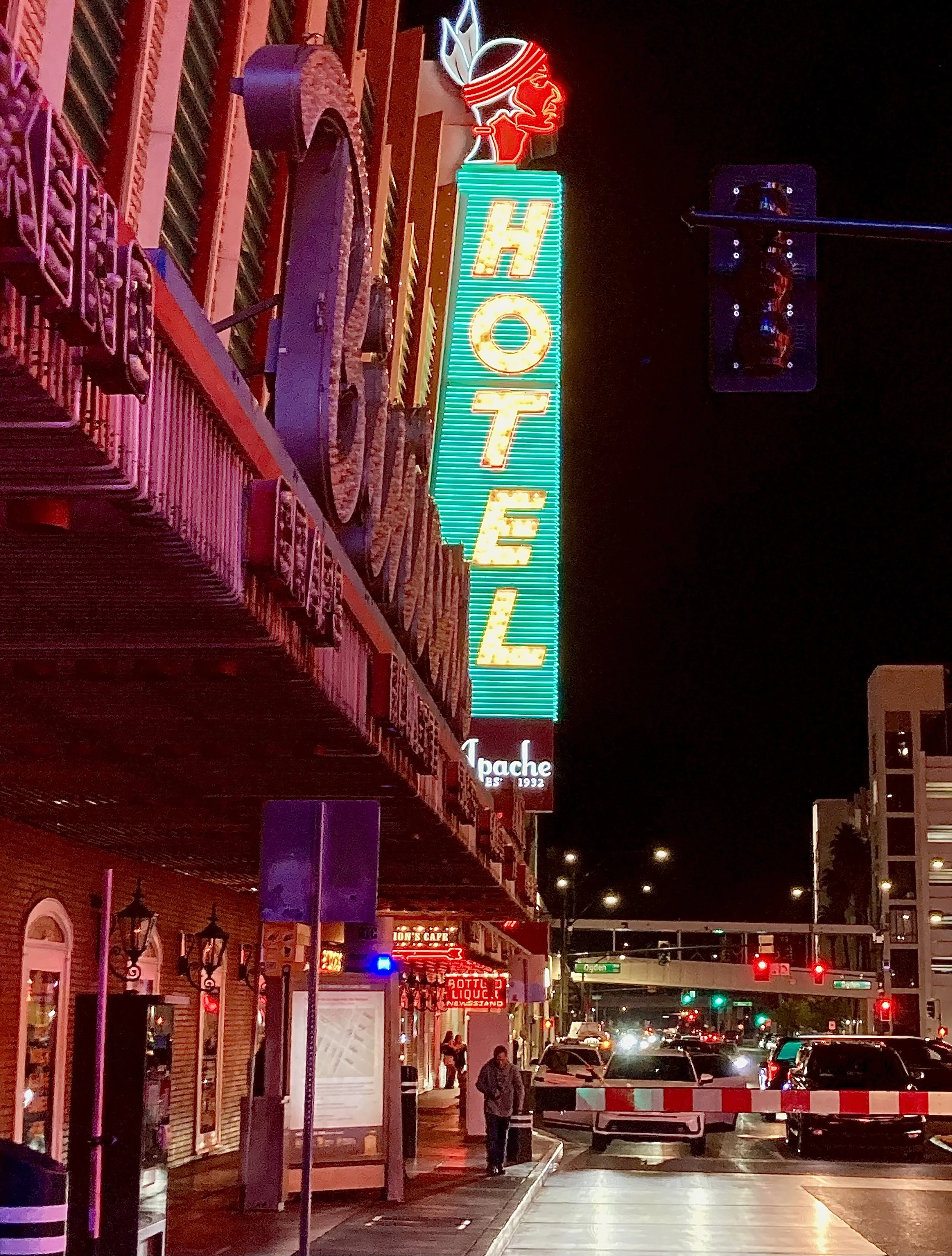
“On the road again.”
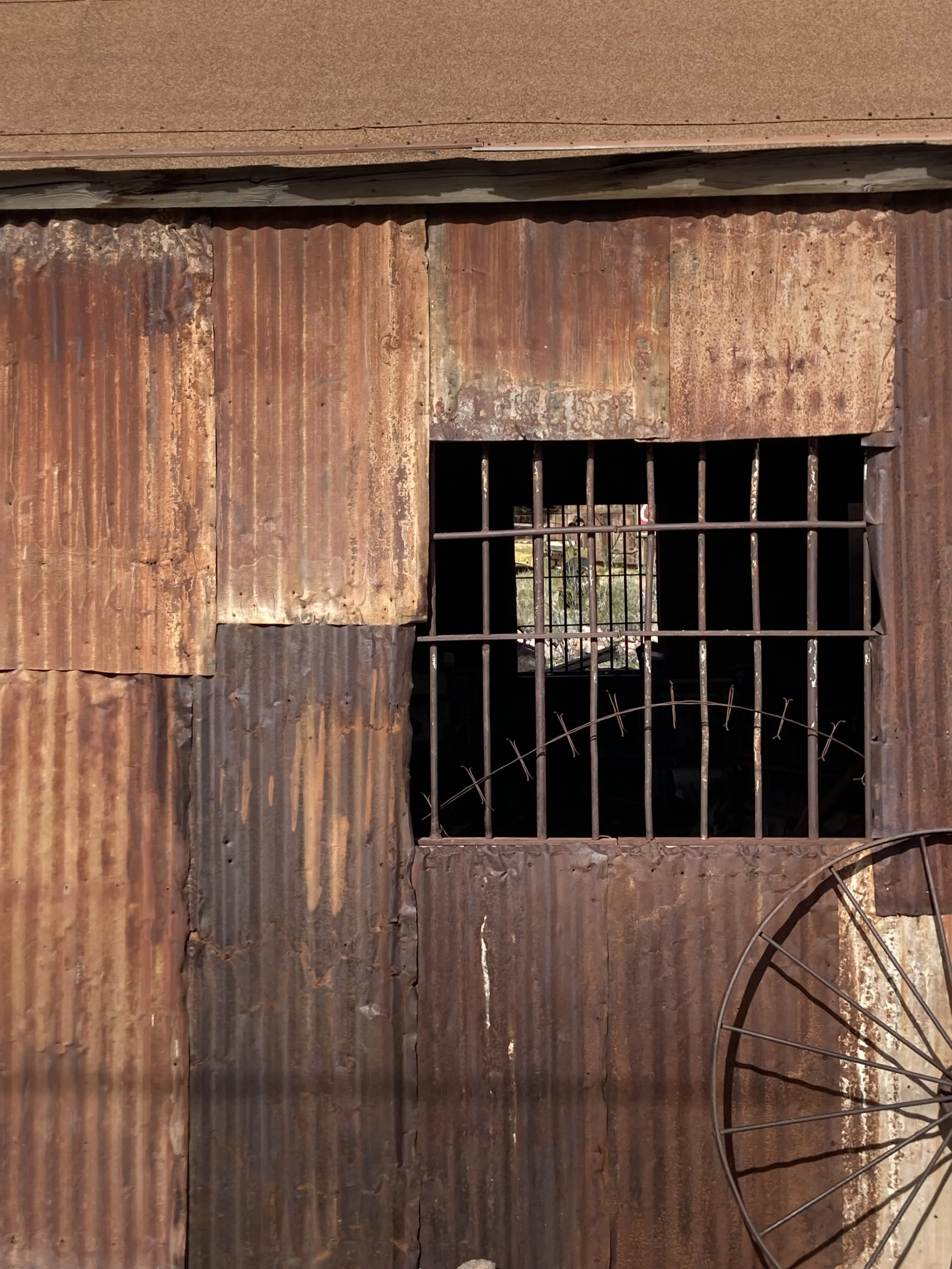
“Rust never sleeps, because there’s no hotel here.”
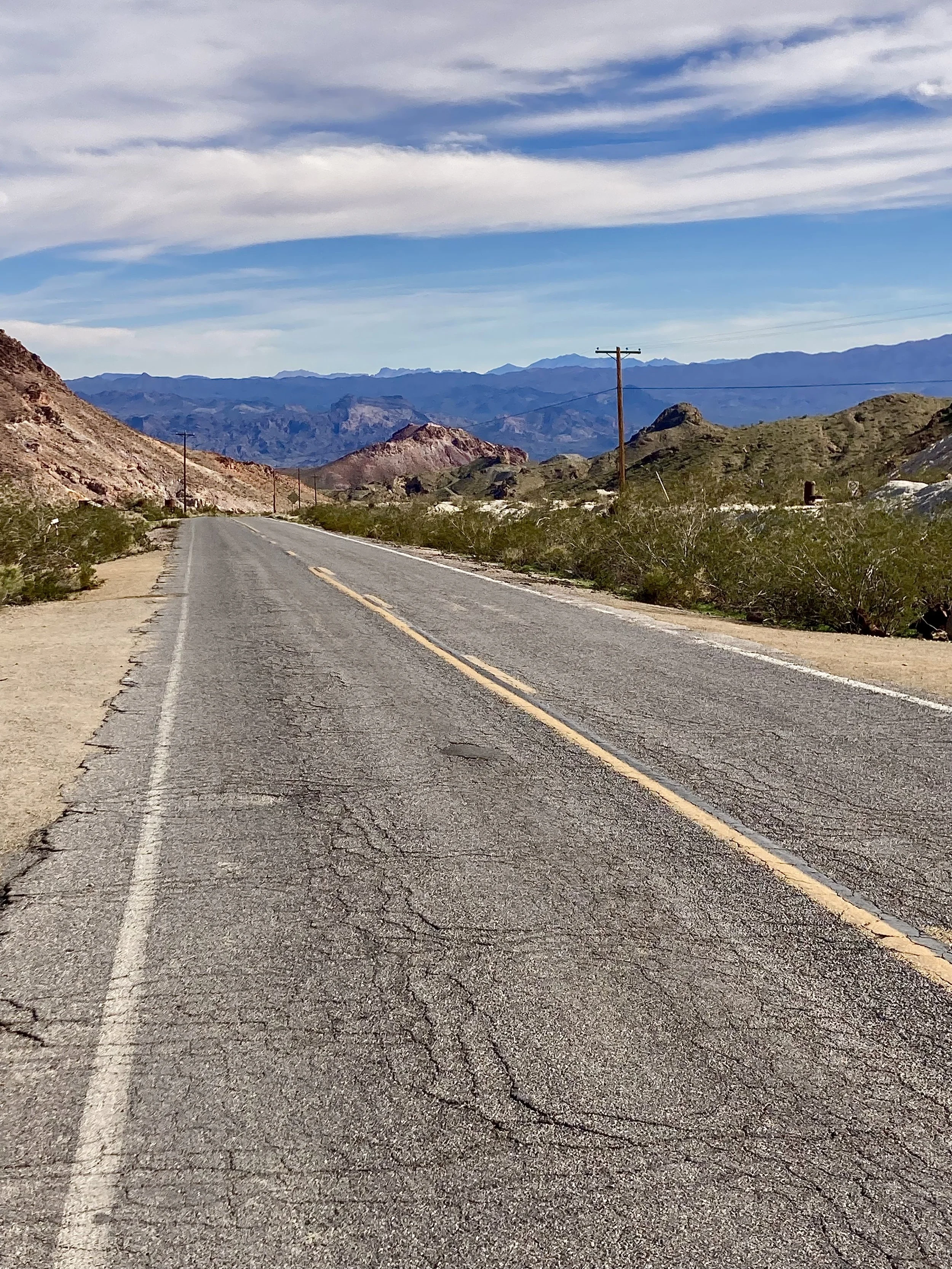
“I don’t own the clothes I’m wearin’, and the road goes on forever.”
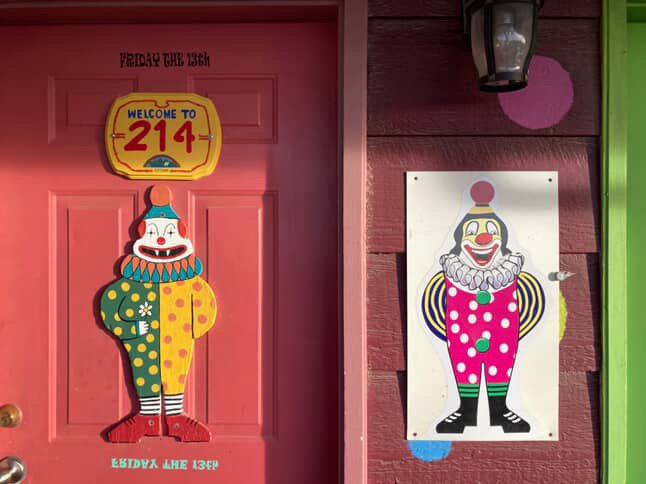
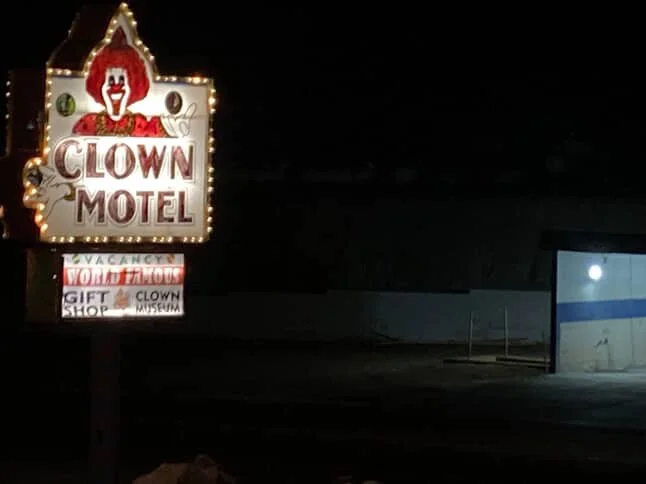
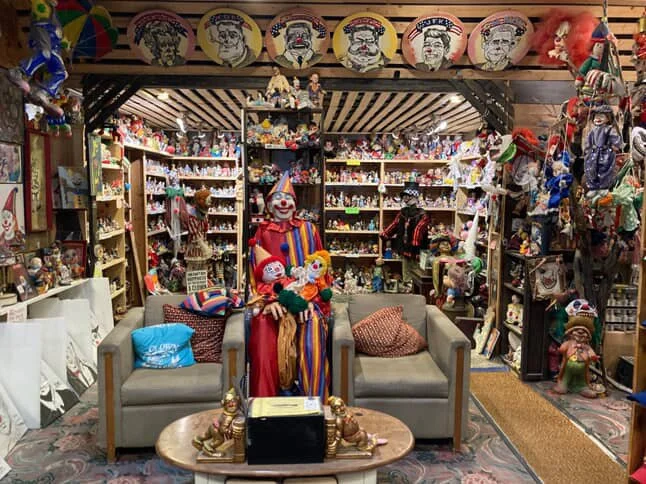
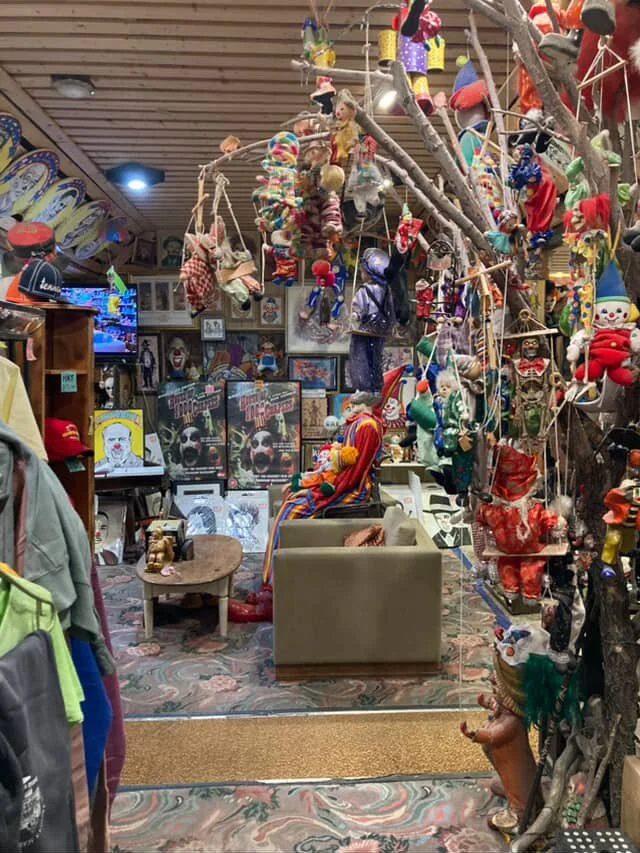
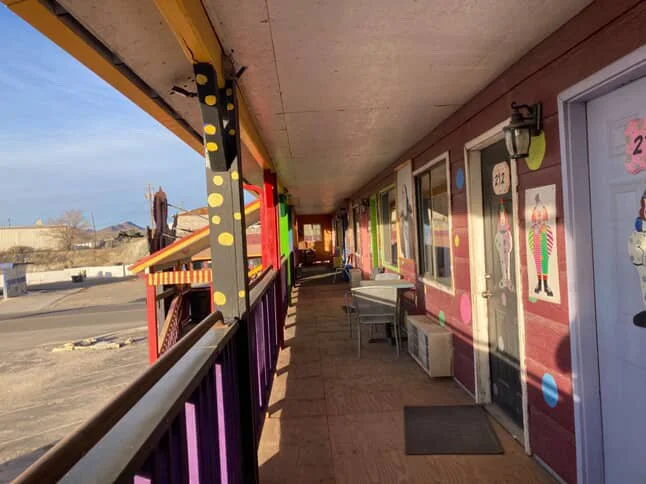
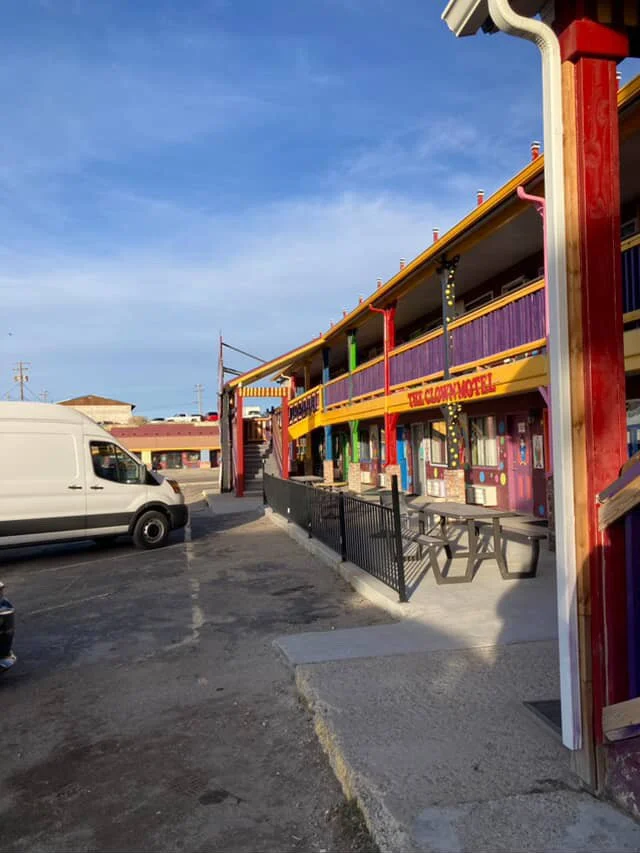
Q: What do they serve for breakfast at the Clown Hotel?
Kenneth K.: It’s actually called the “World-Famous Clown Motel.” If they had food there, I didn’t see it. We had eggs & pancakes down the street at the Strawberry Hill Diner. Recommended. This is a review from a random Google Maps user:
My daughter loves this place. The food is good with a pretty large variety. You can get large portions or small based on what you want. Their Philly cheese steak omelet is the bomb when you want to get some good protein in fast. The staff are also very friendly and helpful. Often you will find the owner himself (who is the chief) walking from table to table to ensure everyone is getting everything they wanted. If that wasn't enough the guy is a artist and will freshly bake several beautiful cakes that they put in display every day. You can buy a slice, a whole cake, and even custome order one a day in advance for a birthday party for your kids. I think it only costs like $45 for one of his professionally made cakes which if you ask me is a very good deal.
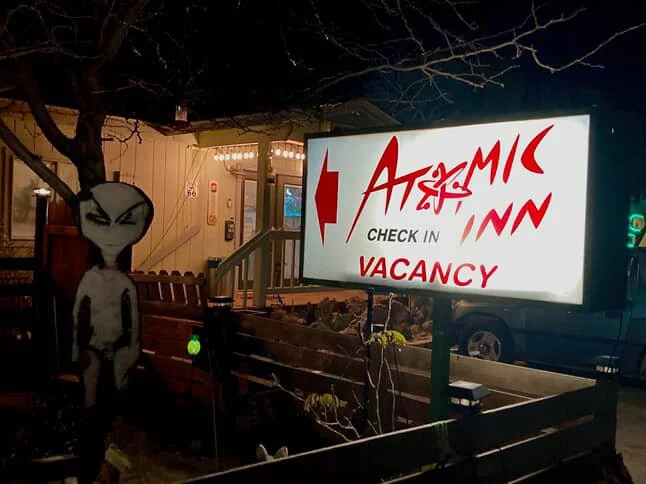
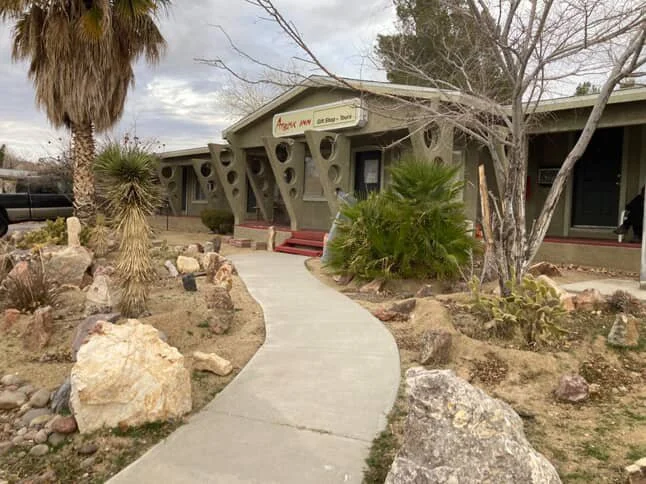
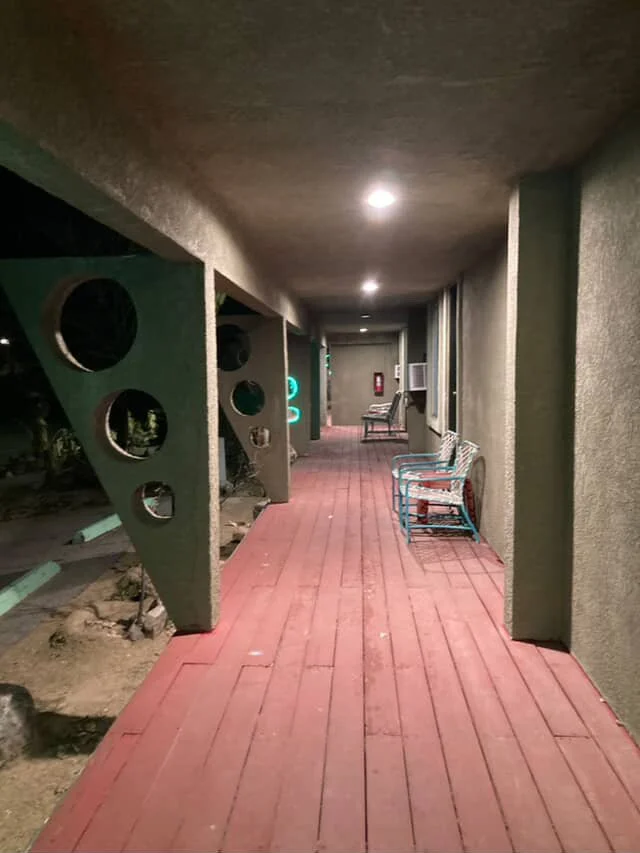
Q: Do they offer to fill ‘er up for free at the Atomic Motel?
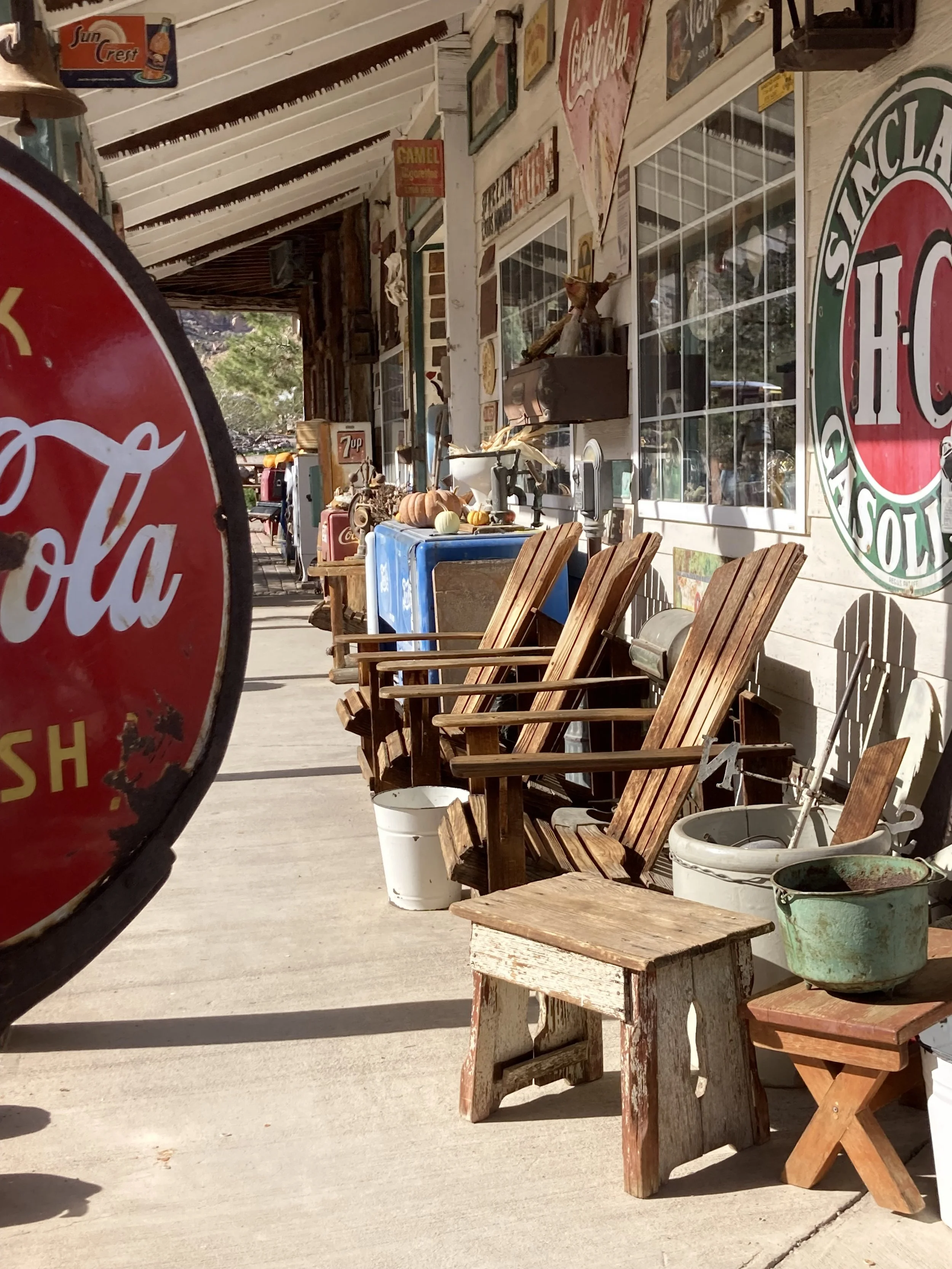
Kenneth K.: They don’t, but they offer a long porch that connects all the rooms so you can sit outside with your friends. Beatty is a fun town. We spent most of two nights in the Sourdough Saloon—actually called the “World-Famous Sourdough Saloon”—but I’m sure there was a ton of other stuff, too. The lady at the other motel said the best food in town was at the VFW, but not being a veteran, I felt weird about going there.
I Remember Hotel
Hotel rooms are sometimes empty of guests, but never of memories. Several readers were kind enough to share their personal spaces and recollections.
Le stanze d’hotel ogni tanto sono vuote di ospiti ma mai di ricordi. Alcuni lettori sono stati così gentili da condividere le loro zone private e memorie alberghiere.
Ada S., 43
The first time I checked into a hotel with someone with whom I wasn’t officially involved, I felt kinda dirty. But in a nice way, like, well this is it, here we go, I’m not a kid anymore. The shower, at least, was hot.
La prima volta che andai in albergo con una person con la quale non ero ufficialmente fidanzata mi sentii un po’ zozza. Ma nel senso positivo: allora eccoci qua, non sono più una signorina. La doccia perlomeno era torrida.
Friedl, K. 50
We used to goof on this place, back in High School. Guests went in separately, and never had any luggage. Once we saw an ugly guy waiting outside the place who kept looking at his watch and muttering to himself. Before too long, another man walked out, buttoning up his raincoat. The waiting man called him a dirty name, but didn’t hit him, like we sorta hoped. The raincoat fellow walked away. When he was gone, a woman came out onto the sidewalk. She and the ugly guy yelled at each other like crazy, then they went their separate ways. I imagined they’d never see each other again, and it was kinda sad.
Quando ero al liceo ridevamo di questo posto. Gli ospiti vi entravano separatamente e non avevano mai bagagli. Una volta vedemmo un brutto tipo che aspettava fuori e si guardava di continuo l’orologio. Mormorava tra sé e sé. Uscì un altro uomo, abbottonandosi l’impermeabile. L’uomo che aspettava lo infamò brevemente, ma non lo picchiò come speravamo. Il tizio dell’impermeabile sparì. Poco dopo uscì una donna dall’hotel. I due si urlarono come pazzi poi se ne andarono in direzioni opposte. Immaginai che non si sarebbero mai più rivisti ed era triste.
Puki B., 37
No I’ve never been in a hotel room with anyone who wasn’t my legitimate companion. I did not remove my clothing before an open window, or flash the Room Service clerk in lieu of a gratuity. And I didn’t use the soiled sheets as a rope to let myself out without paying. And my name is Napoleon.
Non sono mai stata in una stanza d’hotel con qualcuno che non fosse il mio legittimo compagno. Né mi sono mai spogliata davanti a una finestra aperta. Non mi sono esibita indecentemente al fattorino del servizio in camera anziché dargli una mancia. E non ho usato le lenzuola sporche come corda per fuggire da un albergo senza pagare. E mi chiamo Napoleone.
Wilma V., 49
All I remember about this hotel is that I woke up with G.I. Joe hands.
Di questo stabilimento ricordo solo che mi svegliai con le mani paralizzate stile Big Jim.
Belinda F., 26
What I was really looking for was a supermarket, but the receptionist was friendly and said, go right on upstairs. Pretty soon I had a lot of visitors and made a lot of new friends. So yeah, now I stay in hotels all the time. Other people do my grocery shopping for me. It’s called Room Service.
Veramente stavo cercando un supermercato, ma il tipo all’accoglienza era carino e disse, vai pure di sopra. Dopo poco avevo tanti visitatori e ho fatto un sacco di nuove amicizie. Quindi sì, ora sto quasi sempre in hotel. Altre persone fanno la spesa per me. Si chiama servizio in camera.
Amanda T., 54
Lounge Singer is what I want on my tombstone. Hotels don’t have lounges anymore. The first time I sang in a hotel, I’d just walked in off the street. An old guy was dreamily tinkling the out-of-tune upright piano in the lobby and the Spirit moved me to join the sound. No words came out. The man at the keyboard obviously wasn’t too happy about being involuntarily turned into an accompanist. He pounded harder, tried to drown me out. By the end of our “show”, I was screaming. Found out I’m a good screamer. We both found a way to pay for our rooms. The rest is history. As in, it’s all over now.
Voglio che la mia pietra tombale rechi la scritta Sciantosa. Gli alberghi non vantano più intrattenimento cabaret. La prima volta che cantai in un hotel ero entrata per caso. Un vecchio stava suonando il pianoforte stonato nella hall e spontaneamente mi unii al suono. Non cantavo parole. Al pianista, diciamo così, non andava di fare l’accompagnatore. Picchiò più forte la tastiera, cercando di silenziarmi. Alla fine del nostro spettacolo stavo urlando. Scoprii di essere un’urlatrice nata. La gestione ci ha messo a disposizione due stanze. Il resto è storia. Nel senso, è tutto finito.
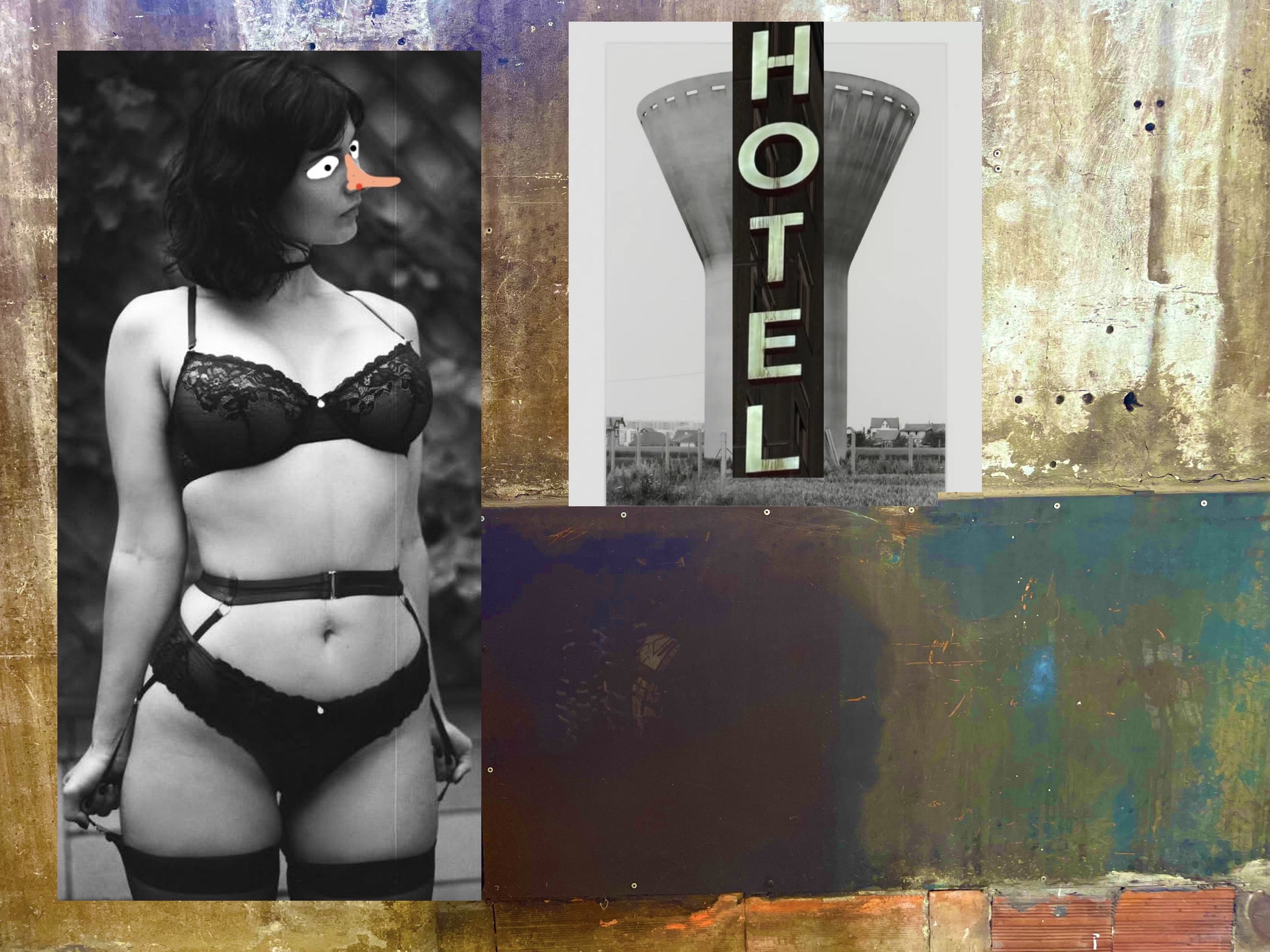
Corinne Y., 38
“Where’d my trenchcoat go? Musta left it up in the room, how embarassing.”
“Dov’è finito il mio impermeabile? L’avrò lasciato su in camera, che figura.”
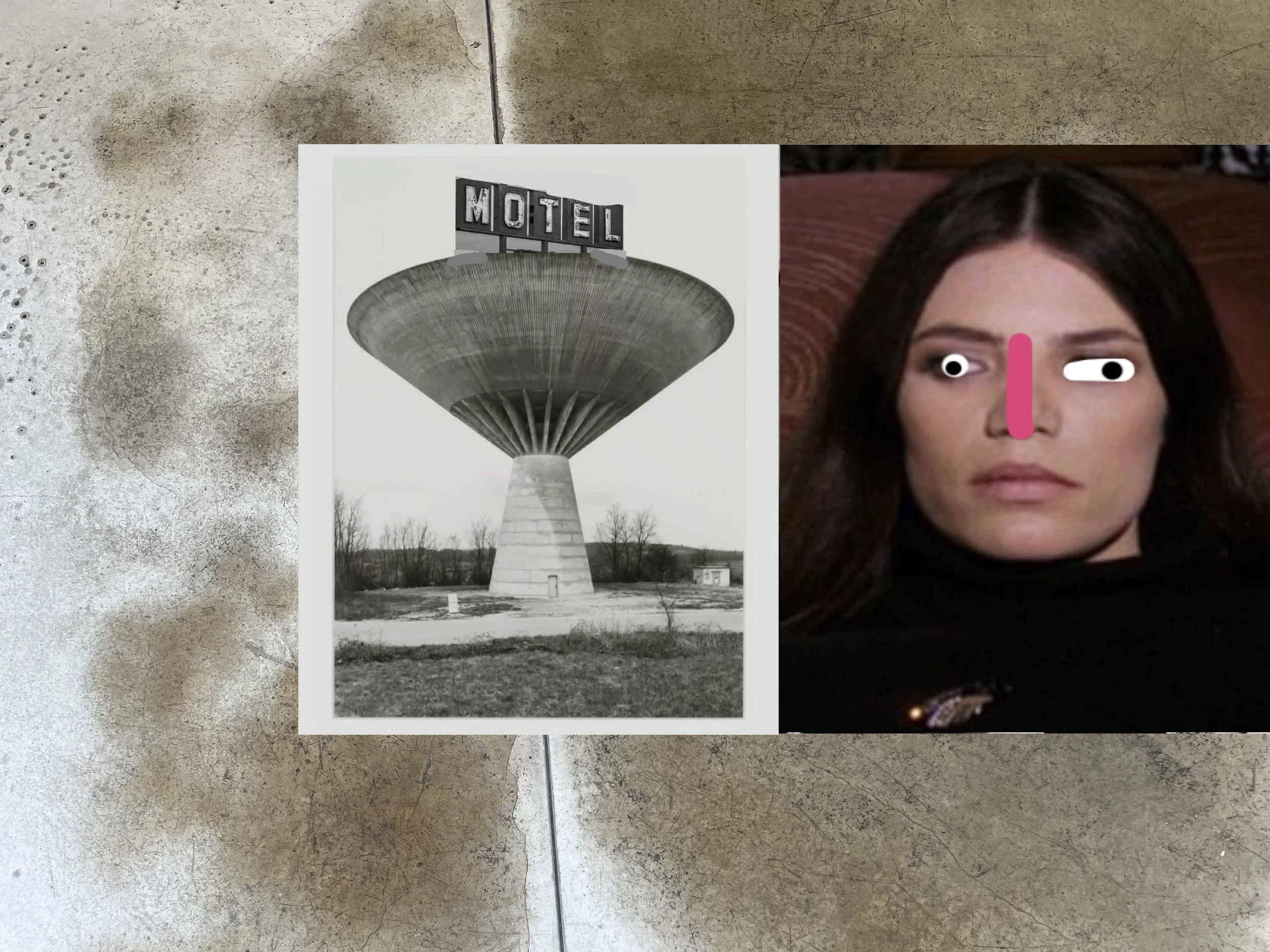
Gina G., 29
“We thought acid would be groovy if we all got a room together. Turned into a lifetime bummer at a hotel called Ward 81.”
“Pensavamo che sarebbe stato divertente calarci un acido tutti insieme in una stanza d’albergo. Ma la festa è finita al manicomio.”
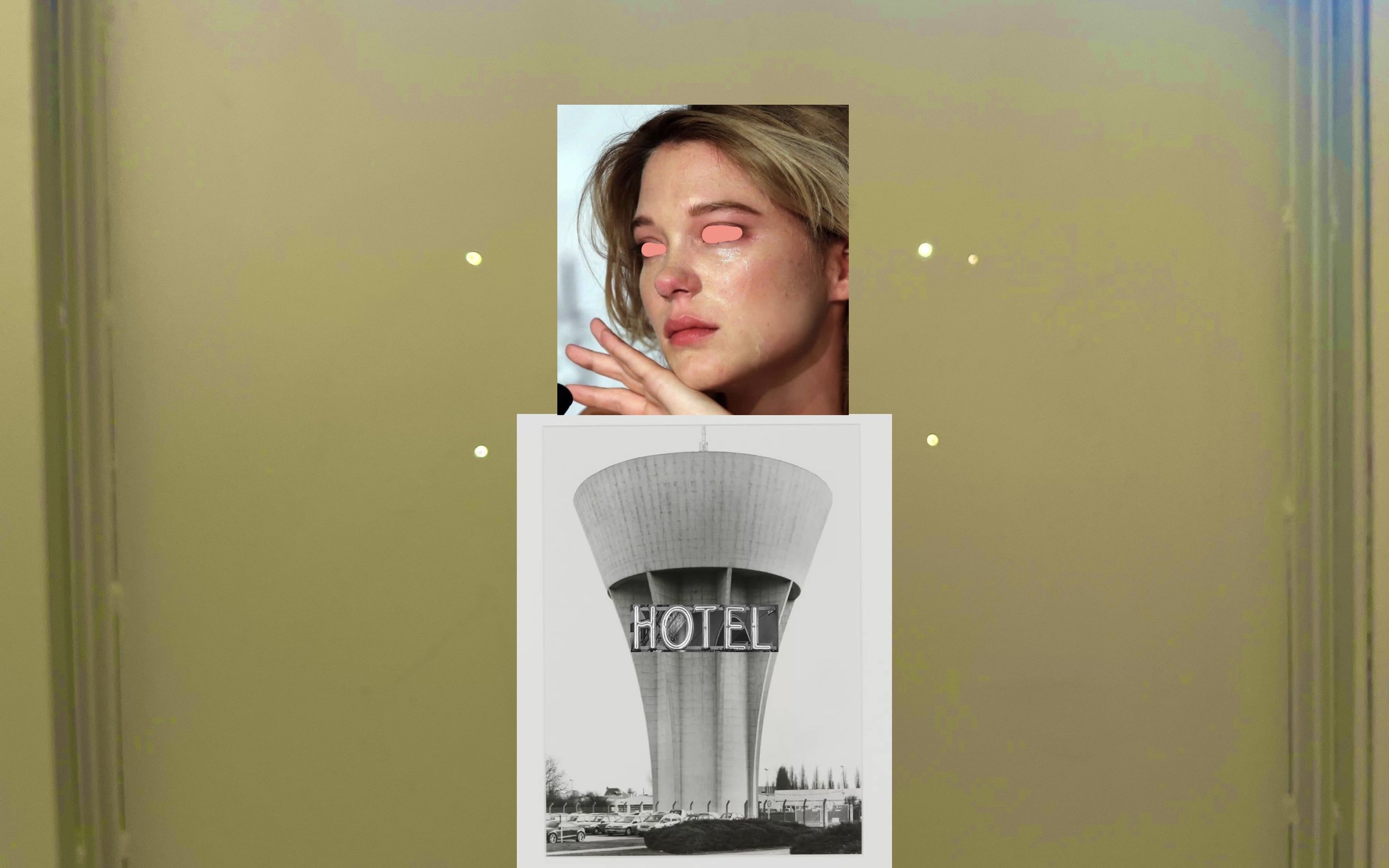
Hebe R., 25
“….that’s when I swore I’d never stay in a hotel ever again.”
“…quando finì quella storia giurai a me stessa di non soggiornare mai più in hotel.”
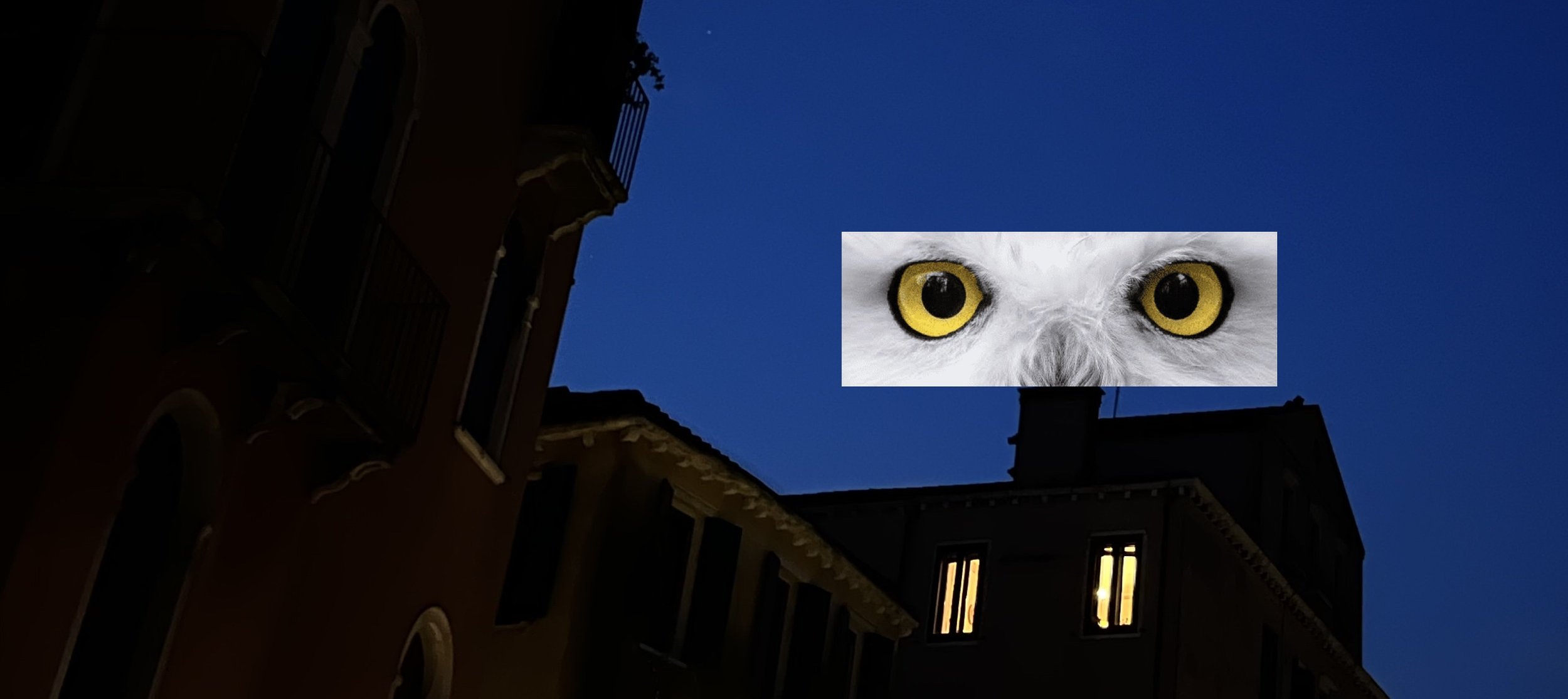
Peter Boyle and Jim Dine Live at the Mars Hotel
Two men sat across from each other in a hotel lobby towards a mid-winter midnight in Northern Québec. They were both rather large, bald and silent.
Accomplished artists in different disciplines, they thought about what they might have to say, should one of them be moved to speak. They were aware of each other's work. Peter had made Jim laugh until he nearly pissed himself. Jim had made Peter think about hardware, clothes and classical sculpture in different ways. He'd never thought about those things too much, before.
Outside the hotel, snowy owls flew soundlessly from tree to tree. With enormous eyes they quadrant-scanned the area for rodent prey.
Peter didn’t want to start a conversation with a joke.
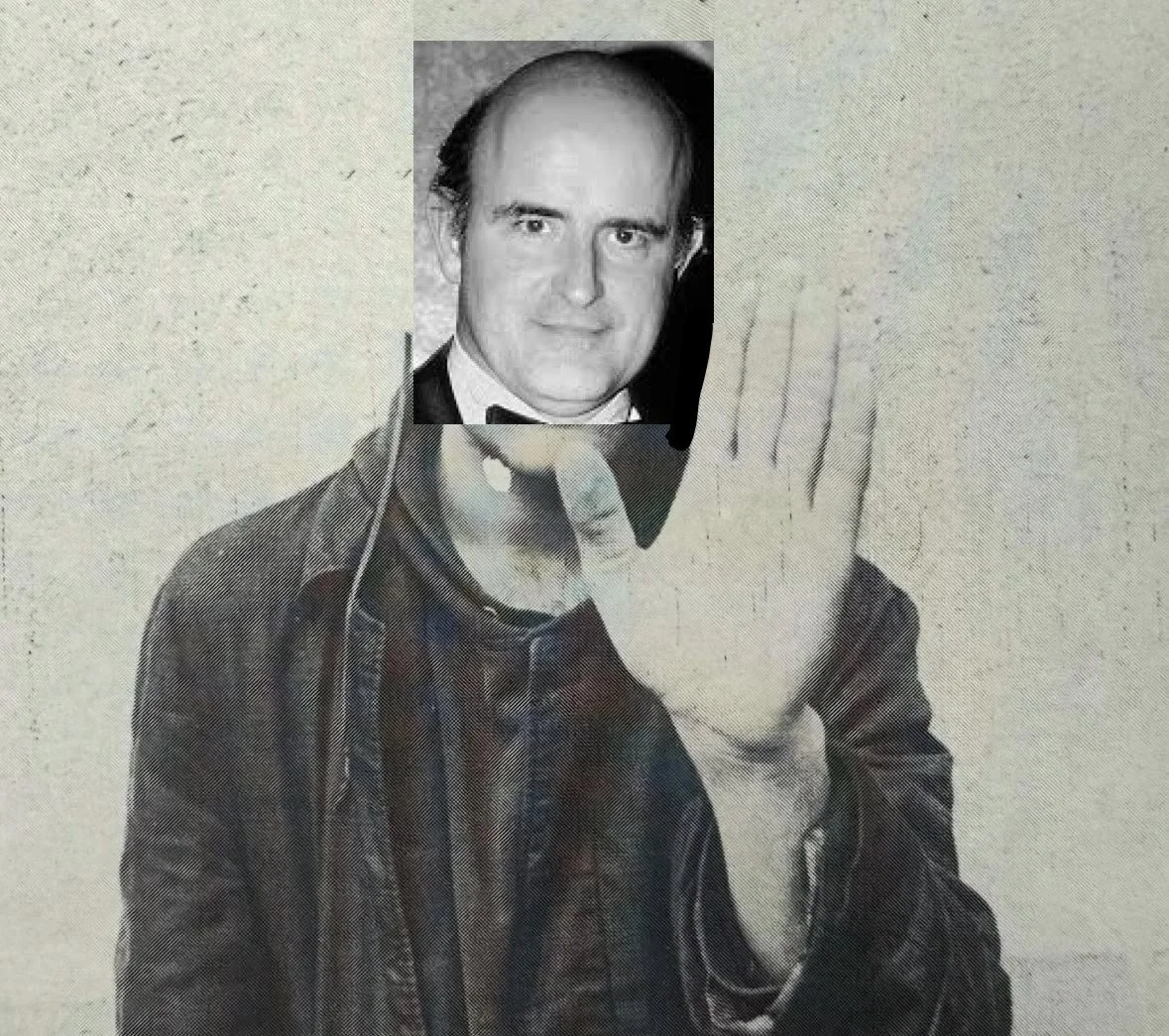
Peter sez: How!
Jim didn't think the gift of a quick sketch was enough to begin a friendship. 'What'm I doing here, anyway? I don't remember even planning a trip anywhere. Is this Hollywood? Too much snow outside. Am I supposed to give him a prize? He sure deserves it."
Peter ran his features through emotions he'd never before considered. A man finds himself somehow transported into an unfamiliar Art World, face-to-face with a master. 'Am I stupid? Should I grovel? Could my five-year-old kid do what he does?'
Neither of them wanted to ignore the other. They sat quietly, saw each other eye to eye and spent several pleasant, convivial hours together that way.
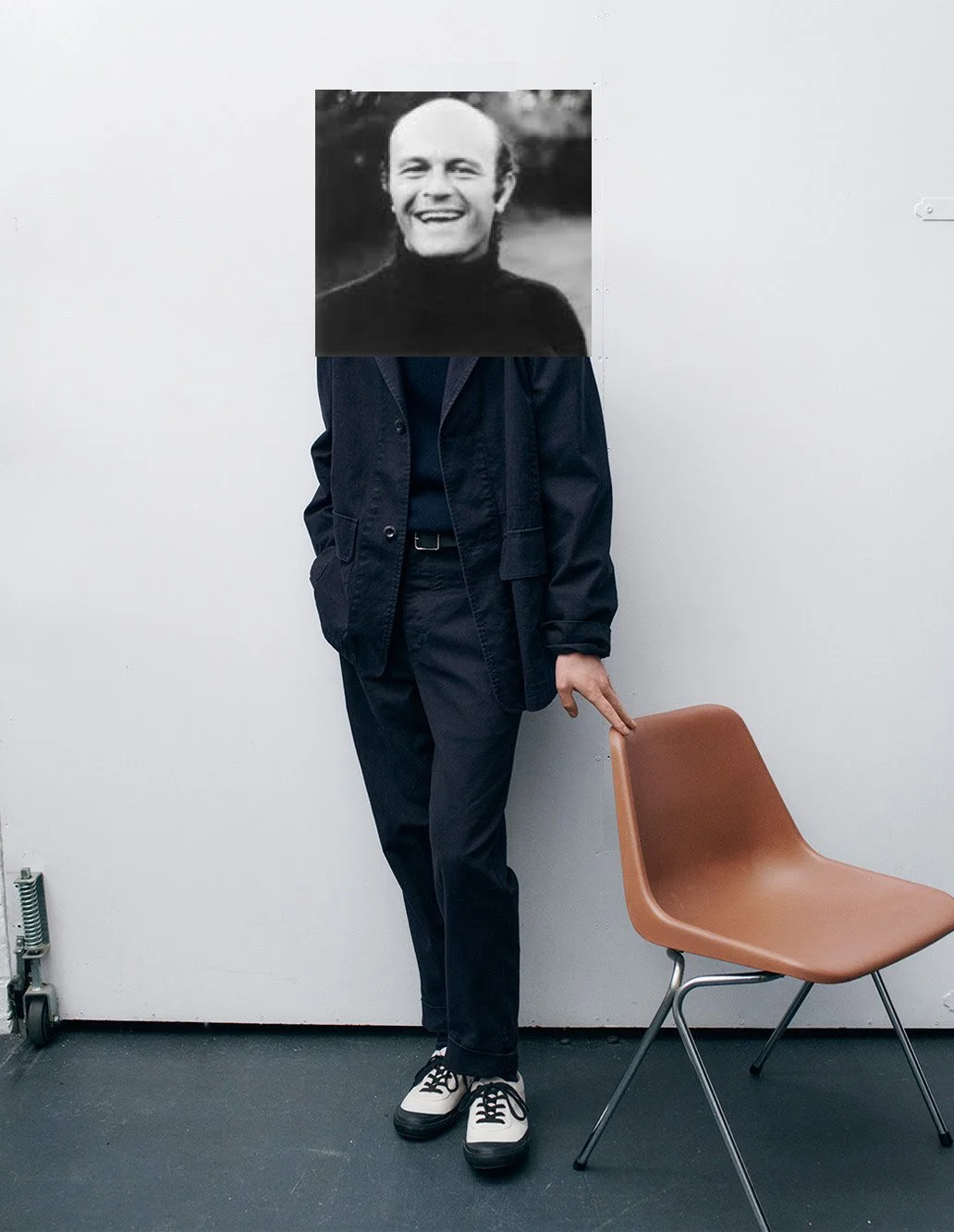
Jim, in a good mood, for now.
Near dawn, a snowy owl swooped earthward and caught a vole in its claws. Without a sound she airlifted her victim to the nest where her owlets awaited. They fed together, then slept.
Before the nightbirds next awoke, the men in the hotel lobby had returned to the flashes and shadows of their respective worlds.
***
Peter Boyle e Jim Dine al Mars Hotel
Due uomini stavano seduti faccia a faccia in una hall d'hotel verso mezzanotte di metà inverno nel nordest canadese. Erano grossi, pelati e silenziosi.
Artisti asseriti in discipline diverse, pensavano a cosa avrebbero detto, nel caso che uno di loro volesse parlare per primo. Erano consapevoli del rispettivo lavoro. Peter aveva fatto ridere Jim al punto che si sarebbe pisciato addosso. Jim aveva portato Peter a pensare in modo diverso agli attrezzi, i vestiti e alla scultura classica. Prima non ci aveva pensato molto, a cose del genere.
Fuori dall'albergo dei gufi bianchi volavano senza rumore tra gli alberi. Coi loro occhi enormi scrutavano la zona per prede roditori.
Peter non voleva iniziare la conversazione con una battuta.
Jim non credeva che il dono di un rapido schizzo bastasse per far nascere un'amicizia.
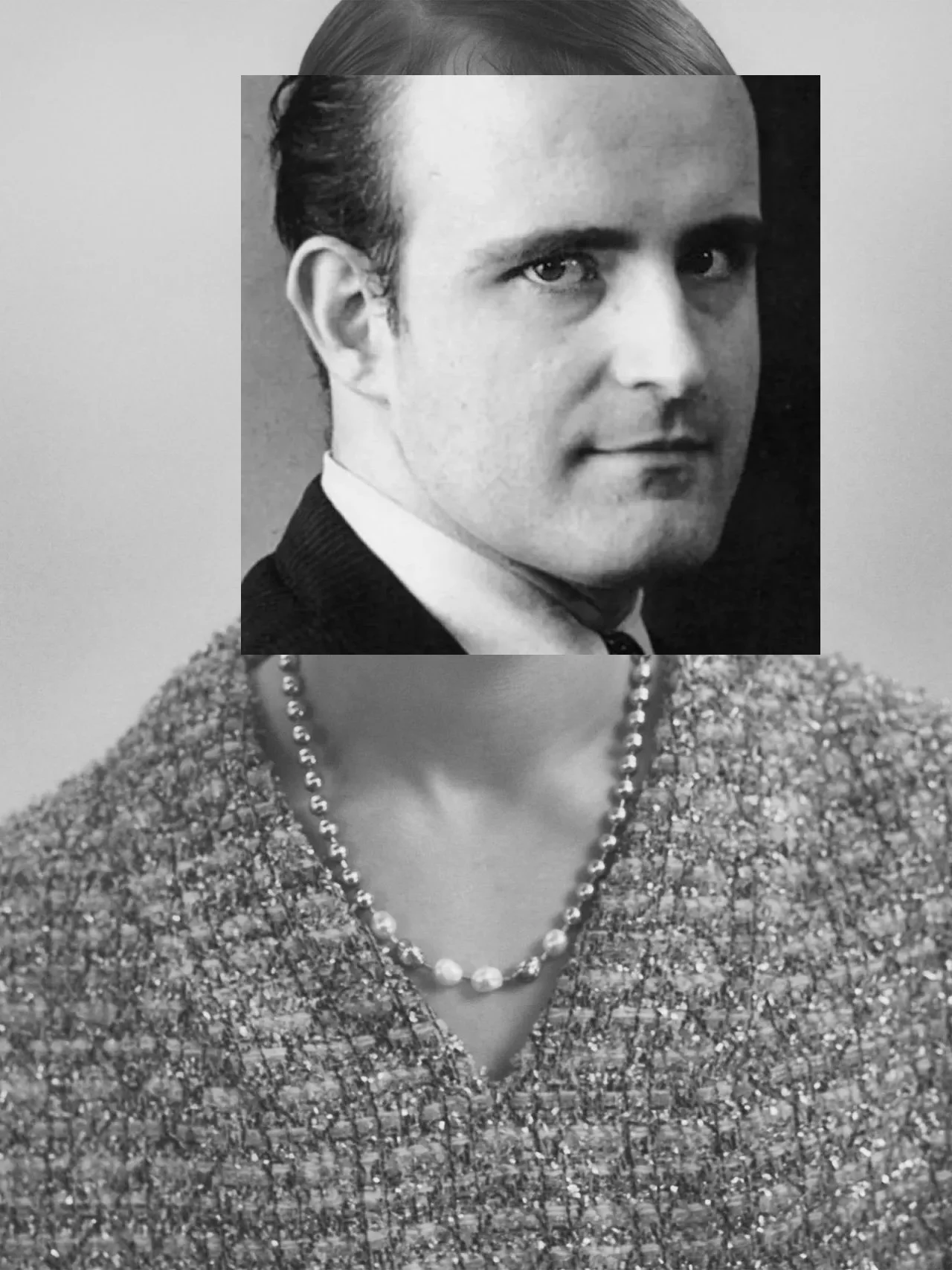
Peter, ingioiellato.
'Cosa ci faccio qui, in ogni modo?' Non ricordo di aver programmato un viaggio da nessuna parte. Siamo a Hollywood? Troppa neve fuori. Devo conferirgli un premio? Se lo merita.'
Peter mosse i muscoli del viso per esprimere una gamma di nuove, strane emozioni. Un uomo si trova in qualche modo trasportato nel mondo dell'arte, a tu per un tu con un artista di grande genio. 'Sono stupido? Dovrei mostrarmi umile? Potrebbe un bambino di cinque anni fare le cose che fa lui?'
Nessuno dei due voleva ignorare l'altro. Sedettero tranquilli, si scrutarono e passarono delle ore piacevoli e conviviali in quel modo.
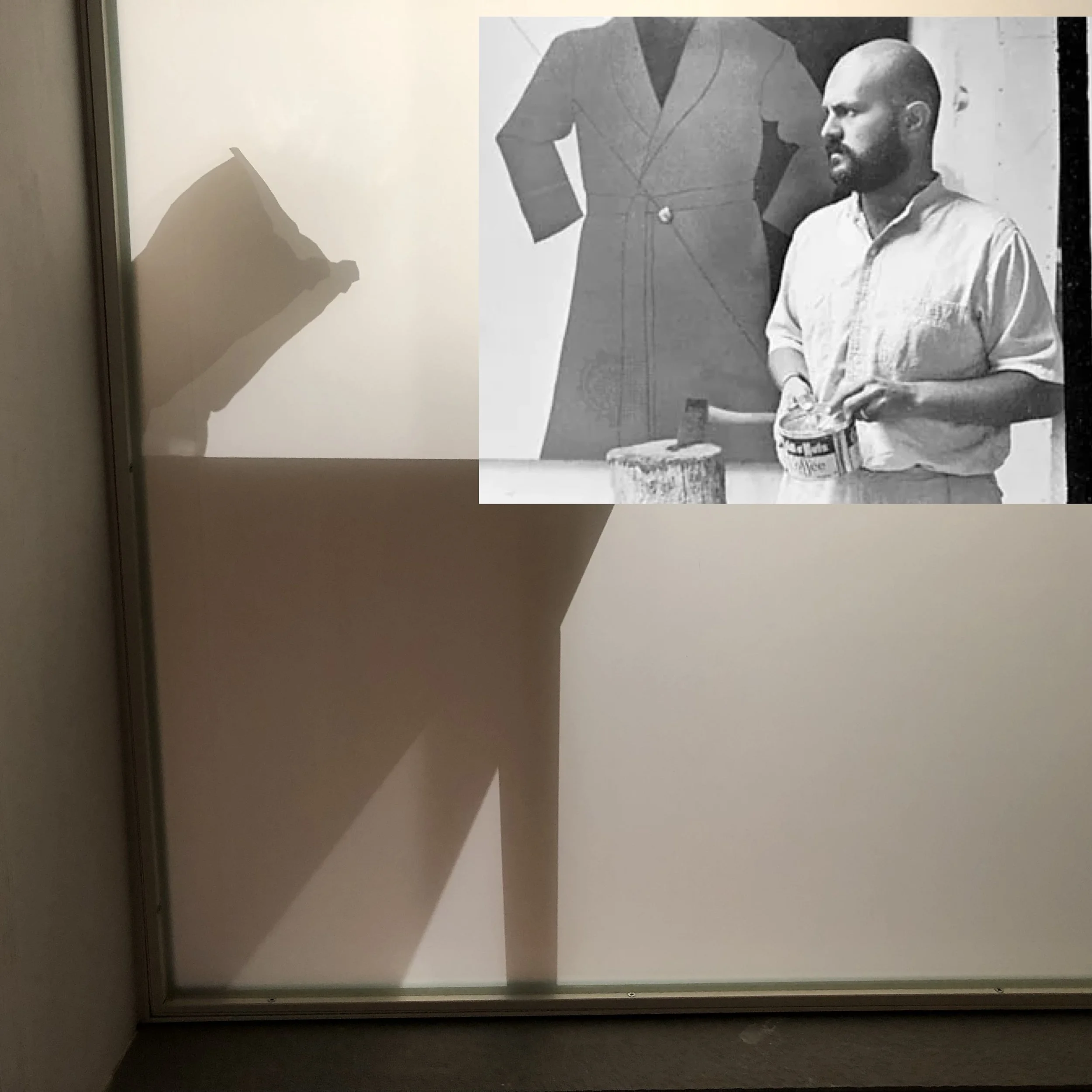
Jim alle prese con un altro capolavoro.
Verso l'alba una civetta delle nevi si lanciò verso il suolo e prese tra le grinfie una talpa. Senza emettere rumore portò la vittima verso il nido dove l'aspettavano i suoi piccoli.
Mangiarono insieme e poi si addormentarono.
Prima che gli uccelli notturni si risvegliassero gli uomini nella hall d'hotel erano tornati tra i bagliori e le ombre dei loro rispettivi mondi.
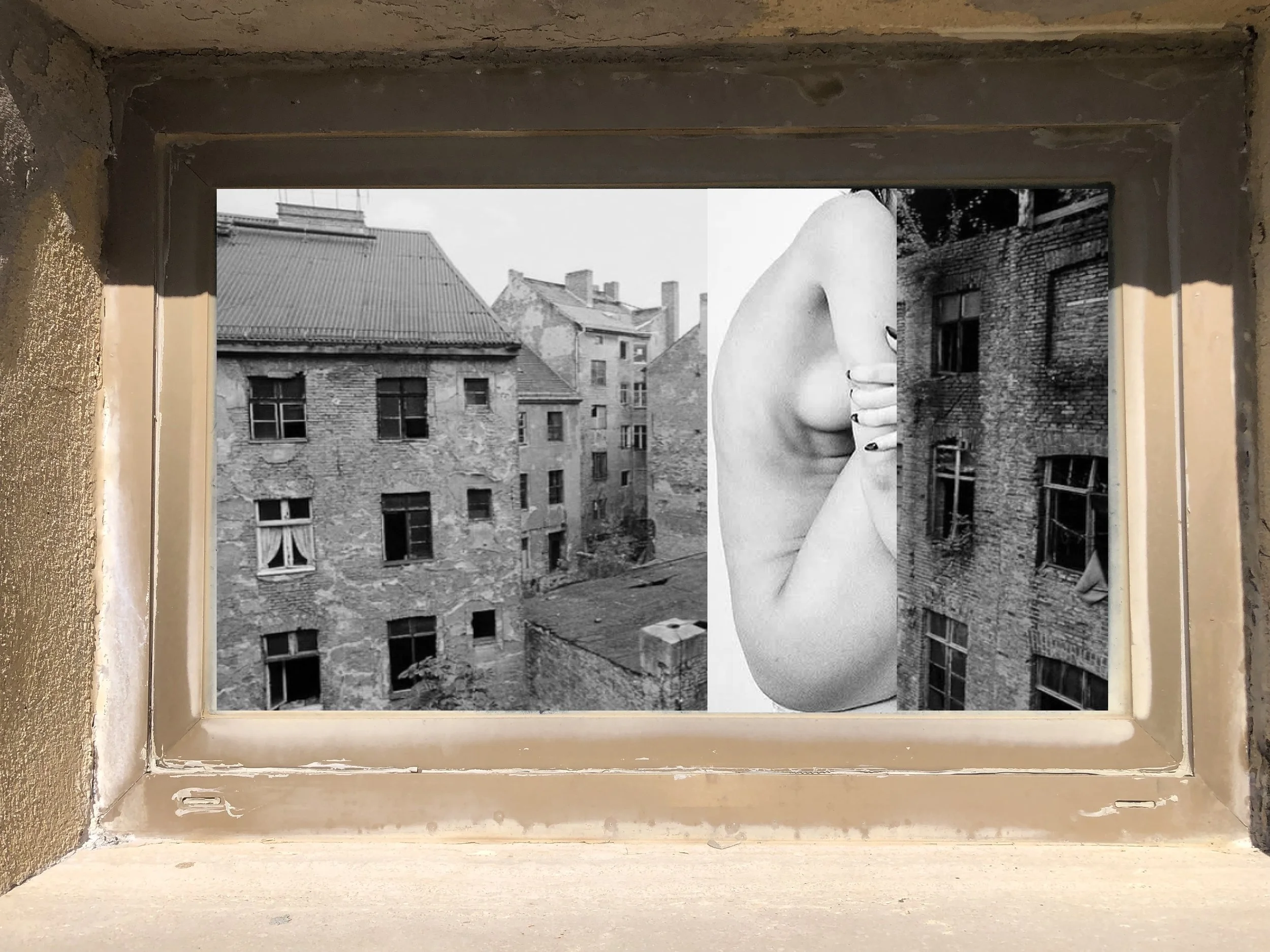
Anatomy of a Hotel (for I. Z.)
A colleague writes from Budapest:
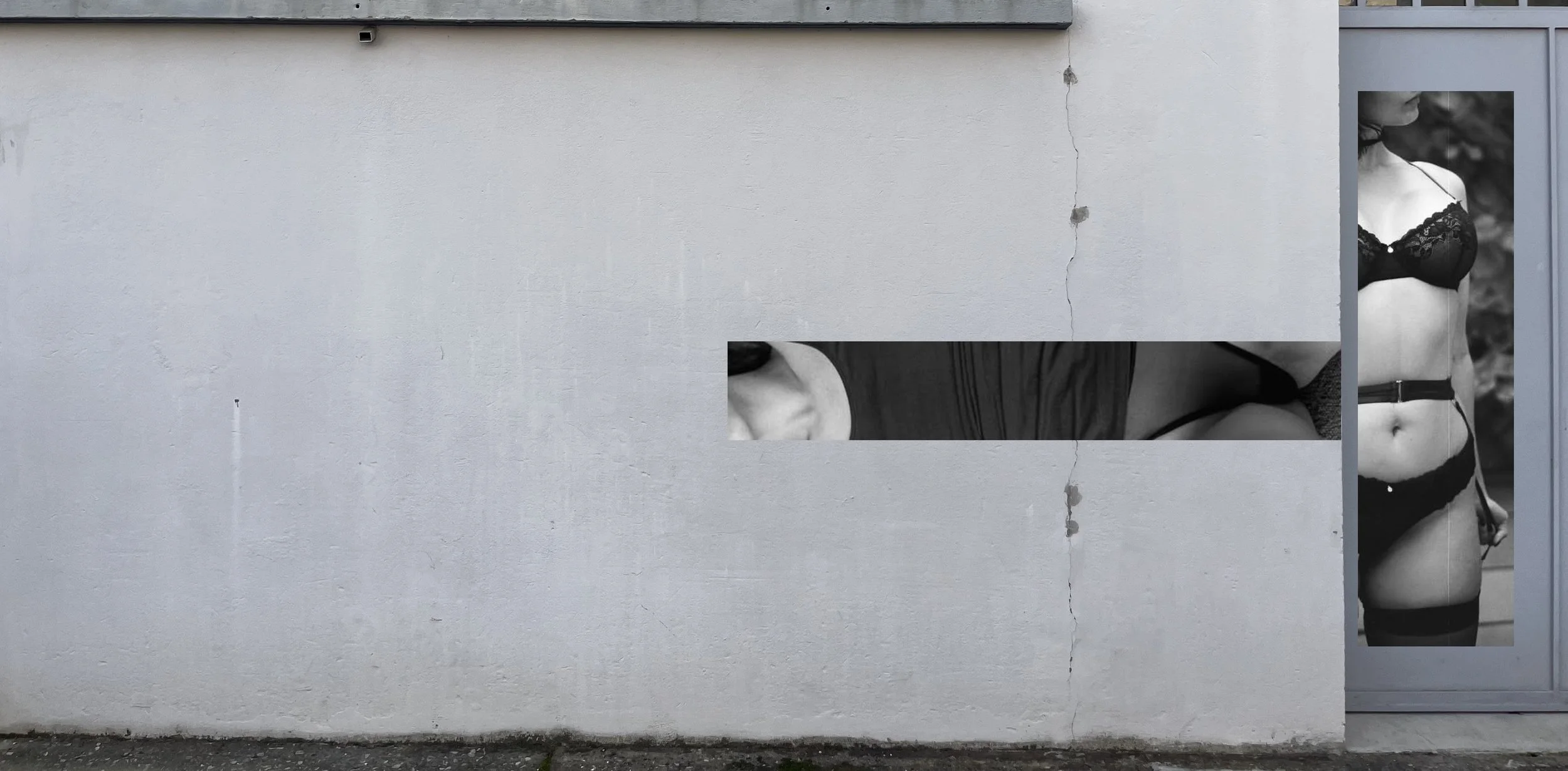
The torso. Ah, the torso.
My hotel is a woman. Every room, every shower stall, the mirror in the elevator, even the green wall-to-wall carpet is an aspect of HER.
At least once a week I arrange fresh flowers in the lobby, and on the sideboards in the corridors upstairs. The perfume they spread isn't vegetable or floral, but a woman's. Their fragrance is a woman. The framed pictures on the walls rearrange themselves into portraits of her as I pass by.
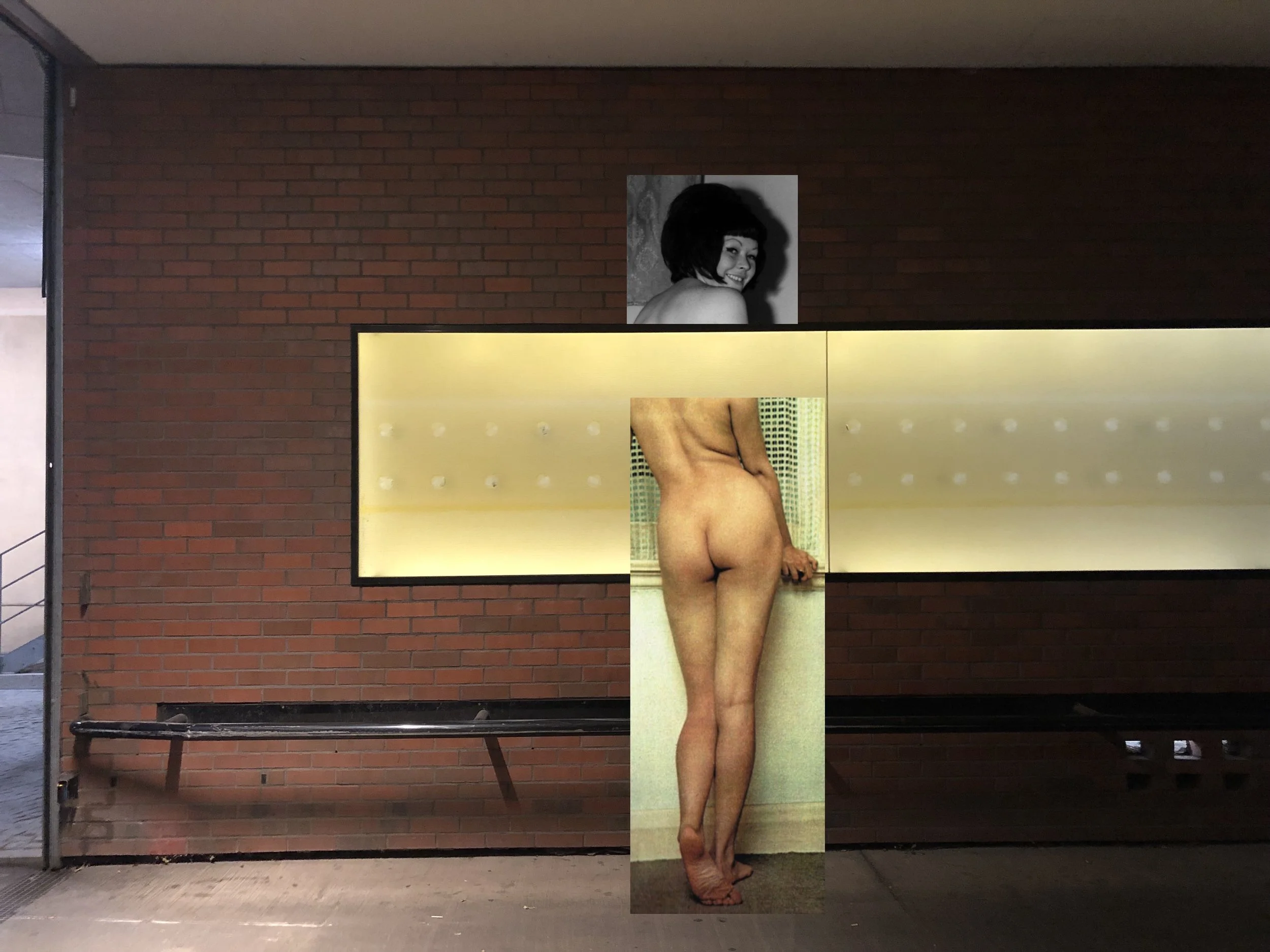
The back, the cleft, the legs!
The slate roof is steeply pitched, which brings to mind her thick dark grey hair, piled high. Actually, her hair is blond, almost white. Maybe all white, by now.
The balconies are rounded, ornate, flowered. They become fair, graceful breasts, or, when I see the darkened windows behind them, open mouths with something important to say, an unforgettable endearment.
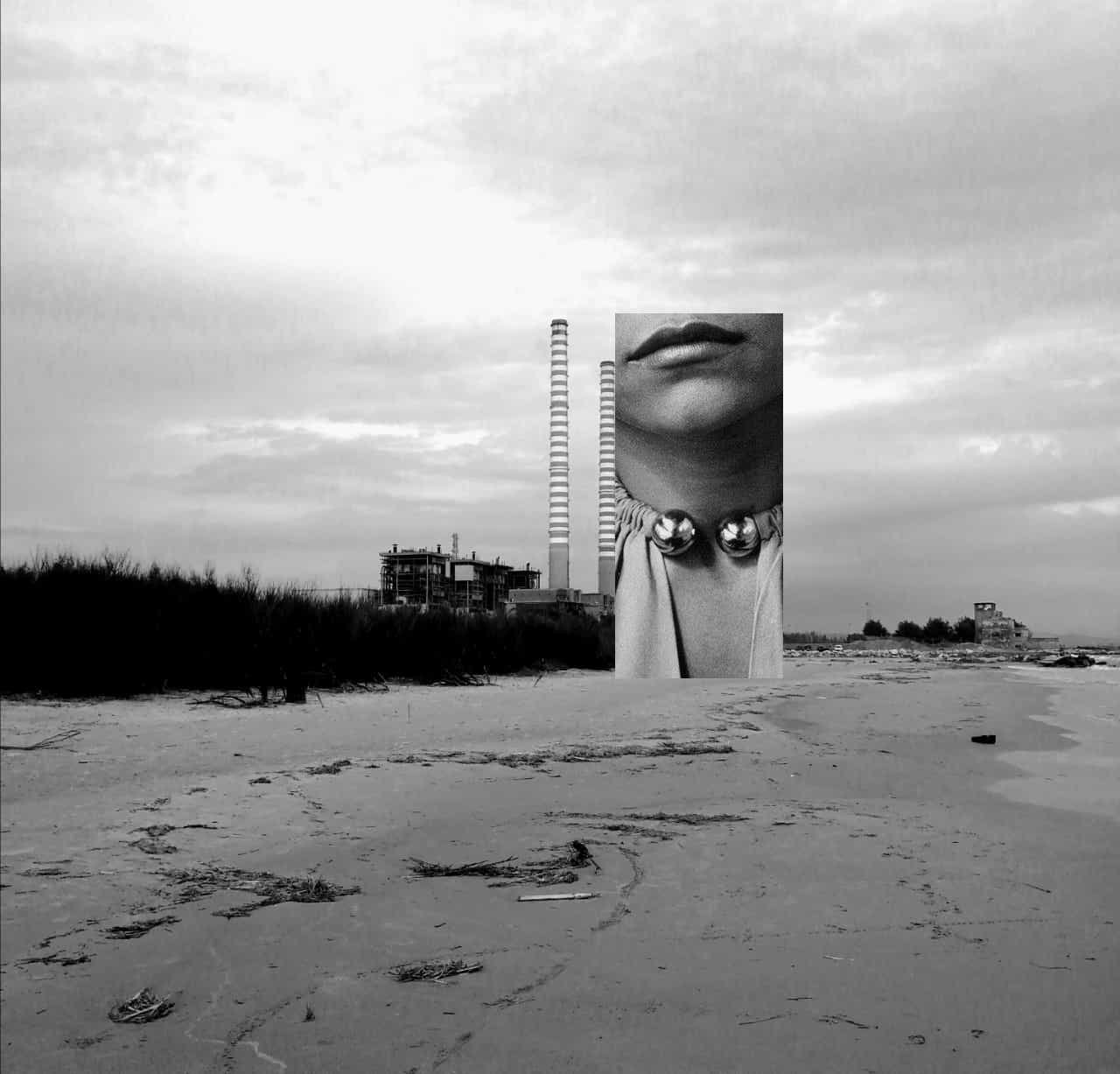
Words cannot describe a sentiment.
The shoe-shine machines whisper her desires, difficult to interpret but impossible to ignore.
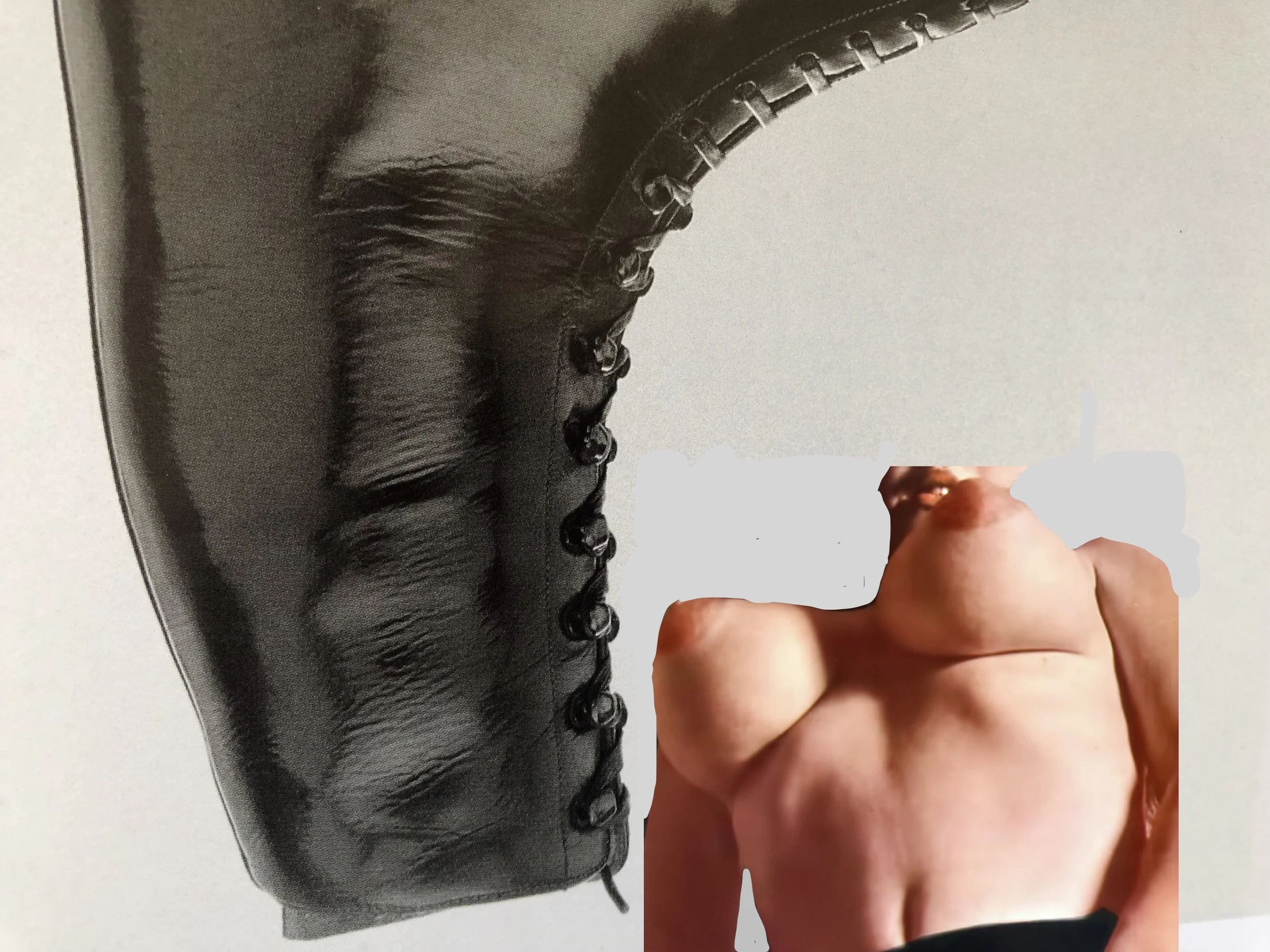
Every facade should be a breastwork.
The automatic coffee machine sometimes oozes a clear, syrupy fluid that has nothing to do with stimulants, everything to do with stimulation: hers.
There's a sign on the door that opens onto the steps that lead down into the basement. Entry Forbidden! The subterranean lighting system dates from The Great War. An earthy smell persists. The cellar walls have painted themselves with a brownish mould that resists all solvents and fungicides. I have the only key. I descend to lose myself in her darkness. For nothing else remains.
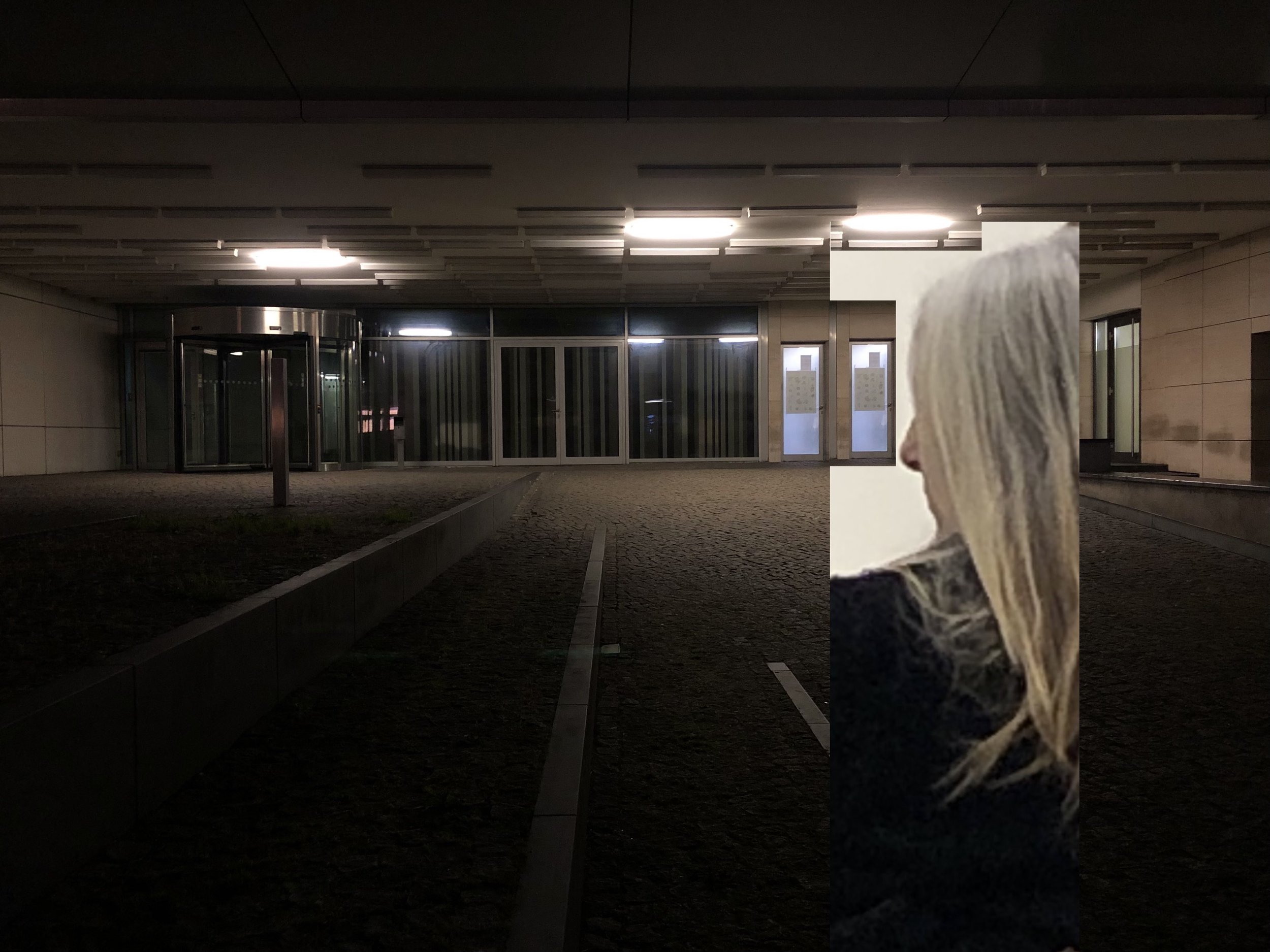
White hair knows no darkness.
Some of the staff, young people I hired ages ago, have suggested that I retire, move away, enjoy what's left of life. It's true, I've decayed along with my hotel, but I refuse to have her spaces renovated. A mature woman has a right to her dignity. She mustn't be forced by mechanical means to resemble some steel-and-glass teenager. In my most erotic intimate dreams we implode together. Clouds of dust race skyward. Lonely motes gently fall to earth, where they belong.
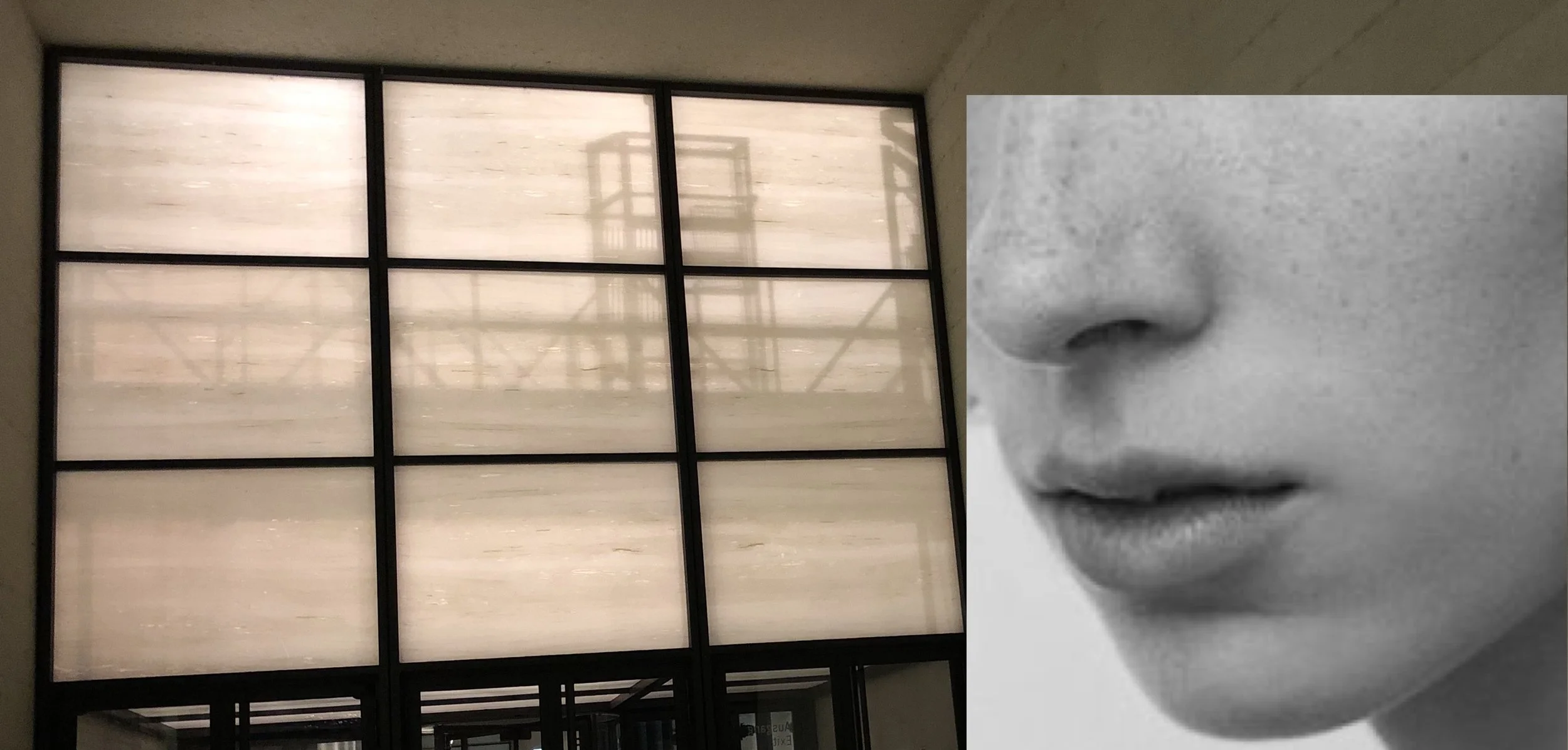
The structure of a hotel, the skeleton of a woman.
***
Anatomia di un hotel (per I. Z.)
Un collega scrive da Budapest:
Il mio hotel è una donna. Ogni stanza, ogni cabina doccia, lo specchio dell'ascensore, persino il verde della moquette corrisponde a una sua fattezza.
Almeno una volta a settimana impreziosisco la hall e i mobili dei piani di sopra con fiori freschi. Il loro profumo non è vegetale, tantomeno floreale, ma femminile. Il profumo è suo. Le immagini incorniciate sulle pareti si cangiano in ritratti di lei quando passo.
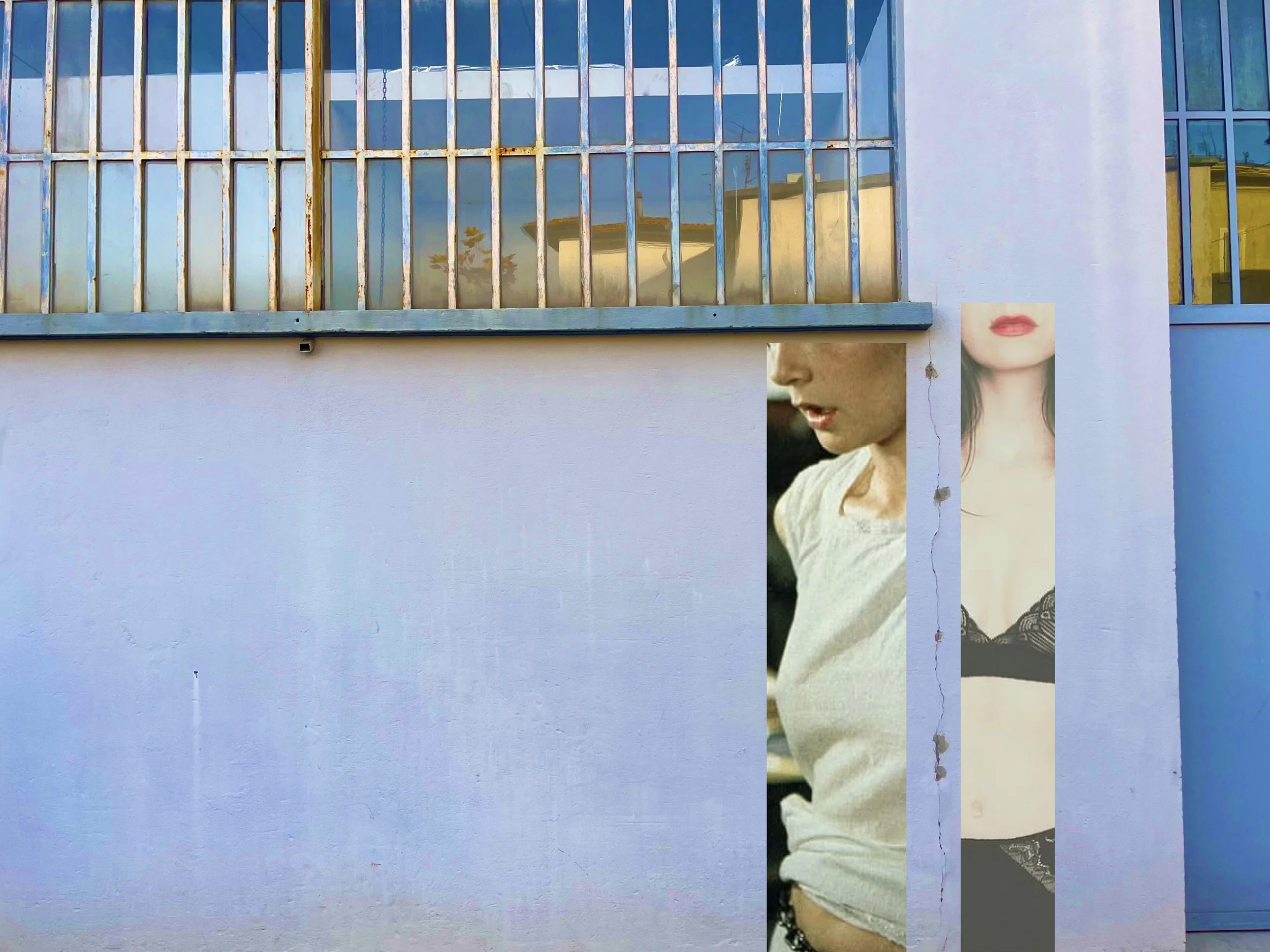
Le labbra la bocca.
Il tetto d’ardesia è inclinato tanto da far pensare a una folta e torreggiante chioma grigia. Nella realtà lei è bionda, anche se oramai i suoi capelli saranno diventati bianchi.
I balconi sono tondeggianti, adorni, fioruti. Sembrano graziosi seni, oppure, con le finestre oscure dietro di loro, delle bocche spalancate che stanno per dire qualcosa di importante, qualche indimenticabile tenerezza.
Le macchine lustrascarpe sussurrano i suoi desideri, difficili da interpretare, impossibili da ignorare.
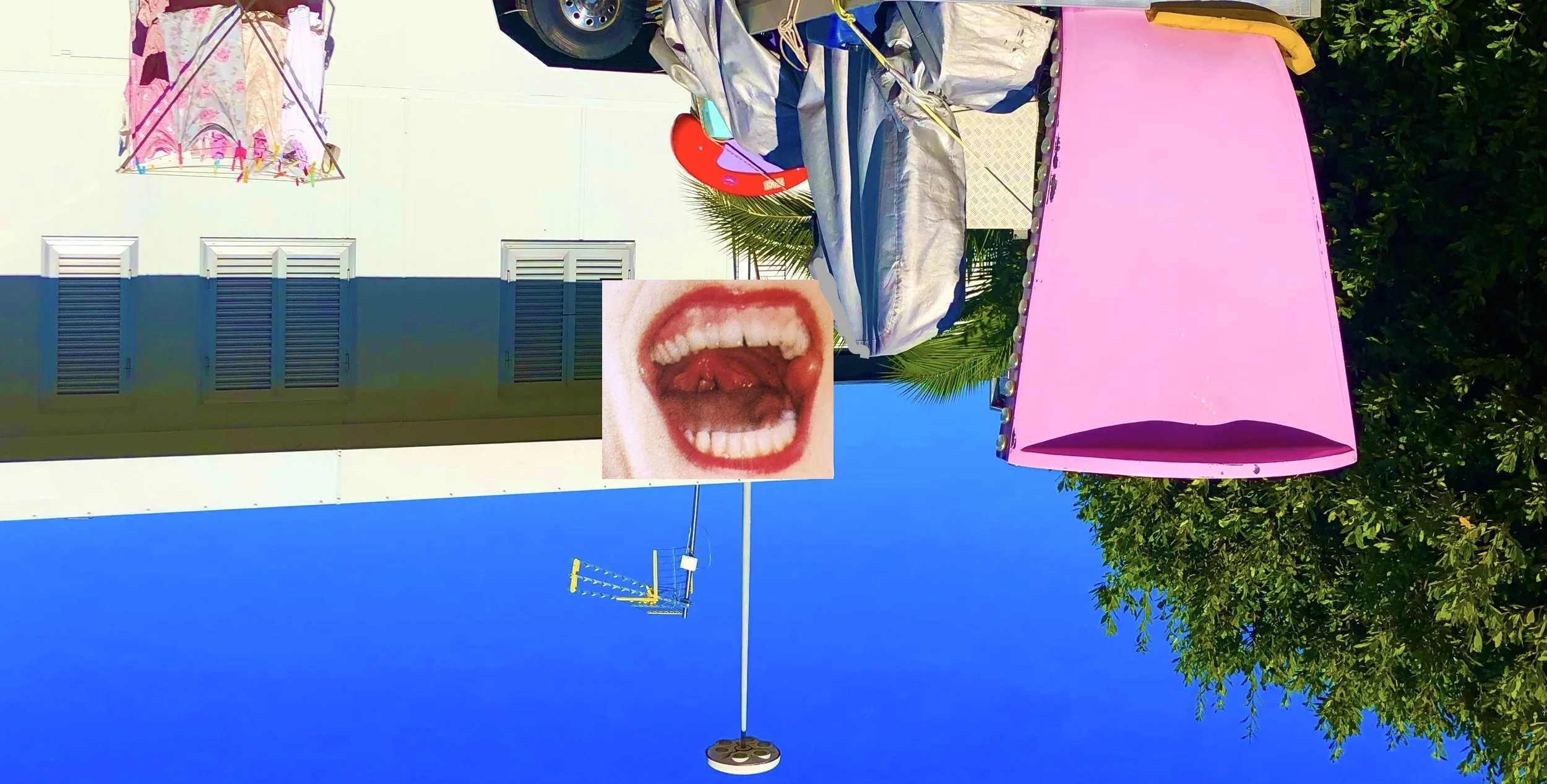
Una voce che urla nella hall.
La caffettiera automatica a volte gronda un fluido chiaro e sciropposo che non ha niente a che fare coi stimolanti, e tutto a che fare con la stimolazione: la sua.
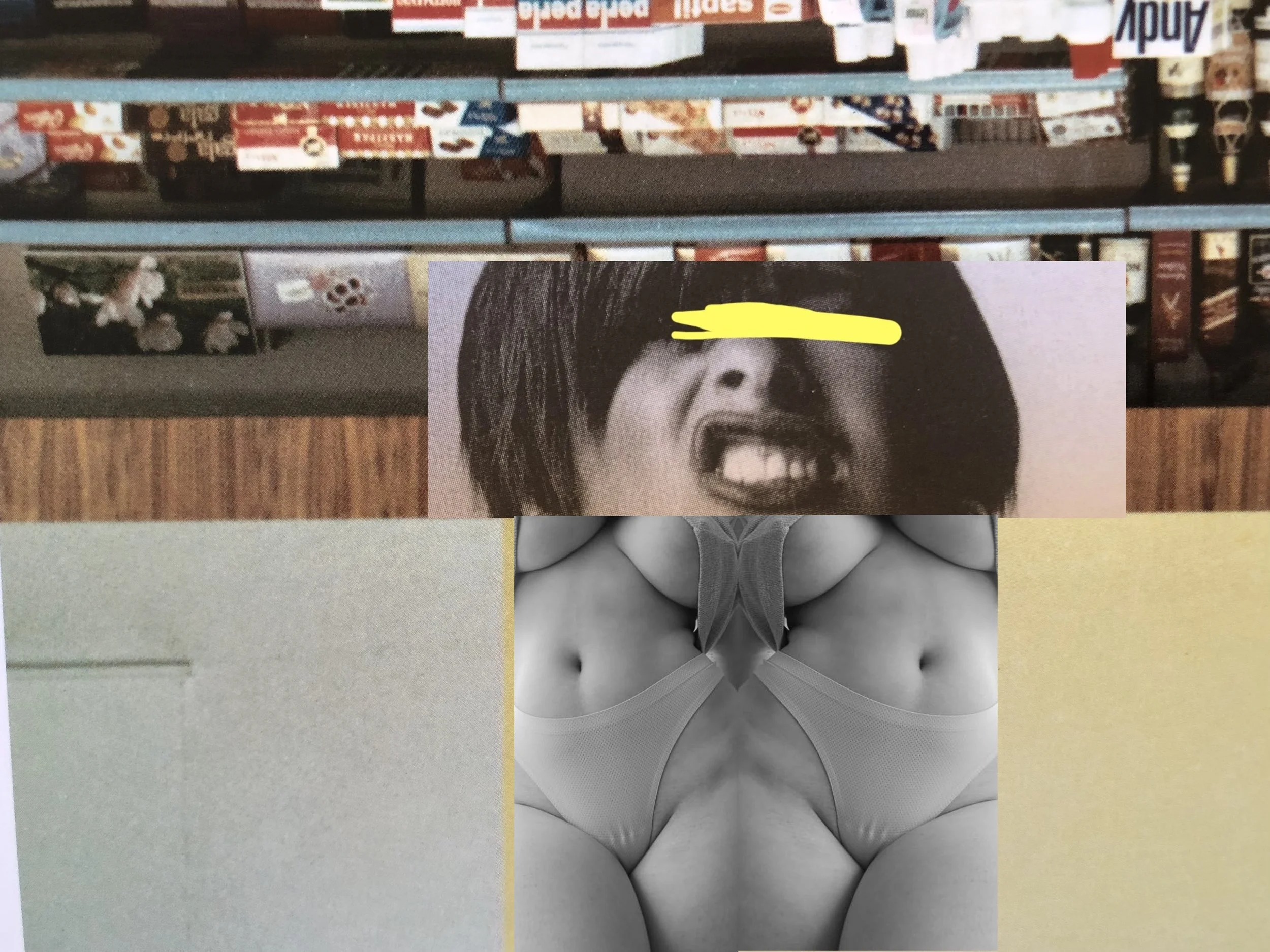
Stimolami!
C'è un'insegna sulla porta che dà sulle scale che portano in cantina: Vietato entrare! L'illuminazione laggiù risale ai tempi della Grande Guerra. Permane un odore terreo. Le mura sepolte si sono dipinte di una muffa marrognola che resiste ogni solvente e fungicida. Solo io ne ho la chiave. Scendo per perdermi nella sua oscurità. Tanto là sotto non c'è nient'altro.
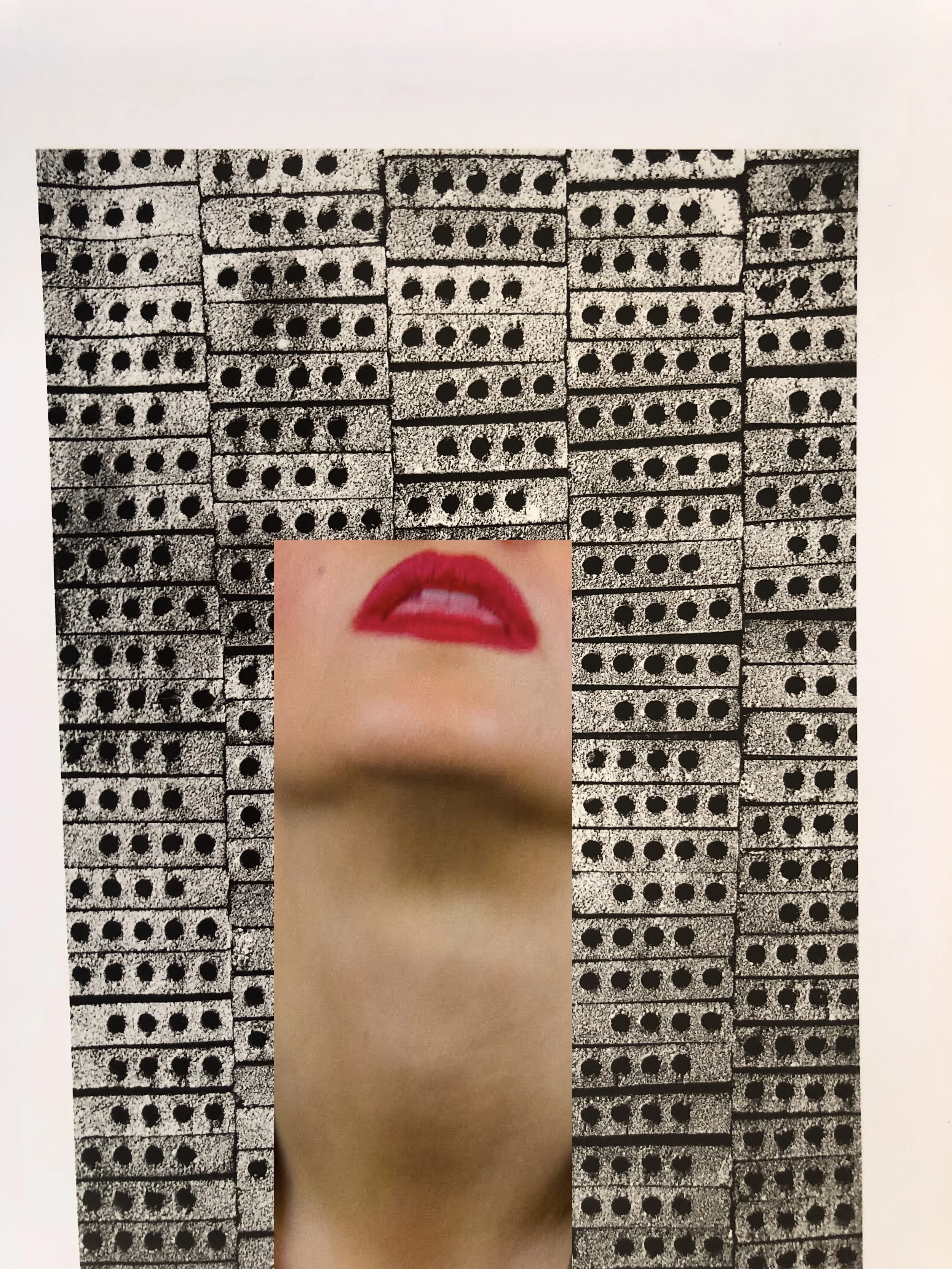
Contessa Dracula, svuotami!
Alcuni del personale, giovane gente che ho ingaggiato lustri fa, suggeriscono che dovrei andare in pensione e spostarmi altrove per godere a pieno ciò che rimane della vita. Sono decaduto, è vero, assieme al mio hotel, ma mi rifiuto di lasciar rinnovare i suoi spazi. Una donna matura ha diritto alla sua dignità. Non deve essere costretta da mezzi meccanici a rassomigliare a un'adolescente di acciaio e vetro. Nei miei sogni più erotici e intimi implodiamo insieme. Nuvole di polvere saettano verso il cielo. Granelli solitari cadono piano a terra, dove sono di casa.
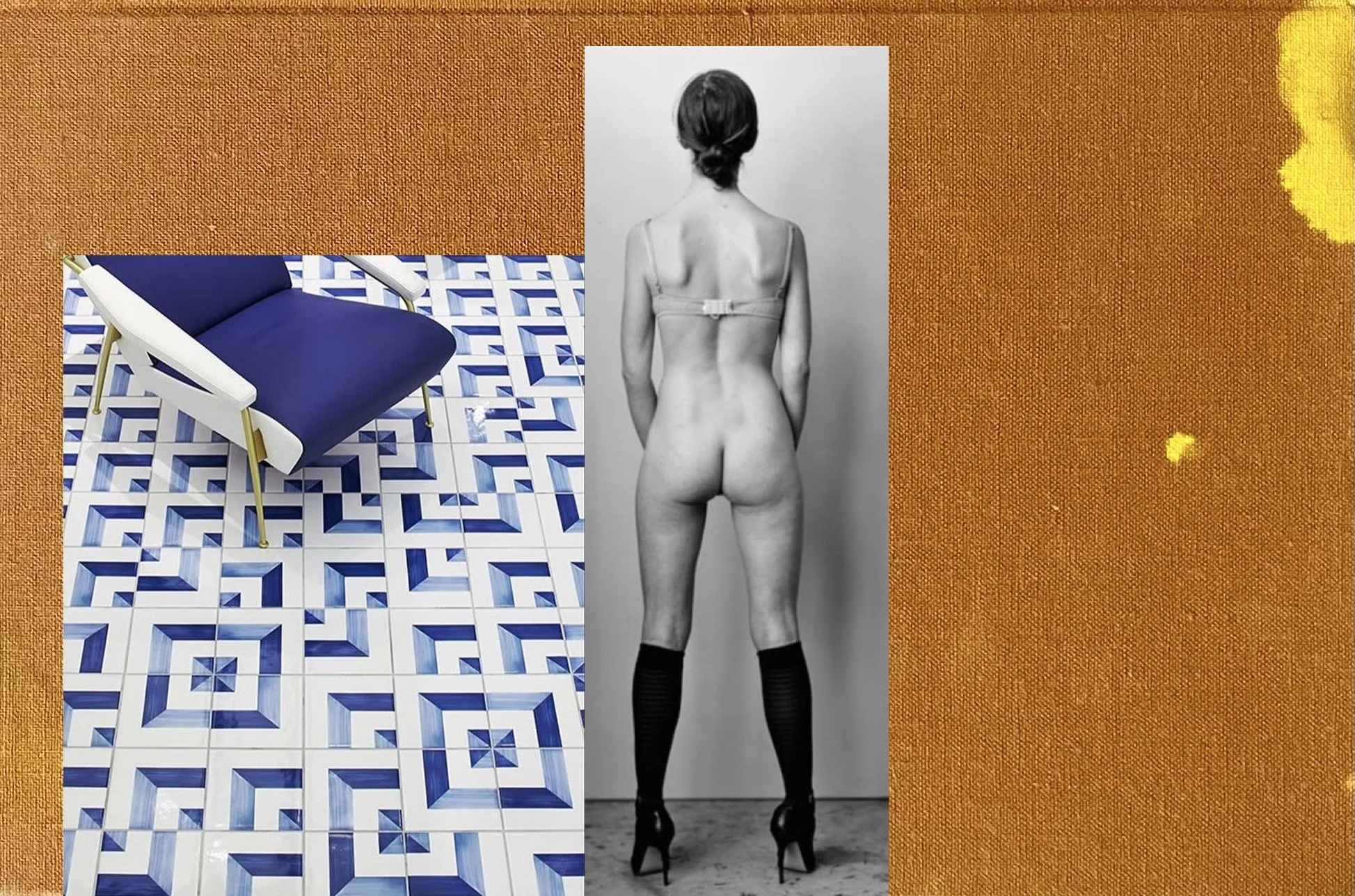
Ecco, è la fine.
The Wrong Stuff
A friend writes from Northern California:
A few people who're still alive might remember a time when it was almost normal for people to live in hotels. Walking the downtown streets of Stockton, you’d have thought the whole burg was nothing but a bunch of hotels and bars. Out of one, into the other. I used to manage The Old Owl, a Single Room Occupancy dive.
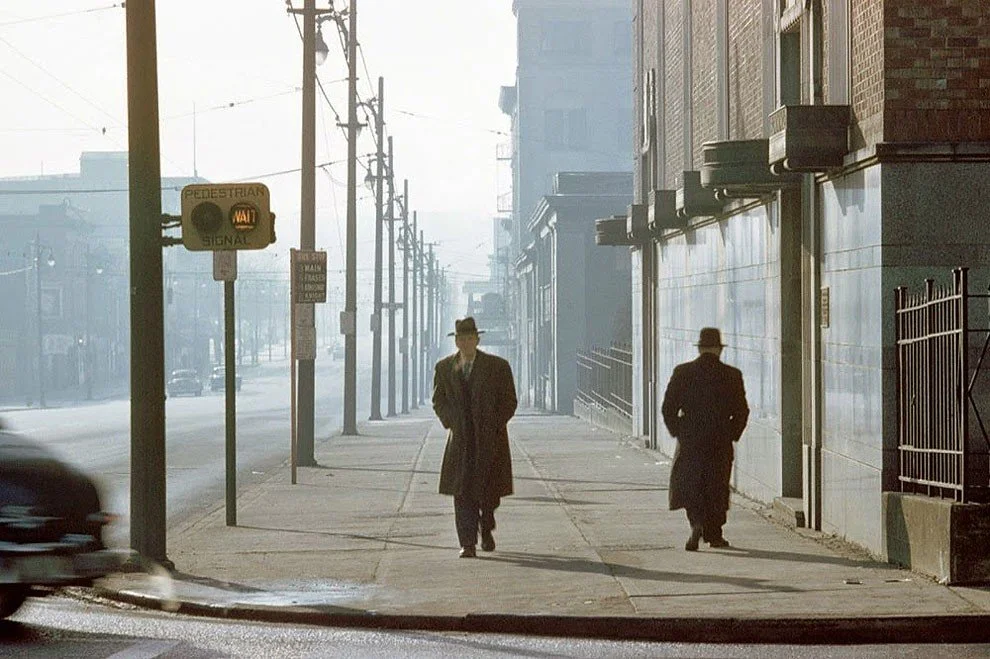
Downtown Stockton in mid-winter, a long time ago.
For many years after WW2, the guests were mostly migrant farm workers and alcoholics . Low-ranked boxers and washed-up palookas also drifted in to fight or drink, drink and fight, drink and watch others fight. Boxers who won paid for their rooms and got drunk. They'd sneak drunk women upstairs with them, or other drunk men.
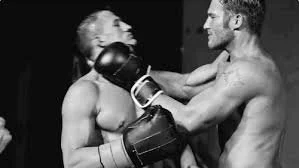
Fight and drink and fuck. Live and die.
Boxers who lost got drunk and didn't pay. They stayed in their rooms with their bottles. Weeps and moans echoed down into the lobby. When they'd head to the bathroom down the hall. I'd go up and padlock their doors. We kept their stuff, worthless to anyone but themselves, until they came back with what they owed.
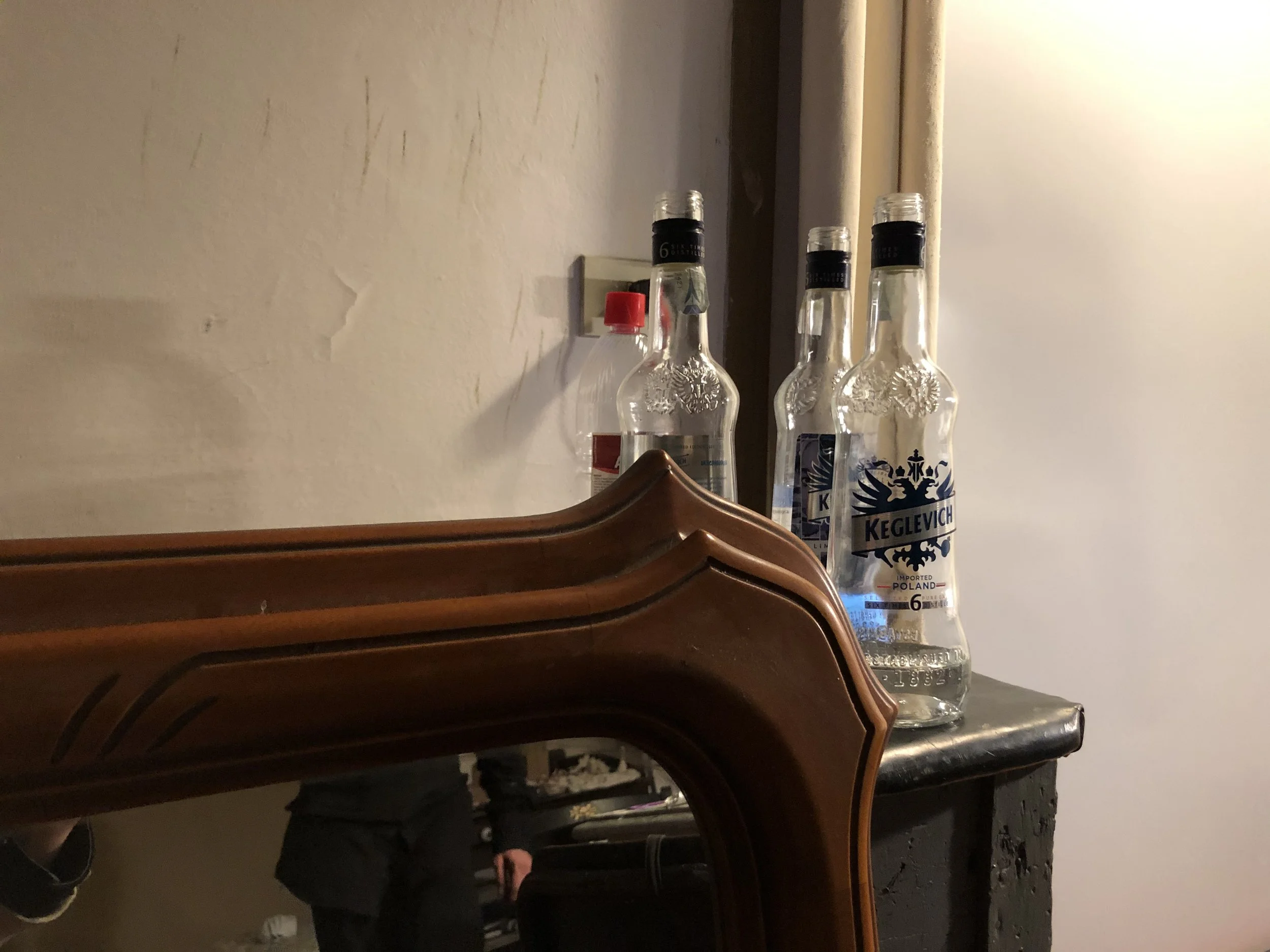
You get back your booze when you pay for your room, punchy.
There was a spring-loaded blackjack in a drawer under the reception desk for use on pugs who hadn't had the belligerence beaten out of them yet.
Some of the fighters came back and paid to get back their stuff. How they got the money was their business.
What was in those abandoned cardboard suitcases? Sweaters, mostly. Nice, soft ones you'd want to put on after you got your feelings and everything else hurt in the ring. Good luck charms like rabbits’ feet, also soft. Pictures of women and men with words scribbled on, the ink partially wiped away by the miles and hours passed on the buses.
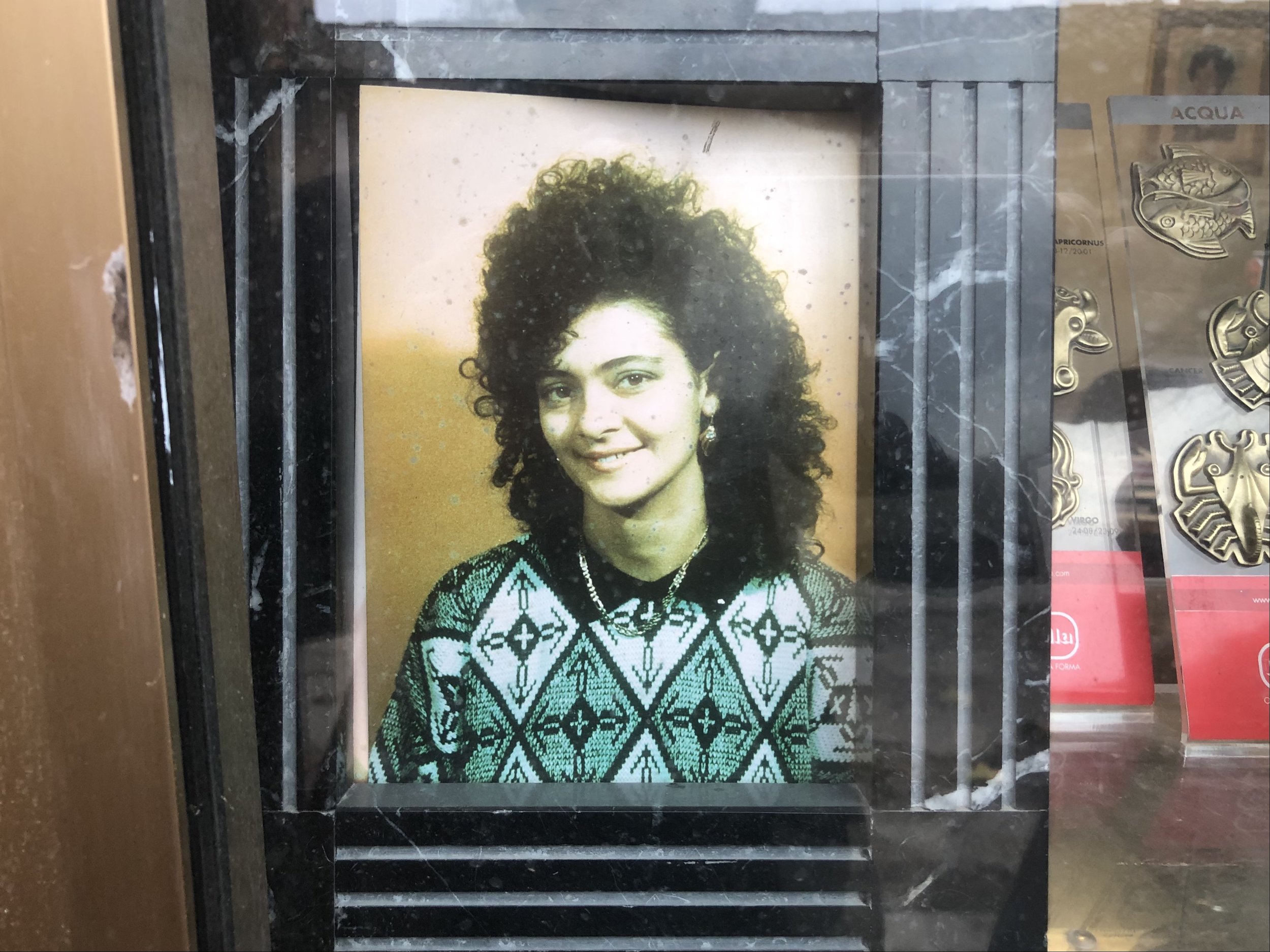
Bring your sweetness home…
None of which came with me when I retired from my job at The Old Owl and headed south, on the bus. Maybe the town turned that collection into a sad museum, who knows? And who cares?
***
La roba sbagliata
Un amico ci scrive dalla California del nord:
Poche persone ancora in vita si ricordano un tempo in cui era quasi normale vivere in hotel. Camminando per il centro di Stockton si poteva credere che la città era composta interamente da alberghi e bar. Si usciva dagli uni per entrare negli altri. A quei tempi lavoravo all’Old Owl Hotel, una stamberga di sole stanze singole.
Per molti anni dopo la guerra ospitavamo più che altro braccianti migranti e alcolisti. Passavano anche pugili di seconda o terza categoria, ex picchiatori suonati, che venivano in città per fare a pugni e bere, o bere e litigare, o bere e guardare altri che si menavano. I pugili che vincevano si pagavano la camera e poi si ubriacavano. Di sottecchi portavano di sopra donne alticce, o altri uomini ebbri.
Vivere picchiare bere scopare crepare.
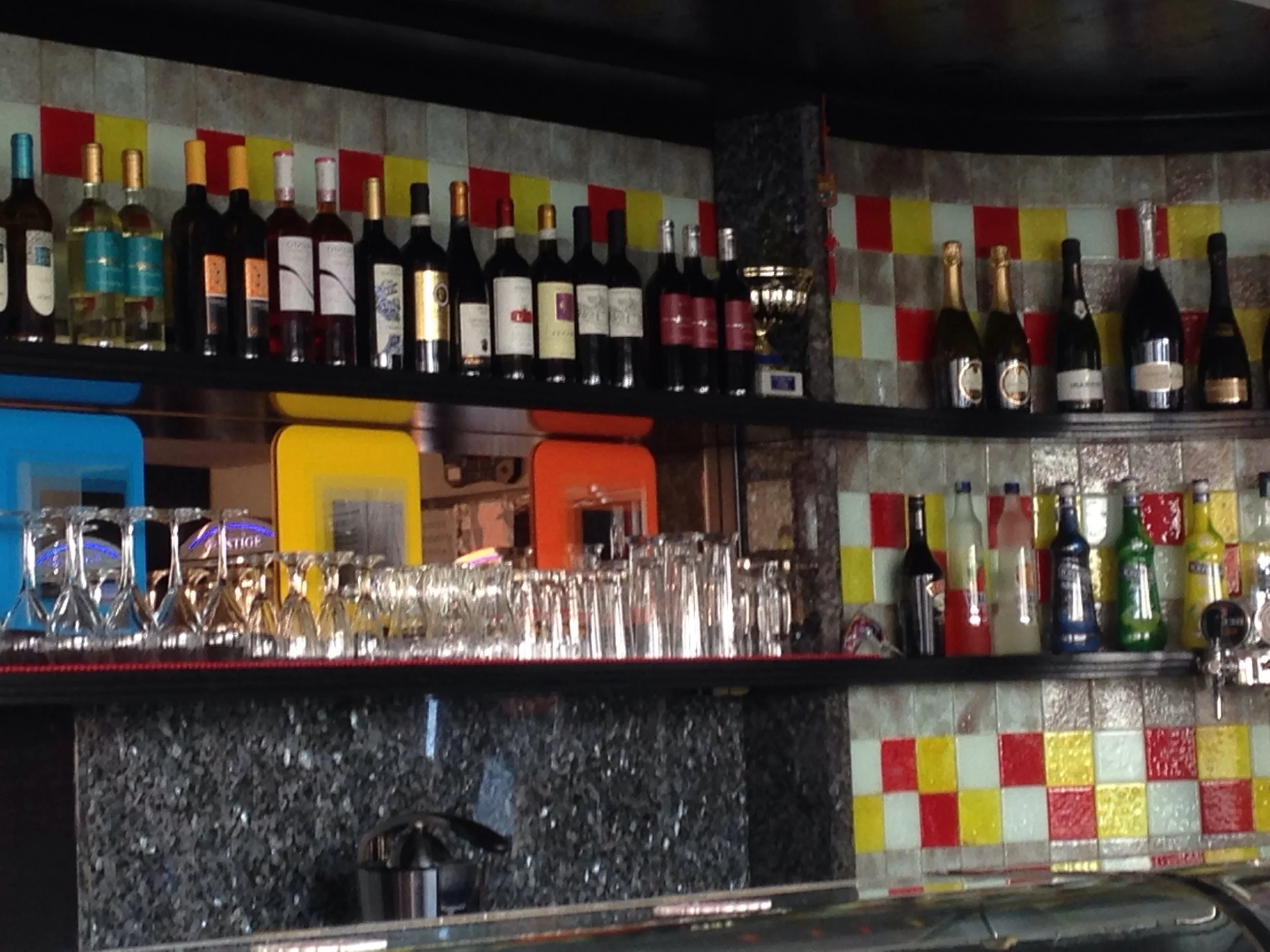
Fuori dall’Old Owl c’era questo bar.
Pugili che perdevano si ubriacavano e non pagavano. Restavano di sopra con le loro bottiglie. Pianti e mugugni echeggiavano fin sotto alla hall. Aspettavo il momento in cui andavano nel bagno in fondo al corridoio per correre di sopra e mettere un lucchetto sulla porta. Ci tenevamo la loro roba finché non tornavano per pagare ciò che dovevano.
Tenevo uno sfollagente in un cassetto sotto il banco dell'accoglienza per quei sacconi da pugni a cui la belligeranza non era ancora stata rimossa a cazzotti.
Alcuni tornavano e pagavano per riavere la loro paccottiglia. Come si erano procurati i soldi era affare loro.
Rivuoi la tua roba, amico? Allora devi pagare.
Cosa contenevano quelle valigie di cartone abbandonate? Maglioni, più che altro. Caldi e morbidi che sarebbe bello sentirsi addosso dopo essere stato umiliato e danneggiato nel ring. C'erano anche amuleti portafortuna tipo zampe di coniglio, anch'esse morbide e calde. Fotografie di donne e uomini con delle parole scritte, l'inchiostro sbiadito e smussato dalle distanze e ore passate sulle corriere.
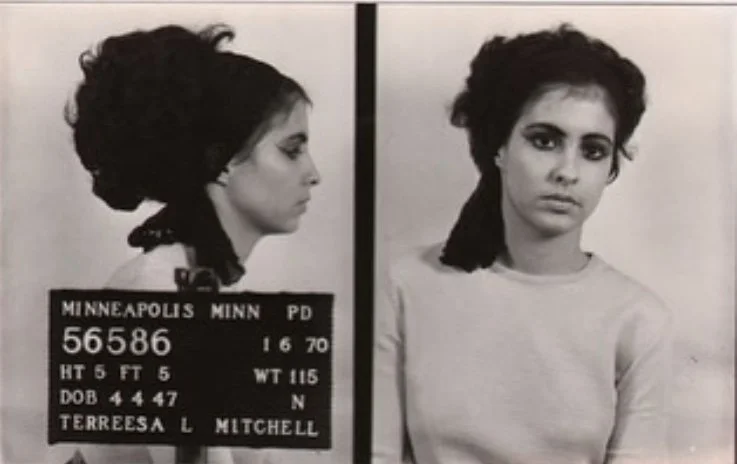
Torna a casa, dolcezza.
Non mi sono portato via nulla di quella roba quando mi sono licenziato dall'Old Owl per spostarmi a sud. Forse il municipio l’ha messa in un triste museo, chi lo sa. E chi se ne frega.
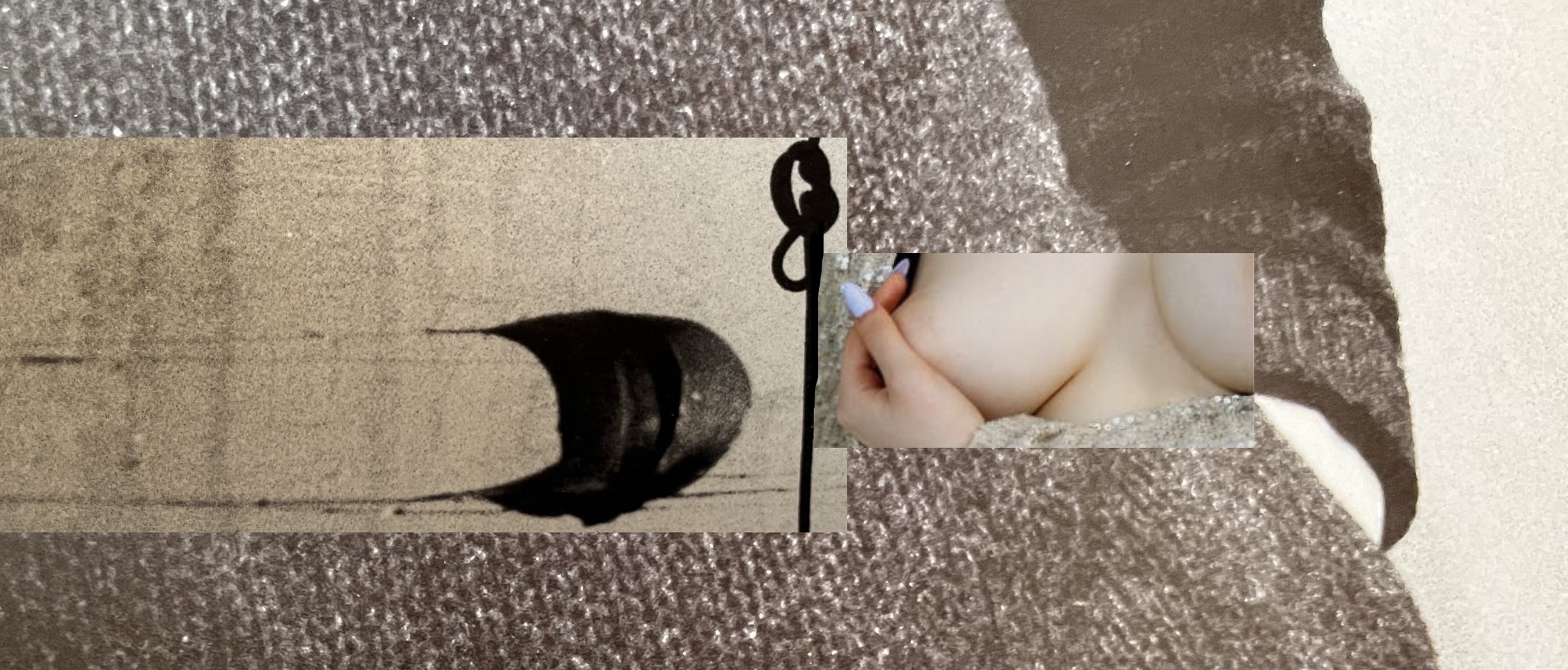
Enigmotel
A friend writes from Madison Avenue:
Hello, unfortunately the small independent ad agency to whom I'd devoted my creative life has been forced to go out of business. While we were cleaning out our office suite, someone came across a folder for an ad campaign that was abandoned when the client’s hotel was shut down for unspecified reasons.
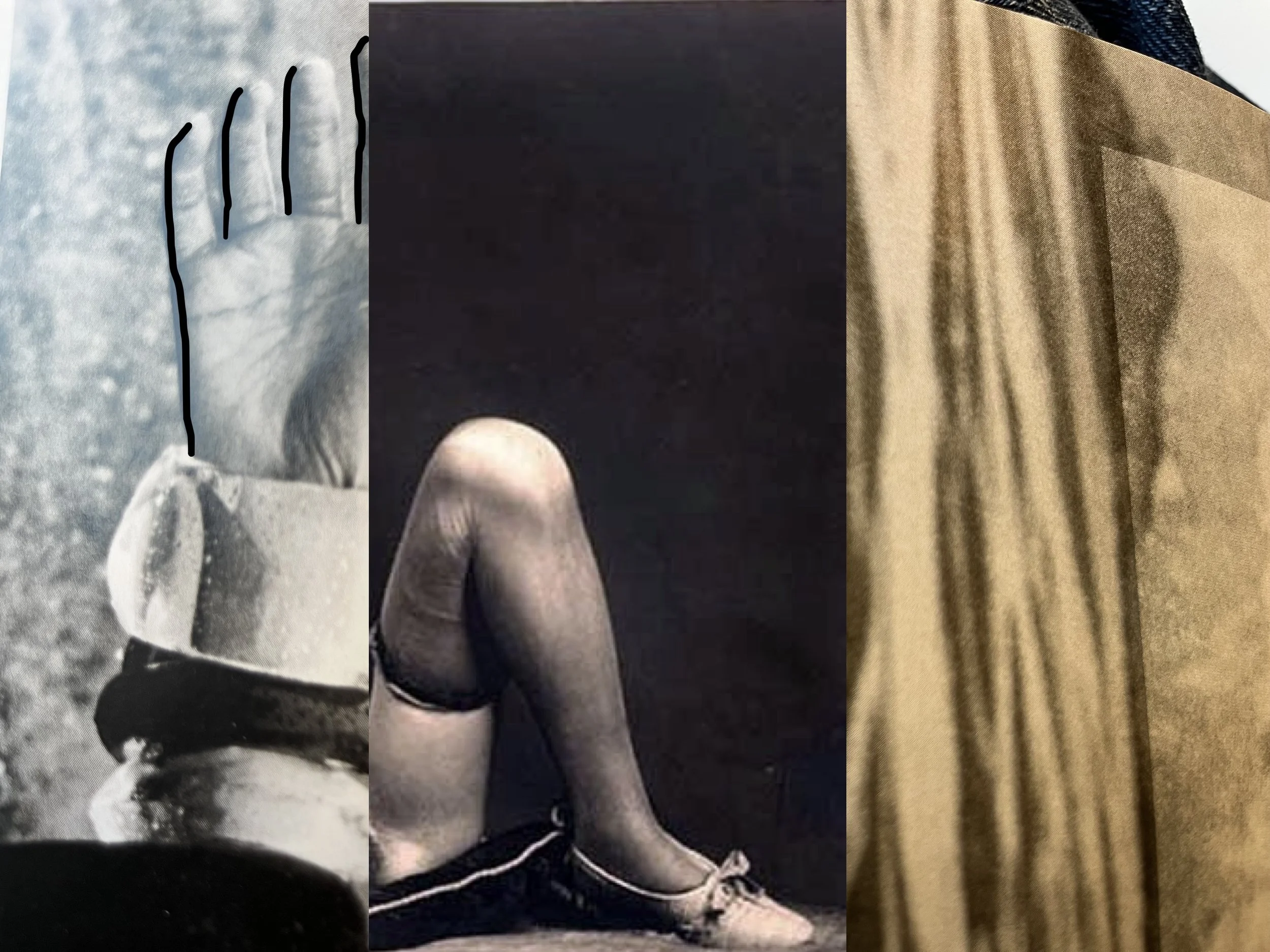
No one at the agency could remember who'd brought in the account, or who did the art direction. The only copy was an enigmatic phrase: Expand on all dope, ye who reserve here. Presumably the images date from an age when multiple-martini lunches were replaced by LSD experimentation, black magic, Porno Chic etc.
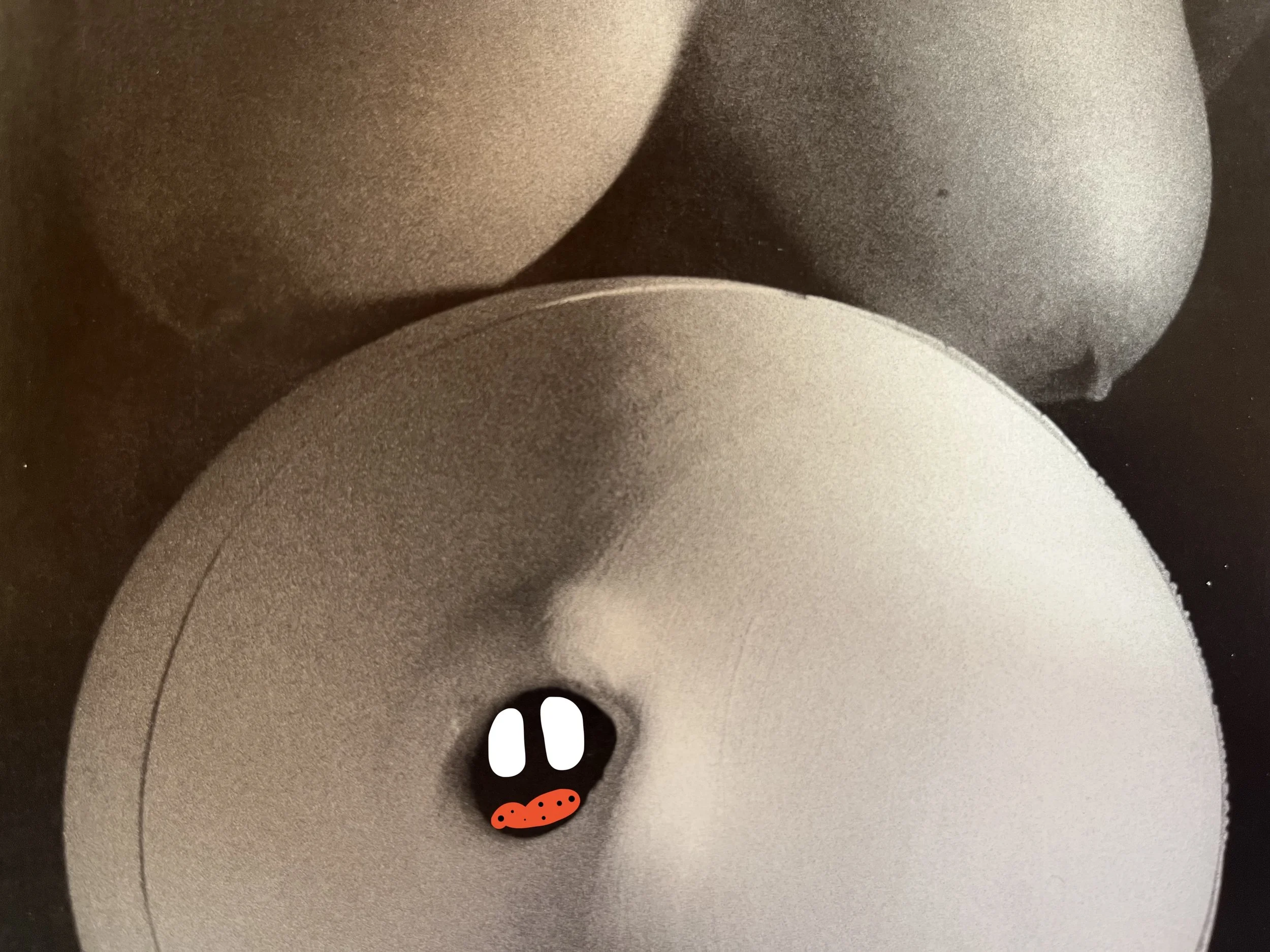
Since the Mystery Hotel campaign never went public and no fees were collected, we feel entirely justified in disclosing the contents.
p.s. Do you need anyone in your Public Relations department, or receptionists/chambermaids?
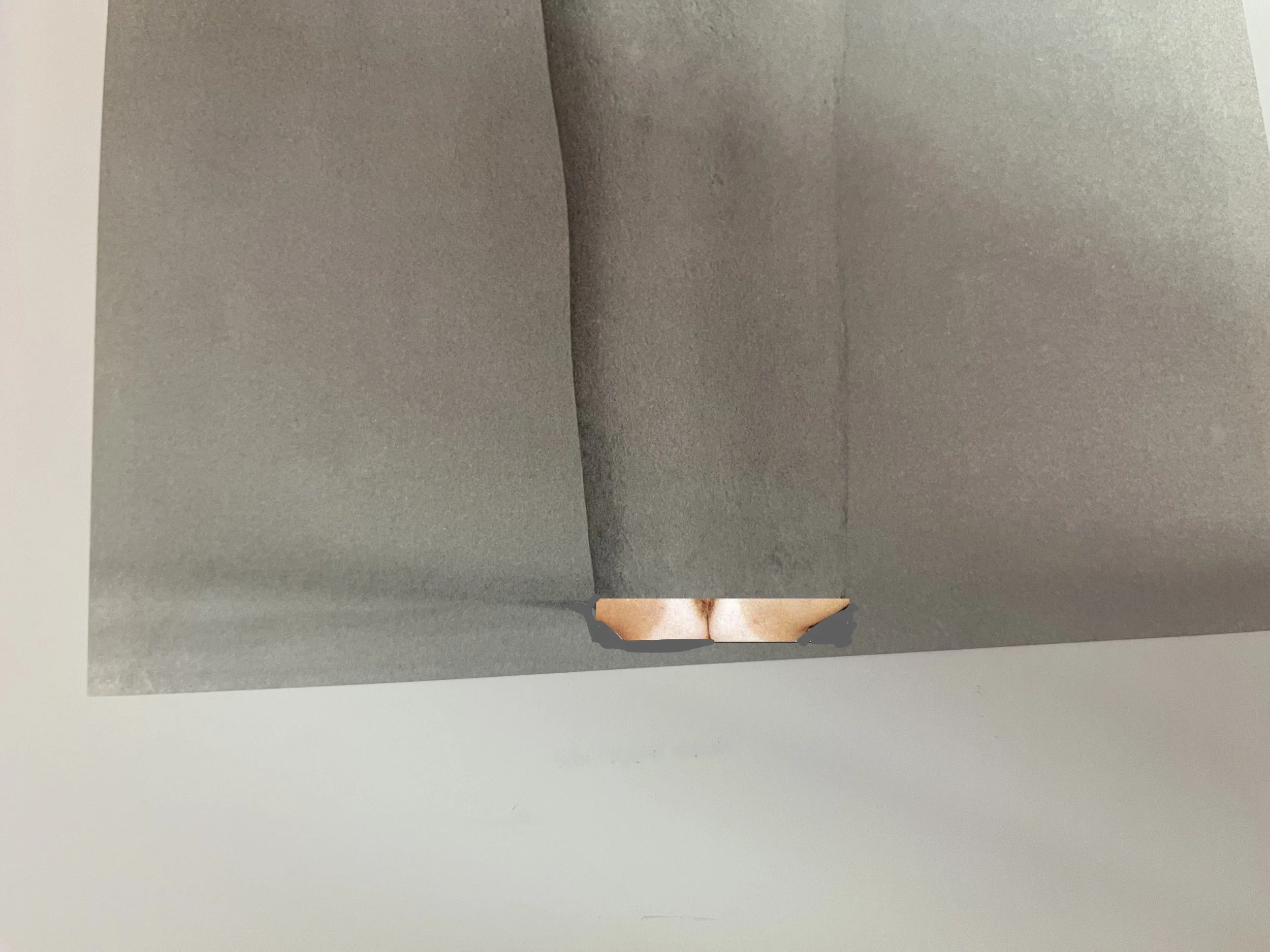
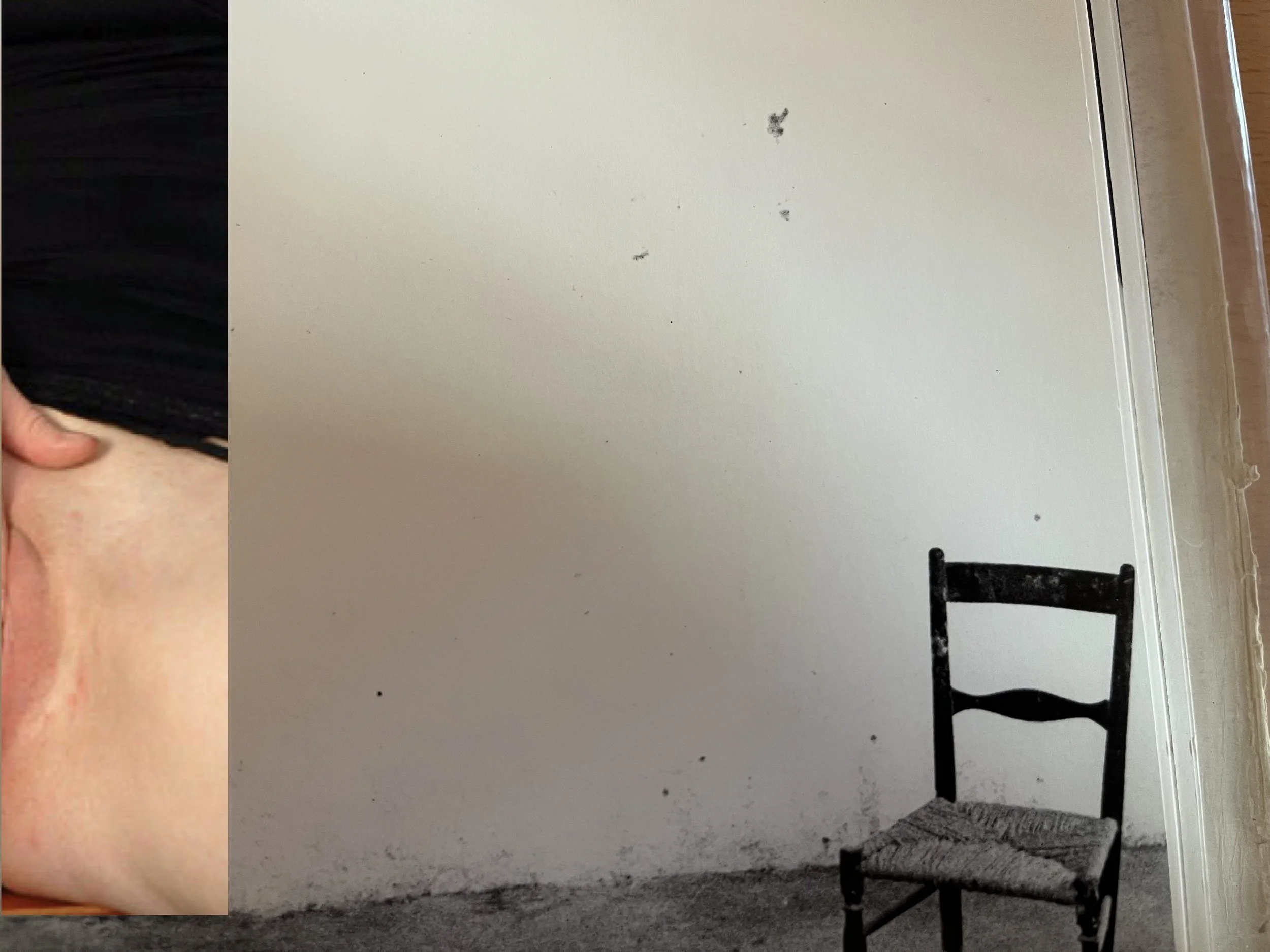
***
Enigmalbergo
Un(‘) amicə ci scrive da Milano:
Salve, purtroppo la piccola agenzia pubblicitaria indipendente alla quale ho dedicato la mia carriera creativa è stata costretta a chiudere l'attività. Mentre stavamo sgomberando gli uffici qualcuno ha rinvenuto la scheda di una campagna pubblicitaria abbandonata perché il cliente gestore di un hotel era stato chiuso dalle autorità competenti per ragioni non specificate.
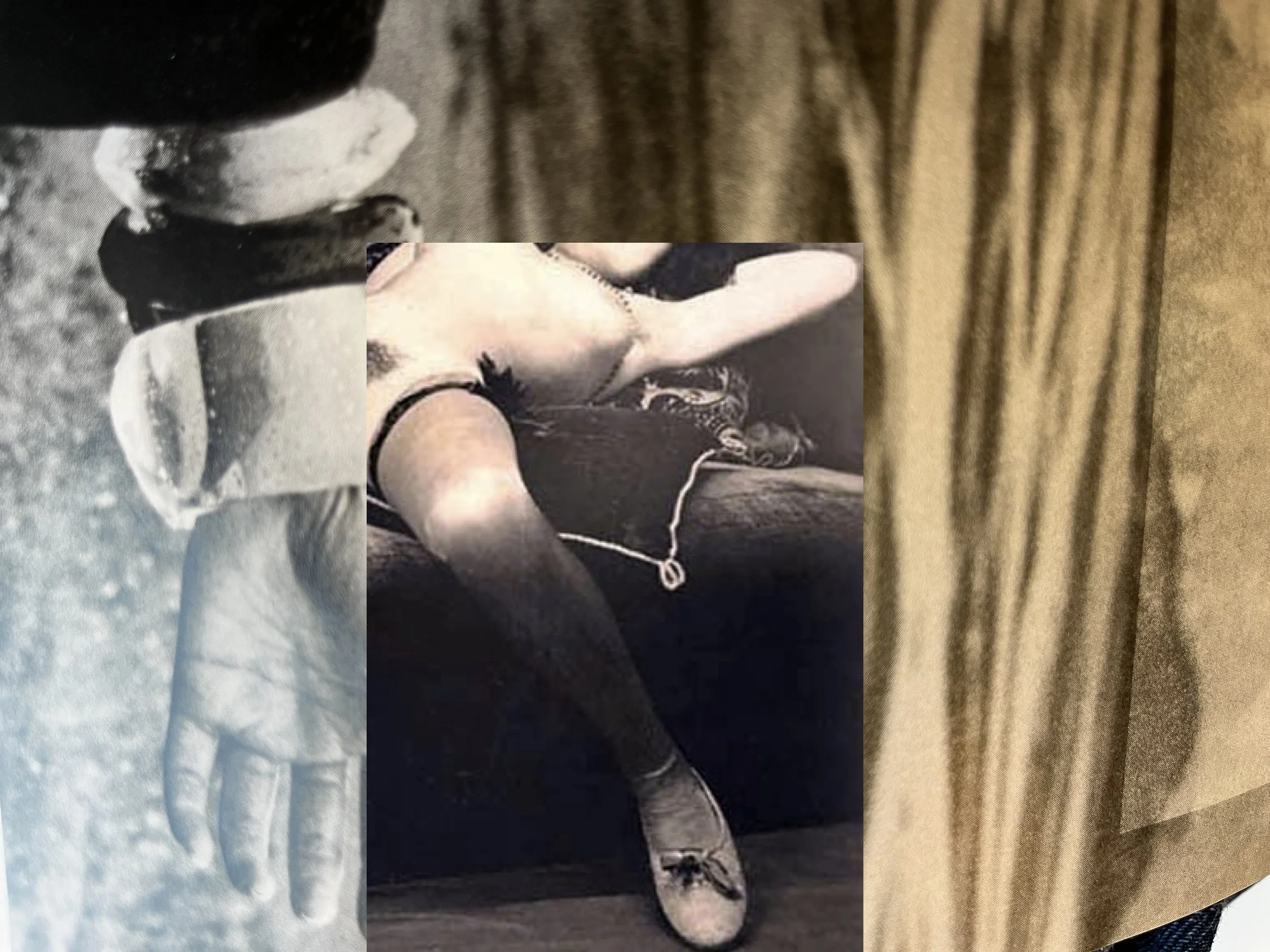
Nessuno all'agenzia si poteva ricordare chi era responsabile dell'account, o chi ne fosse stato l'art director. L'unico testo era una frase enigmatica: Ogni inibizione mollate o voi che alloggiate. Presumibilmente le bizzarre immagini risalgono a un'epoca in cui gli aperitivi coi clienti erano stati rimpiazzati da sperimentazione con le droghe, magia nera, porno chic ecc.
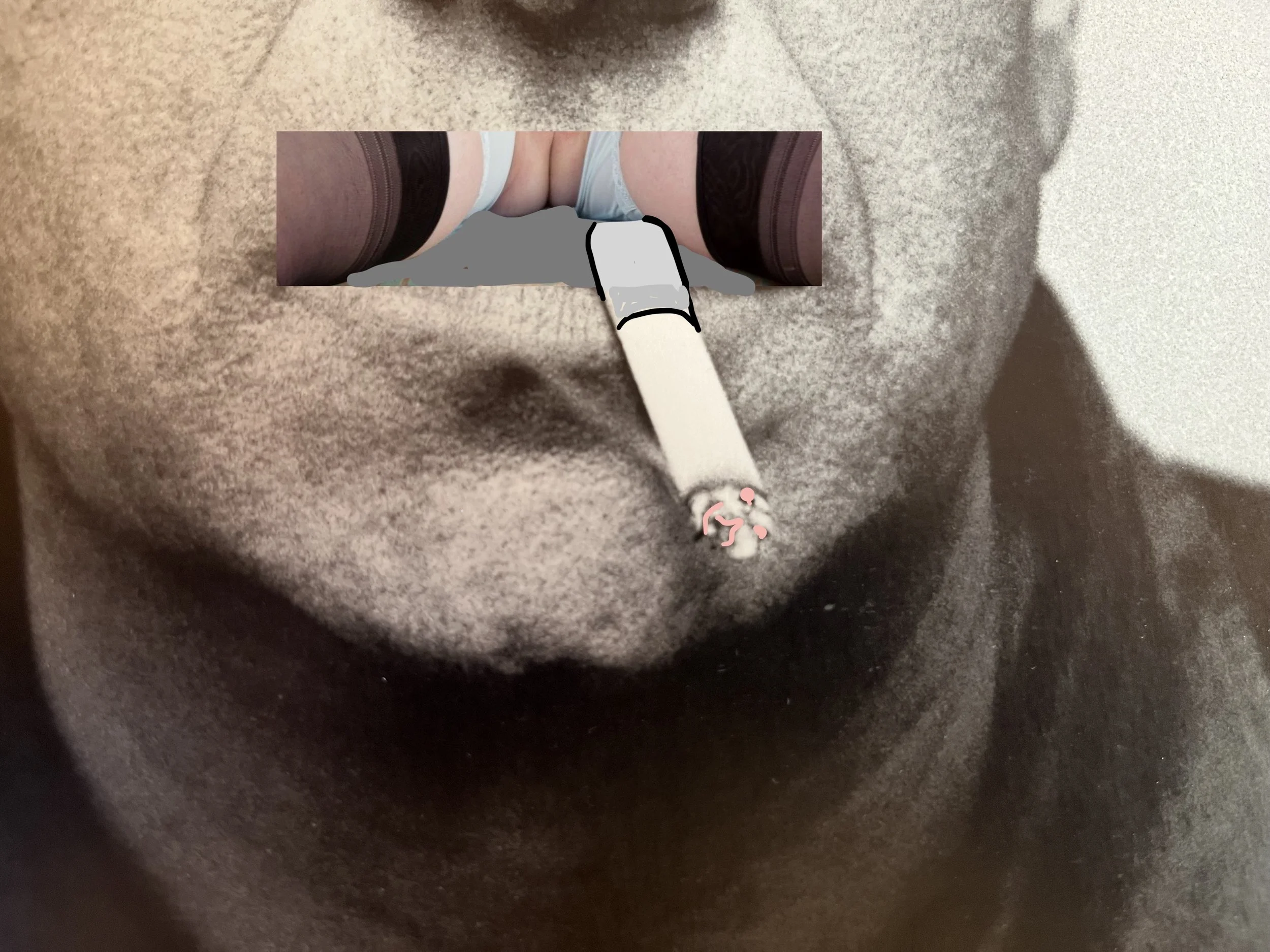
Visto che la promozione del misterioso hotel non è mai giunto al pubblico e che non ci fu alcuna fatturazione, ci sentiamo liberi di svelarne i contenuti.
p.s. Avete bisogno di qualcuno nelle pubbliche relazioni, o reception/camerierə?
Ryokan Mind
A friend writes from Narita Airport.
Not so terribly long ago, at a cocktail party in TriBeCa, a person (barely) of my acquaintance placed a blister packet of pink pills in my hand. "The flight's endless. Drop two of these as soon as you fasten your seatbelt."
This was strange, since I hadn't told anyone I'd won a trip to Japan in an airline-sponsored essay contest, or that I suffer from air-sickness and claustrophobia.
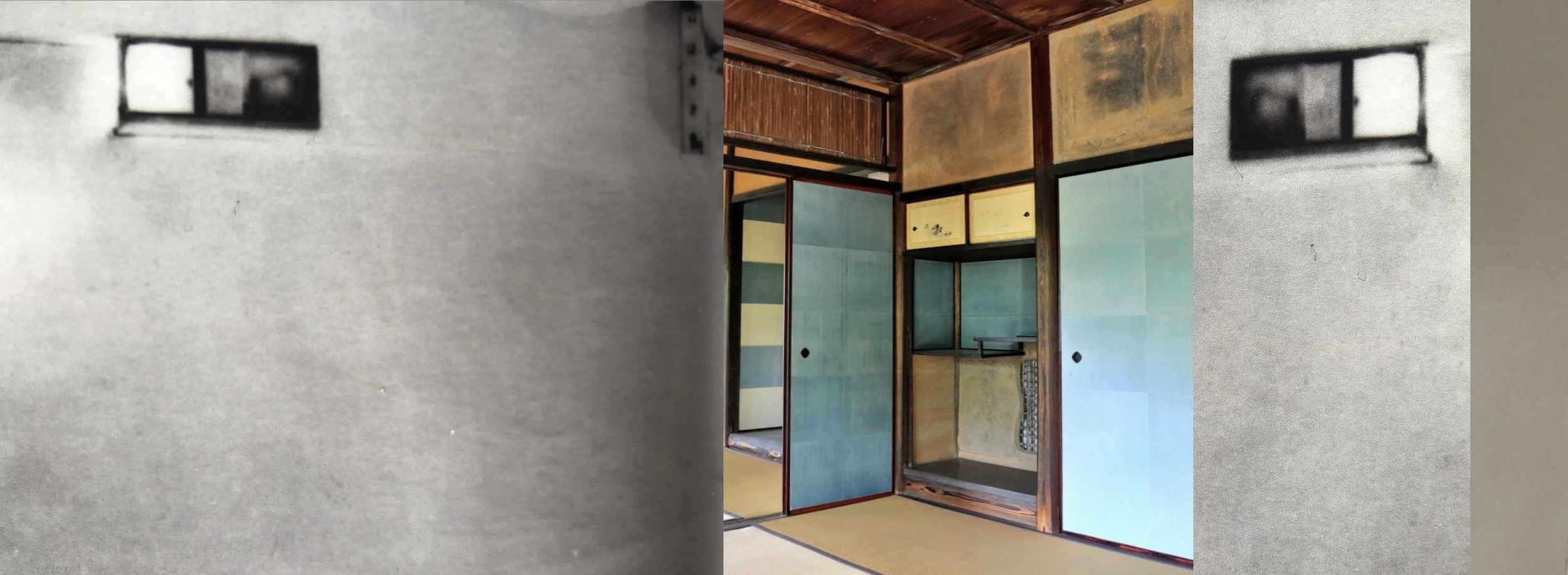
Fly towards rising sun.
The knock-out tablets, or that's what I imagined they were, worked fast.
A stewardess in kimono gently shook my shoulder, and wordlessly sleep-walked me out of her machine.
A newsstand inside the enormous terminal drew me in. Garish cover art hooked me. The pages thumbed through themselves. Every ideogram spoke volumes.
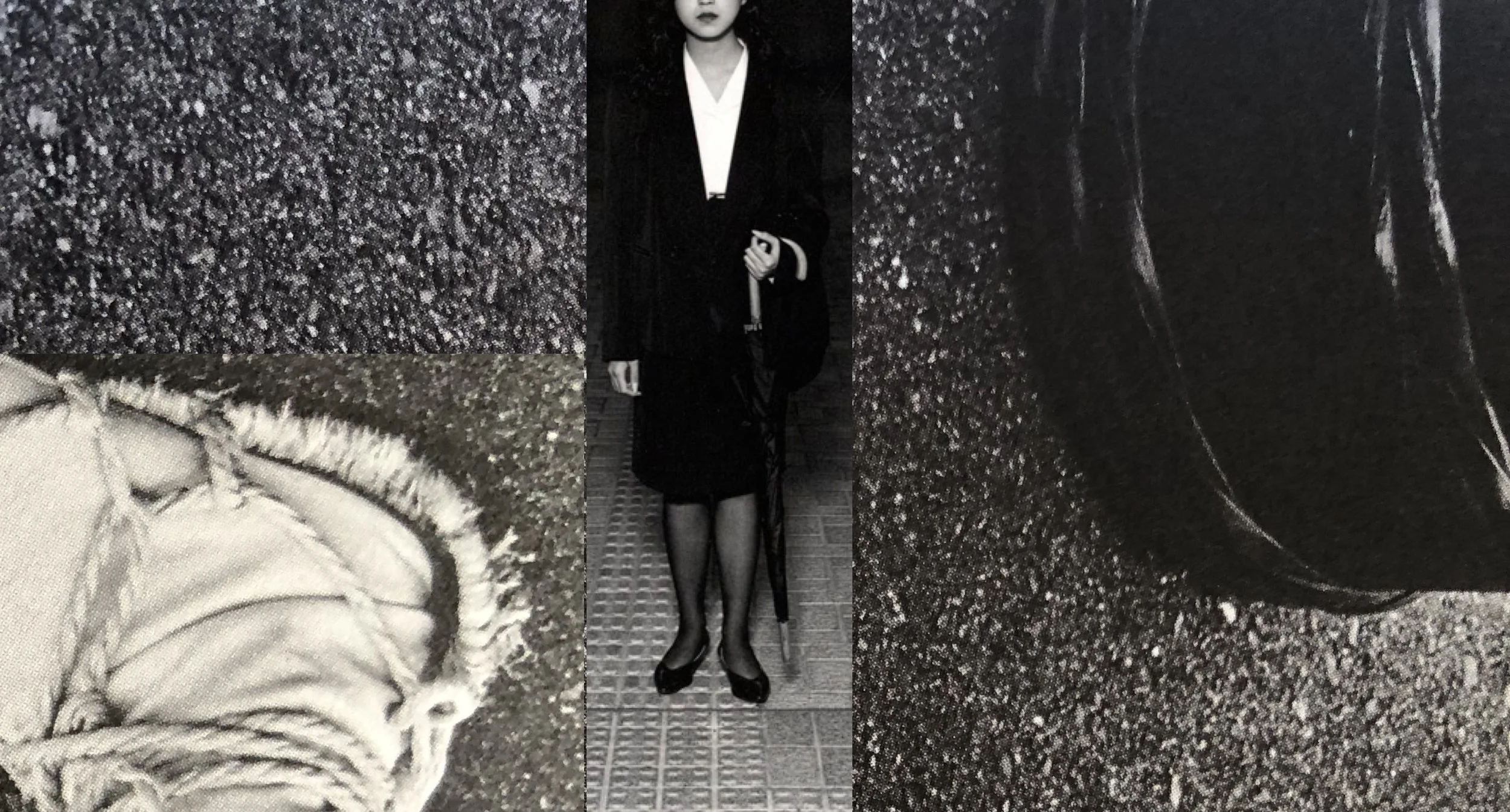
Speak softly. Carry umbrella. Rain will fal.
A black limousine uselessly awaited by the Arrivals Zone’s sidewalk. The chauffeur held a placard at chest height, but his intended passenger was in thrall to printed paper. After repeated threats from the airport's four-wheel traffic control monitors, the driver departed. I watched his tail-lights from far away, through walls and thicknesses of glass.
The newsagent, a disagreeable woman, shoved me out of her booth at closing time. I leant against the roll-down metal gate. No one bothered me. I was further and further absorbed by the glossy monthly I'd bought with a credit card.
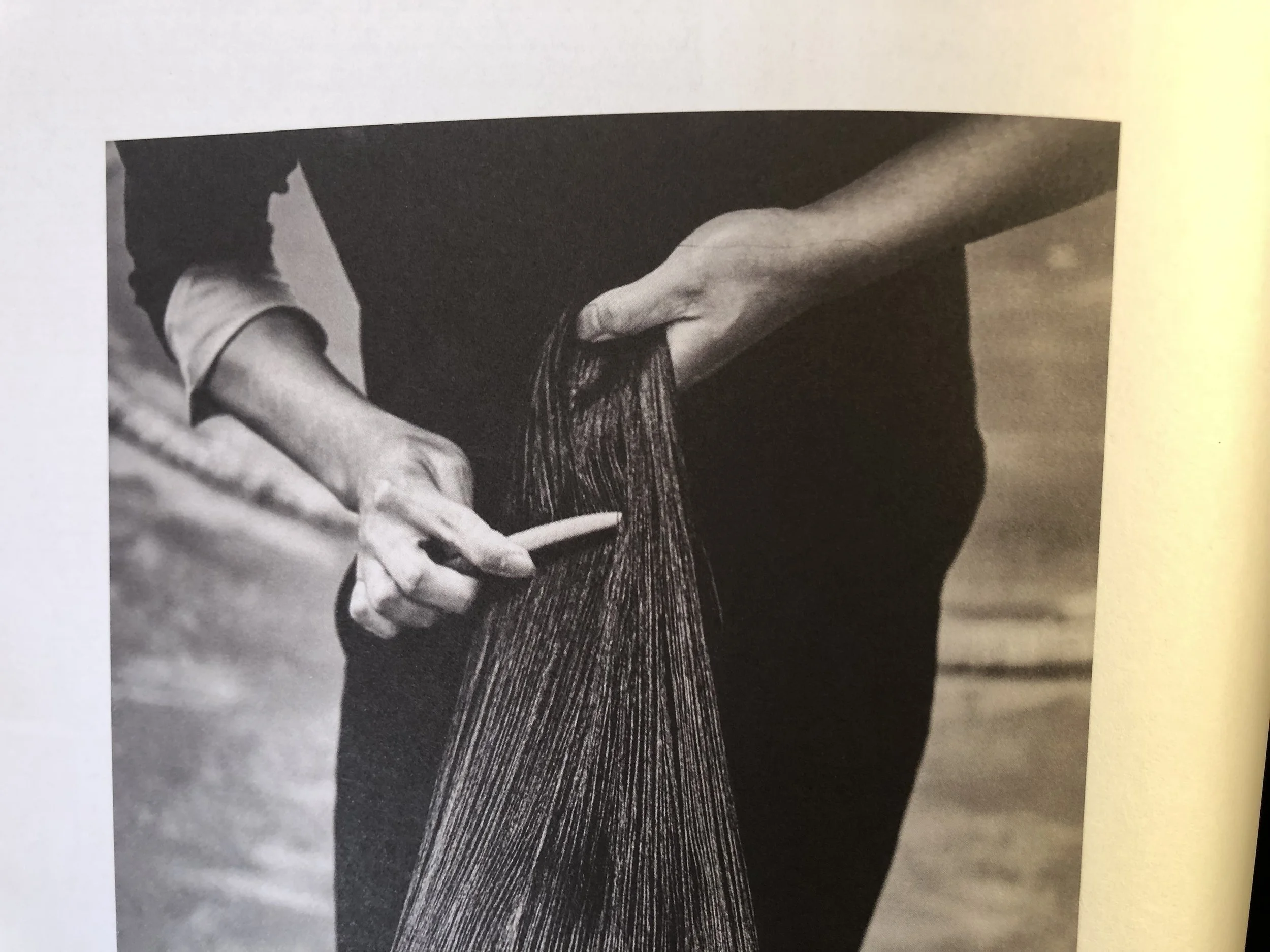
Neatness counts, heavily.
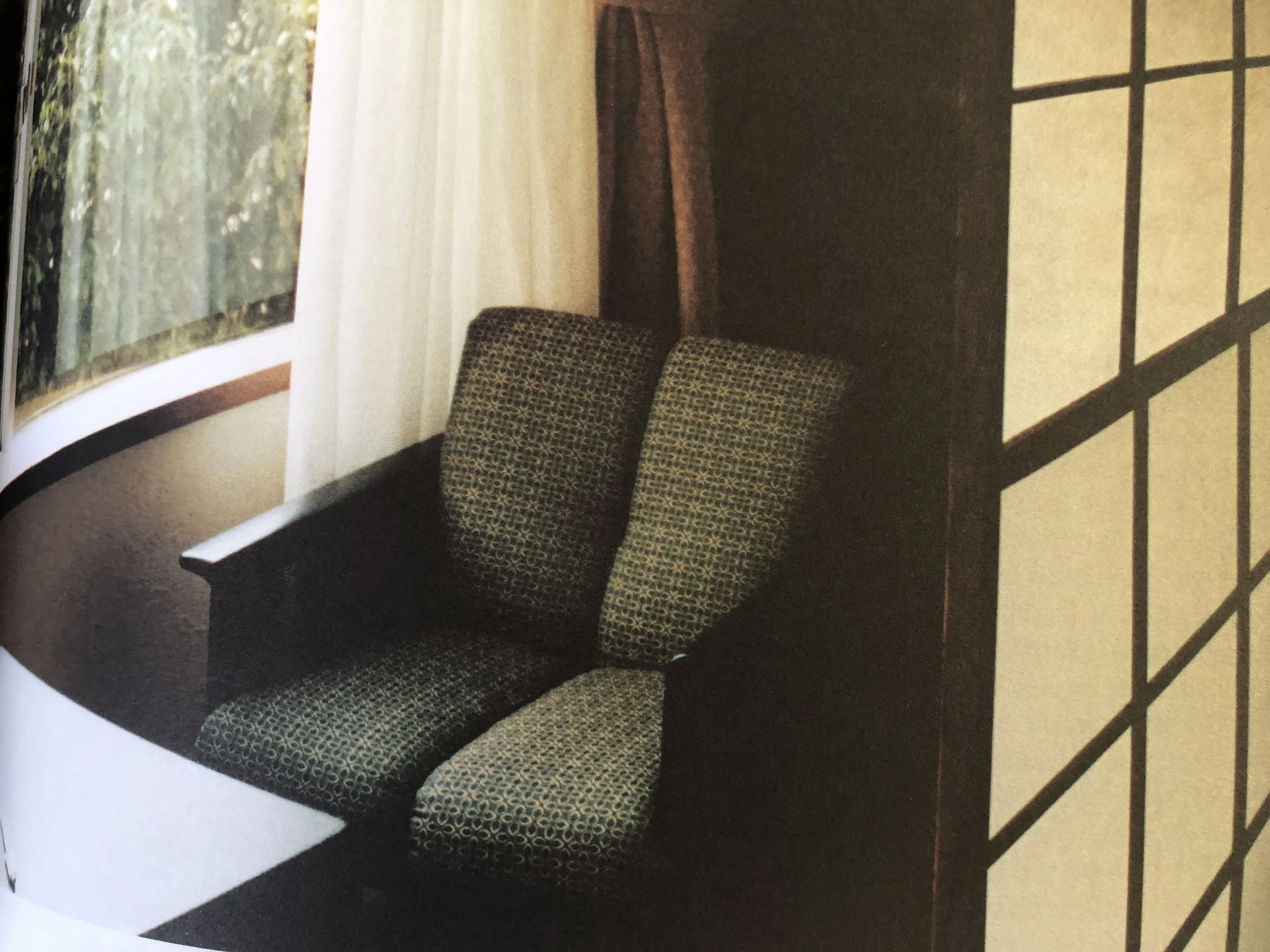
The prize for my travel composition was a week's stay at a traditional hotel in the mountains. Cedar hot-tubs, meals of sushi and noodles, and shiatsu all included. I must've fallen asleep among thoughts of these delights.
The Manager of the ryokan and his wife came to the airport the next morning and led me away from the newsstand just as the intolerant franchisee came in to work.
The water at the inn was hot, the bed soft, the food delicious. That's all I can remember.
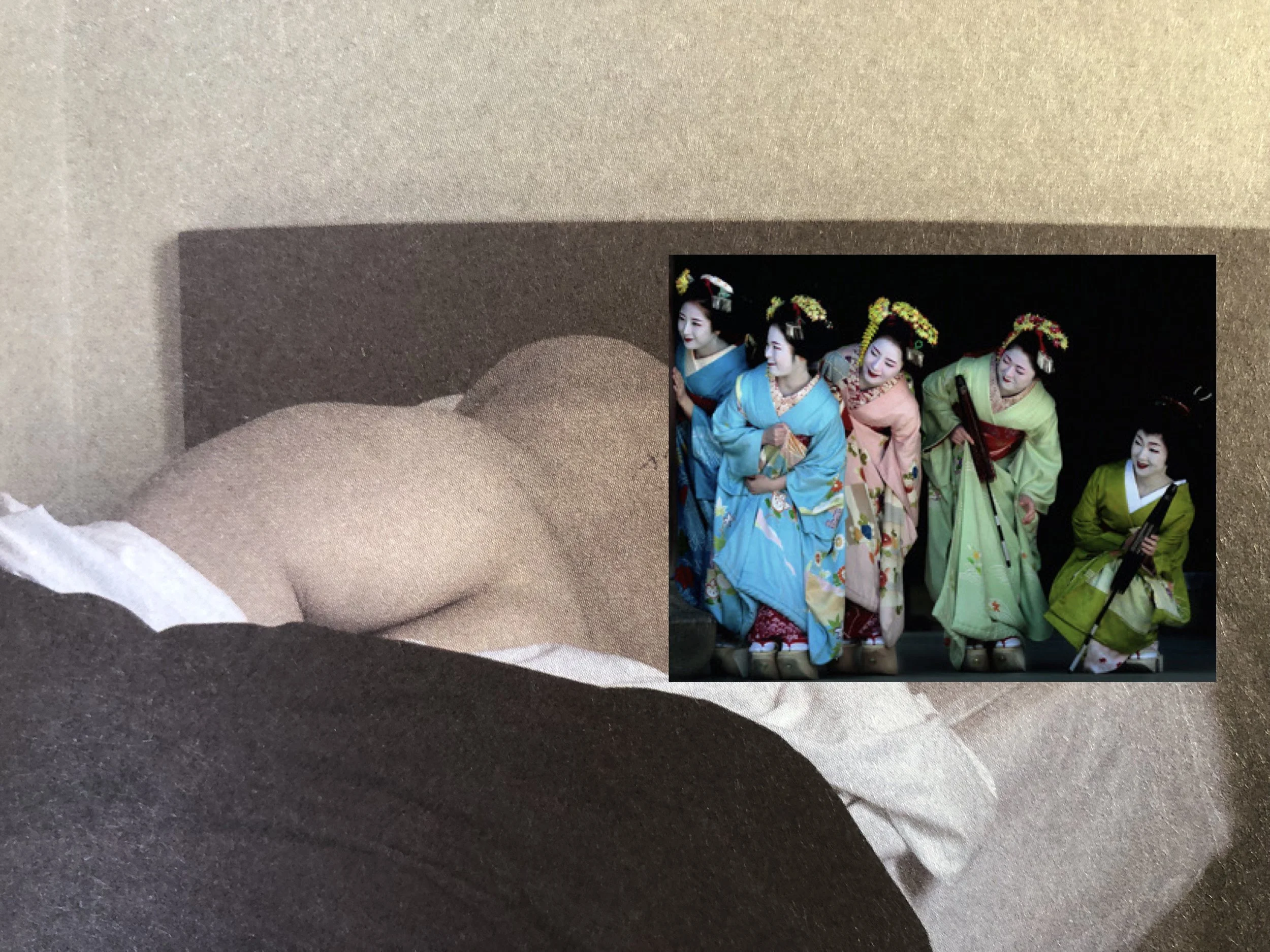
Bed deliciousness. Soft.
Now I'm back at the colossal airport again. All flights to New York have been canceled. I have no money left. The airline that sponsored the "Why I Want to Go to Japan" contest won't give me any more. They refuse to feed me, or launder my clothes. A security cop ordered me to stay away from their counter. The women who clean the toilets in Terminal A all say the same thing too: you can't come in.
At least that's what I think they're saying. I can't understand Japanese anymore. They shove their dirty mops at my face.
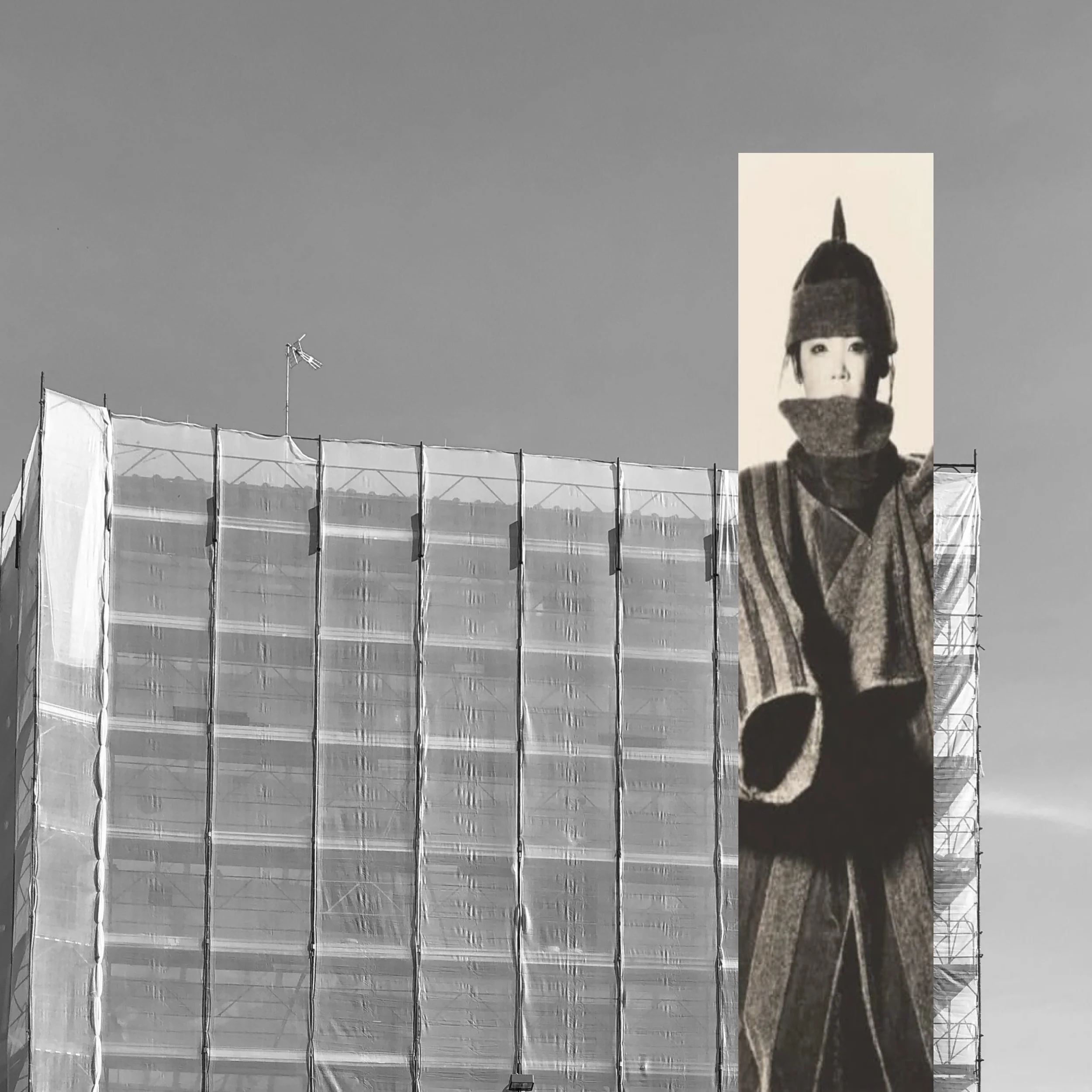
You can’t come in!
***
Ryokan mentale
Ci è giunto il seguente messaggio dall'aeroporto di Narita.
Non tantissimo tempo fa, in mezzo ad un cocktail a Milano, una persona che conoscevo appena mi mise in mano un blister di pasticche rosa. "Il volo è interminabile. Calati due di queste appena ti allacci la cintura."
Era strano. Non avevo detto a nessuno di aver vinto il concorso di una linea aerea, o che soffro di cinetosi e claustrofobia.
Le pillole KO, almeno credo che fossero quelle, agivano in fretta.
Una hostess in kimono mi scosse con delicatezza la spalla e senza proferire parola mi condusse fuori dal velivolo.
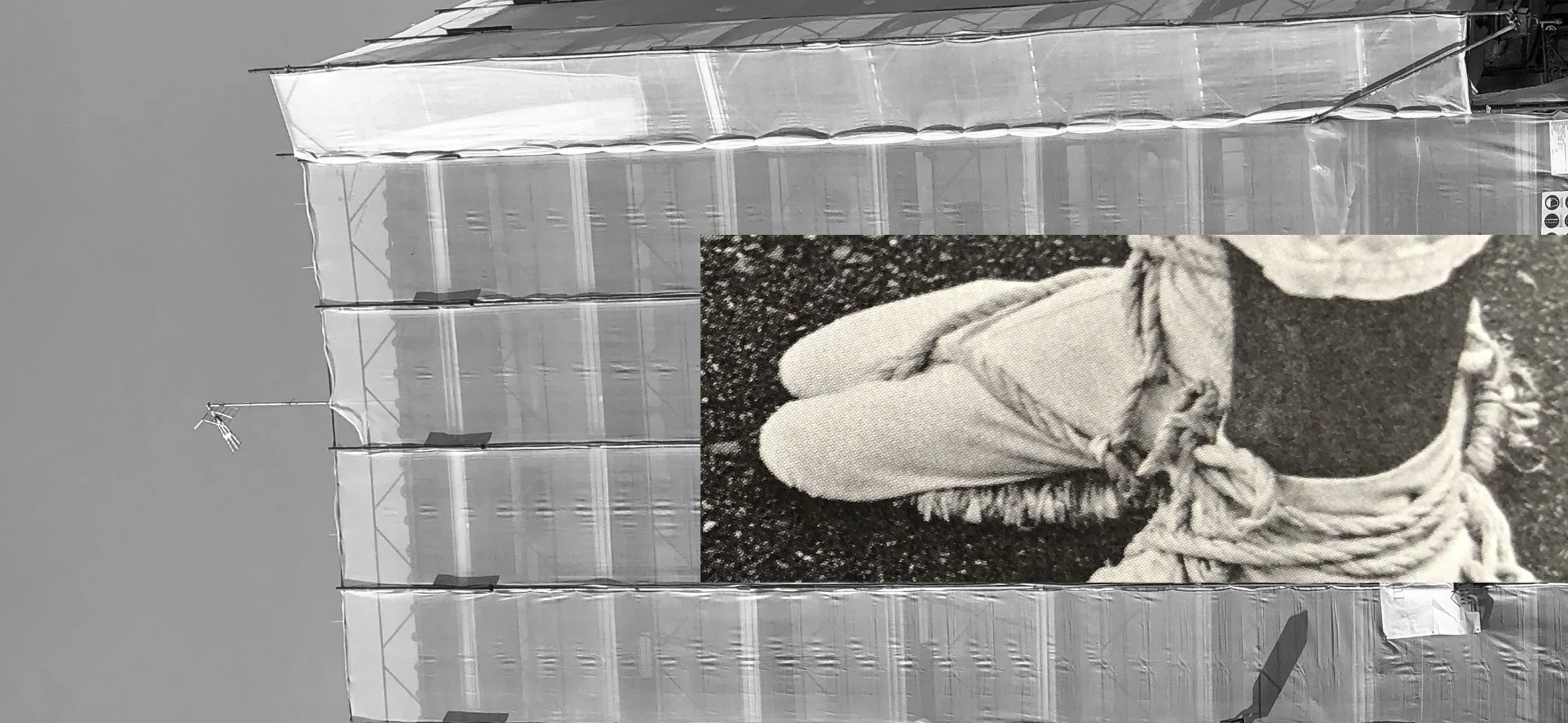
L’uscita è di qua.
Un'edicola dentro il gigantesco Terminal mi attirò. Le immagini sulle copertine delle riviste mi imprigionarono. Le pagine patinate si sfogliavano da sole. Ogni ideogramma si spiegava da sé.
Una limousine nera aspettava inutilmente al bordo del marciapiedi della zona Arrivi. Il conducente reggeva un cartello all'altezza del petto, ma il suo passeggero era succube di ideogrammi. Dopo ripetute minacce da parte delle guardie aeroportuali, ripartì. Guardai svanire le sue luci posteriori da una grande distanza, attraverso muri e spessori di vetro.
Guardare attraverso muri immaginari e capire tutto.
La giornalaia bisbetica mi spinse fuori dal suo bugigattolo all'ora della chiusura. Mi accovacciai contro il bandone. Nessuno mi importunò. La mia immersione nella rivista che avevo comprato con la carta di credito era totale.
Il premio per il concorso che avevo vinto col mio saggio “Perché voglio andare in Giappone” era una settimana spesata a un albergo tradizionale in montagna, completo di bagni in lignee vasche d'acqua calda, pasti di sushi e spaghetti di riso e massaggi shiatsu. Mi addormentai tra pensieri di queste delizie.
Delizie di carne e pesce.
Il gestore del ryokan e sua moglie vennero all'aeroporto la mattina dopo e mi trascinarono via dall'edicola nel momento in cui l'intollerante padrona veniva ad aprire.
L'acqua geotermale era calda, il letto morbido, il cibo da svenimento. Non ricordo altro.
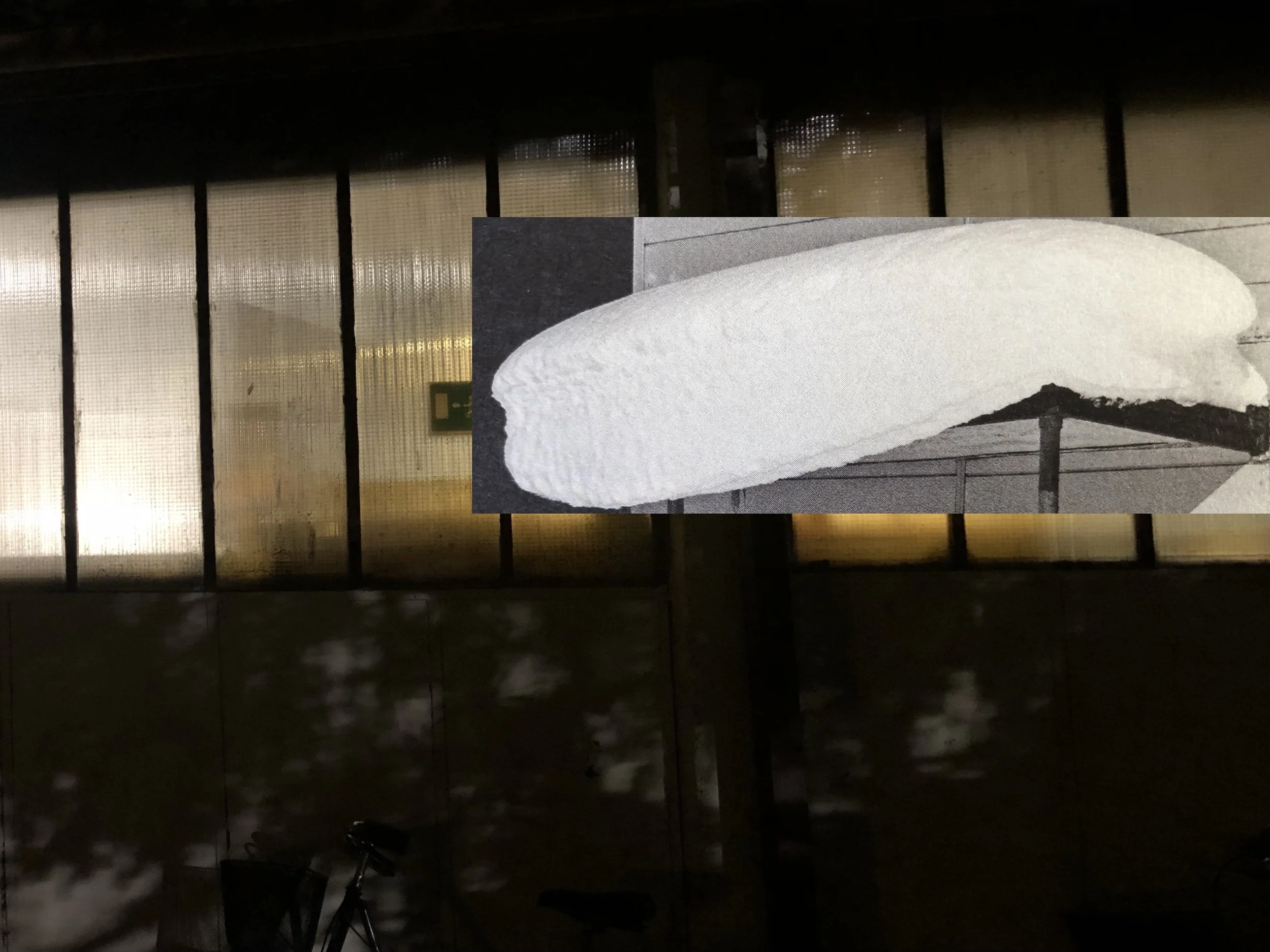
Parla piano. Rumore inutile causa slavine.
Ora sono di nuovo al colossale aeroporto. Hanno soppresso tutti i voli verso l’Italia. Non ho soldi. La linea aerea che aveva sponsorizzato il concorso Perché voglio andare in Giappone non me ne vuole dare. Né mi laveranno i vestiti. Una guardia mi intima di stare lontano dal loro banco. Pure le donne che puliscono i bagni di Terminal A dicono tutte la stessa cosa: non puoi entrare.
O perlomeno credo che dicano così. Non capisco più il giapponese. Mi spingono in faccia le loro sporche scope.
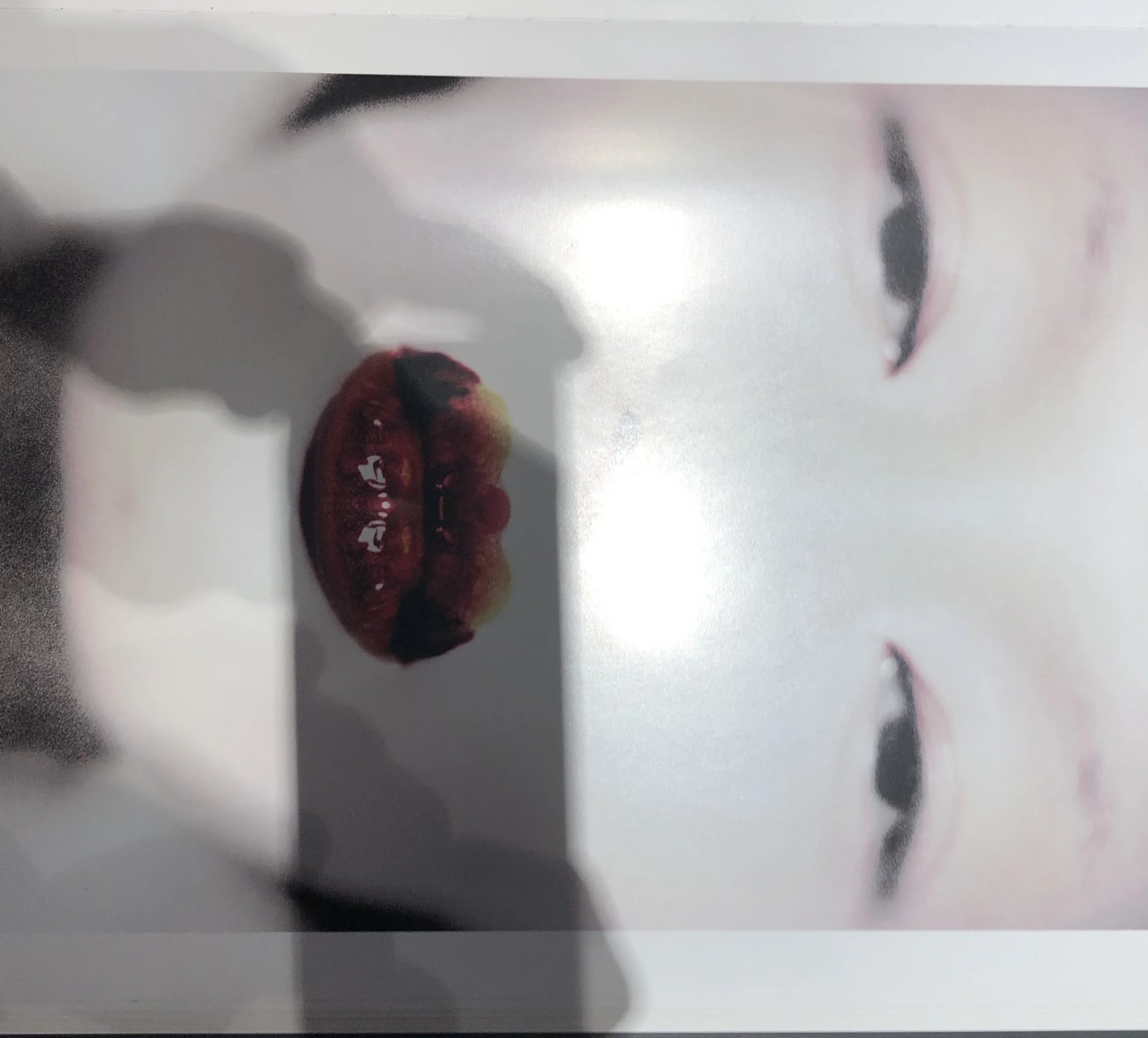
Non puoi entrare!

1970 Hôtel
You can leave, escape, start over somewhere else, but you can't change your skin. Outside l'Hôtel Bleu I was still in the USA, and the USA was still inside me.
We gave our place a Frenchy name so it'd stay blended in with the neighborhood. No Moroccans entered. French people owned houses, which were incredibly cheap, and stayed in them.
My man's skin is dark, but not all the way. He's not good with languages. The locals half-way accepted him if he wore a djellabah, but they'd freeze up when he didn't understand what they said and couldn't answer their questions. When he pretended to be a deaf-mute they left him alone. They're pretty good at leaving you alone here.
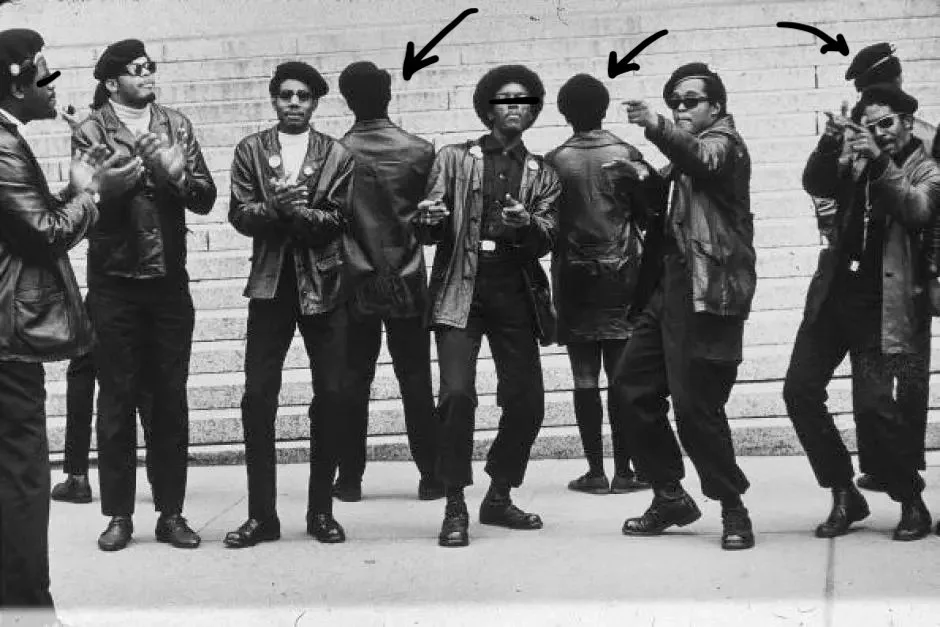
Move!
My High school French was enough to deal with hotel bureaucracy, i.e. bribes, and the market where I got stuff for our few guests' breakfasts.
Life flowed smooth until the Panthers showed up.
Some of them were political refugees, others claimed to be. They saw l'Hôtel Bleu as their asylum, and we'd get our money comes the Revolution.
Asylum's the right word. The Black Panthers didn't get along with the resident Beatniks. The only thing they agreed upon was dope, of which they both abundantly approved.
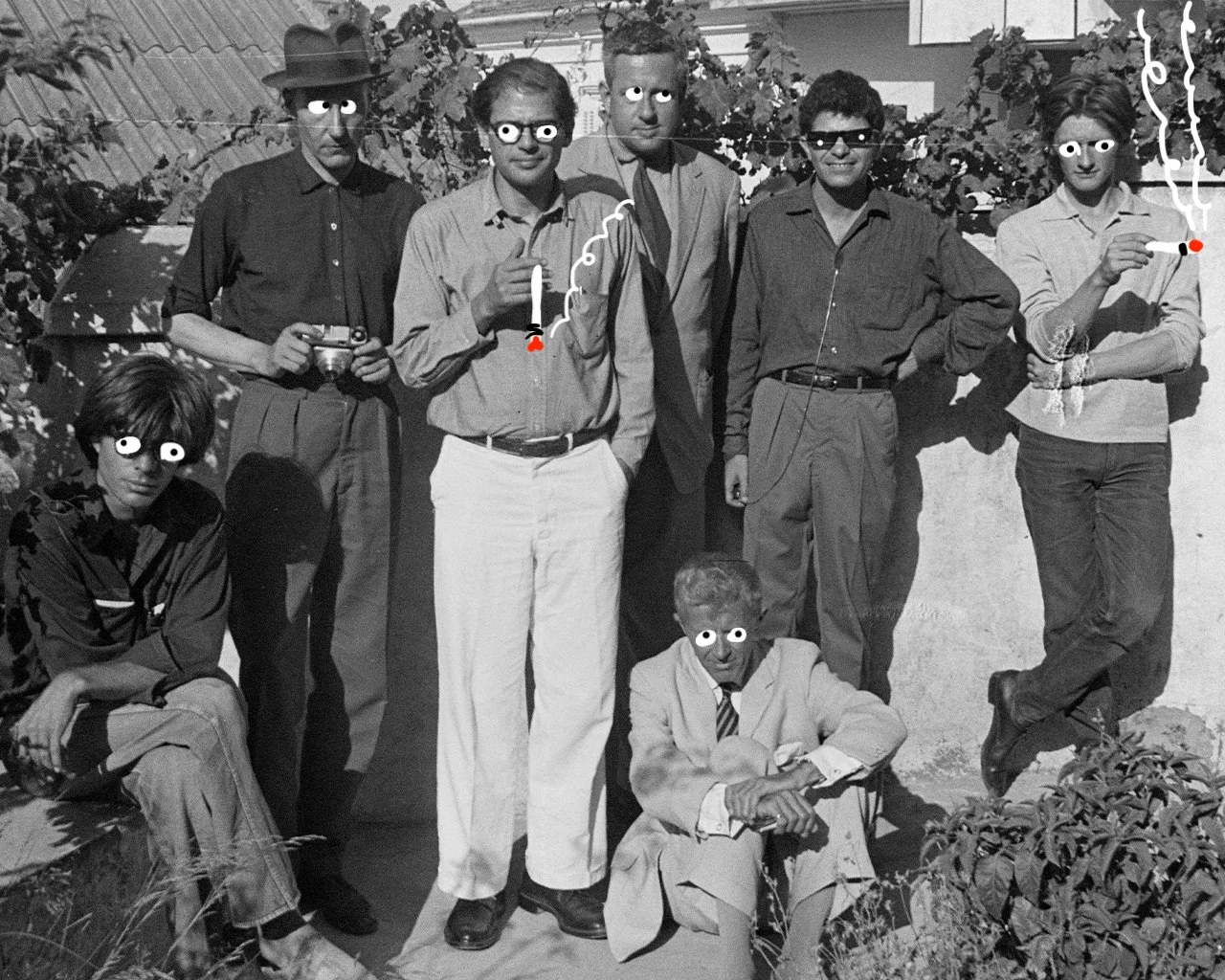
Dope!
The gendamerie overlooked late-night bongo jams and drug use, but sporadic gunfire drew their attention. The customary donations to their Retirement Fund wouldn't cut it anymore.
"Madame regrettably we cannot permit this sort of cowboys and indians."
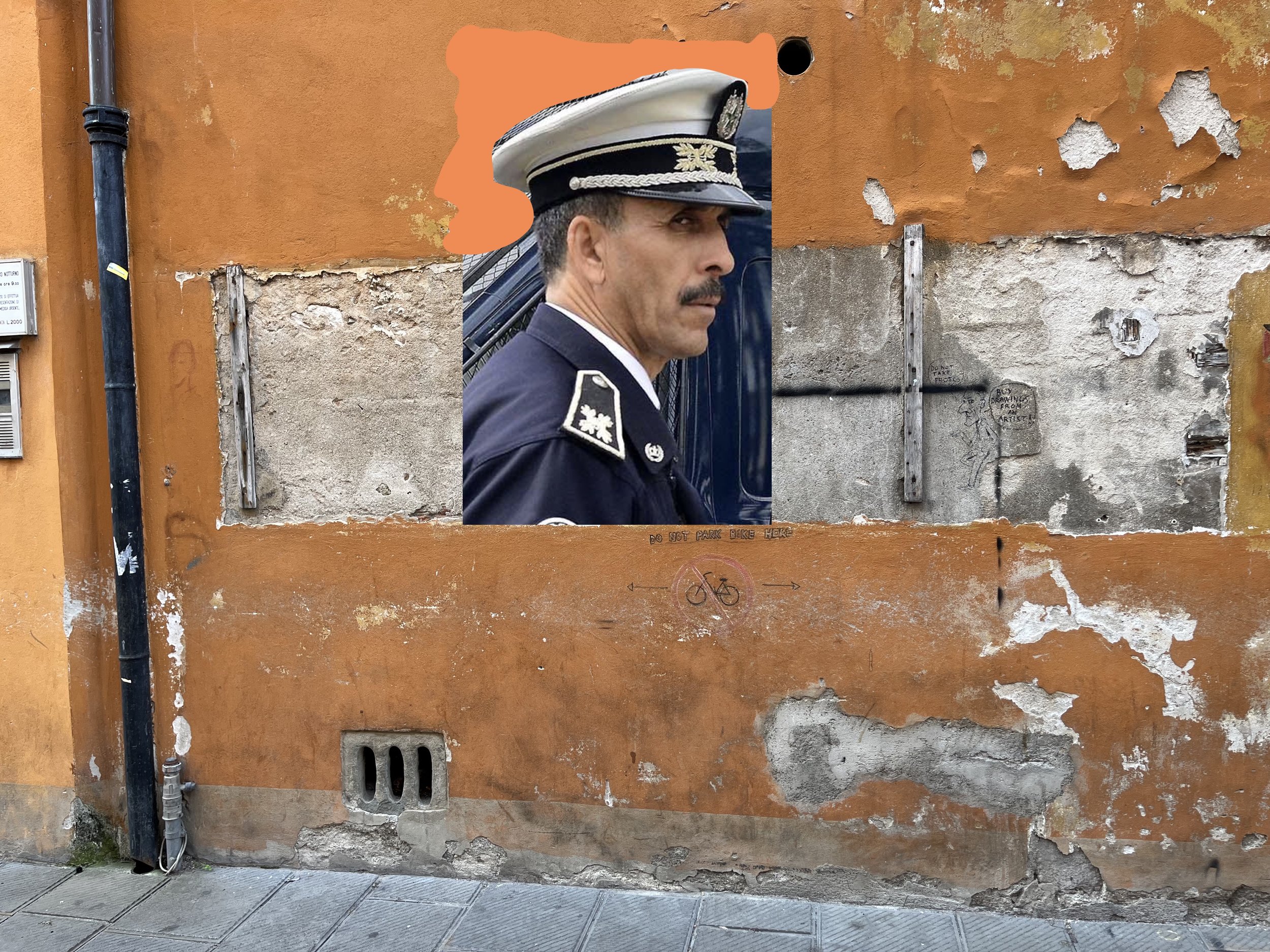
Nope!
Our guests made excuses: dope-induced paranoia, legitimate target practice for when The Man makes His MOVE, hotel room doors riddled with bullet-holes is art, man!
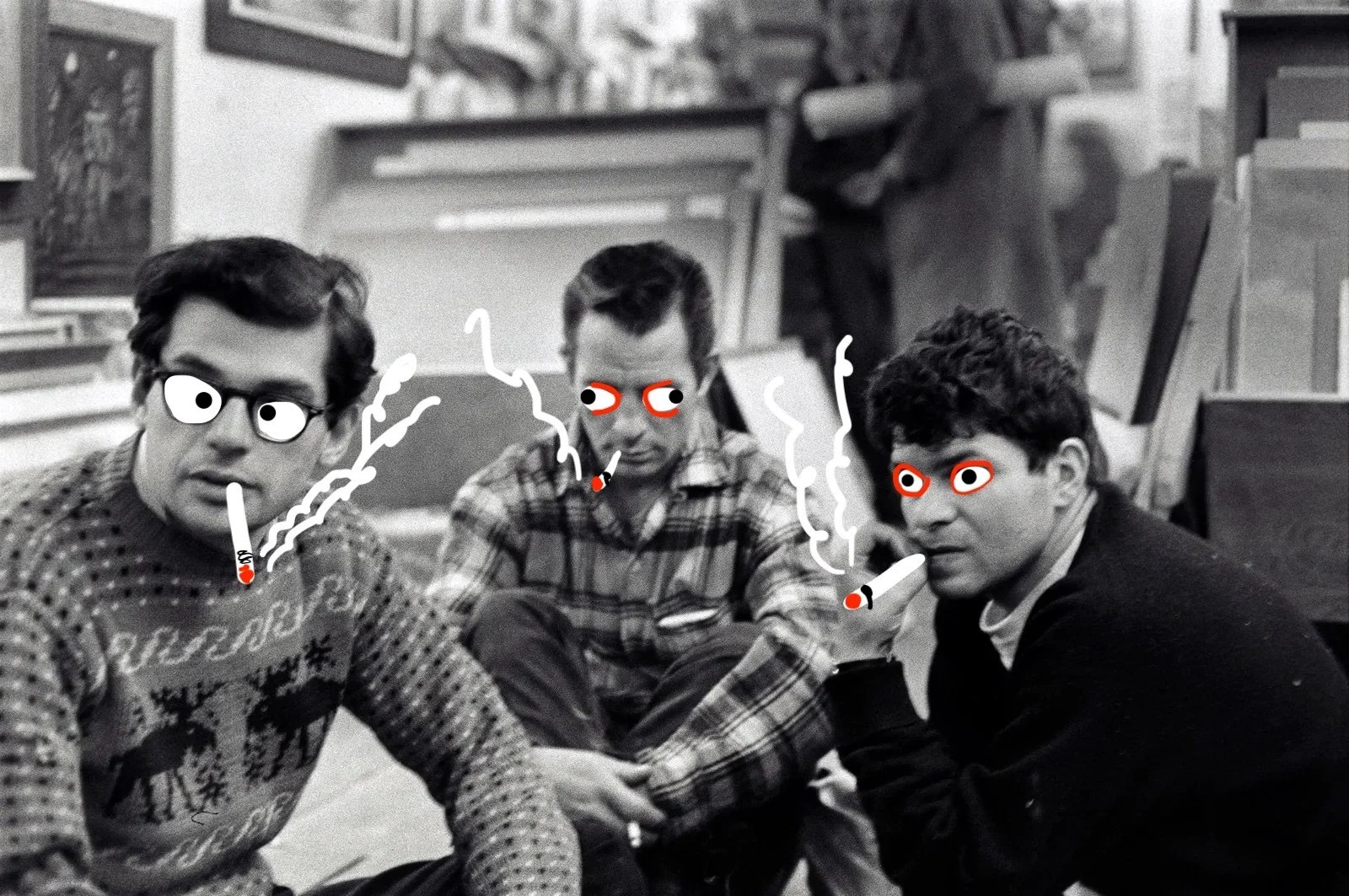
Art!
The decade ended, and some things changed. The Panthers got Islam. The poets got famous. They all got lost. Including my man. Not sure which group he left with, but he was gone.
***
Hôtel 1970
Puoi partire, scappare, ricominciare da capo da qualche altra parte, ma non puoi cambiare la pelle. Fuori da l'Hôtel Bleu ero sempre negli Stati Uniti, e gli Stati Uniti erano sempre dentro di me.
Abbiamo dato un nome francese al nostro albergo per tenerlo bene immedesimato nel quartiere. Non vi entravano marocchini. I francesi erano proprietari di case, che non costavano quasi nulla, e vi restavano.
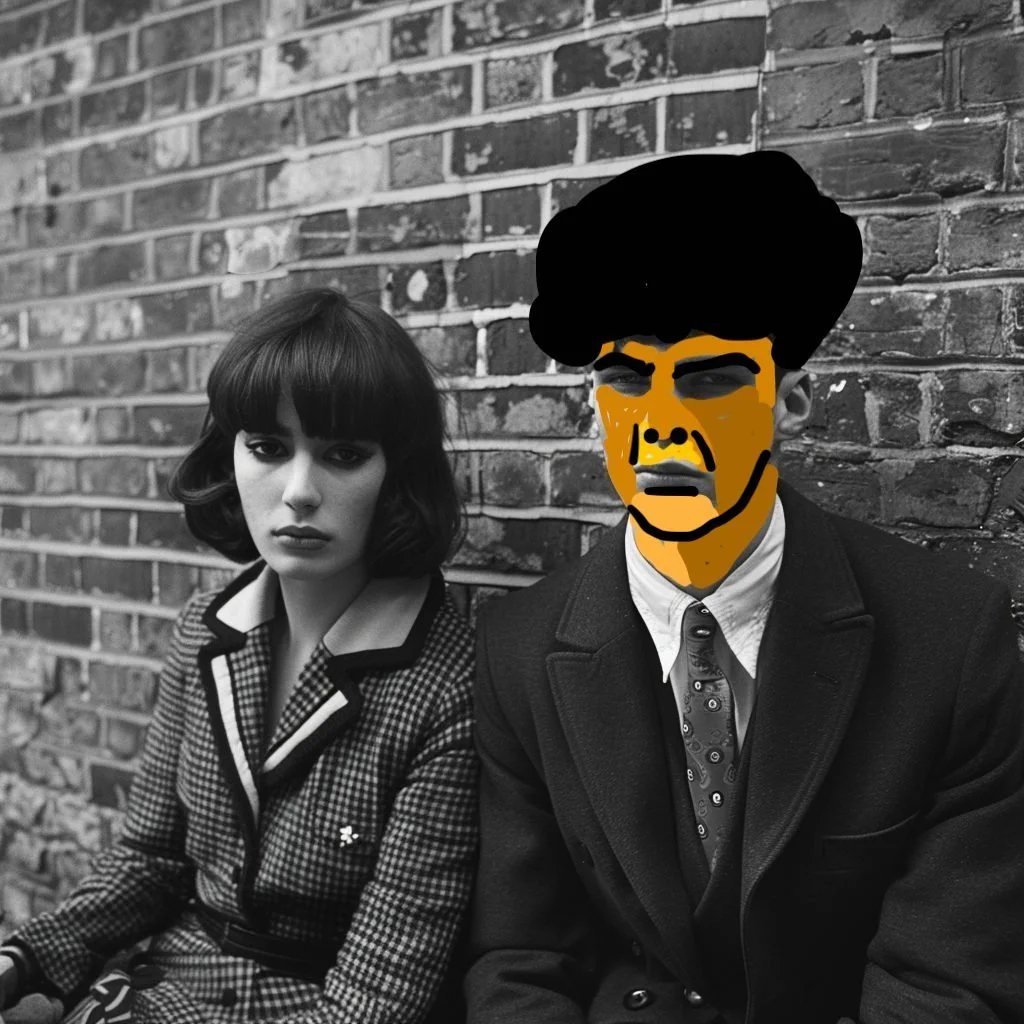
Stranieri insieme.
Mio compagno ha la pelle scura, ma non totalmente. Non è bravo con le lingue. Gli autoctoni lo accettavano se si metteva in djellabah, ma si bloccavano quando non capiva ciò che dicevano e non poteva rispondere alle loro domande. Si fingeva sordomuto e lo lasciavano in pace. Qui sono parecchio bravi a lasciarti in pace.
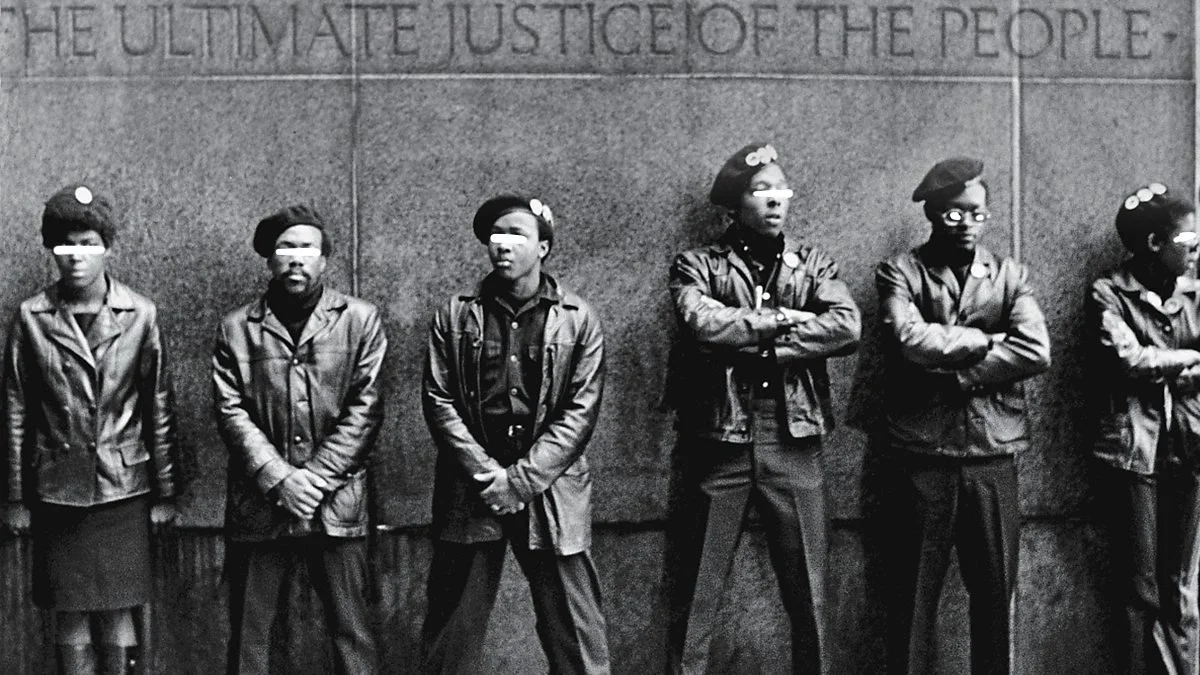
L’unione fa la forza.
Le lezioni di francese che avevo fatto al liceo bastavano per sistemare la burocrazia alberghiera, cioè bustarelle, e per andare al mercato dove prendevo la roba per la colazione degli ospiti.
Tutto scorreva liscio finché non arrivarono le pantere. Non i carnivori a quattro zampe. Non ci sono giungle in Marocco.
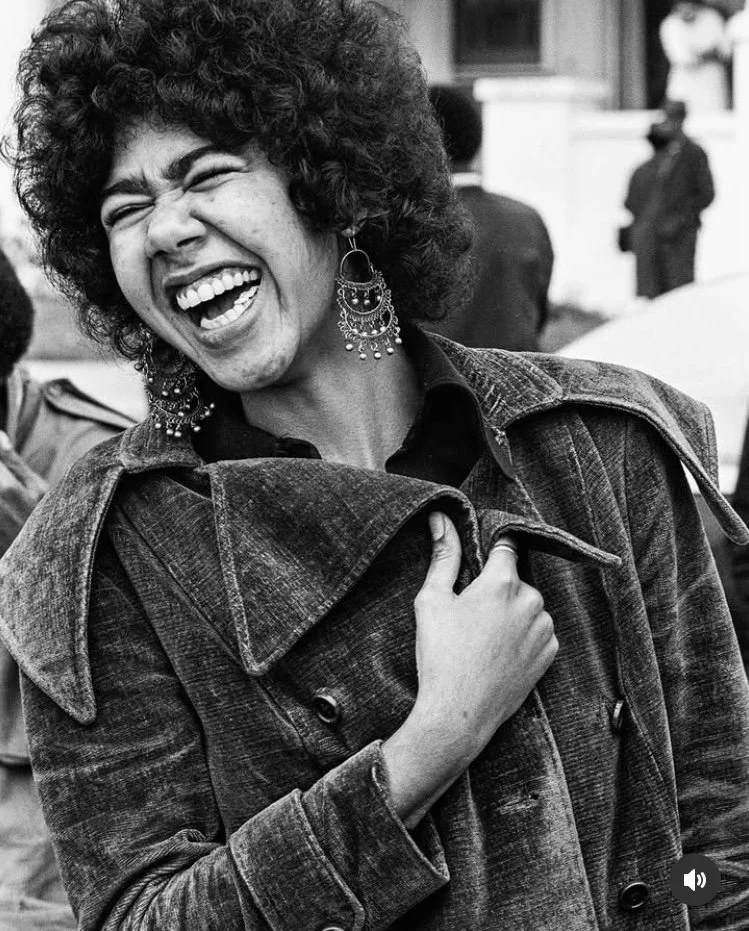
Sorella!
Alcuni di loro erano rifugiati politici, altri si dichiaravano tali. Vedevano l'Hôtel Bleu come luogo d'asilo, e i soldi li avremo presi a rivoluzione fatta.
Più che un asilo si creò il manicomio. I Black Panthers non andavano d'accordo coi Beatnik. L'unica cosa che li accomunava era il fumo, che approvavano entrambi a pieno.
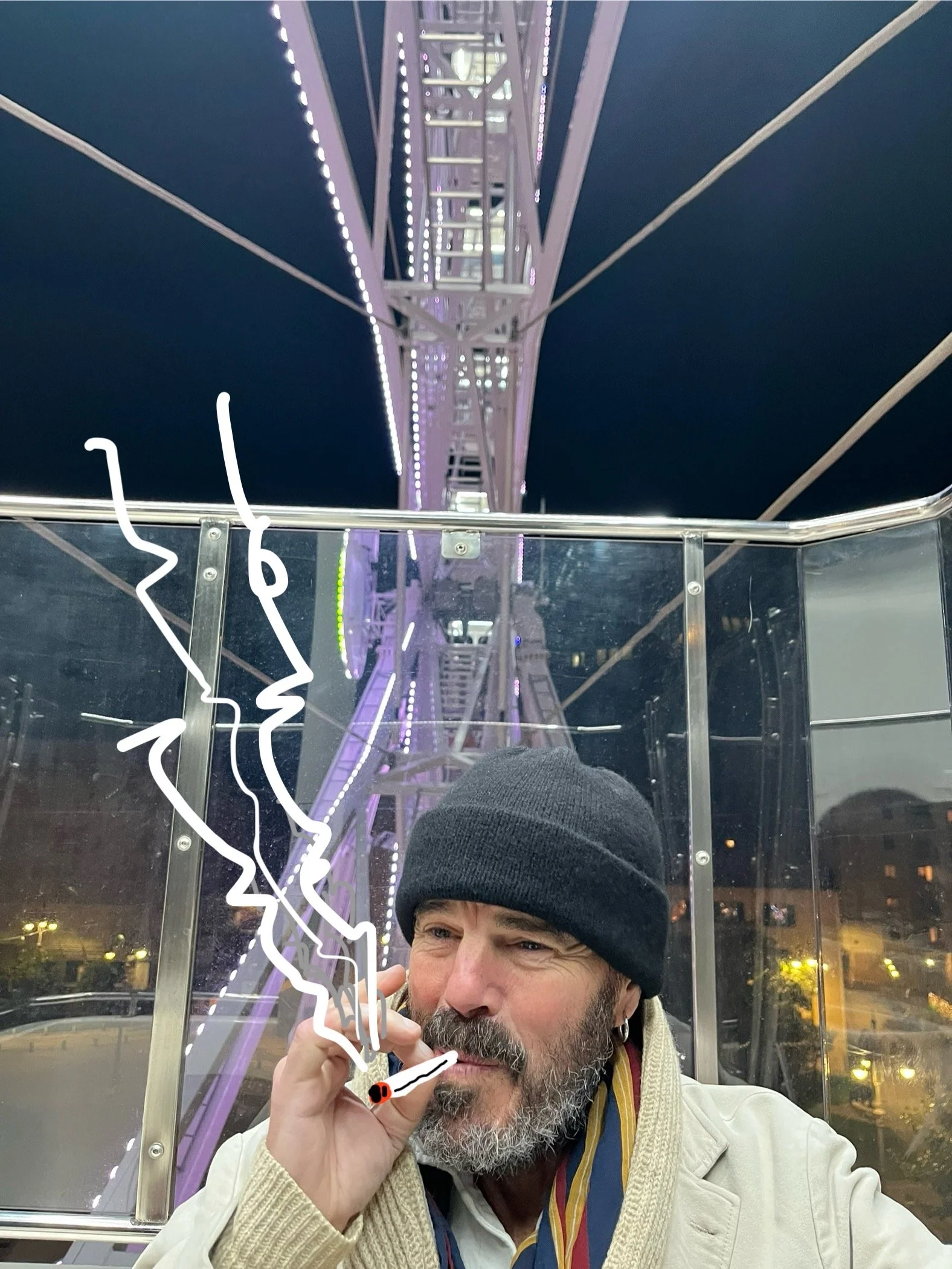
Fumo beat!
La gendarmeria lasciava passare concerti notturni di bongo e uso di stupefacenti, ma le occasionali sparatorie attiravano per forza la loro attenzione.
"Madame purtroppo non possiamo permettere questi giochi di cowboy e indiani."
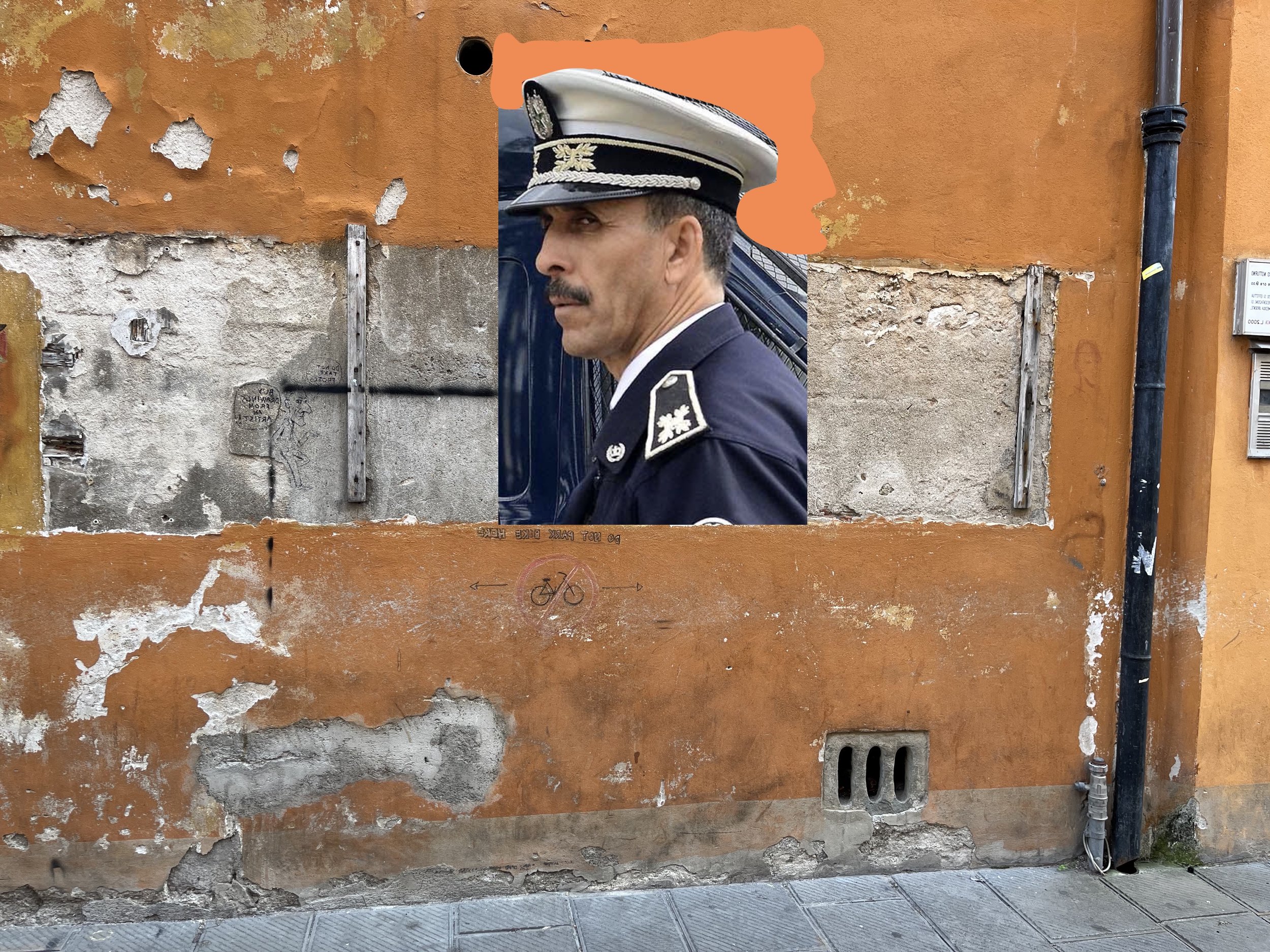
“Il est defendu de faire casinò…”
Gli ospiti avevano i loro pretesti: allucinazioni paranoiche indotte dalla droga, legittima preparazione per quando il governo USA sarebbe venuto a prenderli, le porte d'hotel crivellate di colpi erano arte!
Il decennio finì, e alcune cose cambiarono. I Panthers si diedero all'Islam. I poeti divennero famosi. Sparirono entrambi. Uno dei gruppi si portò dietro il mio compagno. Non so quale, ma non c'è più.
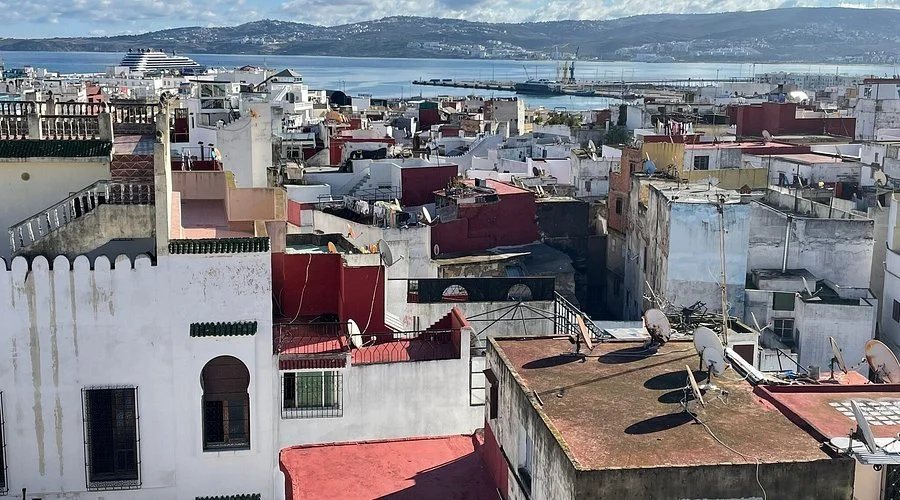
Panorama in solitaria.
Oscar's Secret Compartment by Jay Kiel
January 1948. I was fresh out of Czechoslovakia with a roll of microfilm I’d gotten from a big shot scientist who could see the writing on the wall. I planned to head to the embassy in the morning, but for now I was holed up in my hotel room trying to decompress. All the adrenaline needed an outlet. When Oscar knocked on my door with a bottle of room service Merito, I invited him in for a drink.
"Just a quick one, Mr. Smith. Herr Jozef is riding us hard tonight. It's the weekend, you know."
I looked him up and down as he threw back his drink; lithe, young, a pale cupid in a red bellhop suit and pillbox hat. He loosened his collar when he caught me looking him over.
"Interested in some company, Mr. Smith? I know a couple of friendly frauliens who are in town just now."
I looked him dead in the eye, the rum like fire in my gut. "How much for you, Oscar?"
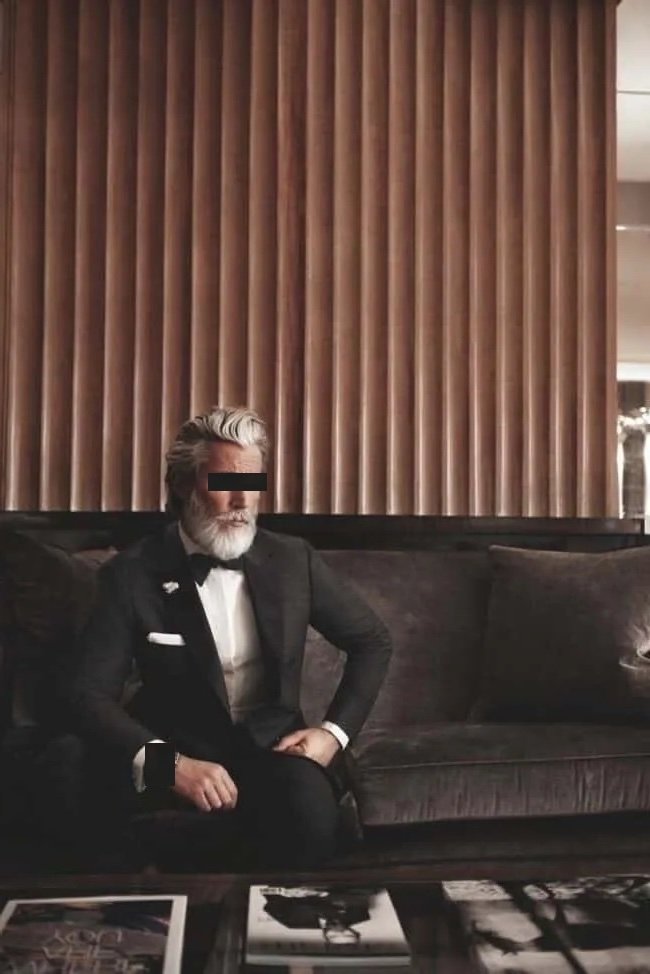
“How much for you?”
His cheeks flushed red like somebody flipped a switch, but I knew I had his number. Men far from home aren't shy about asking for what they want. I wasn't the first and wouldn't be the last. He looked down, bouncing his hand on the arm of the chair saying nothing, then finally held up two fingers. My American accent might mean a big tip. Maybe there would be a little blackmail into the bargain later as well. Why not?
Oscar's eyes popped out of his head when I opened my wallet and tossed him some cold, hard U.S. currency. Greenbacks I kept back just for occasions like this.
"What can I do for you, Mr. Smith?" He said, collecting the bills and standing to remove his cap.
"Leave that on," I said. "I like it. Just pull down your pants and bend over here on my lap."
He lowered his trousers and waddled over to me, placing his body across my legs. I ran my hand over his smooth posterior, and began to turn it red with some gentle slaps. Oscar was kind enough to moan and wriggle against my growing stiffy. I was halfway to heaven when I heard the elevator open down the hall.
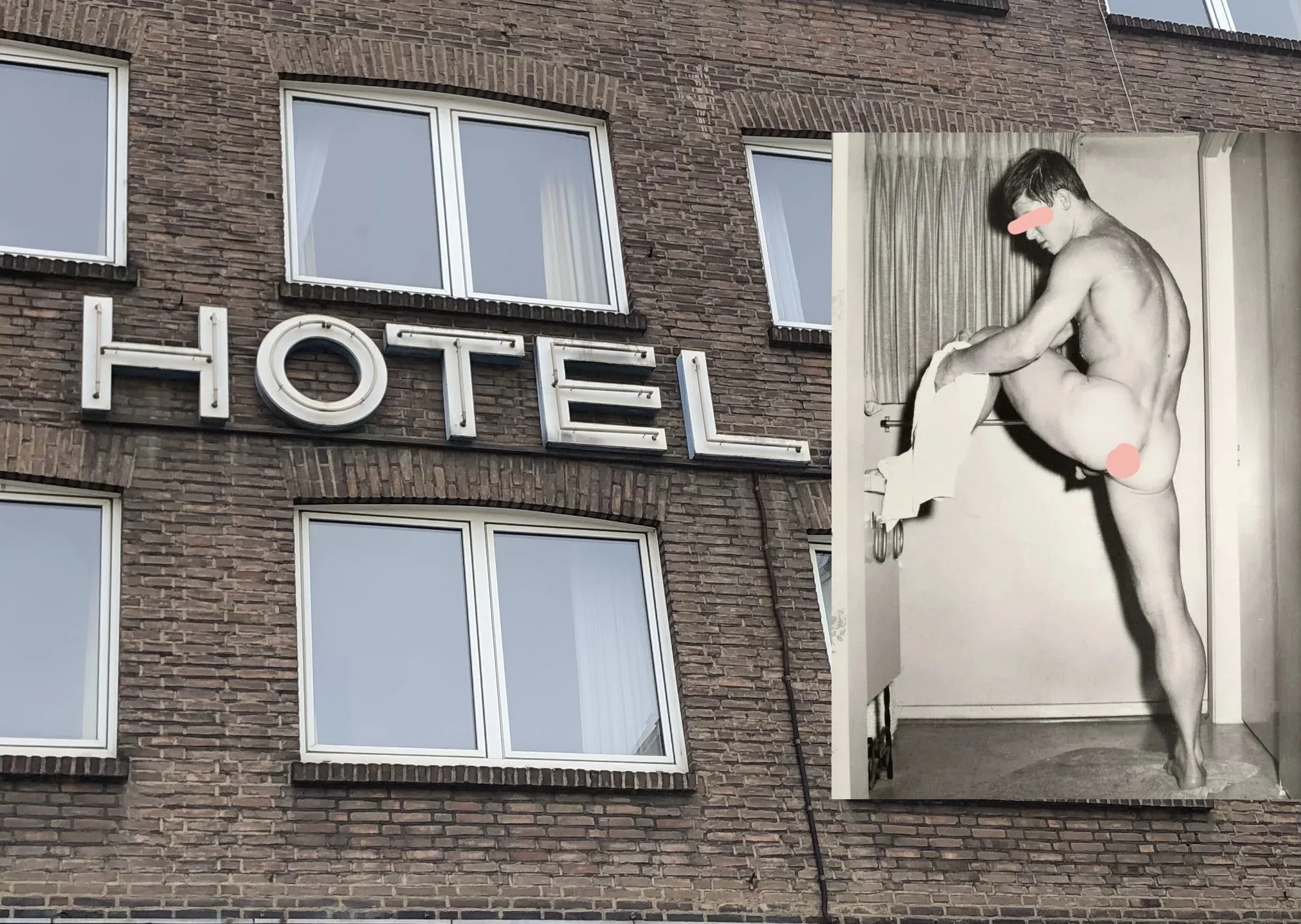
“You can leave your cap on.”
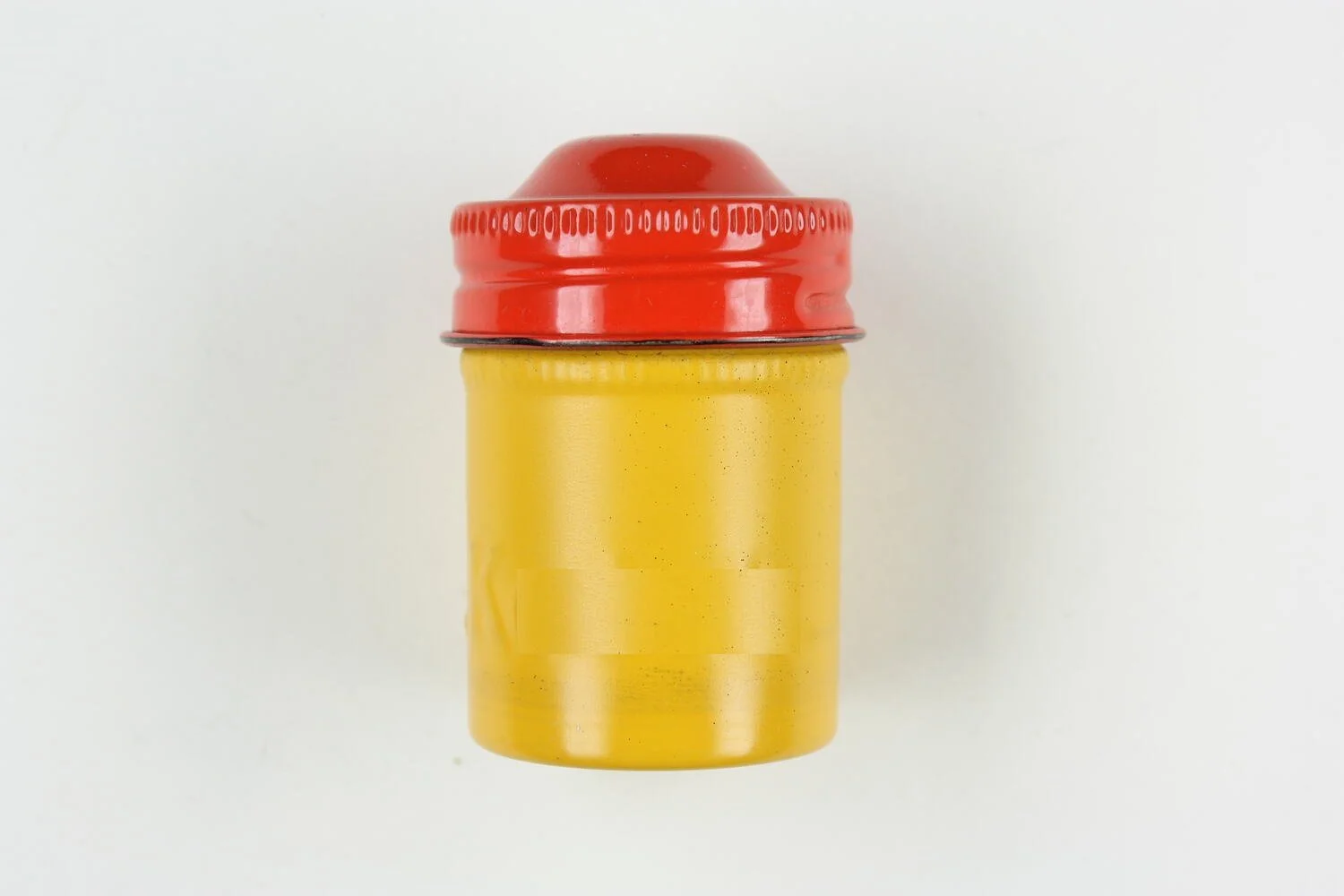
My instincts burned through the booze as heavy footsteps sped towards the door of my room. I took the microfilm from the pocket of my suit, snug in its little metal canister. As the goons outside began to kick at my door I parted Oscar's cheeks and slipped it into his perfect little pucker.
"Get on the floor, son. Behind the bed. And keep that hole tight." He fell to the tattered ruby carpet and struggled to pull up his pants. I grabbed the Browning Hi-Power from my pocket and aimed at the door just as it burst into splinters.
They were ready. Shots rang out from both sides. Oscar's shriek from the corner made Evelyn Ankers sound like a baritone. One man went down but the other got on top of me. Pain burst through my shoulder where I’d been hit. The grim-faced Red tackled me to the floor and punched me senseless.
In a daze, I could feel him search my pockets. Then he got up and turned to ransack the room. The last thing I saw before I lost consciousness was Oscar, hiding under the bed and looking towards me with terror in his eyes. I heard sirens in the distance, then it was lights out.
When I awoke in the hospital next morning, my arm was in a sling. Oscar was standing over me in his street clothes.
"Sir," he said quietly as soon as I had focused my eyes, "all is well. The police arrived in time. I have removed this and washed it."
He held up a small envelope, which bulged with a familiar cylinder.
"You did good, kid," I said, and looked deep into his searching blue eyes. "But I need to ask you for one more favor. I'll see to it that you're well rewarded when I get out of here."
"What is it, sir?"
I watched the nurse leave the ward, then I snuck my free hand out of the bed and grabbed a handful of Oscar's backside. He inhaled sharply.
"I need you to take the hot potato in that envelope to a Mr. John Peterson at my embassy. And don't tell him where its been."
For roundeyes only!
***
Lo scompartimento segreto
di Jay Kiel
Gennaio 1948. Ero appena uscito dalla Cecoslovacchia con un rullino di microfilm che mi aveva dato un importante scienziato che aveva capito come stavano le cose. Avevo programmato di andare all'ambasciata la mattina dopo, ma per ora ero rintanato nella mia stanza d'hotel cercando di rilassarmi. Ero pieno di adrenalina che aveva bisogno di sfogo. Quando Oscar bussò alla mia porta con la bottiglia di Merito che avevo ordinato, lo invitai a entrare per un drink.
"Devo fare veloce, signor Smith. Herr Jozef ci sta dando filo da torcere stasera. È il fine settimana, sa."
Lo squadrai da capo a piedi mentre buttava giù il suo drink; agile, giovane, un cupido pallido in giacca rossa da fattorino e cappello a cilindro. Si allentò il colletto quando mi vide osservarlo.
"Le interessa un po' di compagnia, signor Smith? Conosco un paio di amichevoli signorine che sono in città proprio ora."
Lo guardai dritto negli occhi, il rum come fuoco nelle viscere. "Quanto costi tu, Oscar?"
“Quanto mi costerai?”
Arrossì come se qualcuno avesse premuto un interruttore, ma sapevo di avere azzeccato. Gli uomini lontani da casa non sono timidi nel chiedere ciò che vogliono. Non ero il primo e non sarei stato l'ultimo. Abbassò lo sguardo, facendo rimbalzare la mano sul bracciolo della poltrona senza dire nulla, poi finalmente alzò due dita. Il mio accento americano poteva significare una mancia generosa. Forse più tardi sarebbe stato possibile anche un piccolo ricatto. Perché no?
Gli occhi di Oscar schizzarono dalle orbite quando aprii il portafoglio e gli lanciai della solida valuta statunitense. Dollari che tenevo da parte solo per occasioni come questa.
"Cosa posso fare per lei, signor Smith?" disse, raccogliendo le banconote e alzandosi per togliersi il berretto.
"Lasciati quello", dissi. "Mi piace. Abbassa i pantaloni e piegati qui sulle mie ginocchia."
Si abbassò i pantaloni e si avvicinò barcollando, appoggiandosi sulle mie gambe. Gli accarezzai il sedere liscio e iniziai a farlo arrossire le mele con qualche schiaffo delicato. Oscar fu così gentile da gemere e dimenarsi contro la mia erezione crescente. Ero a metà strada verso il paradiso quando sentii l'ascensore aprirsi in fondo al corridoio.
“Ti puoi lasciare il berretto.”
Il mio istinto mi bruciava attraverso l'alcol mentre dei passi pesanti correvano verso la porta della mia stanza. Presi il microfilm dalla tasca della mia tuta, al sicuro nel suo piccolo contenitore di metallo. Mentre i balordi fuori prendevano a calci la porta, divaricai le natiche di Oscar e glielo infilai nella sua perfetta piccola grinza.
"Scendi a terra, figliolo. Dietro il letto. E tieni stretto quel buco." Cadde sul tappeto rosso rubino a brandelli e si sforzò di tirarsi su i pantaloni. Presi la Browning Hi-Power dalla tasca e mirai alla porta proprio mentre andava in frantumi.
Erano pronti. Spari risuonarono da entrambe le parti. Lo strillo di Oscar dall'angolo fece sembrare Evelyn Ankers un baritono. Vidi un uomo cadere a terra, ma il secondo mi aggredì. Sentii un dolore lancinante alla spalla, dove ero stato colpito. Il Rosso dal volto cupo mi gettò a terra e mi colpì fino a farmi perdere i sensi.
In preda allo stordimento, lo sentii frugare nelle mie tasche. Poi si alzò e si voltò per rovistare nella stanza. L'ultima cosa che vidi prima di perdere conoscenza fu Oscar, nascosto sotto il letto, che mi guardava con il terrore negli occhi. Sentii delle sirene in lontananza, poi si spensero le luci.
Quando mi svegliai in ospedale la mattina dopo, avevo il braccio al collo. Oscar era in piedi sopra di me con i suoi abiti civili.
"Signore", disse a bassa voce non appena misi a fuoco lo sguardo, "va tutto bene. La polizia è arrivata in tempo. Mi sono tolto questo e l'ho lavato.”
Mi porse una busta che conteneva un micro cilindro familiare.
"Hai fatto bene, ragazzo", dissi, guardandolo negli occhi azzurri indagatori. "Ma devo chiederti un altro favore. Farò in modo che tu sia ben ricompensato quando uscirò di qui."
"Cosa devo fare, signore?"
Vidi l'infermiera uscire dal reparto, poi tirai fuori la mano libera dal letto e afferrai il sedere di Oscar. Inspirò bruscamente.
"Porta la patata bollente in quella busta a un certo signor John Peterson della mia ambasciata. E non dirgli dove è stata."
Tales of the Bus Terminal Hotel
Urban legends usually have some slight basis in reality. At the Bus Terminal Hotel, reality is a myth.
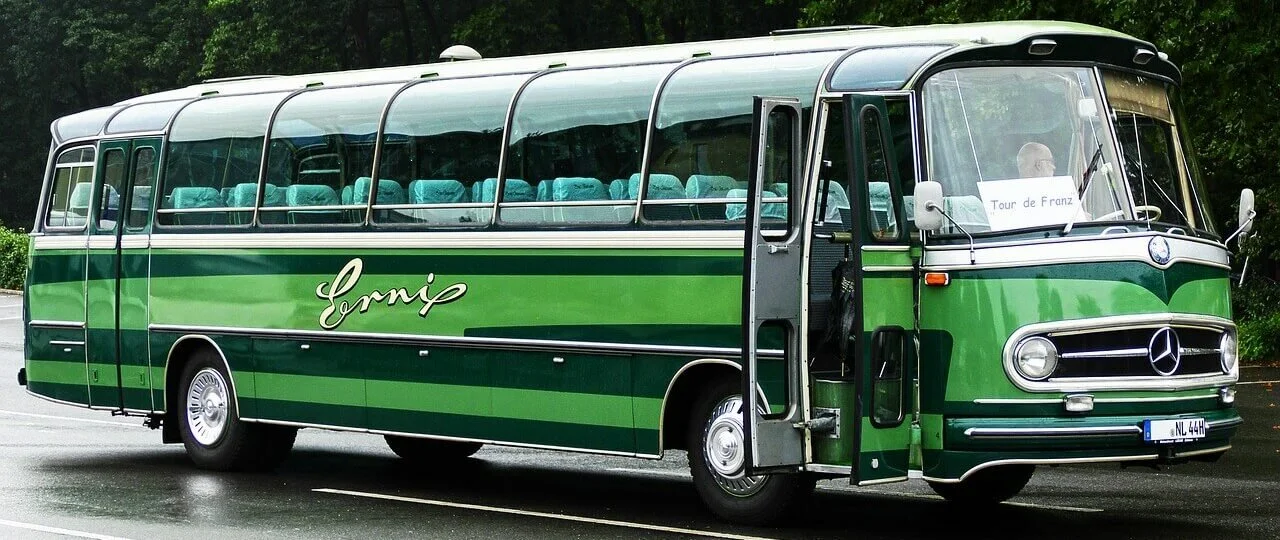
All aboard!
A glamorous blonde movie star insisted on staying here during the production of her final film. The studio hushed up the matter, spread word that the Star had filled her Penthouse Suite with ocelots and circus freaks. "This town's where I was born," the star said, wistfully. "I just wanna feel at home while I'm working. Is that too much to ask?"
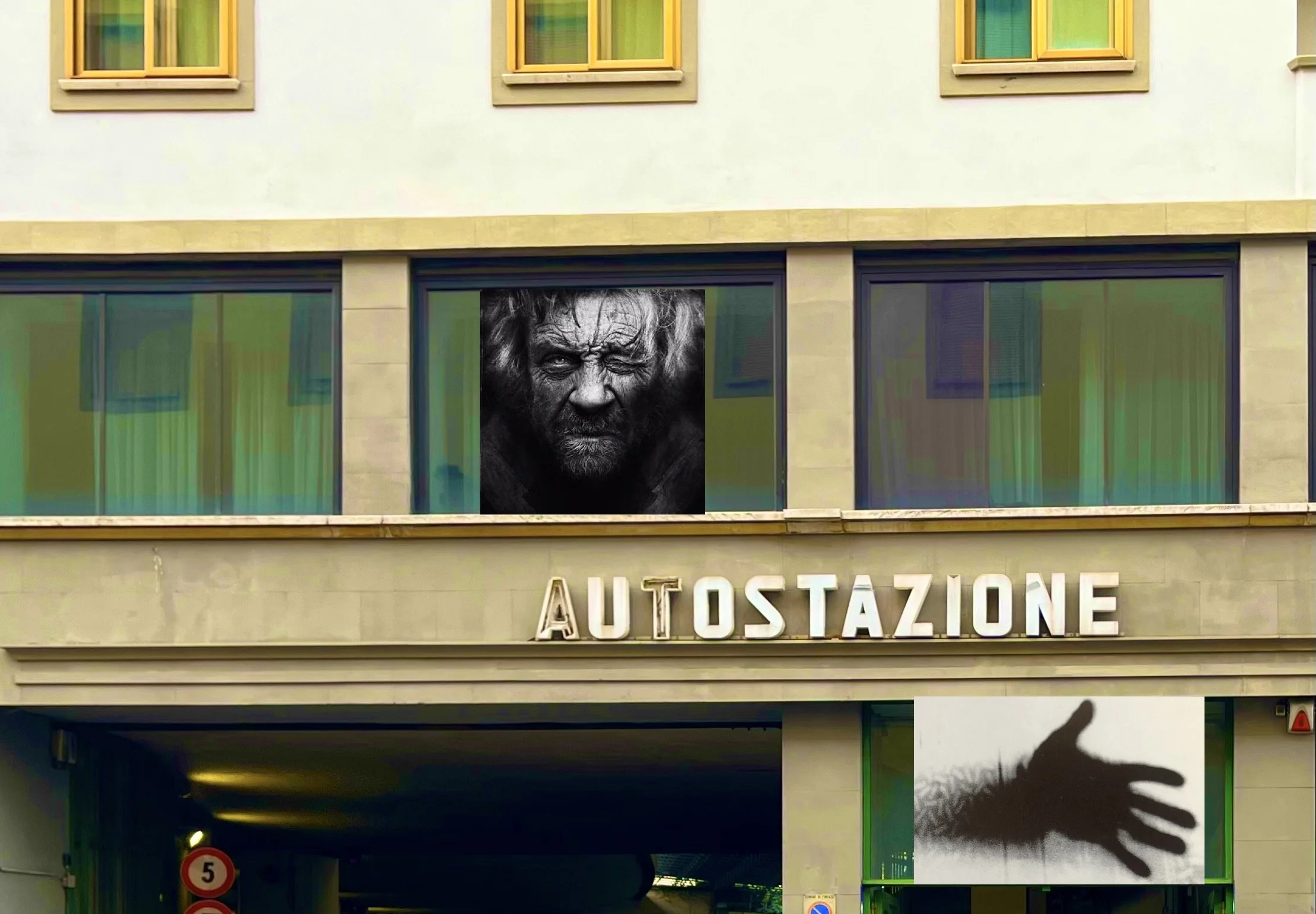
She was found dead in the bathroom down the hall, nude under the shower nozzle which'd never sprayed champagne.
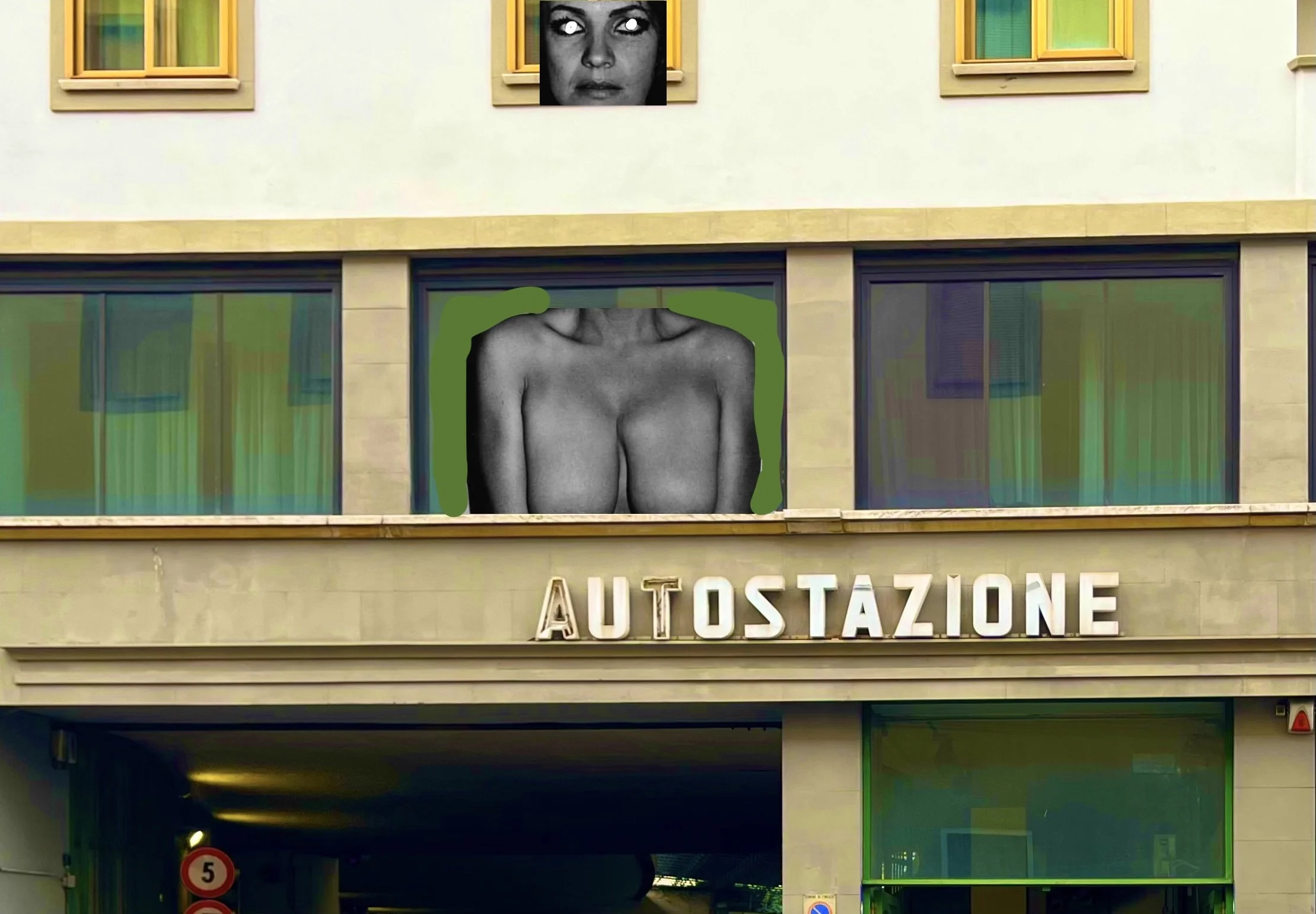
Stars die too.
A jazz genius either fell, jumped, or was hurled from the window of his single room on the second floor. "Since I was the last person to see him alive," claimed a neighborhood purveyor of Schedule A stimulants, "there musta been dope involved."
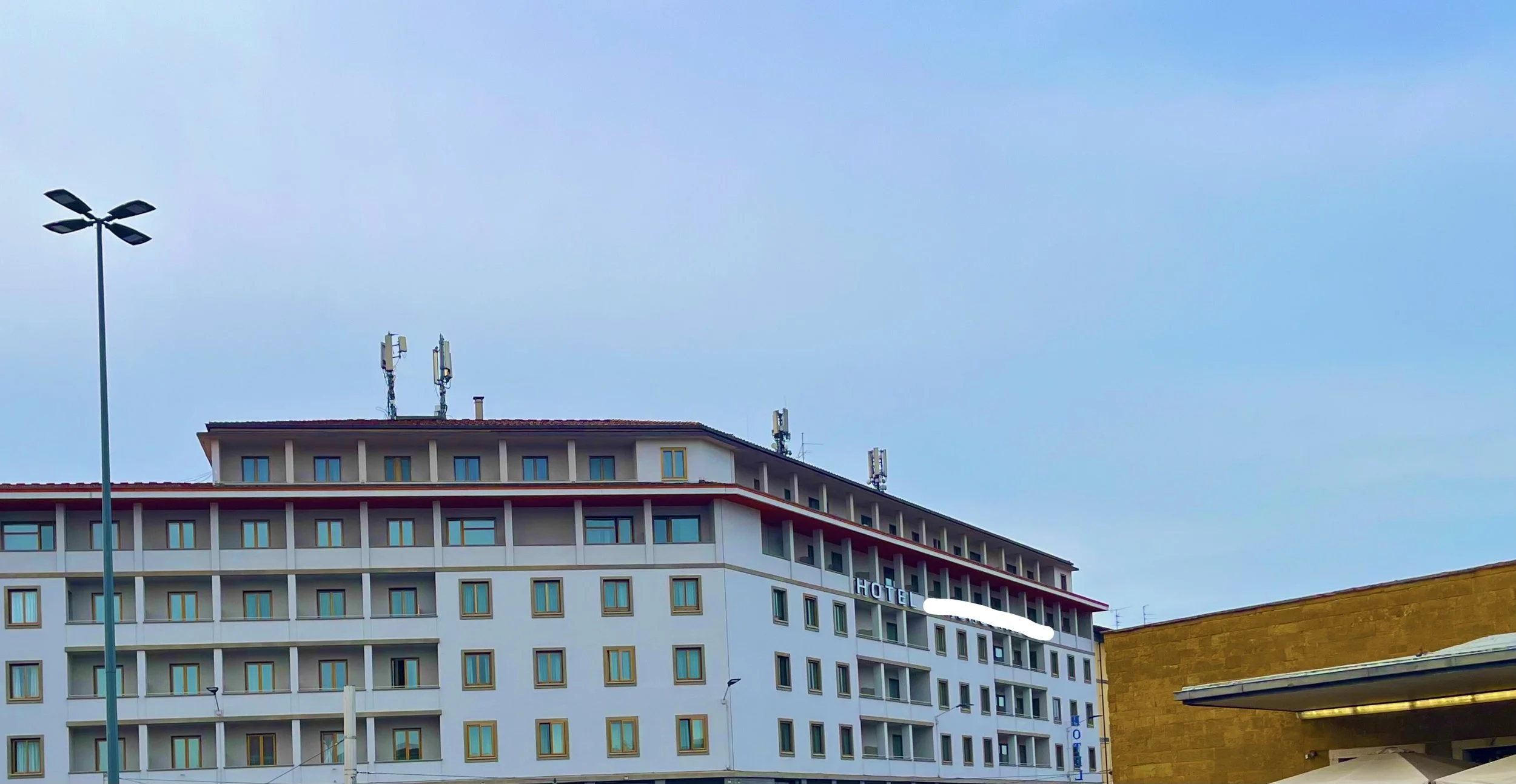
So much dope. so many dopes involved, everywhere, every day.
The Bus Terminal Hotel has an elevator, despite its two-floor policy. The thing works, but no one ever rides in it. Not even guests with heavy luggage (no bellboys). The elevator is haunted, by the unhappy spirit of a guest who had come to town only to be spurned one time too many times by people he'd "met" on encounter sites. Stuffed his/her/their head in between the sliding doors somehow, and pushed the "UP" button. The cabin's neon tube goes from sickly greenish yellow to arterial blood red whenever someone steps in. Guests step out again, take the stairs. The stairs are haunted, too.
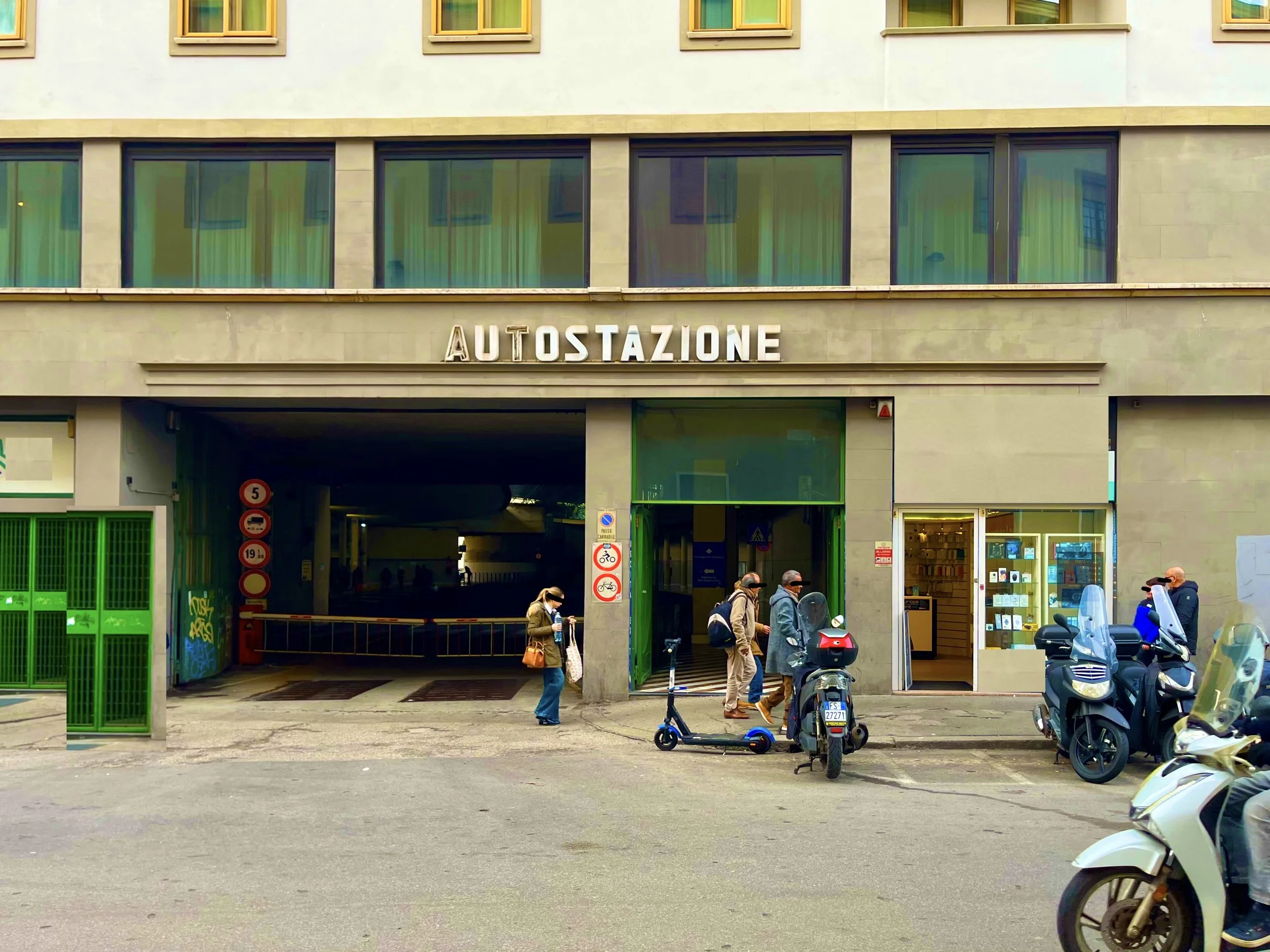
Fools bus in.
A ground floor suite is reserved for impecunious persons or clandestine couples just off the buses who sneak in for bummed zzzz's or furtive sex before their aimless wanderings resume. No one's ever collected money for these unregistered occupations.
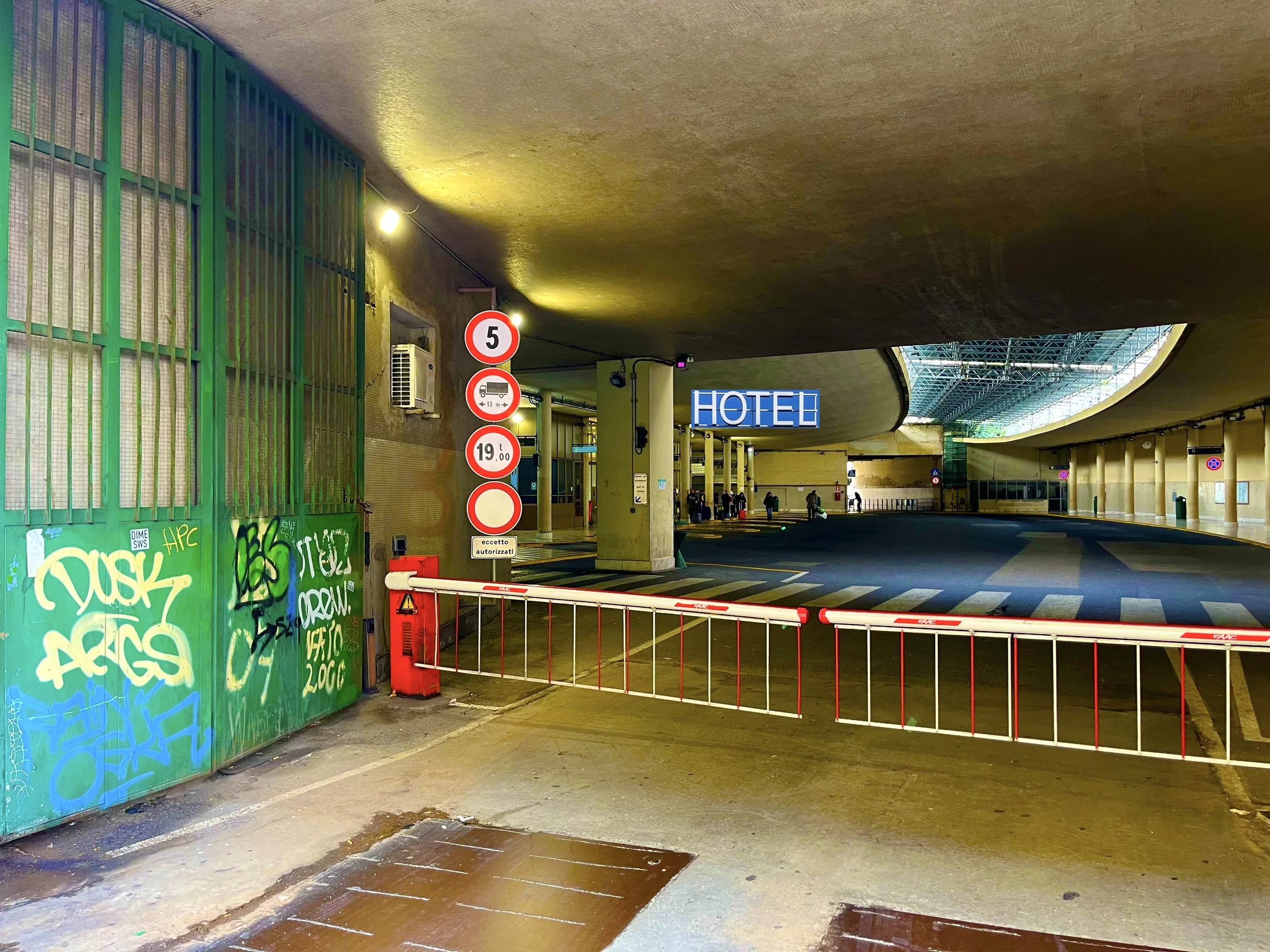
This is what a love hotel looks like, in the light of day.
The exhaust-choked Terminal Area is the largest, smokiest hotel lobby in the world.
No smoking, except the buses.
***
Storie dell'Hotel Autostazione
Le leggende urbane di solito hanno una base nella realtà. All'Hotel Autostazione la realtà è un mito.

Tutti a bordo! Tutti!
Una bionda stella del cinema ha insistito per soggiornare qui durante le riprese del suo ultimo film. Lo studio cinematografica impose il silenzio stampa al fatto, sparse voce che la Divina aveva riempito la Penthouse Suite di giaguari e nani del circo. "Sono nata in questa città," disse lei, malinconica. "Voglio solo sentirmi a casa mentre sto lavorando. Sto chiedendo troppo?"
La star è rinvenuta cadavere nel bagno in fondo al corridoio. La doccia non spruzzava champagne.
Pure le stelle si spengono.
Un genio del jazz cadde, saltò o fu buttato dalla finestra della sua camera singola al primo piano. "Visto che sono l'ultima persona ad averlo visto," sostenne uno spacciatore del quartiere, "probabilmente era coinvolta la droga."
La droga c’entra sempre. Dipende solo quale.
L'Hotel Autostazione dispone di un ascensore, malgrado sia a soli due livelli. Funziona, ma nessuno lo utilizza. Nemmeno ospiti con bagagli pesanti (niente facchini). L'ascensore è infestato dall'infelice spirito di un ospite che era venuto troppo spesso in città solo per essere respinto da persone "conosciute" su siti d’incontri. Ha conficcato in qualche modo la testa fra le porte scorrevoli e ha pigiato il bottone. Il neon della cabina cangia da un tristo giallognolo a rosa sangue quando sale a bordo qualcuno. Gli ospiti prendono le scale. Anche le scale sono possedute.
Un profilo sinistro.
Una suite a pianterreno è riservata a persone o coppie appena scese dalle corriere per scroccare un pisolino o un furtivo amplesso prima di continuare i loro peregrinaggi senza meta né scopo. Nessuno ha mai incassato soldi per queste occupazioni clandestine.
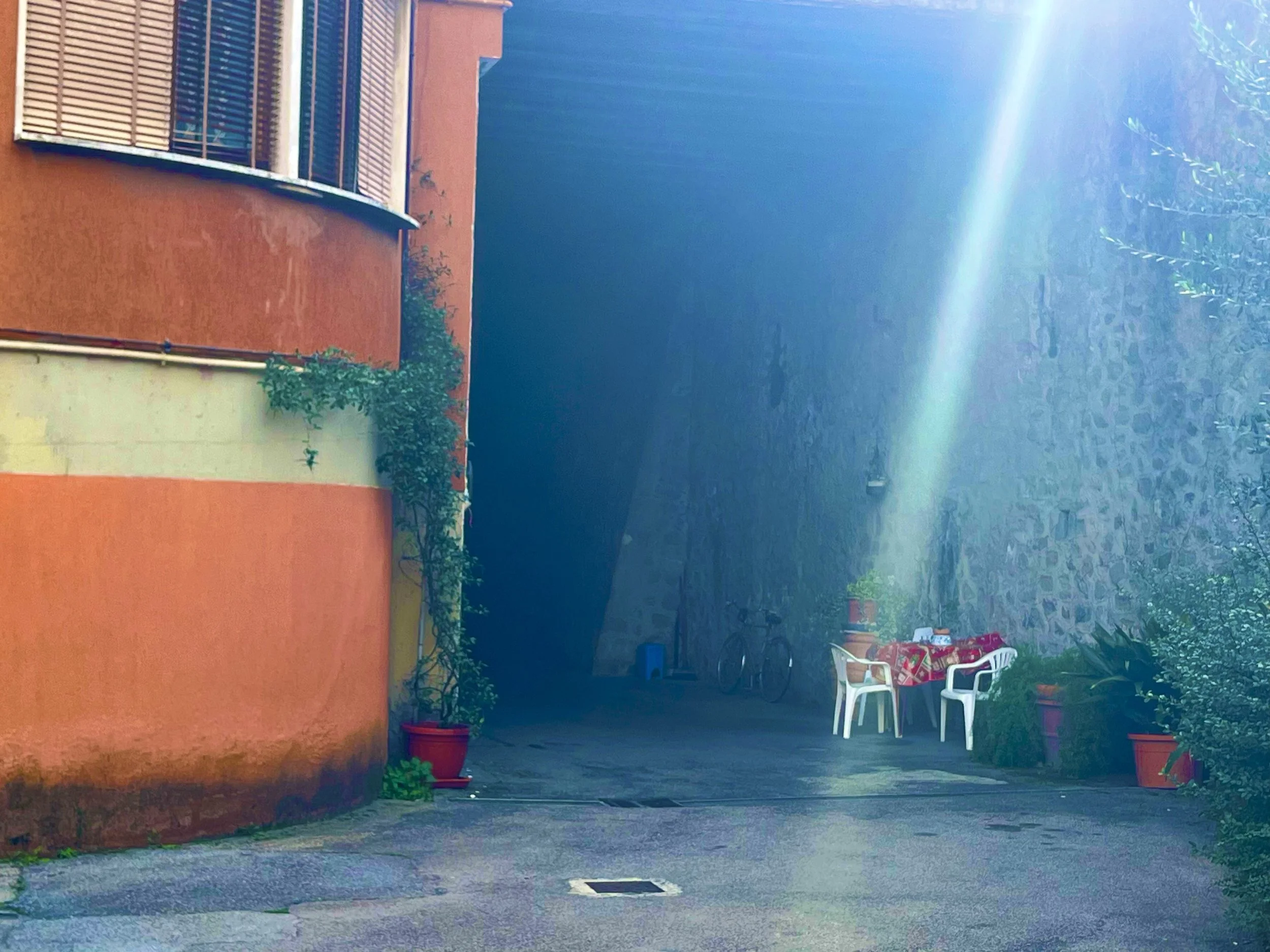
Intimità in un luogo pubblico.
La zona arrivi e partenze intasata da sgassate e polveri sottili dell'autostazione costituisce la più grande e fumosa hall d'albergo al mondo.
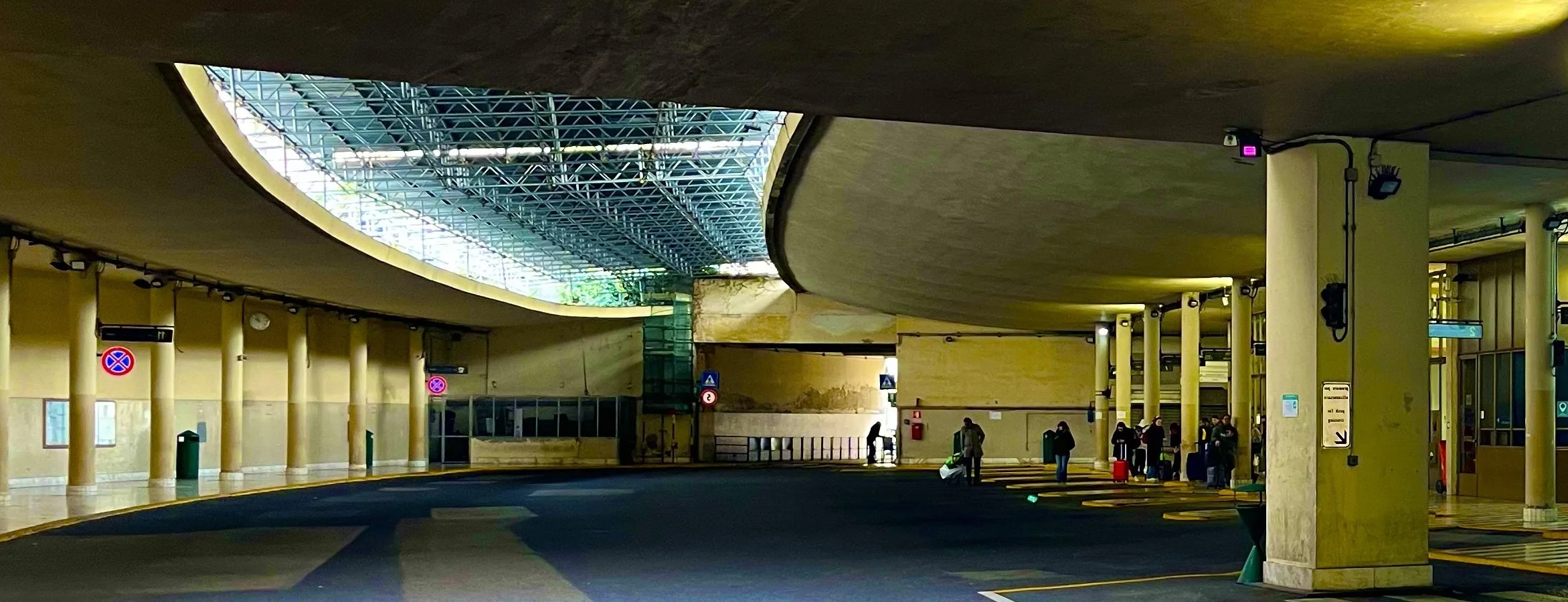
Strani primati…
Nursemaid Service
Billionaires didn't get that way by accident. They've figured out stuff that the average human being hasn't. Money can't buy love, but it can pay for super-luxurious hotel suites in the world's most glam-tabulous pleasure spots. Bigger automobiles, flashier clothes? Check. Tastier grub? You wouldn't believe it. But rich foods, champagne and cocaine hangovers age the skin, harden the arteries, inhibit sexual function, shorten lifespan.
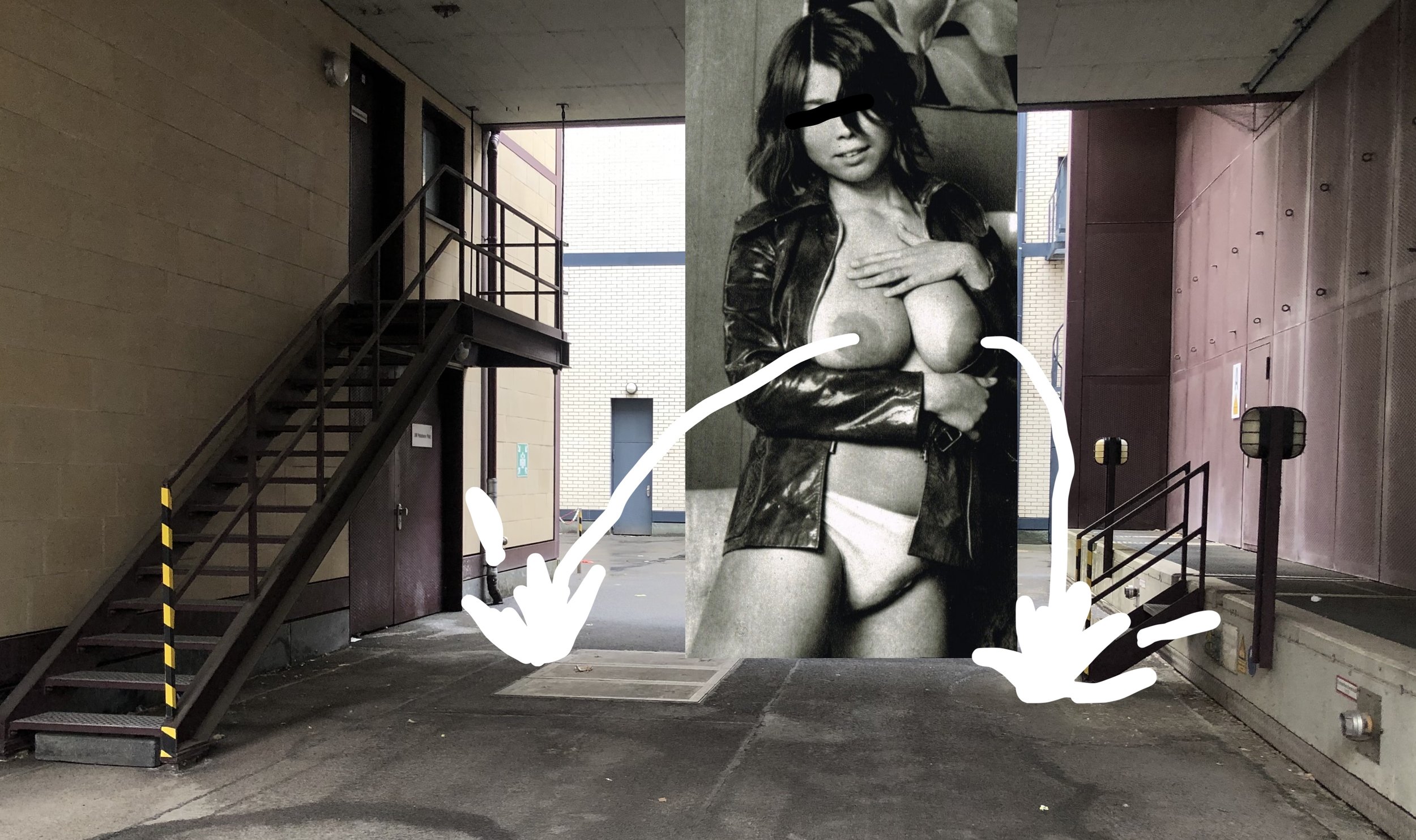
It’s good and healthy!
Naturally, billionaires want their iconic lifestyles to last longer than TAHB's. So they've revived a scientifically unproven way to set back the clock. Feel old? Dial the concierge to request Nursemaid Service.
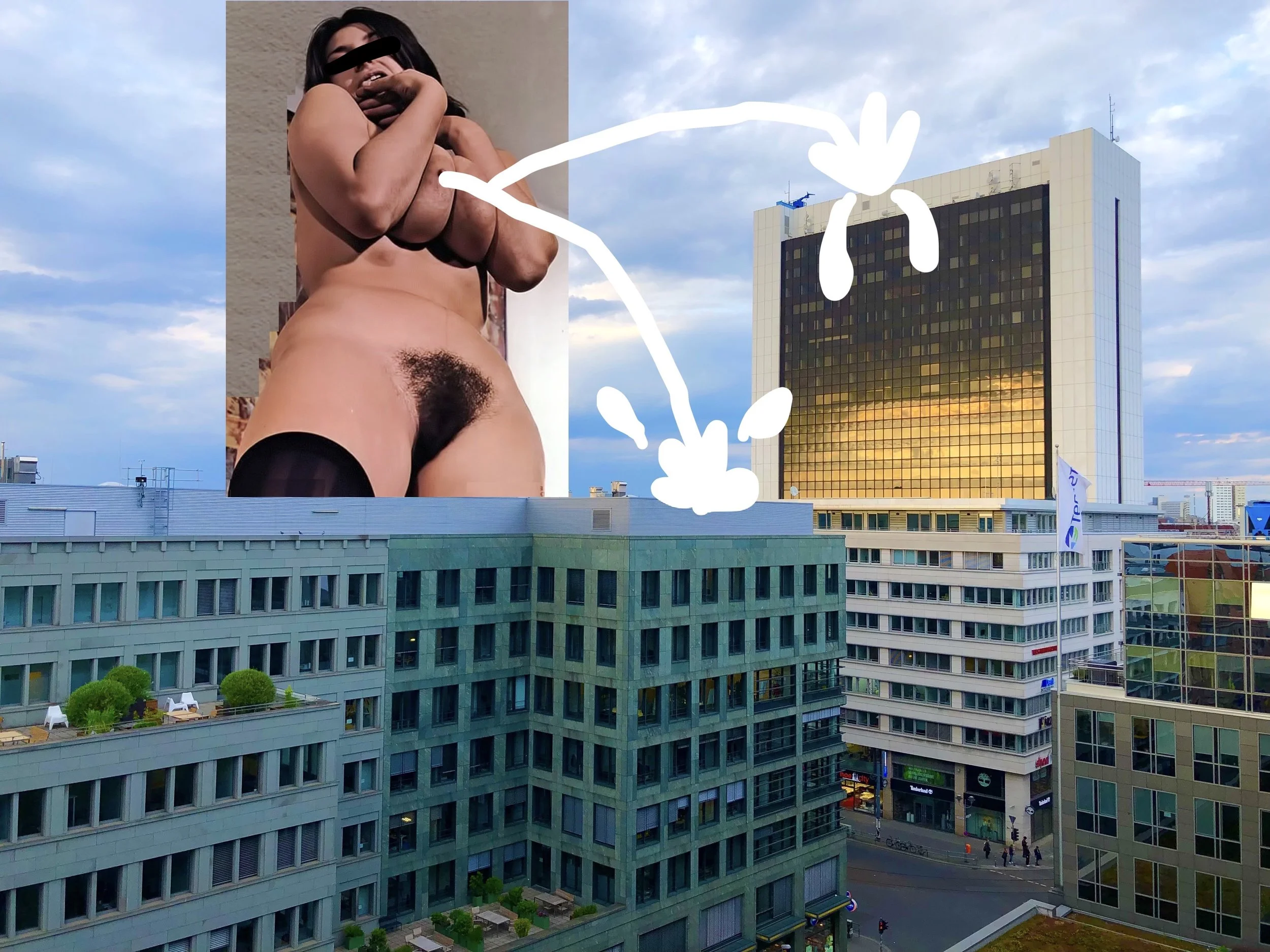
Straight from the paps! Uh, taps.
An enterprising woman will show up at your Suite, ready to earn some cash and do a bit of smart-working while you, the billionaire guest, suck the sweet, sweet pap of youth straight from the source.
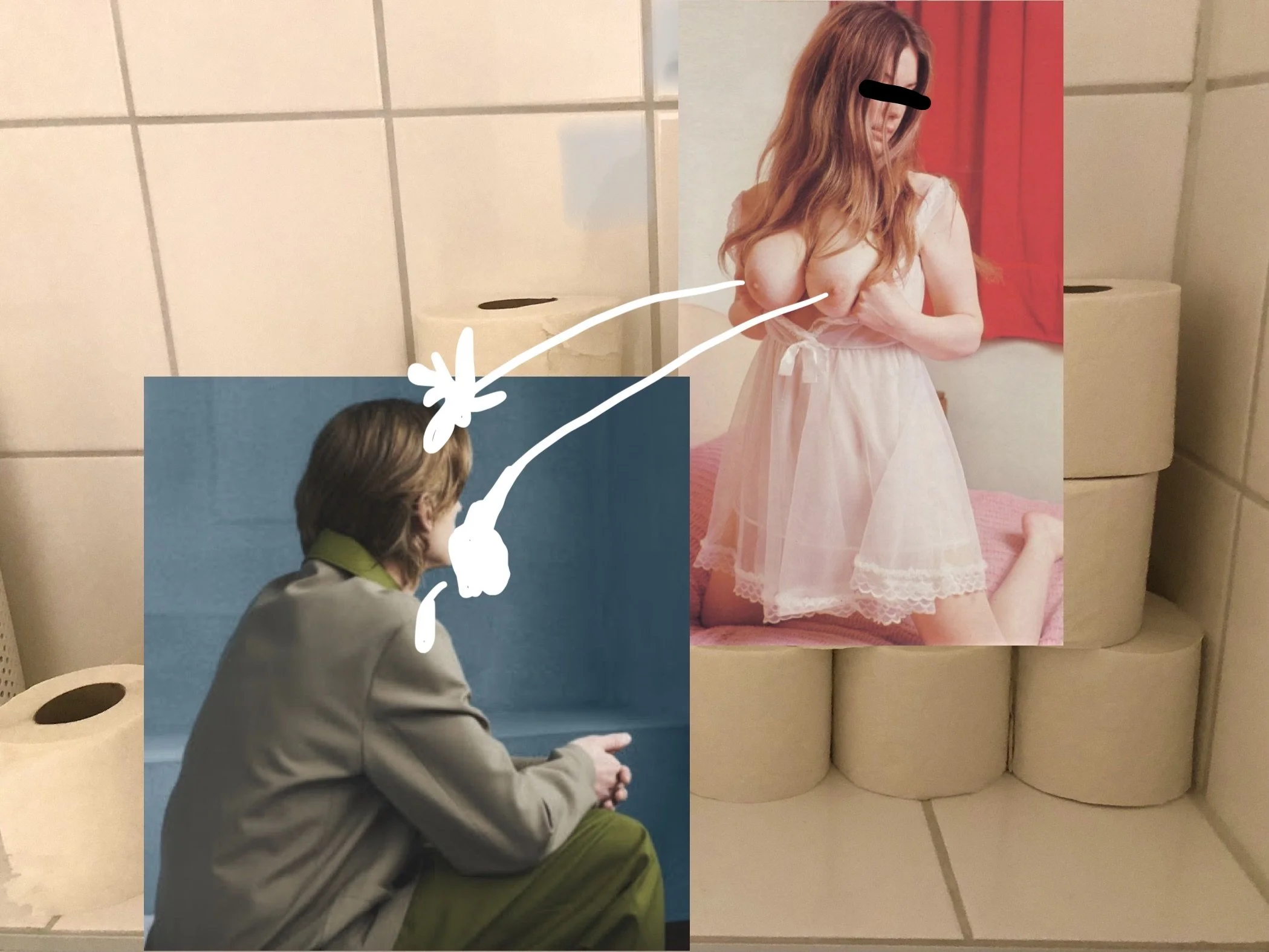
A young billionaire gets a faceful. Youth is easier to maintain than regain.
"Beats the hell out of telemarketing," says a NY-based Nursemaid lactician. "And thanks to modern genetics, I'm a 10-gallon-a-day professional."
"Quality counts as much as quantity, in the Nursemaid biz," counters a colleague from NJ. "My mom-juice is quite vanilla-creamy. Sure, I've had a taste. Don't cost me nothin'."
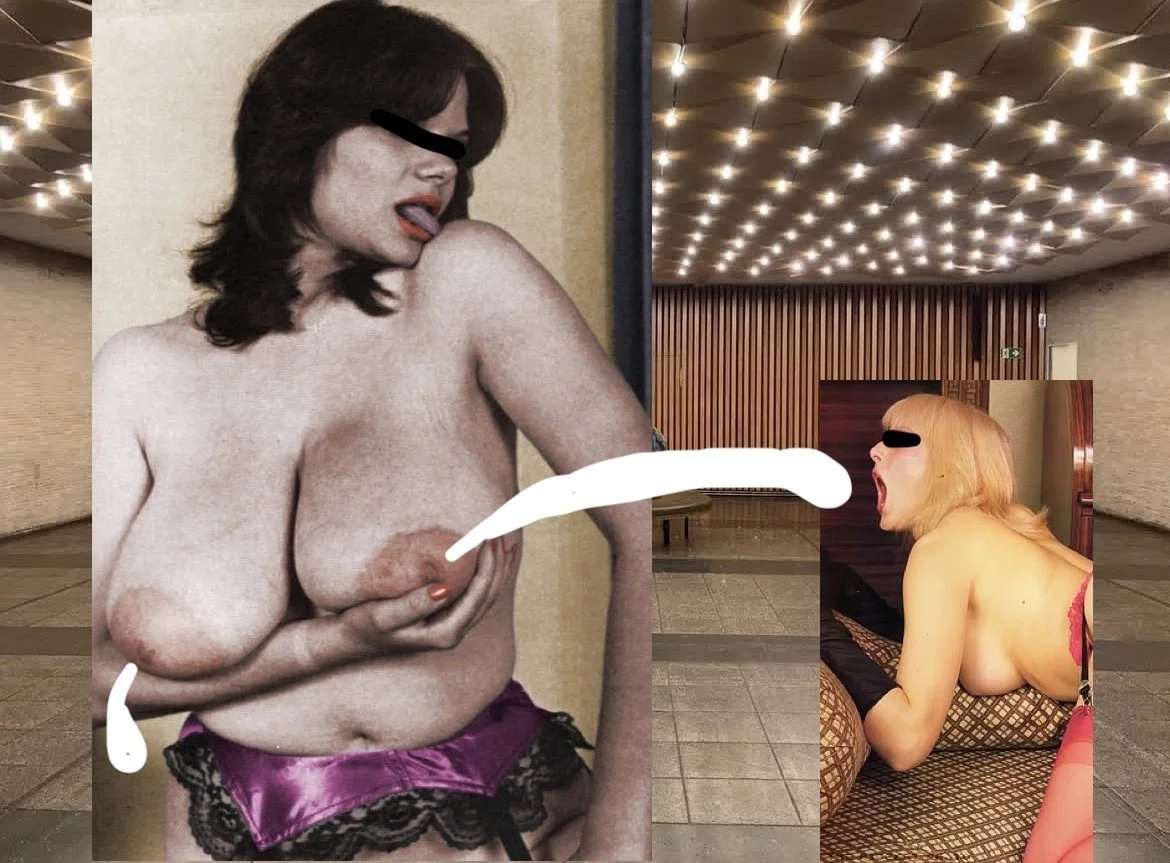
Good for the rich ladies, too!
But what about the hungry little children?
"Haven't had any complaints. Maybe ‘cuz they can't talk yet."
“Ha ha! Faker!”
***
In balìa delle bàlie
Non per caso i miliardari sono così ricchi. Hanno capito cose che il comune essere umano non capirà mai. Il denaro non compra amore, ma può pagare lussuose Suite d'hotel nei resort più glamour del pianeta.
Automobili più fighe, vestiti più favolosi? Certo. Cibo migliore? Non ci crederesti.
Skizz! Il primo sorso va per terra.
Ma prelibatezze pesanti, eccessi di champagne e cocaina invecchiano la pelle, induriscono le arterie, inibiscono le funzioni sessuali e accorciano la vita.
Naturalmente i miliardari vogliono che i loro iconici lifestyle durino il più a lungo possibile. Quindi hanno rianimato un metodo poco scientifico per rallentare il tempo. Si fanno sentire gli anni dopo la serata di gran galà? Telefona giù al concierge per prenotare il servizio balia nutrice.
Un nababbo apprezza ciò che offre la Na-Mamma.
Una prestante professionista si presenterà alla vostra Suite, pronta per guadagnarsi soldi in contanti magari facendo anche un po' di smartworking mentre tu, miliardario, ti abbeveri della pappa rivitalizzante fresca dalla calda sorgente.
Guarisce l’incipiente calvizie? Tentar non nuoce.
"Meglio del Call Center di sicuro," sostiene una balia della Bassa Padana. "E grazie alla genetica moderna, secreto dieci litri al dì."
"La qualità vale quanto la quantità, in questo mestiere," dice una sua collega del meridione. "Il mio succo materno sa di crema di vaniglia. L'ho assaggiato sì. A me non costa niente."
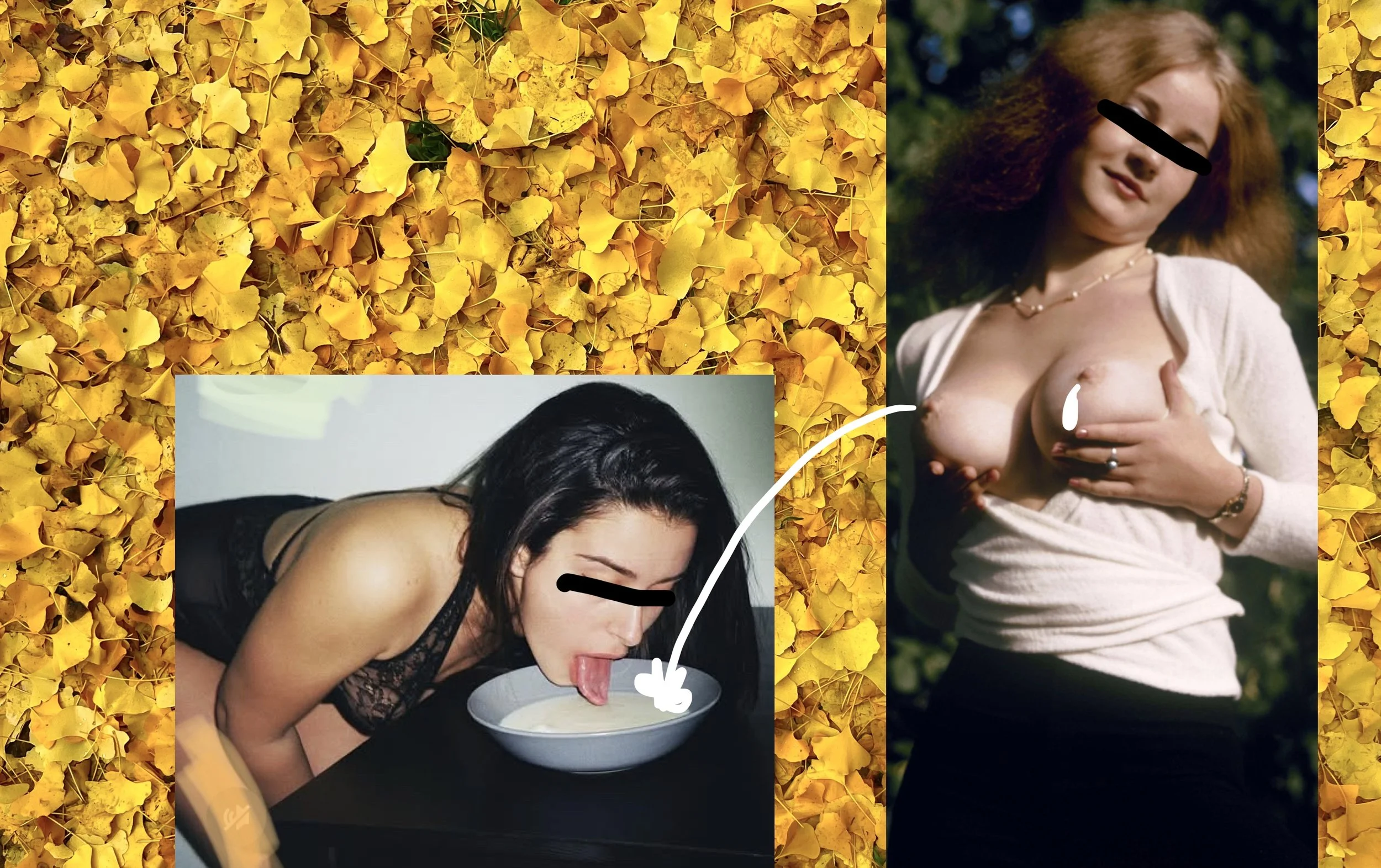
Chi vuole assaggiare?
Ma... i bambini affamati?
"Non si lamentano. Sarà perché non sanno ancora parlare."
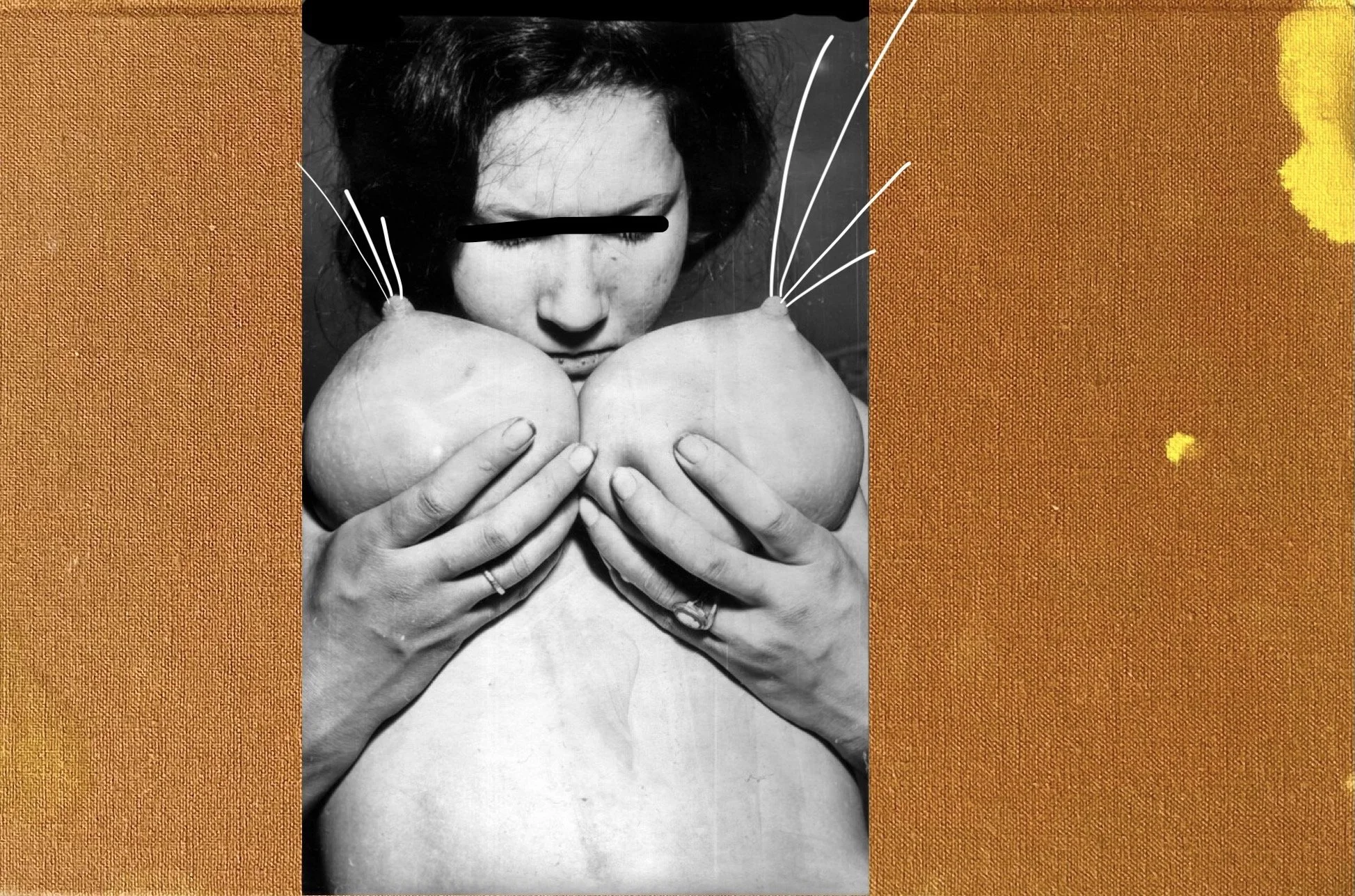
Ai pargoletti spettano gli avanzi?
Hotel 1963
A colleague writes from North Africa:
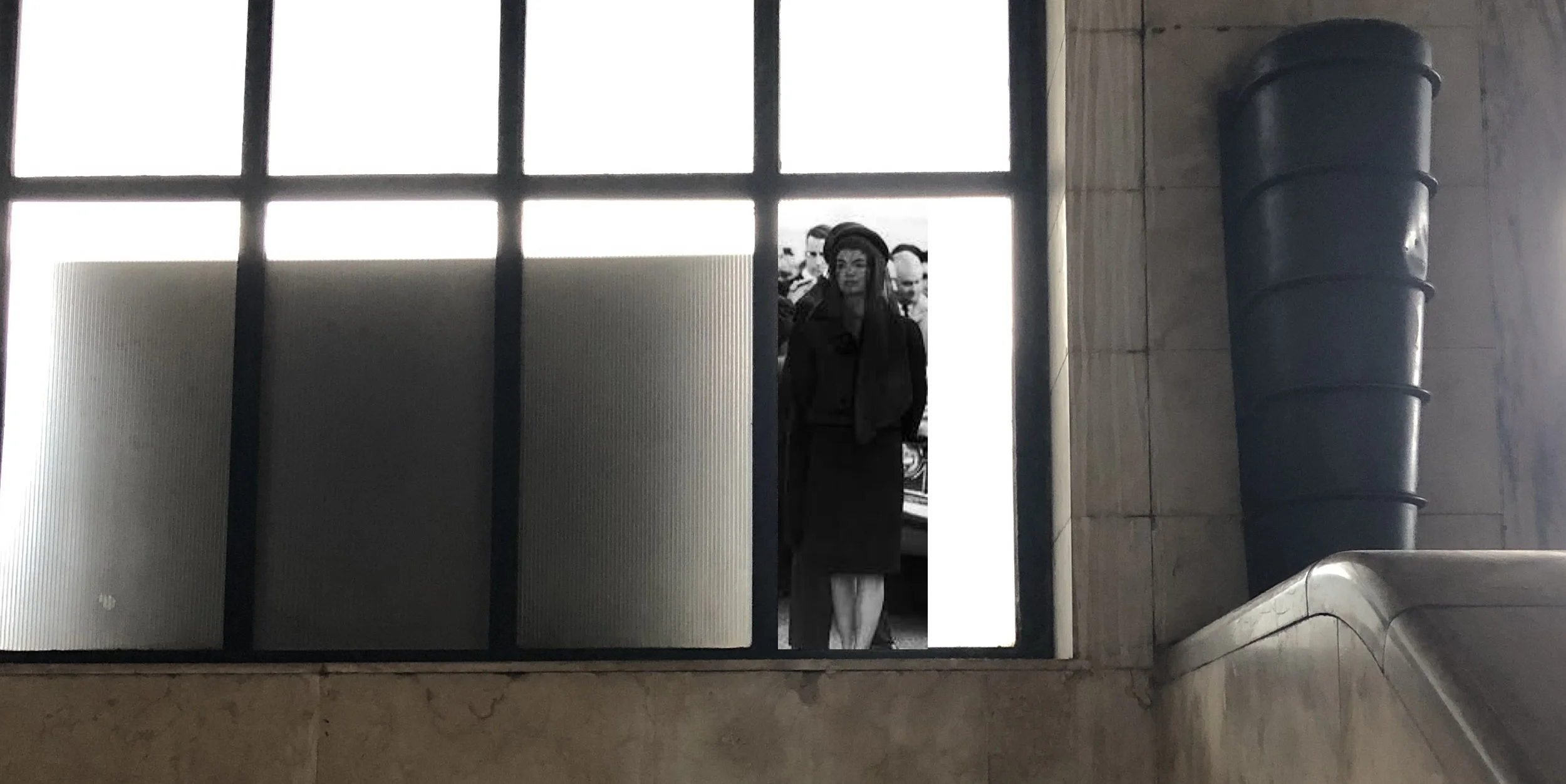
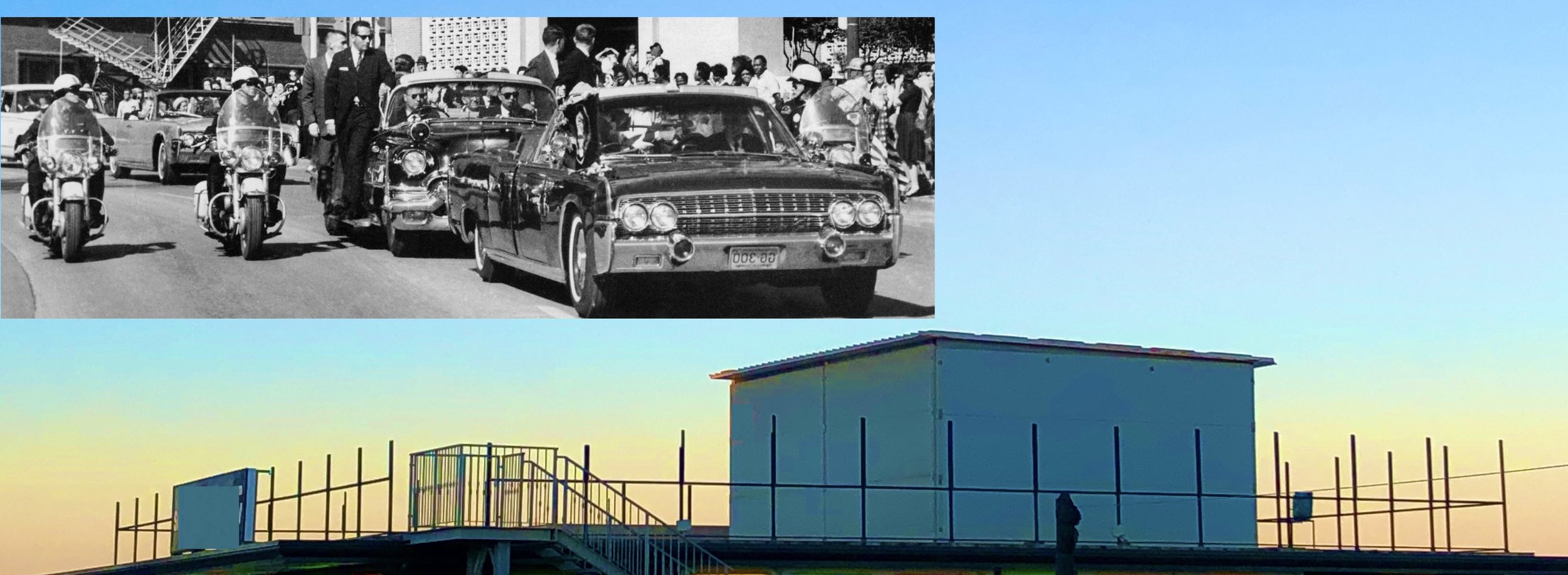
The world collapsed with the news from Dallas. My husband had left me, and I'd been dismissed from my job at the Public Library. For inappropriate behaviour, in case you're curious. The ugly headlines, the bloody scene on TV and the despair in the voices on the radio did the rest.
Everything was wrong, the war, a country full of humans with murder in their hearts and guns in their hands, and especially me.
There was nothing to keep me in town. My husband had taken off with our car. So I got on a bus.
The driver realized I'd traveled way beyond my ticket and put me off in a former industrial town south of Chicago. The place looked so run-down, it must've felt the same way I did.
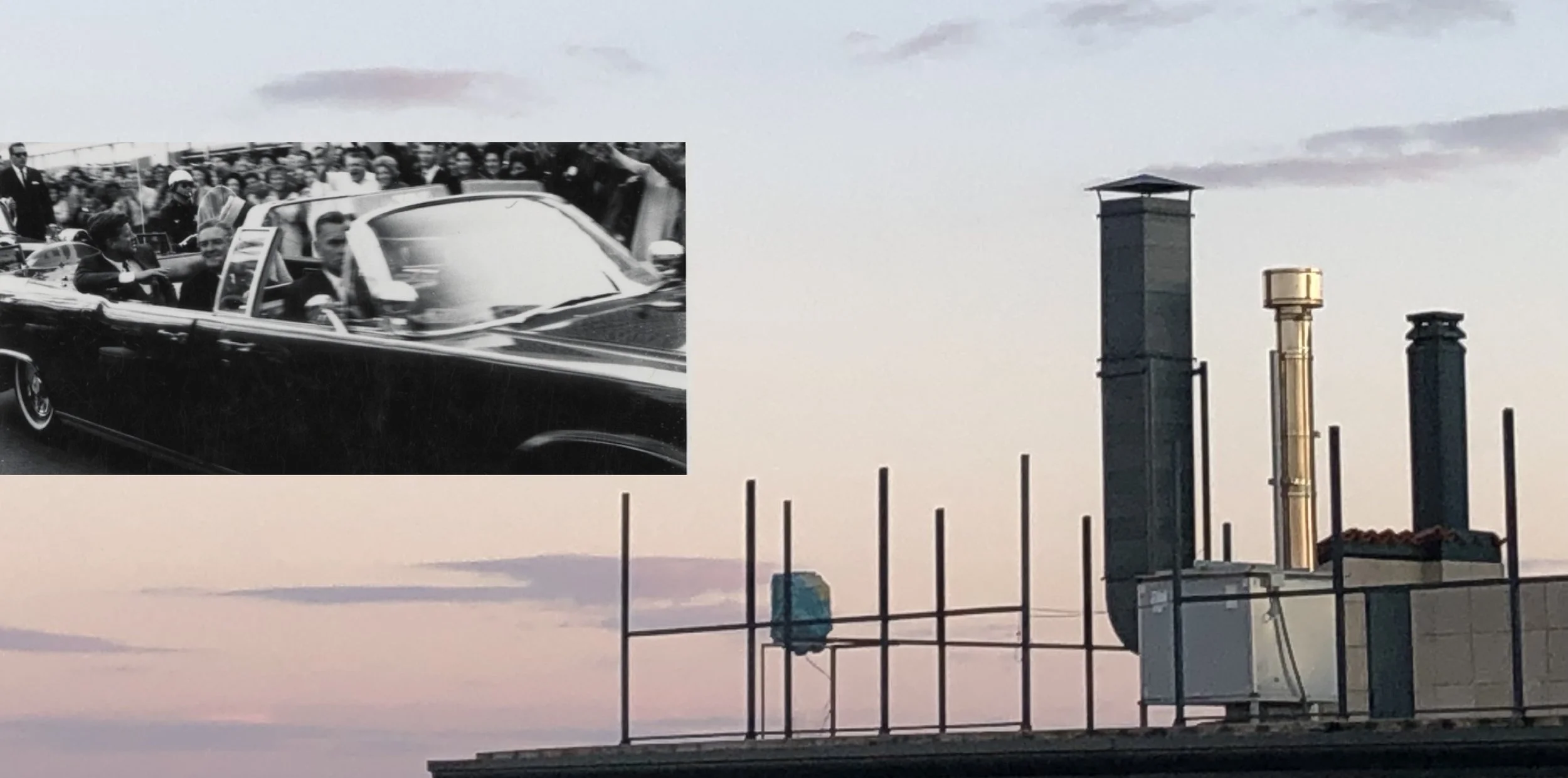
America, headed in the wrong direction.
The neighborhood around the bus station was no place for a lone female to wander around. It was still too dark to see For Rent and Help Wanted signs, so I ducked into a hotel. The young man behind the cruddy Reception Desk had his face in an engineering textbook. He wasn’t reading, though. After a while I said hi.
He started. "Sorry, ma'am. Can I help you?"
He was lost, too. Stuck in a dreary job in a doom burg, studying for an unlikely ticket outta there. Made me feel a tiny bit stronger.
"Listen, I'm in trouble, I'm really tired and I don't have any money. I'll be gone soon as it's light out."
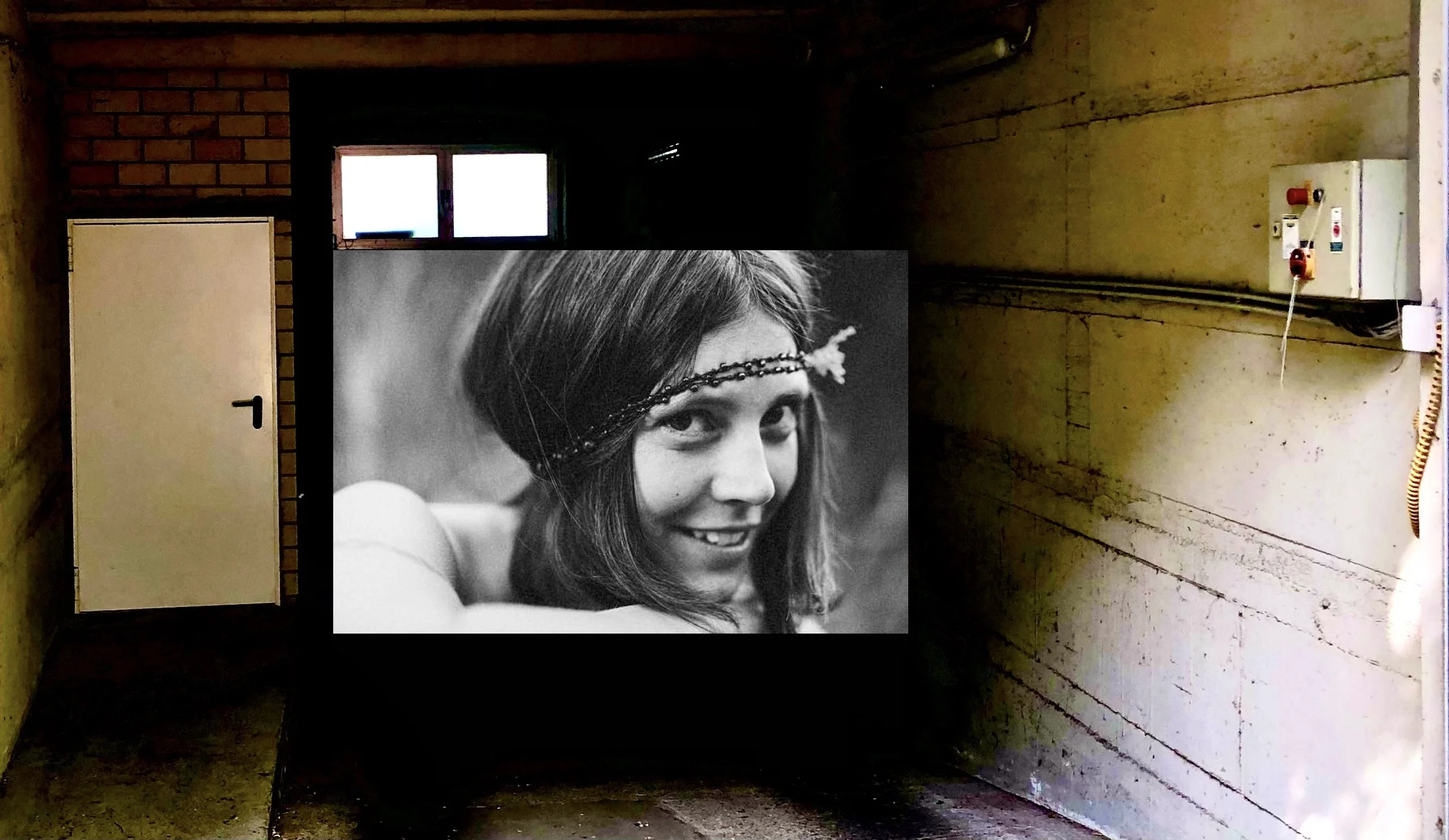
“Please lemme get some rest and I’ll vanish with the dawn.”
"There's a cot in there," he said, and pointed a thumb at a door behind him.
The light'd burnt out and it was awful warm in that little prison cell. I started up a long weeping howl, like that poem.
The night clerk cracked the door, let in a blade of light. "Everything all right?"
Nothing was, but I said yeah. Didn't want to interrupt his studies any more than I already had.
"Listen lady," he went on, "I don't know you and you don't know me, but I've had enough. There's probably half a grand cash in the safe in the office, and I saw the combination on a slip of paper on the boss' desk when he told me to clean up before I punched in this evening. Janitorial's not in my job description, and I'm sick of this job, this town, everything. I'm gonna flunk outta college and they're gonna draft me into the Army and send me to Vietnam. So here's the plan: I'm gonna steal that money, take a train to New York and get work on a tramp steamer bound for Morocco. You wanna come along?"
As it turned out, there was nearly five grand in the safe.
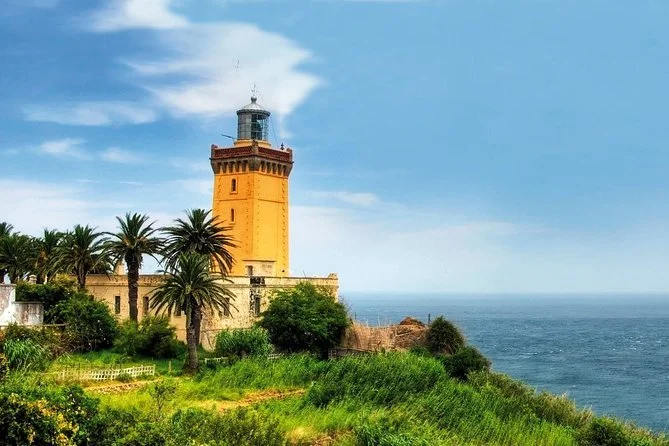
A view of the Blue City
Buildings were going cheap, in Tangier. We bought an old hotel, since he sorta knew the business. Other draft dodgers came to stay, followed by Beat poets and their hangers-on. The whole place always smelled of hashish, but I didn't mind it, back then.
Any regrets? Nope. Do it again? You bet.
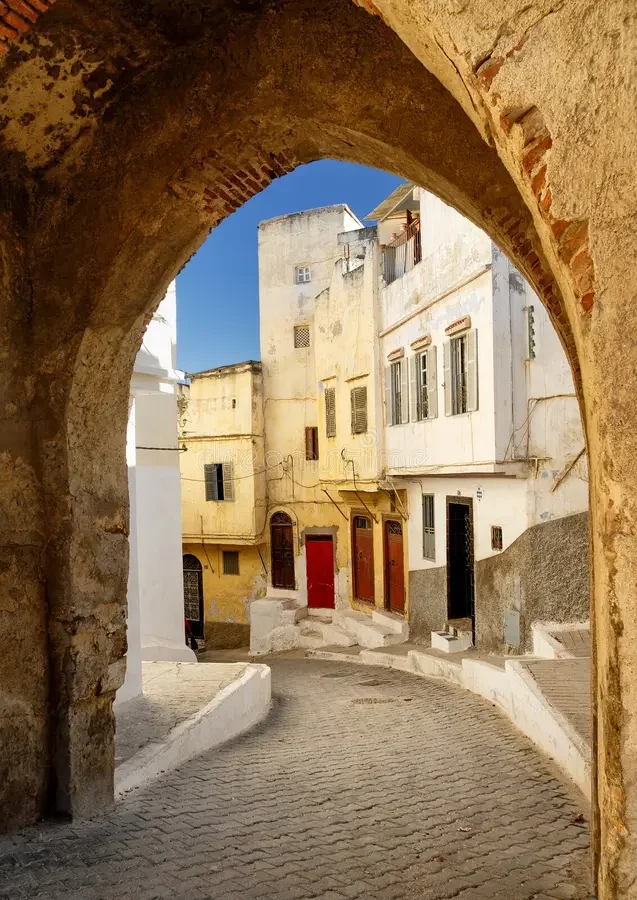
Not much traffic, or at least not the kind with wheels.
***
Hotel 1963
Una collega ci scrive dal Nordafrica:
Il mondo cadde a pezzi con le notizie da Dallas. Mio marito mi aveva lasciato ed ero stata licenziata dal mio lavoro alla biblioteca comunale. Per comportamenti inappropriati, se siete curiosi. I brutti titoli, le sanguinose riprese in tivù e la disperazione nelle voci della radio fecero crollare tutto.
Non andava bene niente, la guerra, il paese pieno di gente con omicidio in mente e fucili in mano, e specialmente me.
Non c'era nulla per trattenermi a casa. Mio marito se n'era andato con la nostra macchina. Montai su una corriera.
Il conducente si rese conto che avevo viaggiato ben oltre il mio biglietto e mi scaricò in una città industriale a sud di Chicago. Il posto era così in degrado che sicuramente si sentiva come me.
Stati Uniti che vanno nella direzione sbagliata.
La zona attorno alla stazione degli autobus non era un luogo adatto per una donna che vaga da sola . Era ancora troppo buio per distinguere insegne del tipo Cercasi personale o Affittasi stanza. Entrai in un hotel. Il giovane dietro il banco della reception aveva il naso dentro un manuale d'ingegneria, ma non stava leggendo. Dopo un po' dissi ciao.
Sussultò. "Scusi, signora. Posso aiutarla?"
"Senti sono nei guai, sono stravolta e non ho soldi. Me ne andrò appena fa luce fuori."
"Là dentro c'è una branda," disse lui, indicando una porta dietro di lui.
La lampadina era bruciata e c'era un caldo infernale in quella cella carceraria. Mi misi a piangere un lungo urlo ininterrotto, come quella poesia.
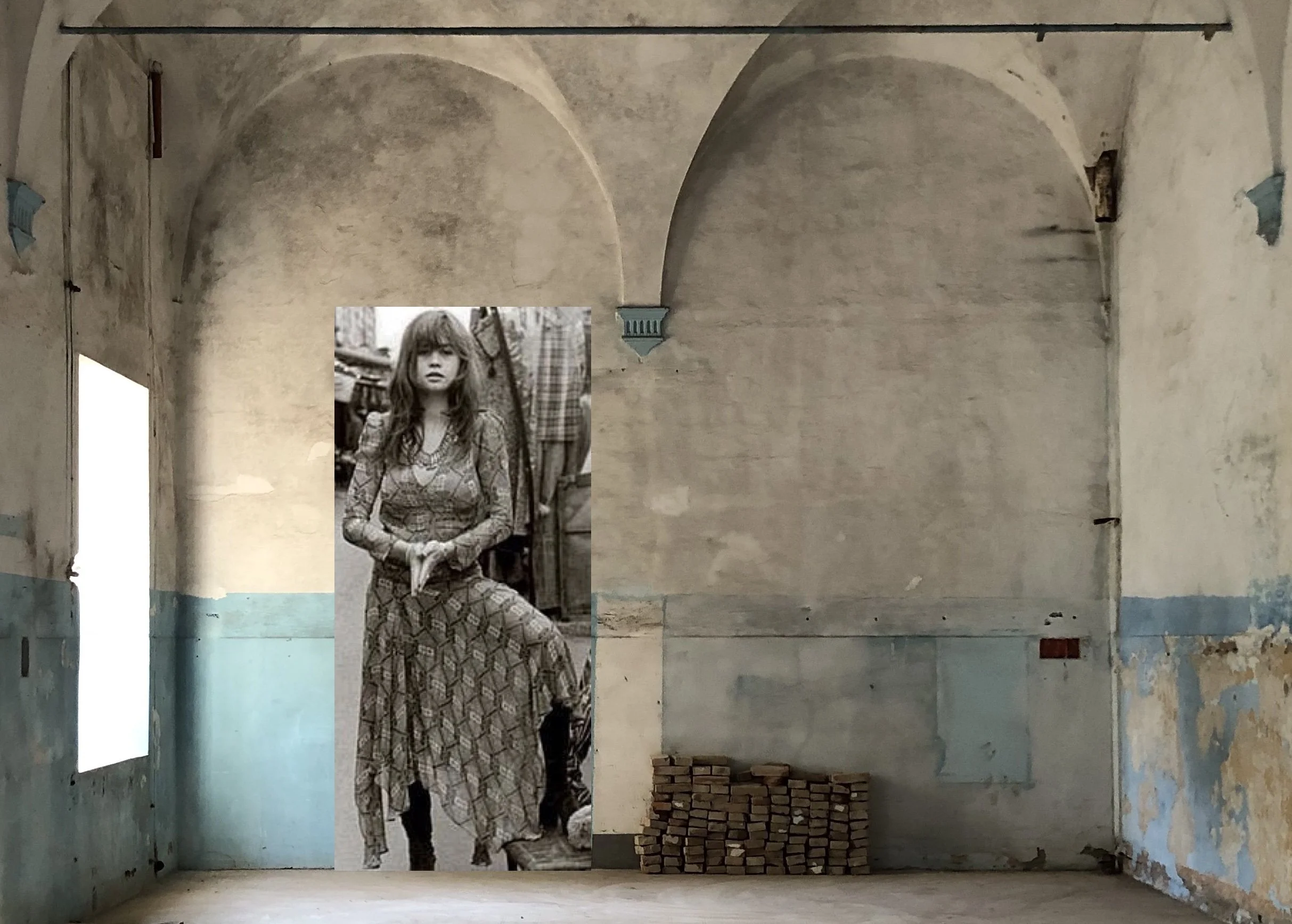
“Fammi riposare un po’ e svanirò con l’alba.”
Il portiere di notte aprì di un filo la porta, facendo entrare una lama di luce. "Tutto bene?"
Non andava bene niente, ma dissi di sì. Non volevo distrarlo ulteriormente dai suoi studi.
"Senti," continuò, "non conosco te e tu non conosci me ma sono stufo. Credo che ci siano attorno a cinquecento dollari nella cassaforte nell'ufficio, e ho visto la combinazione su di un foglio di carta sulla scrivania del proprietario quando mi ha detto di fare pulizia prima di montare in servizio. Non toccherebbero a me quei lavori lì e ne ho le palle piene di questo hotel del cazzo, questa città di merda e tutto il resto. Non mi prenderanno all'università e mi prenderà invece l'esercito che mi manderà in Vietnam. Quindi ora farò così: rubo quei soldi, prendo un treno per New York e trovo lavoro su una nave mercantile diretta in Marocco. Vieni anche tu?"
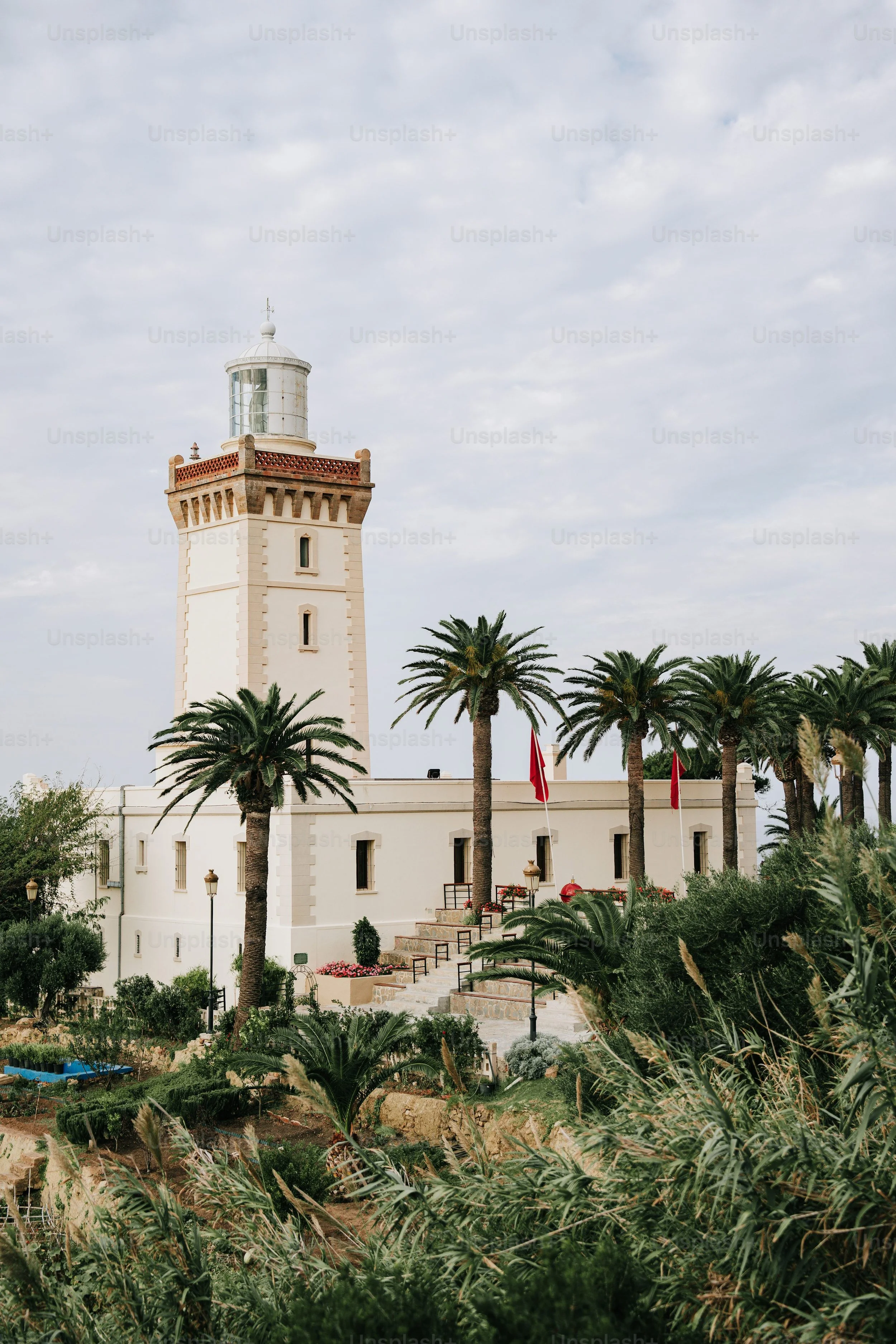
Un faro blu illumina il giorno.
Dentro quella cassaforte c'erano oltre cinquemila dollari.
Le case a Tangeri costavano poco. Comprammo un albergo fatiscente, visto che lui era un minimo pratico. Vennero a starci altri renitenti alla leva, li seguirono poeti Beat e le loro cricche. La baracca puzzava di fumo, ma a quell'epoca non mi dava noia.
Se ho dei pentimenti? No. Lo rifarei? Ci puoi scommettere.
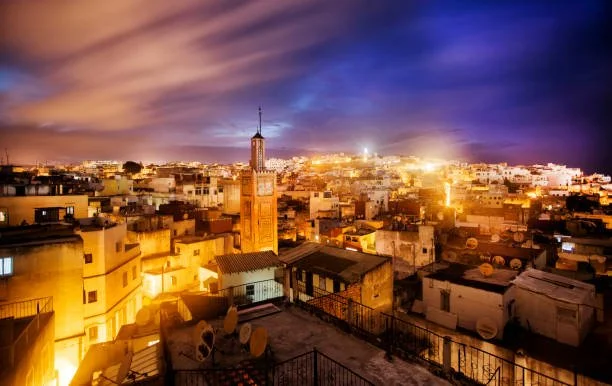
Poca vita notturna qui.
The Night of the Bedbug
The Night Manager at the Kenmore Hotel in Manhattan spent his midnight-to-8 a.m. shifts lost in thought, words, stories. His distraction had never aroused comment from the owners. Guests’ strange behavior and petty complaints were usually easily dealt with.
One early autumn night a woman descended the stairs to the lobby in a flimsy nightgown, hand outstretched .
The Night Manager, call him NW, looked up from his chaotic manuscript, saw breasts a-sway, a dark thicket below, and a possible break in his job’s monotony.
"Bedbugs!" the woman practically shrieked. "I'm itchin' all over."
"Calm down, lady," NW stage-whispered. "You'll wake everyone in the house."
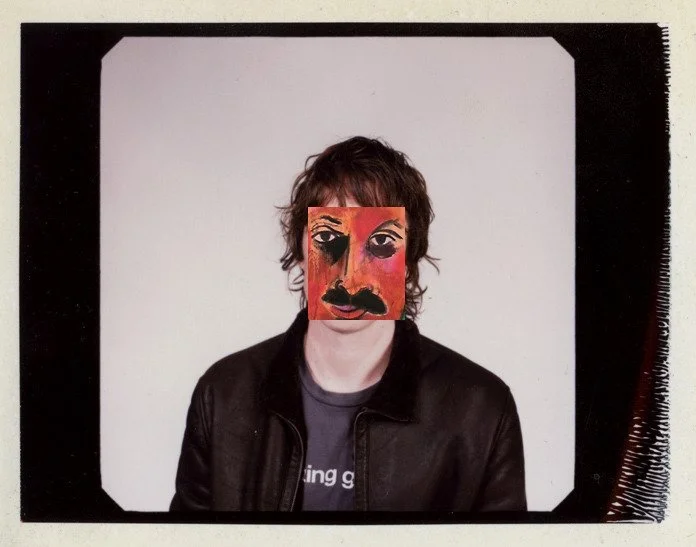
“Stay cool, ma’am.”
"They're prob'ly already awake and scratchin'. I'm callin' the cops."
"Shhh. C'mere and lemme have a look."
The woman coyly covered her bosom with the hand that didn't hold the offending insect and approached the reception desk.
"Looks more like a crab louse," NW said, upon close inspection.
"How dare you!" The noisy guest lunged for the house phone with both hands, uncovering herself once more. The bug fell to the floor, squirmed and wrothe on its back. "Help!" she shouted into the receiver. "Police! Police!"
Several lights on the switchboard lit up red. Guests upstairs all set to complain about the commotion.
NW did his best to seem calm and competent. "Madame, I'm sure we can settle this matter in a reasonable fashion,"
"Oh yeah? How?"
NW put the Back Soon sign on the counter. "Lemme inspect the premises."
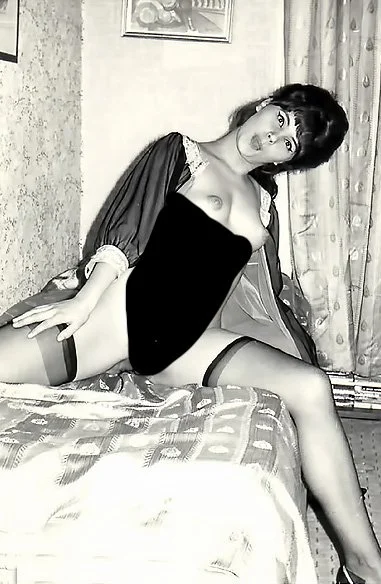
“Oh I don’t know if I should let strange men into my room at night.”
Her room seemed in order. The sheets, pillows and mattress were clean of noisome parasites.
"So you're callin' me a liar?"
"Oh no, ma'am. Of course not. Tell you what: we'll comp you for the night."
"You can do better than that, lover boy. I also get breakfast tomorrow, and you give me twenny bucks or I'll tell the owner you tried to molest me."
NW knew the owner well enough to know he'd be terminated and immediately replaced.
"Here ya go," he said, and handed over two tens.
The rest of his shift passed uneventfully.
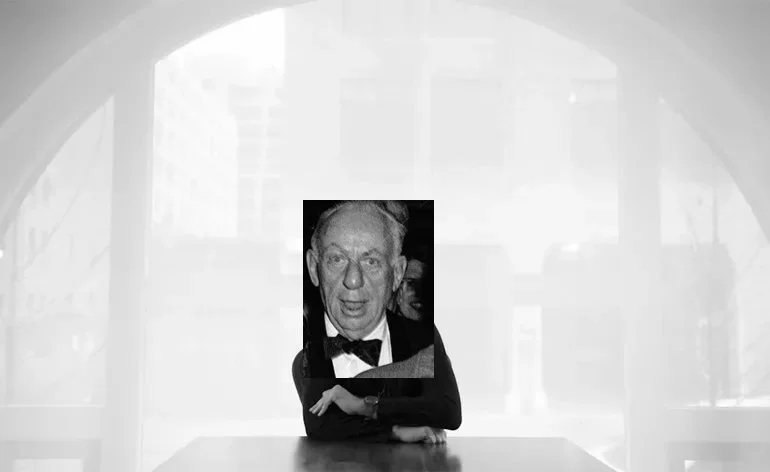
The owner oft waxed irate, but this was something else again.
The next evening however, before he punched in, NW was summoned to the owner's office. "That buggy kook turned me in anyway,' he thought.
The owner was a big man who, rumor had it, had spent time in the jug for assault and battery. His outsized mitts bore whitish scars across the knuckles. "Heard we had us some trouble last night," he began.
"Uh yeah, this crazy lady said she had bedbugs in her room. I went upstairs to check, but..."
The owner guffawed, phlegmatically. "Kid, you done fell for the oldest hotel trick in the hotel book. That kook, as you so rightly call her, is none other than Bedbug Annie. She pulls that con in every burg where she does her kootchie show. Cross-country cops know all about her."
"Yeah? Well aside from the free room and breakfast, she beat me for $20, cash. Think you could..."
"Forget it. Chalk it up to experience. Oh, and you're fired."
"What?"
"Can't have someone up front who don't even got the most basic grift knowledge. She coulda been settin' you up for some much worser scheme, who knows? And you left the front desk unmanned. Don't let the door spank you on your way out."
But it did, anyway.
Despite this professional Waterloo, NW didn't abandon the professional hospitality racket. In 1933, several years after the incident described above, he became Manager of the Sutton Hotel on New York's fashionable Upper East Side. He did some writing there too, whenever he had a minute. And he had a lot of them. Minutes.
The two novels he published earned him considerable notoriety.
Hollywood called, and NW went. The transfer proved to be both bad for his career.
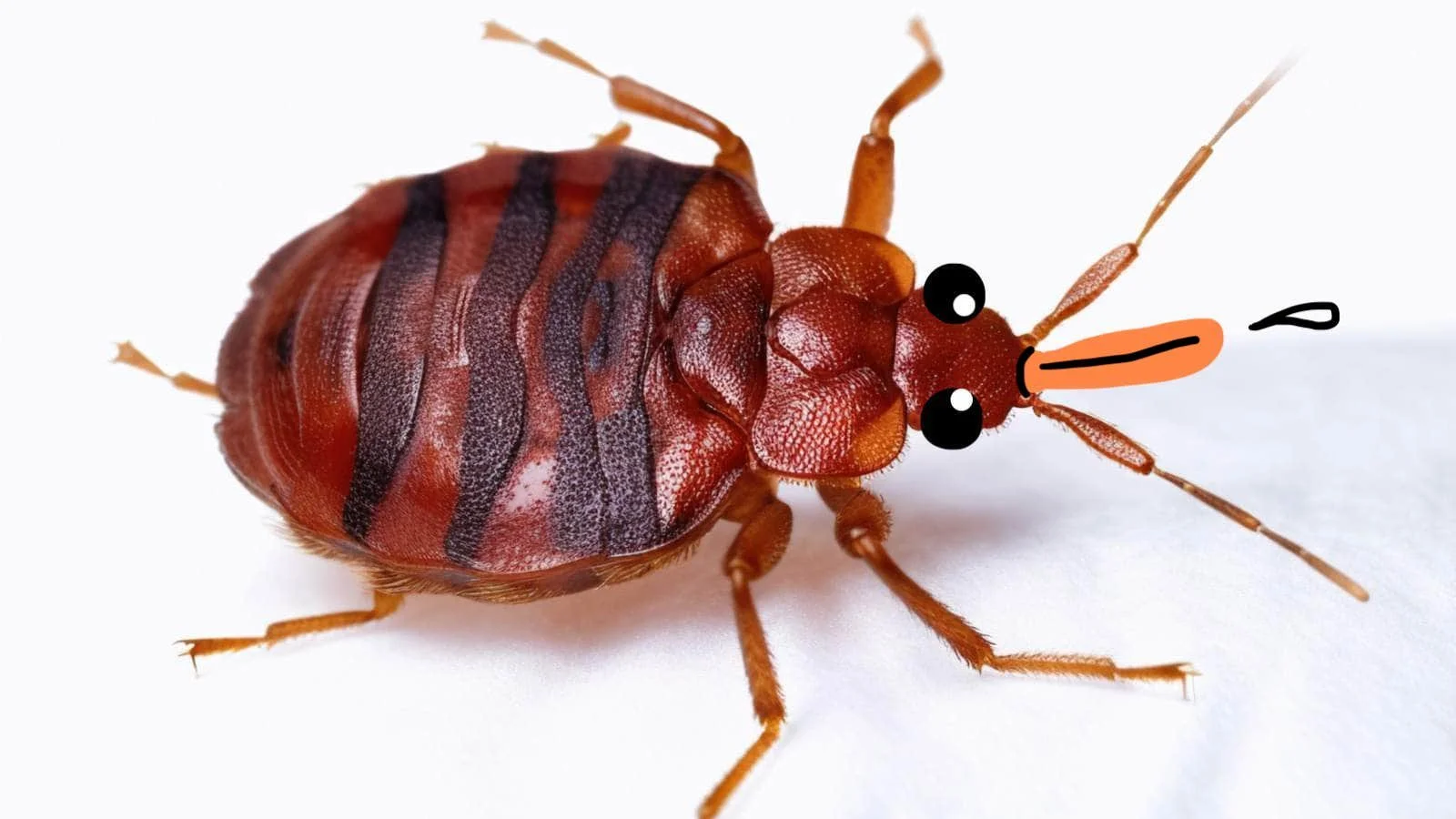
The Bedbug sez: Don’t hotfoot it from Tijuana to Tinseltown!” But who listens to bedbugs? You?
***
La notte della cimice del letto
Il portiere di notte al Kenmore Hotel di Manhattan passava i turni mezzanotte alle otto di mattinaa perso nei suoi pensieri, le sue parole, le storie che gli venivano in mente. Ciò che faceva al banco della reception non aveva suscitatato commenti o controversie dai proprietari. A volte ospiti strani si comportavano in modo bizzarro e si lamentavano per quisquilie meschine, ma era facile sbrogliarli.
Una notte una donna scese per le scale nella hall vestita di una vestaglia trasparente. Teneva qualcosa nella mano allungata, qualcosa per le ripugnante.
ll portiere di notte, NW, alzò lo sguardo dal suo manoscritto e vide seni penzolanti e sotto una selva oscura. Pensò che magari la nottata sarebbe stata più interessante del solito.
"Cimici del letto!" strillò la donna. "Mi prude dappertutto."
"Si calmi, signora," sussurrò ad alta voce NW. "Sveglierà gli altri ospiti."
"Saranno già svegli a grattarsi. Ora chiamo la polizia."
"Venga qui e mi faccia dare un'occhiata."
La donna si coprì civettuola il petto con la mano che non reggeva l'offensivo insetto e si avvicinò al banco dell'accoglienza.
"Sembra piuttosto un pidocchio del piatto," disse NW, dopo un'accurata ispezione.
"Come osi!" L'ospite chiassosa si lanciò sul telefono della reception con ambo le mani, scoprendosi di nuovo. Il piccolo coleottero cadde a terra sulla schiena e si dimenò cercando di raddrizzarsi.
"Aiuto!" urlò la donna nella cornetta. "Polizia! Polizia!"
Una dei lumini rossi della tastiera si accese. Un ospite di sopra che si voleva lamentare del casino di sotto.
NW fece del suo meglio per sembrare calmo e competente. "Signora, sicuramente possiamo risolvere questa storia in modo ragionevole."
"Ah sì? E come?"
NW mise l'insegna Torno Subito sul banco. "Mi faccia dare un'occhiata alla stanza."
La stanza era a posto. Le lenzuola e il materasso non ospitavano fastidiosi parassiti.
"Quindi mi stai dando della bugiarda?"
"Certo che no, signora. Facciamo così: per il pernottamento offriamo noi."
"Puoi fare di meglio, pupo. Mi mangio a sbafo anche la colazione domani, e ora mi dai venti dollari oppure dico al proprietario che hai provato a molestarmi."
NW conosceva abbastanza bene il proprietario per sapere che le avrebbero creduto, e che lui verrebbe licenziato e subito sostituito.
"Tieni," disse, e le porse due biglietti da dieci.
Il resto del turno di notte passò tranquillamente.
La sera dopo però, prima di timbrare il cartellino, NW fu chiamato d'urgenza nell'ufficio del proprietario.
"Quella pazza mi ha messo comunque a rapporto," pensò.
Il proprietario era un omone che, secondo alcune voci, era stato diverse volte dentro per percosse. Le sue manacce erano strisciate da cicatrici biancastre sulle nocche.
"Ho sentito che ieri notte hai avuto delle grane," cominciò.
"Eh sì questa lunatica diceva di avere delle cimici da letto nella sua stanza. Sono andato di sopra per controllare, ma..."
Il proprietario si fece una grassa risata. "Bamboccio sei cascato per il più vecchio trucco della storia alberghiera. Quella lunatica, come l'hai giustamente definita, è Bedbug Annie. Tenta quell'inghippo in ogni posto dove viene a fare il suo numero di spogliarello. I poliziotti sanno tutto di lei."
"Ah sì? Mi ha pure estorto venti dollari. Magari lei me li potrebbe..."
"Scordatelo. Ti serva da lezione. Ah, e sei licenziato."
"Cosa?"
"Non possiamo avere un portiere che si fa fregare così. Magari era in corso un colpo più grosso. E poi hai lasciato incustodito il banco dell'accoglienza. Stai attento che la porta non ti sculacci quando te ne vai."
Invece lo sculacciò.
NW non mollò l'industria dell'ospitalità professionale comunque. Nel 1933, qualche anno dopo l'episodio narrato qua sopra, divenne Manager del Sutton Hotel nel prestigioso quartiere Upper East Side di New York. Anche lì scrisse parecchio, nei momenti in cui era libero.
Pubblicò due romanzi che gli valsero una bella fama letteraria.
Chiamarono da Hollywood, e NW partì. Ma lo spostamento si dimostrò nocivo alla carriera.