
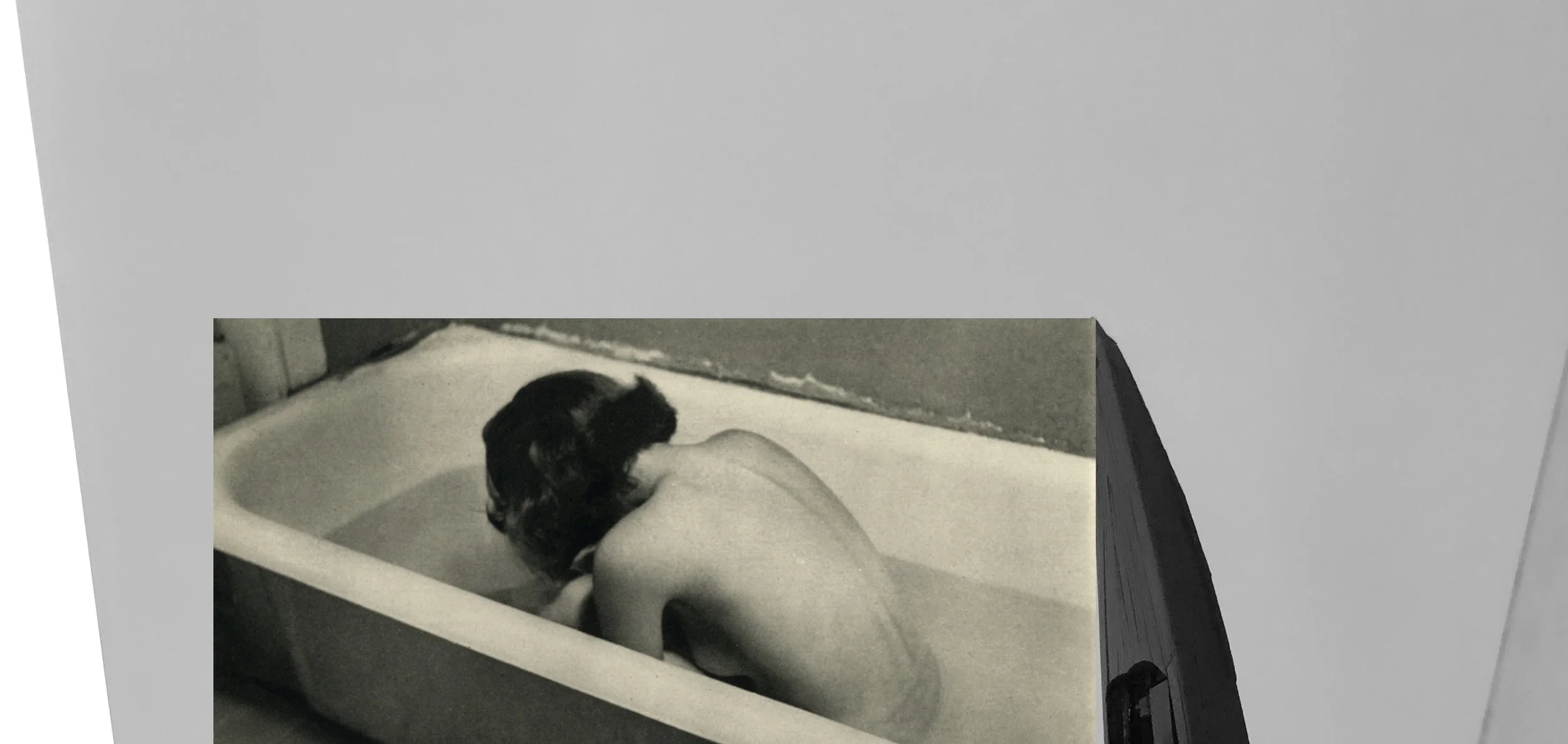
Nightbathing
A colleague writes from Helsinki:
At least once a night, someone who isn't a guest at the hotel enters sheepishly not by the revolving door, which must exude Guests Only vibrations, but through the Emergency Exit alongside. The person sheepishly approaches the Reception Desk and just as sheepishly asks for permission to use the toilet.
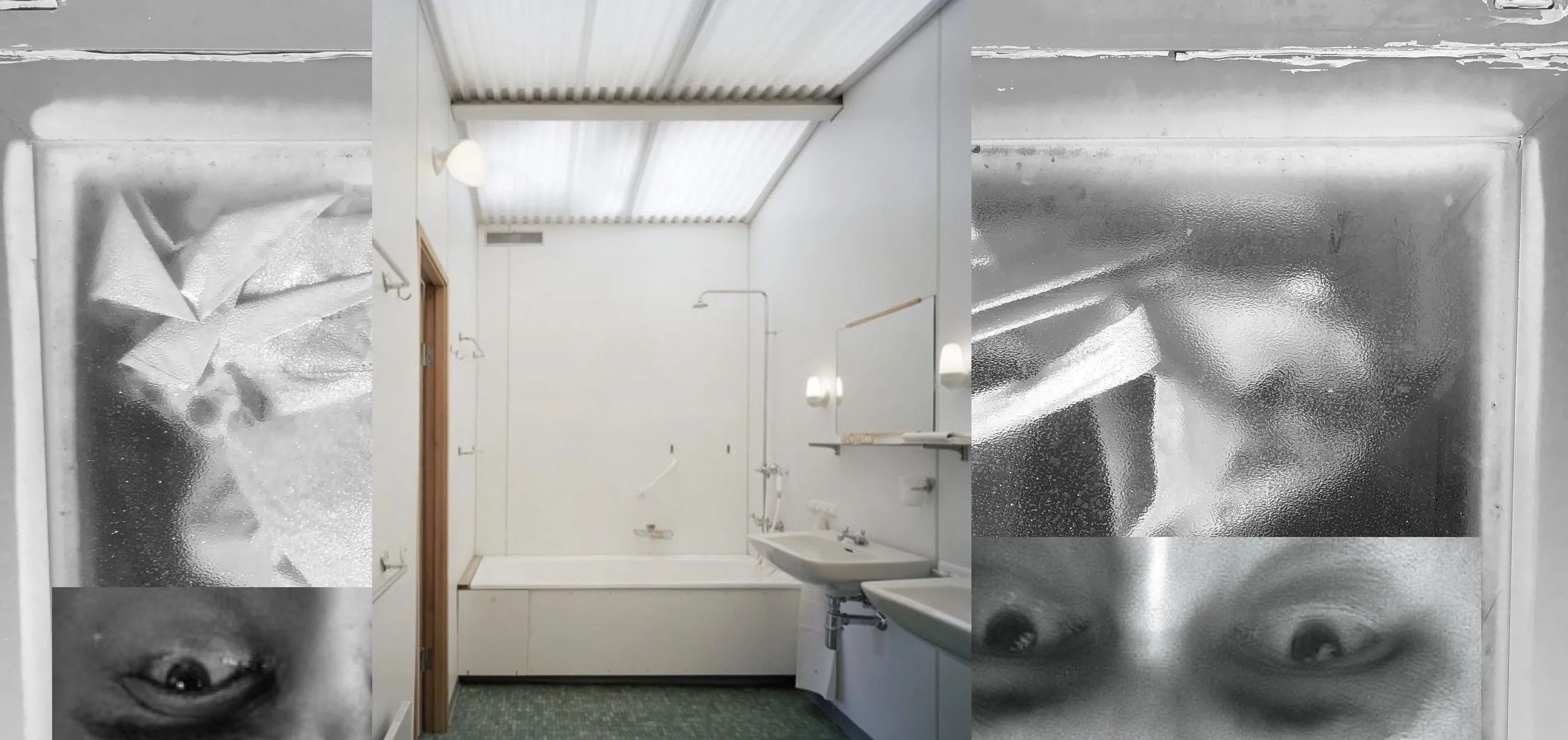
Public sanitary facilities have faded from memory.
One experiences a moment of power. Refusal is elegance, but only in terms of oneself. Refusal is inhuman, in regard to others in need.
The pained face, the clenched thighs, the skittish motion of the hands, and the feigned nonchalance with which the request is made indicate the degree of urgency.
Usually, the answer is, "It's there on the left, beside the elevator bank."
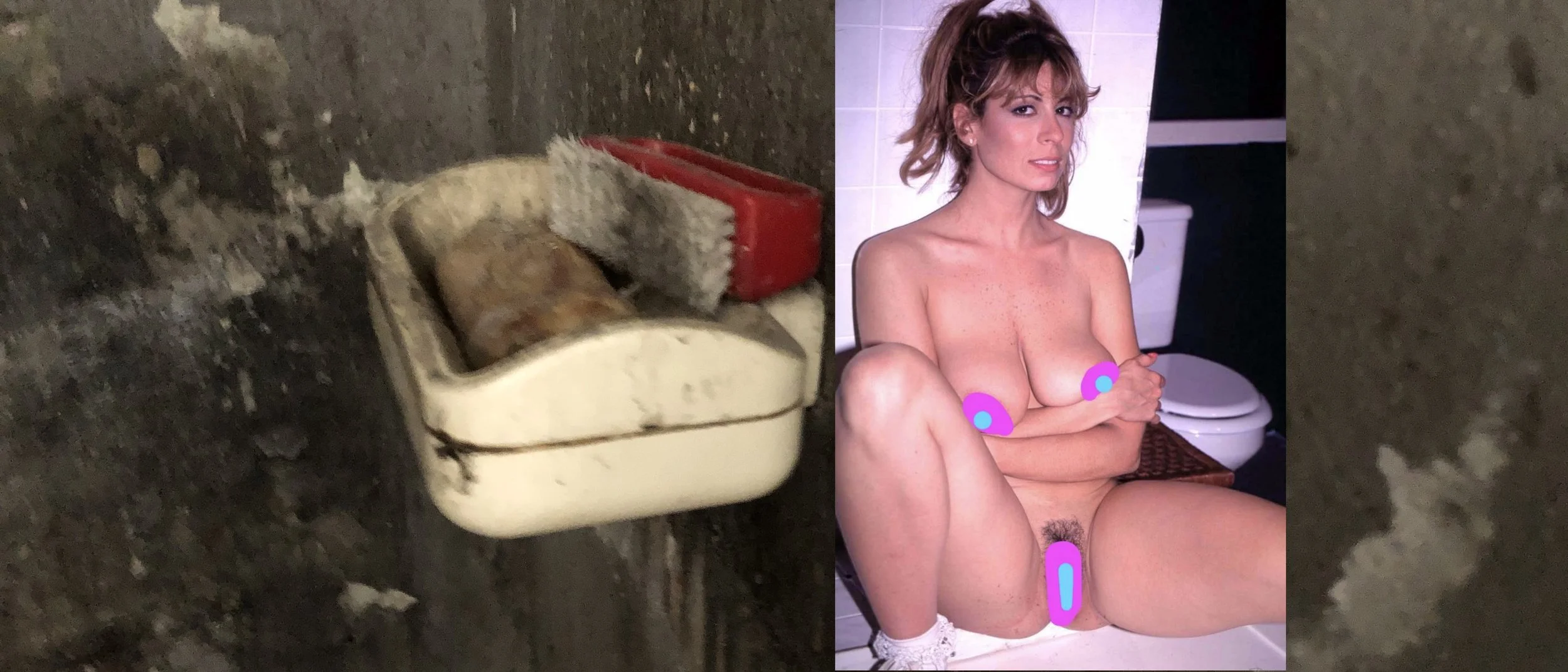
Comfort in a warm, clean space.
Drug addicts and alcoholics do occasionally show up, people whom life has treated roughly, or who've abused themselves beyond normal limits.
An empty moment ensues. These uninvited non-guests tend to leave unpleasant reminders of themselves behind them. The Night Porter is responsible for the ground-floor's cleanliness on his shift.
Nonetheless, I nod and point in the direction.
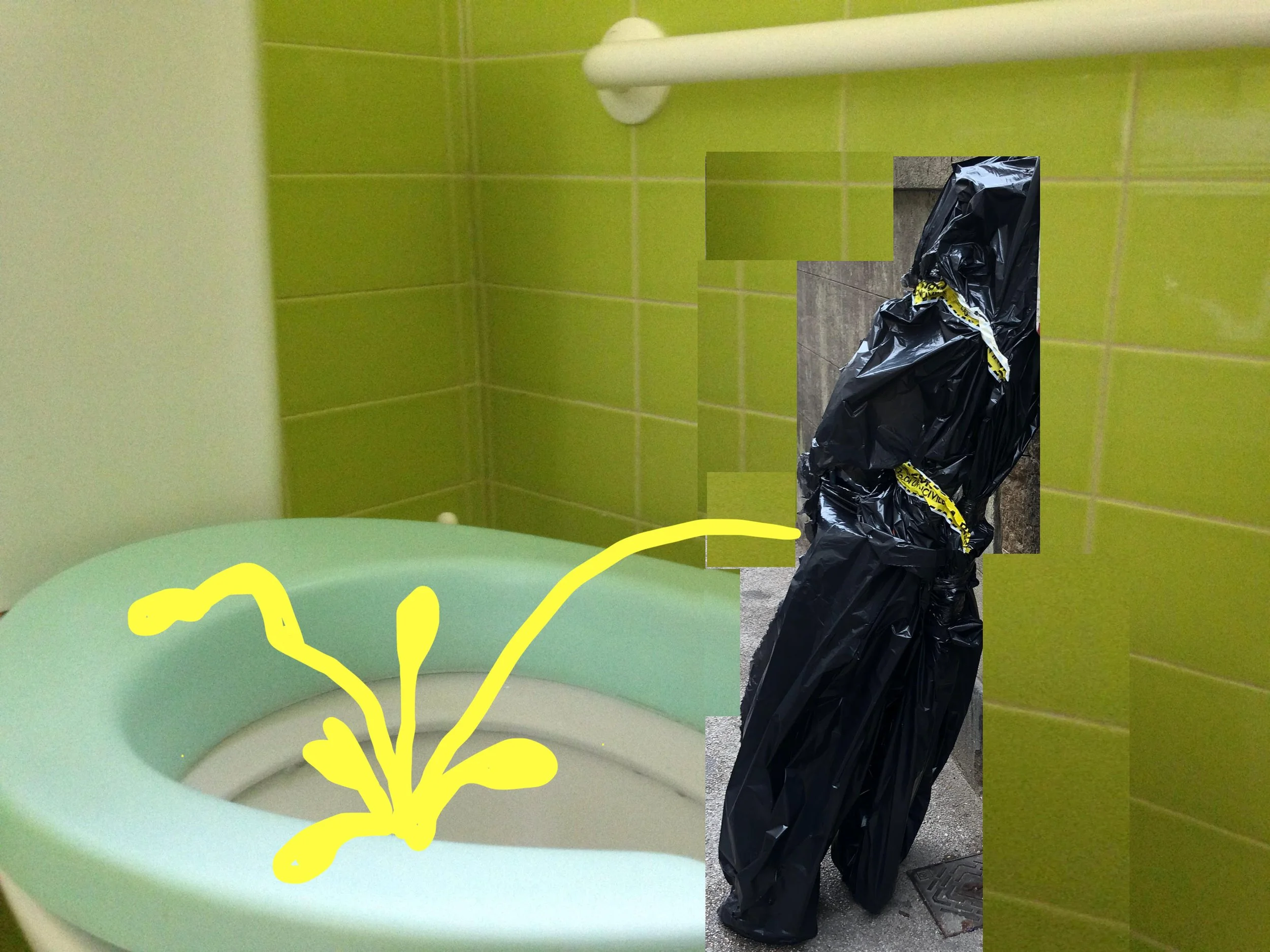
Intoxicated relief leaves its mark.
Only once, I said, "Please leave." But the undesired non-guest did not go.
"Thought so," this individual said, and deposited another, more copious load of runny human waste on the reception area's wall-to-wall carpet.
A woman entered on a cold night. She wasn't dressed for the weather, but she seemed sober and her skimpy clothes were clean. She politely asked to use the facilities, and her wish was granted.
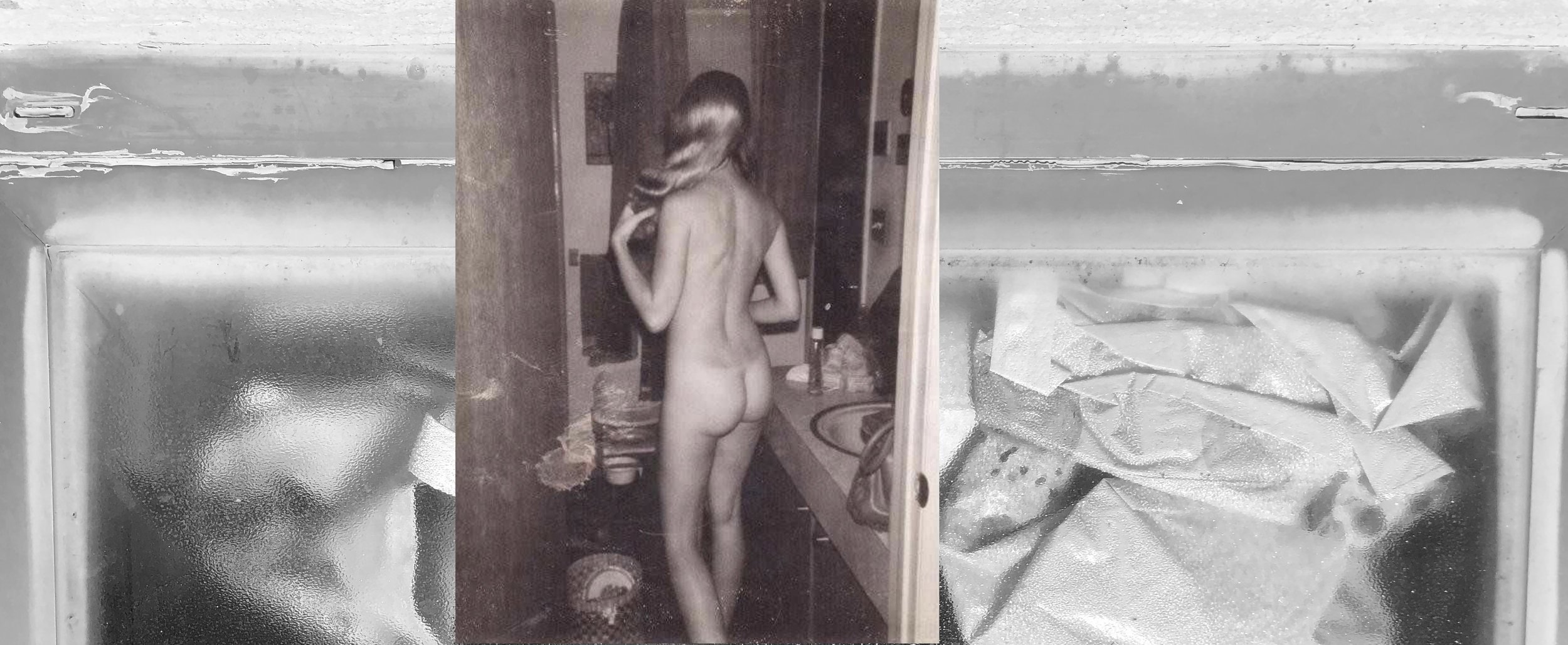
Politeness counts for a lot, in these situations.
When strange sounds issued from behind the self-closing door, I braced for impending malodorous unpleasantness.
"The mirrors in there needed a good wipe," the nocturnal non-guest said, quietly, upon emerging. "Seemed like the least I could do."
She moved towards the non-revolving, service entrance-like exit.
Outside the hotel, it'd begun to snow, large wet flakes. "Make yourself at home on that couch over by the radiators." I told her.
Distribution of keys to vacant rooms would've been in violation of several Management Commandments. Distribution of the reception closet's extra blankets and pillows was much less so.
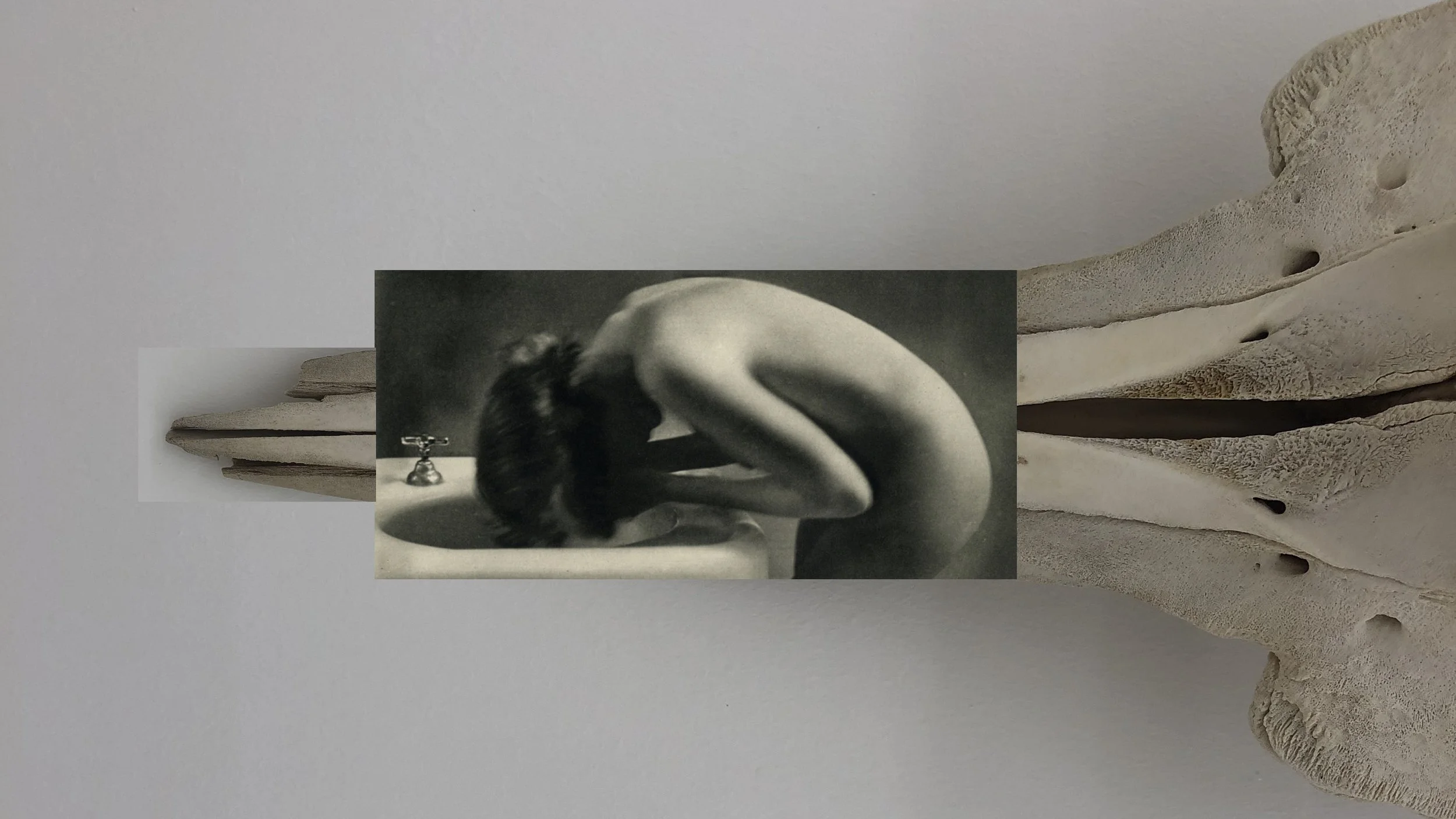
The end comes early.
When work hours ended, I crossed the lobby and said, "Wake up, Ma'am. Let’s go have breakfast at the diner across the street."
Shortly afterwards, an ambulance siren answered for her.
***
Un bagno di notte
Un collega ci scrive da Helsinki:
Almeno una volta per notte qualcuno che non è ospite dell'hotel entra timidamente non per la porta girevole che forse emana vibrazioni Solo per ospiti, ma per l'uscita d'emergenza a fianco. La persona si avvicina timorosamente al banco dell'accoglienza e altrettanto timorosamente chiede di poter usare il bagno.
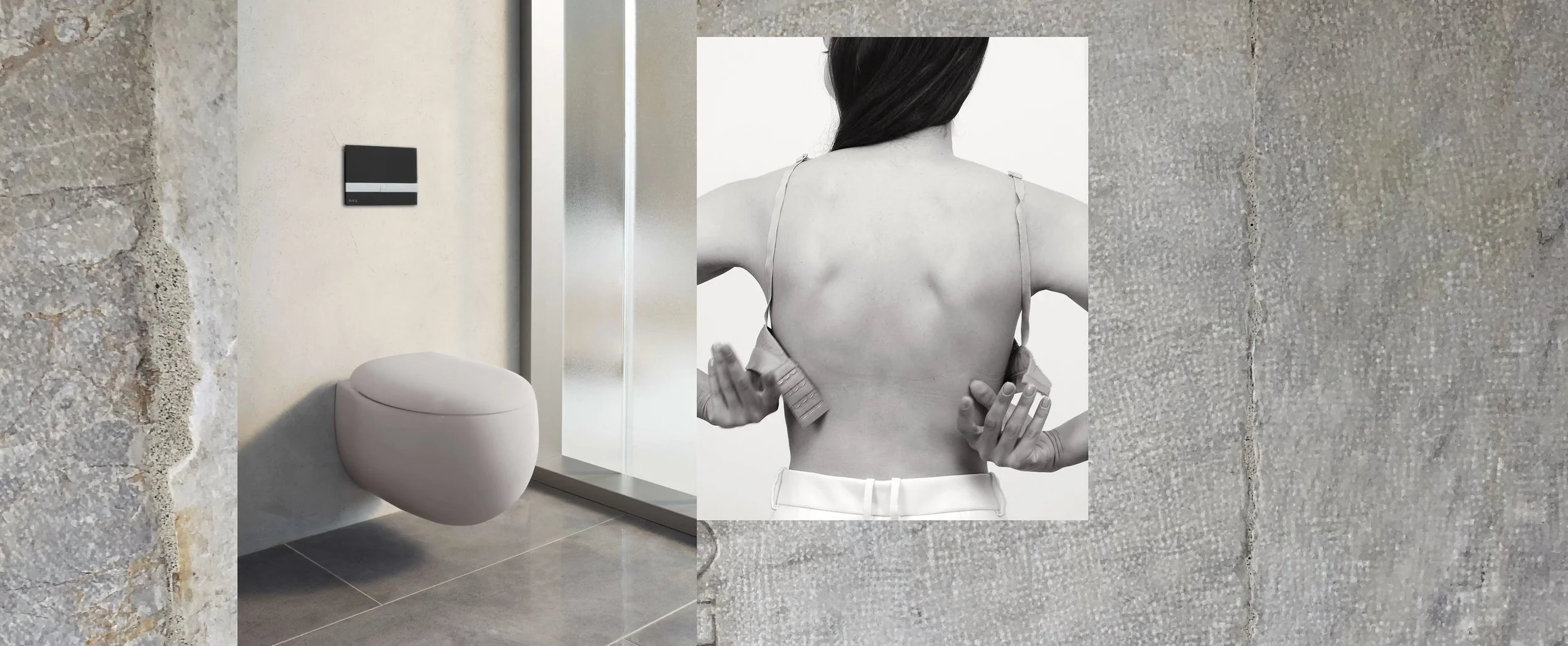
Chi può usufruire del bagno lo decidiamo noi.
Segue un attimo di potere, diverso ogni volta. Il rifiuto è l'eleganza, ma solo in termini di sé stessi. Il rifiuto è disumano, nei confronti di altre persone bisognose.
L'espressione di dolore, le cosce strette, i frenetici gesti e una finta noncuranza indicano l'urgenza della richiesta.
Di solito rispondo, "Certo, è lì accanto agli ascensori."
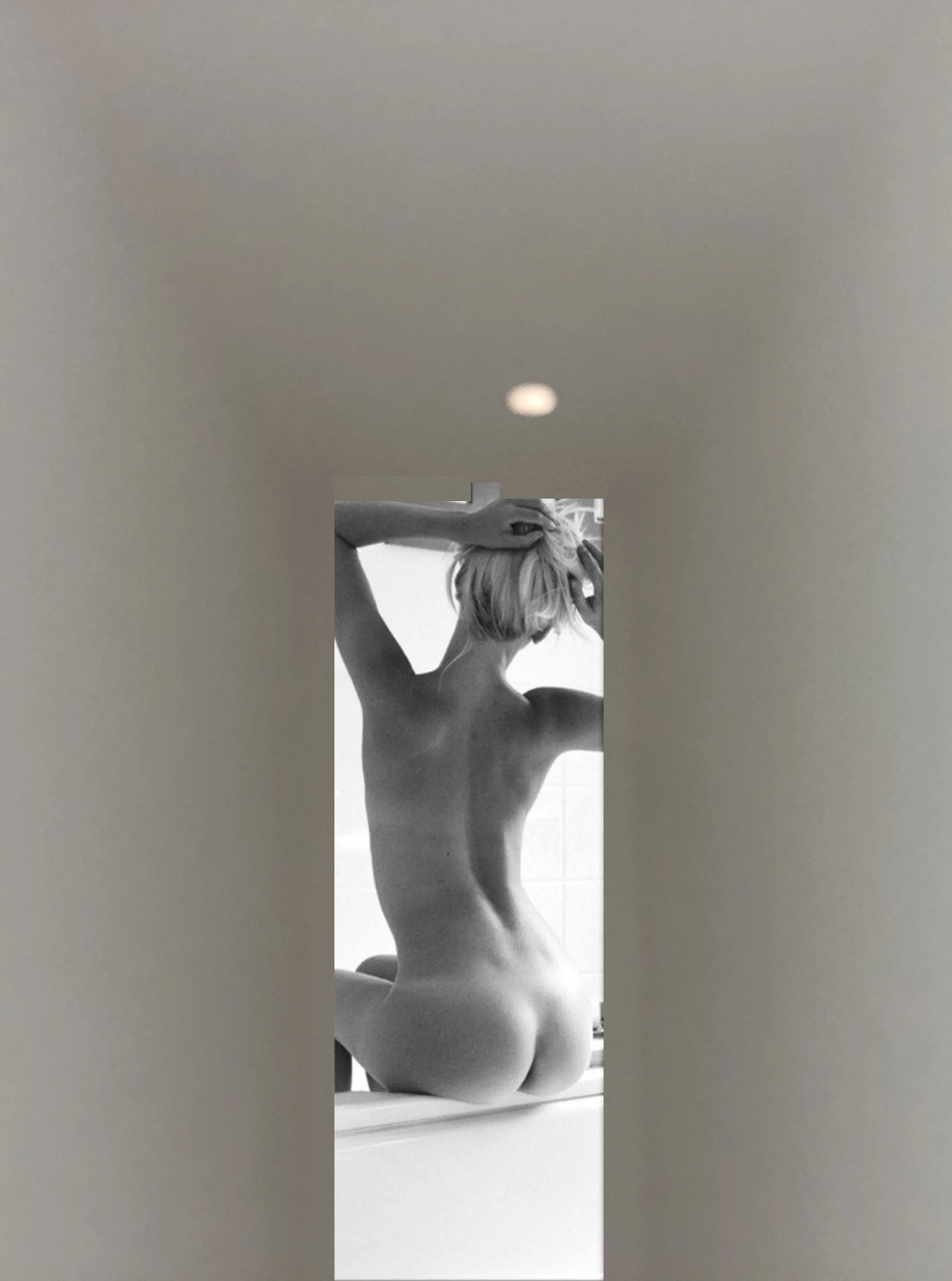
Un posto intimo pulito e al calduccio.
Ogni tanto si presentano tossicomani e alcolisti che hanno abusato dei loro organismi oltre i normali limiti.
Segue un attimo vuoto. Questi ospiti auto invitanti tendono a lasciarsi dietro schifosi ricordi di sé. E il portiere di notte, qual sono, è responsabile della pulizia a pianterreno durante il turno. Ciò nonostante, annuisco e indico col dito.
Solo una volta dissi, "Per favore se ne vada." Ma l'ospite indesiderato, non se ne andò.
"Ci avrei scommesso," disse questo individuo e depositò un altro carico di deiezioni umane sulla moquette della zona accoglienza.
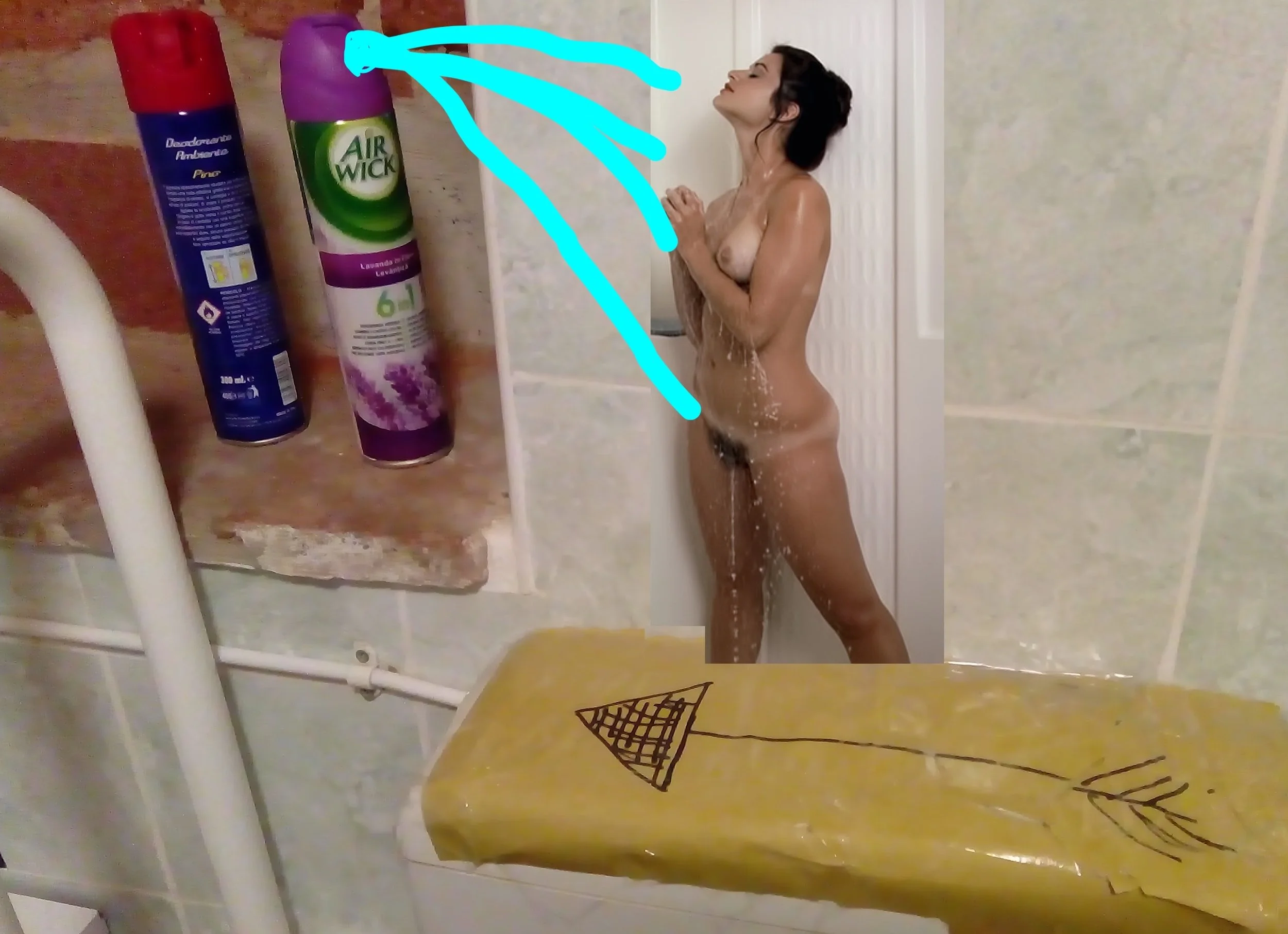
Si pulisce ma poi non si pulisce dietro.
Nel fondo di una notte particolarmente fredda entrò una donna poco vestita per le condizioni fuori. Era però pulita e all'apparenza lucida. Chiese cortesemente di poter usare i sanitari, e la richiesta fu accolta. Quando si fecero sentire dei rumori strani da dietro la porta, mi preparai mentalmente per un’ennesima maleodorante sgradevolezza.
"Gli specchi là dentro avevano bisogno di una bella lucidata," disse la non-ospite notturna. "Mi sembrava il minimo."
Si mosse verso l'entrata di servizio non girevole.
Fuori dall'hotel aveva preso a nevicare, grossi fiocchi semi liquidi. "Accomodati sul divano accanto ai termosifoni," le dissi. Dare chiavi alle stanze non occupate sarebbe stato in contravvenzione alle regole aziendali. Fornire una coperta e un cuscino dall'armadio della reception lo era molto meno.
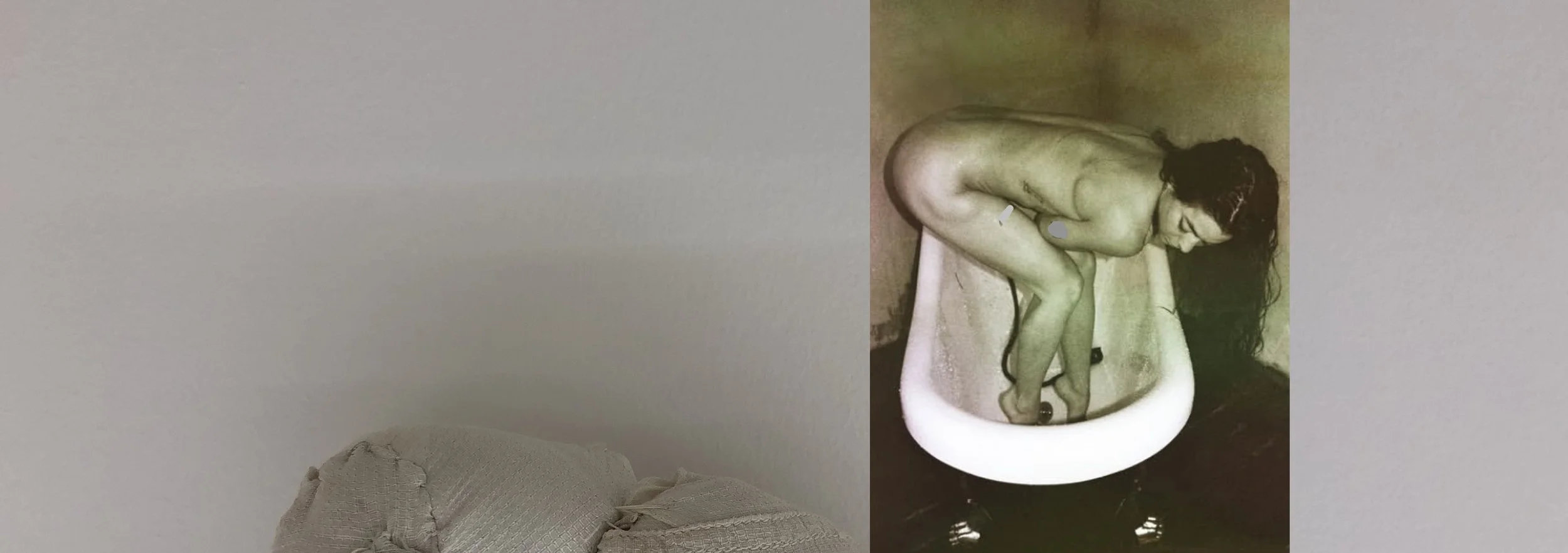
Chi ha la chiave può guardare dal buco della serratura.
Quando finì l'orario di lavoro, attraversai l'atrio e sussurai, "Sveglia, andiamo a fare colazione al bar qui vicino."
Poco dopo, la sirena dell'ambulanza rispose per lei.
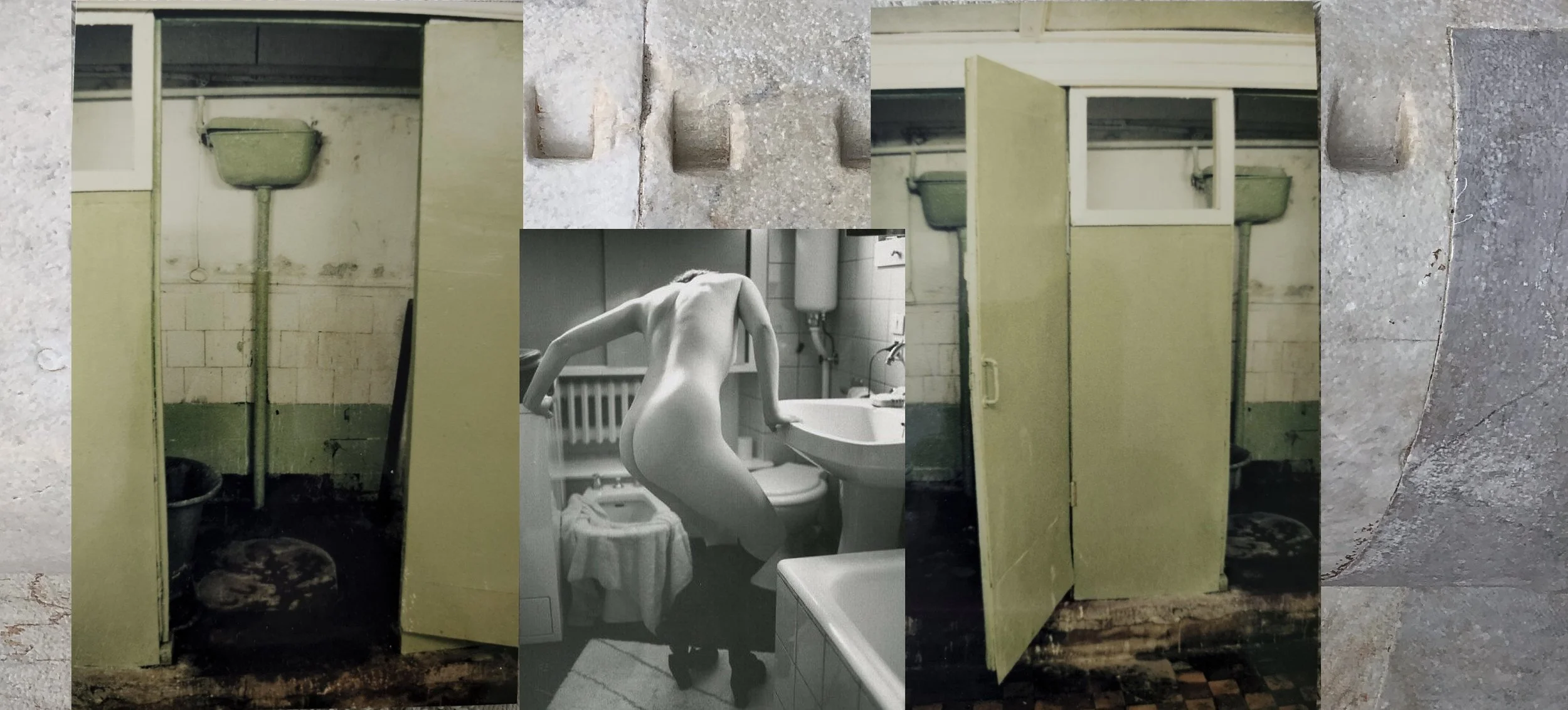
L’organismo funziona?
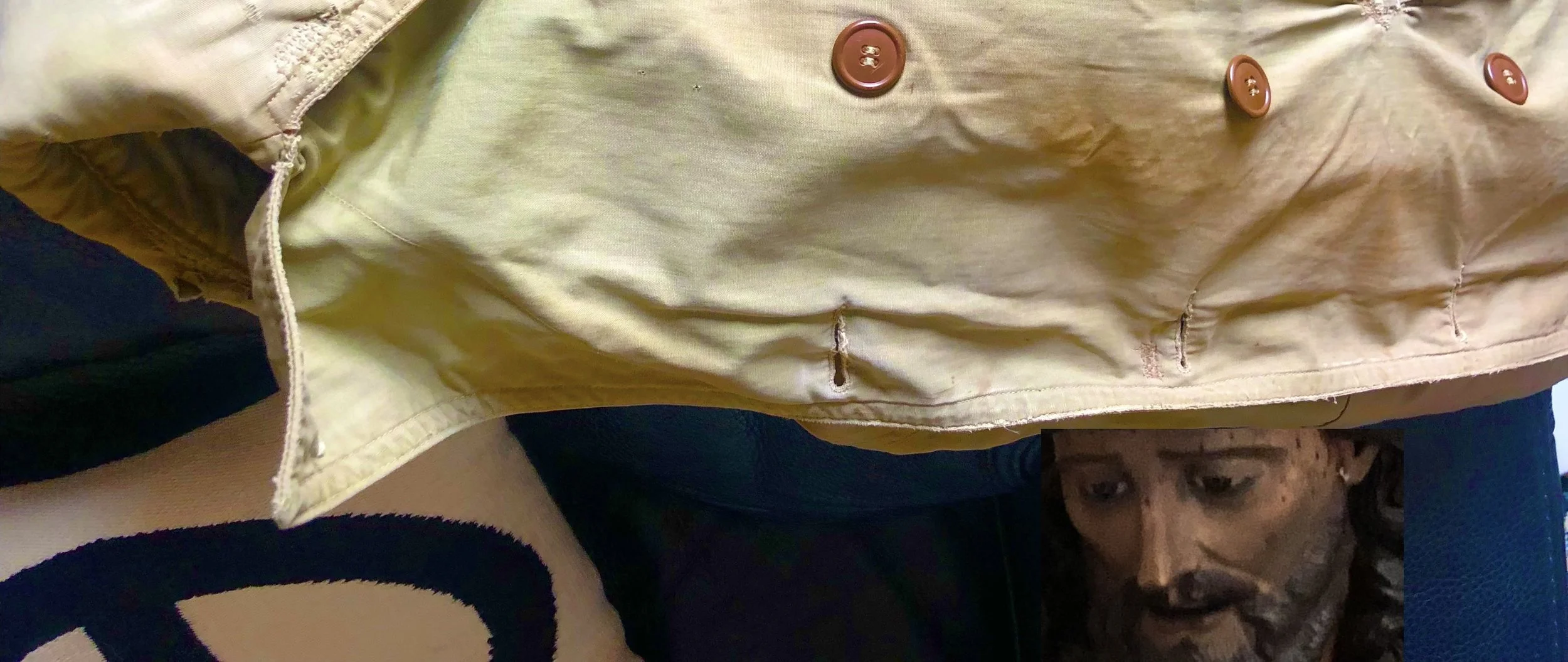
The Godly Lodger
"Oh my god thank you," said the guest who'd been trapped in the Kranepool's revolving door. "You simply can’t imagine how claustrophobic I am. And it's all glass. Everyone could’ve witnessed my panic freak-out."
The Night Porter returned to the reception desk and put the emergency tools away. "We regret the inconvenience," he said, and thought it strange, that a holy man should fear tight spaces, and worry that his distress might attract attention.
Meanwhile, the guest had calmed down. "Look, I have trouble sleeping,” he said. “I wanted to go for a walk, but it's raining. Do you mind if I just sit here in the lobby a while?"
"We hope your rest wasn't disturbed through any fault of ours," the Night Porter said. "And please, the lobby is for everyone, anytime."
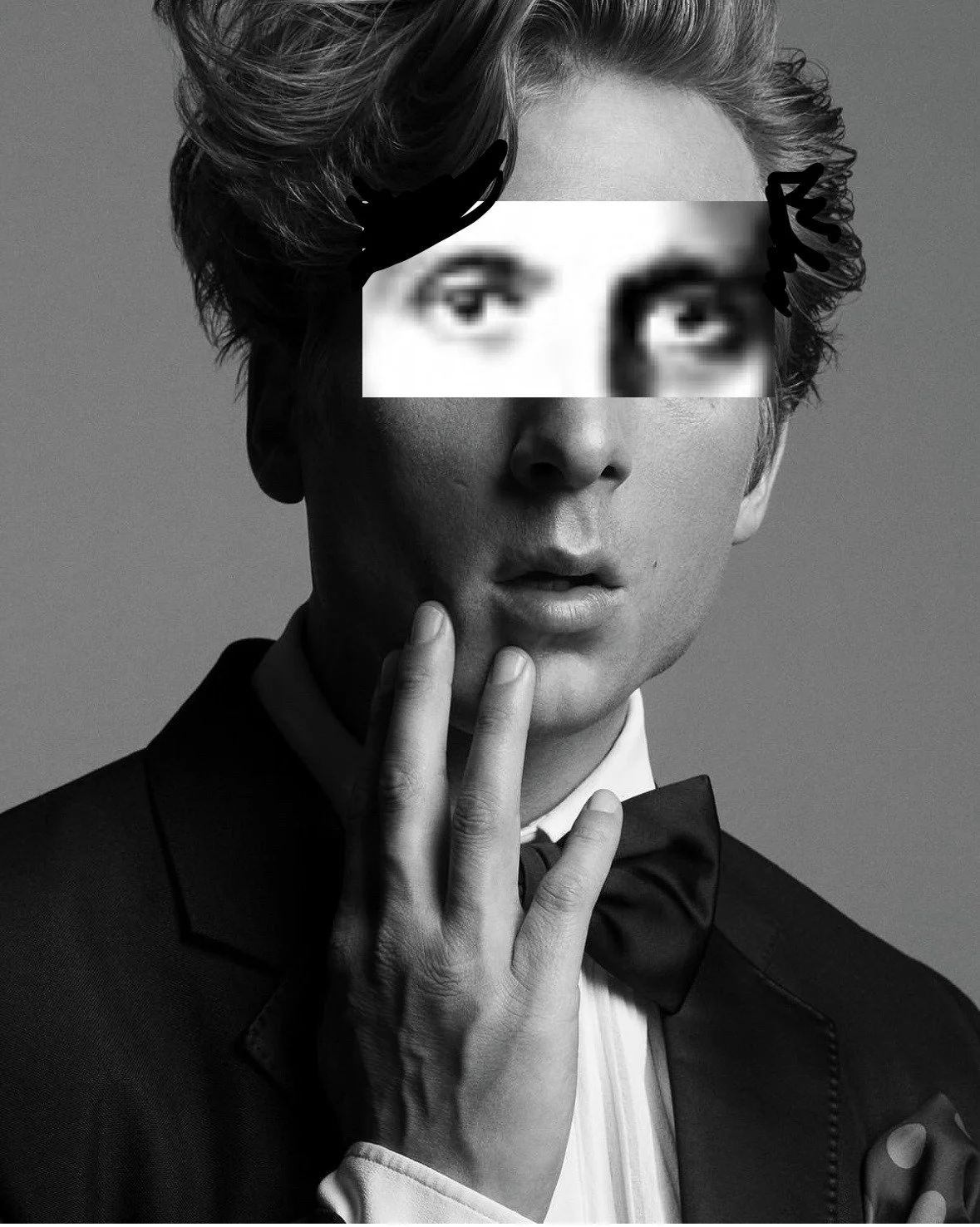
The guest, who was on the cover of that month's Ethereal Times, went to sit cross-legged on the armchair closest to the TV set. The thing wasn't turned on, hadn’t been in a long time. Guests preferred to view regular- and closed-circuit programs in their rooms. Not much inter-guest conversation took place on the ground floor. No one played cards or backgammon at the tables provided for those archaic leisure activities. The Night Porter couldn't remember if anyone had ever come downstairs for some company and a chat. 'Might be nice,' he thought, and decided to try. "Does everything in the Universe have an individual soul, or is soul a universal monad?"
The holy man said, "That's a hundred-dollar question."
"You mean, easy?"
"They're all easy if no one knows the answer, but I'm serious. Gimme a hundred bucks."
Maybe he said, hunnert.
The Night Porter didn't exactly jam his hand into his pocket for the money.
The holy man said, "You think being holy is easy, dontcha. It's a job. Like yours, except you gotta exude the light, and that gets tiring. Right now I'm not on duty, so you get a light's-off discount."
"Thanks, but I guess I'll find out on my own, one of these nights."
"Don't be too sure. Oh look, it's stopped raining."
The holy man rose from the armchair and went towards the revolving door without fear. This time he didn't get stuck.
The Night Porter went back to his magazine. The feature story was a sales pitch for how to achieve a clean colon. If the revolving door revolved again before the dawn, it made no sound.
The next evening, while the Night Porter was giving the reception desk a touch of disinfectant spray, the waiter who'd twenty-four hours earlier alerted him to the holy man's presence at the Kranepool breathlessly approached.
"Omigod, he came to the Disco!"
"Who? The President?"
"No way...the holy man I told you about. It was fabulous. The whole place lit up and everyone was drawn unto his presence. We all danced together, you know? Together, like, for the first time."
"That's beautiful."
"Yeah, and he told me I was gonna be rich and famous."
"How much?"
"Oh, only a hunnert bucks."
***
Spirito d'ospite
"O mio dio grazie," disse l'ospite che era rimasto incastrato nella porta girevole del Kranepool. "Non puoi sapere che claustrofobia. Ancora peggio è che qui è tutto vetro. Tutti avrebbero potuto vedere il mio panico."
Il portiere di notte tornò al banco dell'accoglienza e rimise a posto gli attrezzi d'emergenza. "Ci dispiace per l'accaduto," disse. Gli sembrò strano che un santone temesse gli spazi rinchiusi, e che la sua angoscia potesse avere dei testimoni.
Intanto l’ospite si era calmato. "Ho problemi a dormire. Volevo uscire e fare due passi ma sta piovendo. Ti dispiace se sto qui seduto per un po'?"
"Speriamo che il suo riposo non sia stato interrotto per colpa nostra," disse il portiere di notte. "E prego, la hall è sempre a disposizione di tutti."

L'ospite che era sulla copertina del numero di Vogue Santone di quel mese andò a sedersi sulla poltrona più vicina alla tivù e accavallò le gambe. Il dispositivo non era acceso. Da tempo non l’aveva acceso nessuno. Gli ospiti preferivano sempre di più guardare i loro programmi preferiti nelle loro stanze. Non c'era molta interazione tra ospiti a pianterreno. Nessuno giocava a carte o a dama alle apposite tavole. Il portiere di notte non si ricordava se qualche ospite fosse sceso solo per chiacchierare e stare in compagnia. 'Non sarebbe male,' pensò, e decise di provare, "Ogni cosa nell'universo possiede un'anima individuale, o è l'anima una monade universale?"
Il santone disse, "Quella è una domanda da cento dollari."
"Sarebbe a dire, una domanda facile?"
"Sono tutte facili se nessuno sa la risposta, ma dico sul serio. Dammi cento dollari."
Il portiere di notte non si frugò repentino in tasca per estrarne soldi.
Il santone disse, "Credi che sia facile essere spirituali, vero? Ma è un lavoro. Come il tuo, ma io devo emettere luce, ed è stancante. In questo momento non sono in servizio, quindi ti sto facendo lo sconto."
"Grazie, ma credo che scoprirò la risposta da solo, una di queste notti."
"Non ne sarei tanto sicuro. Oh guarda ha smesso di piovere."
Il santone si alzò dalla poltrona e si diresse senza timore verso la porta girevole . Stavolta non ci rimase intrappolato.
Il portiere di notte tornò alla sua rivista. L'articolo di copertina sembrava una campagna pubblicitaria su come sbloccare il colon. Se la porta girevole avesse girato di nuovo prima dell'alba l’aveva fatto senza alcun suono.
La prossima sera, mentre il portiere di notte disinfettava il banco della reception con uno spray, il cameriere che l'aveva allertato riguardo la presenza di un sant'uomo al Kranepool gli si avvicinò trafelato.
"O mio dio è venuto in discoteca!"
"Chi? Il presidente?"
"Macché. L'illuminato che ti dicevo. Era favoloso. Tutto il posto si illuminò e tutti furono tirati dentro la sua presenza. Abbiamo ballato tutti insieme, sai? Insieme tipo per la prima volta."
"Che bello."
"E mi ha pure detto che diventerò ricco e famoso."
"Quanto?"
"Oh, solo un centone."
Spirituality of a Guest
When the Night Porter came on duty, one of the restaurant's waiters approached him and whispered that a holy man had registered at the Kranepool that morning.
"Oh yeah? Like, the Pope?"
"More like, the Dalai Lama, but he's not, like, official. He just is. Holy, I mean. You'll see."
"You mean, he's gonna come bless the reception desk?"
"That's not what I mean."
The waiter was in a hurry to go dance the rest of the evening away somewhere, and left in a huff.
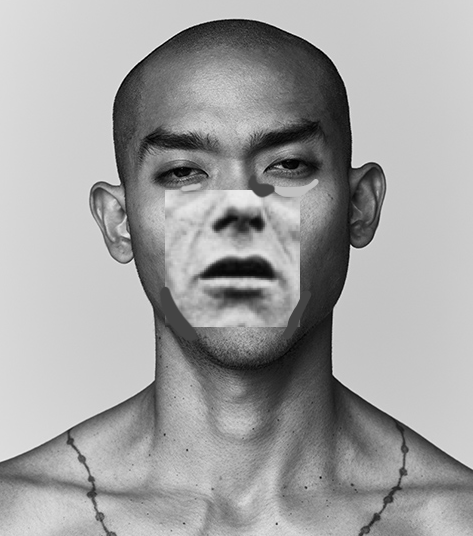
“Like the Dalai Lama, only not official.”
The hotel was mostly empty since the rainy season had begun. The Night Porter settled into his shift with a new magazine that'd caught his eye at a newsstand on the way to the work. On the cover was a color portrait of a man with a shaved head and a hypnotic stare. 'Dude either murdered a buncha people,' he'd thought, 'or else he's some kinda artist.'
He considered the image again before opening to the contents.
"You've lived your life wrong so far," the picture said.
'Oh, don’t I know it,' the Night Porter thought, and fell into a trance.
At around 3 a.m. he heard a rather desperate rattling in the lobby. He looked up and saw that a man had somehow gotten stuck in the revolving door. Nothing like that'd ever happened before, at least not on his shift. He took a rubber mallet and a spray-can of rust dissolver from the drawer under the phone.
The man trapped in the revolving door stopped pounding and drew back, palms extended, as if he feared he was about to be pepper-gassed and bludgeoned upon liberation.
The Night Porter started as well. The revolving door's prisoner was the man whose picture was on the cover of the glossy monthly he'd bought the day before.
***
Spiritualità di un ospite
Quando il portiere di notte entrò in servizio, uno dei camerieri dell'attiguo ristorante gli venne incontro e sussurrò che quella mattina si era registrato al Kranepool un uomo santo.
"Ah sì? Tipo il papa?"
"Più come il Dalai Lama, ma non è ufficiale. Lo è e basta. Santo, intendo. Vedrai."
"Intendi che verrà a benedire il banco dell'accoglienza?"
"Non intendo questo."
Ma il cameriere non si spiegò. Aveva fretta. Andava a ballare da qualche parte.
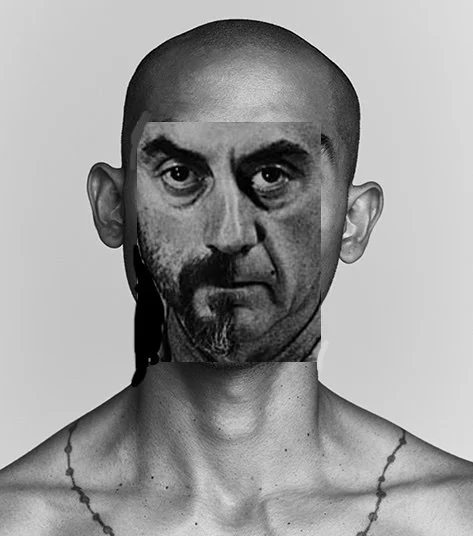
“Santo, ma non ufficialmente santo.”
L'hotel era quasi vuoto in mezzo alla stagione delle piogge. Il portiere di notte voleva far passare il turno con una rivista che gli aveva tirato l'occhio a un'edicola mentre veniva al lavoro. In copertina c'era il ritratto a colori di un uomo dalla testa rapata e dallo sguardo ipnotico. 'Avrà massacrato tante persone,' aveva pensato, 'oppure è una specie d'artista.'
Fissò l'immagine di nuovo prima di sfogliare le pagine.
"Finora hai vissuto in modo sbagliato," disse la foto.
'Oh lo so,' pensò il portiere di notte, e andò in trance.
Verso le tre del mattino sentì un disperato sferragliare nella hall. Alzò la testa e vide che un uomo era rimasto impigliato nella porta girevole. Non era mai successo prima, almeno non durante il suo turno. Prese dal cassetto anti-problemi sotto il telefono un martello di gomma e una bombola spray anti-ruggine.
L'uomo intrappolato nella porta girevole smise di martellare sui vetri e si tirò indietro, le mani alzate in segno di resa, come se temesse di essere colpito da gas urticante e poi steso con una botta in testa dopo la liberazione.
Anche il portiere di notte ebbe un sussulto. Il prigioniero della porta girevole era l'uomo sulla copertina della rivista che aveva comprato il pomeriggio prima.
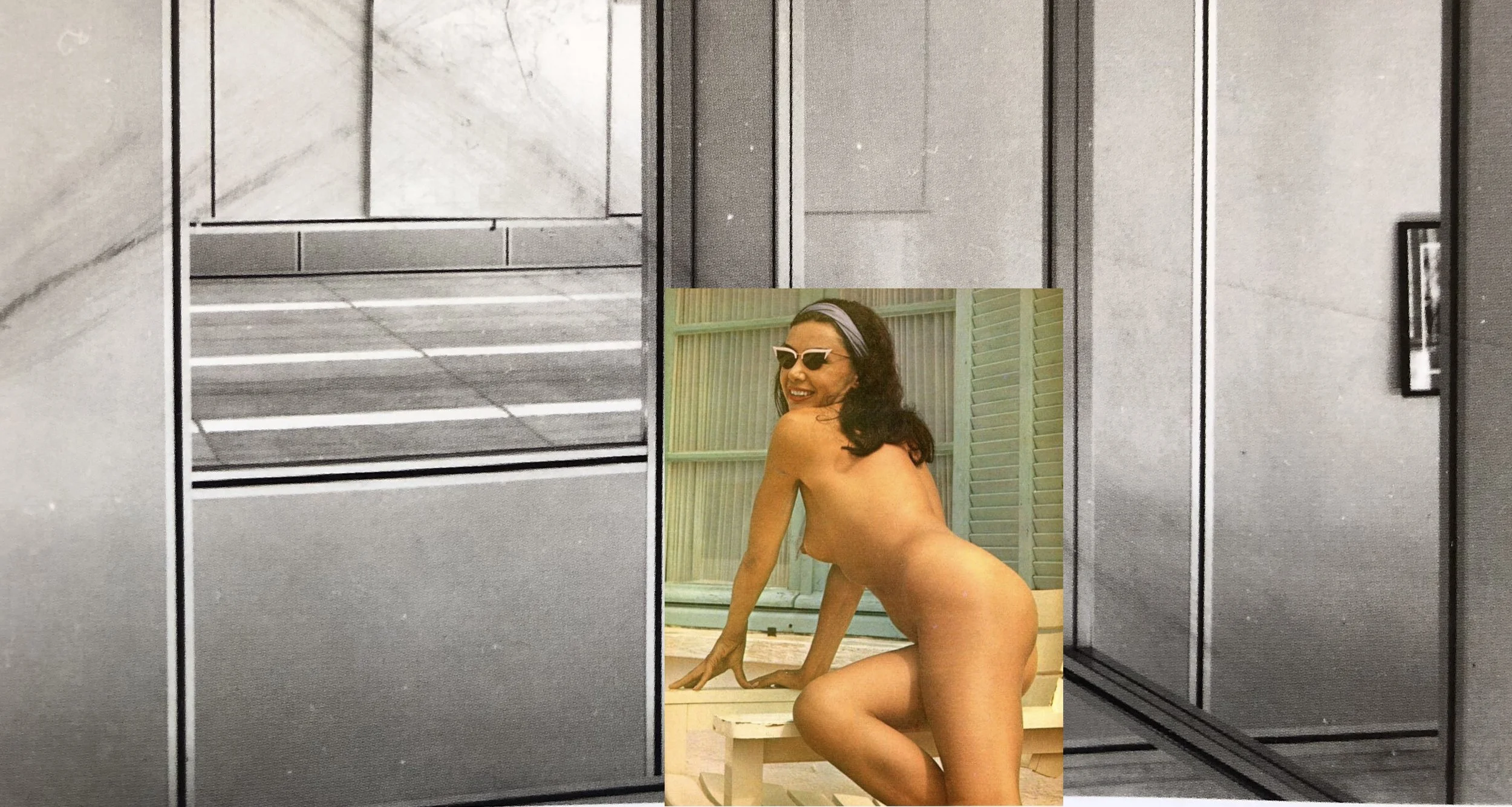
Miss Nude Hotels

New Yorkers of a certain vintage will remember Miss Subways. The contest, like many things New York and Subway, was mysterious. The shadowy selection process was held in undisclosed underground locations, underwritten by unknown forces. Year after year, Miss Subways' eerily familiar features beamed from cardboard rectangles placed where straphangers could muse on them while lost in thought aboard crowded or disturbingly empty subway cars.
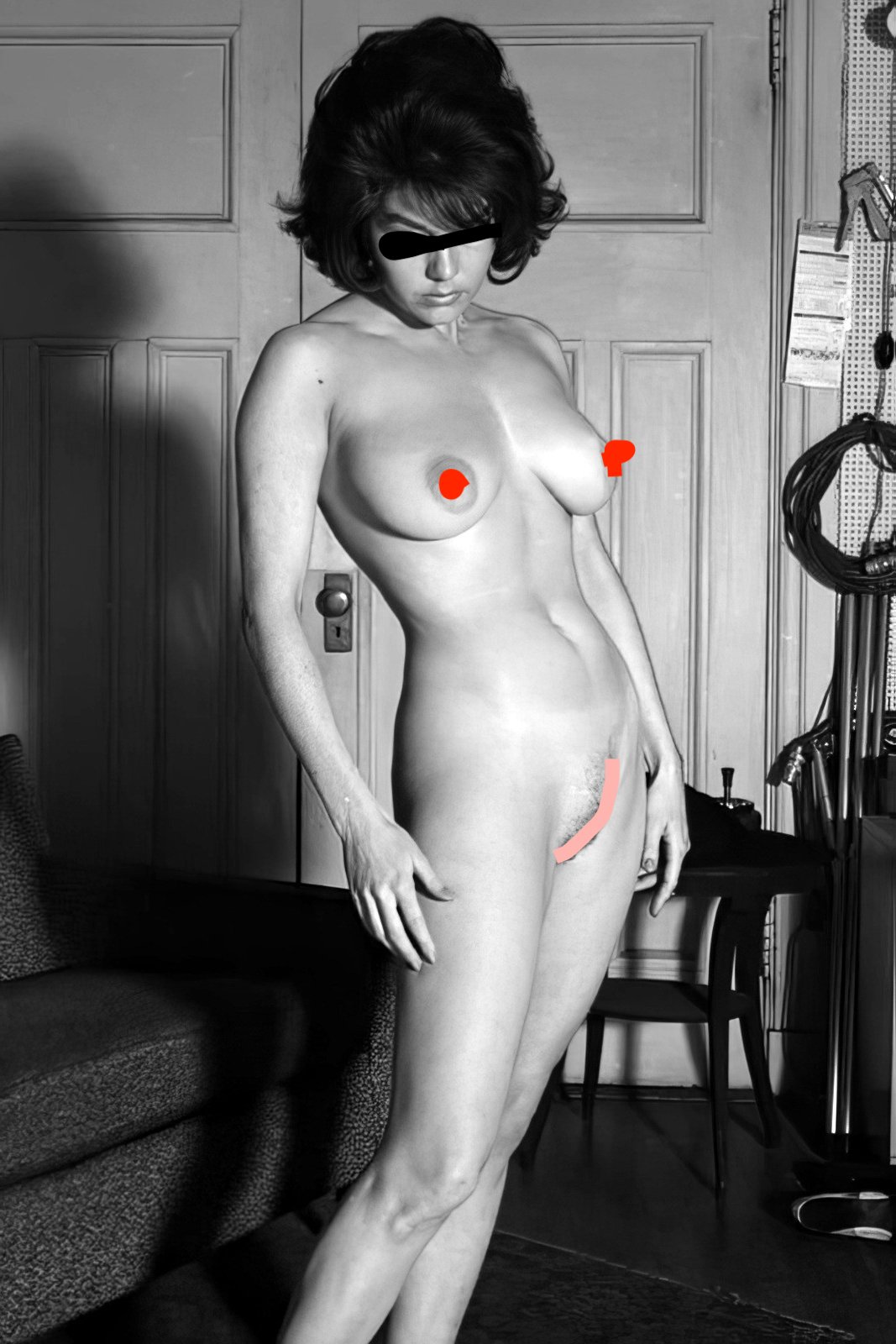
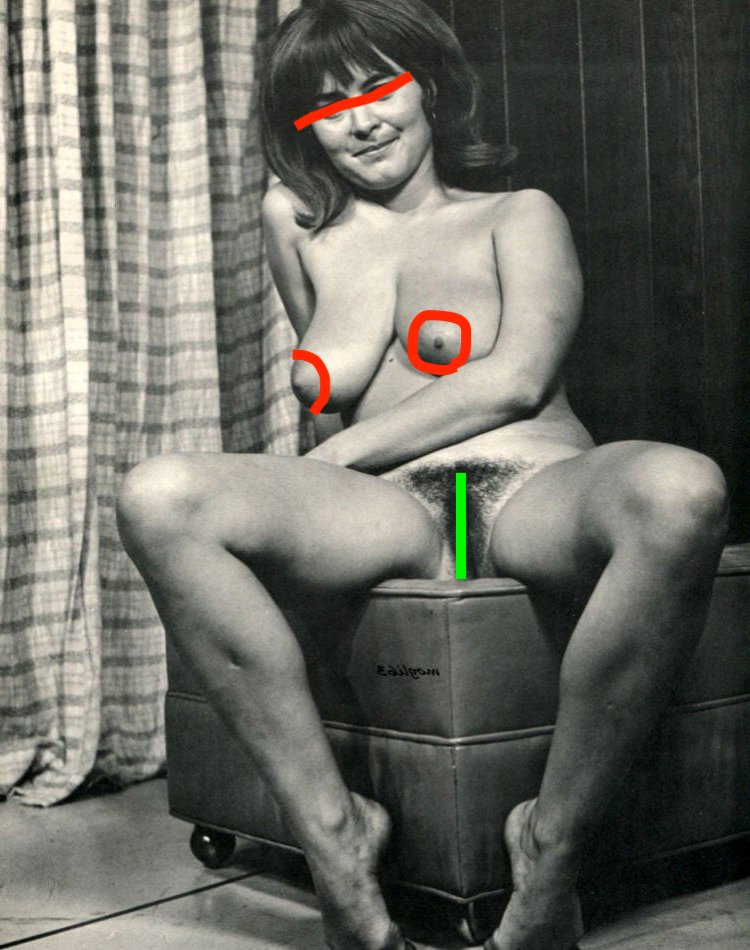
Miss Subways was a series of female faces transported from the crowd and briefly immortalized. Winners of an unostentatious beauty lottery with no stated prizes.
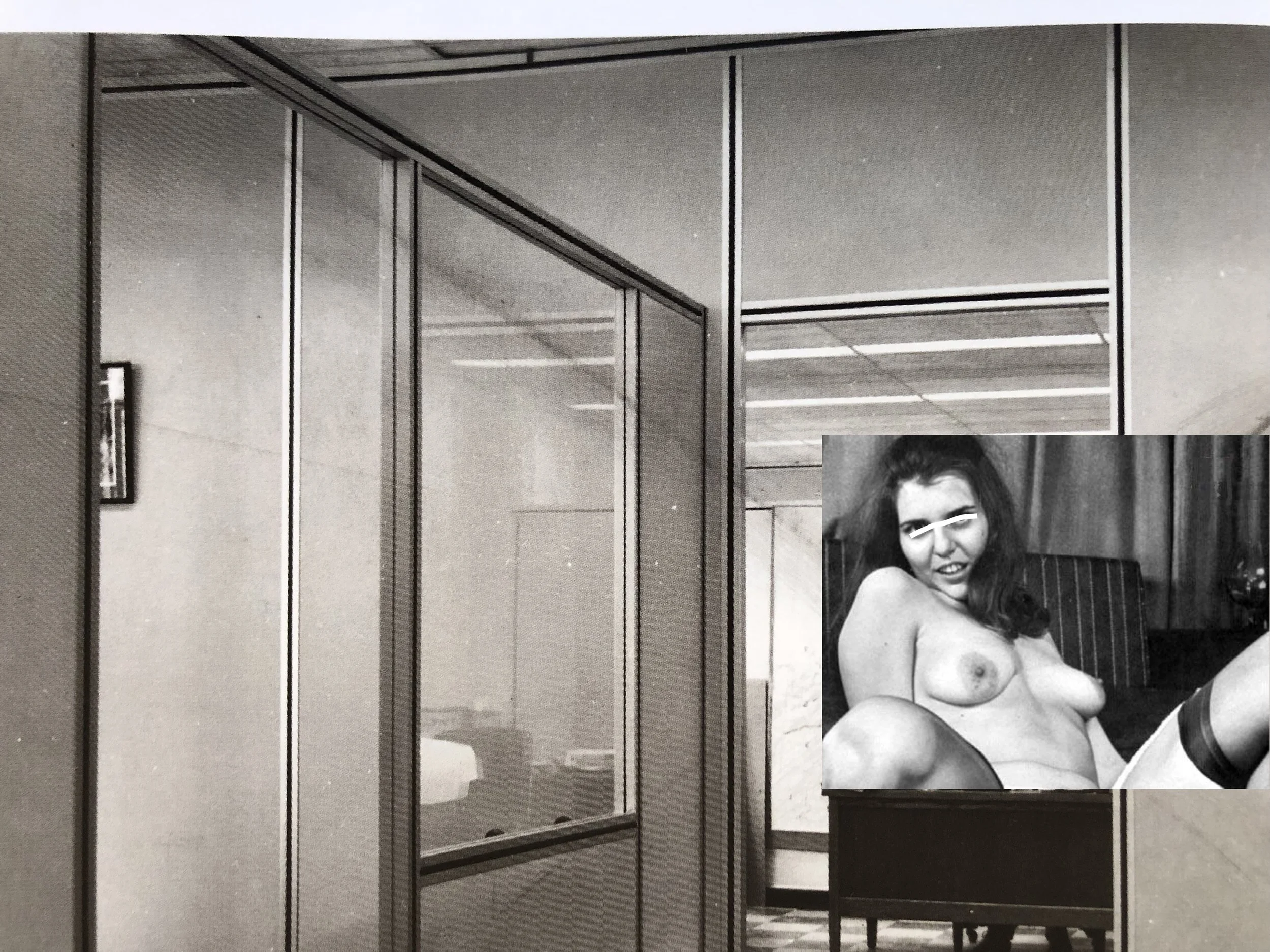
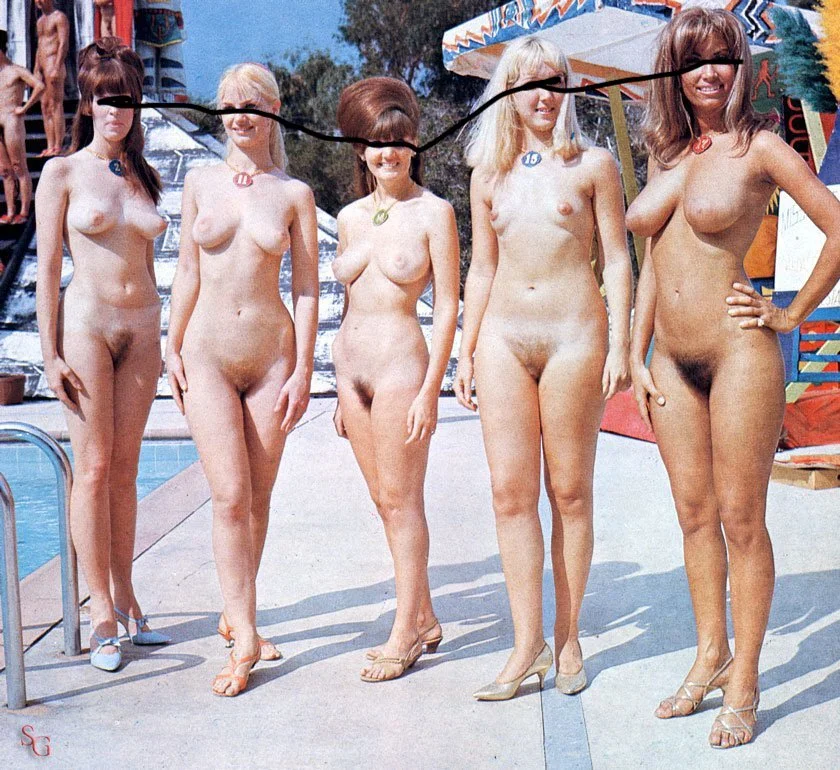
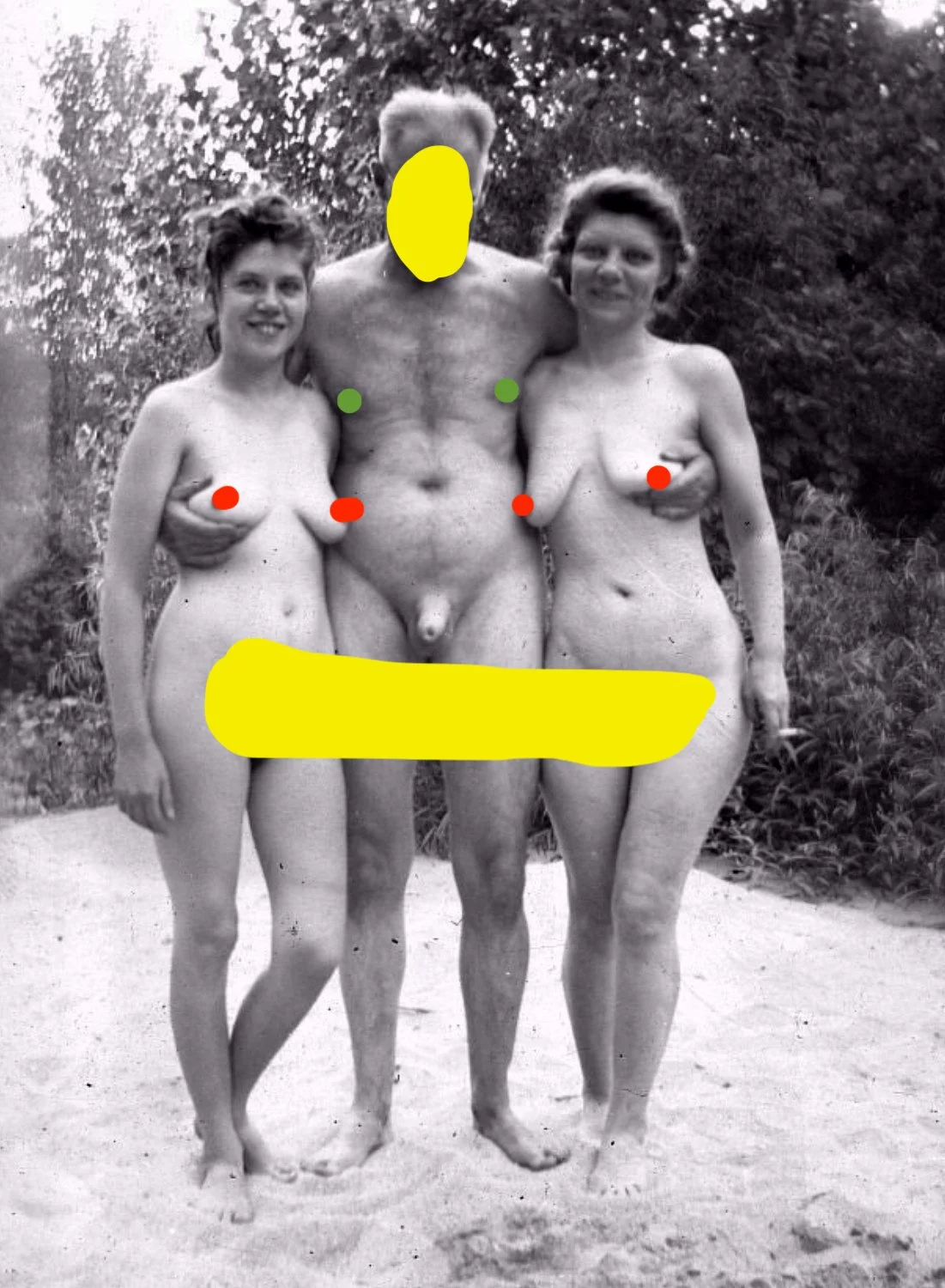
Miss Nude Hotels was sorta like Miss Subways, except Miss Nude Hotels was undressed and she advertised professional hospitality establishments with their bodies. The hotels who sponsored the pageant hoped that nudist imagery and atmosphere would attract hordes of uninhibited guests.
Did they come? Were they nude? Do you remember?
***
Miss Nuda Hotel

Newyorchesi di una certa annata si ricorderanno di Miss Subways. Il concorso, come tante cose di New York e della metropolitana, era misterioso. La selezione avveniva in luoghi segreti sotterranei, sottoscritta da ombrose entità. I tratti familiari di Miss Subways apparivano su rettangoli di cartone ai passeggeri immersi nei propri pensieri in mezzo ai carri affollati o inquietantemente vuoti.
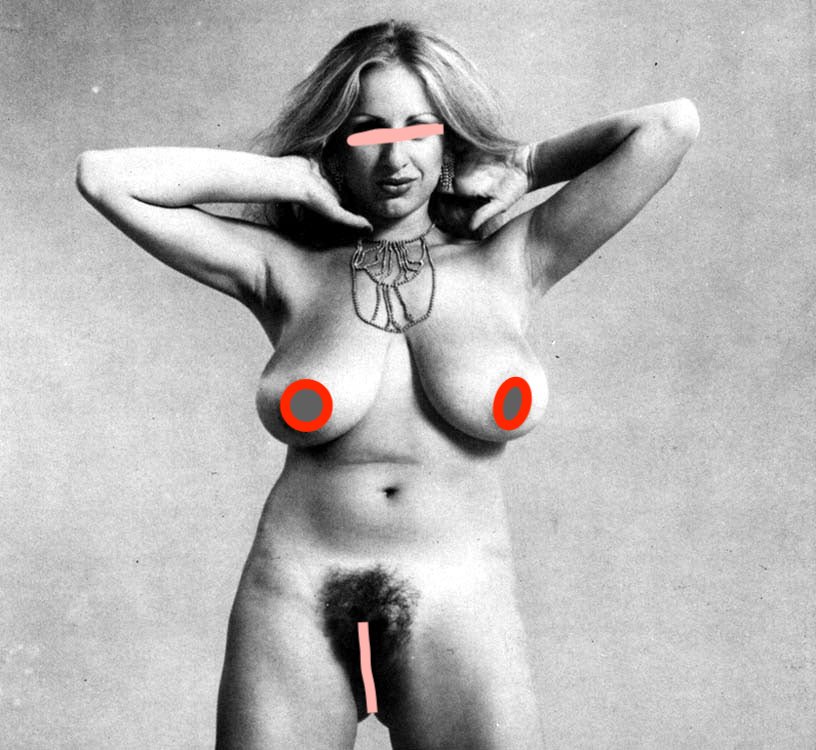

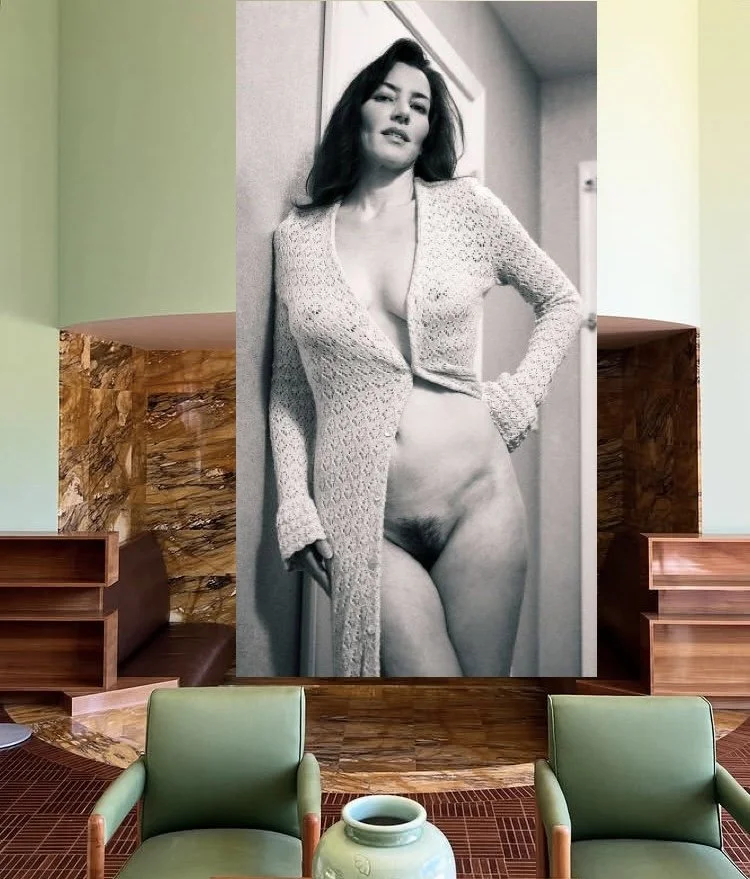
Sotto la biancheria intima questa Miss è completamente nuda.
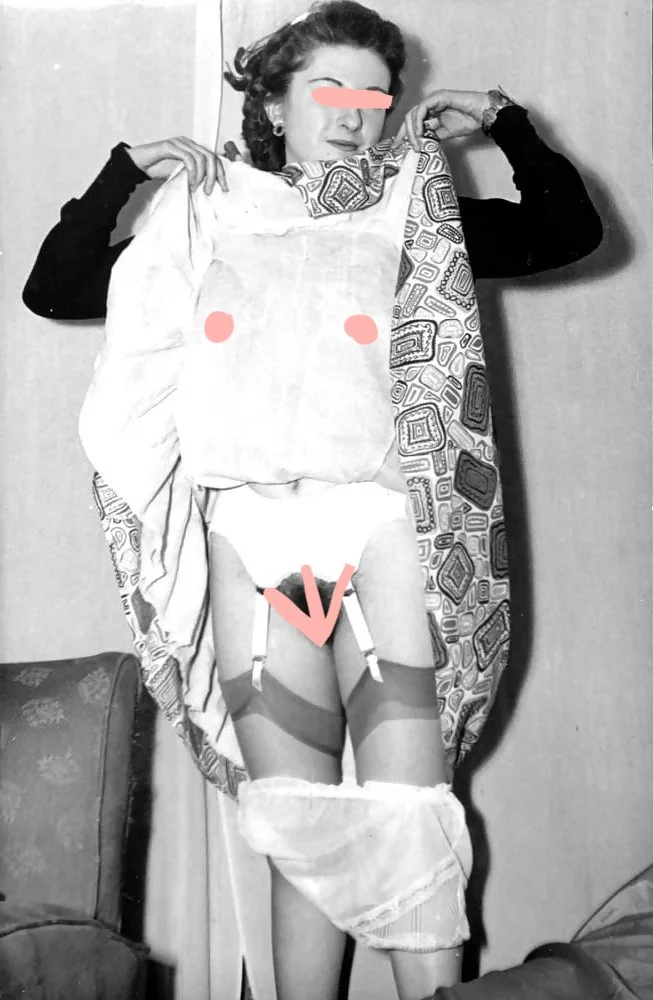
Anche questa Miss qui.
Miss Subways era una serie di volti di donne trasportate dalla folla e brevemente immortalate. Vincitrici di una lotteria senza premi.
Miss Nuda Hotel era un po' come Miss Subways, a parte che Miss Nuda Hotel era svestita e faceva la pubblicità ad alberghi fin troppo reali. Gli hotel che sponsorizzavano la sfilata speravano che immagini e atmosfere naturiste avrebbero attirato sciami di ospiti disinibiti.
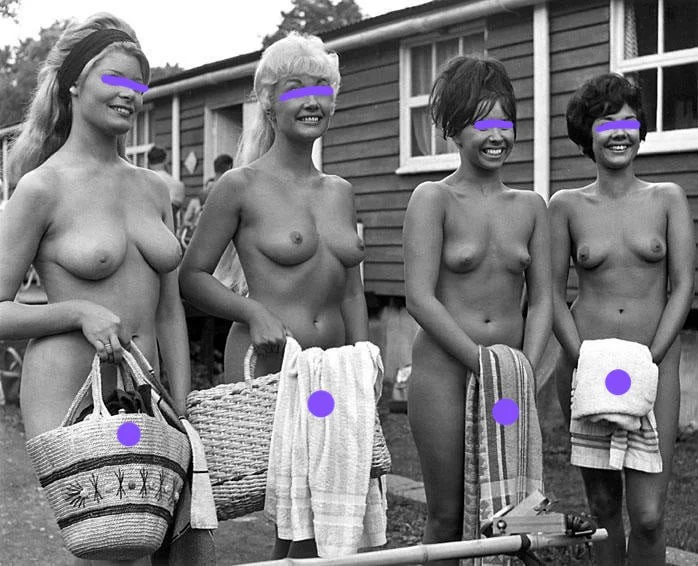
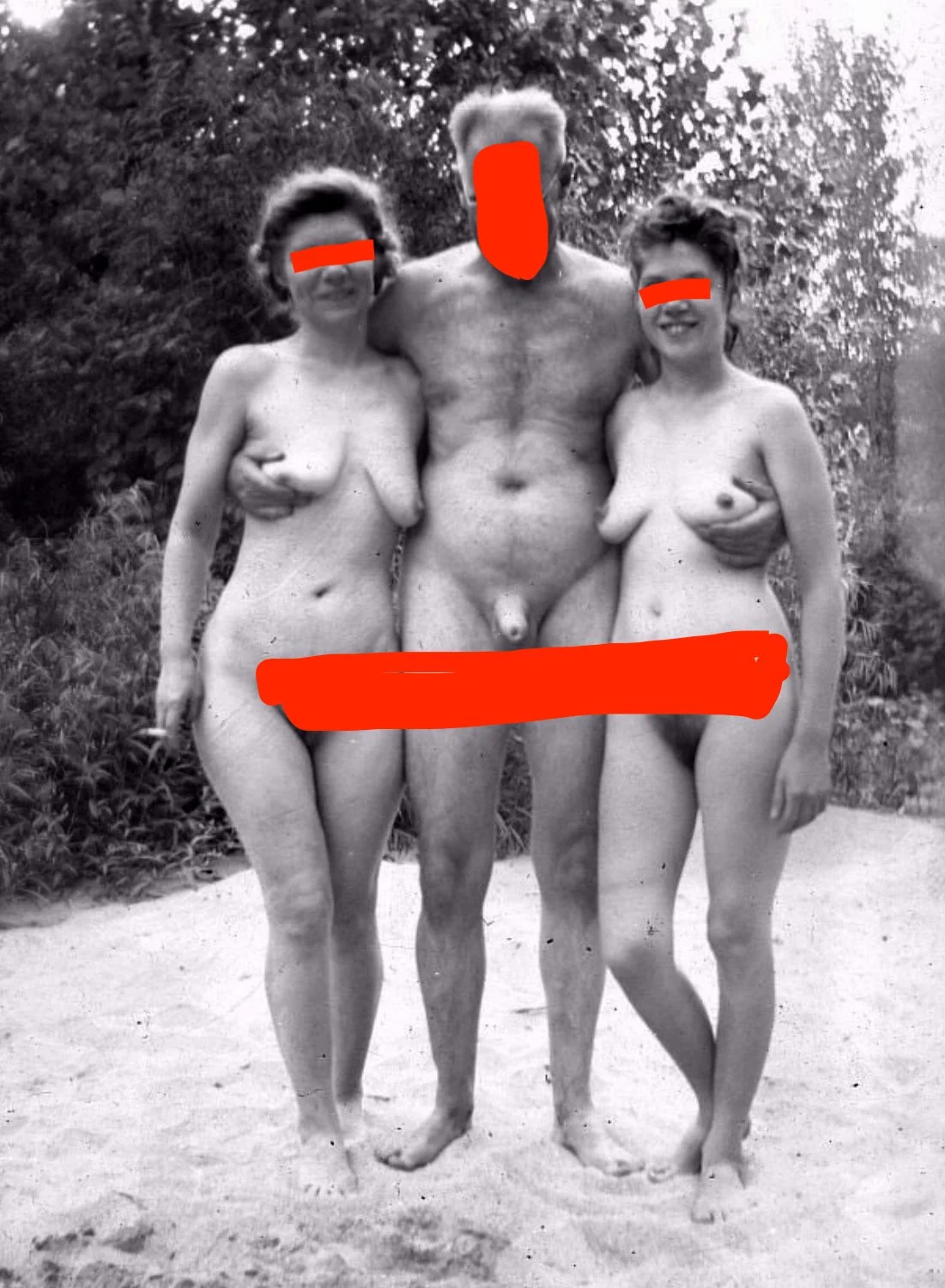
Sono venuti? Erano nudi? Vi ricordate?
We're Not in Kansas or Missouri Anymore. We're In a Hotel.
Two men sat in the lobby of a hotel whose owners must've thought that a medium gray exterior would attract weary travelers. But this restful shade, evocative of daylit winter skies in the farthest northern latitudes, was invisible at night. Spent motorists on the road that stretched to and away from the small town where the Gray Gotel was located passed by unaware, oblivious of the rest they might've found there. Onward, blearily, away from or toward one edge of the continent to the other.
The two men roughly resembled each other, and were both dressed in half-tone shades. To judge from their expressions, they expected others who shared their appearance and mood to enter through the revolving door to occupy the other armchairs and join their wordless conversation. This didn't occur.
The blackness outside and the quiet within the gray hotel grew in weight. The man famous for his eloquent silences opened his mouth, as though he were about to introduce himself. Instead, he yawned broadly, without a sound.
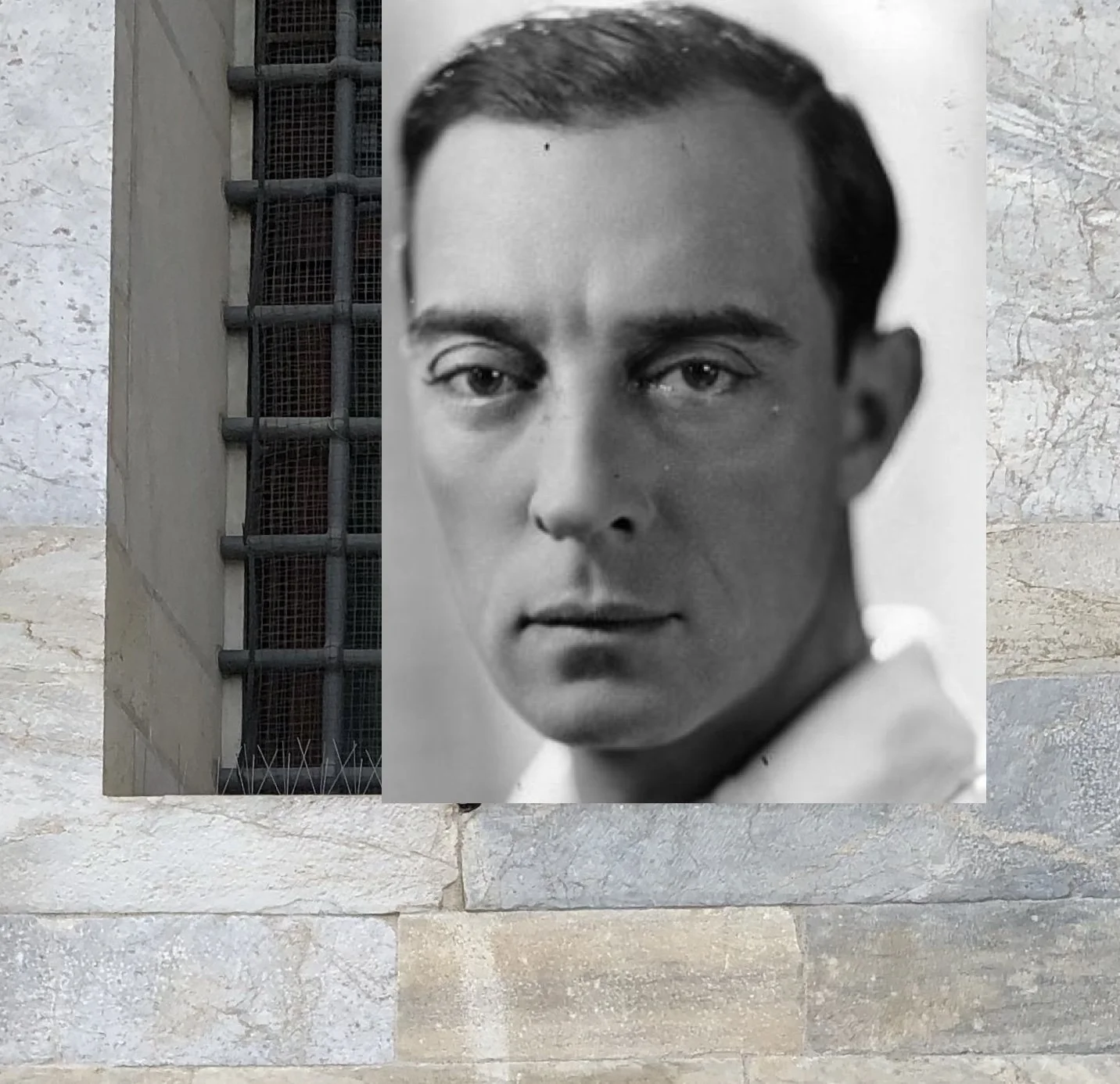
The other, known for his abstruse, quotable verse, was locked in mental struggle about which accent to use, should he decide to speak. His native diction, a chameleon spirit, yearned to once more blend in with the vast plains that stretched far and wide in the outer darkness. His body had somehow been brought back to the Midwest, but the parts of his brain that controled speech clung grimly to the crenellations of Oxford. He looked at his watch in a conversational gambit. The hands weren't in their usual place. The moment became awkward. The poet transformed the gesture into an examination of his fingernails. Nothing amiss there, thank God. He put his hands away, looked at the lobby's other occupant, and thought, 'You are that other. We've walked the same roads in the night, endured the selfsame antipodal glimmer. Your graceful, unostentatious strength relieves the weakened parturient. Your steadfast interred peace resounds no less than urgent strophes too long borne.'
As though he'd read the poet's mind, the acrobatic comedian sprung from his armchair and raced towards the revolving door as if he'd seen someone in the parking lot whom he'd long and silently awaited.
He grabbed one of the panel's handles, braced himself and spun the door around and around like a carousel in a children's playground. His form blurred until it flung itself out into space where it disappeared among the stars.
When the door's gyrations ceased, the seated poet felt drained, emptied.
'No reason to stick around,' he thought, in his native twang. 'There's no room for me here.'
He sat absolutely still, eyes open. His stormcloud-hued clothes dissolved and faded out. The rest of him followed suit.
The Night Porter, whose head had lain on the plane under the counter and couldn't be seen from anywhere in the lobby, stirred, stretched and went to the coffee automat in the hall that led to the hotel's breakfast room. The Manager didn't like employees who cat-napped on their shifts. He'd already been warned twice.
***
Notturno in un hotel tra Kansas e Missouri
Due uomini sedevano nella hall di un hotel cui proprietari devono aver pensato che una stuccatura grigio chiaro avrebbe attratto viaggiatori stanchi. Ma quella tonalità riposante, evocativa di cieli invernali a latitudini più settentrionali, di notte era invisibile. Automobilisti sfiniti sulla strada che portava a e da il paesino dov'era sito il Gray Hotel, passavano inconsapevoli, ignari del riposo che lì avrebbero potuto trovare. Avanti, sempre avanti stancamente verso i vari bordi del continente.
I due si assomigliavano, e i loro abiti erano di sfumature tra nero e grigio. A giudicare dalle loro espressioni stavano aspettando che altri sosia entrassero dalla porta girevole per occupare le altre poltrone e immettersi nella loro conversazione senza parole. Ciò non avvenne.
Il nero fuori e la quiete dentro l'hotel andavano appesantendosi. L'uno, famoso per i suoi eloquenti silenzi, aprì la bocca come se stesse per presentarsi. Invece sbadigliò forte senza alcun suono.
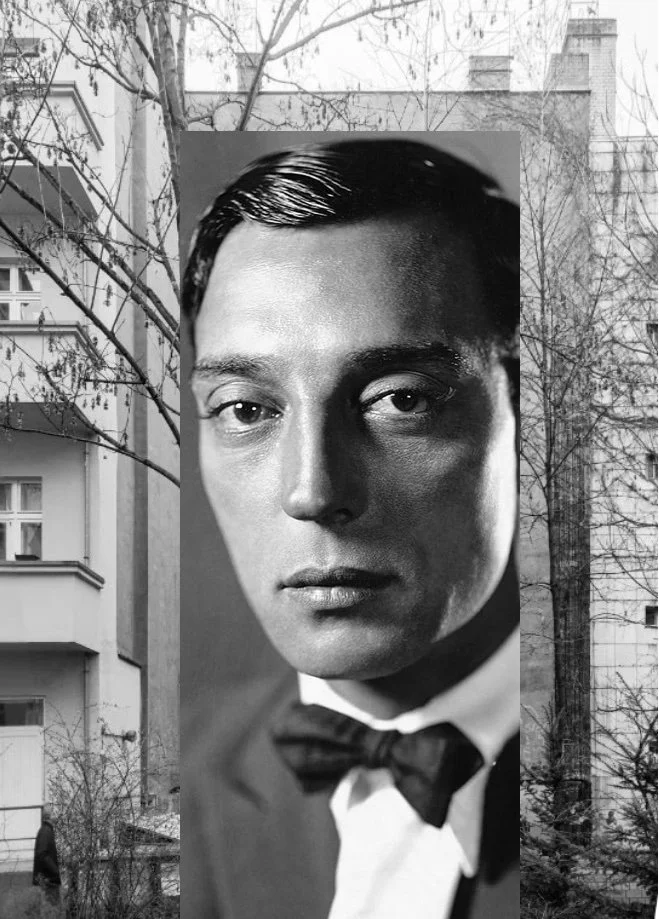
L'altro, conosciuto per i suoi versi astrusi e citabili, era combattuto mentalmente su quale accento usare, se si decideva a parlare. La sua natìa dizione, uno spirito camaleontico, bramava di immedesimarsi nelle vaste praterie che si stendevano là fuori nel buio. Il suo corpo era stato in qualche modo riportato al Midwest degli Stati Uniti, ma le parti del suo cervello che controllavano la parola si aggrappavano alle merlature di Oxford. Guardò l'orologio. Poteva essere interpretato come un invito a chiacchierare. Le lancette non erano al loro solito posto. Il momento si fece scomodo. Il poeta cangiò il gesto in un esame delle unghie. Grazie a dio erano impeccabili. Mise a posto le mani, scrutò l'altra presenza nella hall e pensò, 'Tu sei quell'altro. Abbiamo camminato per le stesse strade di notte, sofferto bagliori contrapposti. La tua forza graziosa e non ostentata dà sollievo al partoriente indebolito. La tua pace sepolta e solida risuona non meno che strofe troppo a lungo trattenute.'
Come se avesse letto nel pensiero del poeta, il comico acrobatico balzò dalla poltrona e corse verso la porta girevole come se avesse visto qualcuno nel parcheggio che aveva a lungo aspettato.
Afferrò la maniglia di uno dei pannelli, si irrigidì e fece vorticare la porta come se fosse una giostra. La sua forma si sfocò finché non si lanciò nello spazio dove sparì in mezzo alle stelle.
Quando la porta girevole smise di roteare, il poeta seduto si sentì prosciugato, svuotato. 'Non c’è posto per me qui,' pensò, nel suo accento natìo. '‘Saranno al completo e non ho prenotato.'
Rimase immobile, gli occhi aperti. I suoi vestiti color nuvole di tempesta sbiadirono, si dissolsero e svanirono. Seguì il resto di lui, qualunque cosa fosse.
Il portiere di notte, che stava con la testa appoggiato sul piano sotto il banco della reception, praticamente invisibile da qualsiasi punto della hall, si risvegliò, si stiracchiò e andò verso la macchina automatica del caffè nel corridoio che portava verso la sala pranzo. Al Manager non piacevano gli impiegati che si appisolavano durante il turno. Era già stato ammonito due volte.
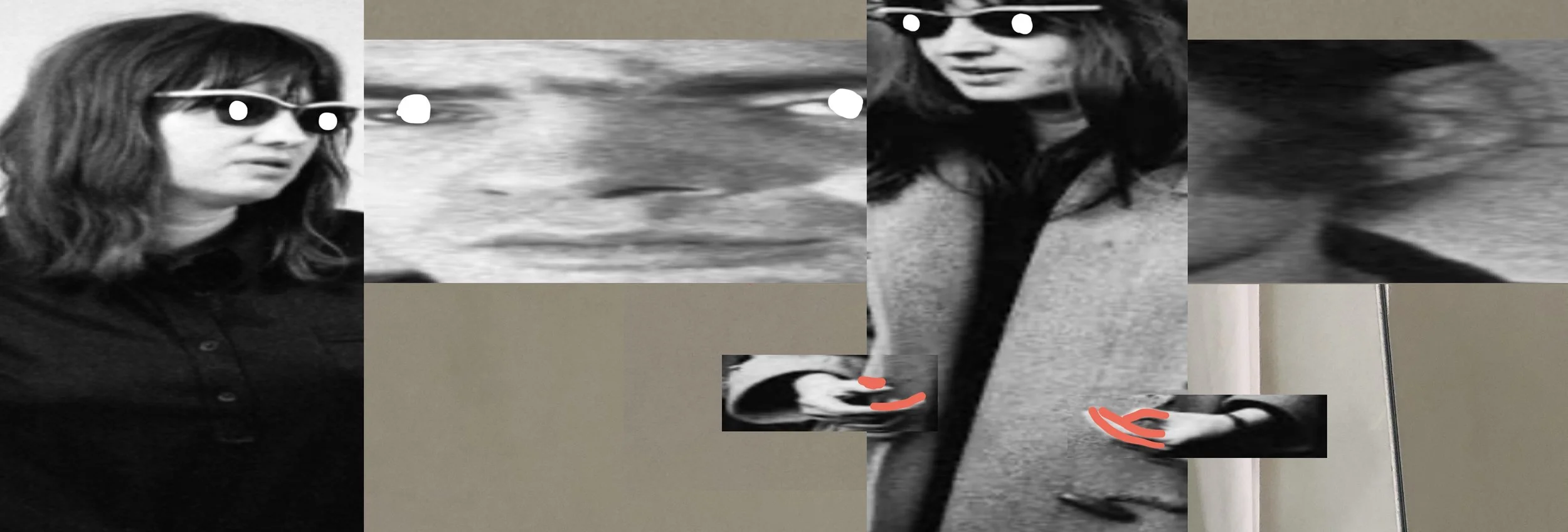
Down down down with the Old Hotel
The Old Hotel grew older still, as did its occupants. Despite the long, relatively close confinement, they’d never grown closer together. Ancient discords festered. Flesh sagged. The scorch-mark smell left behind by cigarettes carelessly dropped on the wall-to-wall carpet in the lobby and in the hallways were intensified by a general airlessness.
Joan was practically unrecognizable. Her once-dark hair seemed to vanish whenever she looked out her room's window to watch the snow fall on the drifts left behind by yesteryday’s blizzard. 'Thicker and whiter than in winters past,' she thought.
The corporation she'd worked for had either fired, or learned to do without her. She no longer needed money, or negotiable points in her resumé. She herself wanted to understand what'd happened to the life she'd dreamt she'd lived before the Old Hotel took over.
Heavier and darker than in winters past.
She still fit into her clothes, if she bothered to dress. She'd grown somewhat corpulent on room service provender, but her shape somehow shifted its way back into the skirt, the blouse, the jacket and shoes.
The ghosts in the other rooms and the ones downstairs no longer frightened her, and she didn't appear to disturb them either. They'd accepted her, as she supposed she'd accepted them. Except the handsome fellow who wore military uniform. He was so polite, so attentive and elegant in manner. But he smelled awful.
The quiet younger people aroused a previously unsuspected maternal warmth in Joan. They'd found the enemy and had fought as hard as they could. But they hadn't fought effectively, or the struggle had been too great and had crushed them, finally.
One night she heard a tremendous noise, and thought the end had come. Everything that humankind had ever built was caving in. The Old Hotel looked on the verge of collapse ever since that first strange awakening, but the crush was at last at hand. But the clangour was interspersed with shouts of joy.

The happy noise at the end.
***
Abbasso l’Old Hotel
L'Old Hotel invecchiò ulteriormente, come i suoi inquilini. Nonostante la lunga quasi prigionia, non si erano uniti. Vecchie discordie marcivano. La carne cedeva. Il puzzo di bruciato lasciato da sigarette buttate con noncuranza sulla moquette della hall e dei corridoi era intensificato dall'aria stantia.
Joan era praticamente irriconoscibile. I suoi capelli una volta scuri sparivano quando si sporgeva dalla finestra della sua camera per guardar cadere la neve sulla neve caduta in mezzo alla tormenta di ieri. 'Più densa e più bianca che negli anni passati,' pensava.
L'azienda per la quale aveva lavorato l'aveva o licenziata o imparato a fare senza di lei. Non aveva più bisogno di soldi o cose interessanti da aggiungere al curriculum. Voleva solo capire cos'era successo alla vita che aveva sognato di vivere prima che prendesse il sopravvento l'Old Hotel.
Chi da vivo si ricorda delle vite precedenti?
Stava ancora nei vestiti, se si prendeva la briga di vestirsi. Era diventata alquanto corpulenta grazie alle vettovaglie del servizio in camera, ma le sue forme si conformavano sempre alla gonna, la blusa, la giacca e le scarpe.
I fantasmi nelle altre stanze non la spaventavano più, e pareva che neanche lei gli suscitava paura. L'avevano accettata come lei aveva accettato loro. A parte il bel tipo ombroso che indossava la divisa militare. Era così cortese, aveva modi così attenti ed eleganti. Ma aveva un cattivo odore.
La gioventù silenziosa faceva sorgere in lei un calore materno che non pensava di possedere. Sembrava che avessero scorto il nemico e avevano lottato più forte potevano. Ma non avevano saputo combattere in modo efficace, oppure la battaglia era stato troppo per loro e li aveva alla fine schiacciati.
Una notte sentì un cataclisma e pensò che fosse venuta la fine. Tutto ciò che aveva costruito l'umanità stava crollando. L'Old Hotel sembrava in procinto di rovinarsi a terra dal momento di quello strano risveglio, ma ora l'apparenza era diventata realtà. Eppure il clamore era frammisto a urli di gioia.
Un fragore da lieto fine.
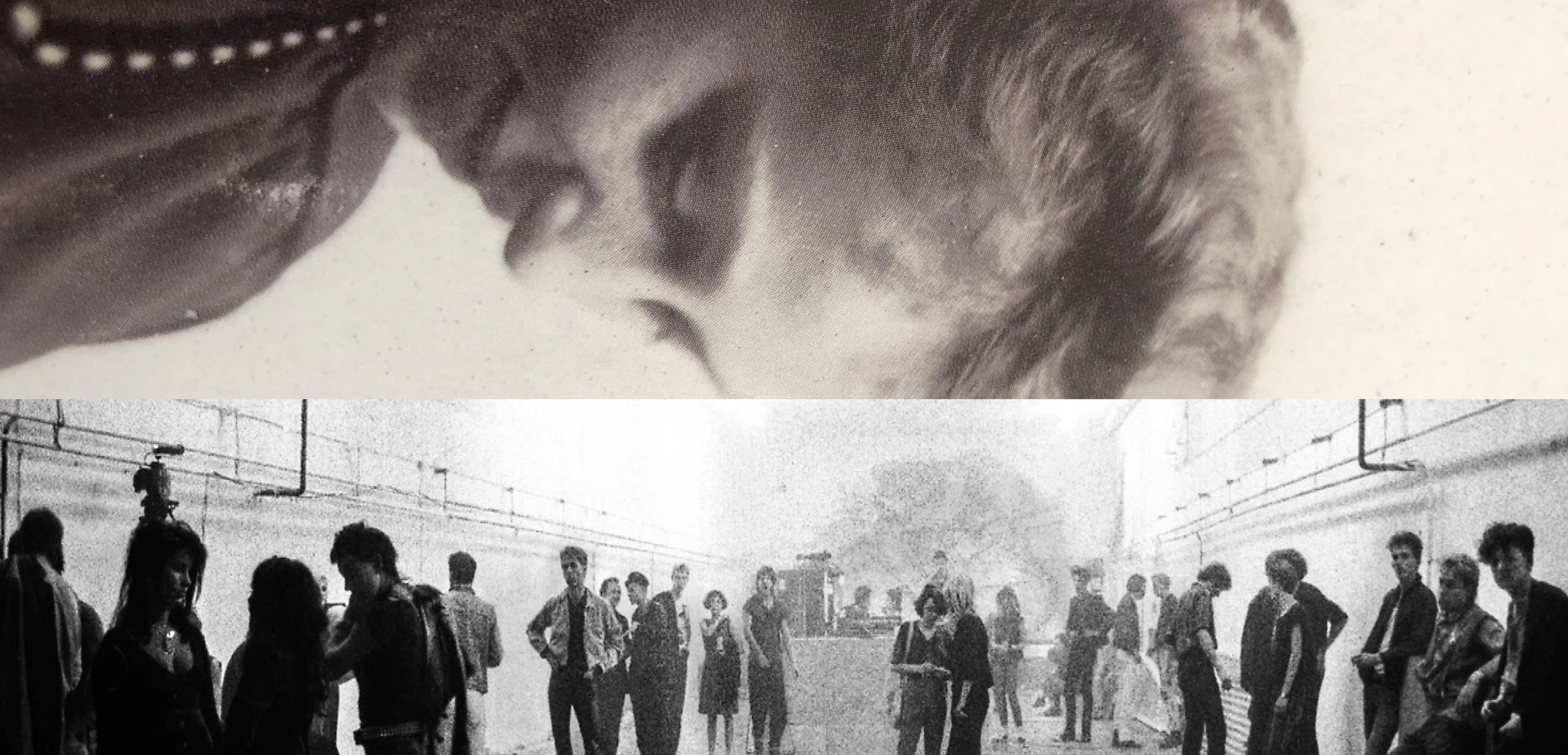
Down in the Old Hotel
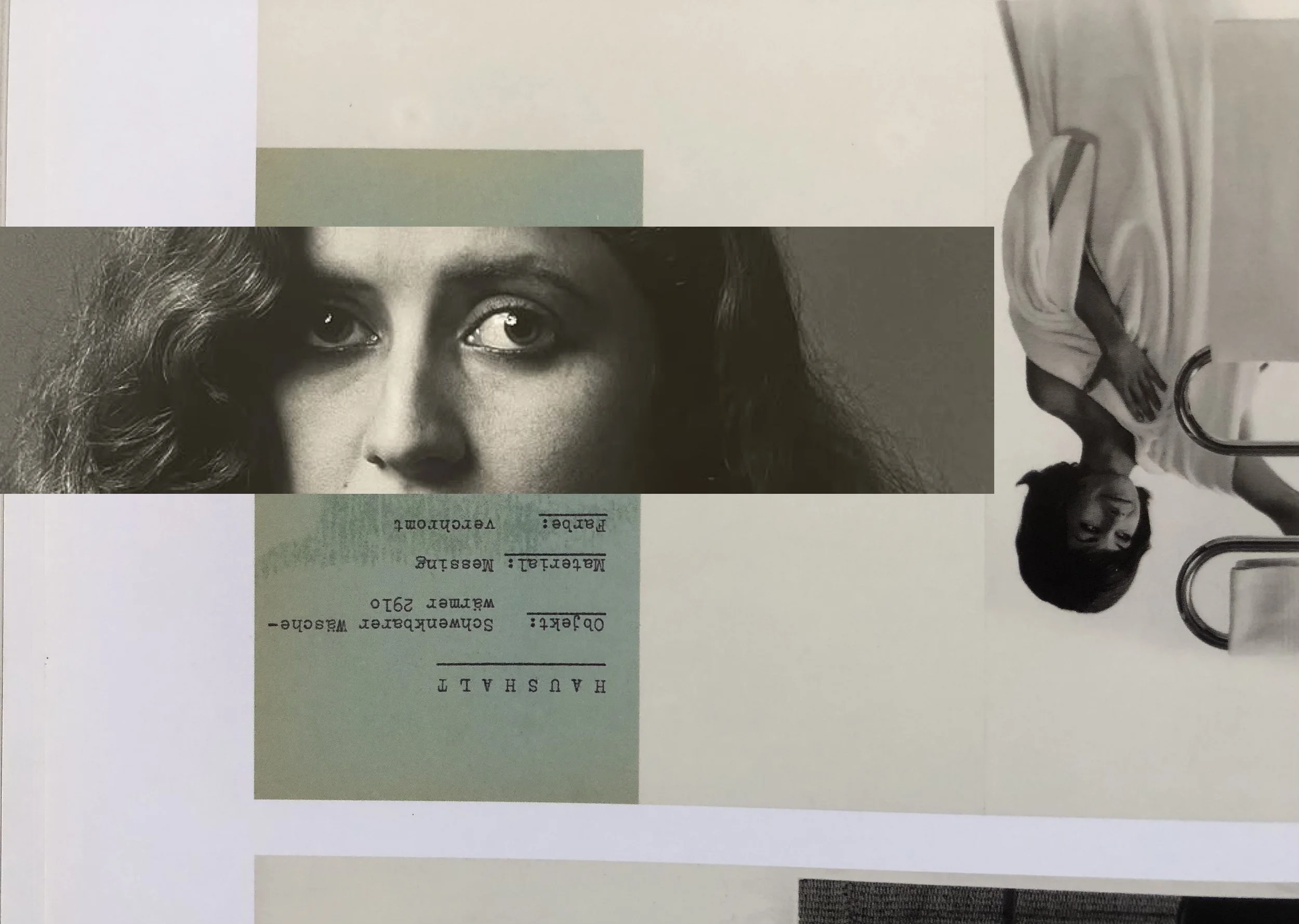
Joan takes her first look at The Room.
The room was clean, unremarkable. Nothing about the furnishings suggested the facilitation of complicated unconventional sexual activities.
Joan unpacked her minimal luggage and indulged in a long hot shower. She had a business meeting scheduled for the late afternoon, afterwards a dinner date with an industrial designer she'd met at a trade convention.
She sent him female receptivity signals galore during the meal, but he didn't invite her to spend the night with him at his place.
He offered instead to drop her off at the Old Hotel. Miffed, Joan said she'd prefer to walk.
She wandered, got lost, stopped in the middle of a suspension bridge and stared down at the river, whose name she couldn't recall. The whorls and eddies of its current hypnotized her.
When she awoke it was 1928, and she was in Berlin. But of this she was unaware.
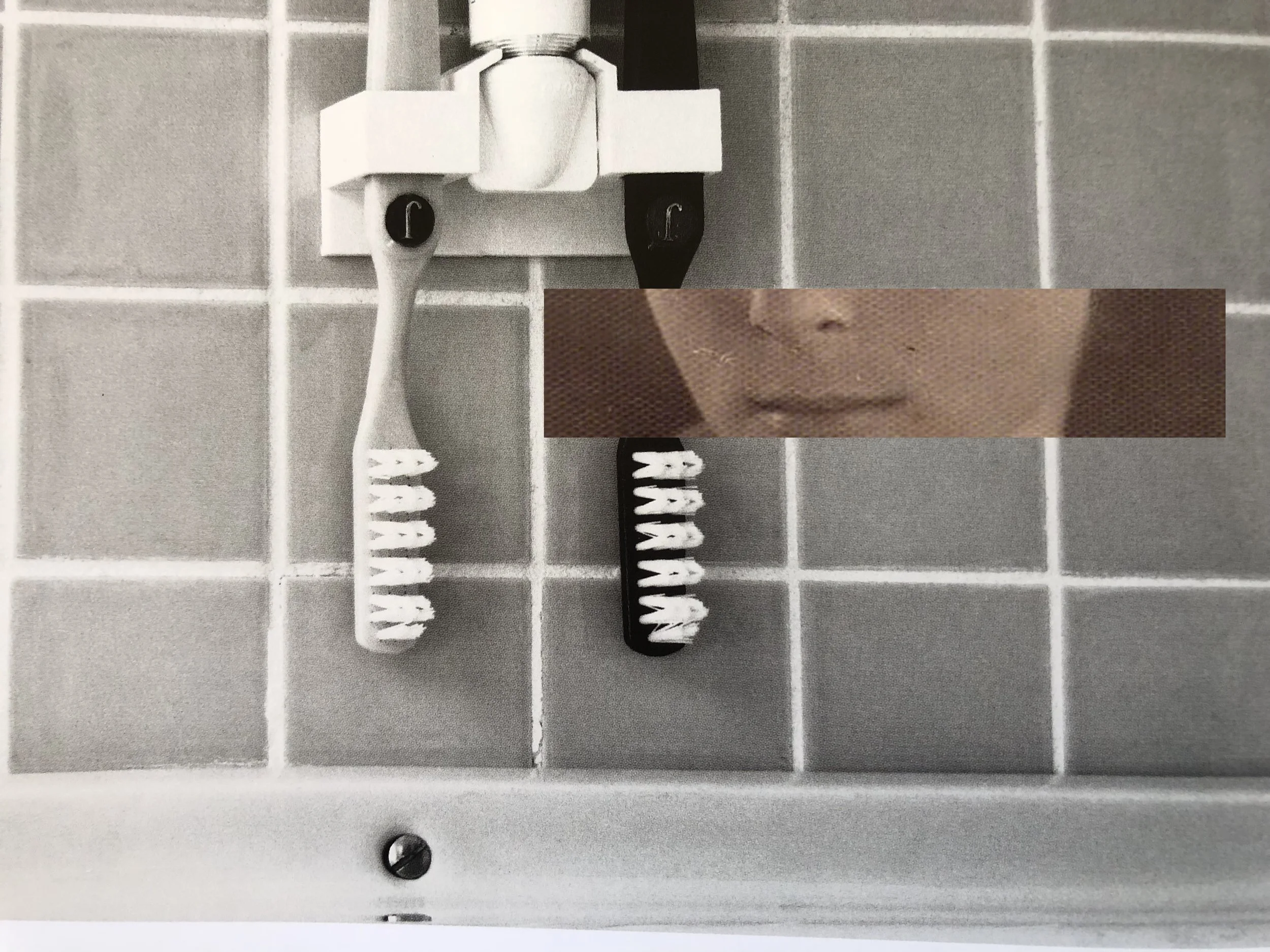
Closer inspection reveals The Truth.
She discovered that, even though she'd struck out romantically the last evening, she'd been cuffed and shackled to the bedposts.
'Here's a pretty how-dee-do,' she thought, when she'd ascertained that it was useless to struggle. The pain in her head reminded her of the bottles of champagne she'd drunk with that snappy, puritanical creative technologist. 'Been a long time since I wet the bed,' she thought. 'At least this time it won't be my fault.'
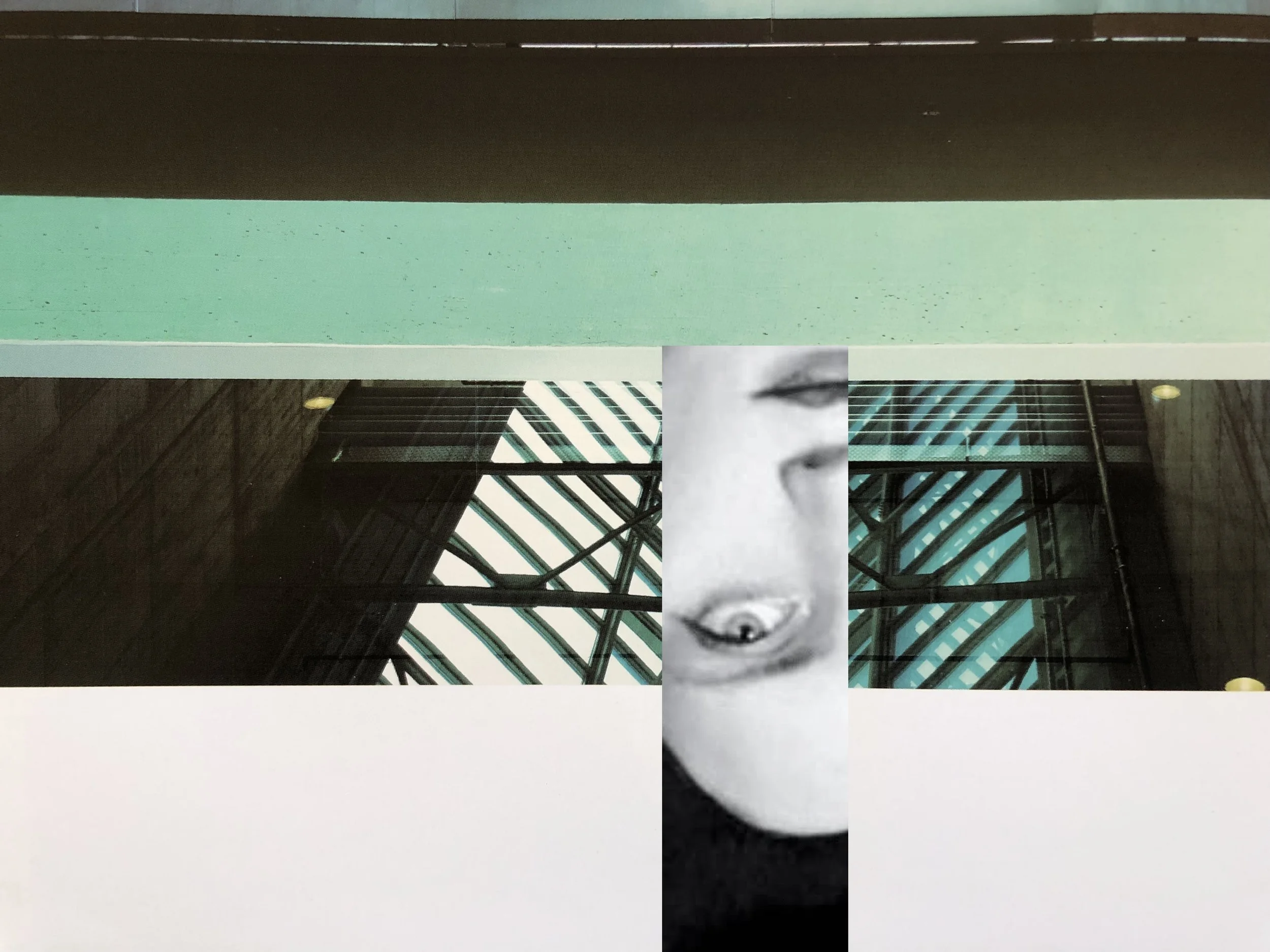
‘No one can blame me for this.’
Someone knocked on the door, and entered before Joan could shout permission. A figure dressed in black leather approached, bedpan in hand.
"Just in time," Joan said.
The second-skin person was masked, only the eyes visible, and performed the most intimate ablutions in a way that obviated embarrassment.
"Any chance you might undo these bonds?" Joan asked, when all was done. "My flight's at three, and I'd like to do some sight-seeing before I leave town."
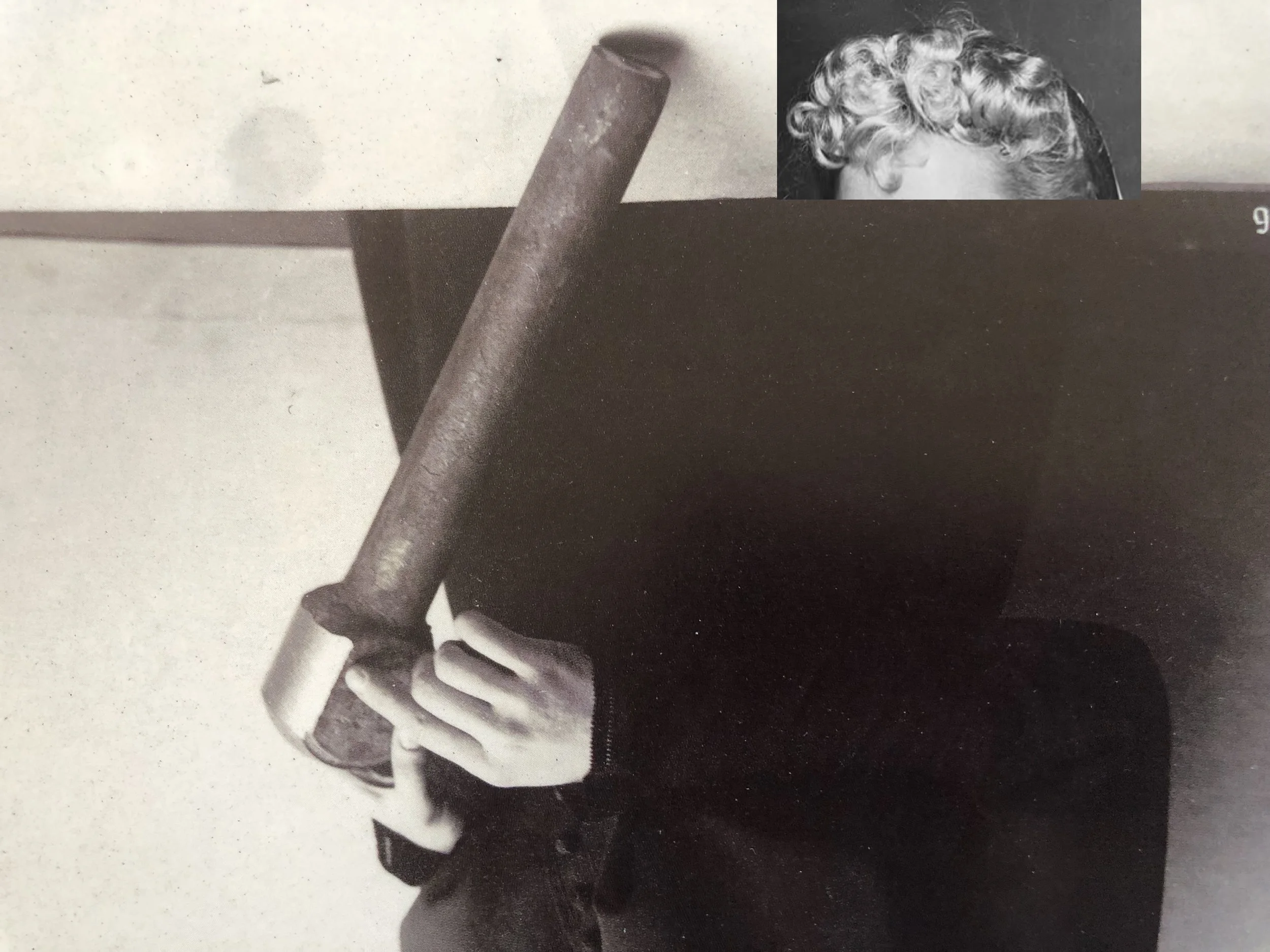
“Please cleanse and release me.”
The chamberperson muttered something unintelligible, at least to Joan, and bore away the chamber pot and left the door open.
People whom Joan had seen in the lobby the previous afternoon paraded through her room, rejuvenated, re-beautified. They seemed reverential and somewhat sad, as if they'd come to pay their respects.
'This is crazy,' Joan thought, somewhat desperately. "Stop looking at me," she said. "Release me this instant. I have to go."
"You're free," said a beautiful young woman who bore an air of immense tragedy resignedly lived through. "You just don't yet know how free you really are."
***
Giù nell’Old Hotel
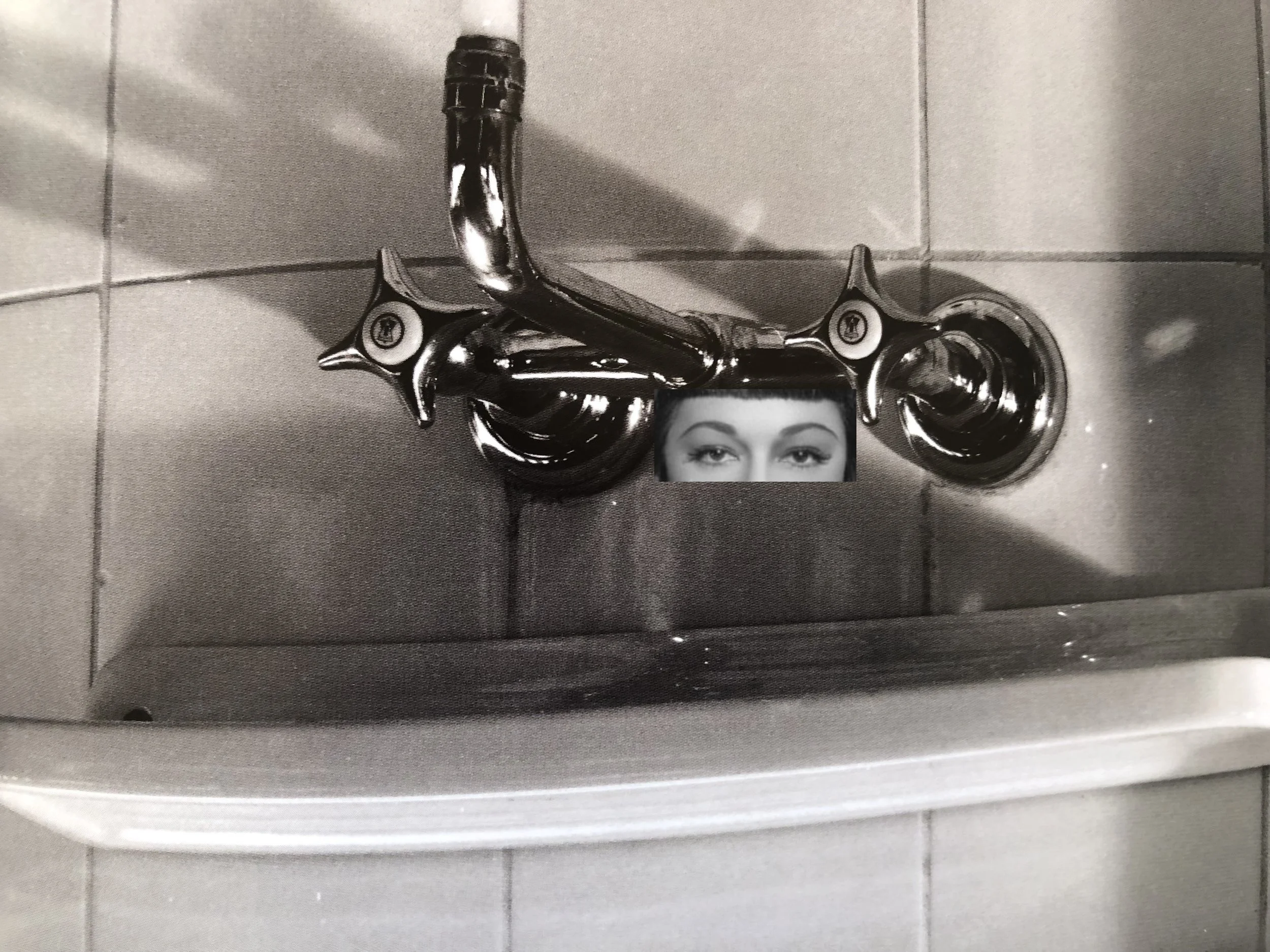
Joan dà una preliminare occhiata a La Stanza.
La stanza era pulita e anonima. Non vi era nulla che suggerisse una facilitazione a compiere atti sessuali complicati e poco convenzionali.
Joan disfece la minima borsa e si abbandonò a una lunga e calda doccia. Aveva una riunione d'affari nel tardo pomeriggio e poi un appuntamento a cena con un designer industriale che aveva conosciuto a una convenzione commerciale.
Malgrado gli avesse trasmesso ogni possibile segnale di femminile ricettività durante il pasto, lui non la invitò a passare la notte a casa sua.
Si era offerto invece di accompagnarla all'Old Hotel, ma Joan seccata gli aveva detto che preferiva camminare. E così fece.
Gironzolò a caso, si perse, si fermò in mezzo a un ponte sospeso e fissò il fiume del quale si era scordata il nome. La corrente la ipnotizzò.
Quando si risvegliò era il 1928, ed era a Berlino. Ma di questo era inconsapevole.
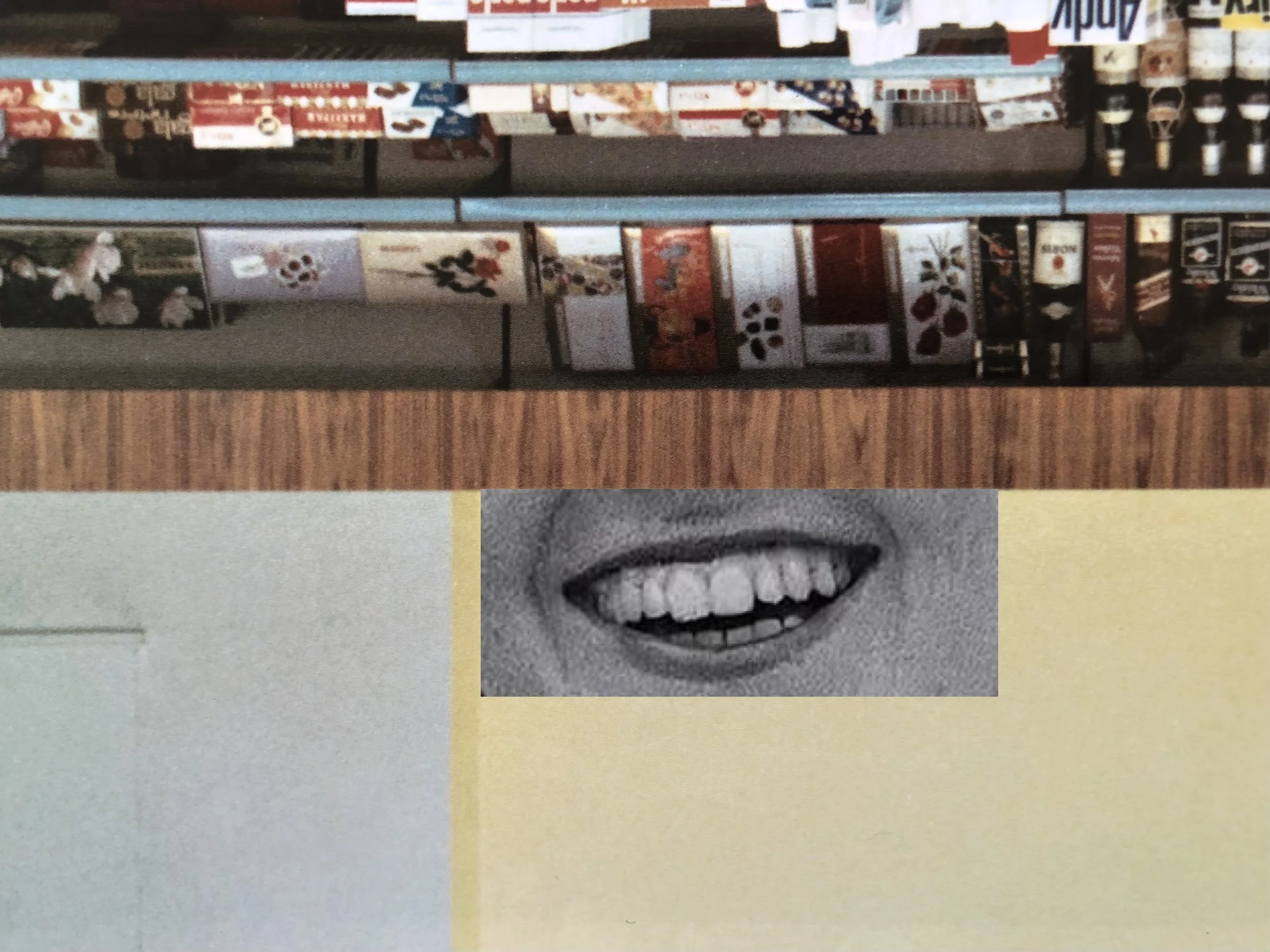
Passiamo la vita inconsapevoli di molte cose.
Scoprì che, pur avendo fatto cilecca col presunto spasimante la sera prima, era stata ammanettata e incatenata alle colonne del letto.
'Ecco un bel guaio,' pensò, quando si rese conto che era futile dibattersi. Il dolore che sentiva in testa le rifece presente le bottiglie di champagne che aveva scolato assieme al tecnico creativo chic ma alquanto puritano. 'Sono molti anni che non piscio nel letto. Almeno stavolta non sarà per colpa mia.'
Qualcuno bussò alla porta ed entrò prima che Joan potesse urlare il permesso. Una figura vestita di cuoio nero le si avvicinò con in mano una padella.
"Giusto in tempo," disse Joan.
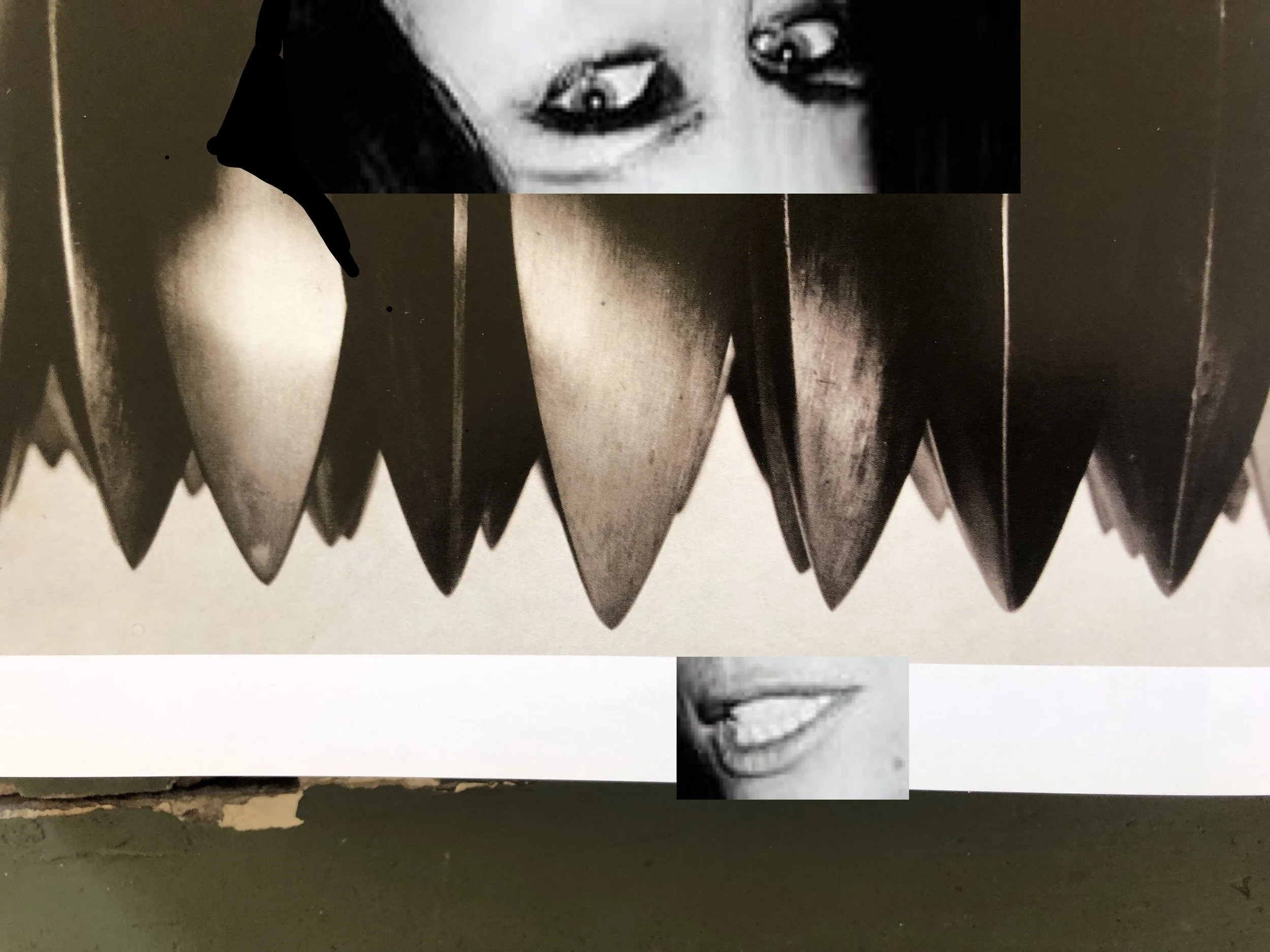
Salvatore/trice? O carnefice/fica?
La persona incuoiata era mascherata, le erano visibili solo gli occhi. Eseguì l'intimo compito con una naturalezza che impediva l'imbarazzo.
"Per caso mi puoi liberare da questi vincoli?" chiese Joan. "Ho il volo alle tre e vorrei fare un giro in centro prima di partire."
La lugubre infermiera mormorò qualcosa di incomprensibile e portò via il vasetto lasciando aperta la porta.
Si chiude una finestra ogni volta che si lascia una porta aperta.
La gente che Joan aveva visto nella hall il pomeriggio prima sfilava per la sua stanza, ringiovaniti, di nuovo graziosi. Avevano un'aria allo stesso tempo reverenziale e triste, come se fossero venuti a rendere omaggio.
'Pazzesco,' pensò Joan, disperata. "Smettetela di guardarmi," disse forte. "Liberatemi immediatamente. Devo andarmene."
"Sei libera," le disse una bella donna dall'aria tragica. "Ma ancora non sai quanto sei libera veramente."
Up in the Old Hotel
The Old Hotel didn't feature a bar, let alone a grille. Guests procured their own hooch, and gathered in the lobby to further wear out the furniture and gas each other with second-hand alcohol. They'd already told each other all their stories.
Human lobby furniture in extreme proximity with each other.
The Old Hotel was even more than usually silent on the winter afternoon when Joan came in through the revolving door. With nary a sidelong glance, she approached the reception area and set down her compact corrugated aluminum suitcase. The bell on the desk hadn't been rung in a long time. Joan pounded its button. The message was, I'm here.
She comes: Joan.
At last, the saloon's denizens silently sighed, and slowly roused from their boozy hibernation. Fresh meat. Fresh blood.
The Old Hotel's reluctant manager emerged from his office, got a load of Joan and shook his head. "Sorry."
"What on earth do you mean?" she said. "I want a room. Preferably with bath."
"You wouldn't feel at home here," the manager said.
"That doesn't matter. It’s only for a night or two."
Someone behind her croaked, "That's what you think."
Joan wheeled. Time- and weather-beaten faces faced her.
"We too were once young, strong and beautiful."
"Check in somewhere else, while you still can."
But the manager had already slid a key across the counter. Instead of a room number, the fob bore a black-and-white bondage photo.
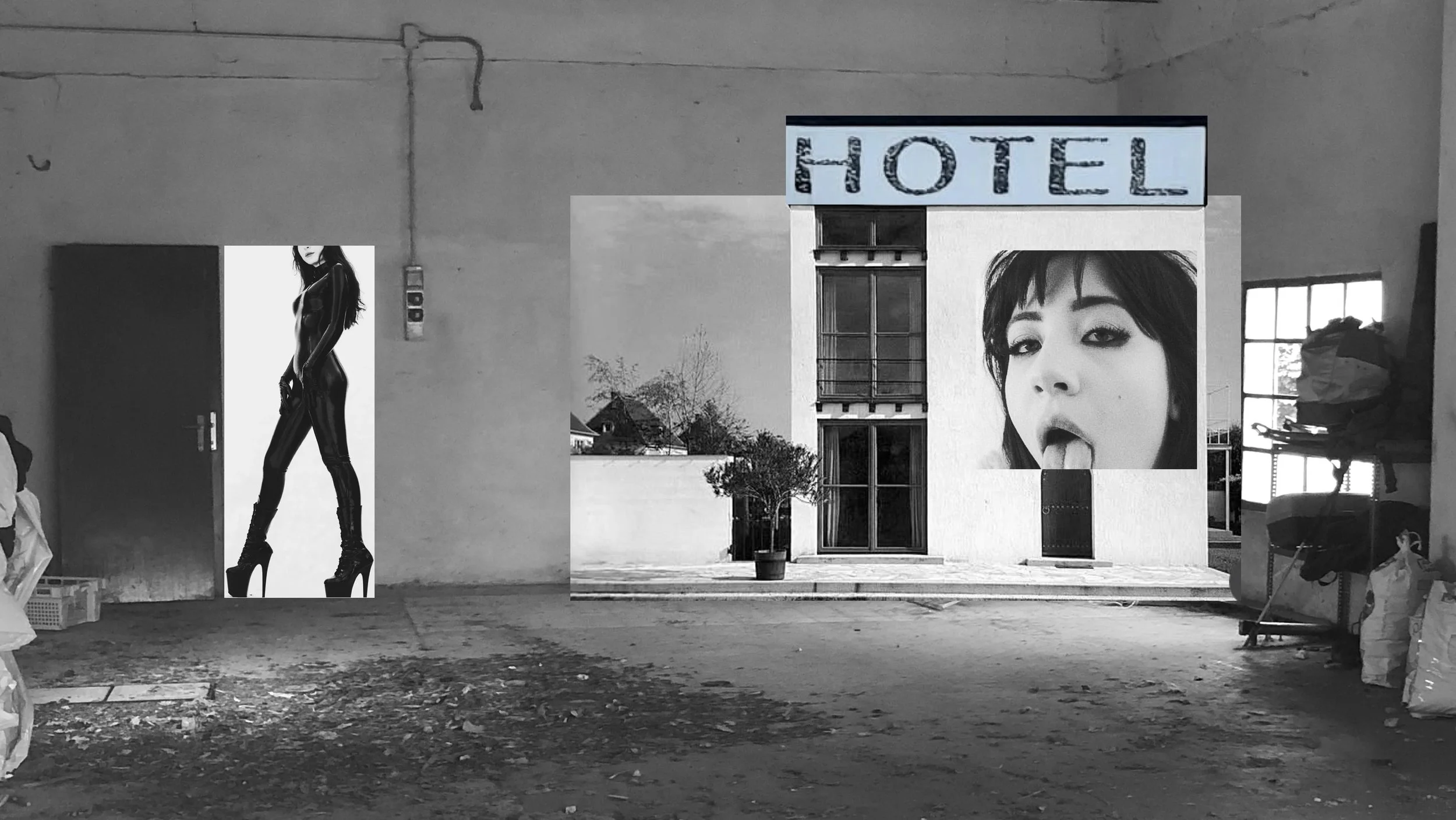
Hotel or dungeon? Who decides?
***
Nel vecchio Old Hotel
L'Old Hotel non vantava un bar, lasciamo stare un ristorante. Gli ospiti si procuravano da soli da bere, e si raggruppavano nella hall per sfondare ulteriormente i mobili e avvelenarsi a vicenda con l'alcol passivo. Si erano già raccontati tutte le loro storie.
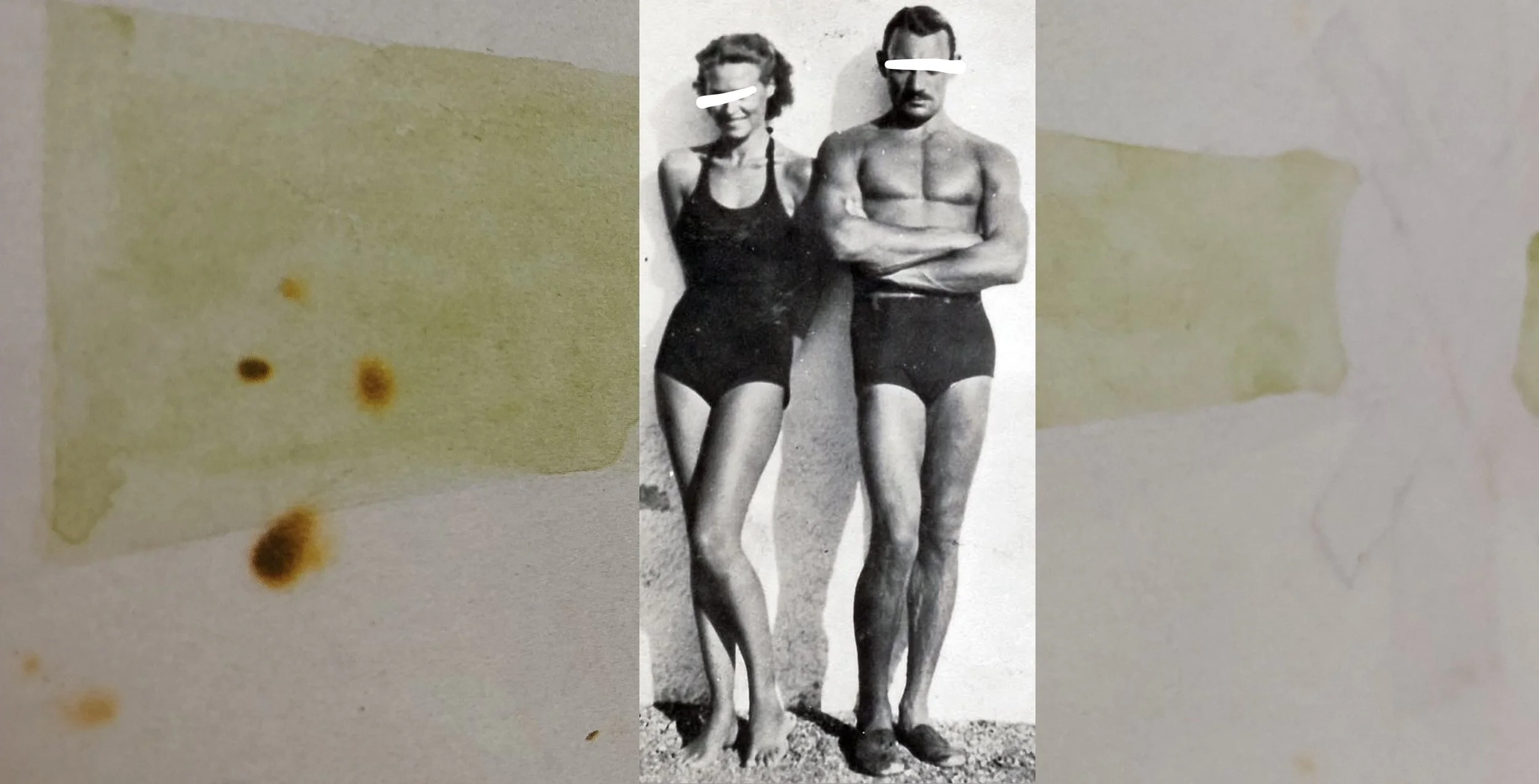
Erano davvero così? O era tutto un sogno.
L'Old Hotel era ancora più silenzioso del solito nel tardo pomeriggio d'inverno quando Joan entrò dalla porta girevole. Senza guardarsi intorno, si diresse all'accoglienza e pose a terra la compatta valigia di alluminio corrugato. La campanella sul banco da tempo non era stata suonata. Joan la colpì forte. Il messaggio era chiaro: sono qui.
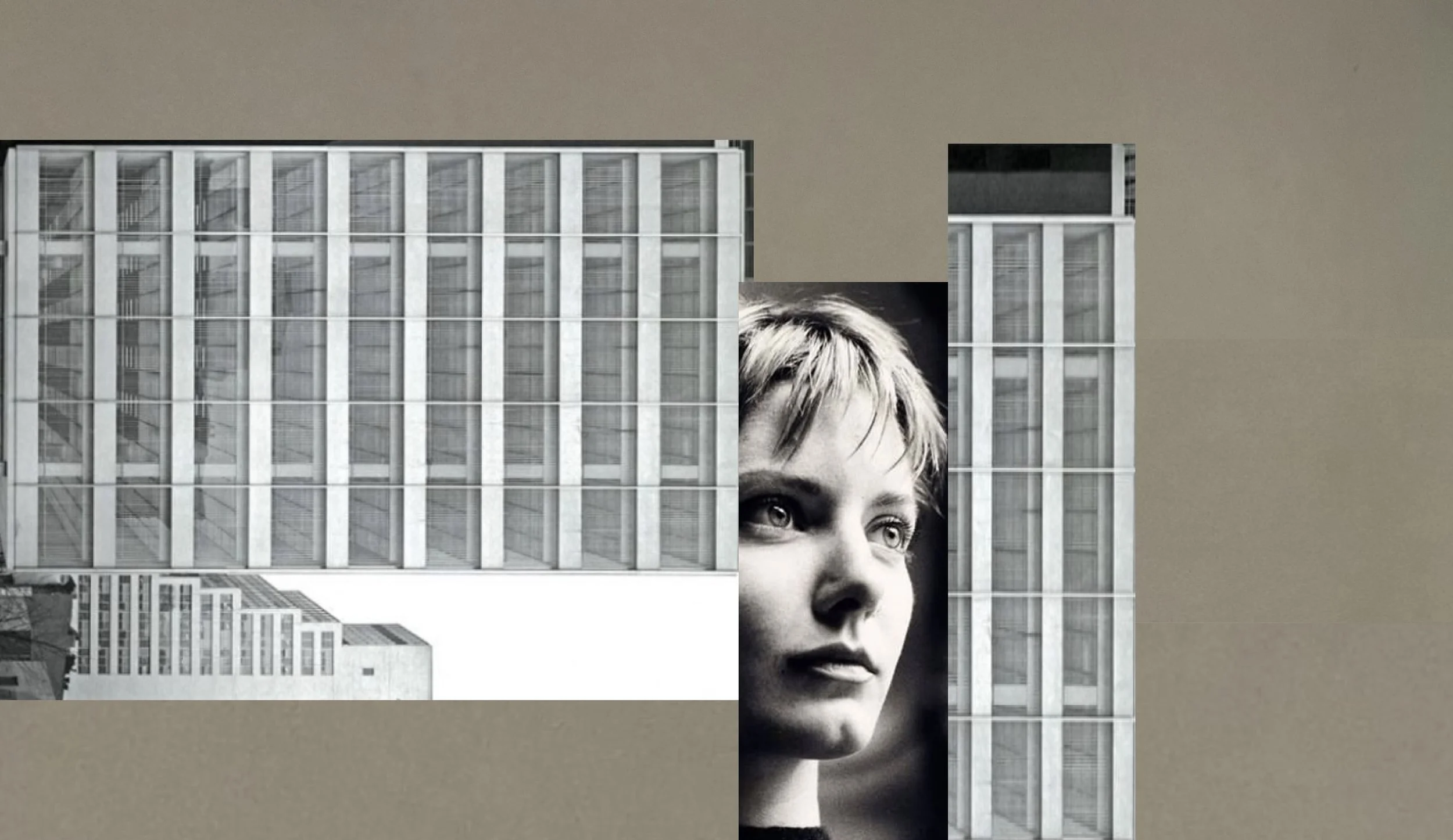
Eccola che viene: Joan.
Finalmente, sospirarono silenziosi gli abitanti del salotto e pian piano risuscitarono dall'etilica ibernazione. Carne fresca. Sangue fresco.
Riluttante, il manager dell'Old Hotel, emerse dal suo ufficio, scorse Joan e scosse la testa. "Mi dispiace."
"Cosa significa?"disse lei. "Voglio una stanza. Preferibilmente con bagno."
"Non ti troveresti a casa qui," rispose il manager.
"Non importa, è solo per una notte o due."
Qualcuno dietro di lei gracchiò, "Questo lo credi te.”
Ma davvero lo credi?
Joan si girò di scatto.
"Anche noi siamo stati giovani, belli e forti."
"Registrati da qualche altra parte, finché puoi."
Ma il manager già faceva scivolare sul banco verso Joan una chiave. Anziché un numero di stanza, il portachiavi recava un'arcaica immagine bondage in bianco e nero.

Pensione o carcere? Chi decide?

Girls Only Singles Cruise
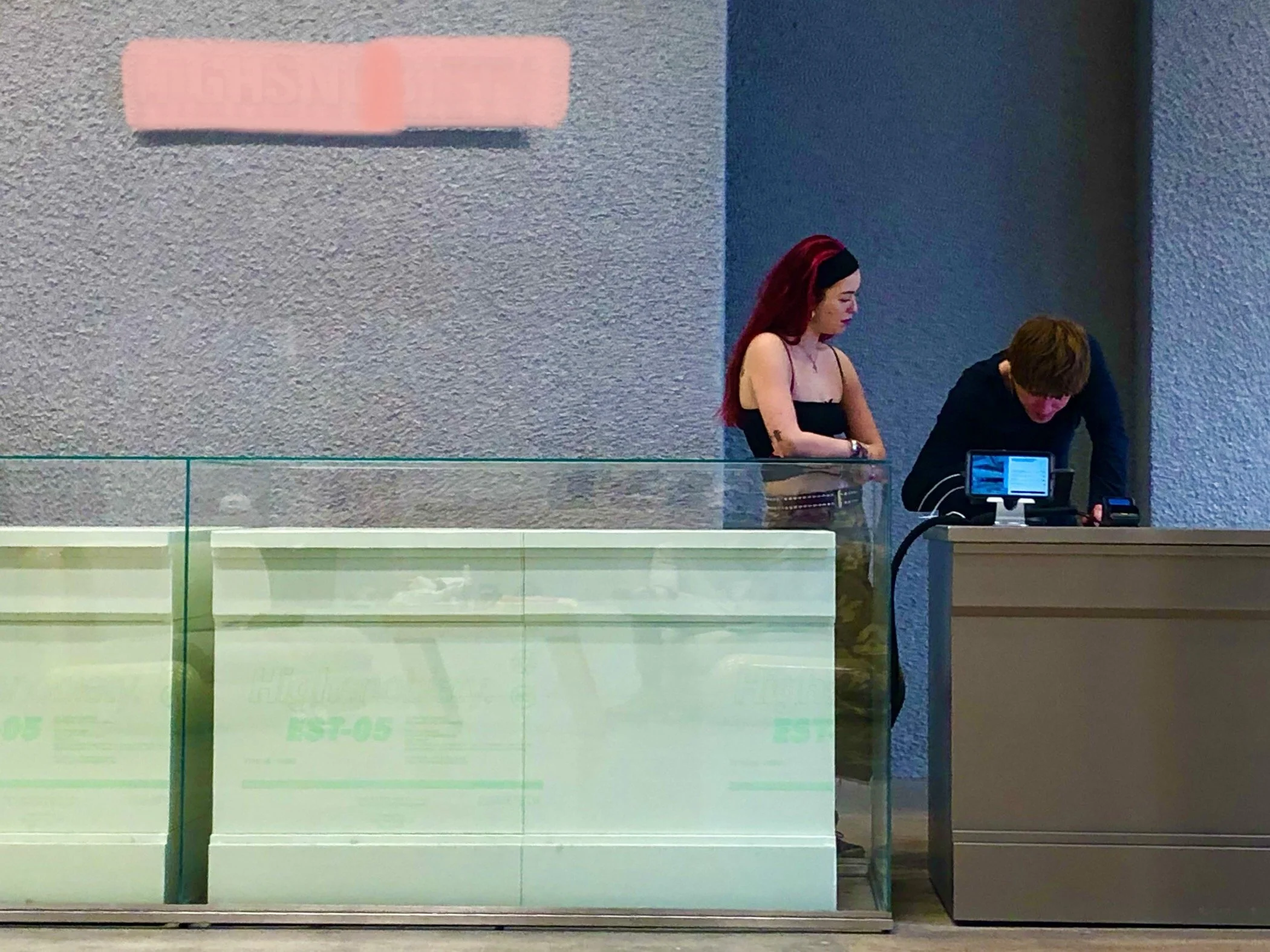
Efficient lonely hearts book early.
Behemoths loom and lurk in the deep waters beyond tourist harbors. Some of them are sea-going Lonely Hearts Clubs, for romantic dreamers of all flavors, shapes and sizes.
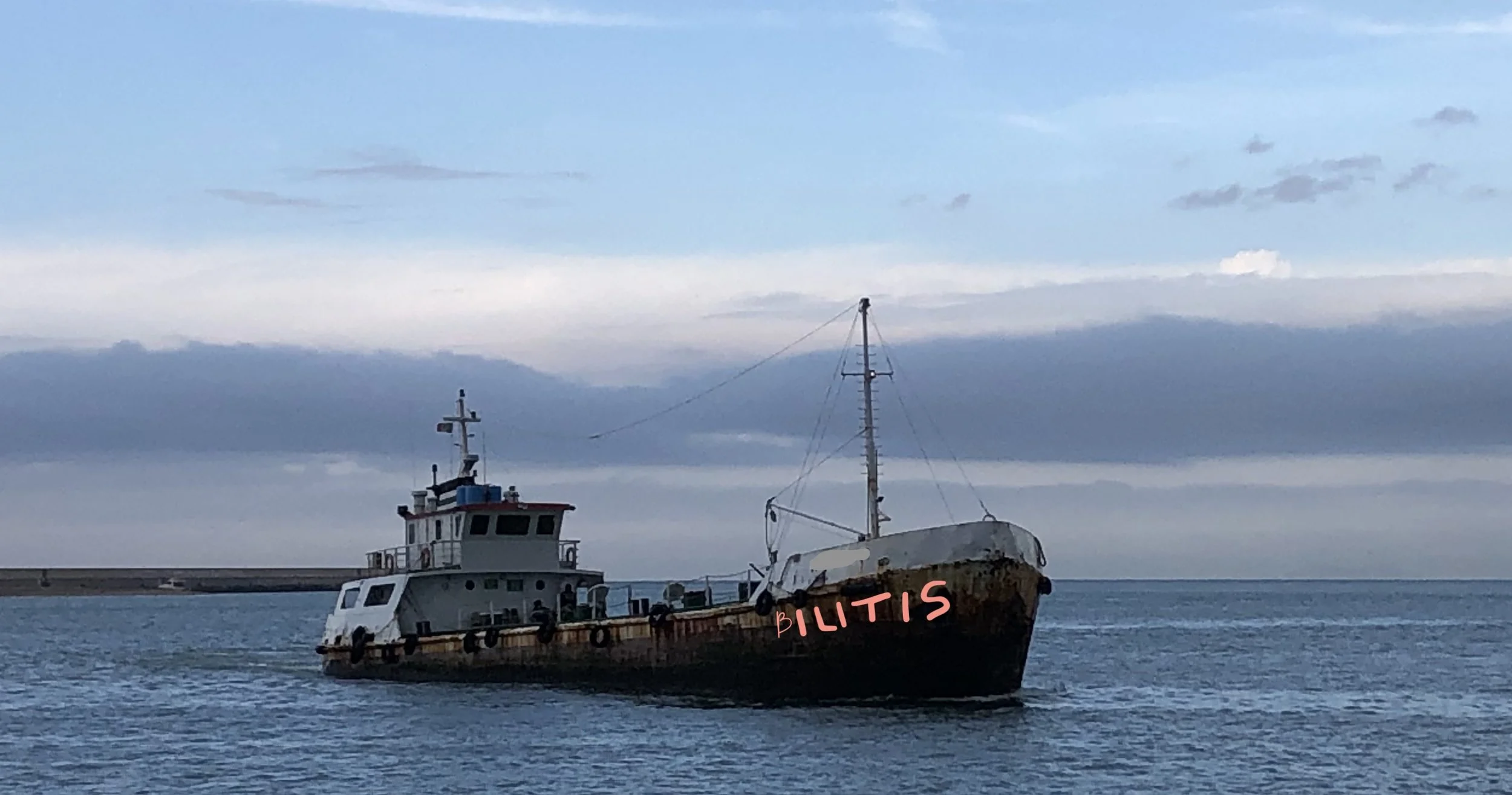
Yo ho yo ho!
The S.S. Bilitis is chartered by an organization that enables SSSOWs (single same-sex-oriented women) to meet in the context of a salty marine odyssey.

Peepers, zippers and dolphin flippers.: sample artwork 1.
The Bilitis is the antithesis of her towering white "sister" ships. Rust-patches show almost proudly on her hull and superstructure, and the wooden flagellation grate on the main deck doesn't look like it came from a thrift store.
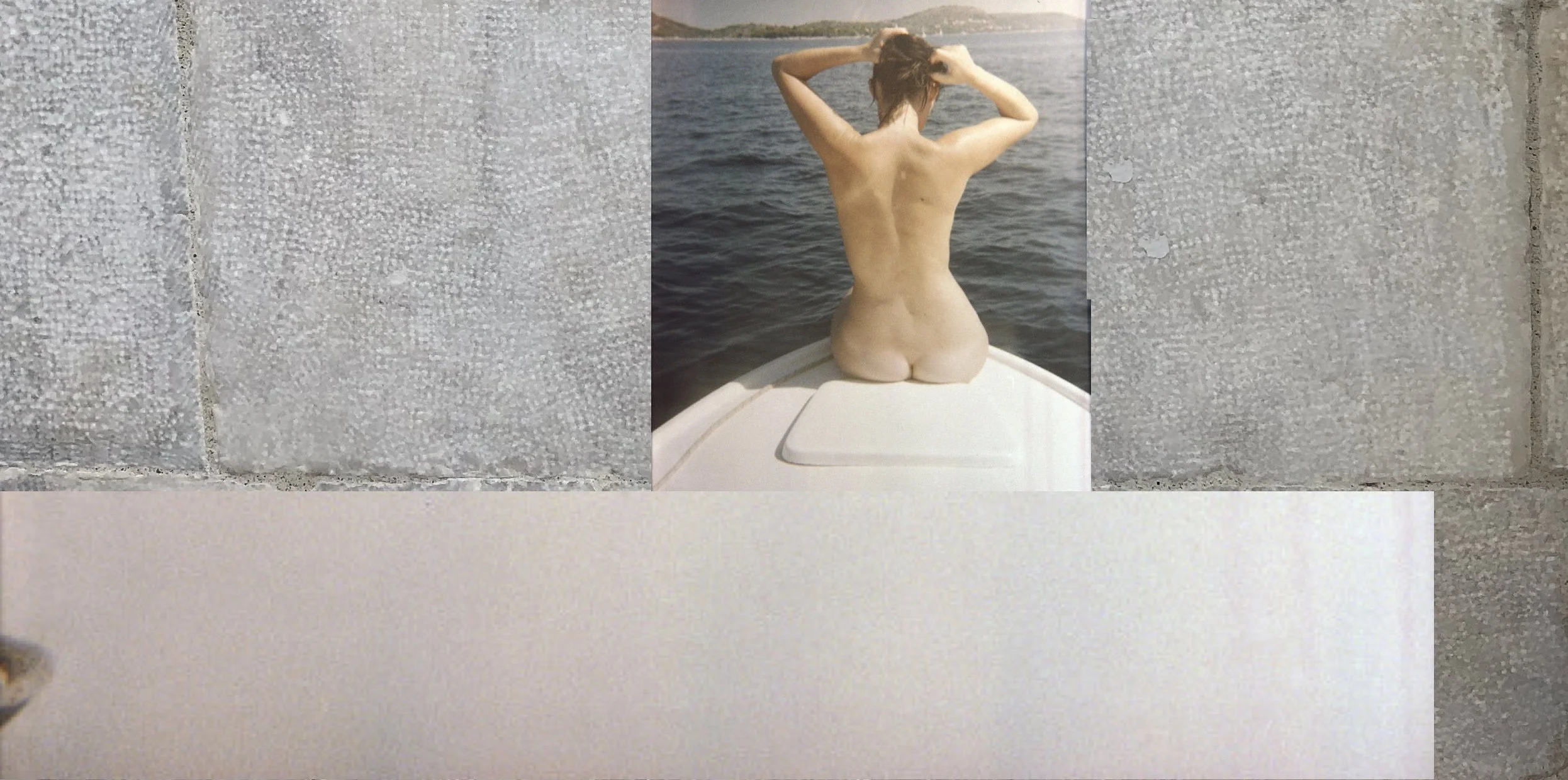
Piratin’ some UV on the poop deck.
"This tub once belonged to a gang of Somali pirates," says Capt. Fatima. "When she came into my possession, the plan was to do some buccaneering myself, but Maggie said, make love not war, and make some money while you’re at it. So now she's my First Mate. Which is kinda like being the First Lady, at least aboard my ship."

First Mate Maggie literally exudes First Ladyhood. (artwork available for sale)
"Like, you know, everything's everything, these days," quips Second-in-Command Maggie. "Lamborghini sells wallpaper. Wallpaper magazine sells, I dunno, advertising. Hotels, casinos, and cruise ships pull double duty as art galleries. So why not us? Nostalgic passengers can buy the works that decorated their cabins on lucky get-together crossings. Erotic imagery promotes intimacy. and we keep 25% of the sales price."
"That's the part that gets me horny," quips Capt. Fatima.
Sample artwork 2 (portrait of Capt. Fatima)

Sample artwork
***
Crociera per sole donne solitarie

Sconti per chi prenota anticipatamente!
Dei colossi galleggiano nelle acque profonde al largo dei porti turistici. Alcuni sono Club per cuori solitari, e ce n'è per tutti i gusti.
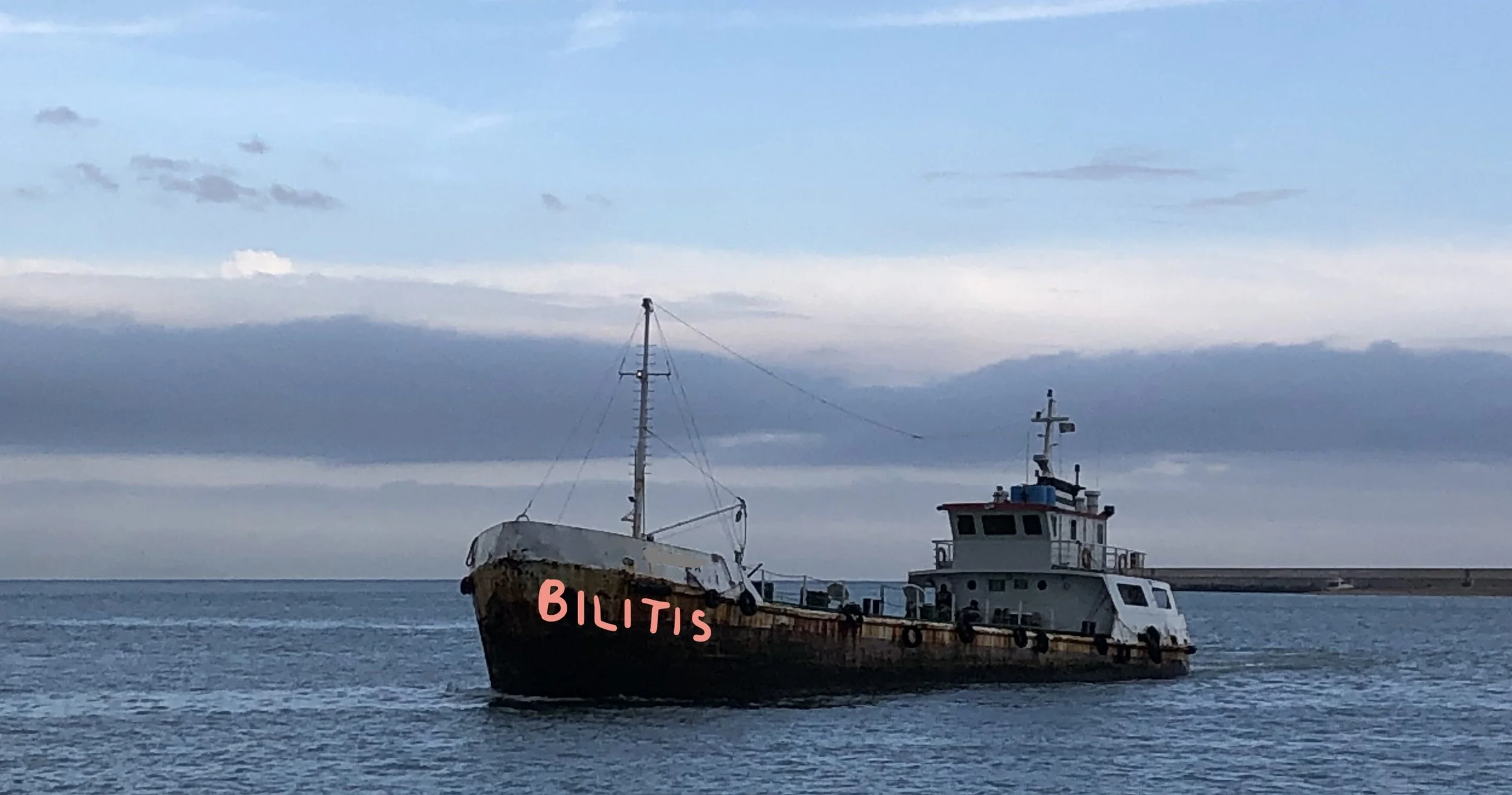
All’arrembaggio!
Il transatlantico Bilitis è noleggiata da un'organizzazione che facilita incontri tra donne omosessuali non impegnate nell'ambito di un'odissea salata e romantica.
Cuore solitario e pensieroso. (in vendita)
La Bilitis è diversa dalle sue bianche e torreggianti navi sorelle. Sfoggia larghe chiazze di ruggine sulla chiglia e sul castello, e la grata lignea per le punizioni non è stata acquistata a un mercatino delle pulci.
"Ho comprato la bagnarola da un covo di pirati malesi," dice Capitan Fatima. "Avevo l'idea di fare qualche arrembaggio, ma Maggie voleva fare l'amore non la guerra, e anche farci un po’ di soldi mentre lo facevamo. Quindi ora è il mio nostromo."

(Opera in vendita)
"Di questi tempi ogni azienda fa di tutto," dice scherzosa vice comandante Maggie. "McDonalds vende impermeabili e Walt Disney ha aperto una banca. Gli hotel, i casinò, e le navi da crociera operano anche come gallerie d'arte. Allora perché non possiamo farlo anche noi? Passeggeri nostalgici possono acquistare le opere che hanno ornato le loro cabine nel corso di fortuiti viaggi. Le immagini erotiche favoriscono la vita di coppia, e noi ci teniamo una bella fetta delle vendite."
"Quella lì è la parte che mi eccita di più," dice scherzosa Capitan Fatima.
(Opera in vendita)
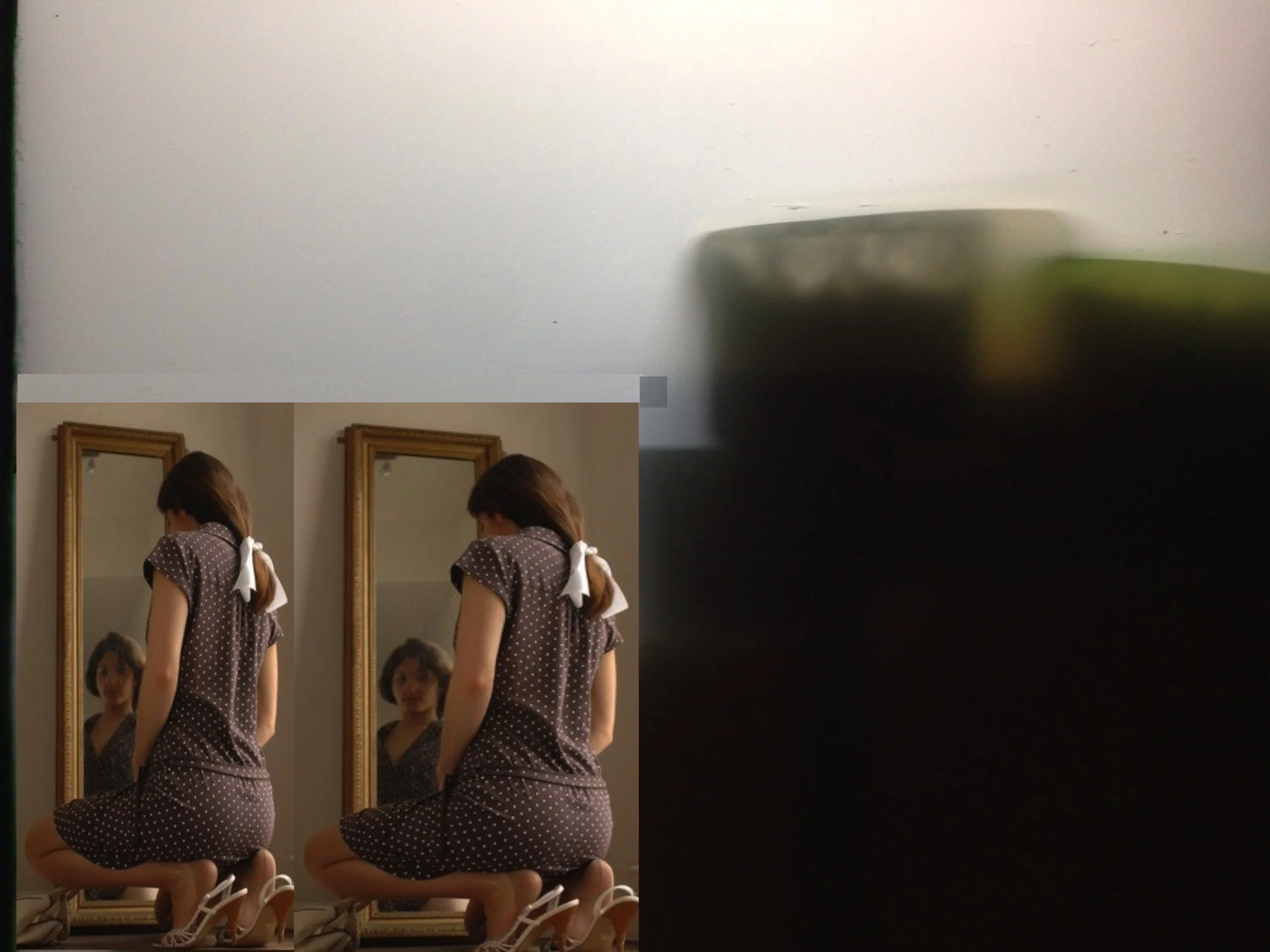
(Opera in vendita)
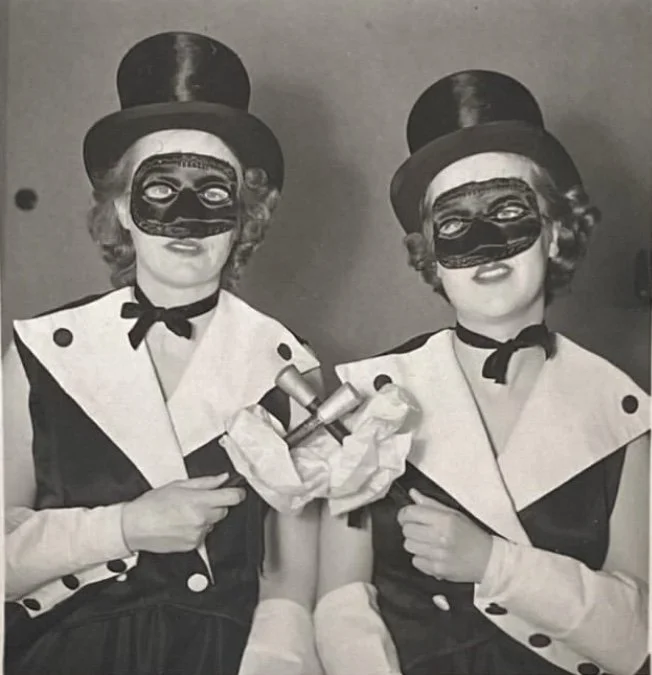
Ritratto di Capitan Fatima e Nostromo Maggie (opera in vendita)

(Opera in vendita)

Cuori solitari unitevi! (Opera in vendita)

Four Guests (Pictures in a Lobby)
A colleague in La Ville Lumière is devoted to the preservation of past hospitality. His establishment is a monument to those whose lives exemplify aspects of Frenchness other than unfiltered cigarettes, Basque headgear, alcoholism, existentialism and pongid dairy products.
The lobby is filled with mementoes of guests from the Gallic past, items from a metaphysical Lost & Found, and framed inscribed photographs.
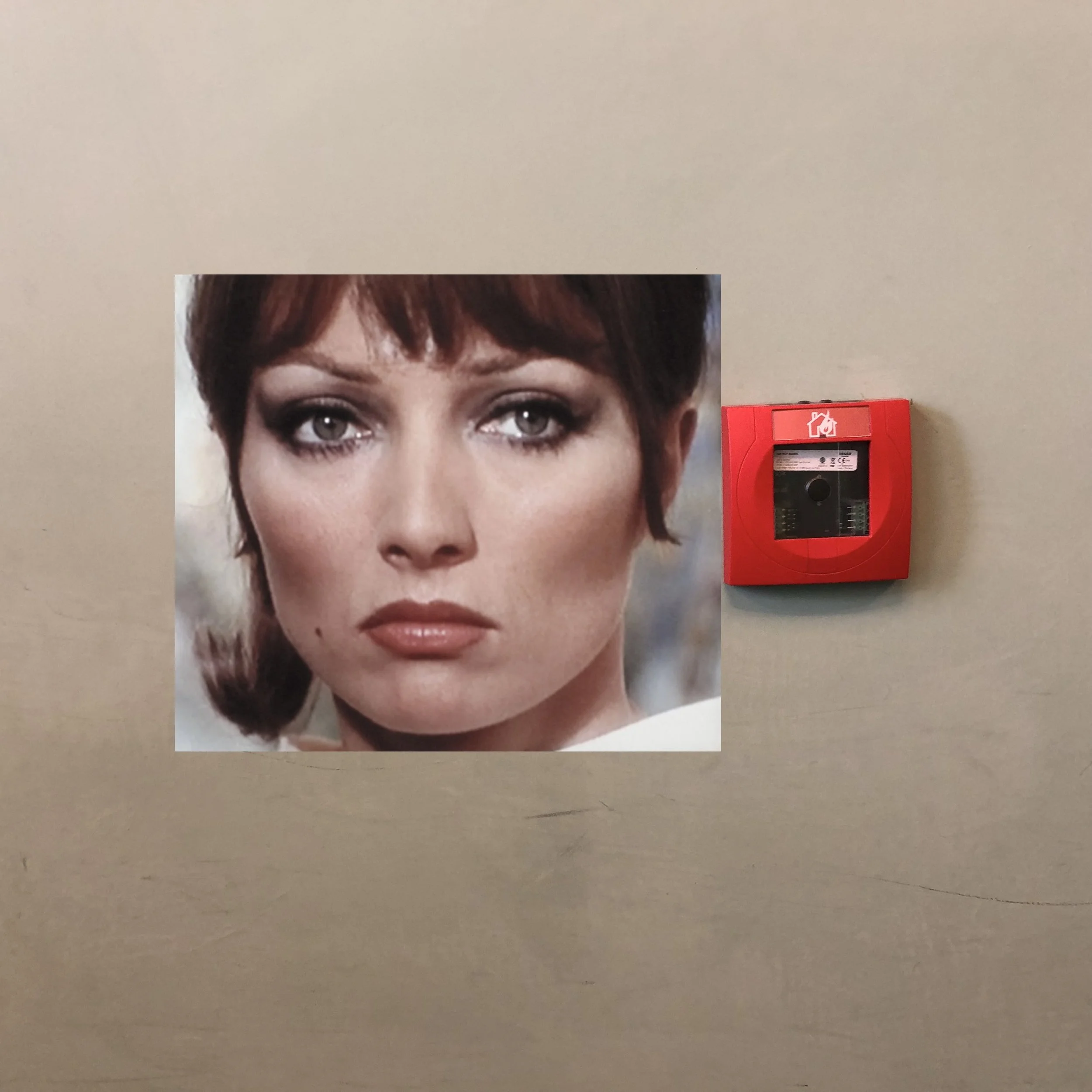
S.
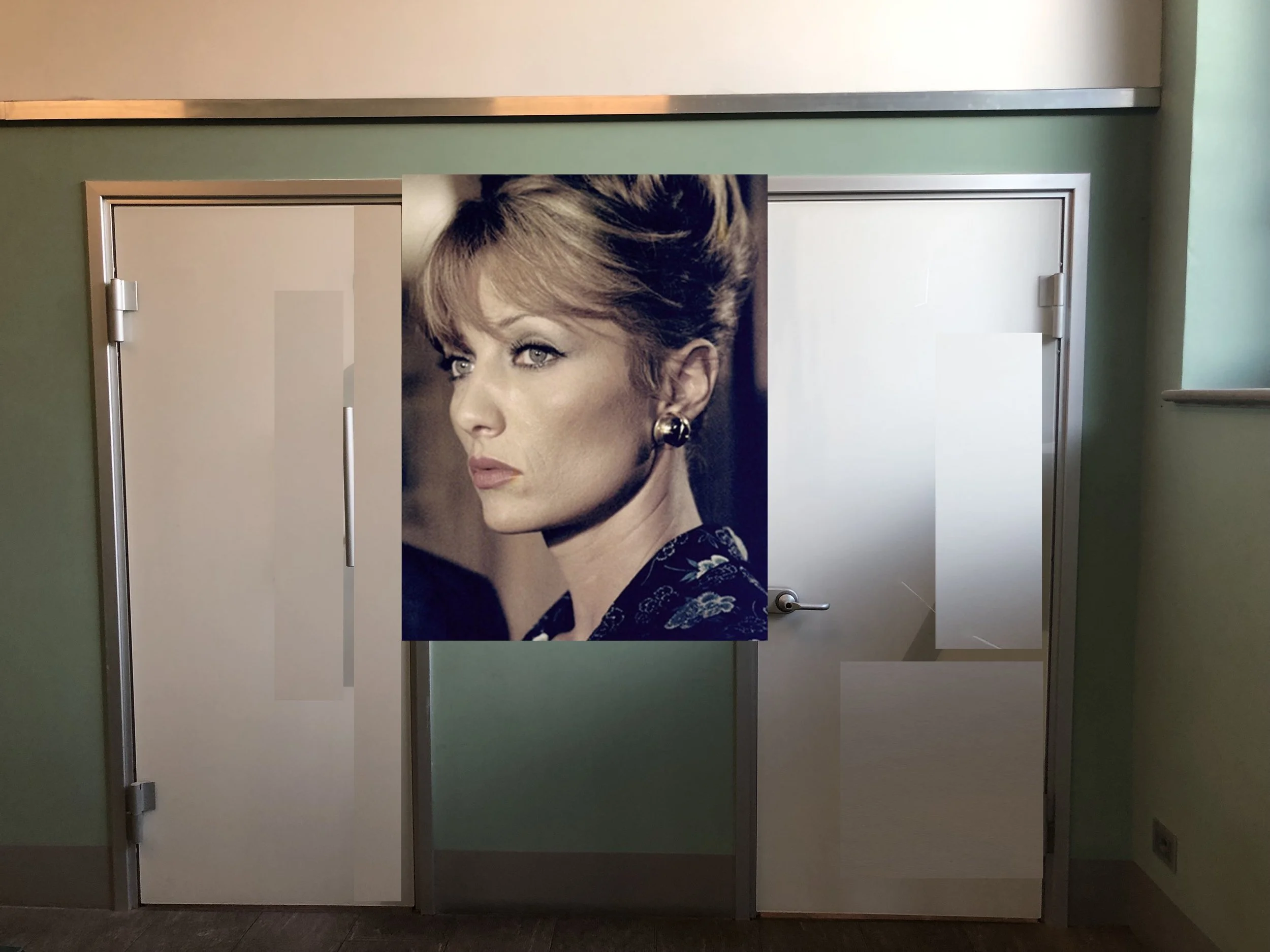
Everything anyone might want to know about the thoughts and desires of women was inscribed on her visage, but the code was indecipherable. Her best roles were those in which she stared out from the screen into the eyes of whoever was in the darkened rooms where flashes of light tell stories. A silent star in a noisy universe, a mask with an eloquent gaze.
A signature, and the words, "Merci, chez vous je me sens toujours chez moi."
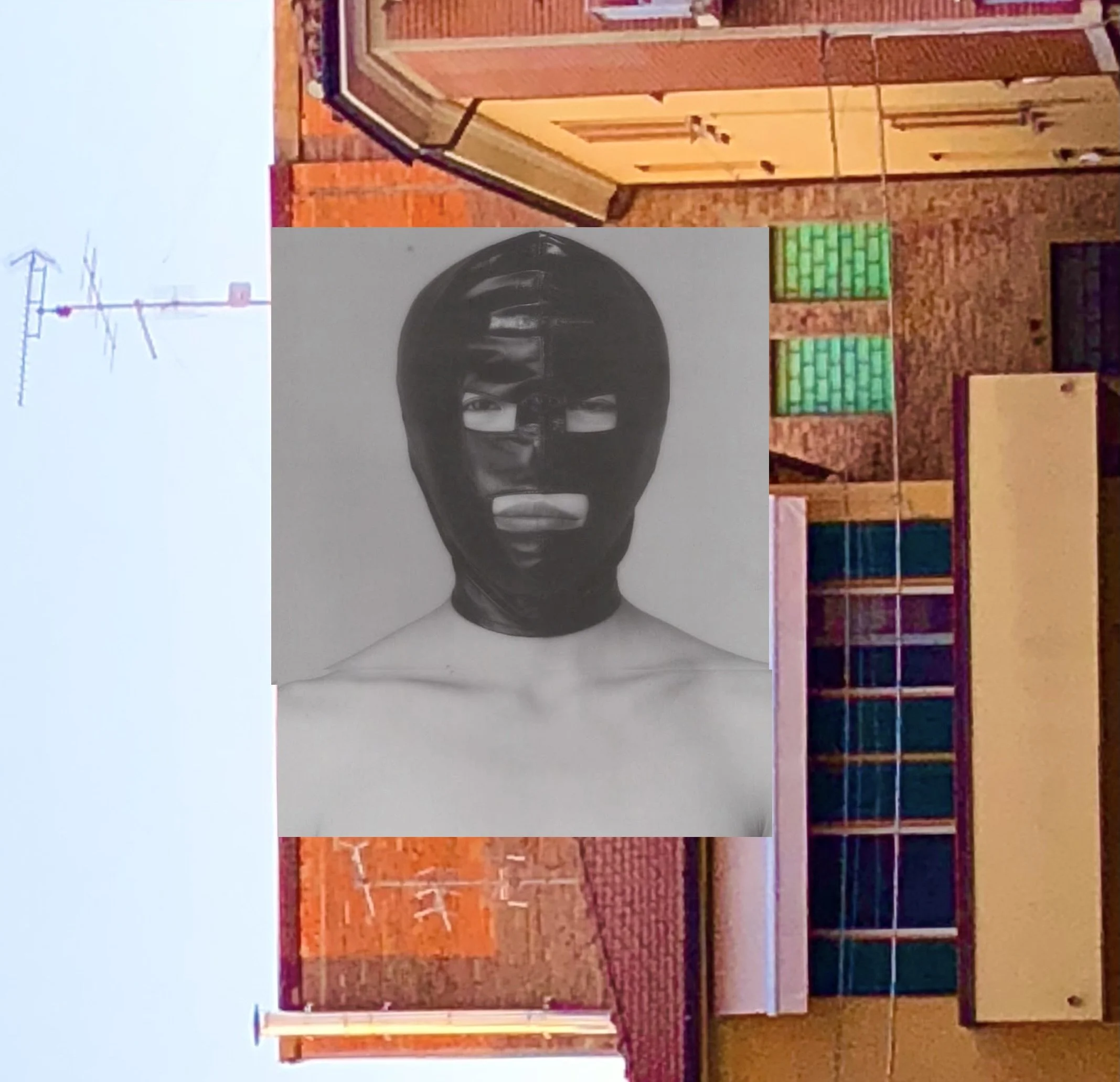
MitsoukA
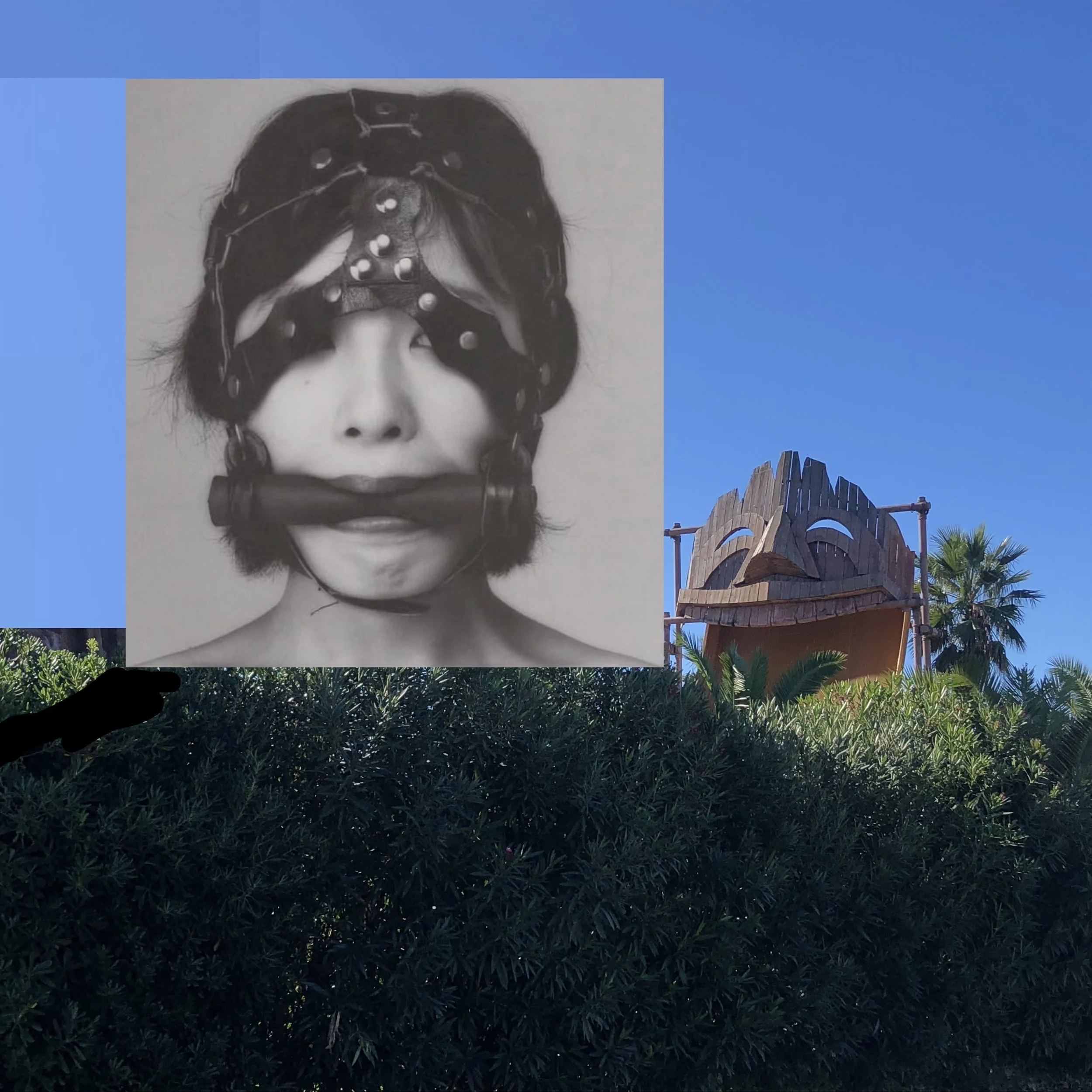
"Sometimes when we put on a blindfold gag, we take off another one."
Love can be painful in hotels, too.
Proof that one doesn't have to be born French in order to be French.
Le professeur
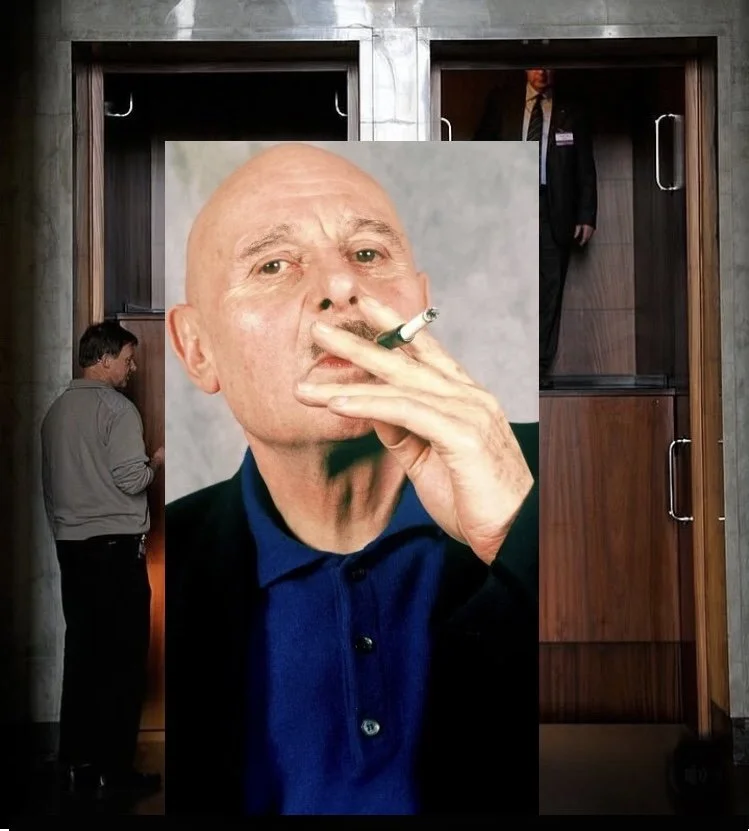
(Statement from the Management: Le professeur was only a guest in our bar on the ground floor. He never actually went upstairs to the rooms, not even when he could barely stand up to leave.)
He represented a way of being French that was doomed to disappear. His philosophy taught that satire is dangerous to fanatics, and deservedly dreaded by them. Events increasingly show that laughter is not bullet-proof. Not everyone has the courage to make fun, not war.
Vous n'êtes pas Charlie!
L'Exquise
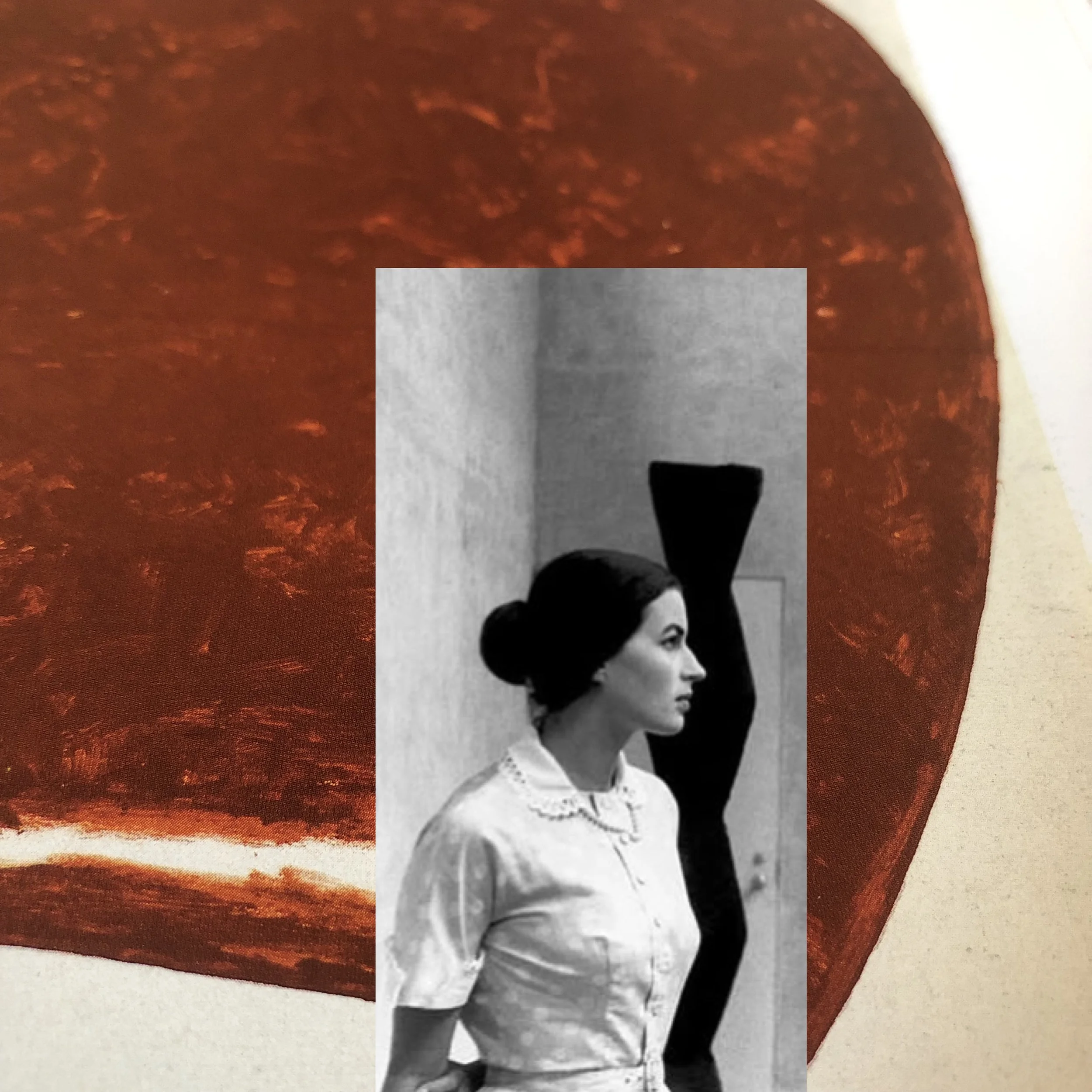
She only stayed with us because museums refused to allow her to spend the night among their hoarded treasures.
***
Quattro ospiti (fotografie incorniciate in una hall)
Ne La Ville Lumière esiste un albergo devoto alla preservazione di ospitalità del passato. Costituisce un monumento a coloro cui vite rappresentano aspetti dell'essere francesi oltre alle sigarette senza filtro, berretti baschi, alcolismo, esistenzialismo e latticini mefitici.
La hall è piena di ricordi lasciati da ospiti dal passato gallico, cose rinvenute da un metafisico Oggetti Smarriti e fotografie con dedica.
S.
Aveva scritto in faccia (visage, pardon) tutto ciò che c'è da sapere sui pensieri e desideri delle donne, ma in un codice indecifrabile. I suoi ruoli migliori erano quelli in cui da dietro lo schermo fissava gli occhi di chiunque popolava le sale al buio dove bagliori di luce raccontavano storie. Una stella silenziosa in un universo di rumore, una maschera erotica con uno sguardo eloquente.
Una firma, e le parole, "Merci, chez vous je me sens toujours chez moi."
MitsoukA
"A volte quando ci mettiamo una benda col bavaglio ci togliamo un'altra.°
L'amore può essere doloroso anche in hotel.
La prova che per essere francesi non bisogna per forza essere nati in Francia.
Le professeur
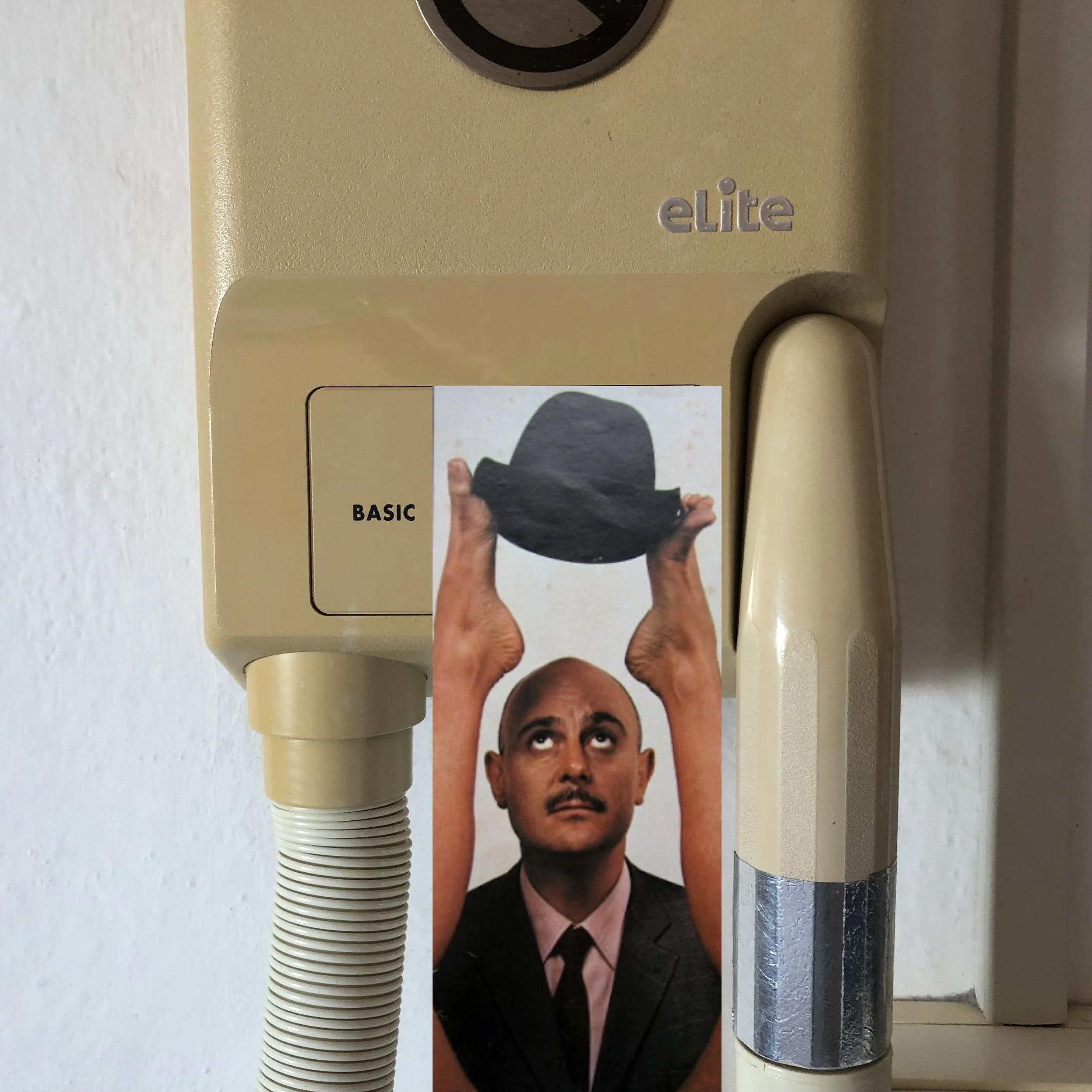
(Dichiarazione de La Gestione: Le professeur era nostro ospite solo al bar a pianterreno. Non saliva mai ai piani superiori dove stanno le nostre camere, nemmeno quando si reggeva in piedi solo quanto bastava per andarsene.)
Rappresentava un modo di essere francesi destinato a scomparire. La sua lezione di filosofia era che la satira è pericoloso per i fanatici, che con grande ragione la temono. Gli eventi dimostrano sempre di più che la risata (n.b. anagramma di satira) non è a prova di proiettili. Ci vuole coraggio per far ridere anziché fare la guerra.
Vous n'êtes pas Charlie!
L'Exquise
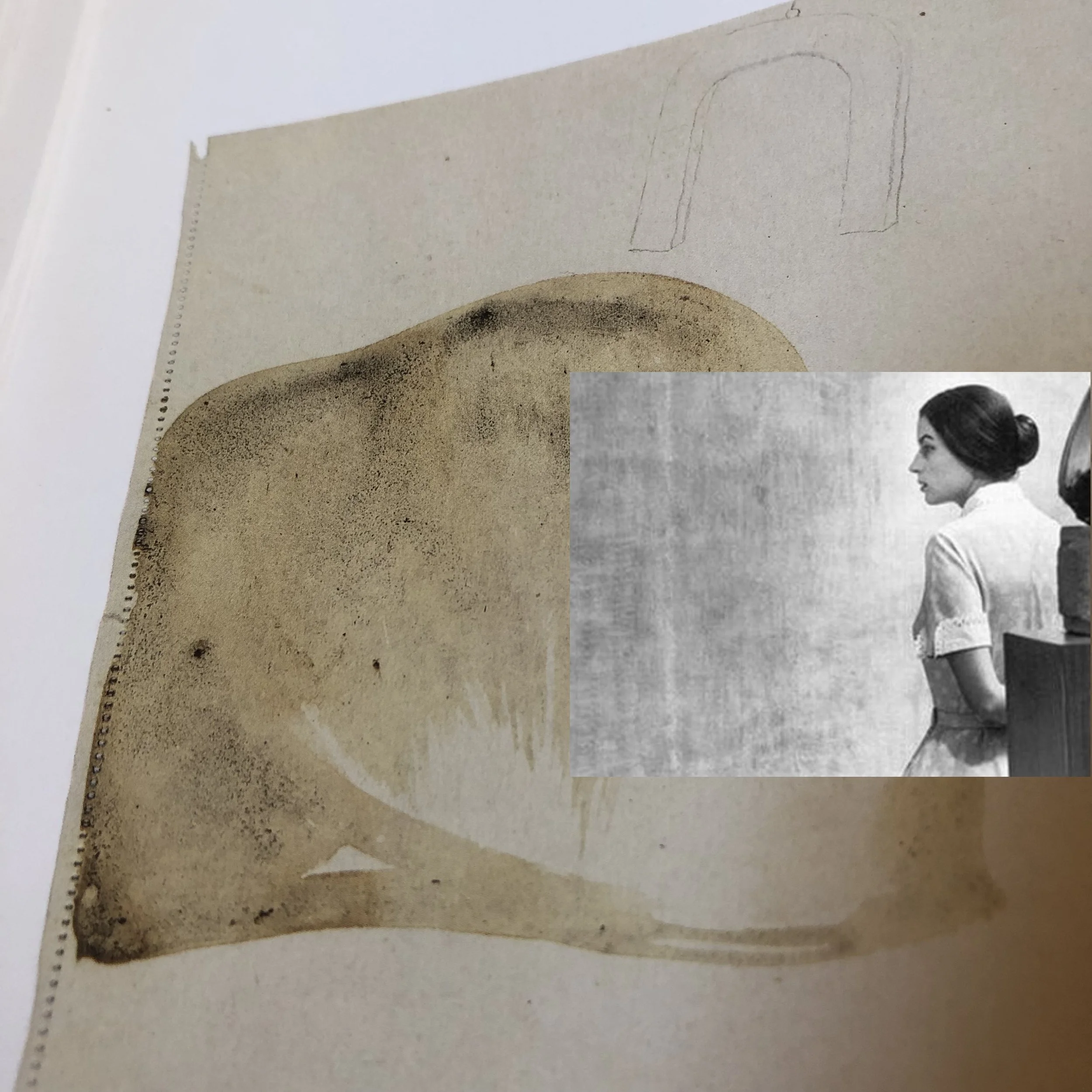
Soggiornava qui solo perché i musei si rifiutavano di permetterle di passare le notti in mezzo ai loro tesori accumulati.

Maid Like Me
A colleague writes from a hotel somewhere in the USA.
The hardest thing for an artist, which is what I am, is to find out what to do. That hasn't been done already, I mean. It'll drive you crazy.
You have an idea you think no one's ever had before. Then you look through an art book or two and a ton of bricks falls on your head. You convince yourself you have talent and the world shouts in your face that talent is meaningless.
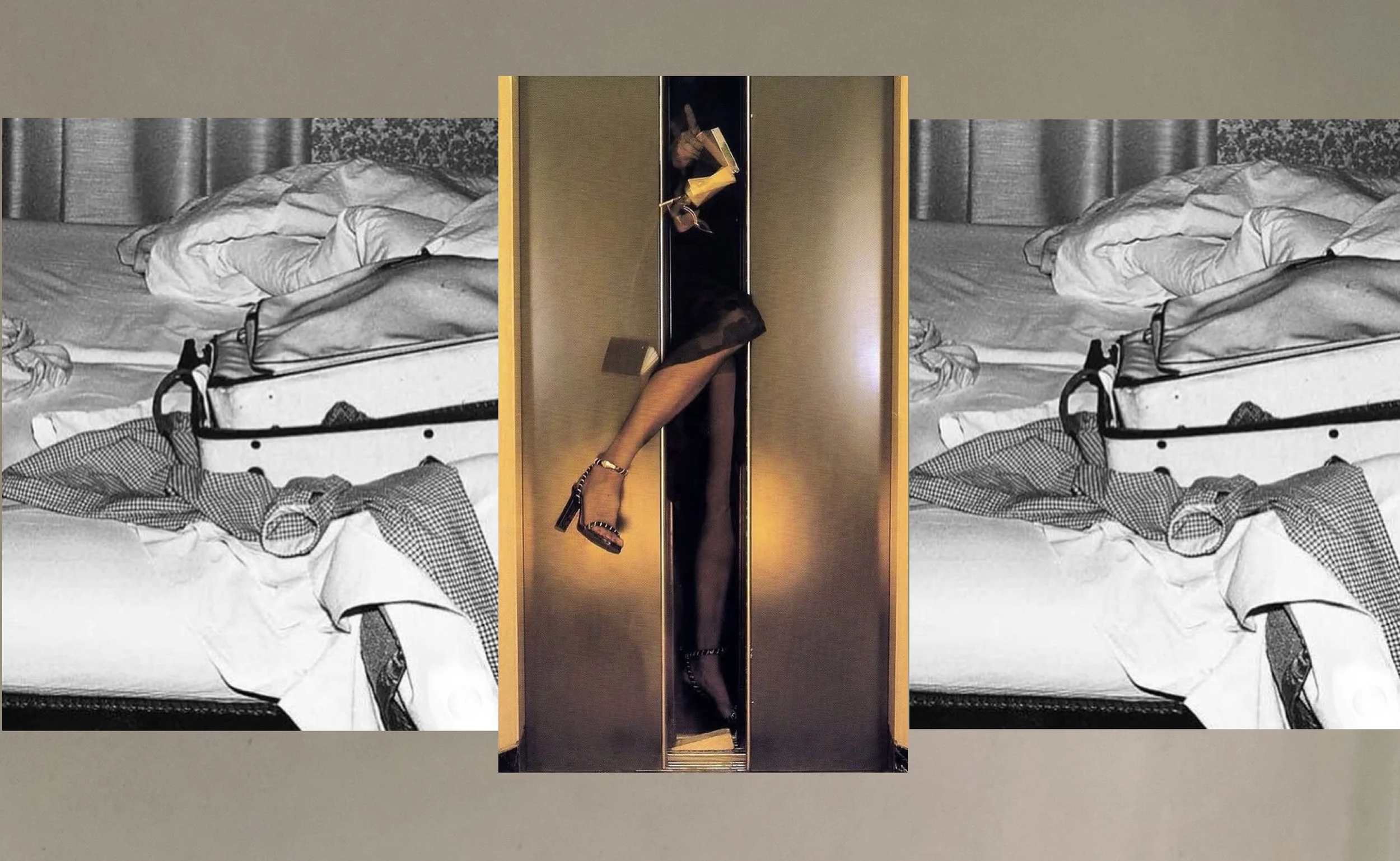
Another hard thing is to get in the door.
The thought that pet portraits might be my only contribution to Art History brought on despair. Animal-friendly collectors weren't exactly knocking down the door of my studio with commissions anyway. Time for a career change.
The hotel manager said it was hard to find chambermaids who spoke English, not that it mattered much.
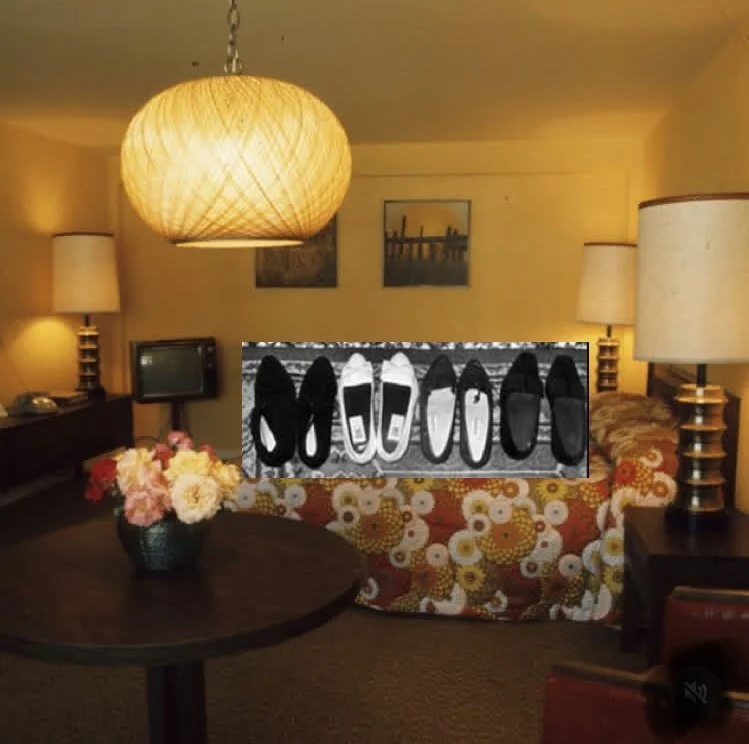
No more, or less, than what they seem.
The pay was an insult to human dignity, but once I got started, the job changed everything. In the light of morning the rooms looked like life, like love, lost and re-found and lost again. And I was the only one who was allowed to see it. Aside from the guests who'd messed the place up. Everything said, immortalize this!
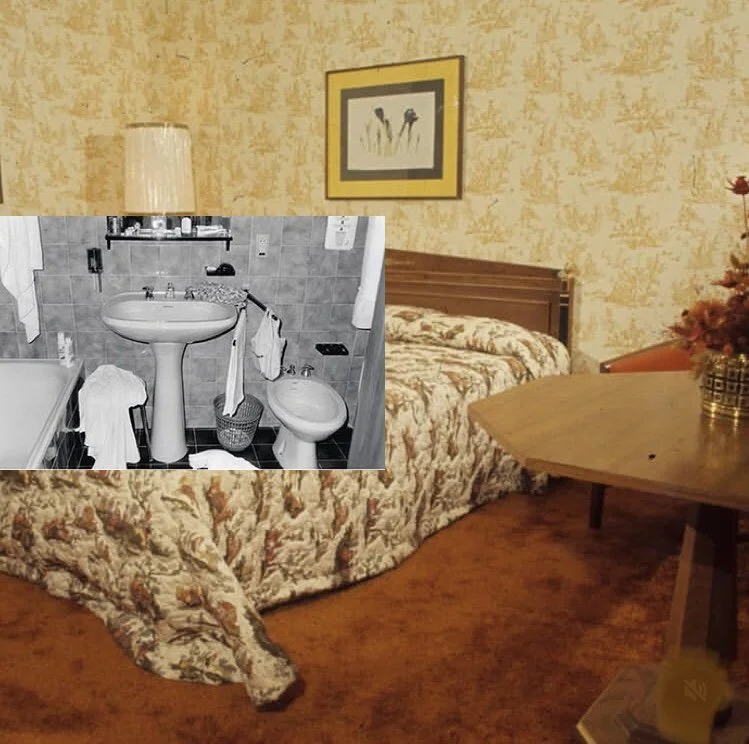
The dream, and the reality.
The Maid Project's gone on for years now. For the first time since I got my MFA, I'm making a living (sort of) as an artist.
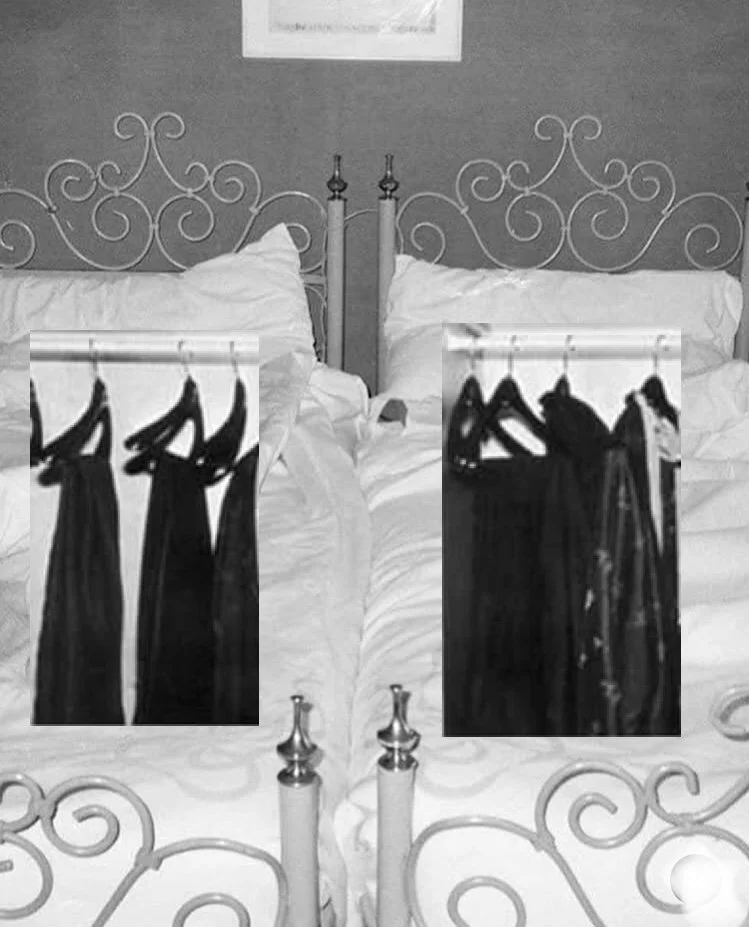
My advice to fellow artists: Hang in there!
***
L'arte del pulire
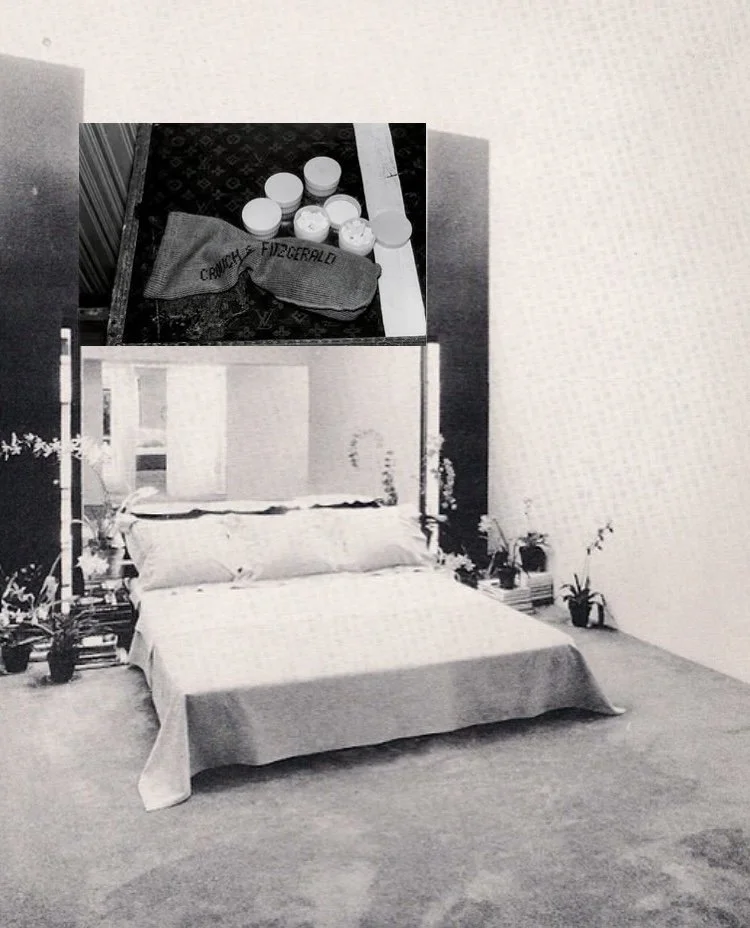
Avanti, c’è da perdere la testa.
La cosa più difficile per un'artista come me è capire cosa fare. Che non è già stato fatto, intendo. Si rischia di diventare pazzi.
Ti viene un'idea che credi nessuno abbia mai avuto prima. Poi guardi qualche libro di arte e ti cade in testa un mattone. Credi di avere talento, e il mondo ti urla in faccia che il talento ora è insignificante.
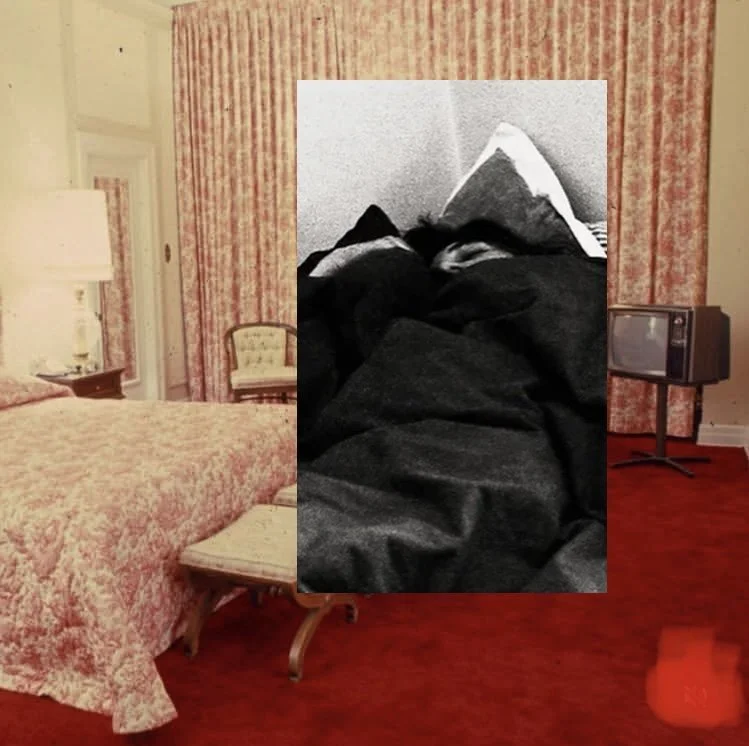
“Ops! Scusi signora ripasserò più tardi.” Però doveva mettere il cartellino Non Disturbare.
Pensare che ritratti di animali domestici sarebbe stato il mio unico contributo alla storia dell'arte mi portò verso la disperazione. I collezionisti zoofili non sciamavano verso il mio studio con le commissioni. Era tempo di cambiare mestiere.
Il direttore d'hotel disse che era difficile trovare cameriere che parlano italiano, non che importasse granché.
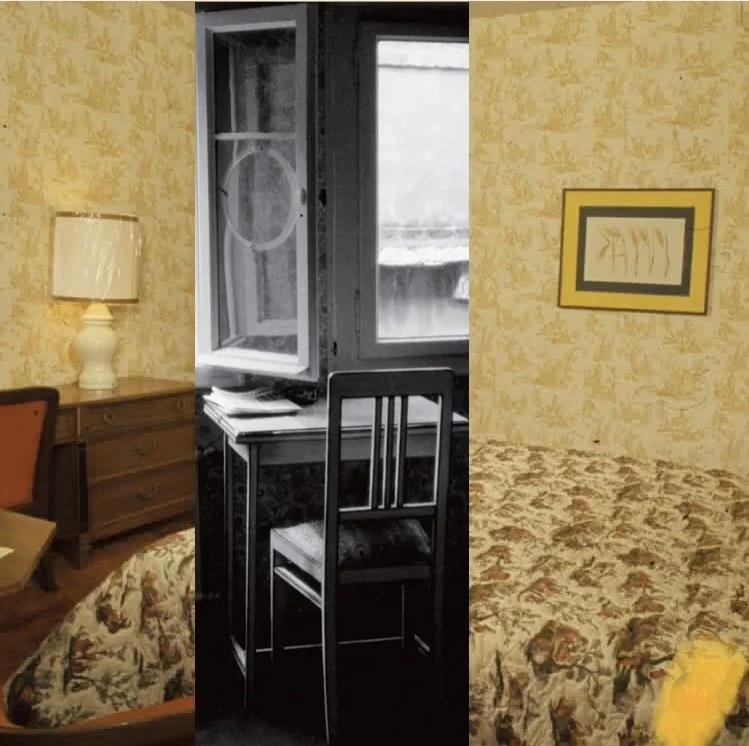
Una finestra per sognare, una scrivania per disegnare, una stanza da pulire.
La paga era un insulto alla dignità umana, ma appena iniziai ho capito che il nuovo lavoro era la svolta decisiva. Alla luce del mattino le stanza erano il ritratto della vita, dell'amore, perduto e ritrovato e poi riperduto.
Ero io l'unica a cui era concesso vedere questa meraviglia. A parte gli ospiti che avevano fatto casino. Tutto in quelle camere in disordine gridava, immortalizzami!
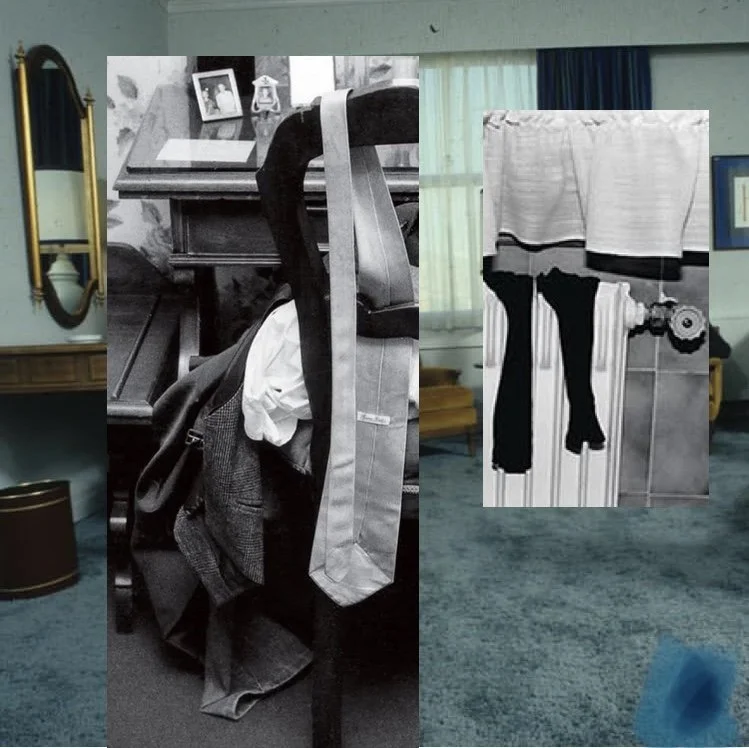
Anche il disordine merita l’attenzione del mondo.
Questa mia ricerca va avanti da anni. Per la prima volta da quando mi sono laureata all'Accademia guadagno (diciamo così) da vivere come artista.


Incident at the Rex
Tugboat work is monotonous and potentially dangerous, but the money's good. One night while we were in port doing some long'-overdue engine maintenance, I got a call from an unknown number.
"We got a dead whale we need removed."
Rival tug captains do occasionally prank each other. "Oh yeah? Who's this?"
The caller identified himself as the Manager of the Rex, the ritziest beachfront hotel for hundreds of miles up and down the coast.
"We're not authorized to handle wildlife disposal," I said. "Call the Animal Dignity organization."
"Ordinarily, that's what we'd do," the Rex's Manager said, quietly. "But the animal in question did not die a natural death."
"You mean, the whale was murdered?"
"Let's say, the celebrations got out of hand."
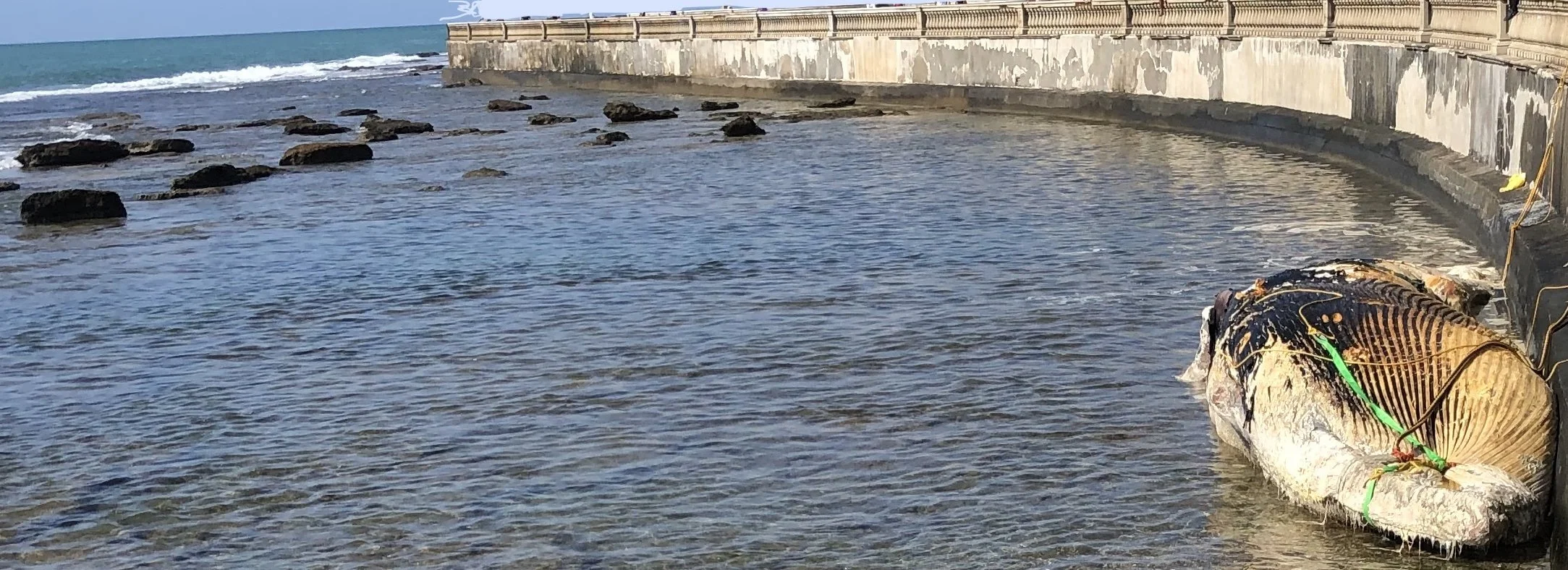
The animal in question.
What sort of revelry results in dead cetaceans? Both the shipping and hotel industries inevitably involve intrigue and all manner of covert trafficking. Unwarranted curiosity and moral scruples hinder commerce. “On our way,” I said.
We left the harbor as soon as our boat was ready, at around 3 a.m.
The Rex's jetty is continually re-built to accomodate the guests' burgeoning yachts. The whale was held belly-up against it by the tide. The private sailboats had been taken out to sea by their professional crews. The vast carrion had been wildly disturbed, and its decomposition had begun. The smell was sour, and sad.
The Manager was under duress. "We don't wish our guests to be offended by the odor," he said, and discreetly proffered a girthy envelope. "This should be enough."
The job needed to be done quickly. Intestinal gas expands, and noisome explosions have been known to occur. The Rex's blinding white facade was in danger of a gory new paint-job.
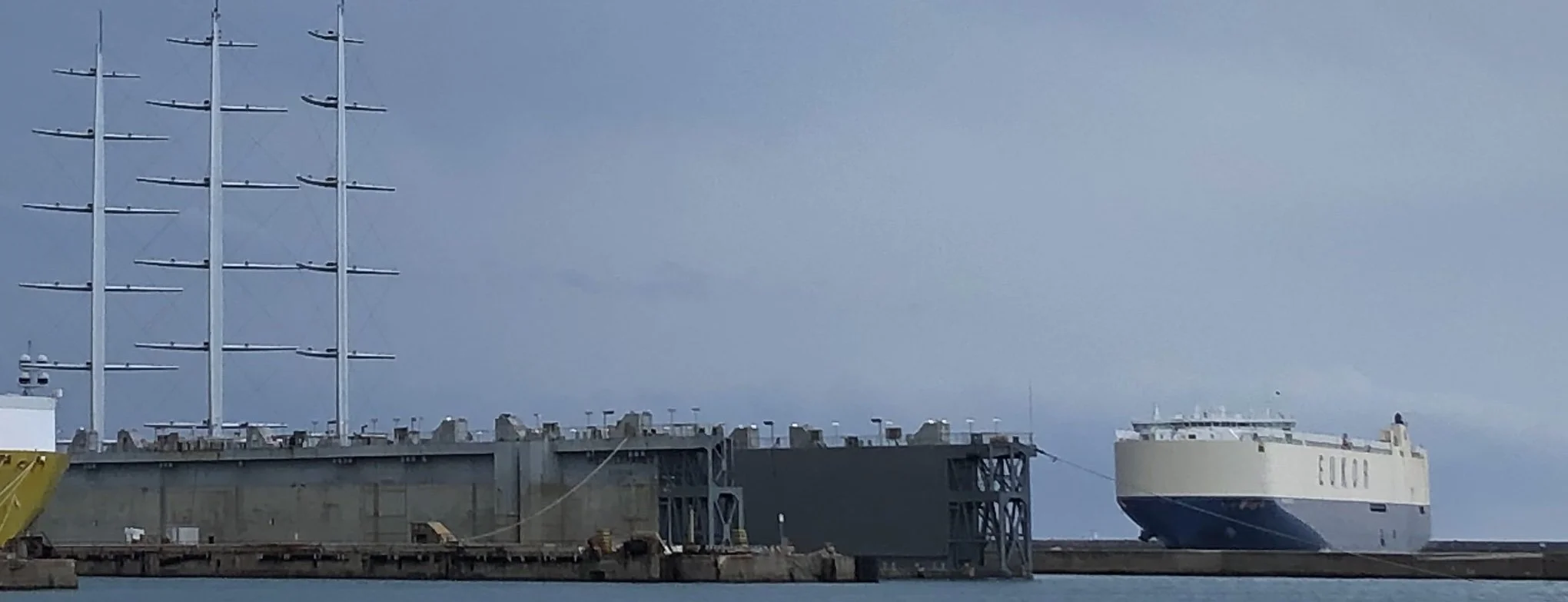
At left, a mid-size private yacht. At right, a nuclear-powered cargo vessel.
We secured a hawser around the leviathan's flukes and set off, away from the dawn and into the residual night. Engine at minimum power and no foghorn warning, so as not to disturb the billionaires' rest.
Gloomy whale songs started in once we were out of sight of land. Sharks swarmed and took what they wanted, their frenzy palpable through the helm. The load lightened, the day brightened, we let go the haul line. I went aft to watch. The kreng began to sink while the smaller sharks fought with the seagulls over the last scraps.
When there was nothing left to see, we headed back into the industrial harbor we call home. I distributed the reward equally to the crew. I would've donated my share to some ecological organization, but my wife had dropped hints that she wanted a new car in which to take our children to school.

For weeks afterwards, I was haunted by thoughts of the crime that’d occurred at the Rex.
Expensively-dressed intoxicated men and women live out their Moby Dick fantasies, satisfy their lust to extinguish lives larger even than their own, and gourmandize on the raw flesh of endangered ocean mammals. If the whale we'd buried at sea hadn't been of the baleen persuasion, they'd have taken his teeth. But then, drunken, sexually frustrated, malnourished and filthy men once butchered whales and turned them into lamp oil, skirt stiffeners and perfume base.
***
Delitto al Rex
Lavorare sui rimorchiatori è monotono e potenzialmente pericoloso, ma la paga è buona. Una notte mentre facevamo manutenzione al motore, arrivò una chiamata da un numero sconosciuto.
"Abbiamo una balena morta che va rimossa."
Capitani rivali a volte si fanno scherzi pesanti. "Chi parla?"
Era il gestore del Rex, l'hotel più lussuoso del lungomare per centinaia di chilometri in tutte le direzioni.
"Non siamo omologati a occuparci dello smaltimento di fauna selvatica," dissi. "Dovete chiamare l'ente Dignità Animali."
"Ordinariamente faremmo così," disse a bassa voce il manager del Rex. "Ma l'animale di cui parlo non è morto di morte naturale."
"Vuoi dire che la balena è stata assassinata?"
"Diciamo che la celebrazione è andata oltre i soliti limiti."

I rimasugli di una strana festa.
Che genere di festeggiamento risulta in cetacei defunti? Ma le industrie di trasporti marittimi e alberghi inevitabilmente coinvolgono intrighi, contrabbando e tratta di esseri umani. Curiosità ingiustificata e scrupoli morali impediscono il commercio. Lasciammo il porto appena il vascello era di nuovo in ordine, verso le tre del mattino.
Il pontile del Rex viene ampliata di continuo per accomodare gli yacht sempre più mastodontici dei loro ospiti. La balena vi stava schiacciata a pancia in su dalla corrente. I battelli privati erano stati portati al largo dagli equipaggi professionisti. La vasta carogna era stata disturbata, ed era già iniziata la decomposizione. La puzza era acida, e triste.
Il gestore era chiaramente stressato. "Non vorremmo che questo tanfo offendesse i nostri graditi ospiti." Porse una busta bene imbottita. "Dovrebbe bastare."
Il lavoro andava fatto alla svelta. Il gas intestinale si espande rapidamente. Ne possono risultare delle disgustose esplosioni. La facciata del Rex di un bianco abbacinante rischiava una cruenta riverniciata.

Non è uno yacht, ma oramai sono grandi così.
Dopo aver fissato una cima attorno alla coda del leviatano siamo salpati, via dall'alba in arrivo e dentro i residui della notte, col motore al minimo e senza sirena per non disturbare il riposo dei miliardari.
Appena fuori dalla vista della terra si udivano i canti delle balene. Sciamarono squali per prendere ciò che volevano, la loro frenesia era palpabile sul timone. Il carico si alleggerì, il giorno si illuminò. Sciogliemmo la corda da trascino. Andai verso poppa per guardare. La carogna andava inabissandosi mentre i pescecani più piccoli litigavano coi gabbiani per le ultime boccate di cibo.
Quando non c'era più nulla da vedere tornammo al porto industriale che è la nostra base. Distribuii la ricompensa. Avrei donato la mia parte a qualche ente ecologista ma mia moglie reclama una nuova automobile per portare i bimbi a scuola. Non riuscivo però a togliermi dalla testa il pensiero del delitto che c'era stato.

Tutti a casa.
Uomini e donne costosamente vestiti, intossicati, vivono le loro fantasticherie Moby Dick, soddisfano i loro desideri di estinguere vaste vite, favoriscono della carne cruda di mammiferi marini in via d'estinzione. Se l'esemplare che avevamo sepolto in mare non avesse avuto i fanoni, gli avrebbero preso i denti. Ma una volta uomini ubriachi, sessualmente frustrati, malnutriti e sporchi avevano macellato balene per farne olio per lampade, corsetti e base di profumo.
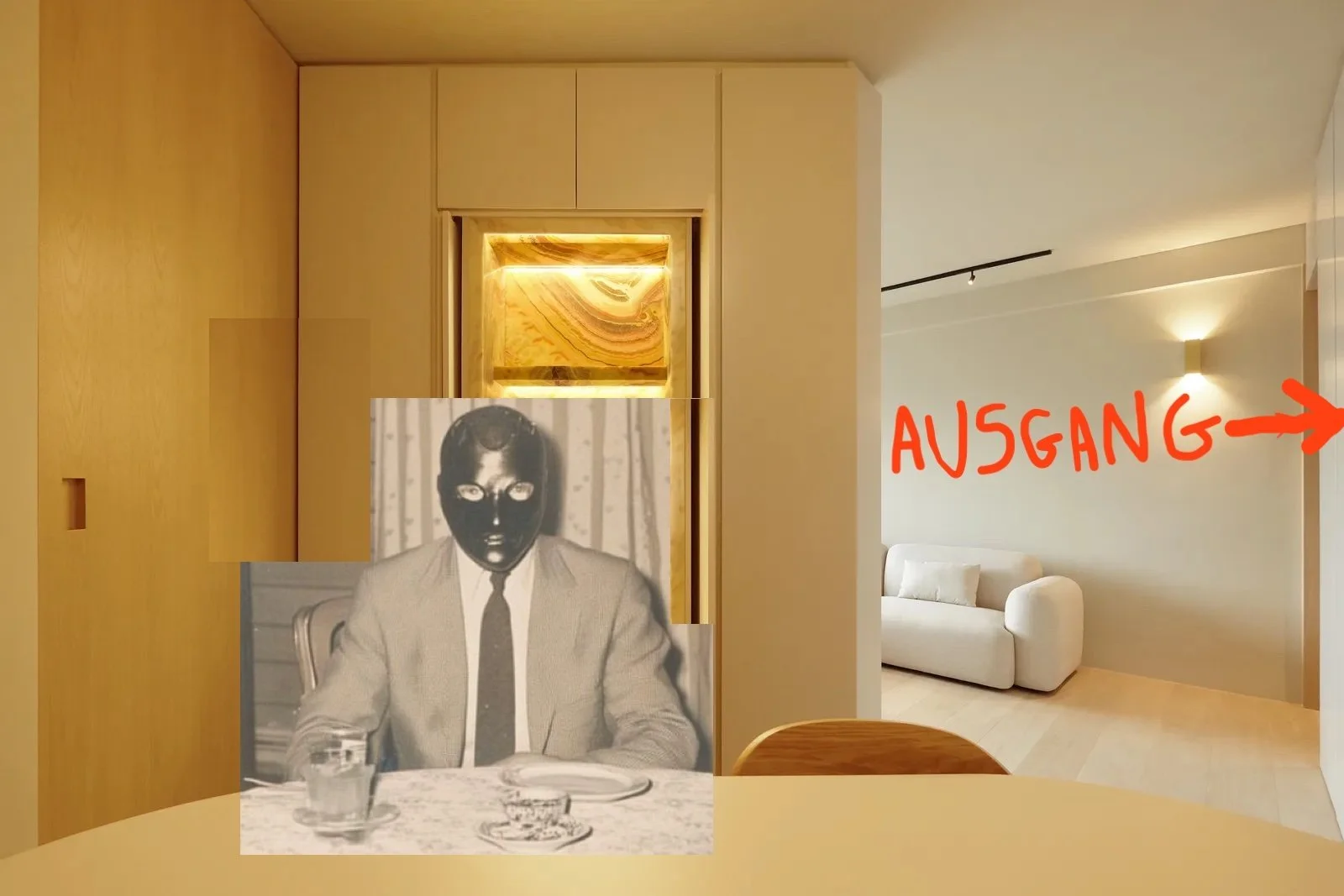
Herr K's Hotel
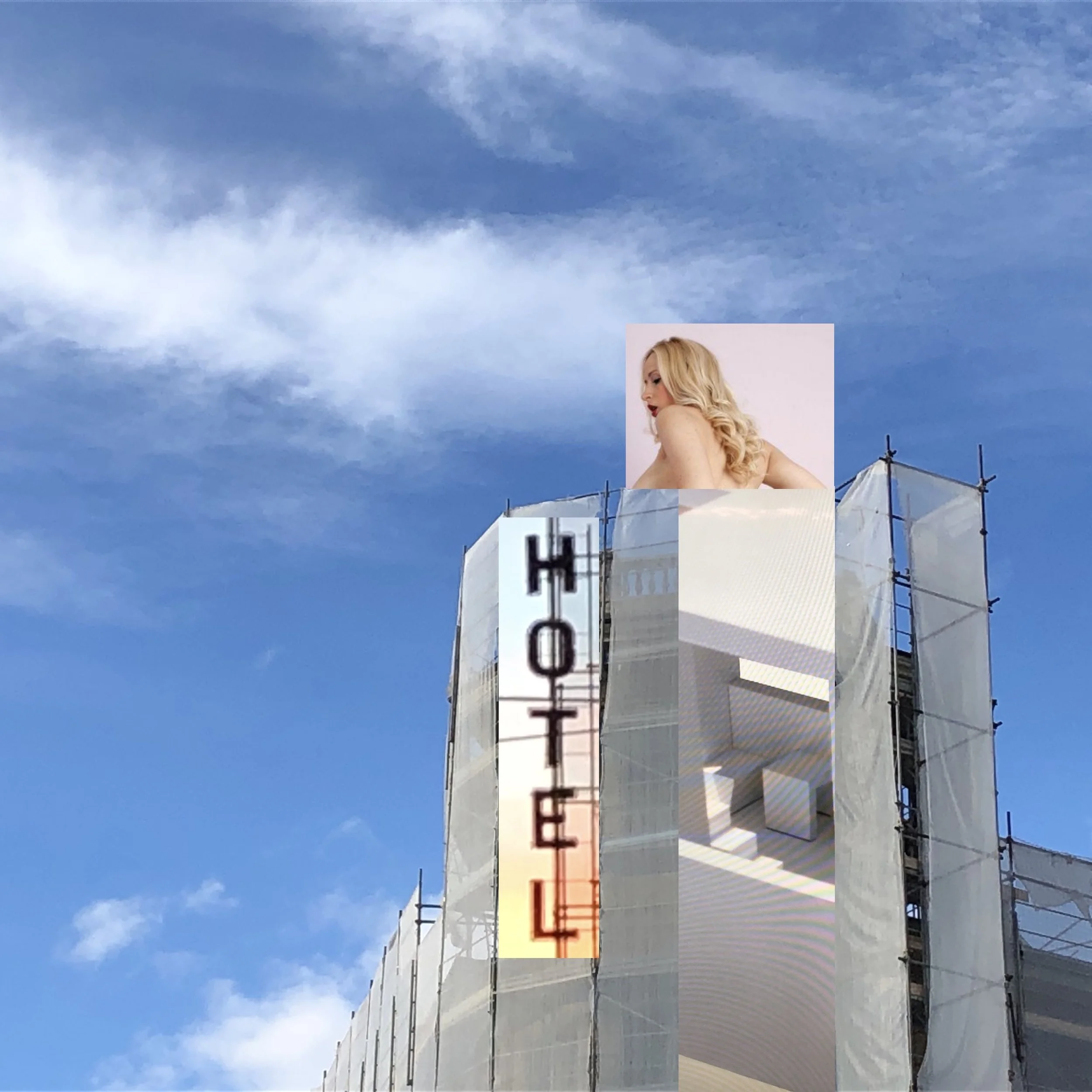
Art world denizens were well-aware that Avant-Artist Martin Kippenberger took full advantage of hotel stationery wherever he went. This wasn't just to save on materials, or mitigate the terror of blank canvas.
Kippenberger's hotel drawings were a way to pass lonely, hungover hours in unfamiliar rooms They sold discreetly, before his wildly creative life was cut short. After that, their prices soared.
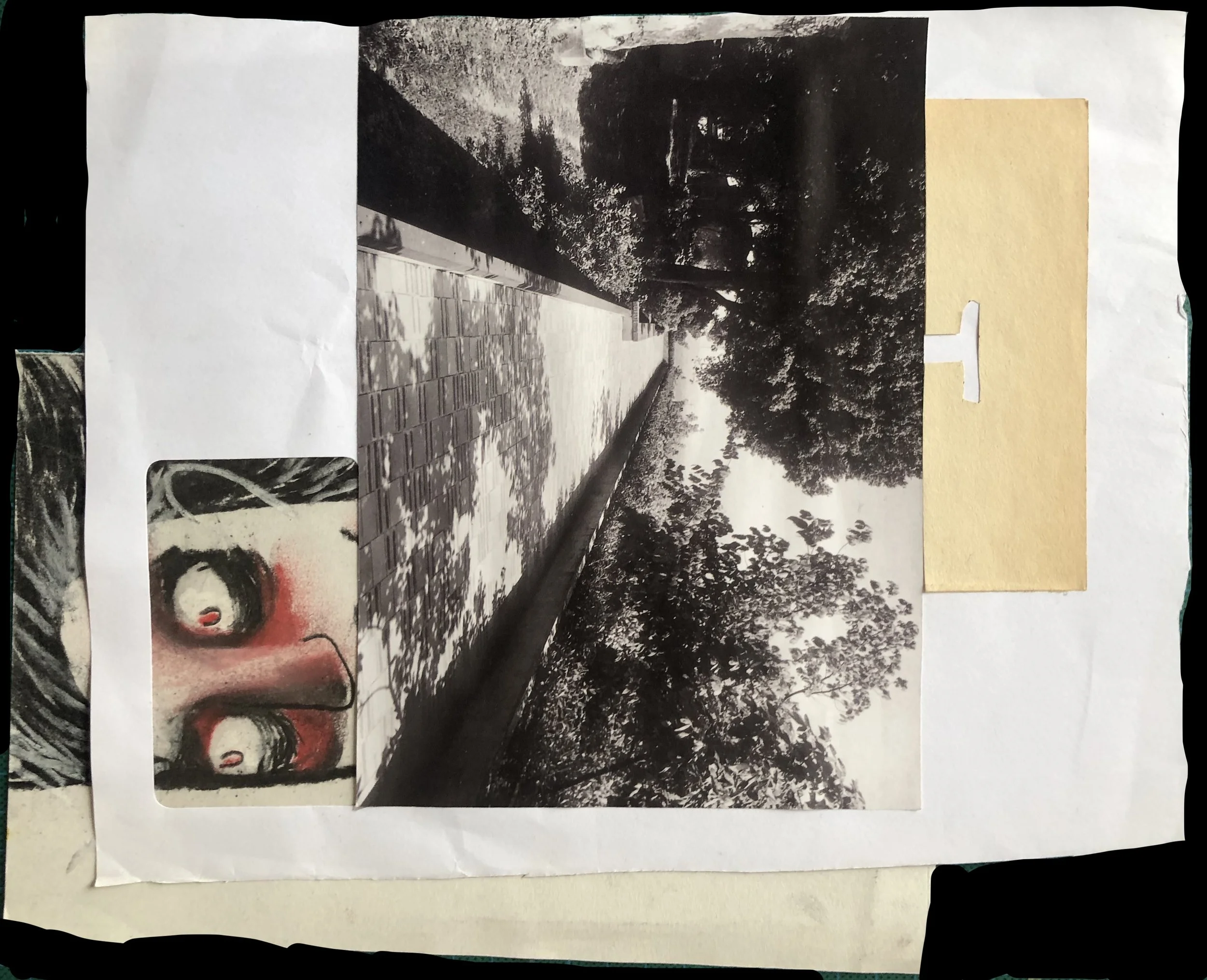
Not many curators, collectors or other cultural sophistos knew that Herr K. also used complimentary letterhead to design the hotel he dreamed of building, in which he could offer free hospitality (and unlimited alcohol etc.) to his less successful colleagues.
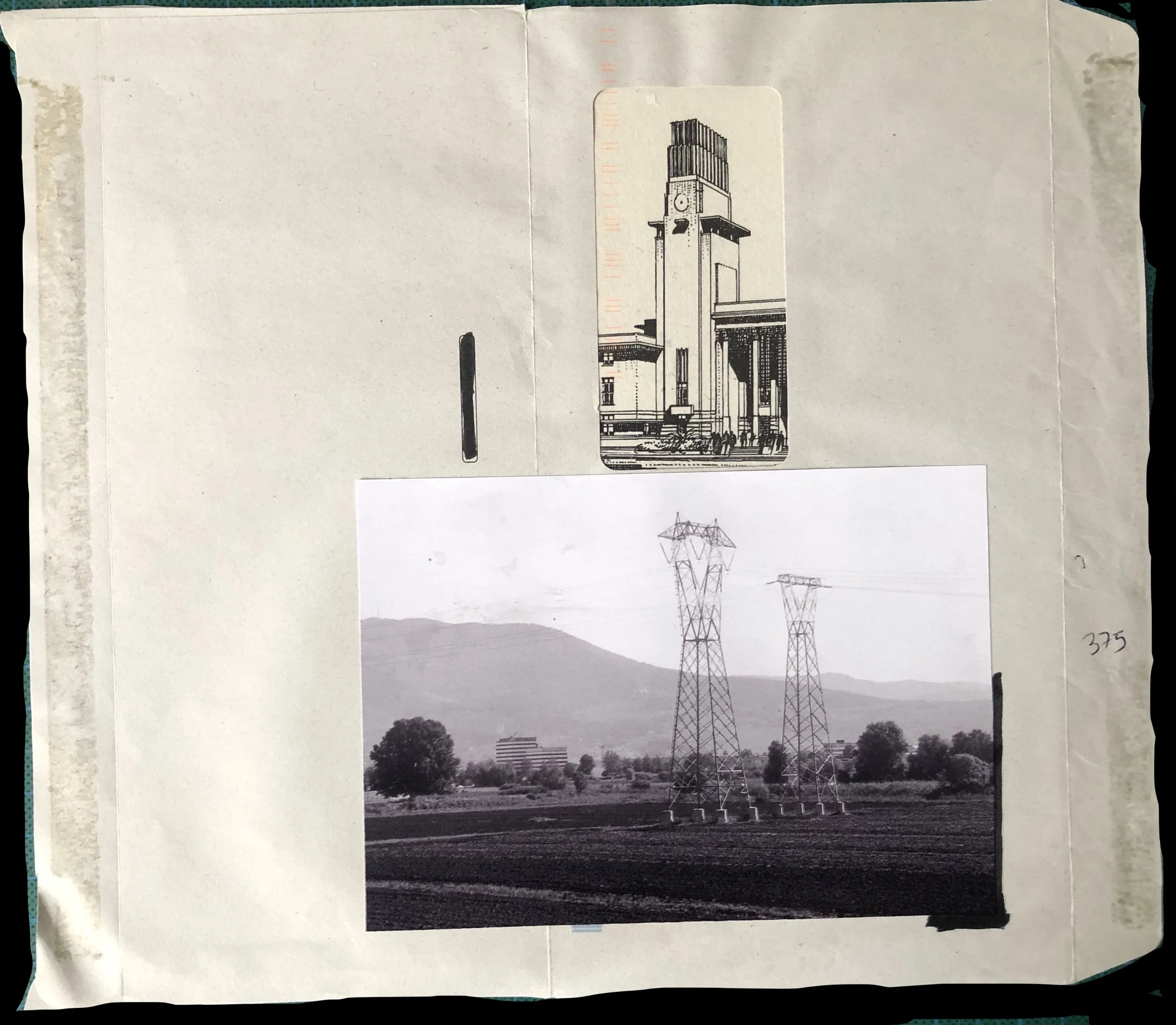
"There should be a place," the artist wrote in one of his chaotic sketchbooks, "where those whose lives involve higher highs and lower lows can give vent to their obsessions without fear of criticism and/or arrest."
The Kippenberger Hotel wouldn't have an ordinary lobby, or conventional rooms, or automatic shoe-polish machines in the corridors. There’d be a swimming pool, though.
The designs for KippenHaus came to light after after the Rhine overflowed and filled a venerable Cologne Brauhaus's basement storeroom with diesel fuel-scented mud.
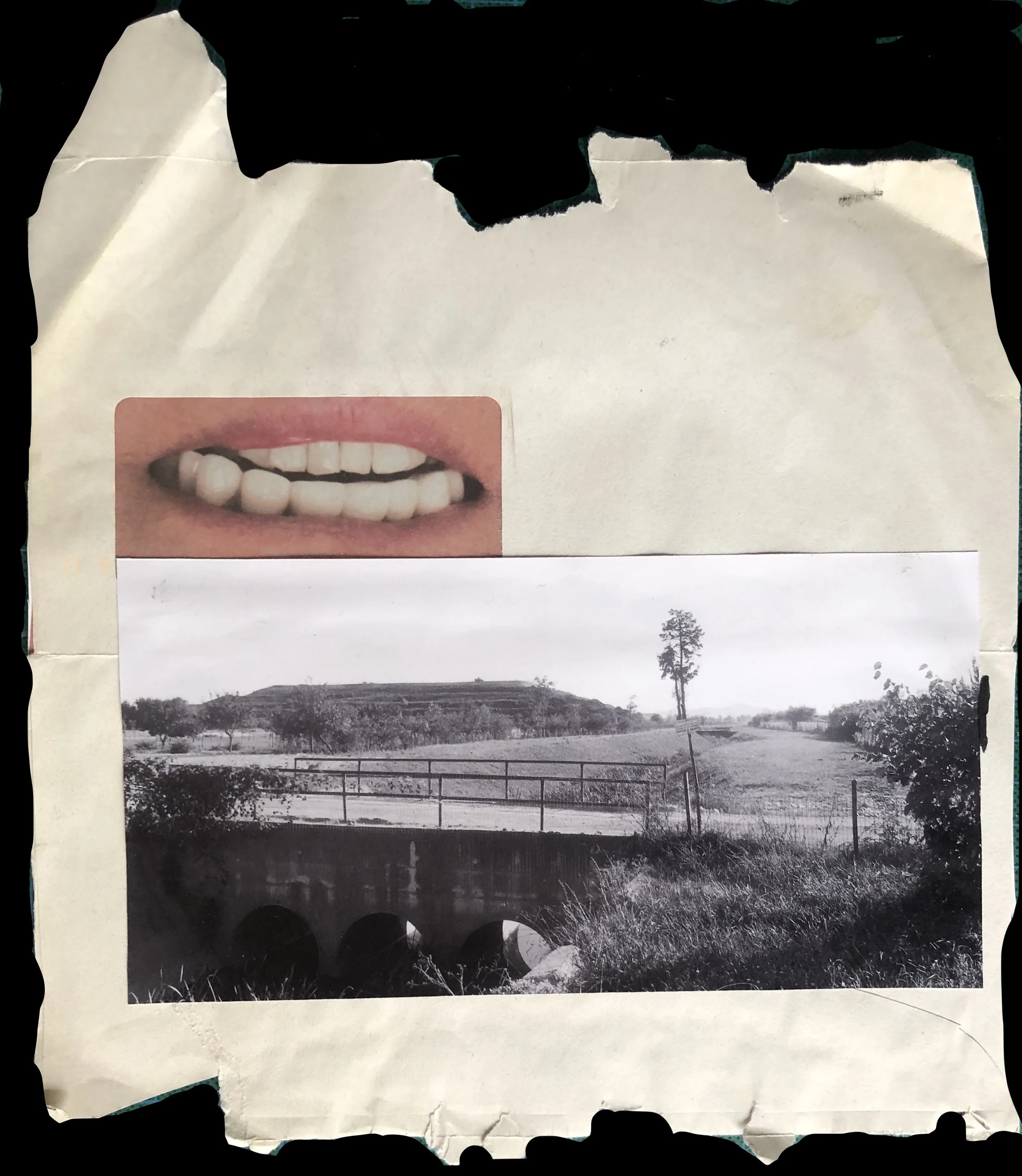
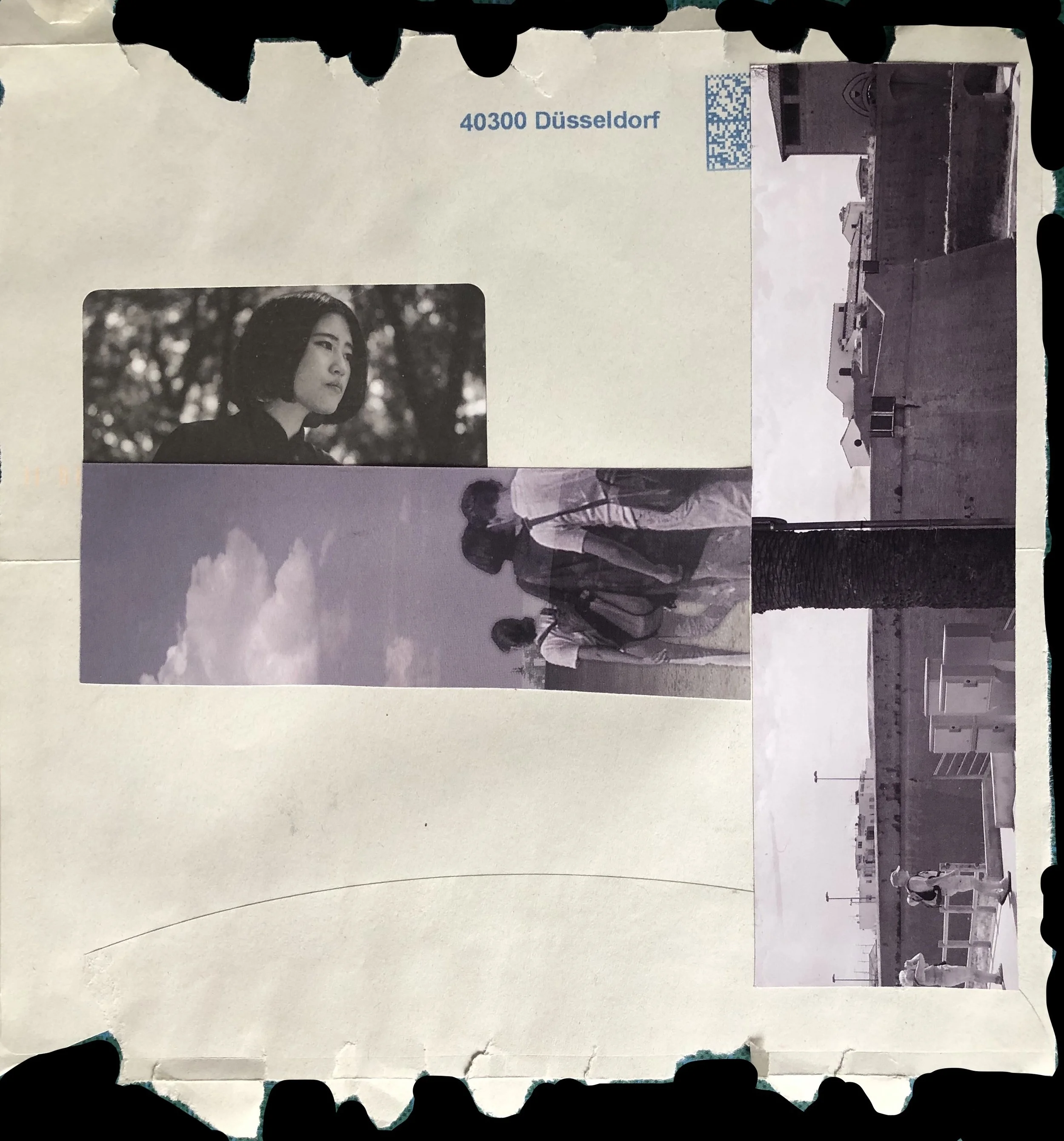
"Unlike the artist's beloved hotels, our establishment doesn't offer custom-printed stationery," the Braumeister said. "Herr Kippenberger would stop in for beer after he'd dropped off artworks at the Post Office. He received quite a bit of mail: fan letters, unpaid bill notifications, nude pictures from people who wanted to get to know him personally. He thought it a pity to waste the unused portions of the envelopes, which, he often said, were of the loveliest conceivable grey."

***
L'hotel di Herr K

Nel mondo dell'arte era risaputo che Martin Kippenberger sfruttava a pieno la cancelleria degli hotel ovunque viaggiava. Non era solo per risparmiare sui materiali o mitigare i terrori della tela vuota.
I disegni alberghieri di Kippenberger erano un modo per smaltire le sbronze in stanze poco familiari. Vendevano discretamente, prima che la sua vita selvaggiamente creativa venisse troncata. Dopo la morte dell'artista, i loro prezzi salirono alle stelle.

Pochi curatori, collezionisti e altri tipi sofisticati sapevano che Herr K. usava la cartoleria gratuita anche per disegnare l'hotel che sognava di costruire, in cui avrebbe offerto ospitalità (e alcol ecc.) ai colleghi meno conosciuti.
"Ci dovrebbe essere un luogo," ha scritto l'artista in uno dei suoi caotici quaderni, "dove chi vive tra euforie e disperazioni possono dare sfogo alle loro ossessioni senza paura di critiche e/o arresto."

L'Hotel Kippenberger non poteva avere una solita hall, o convenzionali stanze o lustrascarpe automatiche nei corridoi. Ma doveva per forza avere una piscina.

L'intero progetto KippenHaus venne alla luce dopo che un'esondazione del Reno riempì la cantina di una veneranda birreria di Colonia di fango aromatizzato al diesel.
"A differenza degli hotel tanto amati dall'artista," disse il proprietario, “non offriamo cancelleria gratis. Herr Kippenberger si fermava qui a bere dopo essere passato alle Poste per spedire le sue opere. Riceveva tanta posta: lettere da ammiratori, notifiche di mora, foto di persone svestite che volevano conoscerlo di persona. Gli sembrava un peccato sprecare le buste che, diceva spesso, erano del più bel grigio concepibile."


No Reviews (a hotel requiem)
A friend writes from New England:
Whoever heard of a hotel with a one-guest, once-in-a-lifetime-only policy? Sounded like a lure for potential snuff-film stars.
But the letterhead looked legit, the handwritten invitation was neat and grammatically correct. I dug for further information, only to discover that the hotel in question didn't advertise. The reservation number wasn't toll-free. The rates reflected the economic realities of the time.
Seems hard to believe now that glossy magazines once subsidized their free-lance writers' professional vacations. I was of that fortunate generation. The editor-in-chief, terse as always, said, "No MiniBar. No massages."
As it turned out, the hotel didn't feature any such conveniences and services. There was nothing that smacked of "luxury", "ultimate" or "iconic". What the hotel provided wouldn't fit in a magazine. Not even in a year's subscription's worth.
But who subscribes to magazines these days, anyway?
Another mystery is whether the hotel's Management would've let me stay if I'd told them my line of work. Why did they invite me in the first place? I didn't use to show up in the Society Pages all that often.
As it was, they refused to allow publication of the article I wrote and the pictures I shot during my all-too-brief sojourn.
"We don't want publicity," was the explanation. "We don't need to increase profits. Our hotel will remain itself. on its own."
And itself did the Erehwon remain, at least until October of last year.
A discreet notice appeared on the Obituary page of The Hotel News.
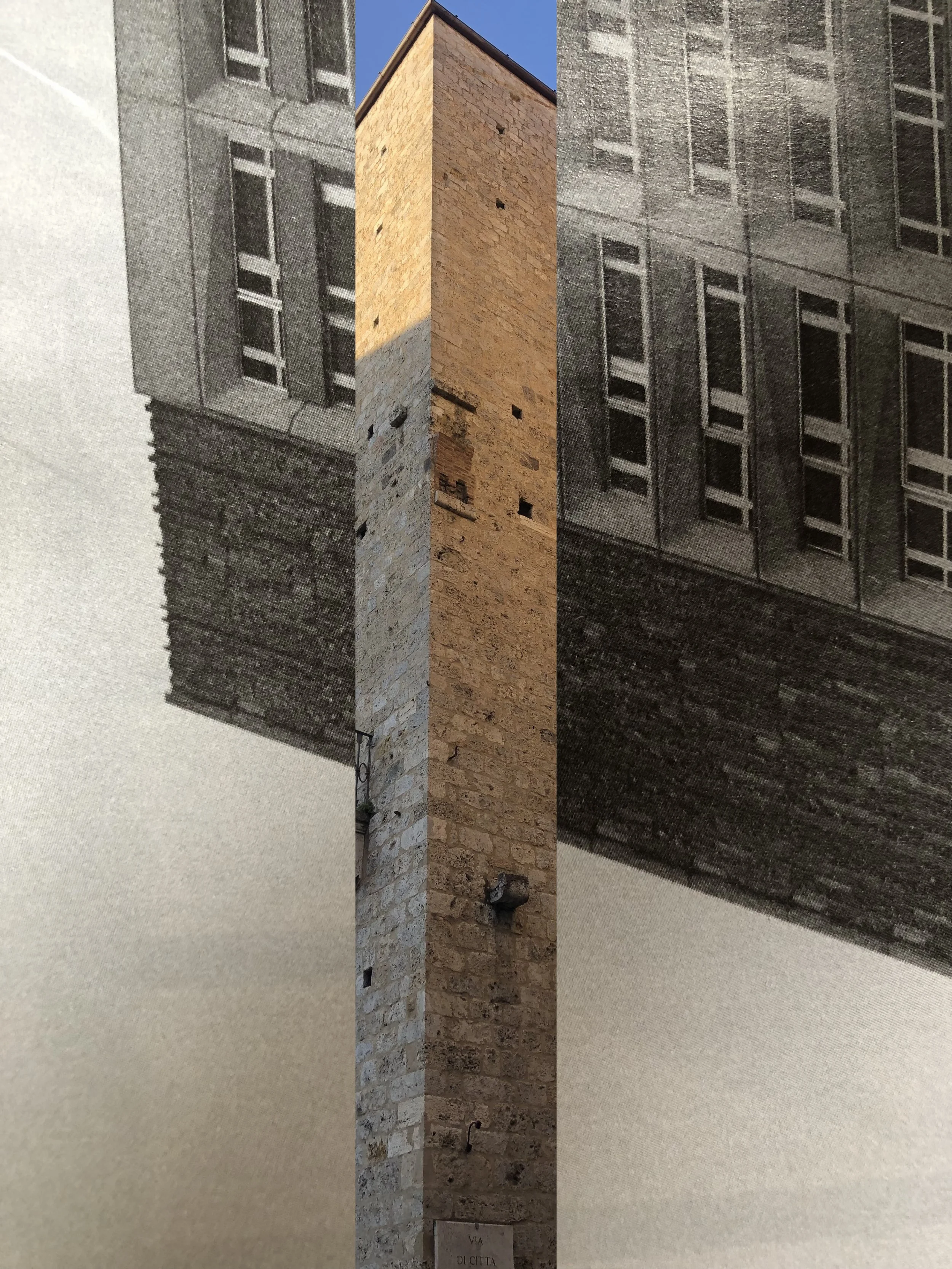
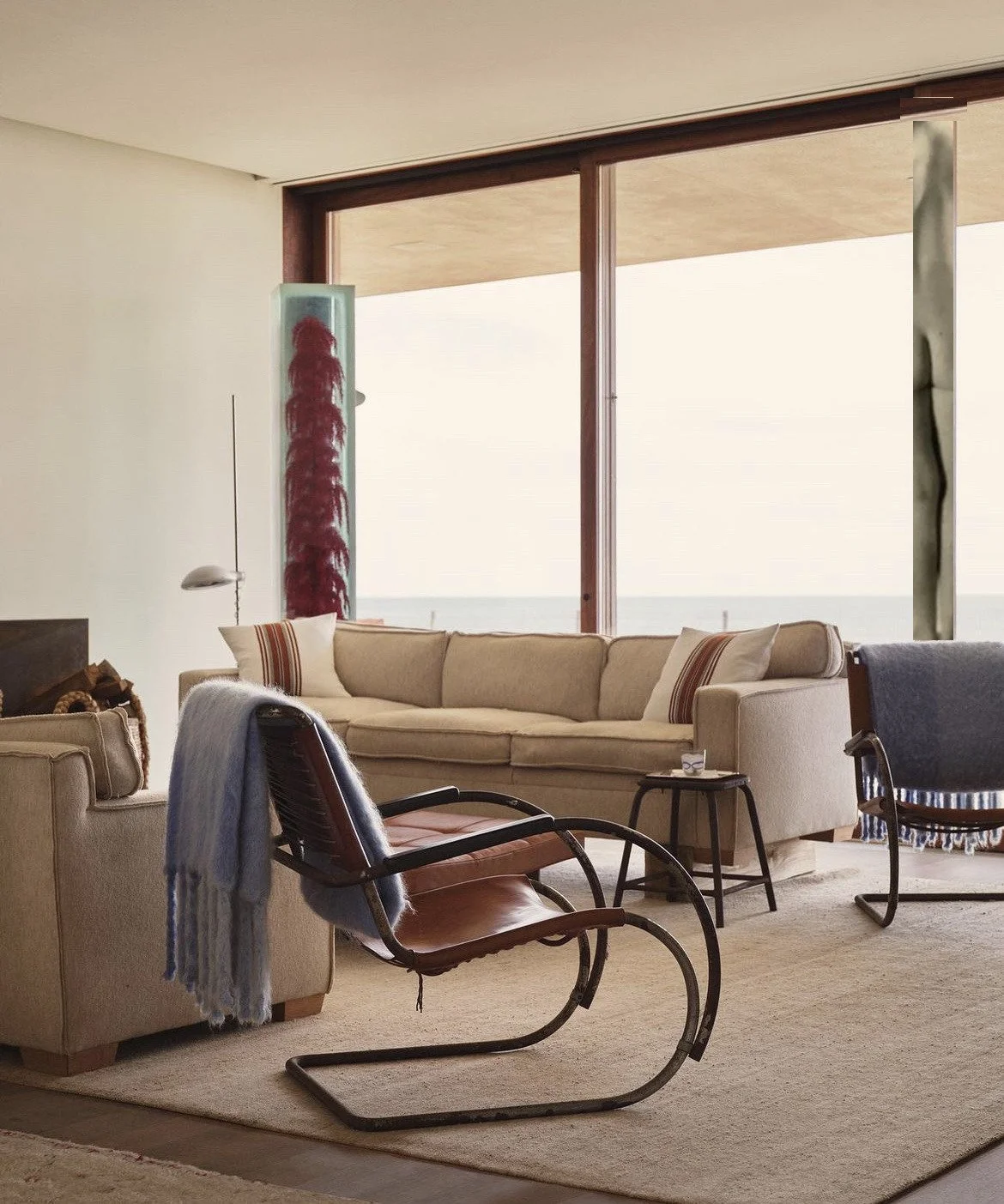
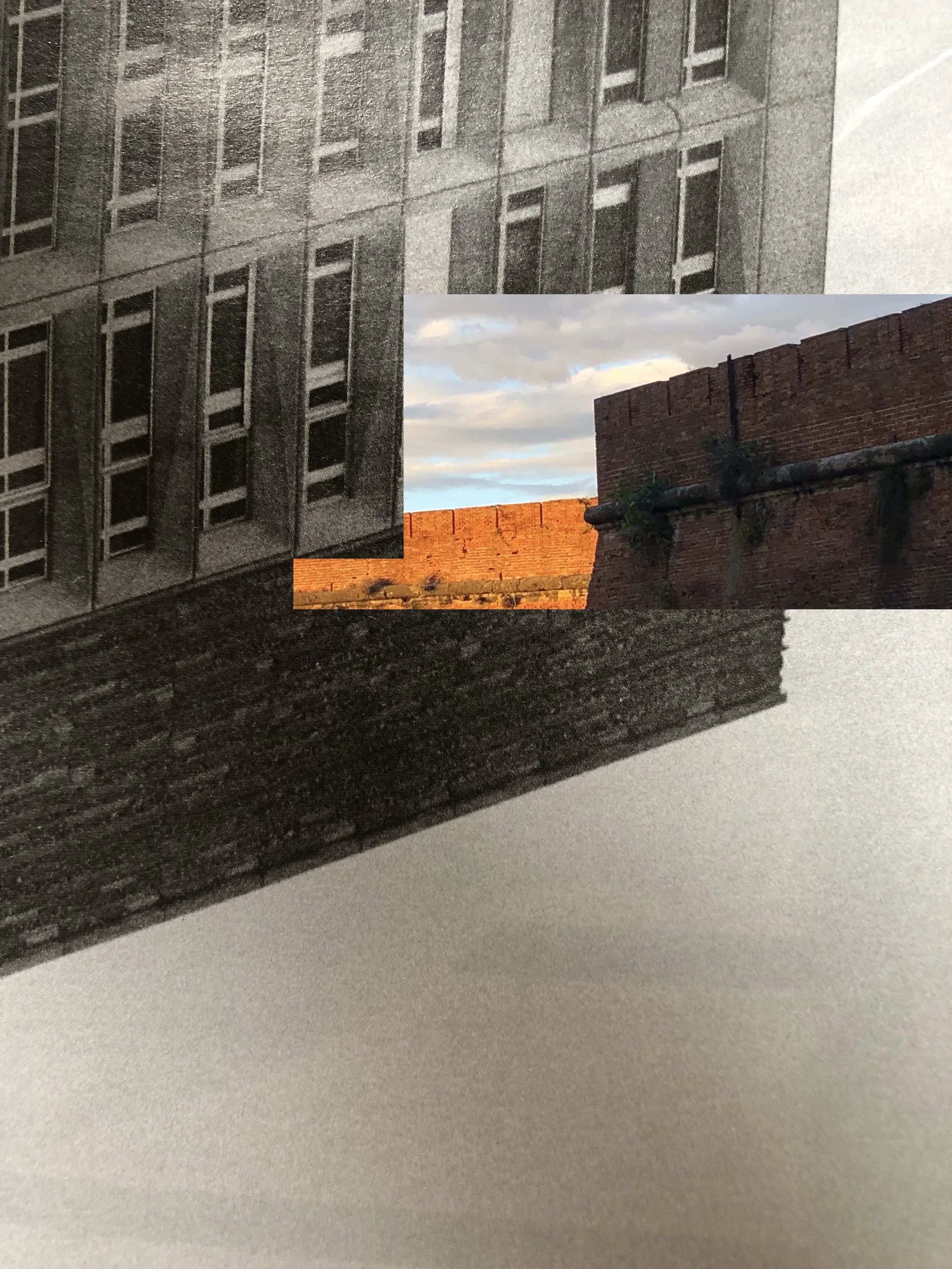
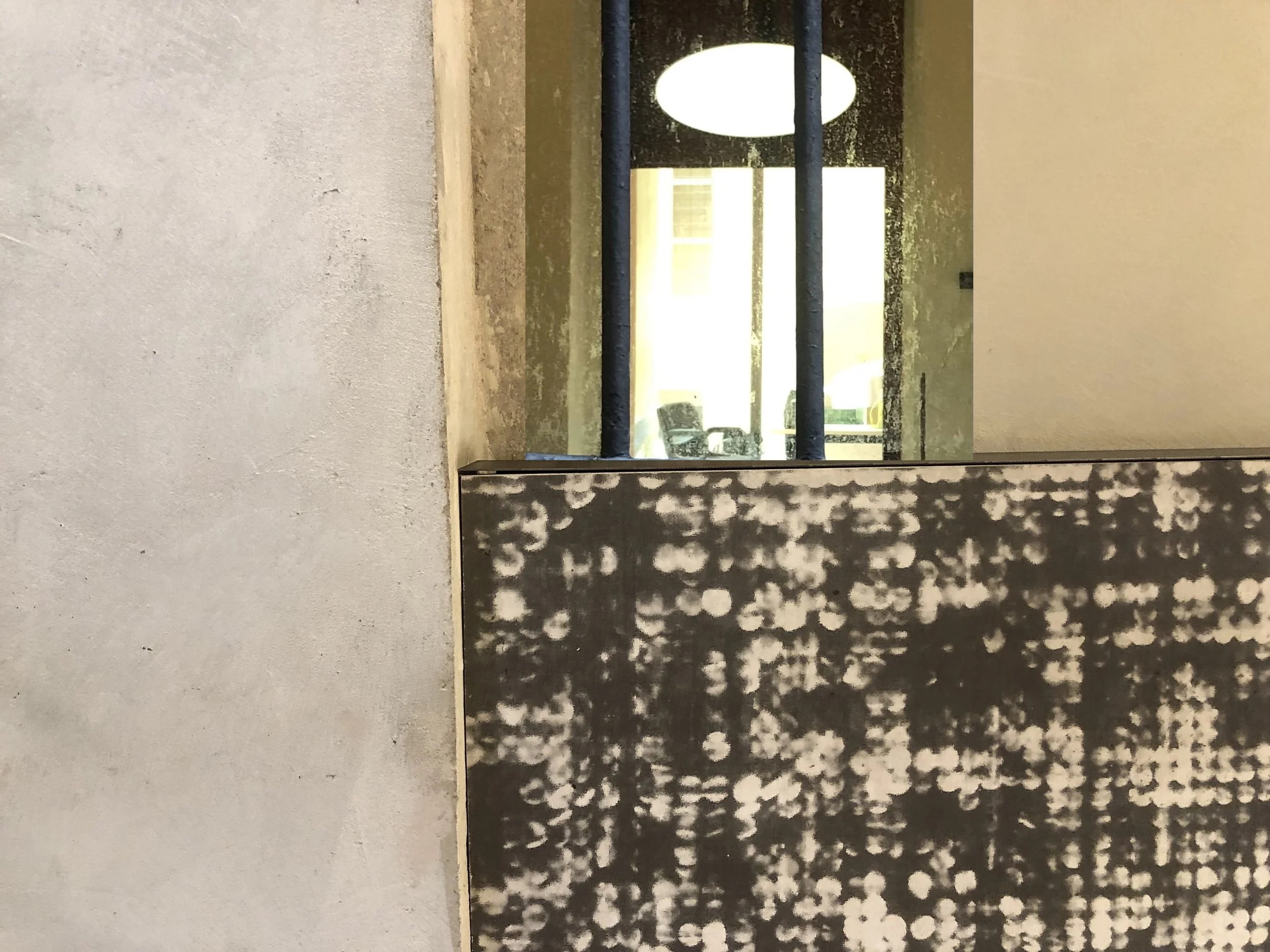

***
Niente recensioni (un requiem hoteliero)

Un’amica ci scrive dalla Nuova Inghilterra:
Chi ha mai sentito di un hotel che ospita una sola persona alla volta, solo per una volta nella vita? Questa politica dapprima sembrava un sinistro invito a fare da protagonista in uno snuff film.
Ma la cartoleria dell'invito scritto nitidamente a mano sembrava genuina.
Non c'era un numero verde da chiamare, e il costo che mi venne quotato rifletteva la realtà economica dei tempi.
Ora sembra incredibile che le riviste patinate una volta sovvenzionavano le vacanze professionali dei loro collaboratori esterni.Appartengo a una generazione fortunata. La redattrice, lapidaria come sempre, disse, "Niente MiniBar. No massaggi."
L'hotel non disponeva di tali comodità e servizi. Non c'era nulla che sapesse di "lusso" o "inarrivabile" o "iconico". Ciò che offriva l'hotel non starebbe dentro le pagine di una rivista. Nemmeno se ti abbonassi per un anno intero.
Ma chi si abbona più alle riviste cartacee?
Chissà se la Gestione avrebbe accettato la mia prenotazione se gli avessi detto di cosa mi occupavo. Un altro mistero era il motivo per cui mi avevano invitata in primo luogo. Non comparivo poi così tanto spesso tra le pagine di Novella 2000.
Rifiutarono di permettere la pubblicazione dell'articolo che scrissi e delle foto che scattai durante il mio fin troppo breve soggiorno.
"Non desideriamo pubblicità," spiegarono. "Non vogliamo aumentare i profitti. Il nostro hotel rimarrà fedele a sé stesso."
E infatti l'Erehwon sé stesso rimase, fino all'ottobre dell'anno scorso.
Venne data la triste notizia nella rubrica Necrologi di The Hotel News.

Un ospite immaginario riflette su un’ospite in carne e ossa.


Mentality of a Guest
A friend writes from Baden-Baden...

An elegant gentleman sat in the lobby all morning, every morning, and stared at nothing. Lost in thought, I presumed. Not merely natty in appearance, but possessed of a disciplined mind. A philosopher, or a physicist, comfortably retired and at leisure to ponder life and the universe.
Around noon, a stately woman of roughly his age would descend from the upper floors to sit with him. After an intimate, obviously pleasant conversation, she'd take his arm, and together they'd exit the hotel to have lunch somewhere, I imagined, and spend the afternoon together.
At dinner, they were impeccable. His evening dress was evocative of better times. Her jewelry seemed to have been designed against ostentation. A thick snowy braid cascaded down her back, which her gowns were cut to reveal. His baldness accentuated the roundness of his head, the delicacy of his features, the clear blue eyes so like those of a marvelous child.
My wife noticed how I stared at them.
"Aha. So now you'd like to be unfaithful to me with her," she said.
"Oh no," I answered, a shade too quickly. "It's just that one rarely sees such a serene couple."
"You mean, so unlike us?"
"Oh no," I repeated, stupidly.
"Well I have news for you. They're not a couple."
That was a surprise.
"They're brother and sister," my wife went on. "He's retarded. She takes care of him. The hairdresser in the lobby told me the whole story."
She would've been happy to elaborate on this mouth-watering gossip. I looked down into the soup, put a spoon in it. We ate, as usual, in silence.
***
Mentalità di un ospite

Un amico scrive da Baden-Baden...
Un gentiluomo elegante passava le mattine seduto nella hall a fissare il vuoto. Perduto nei propri pensieri, immaginavo. Non solo una bella presenza, ma in possesso inoltre di una mente raffinata. Un filosofo, oppure un fisico, in pensione, libero di ponderare la vita e l'universo.
Verso mezzogiorno un'avvenente donna di circa la sua età scendeva dai piani superiori per sedersi con lui. Dopo una intima e piacevole conversazione, lei gli prendeva il braccio e uscivano dall'hotel per pranzare da qualche parte, pensai, e poi passare insieme il pomeriggio.
Pure a cena erano impeccabili. Il suo smoking evocava tempi migliori. I gioielli di lei sembravano essere stati disegnati contro l'ostentazione. Una densa e nivea treccia le cascava lungo la schiena, messa in mostra da gonne abilmente confezionate La calvizie gli metteva in risalto la rotondità della testa, la delicatezza dei suoi connotati, gli occhi azzurri luccicanti come quelli di un bambino meraviglioso.
Mia moglie ha notato come li fissavo.
"Ti vedo, sai," disse lei. "Ora vorresti tradirmi con lei."
"Oh no," risposi, un po' troppo in fretta. "Ma è raro vedere una coppia così serena."
"Intendi, così diversa dalla nostra."
"Oh no," ripetei, stupidamente.
"Ho una notizia per te. Non sono una coppia."
Era una sorpresa.
"Sono fratello e sorella," continuò mia moglie. "Lui è ritardato. Lei lo accudisce. Il parrucchiere nella hall mi ha raccontato tutta la loro storia."
Le sarebbe piaciuto elaborare su questo succulento pettegolezzo. Guardai la ciotola di minestra, vi affondai il cucchiaio. Mangiammo, al solito, in silenzio.

The Simply Perfect
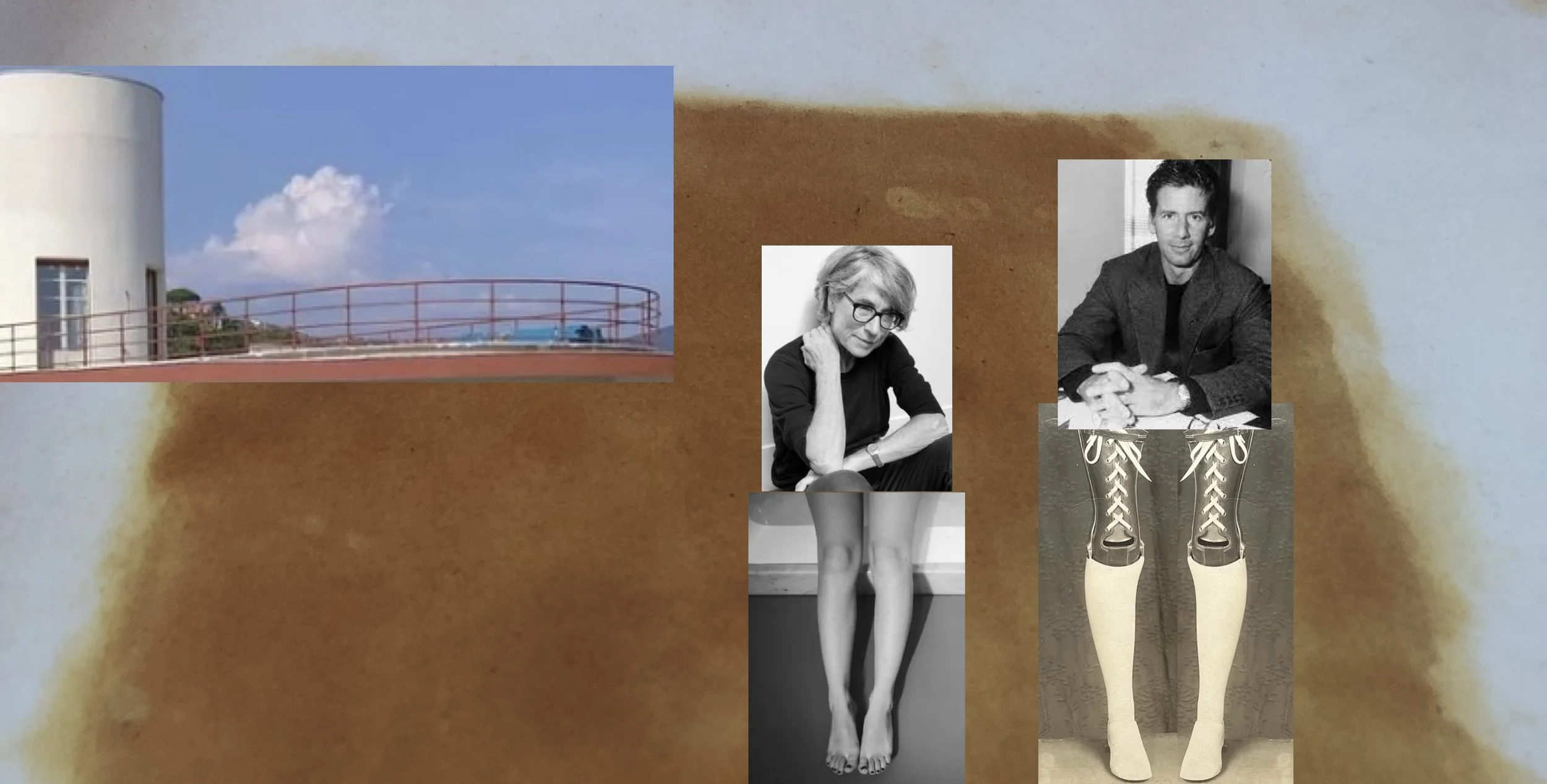
Calvin Klein called Margaret Howell from his office in the uppermost Northeast corner of an all-glass skyscraper in Manhattan.
On the third boop-boop, Margaret Howell hoisted the receiver of her venerable British Telecom apparatus. Her desk was blond wood, exquisitely crafted, and bare except for a black-and-white photograph in a silver frame.
“Hello, Margaret? Calvin Klein speaking.”
“Oh hello Calvin.”

“Margaret? It’s Calvin.”
"There's something—just a concept, for now—upon which I thought we might fruitfully collaborate."
"Indeed? Let's hear it."
"Well, it's nothing wildly original. I mean, Karl Lagerfeld and Donald Trump have already done it, but they're not exactly like us, if you know what I mean."
"I think I do, Calvin." Margaret pictured a gilded baroque-kitsch casino with croupiers and cocktail waitresses in black fingerless gloves, opaque sunglasses, fans and blinding-white ponytails.
"A hotel for people who match our aesthetic."
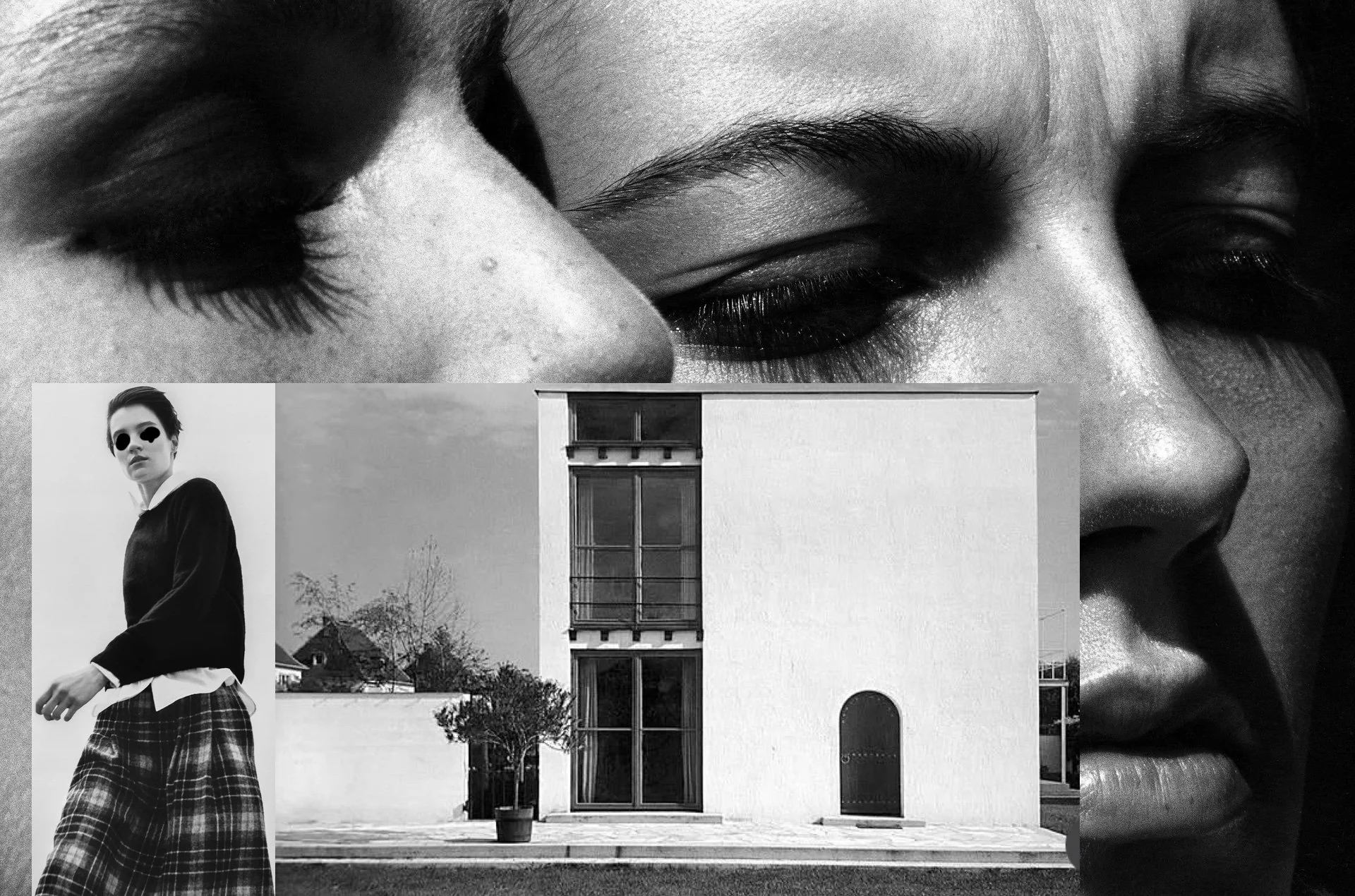
Can anyone possibly match this chic?
Ms Howell was about to say she was a clothing designer and a promoter of the United Kingdom's handicrafts, not an architect or innkeeper. She didn't relish the plural, in this case. A hotel where guests show off their underwear in the lobby and spray themselves with deodorant?

Winter-wear doesn’t sell too well, lately…
Calvin Klein interrupted her thoughts. "You're probably thinking of a sprawling beachfront mansion where gorgeous young people parade through the lobby in black Y-fronts while the air-conditioner spritzes them with Eternity."
"Oh no, not at all. Tell me what you have in mind."
"Simplicity. I know, I know...sounds like another perfume. But what I mean is a place not overly grand, with iconic lighting, thoughtful furnishings, a wobby-sobby dress-code, sustainable food and..."
A long pause followed. Margaret thought the line might've gone dead. "Hello? Calvin? And what?"
"Expensive as fuck!"
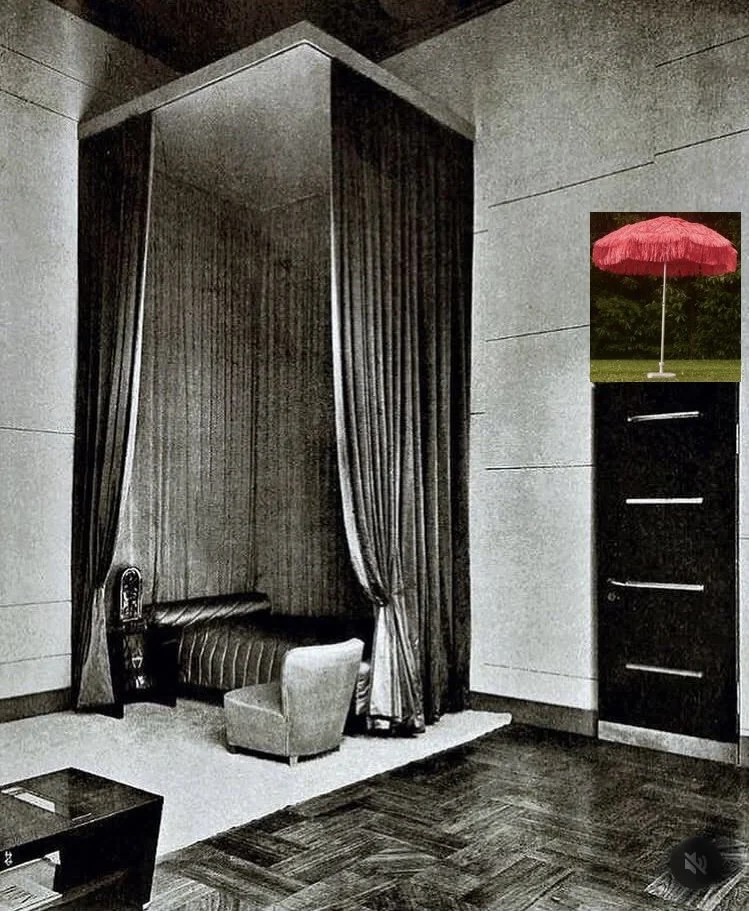
Sometimes a fuck is expensive.
***
Semplicità perfetta
Calvin Klein telefonò Margaret Howell dal suo ufficio in cima a un grattacielo di vetro a Manhattan.
Al terzo bìp-bìp, Margaret Howell alzò il microtelefono del suo venerando apparecchio British Telecom. La sua scrivania era di un legno biondo, di squisita manifattura, sgombra a parte una foto in bianco e nero dentro una cornice d'argento.
"Hello, Margaret? Parla Calvin Klein."
"Oh hello Calvin."
“Che piacere sentirti, Calvin.”
"Mi è venuta in mente una cosa—per ora è solo un concetto—sulla quale pensavo che potremmo collaborare con successo."
"Sentiamo."
"Ora, non è nulla di pazzescamente originale. Voglio dire, l'hanno già fatto Karl Lagerfeld e Donald Trump, ma loro non sono esattamente come noi, se sai cosa intendo."
"Credo di capire, Calvin," disse Margaret. Si immaginò un dorato casinò barocco-kitsch con croupier e cameriere in guanti neri, occhiali da sole opachi, ventagli e codini di un bianco accecante.
"Un hotel per chi è in linea con la nostra estetica."

“Un’estetica non è un hotel, ma forse non è vero il contrario.”
Miss Howell stava per dire che era una stilista sostenitrice dell'artigianato britannico, non un’architetta o albergatrice. E non gradiva l'uso del plurale, in questo caso. Un hotel in cui gli ospiti sfoggiano i loro indumenti intimi nella hall mentre si spruzzano di deodoranti?
Calvin Klein interruppe i suoi pensieri. "Probabilmente starai pensando a una vasta villa sul mare in cui gente giovane e bella vestono mutande nere mentre sfilano per la hall e l'aria condizionata schizza Eternity."

Profumo spruzzato per strada finisce in un caloroso diner.
"Oh no, per niente. Dimmi cos'hai in mente."
"La Semplicità. Lo so, lo so, sembra un altro profumo. Ma sto pensando a un posto non troppo grandioso, con una illuminazione iconica, un arredamento considerato, un dress code wabi sabi, cibo sostenibile e... "
Seguì una lunga pausa. Margaret pensò che fosse caduta la linea. "Hello, Calvin? E poi?"
"Fottutamente caro!"

Chi potrebbe aspirare a una tale estetica? Un’estetista?

The Womb

The room's dark and comfortably warm, with no hard surfaces or sharp edges anywhere. Guests are intimately connected with the facilities, and all their needs provided for.
Guests register through a human ritual not much more complicated than a handshake. Check-out time is when they're ready to leave.
That's when the screaming starts.
Not about the bill. There's no charge. Reviews aren't expected. Gratuities are also unnecessary, but here's a tip: be good to mama.
***
Il grembo
La camera è buia, c'è un bel tepore. Non ci sono superfici duri o angoli taglienti da nessuna parte. Gli ospiti sono intimamente connessi ai servizi, e tutte le loro esigenze vengono soddisfatte.
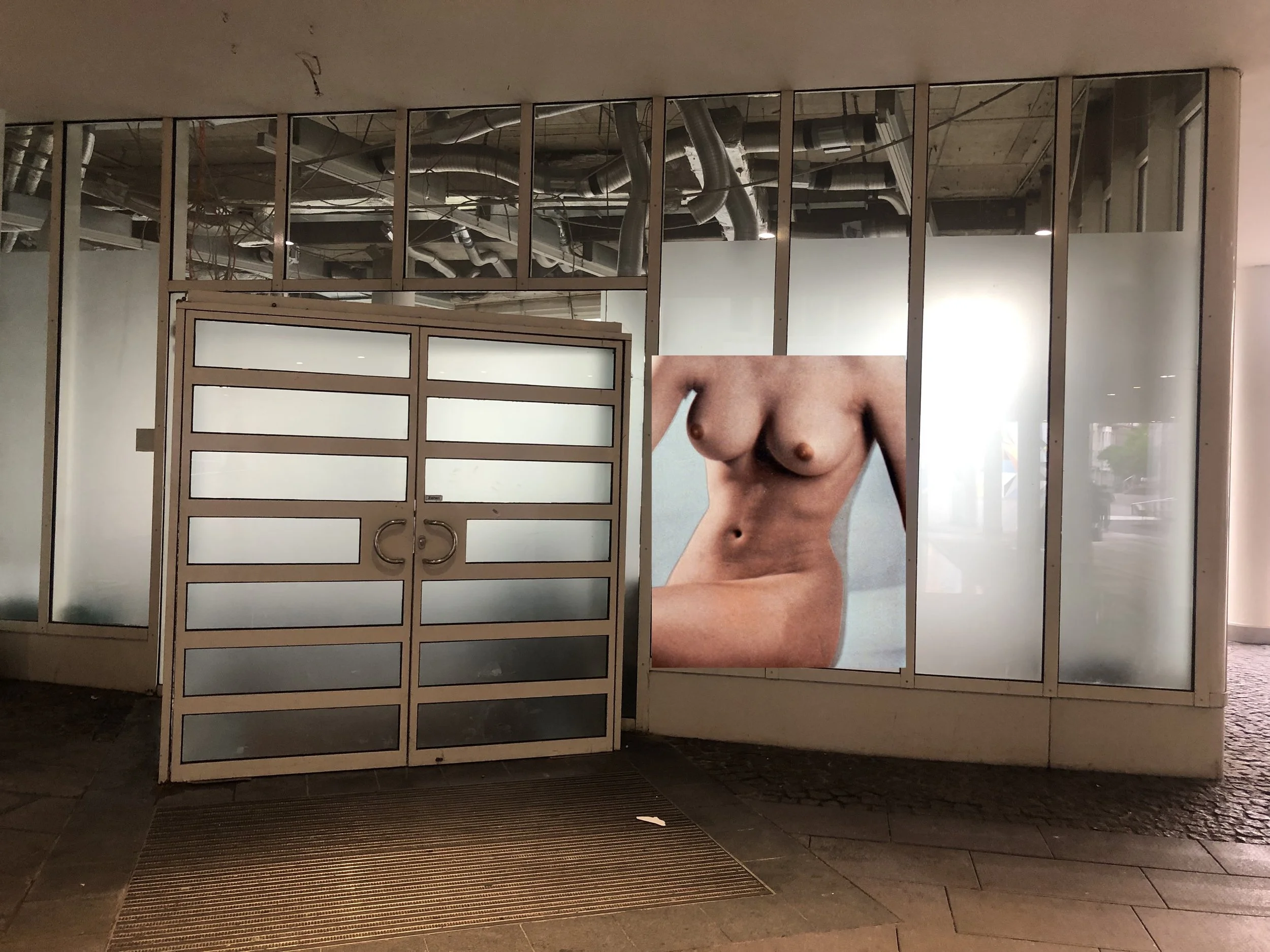
Ci si registra mediante un rituale umano non tanto più complicato di una stretta di mano. Il check-out si effettua quando gli ospiti sono pronti per partire.
A quel punto cominciano a urlare.
Non per il conto. Offre la casa. Nemmeno viene chiesto di scrivere recensioni. Non è usanza lasciare mance, ma si prega ai gentili ospiti di essere buoni con la mamma.
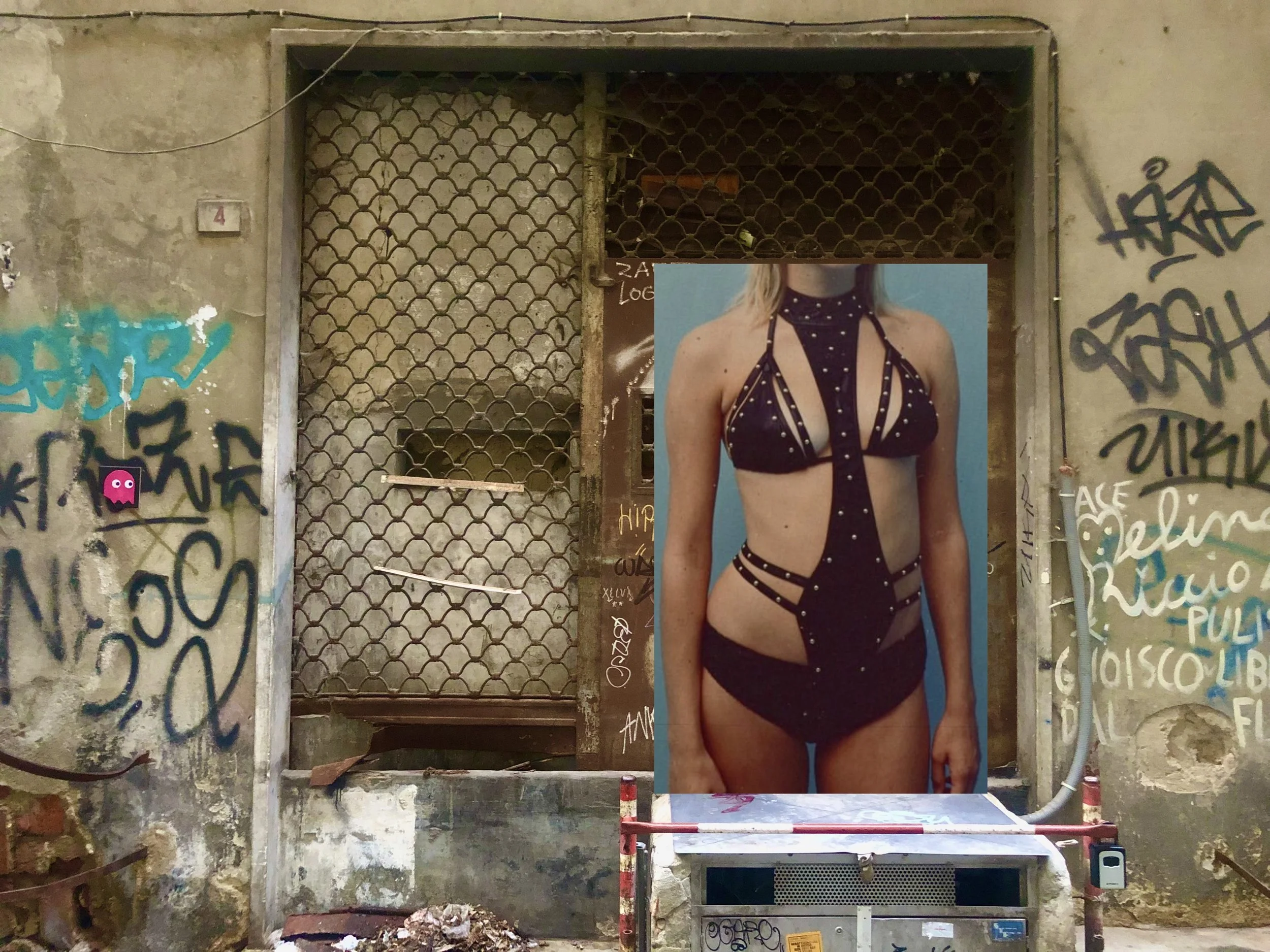

Guest Artist Black Napkin
Un amico ci trasmette dei sogni alberghieri:
La decenza di un albergo risplende soprattutto nel rigore che impiega a far sparire tutte le tracce degli ospiti precedenti delle sue camere. Deve dare l'illusione che quella camera è occupata da qualcuno per la prima volta. Non è certo facile, anche perché le tracce che lasciamo non sono tutte visibili. Il pensiero della contaminazione psichica di un luogo può ostacolare seriamente il sonno.
Guido Ceronetti, La carta è stanca, 2000
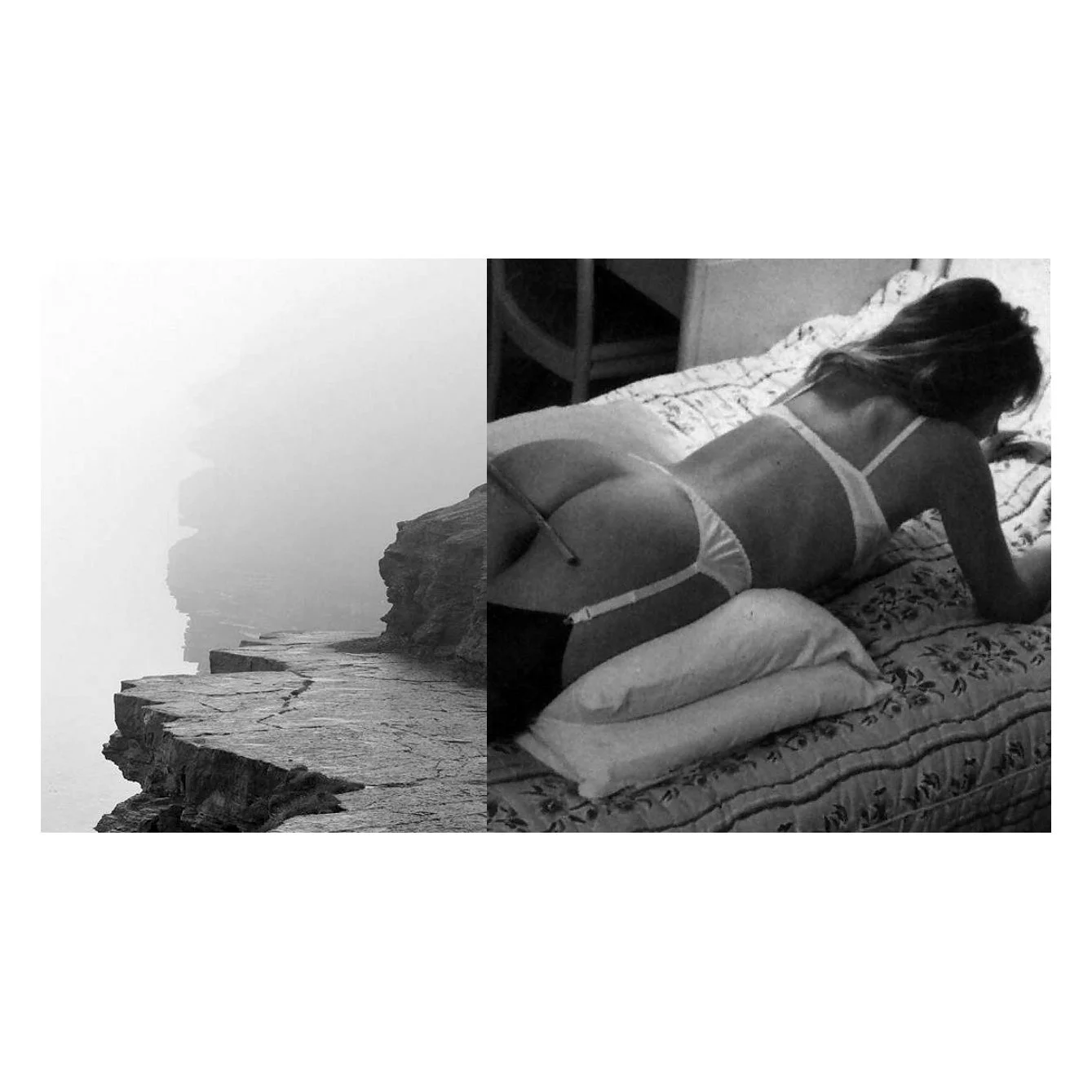
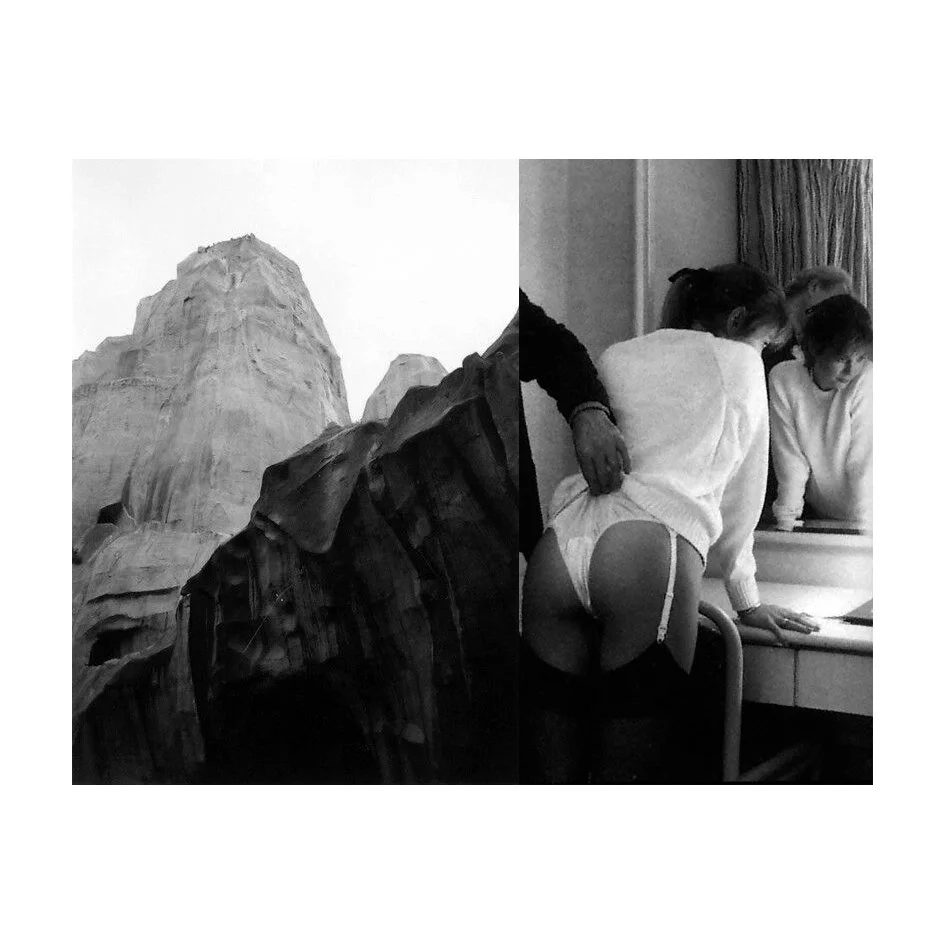
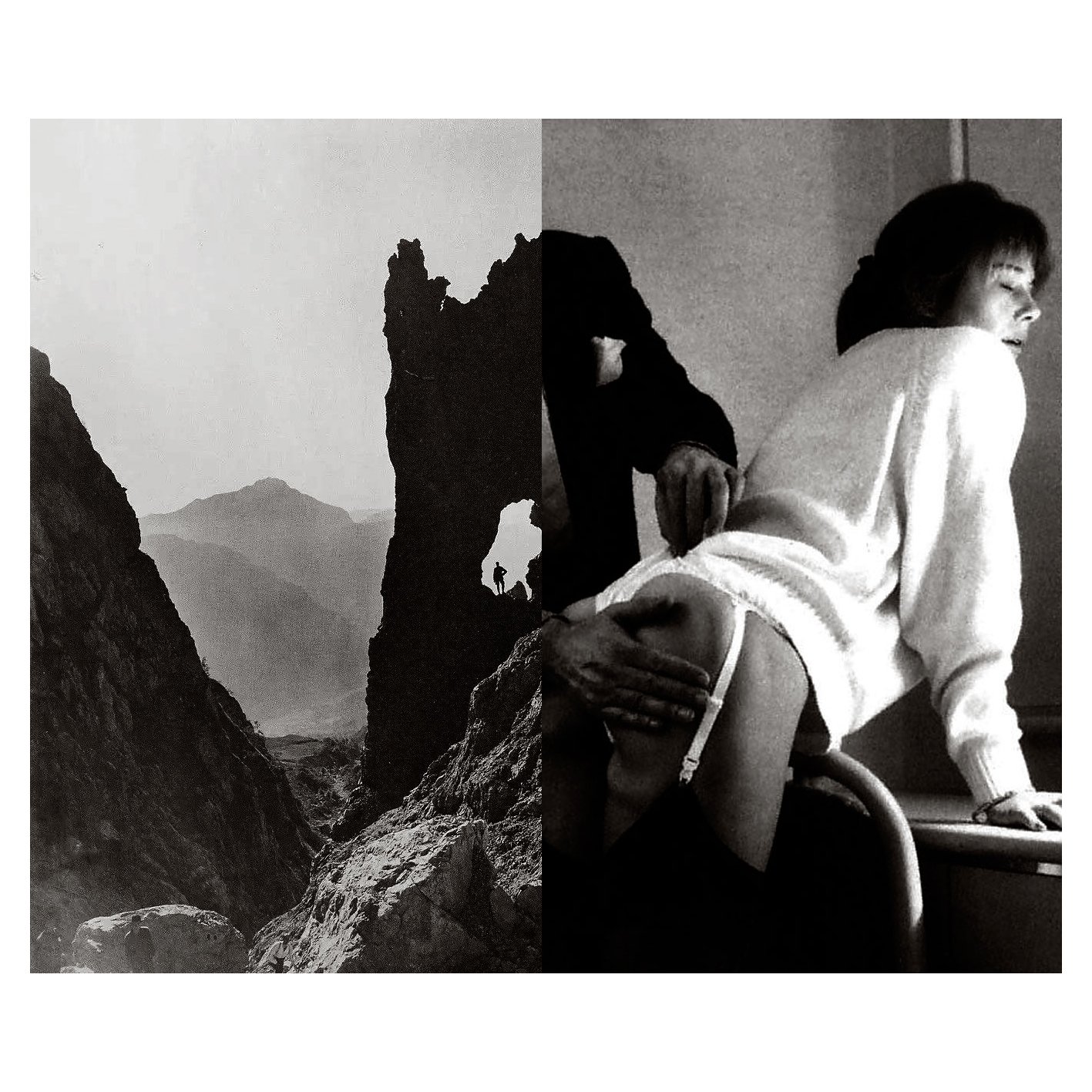
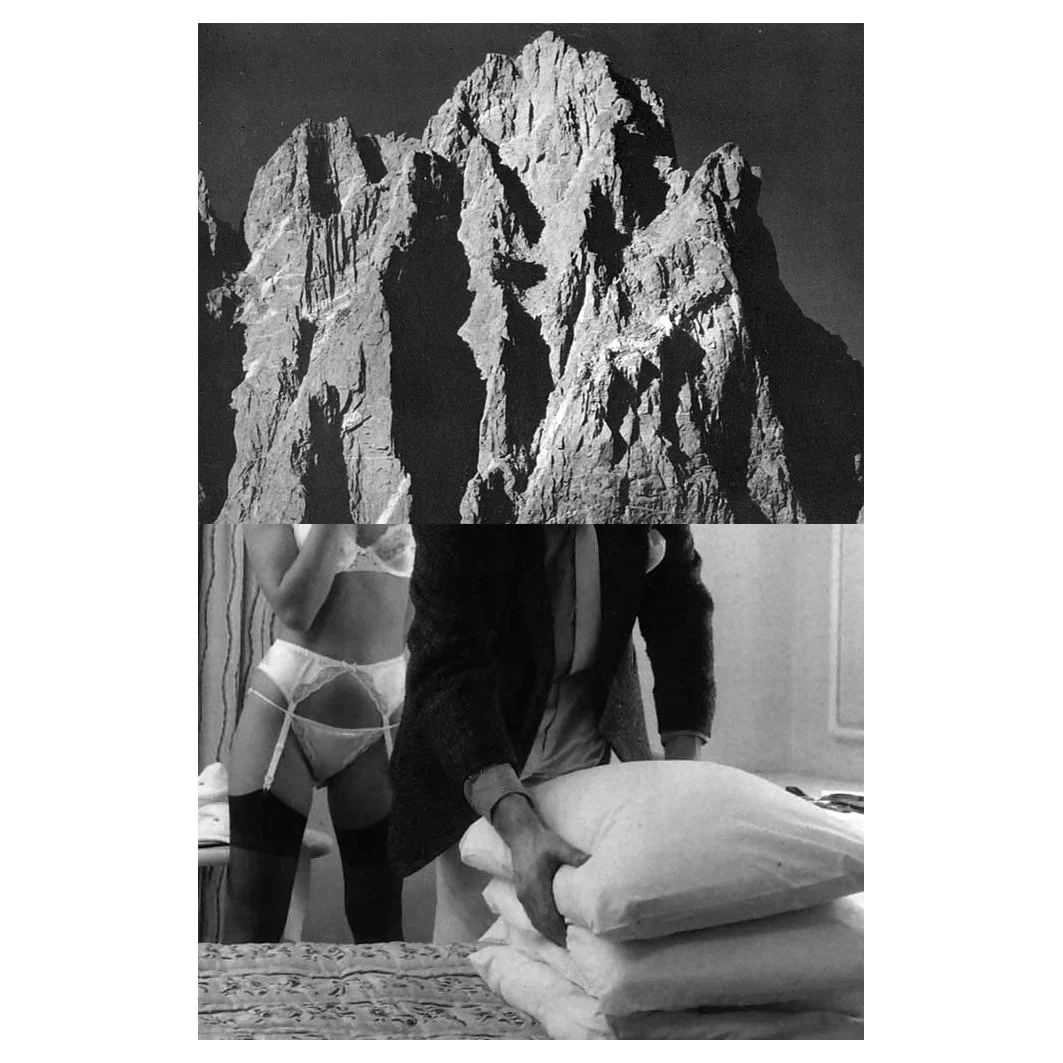
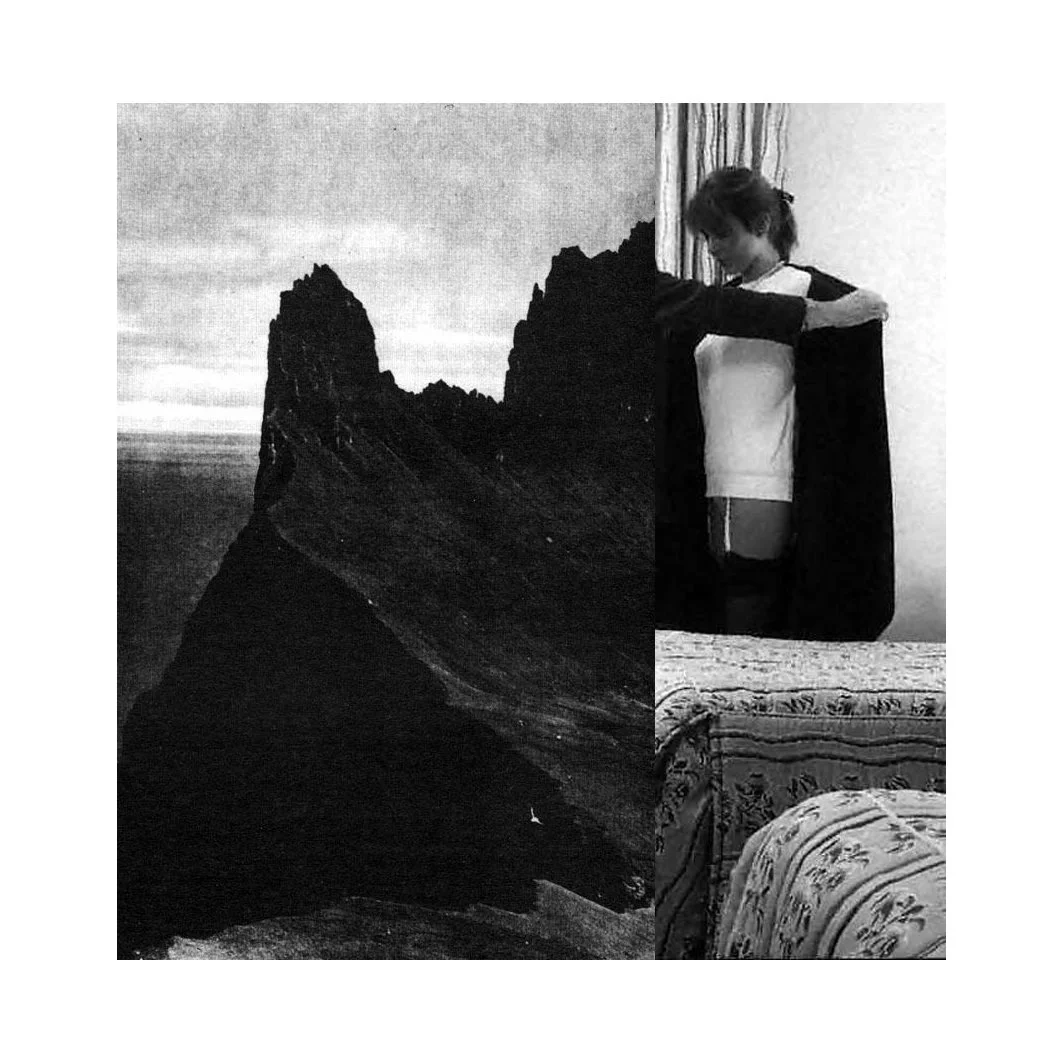
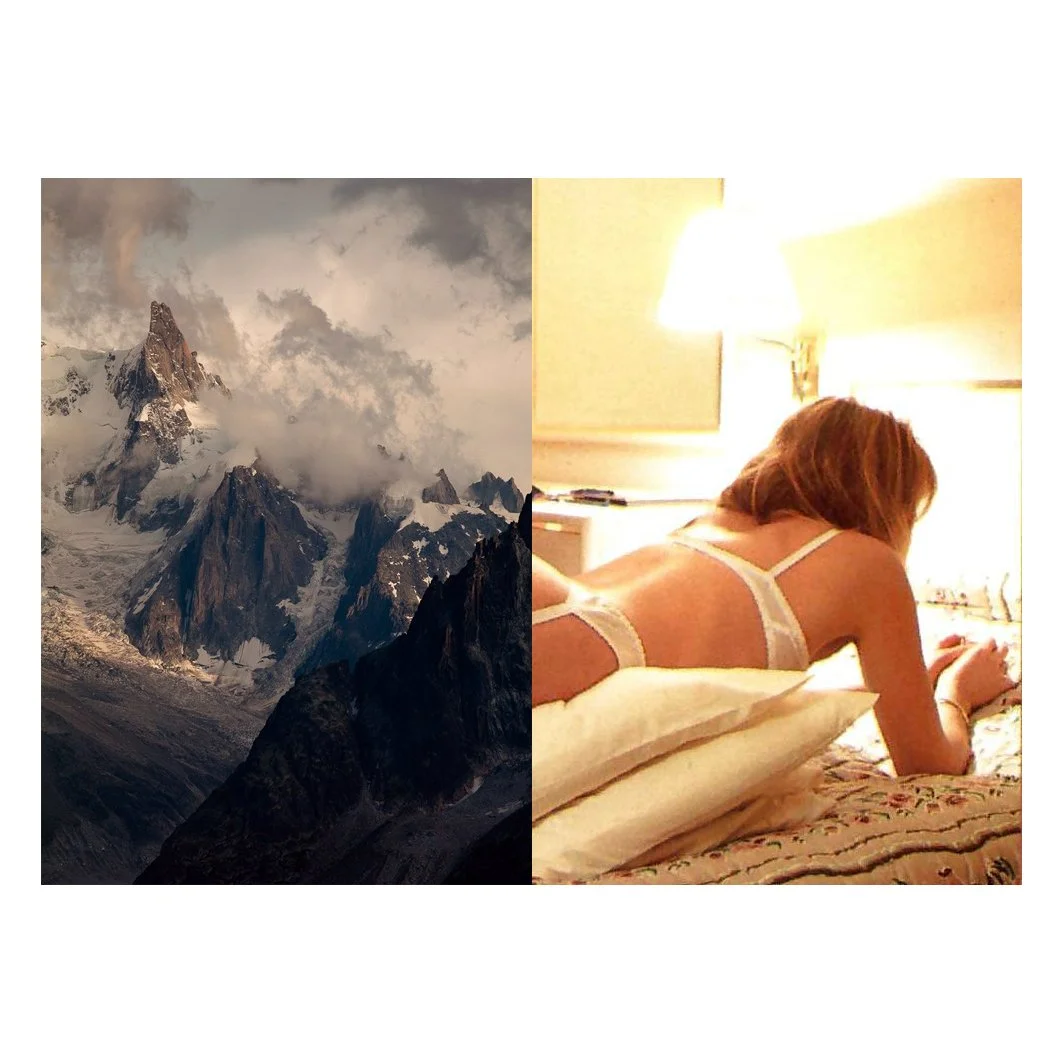
A hotel's decency shines through above all in the rigor it employs to eliminate all traces of previous guests in its rooms. It must give the illusion that the room is occupied by someone for the first time. This is certainly not easy, especially since the traces we leave behind are not all visible. The thought of a place's psychic contamination can seriously hinder sleep.
Guido Ceronetti, La carta è stanca, 2000
Siete cortesemente pregati di seguire Black Napkin su Instagram/Please follow Black Napkin on Instagram

Cosa abbiamo fatto quest'estate

Muffie ai bei vecchi tempi, allo stabilimento balneare più figo di Viareggio.
Non avevamo soldi per farci una vacanza. Non avevamo soldi, punto.
Non tantissimo tempo fa certi uomini ci invitavano alle loro ville al mare, o ci portavano nei resort più VIP a bordo dei loro yacht. Non dovevamo fare altro che metterci in bikini. Quei tempi sono finiti.
Ma volevamo comunque un po' di spiaggia, mare e sole sulla pelle. Per ottenerlo dovevamo lavorare.

Phrenya e Paula si divertono a provare i nuovi costumi.
Montammo in macchina e partimmo per Rimini. Il manager dell'Hotel Gambrinus ci ha dato un'occhiata e ci ha assunte in massa come cameriere tuttofare. Nessun altro aveva risposto ai suoi annunci di lavoro.
Le prenotazioni erano calate drasticamente. Le previsioni meteorologiche dicevano tutte la stessa cosa: non è tempo da spiaggia.
Prese a piovere a inizio luglio, e i nuvoloni neri davano da intendere che non avrebbero smesso finché non si scaricavano del tutto. Il cielo, la sabbia e il mare sembravano un'infinito trogolo di cemento liquido agitato.
Chi cambia canale deve anche cambiare la biancheria intima.
Non c'era molto da fare, ma non potevamo restar sedute nella hall a guardare la tivù in attesa che arrivassero ospiti, che si muovesse qualcosa. C’era rischio di annoiarci a morte. Aiuto!
Ci siamo inventate divertimenti estivi usando la macchina fotografica Polaroid trovata in fondo all'armadio di una delle stanze vuote e la fotocopiatrice nell'ufficio del Manager. Oh, e anche dei vestiti buffi e/o sexy rinvenuti dal cassone Oggetti Smarriti dell'hotel.
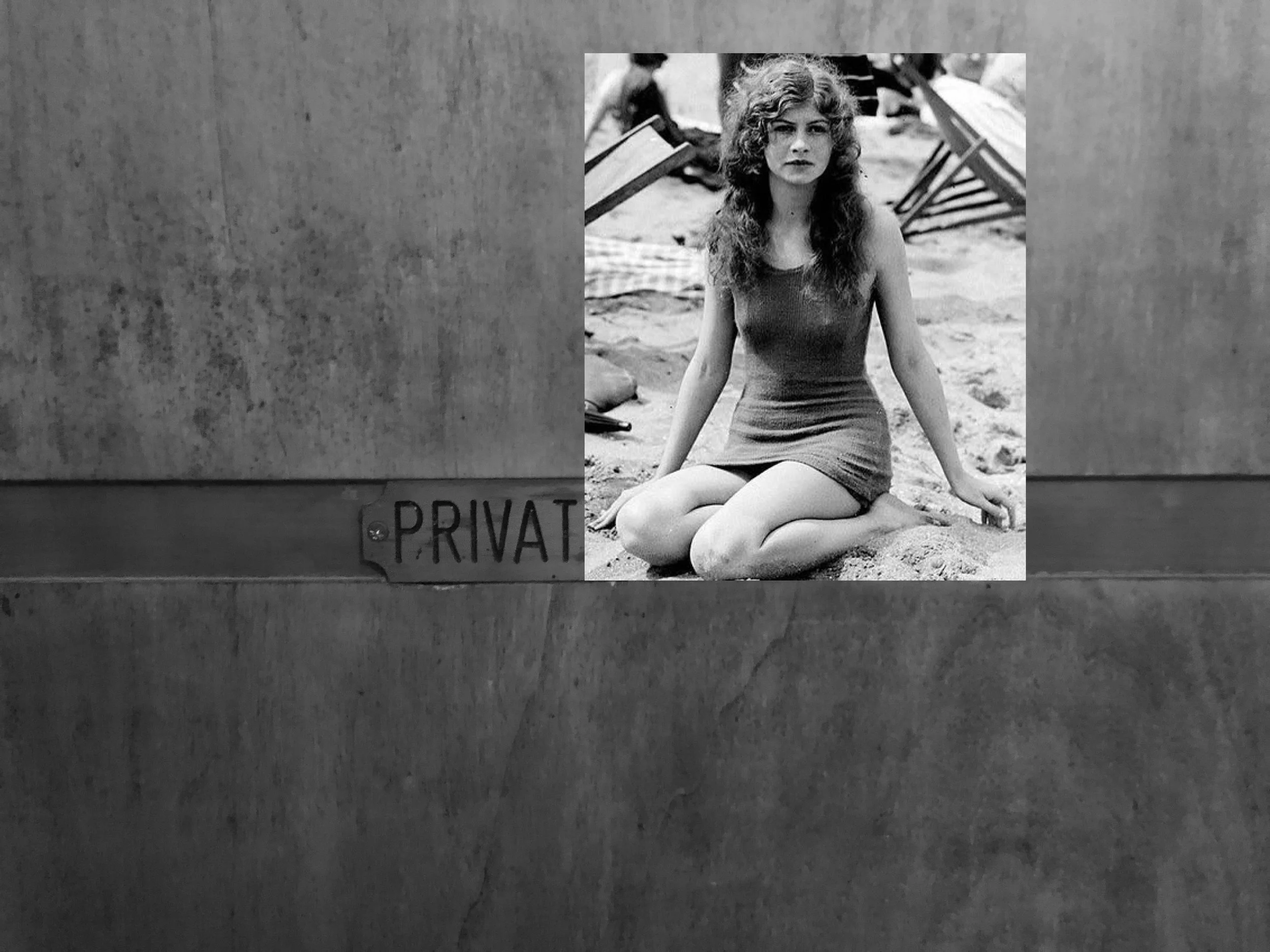
Chiacchiere intime dietro la porta marchiata Privato.
Il capo sapeva che cazzeggiavamo e basta, ma ci pagava comunque.
Quindi per la prima settimana di settembre abbiamo preso a nolo uno yacht. Il programma è di salpare per Ibiza. La navigazione a vela non può essere così difficile se ne sono capaci i ricconi.

Poussy ogni tanto ha nostalgia di casa, e del babbo severo.
“Guarda che luna… “
***
What We Did All Summer Long

Back in the good ol’ days…
We didn't have enough money for a vacation. We didn't have any money, period.
Not too long ago, men used to invite us to their beach mansions, and took us to fancy resorts on their yachts. All we had to do was wear bikinis. That's gone.
So if we wanted us some beach-time fun and some sun on our skins, we were gonna have to work for it.

Summer fun depends on your attitude, Miss!
We got in the car and drove to Rimini. The manager of the Hotel Gambrinus took one look and hired us en masse as housemaid female factotums. No one else had answered his Help Wanted ads.
Reservations were way down. The weather forecasts all said the same thing: not beach weather.
The rain started in early July, and the big black clouds made it clear they weren't going nowhere until they had nothing left to dump. The sky, the sand and the sea looked like an infinite sloshing trough of wet cement.

Phrenya needs some sun, bad!
There wasn't much to do, but we couldn't just sit around the lobby and wait for guests to show up, for something to happen. We were in dire danger of death by boredom, yikes!
Intimate discussions behind the green door marked, “Private”.
We invented our own fun summer with a Polaroid camera we found in the bottom of a closet in one of the empty rooms, and the photocopier in the Manager's office. Oh and some funny and/or sexy clothes from the hotel's Lost & Found locker.

“It’s a sin to waste a whole summer on daytime TV shows.”

“Aw c’mon, there’s good documentaries on now and then.”
The boss knew we were just goofing off, but he paid us anyway.
We’ve rented a yacht starting the first week of September. Our plan is to set sail for Ibiza. Navigation can't be all that hard, if rich guys can do it.

Maybe we can sell our barely-worn beach-wear on eBay in October.

One Man's Treasure, by Jay Kiel
My first night shift at the front desk landed on a Saturday.
The bellhops were busy satisfying all kinds of needs for the annual Fathers Against Pornography convention.
Each of these upstanding crusaders seemed to have a scantily clad niece or nephew who could only find time in their busy schedules to visit late at night.
In the wee hours of the morning the FAP stalwarts turned out their visitors and filed en masse into scalding hot showers to wash away their sins, Silkwood style.
The sudden overload on the boilers caused an explosion around 4am, just before the morning rush. I sent one of the 'hops into the basement to report on the damage.
He came back to my desk wide eyed and sweaty. "There's water everywhere. Better call the plumber, and the Day Manager too," he said. I turned to grab the phone but he continued standing there shifting his eyes to the carpet and back again.
"Is there something else?"
"The brick wall behind the boiler is cracked. I think there's something back there. A room. Walled up and sealed off."
Maybe his mind went to the same place mine did; casks of amontillado and serial killer trophy rooms.
Who knows what horrors lurk in hotel basements^
The truth was more benign but no less interesting. When the plumber arrived he knocked down the mysterious wall with a single push, so badly had it been damaged.
Inside was a dusty cot, a nightstand and lamp, and a thick diary jammed with notes and clippings.
On the far wall there was a large assortment of odd items. They were pinned to a pegboard and carefully labeled with little white tags.
I sat there after my shift, waiting for the Manager to arrive, and read the diary.
This was the secret domain of Jimmy "The Mouth" LaRue, Night Porter from 1901 to 1932.
A mouth is a versatile instrument, or tool.
As a handsome young man, Jimmy had been offered cash for a certain service by a lonely Bible salesman.
Soon he was racking up big tips as word spread through the grapevine that Jimmy would suck you off for a crisp ten-dollar bill.
Jimmy made it his business to ply his trade on every famous name that walked through our doors.
Soon he had a wall of souvenirs from many well-known personalities.
I went to Jimmy's wall and examined the tags. A jockstrap belonging to Eugen Sandow, dated July 10th, 1906. A crusty sock that had once mopped up the load of James Joyce in 1922. A cockring autographed by Clyde Tolson in September of 1930.

Action speaks louder than words, at times when speech is impossible.
The collection went on and on. Many of the names I did not recognize.

Speaking in tongues, in a basement.
At the end of the diary Jimmy lamented that he had grown too old for the game. "Nobody wants a bit of French from a 50 year old rummy."
On the last tear-stained page he vowed to seal up his little museum forever.
When the Day Manager showed up, he went apoplectic.
I tried to tell him Jimmy's stuff belonged in a museum, but he wouldn't hear it. I said we should at least call the local college or something.
He wouldn't listen. He grabbed a bin and piled Jimmy's treasures inside, then lugged them over to the furnace, where they were used to heat the rooms of the gentlemen from FAP.
Better to go down in a blaze of…
***
Il tesoro di un uomo, di Jay Kiel
Il mio primo turno di notte alla reception è iniziato di sabato.
I fattorini erano impegnati a soddisfare ogni tipo di esigenza per la convention annuale dei Padri Contro la Pornografia.
Ognuno di questi onesti crociati sembrava avere un nipote o una nipote in abiti succinti che, nonostante i loro impegni, riusciva a trovare il tempo solo per far visita a tarda notte.
Nelle prime ore del mattino i fedelissimi del PCP facevano uscire i loro ospiti e si riversavano in massa sotto docce bollenti per lavare via i loro peccati.
L'improvviso sovraccarico delle caldaie causò un'esplosione intorno alle 4 del mattino, poco prima dell'ora di punta. Mandai uno dei fattorini in cantina a segnalare i danni.
Tornò alla mia scrivania sudato e con gli occhi sgranati . "C'è acqua dappertutto. Meglio chiamare l'idraulico e anche il direttore diurno", disse. Mi voltai per prendere il telefono, ma lui rimase lì fermo, spostando lo sguardo sul tappeto e poi di nuovo su di esso.
"C'è qualcos'altro?"
"Il muro di mattoni dietro la caldaia è crepato. Credo che ci sia qualcosa laggiù. Una stanza. Murata e sigillata."
Forse la sua mente andò nello stesso posto in cui ero andata io: barili di amontillado e stanze dei trofei di serial killer.
La cantina dai ricordi che sussurrano.
La verità era più benigna, ma non meno interessante. L'idraulico arrivò e abbatté il misterioso muro con una sola spinta, tanto era danneggiato.
Dentro c'erano una brandina impolverata, un comodino e una lampada, e un grosso diario pieno di appunti e ritagli.
Sulla parete di fondo c'era un vasto assortimento di oggetti strani. Erano appesi a un pannello forato e accuratamente etichettati con piccole etichette bianche.
Mi sedetti lì dopo il mio turno, aspettando l'arrivo del direttore, e lessi il diario.

POMeriggio al PIano sotterraNeO
Questo era il regno segreto di Jimmy "The Mouth" LaRue, portiere di notte dal 1901 al 1932.
Quando era un bel giovane, a Jimmy era stato offerto denaro per un certo servizio da un solitario venditore di Bibbie.
Ben presto cominciò ad accumulare mance consistenti, mentre si diffondeva la voce che Jimmy te lo avrebbe succhiato per una banconota da dieci dollari.
Jimmy si dedicò a fare il suo lavoro con ogni personaggio famoso che varcava la soglia del nostro hotel.
Ben presto si ritrovò con una parete di souvenir di molte personalità note.
Un altro punto di vista.
Andai alla parete di Jimmy e esaminai le etichette. Un sospensorio appartenuto a Eugen Sandow, datato 10 luglio 1906. Un calzino incrostato che un tempo aveva asciugato il carico di James Joyce nel 1922. Un cockring autografato da Clyde Tolson nel settembre del 1930.
La collezione continuava all'infinito. Molti dei nomi non li riconoscevo.
Alla fine del diario Jimmy si lamentava di essere diventato troppo vecchio per il gioco. "Nessuno vuole più farselo succhiare da un ubriacone cinquantenne."
Nell'ultima pagina macchiata di lacrime giurò di sigillare per sempre il suo piccolo museo.
Chi ha dato ha dato, chi ha avuto sta zitto.
Quando si presentò il direttore diurno, andò su tutte le furie.
Ho provato a dirgli che le cose di Jimmy dovevano essere esposte in un museo, ma non mi ha ascoltato. Ho detto che avremmo dovuto almeno chiamare l'università locale o qualcosa del genere.
“Taci,” disse. Prese un bidone e ci mise dentro i tesori di Jimmy, poi li trascinò fino alla caldaia, dove vennero usati per riscaldare le stanze dei signori della PCP.
Non rimane nulla da dire.