

Girls Only Singles Cruise
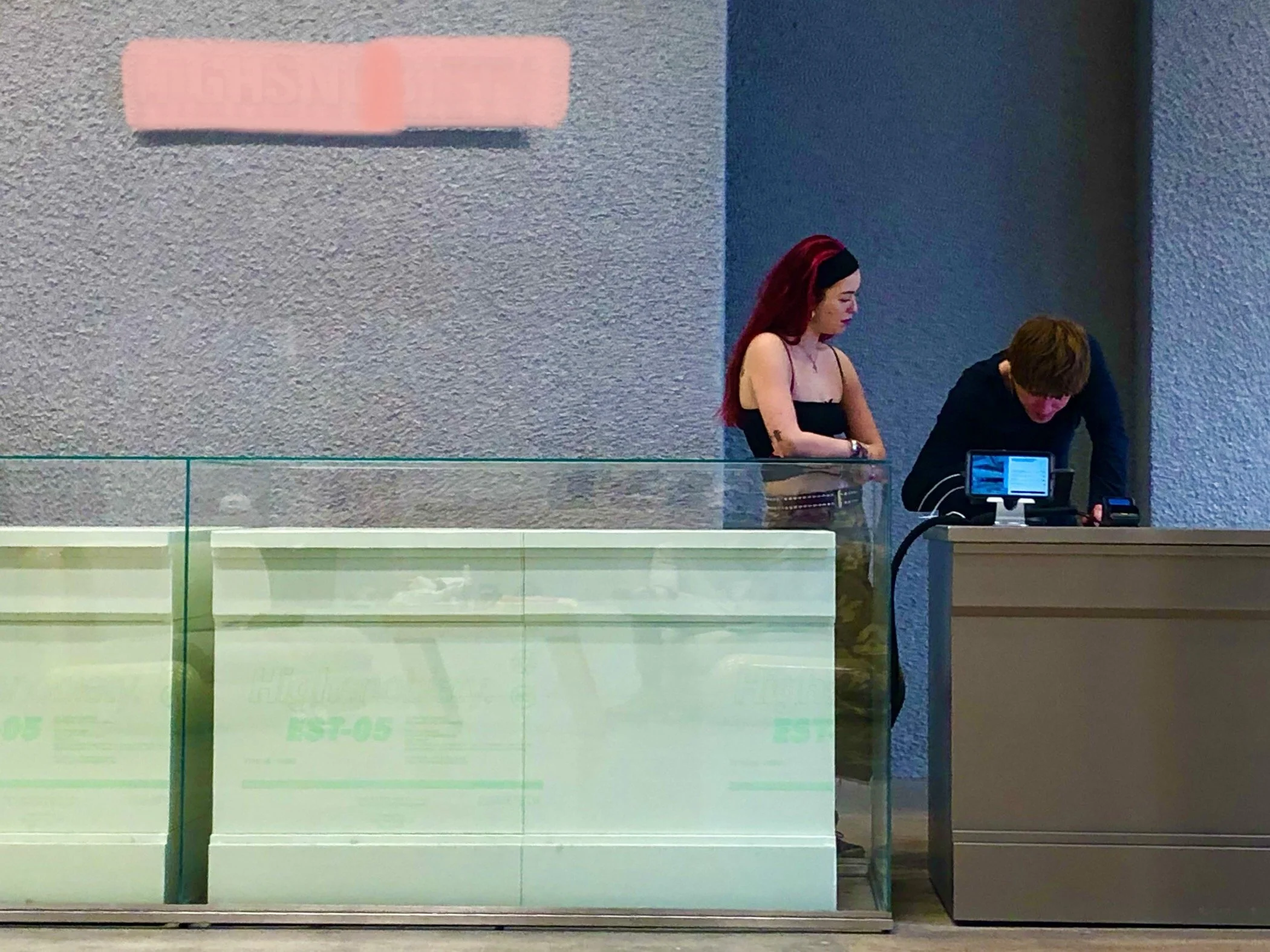
Efficient lonely hearts book early.
Behemoths loom and lurk in the deep waters beyond tourist harbors. Some of them are sea-going Lonely Hearts Clubs, for romantic dreamers of all flavors, shapes and sizes.
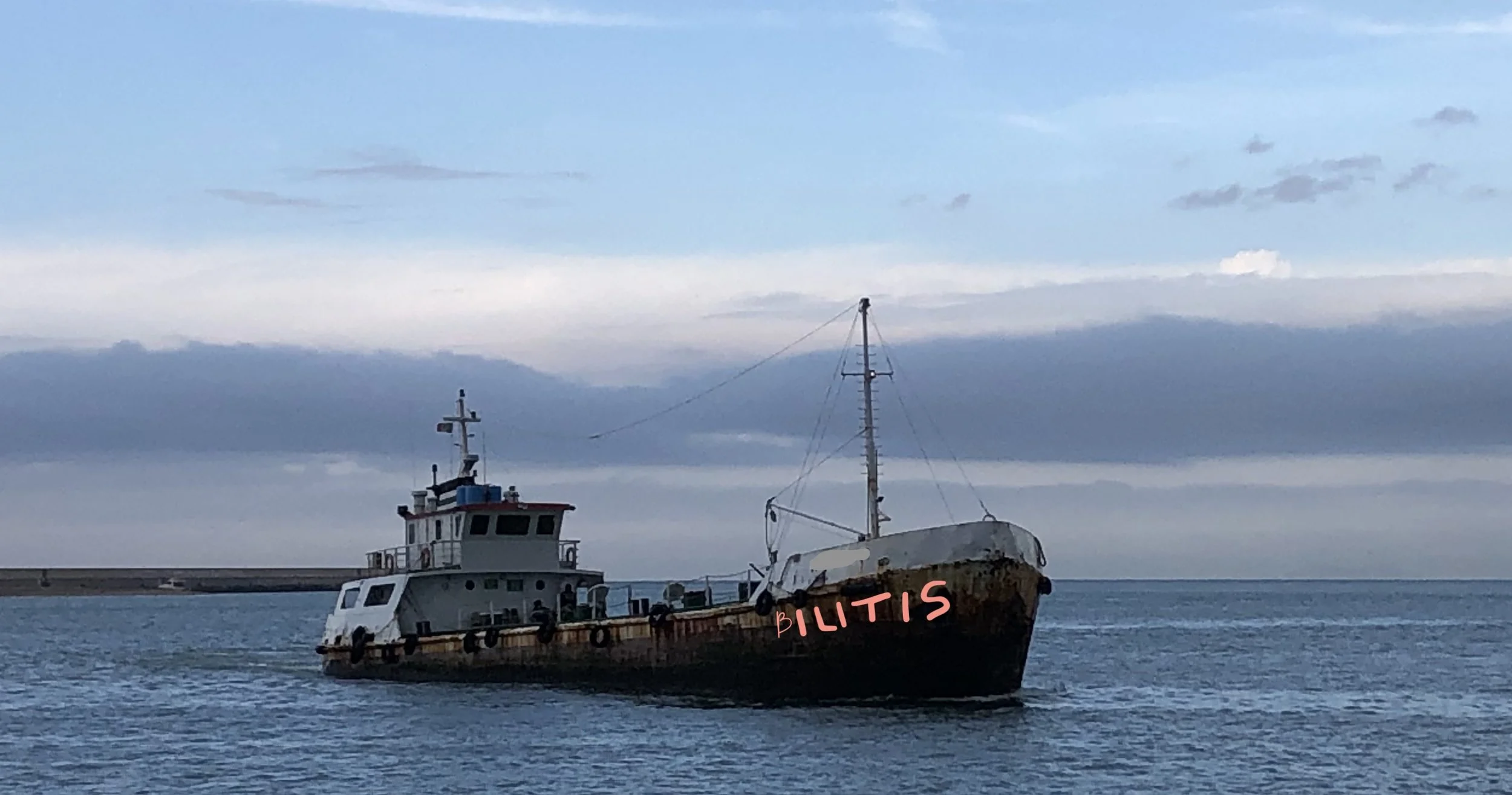
Yo ho yo ho!
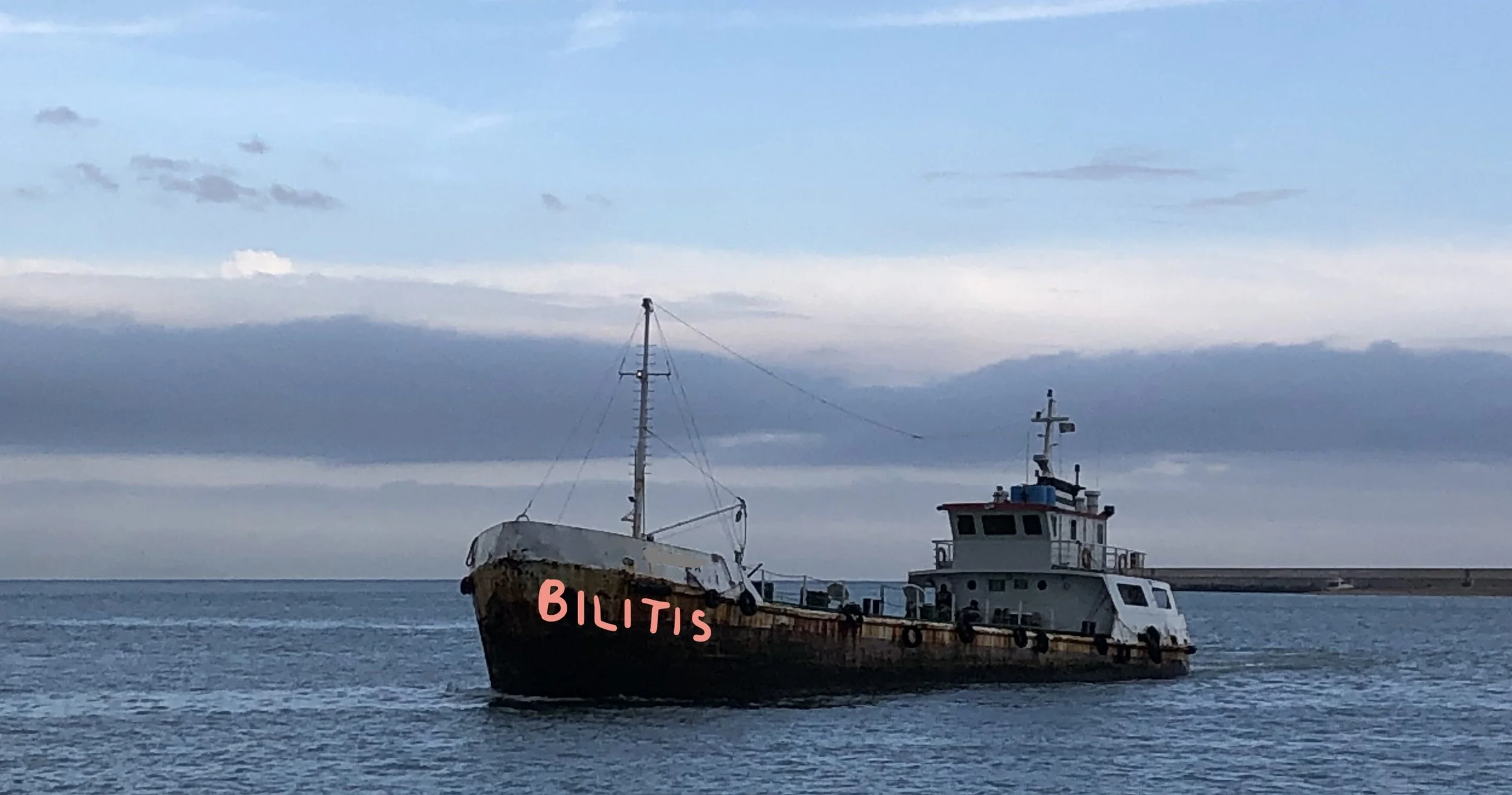
The S.S. Bilitis is chartered by an organization that enables SSSOWs (single same-sex-oriented women) to meet in the context of a salty marine odyssey.

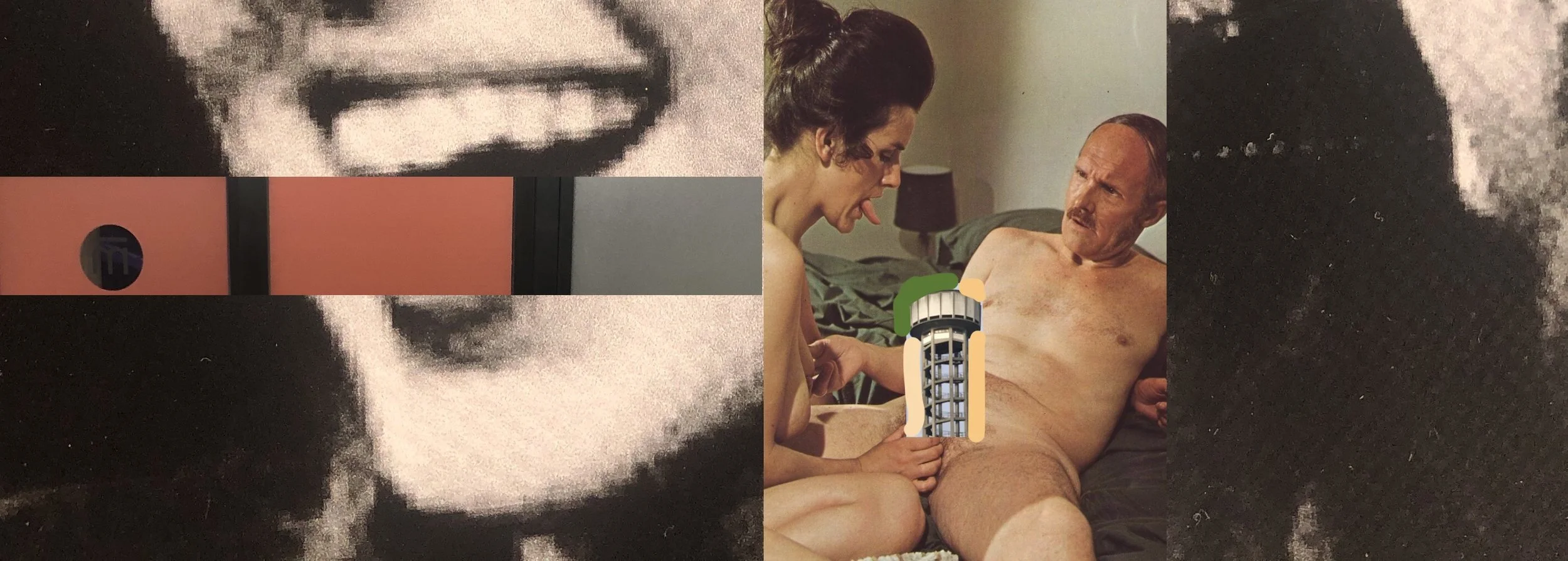
Peepers, zippers and dolphin flippers.: sample artwork 1.
The Bilitis is the antithesis of her towering white "sister" ships. Rust-patches show almost proudly on her hull and superstructure, and the wooden flagellation grate on the main deck doesn't look like it came from a thrift store.
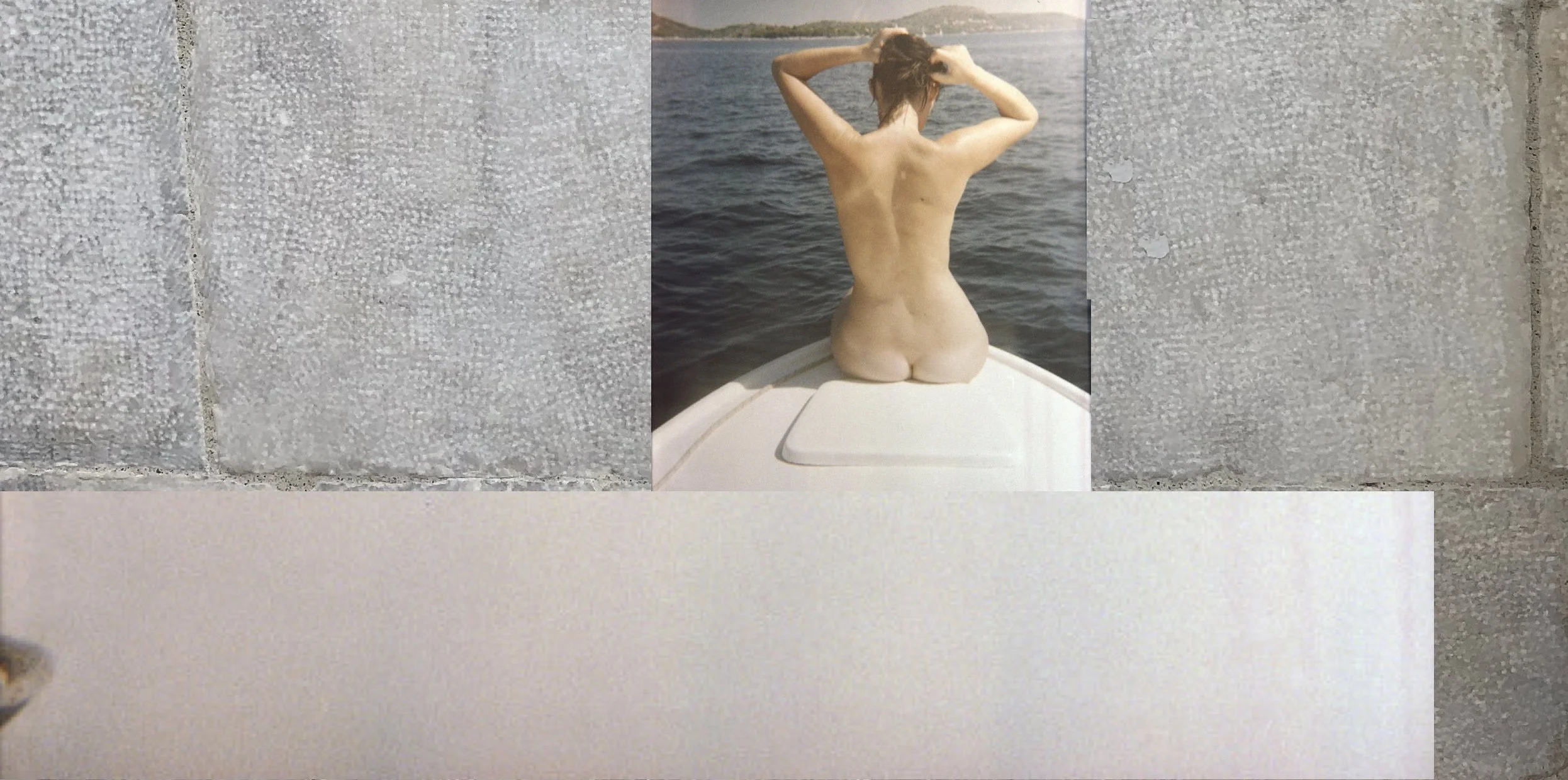
Piratin’ some UV on the poop deck.
"This tub once belonged to a gang of Somali pirates," says Capt. Fatima. "When she came into my possession, the plan was to do some buccaneering myself, but Maggie said, make love not war, and make some money while you’re at it. So now she's my First Mate. Which is kinda like being the First Lady, at least aboard my ship."

First Mate Maggie literally exudes First Ladyhood. (artwork available for sale)
"Like, you know, everything's everything, these days," quips Second-in-Command Maggie. "Lamborghini sells wallpaper. Wallpaper magazine sells, I dunno, advertising. Hotels, casinos, and cruise ships pull double duty as art galleries. So why not us? Nostalgic passengers can buy the works that decorated their cabins on lucky get-together crossings. Erotic imagery promotes intimacy. and we keep 25% of the sales price."
"That's the part that gets me horny," quips Capt. Fatima.
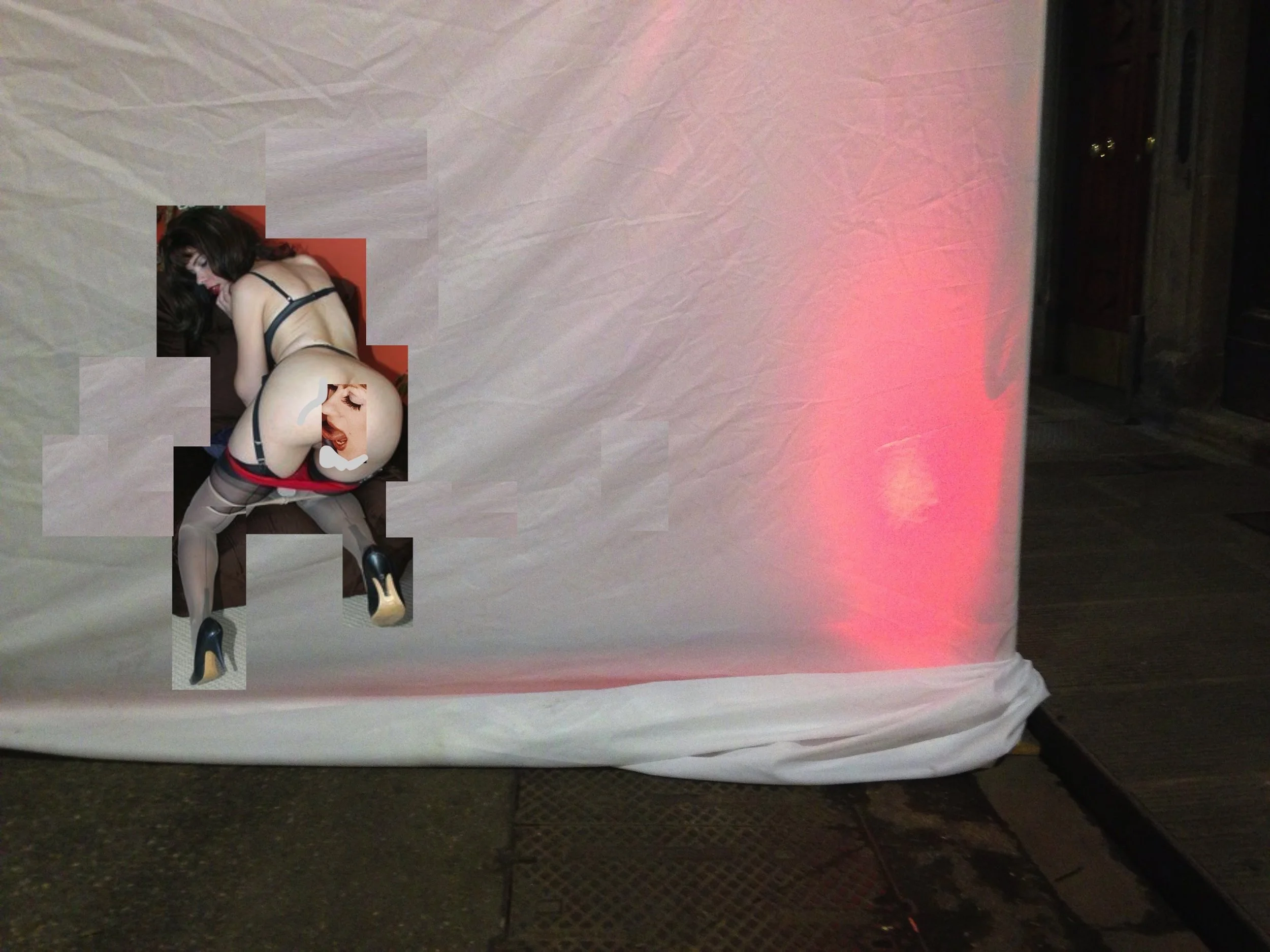
Sample artwork 2 (portrait of Capt. Fatima)

Sample artwork
***
Crociera per sole donne solitarie

Sconti per chi prenota anticipatamente!
Dei colossi galleggiano nelle acque profonde al largo dei porti turistici. Alcuni sono Club per cuori solitari, e ce n'è per tutti i gusti.
All’arrembaggio!
Il transatlantico Bilitis è noleggiata da un'organizzazione che facilita incontri tra donne omosessuali non impegnate nell'ambito di un'odissea salata e romantica.
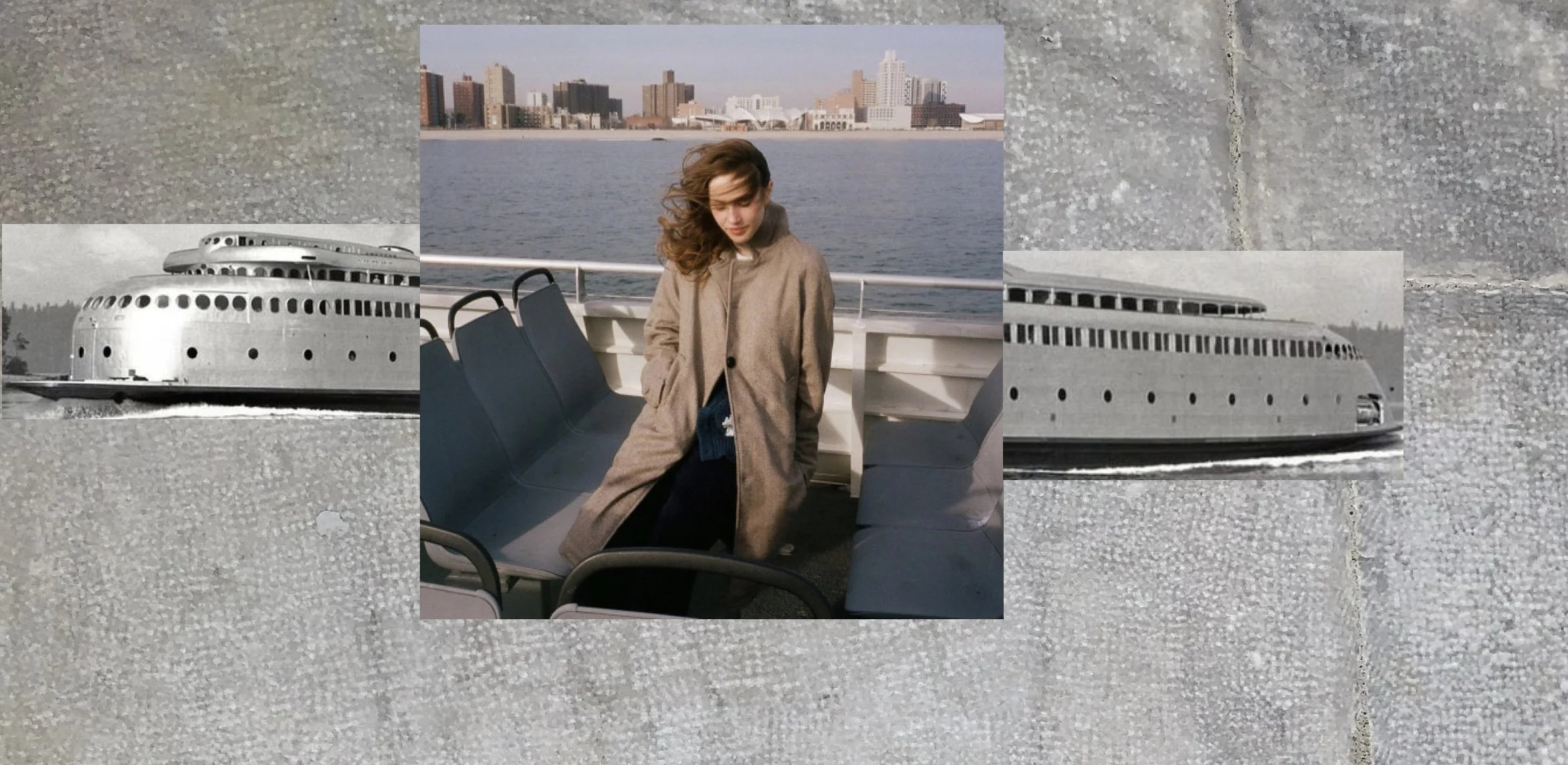
Cuore solitario e pensieroso. (in vendita)
La Bilitis è diversa dalle sue bianche e torreggianti navi sorelle. Sfoggia larghe chiazze di ruggine sulla chiglia e sul castello, e la grata lignea per le punizioni non è stata acquistata a un mercatino delle pulci.
"Ho comprato la bagnarola da un covo di pirati malesi," dice Capitan Fatima. "Avevo l'idea di fare qualche arrembaggio, ma Maggie voleva fare l'amore non la guerra, e anche farci un po’ di soldi mentre lo facevamo. Quindi ora è il mio nostromo."

(Opera in vendita)
"Di questi tempi ogni azienda fa di tutto," dice scherzosa vice comandante Maggie. "McDonalds vende impermeabili e Walt Disney ha aperto una banca. Gli hotel, i casinò, e le navi da crociera operano anche come gallerie d'arte. Allora perché non possiamo farlo anche noi? Passeggeri nostalgici possono acquistare le opere che hanno ornato le loro cabine nel corso di fortuiti viaggi. Le immagini erotiche favoriscono la vita di coppia, e noi ci teniamo una bella fetta delle vendite."
"Quella lì è la parte che mi eccita di più," dice scherzosa Capitan Fatima.
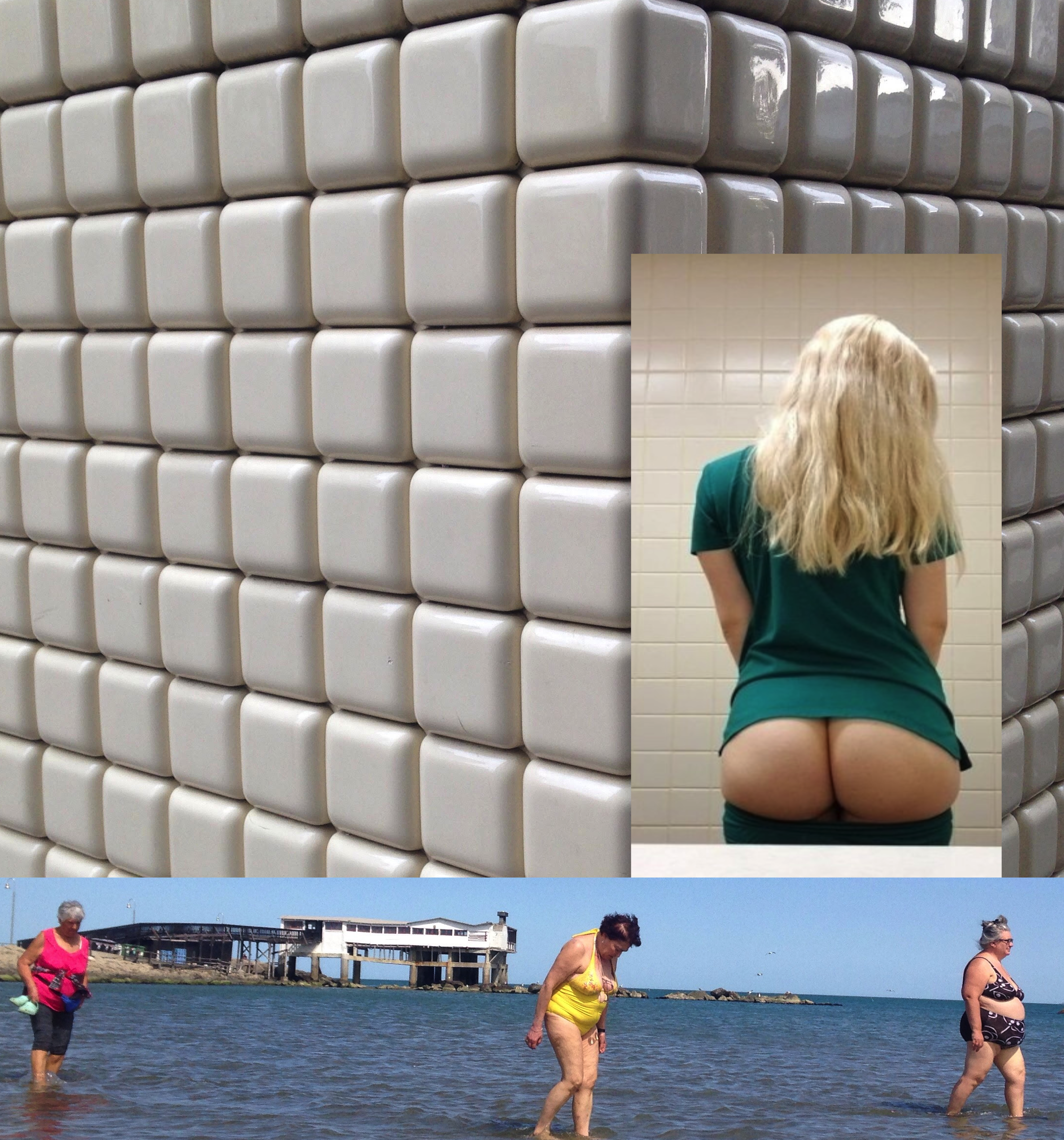
(Opera in vendita)
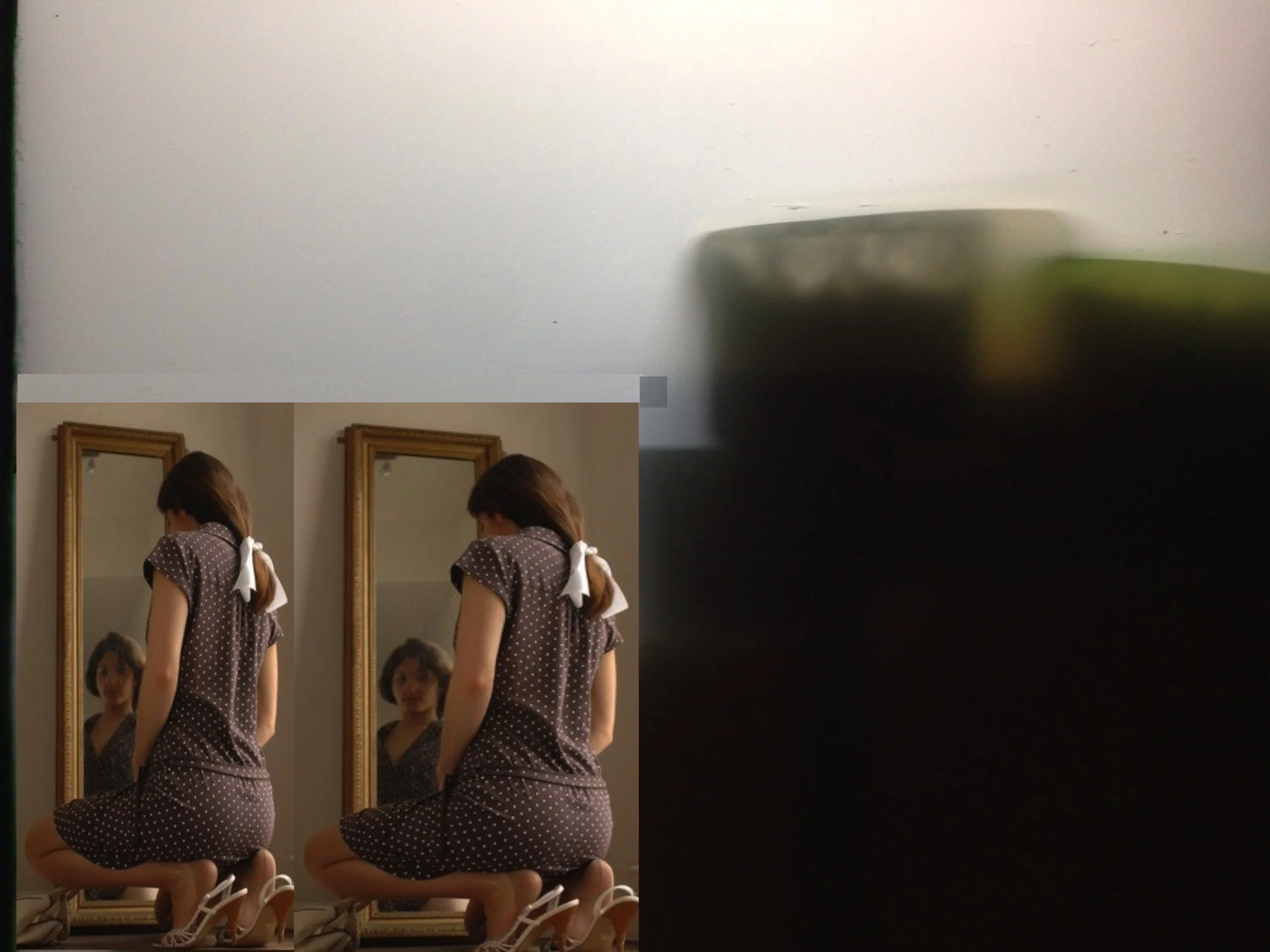
(Opera in vendita)
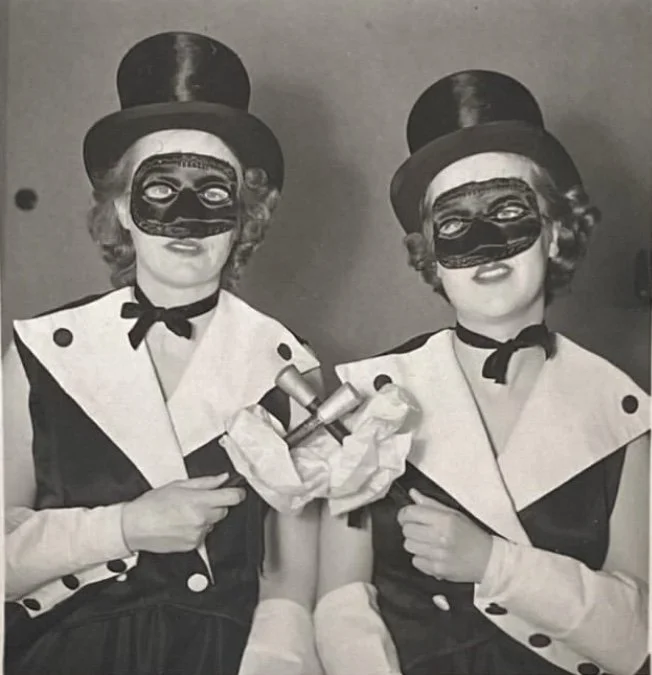
Ritratto di Capitan Fatima e Nostromo Maggie (opera in vendita)

(Opera in vendita)

Cuori solitari unitevi! (Opera in vendita)

Four Guests (Pictures in a Lobby)
A colleague in La Ville Lumière is devoted to the preservation of past hospitality. His establishment is a monument to those whose lives exemplify aspects of Frenchness other than unfiltered cigarettes, Basque headgear, alcoholism, existentialism and pongid dairy products.
The lobby is filled with mementoes of guests from the Gallic past, items from a metaphysical Lost & Found, and framed inscribed photographs.
S.
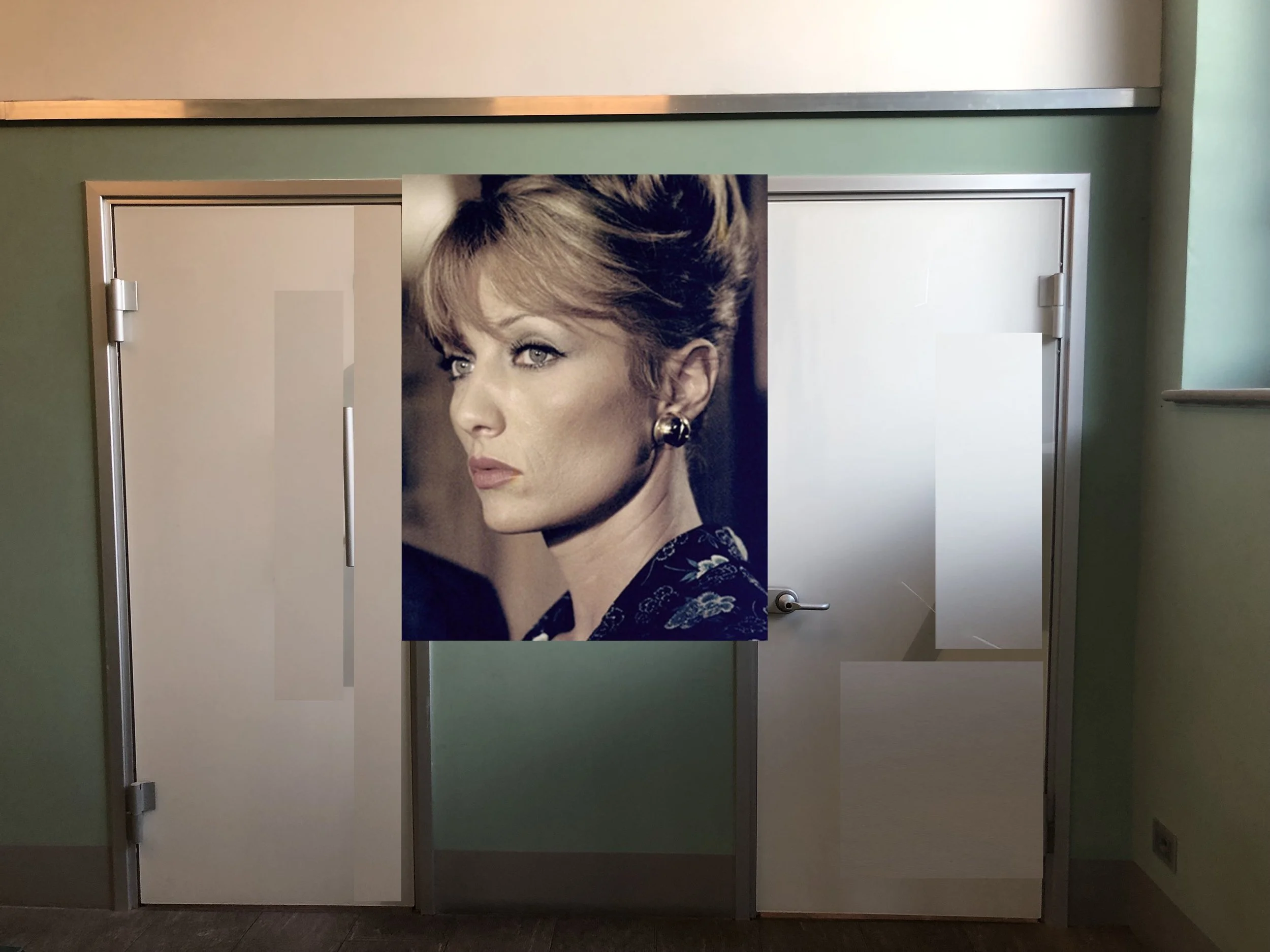
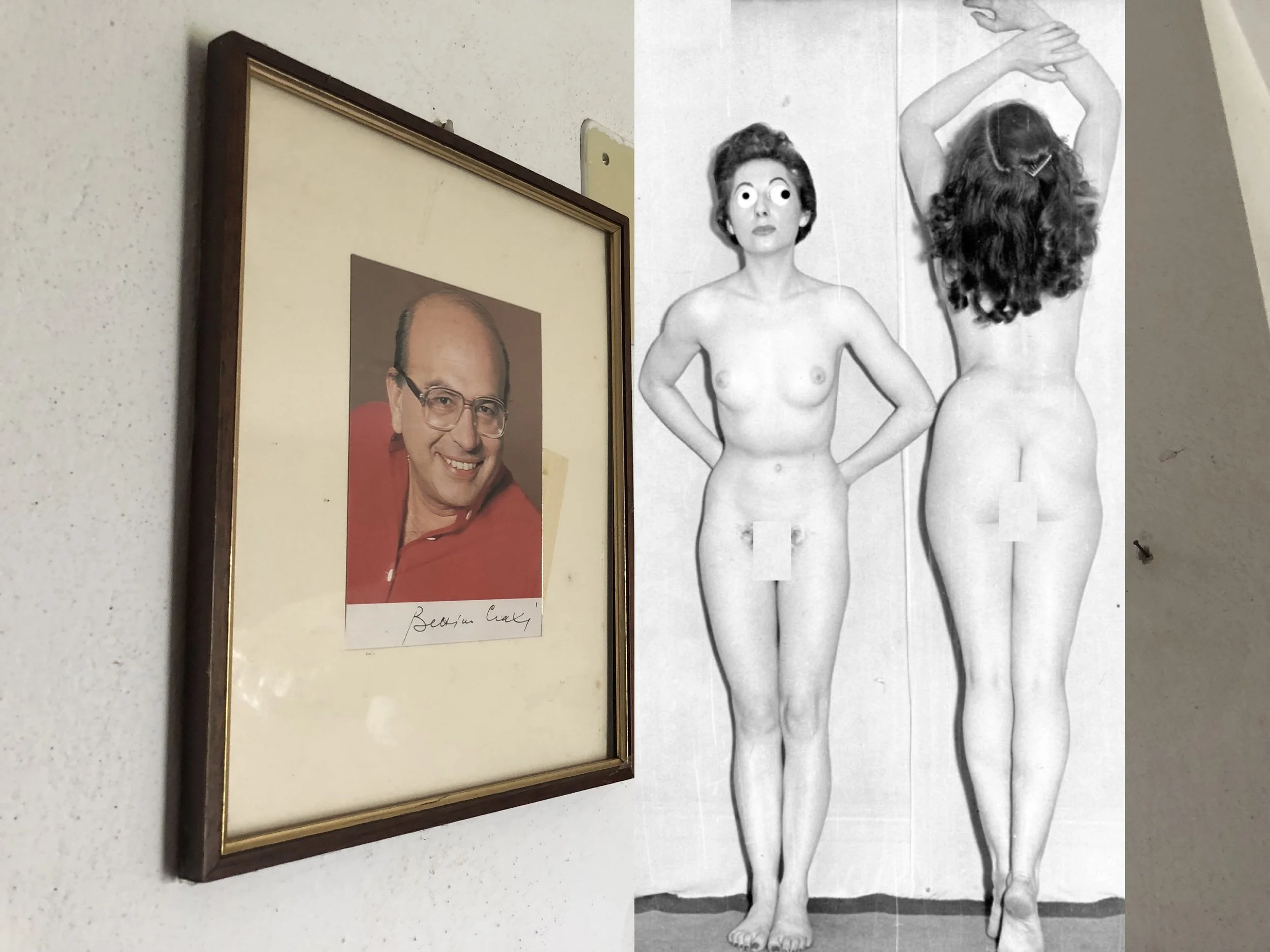
Everything anyone might want to know about the thoughts and desires of women was inscribed on her visage, but the code was indecipherable. Her best roles were those in which she stared out from the screen into the eyes of whoever was in the darkened rooms where flashes of light tell stories. A silent star in a noisy universe, a mask with an eloquent gaze.
A signature, and the words, "Merci, chez vous je me sens toujours chez moi."
MitsoukA
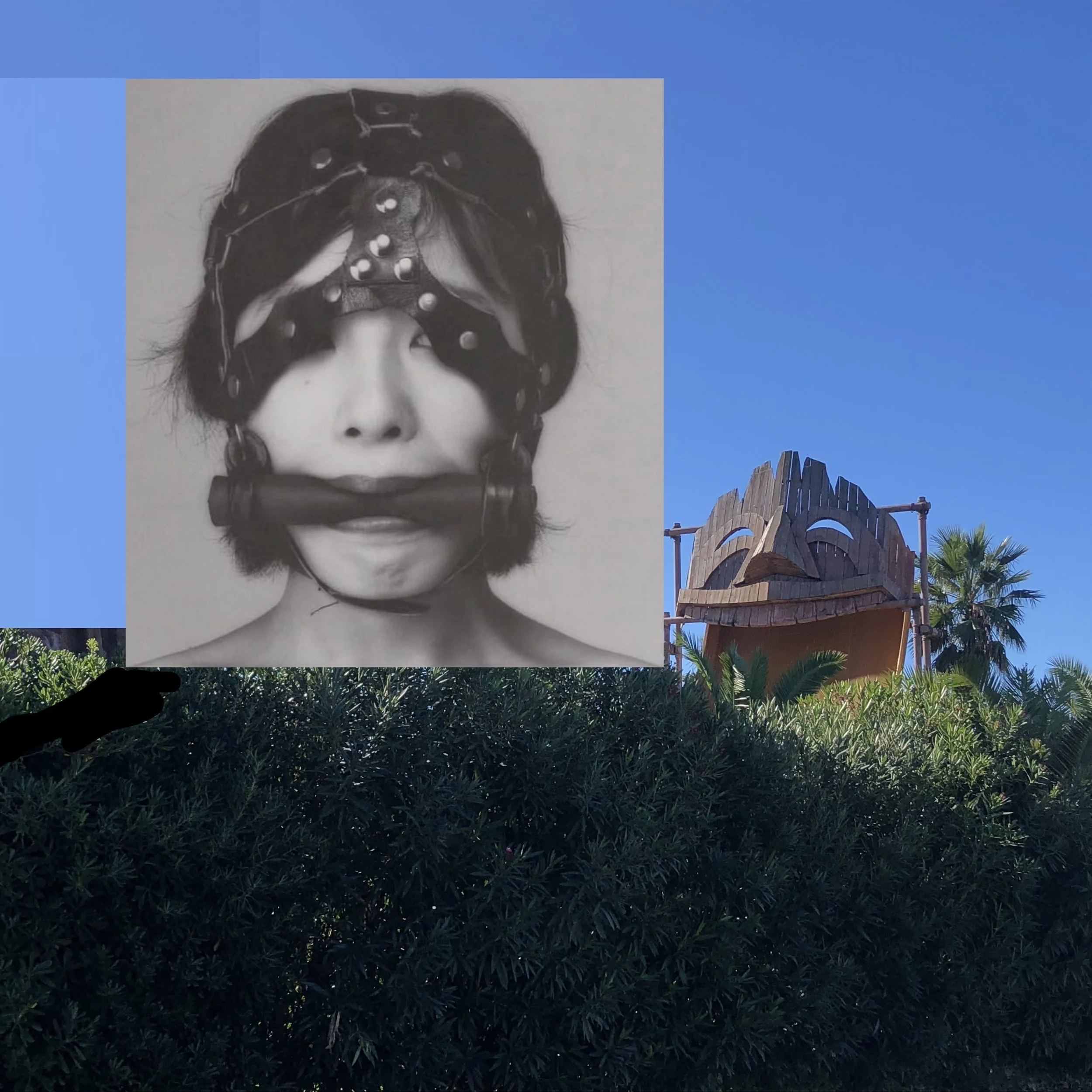
"Sometimes when we put on a blindfold gag, we take off another one."
Love can be painful in hotels, too.
Proof that one doesn't have to be born French in order to be French.
Le professeur
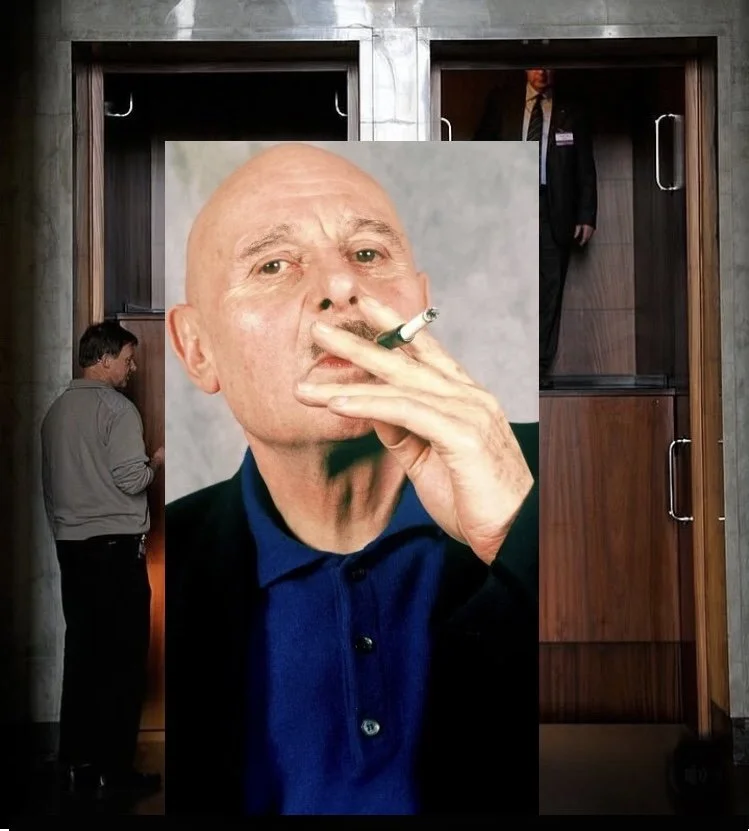
(Statement from the Management: Le professeur was only a guest in our bar on the ground floor. He never actually went upstairs to the rooms, not even when he could barely stand up to leave.)
He represented a way of being French that was doomed to disappear. His philosophy taught that satire is dangerous to fanatics, and deservedly dreaded by them. Events increasingly show that laughter is not bullet-proof. Not everyone has the courage to make fun, not war.
Vous n'êtes pas Charlie!
L'Exquise
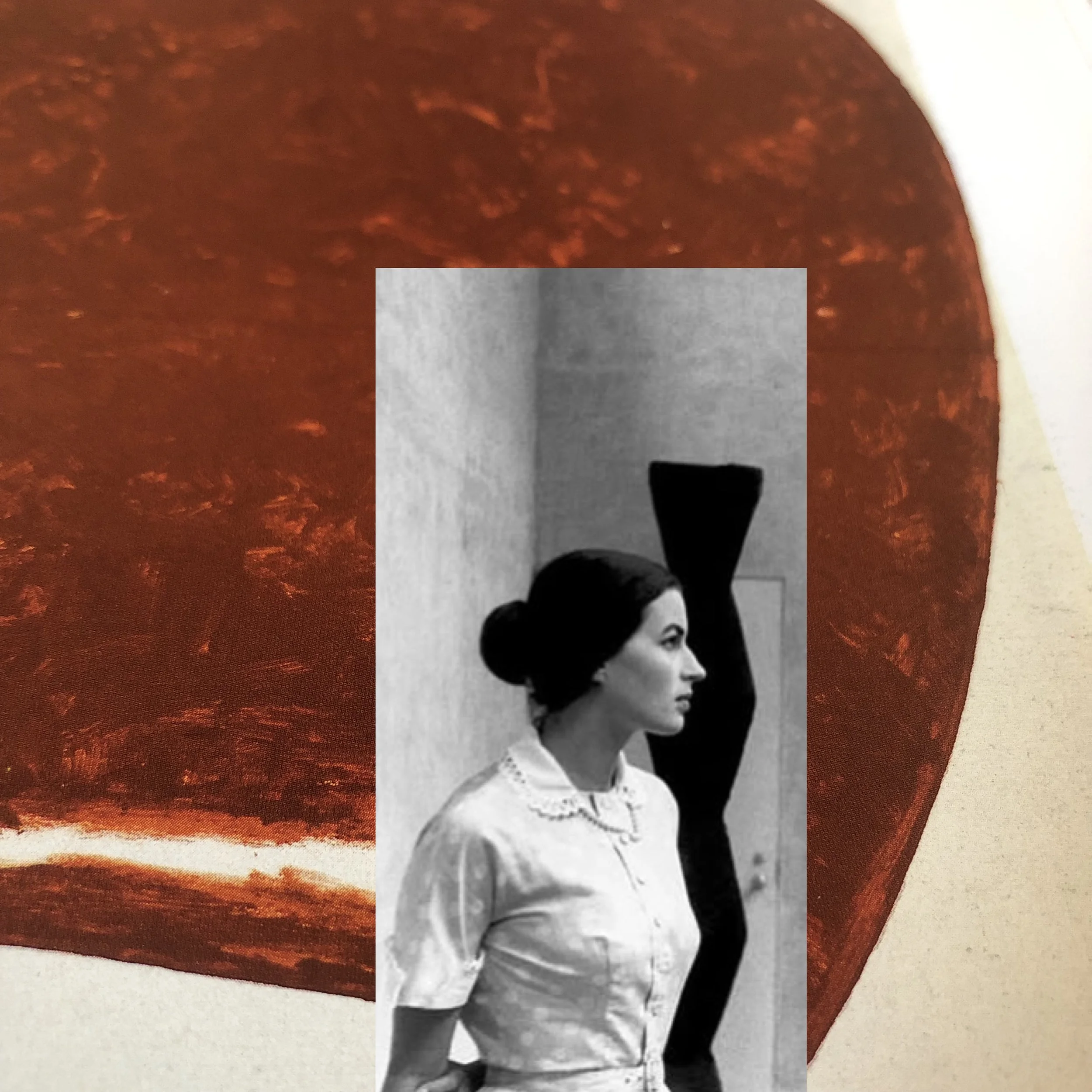
She only stayed with us because museums refused to allow her to spend the night among their hoarded treasures.
***
Quattro ospiti (fotografie incorniciate in una hall)
Ne La Ville Lumière esiste un albergo devoto alla preservazione di ospitalità del passato. Costituisce un monumento a coloro cui vite rappresentano aspetti dell'essere francesi oltre alle sigarette senza filtro, berretti baschi, alcolismo, esistenzialismo e latticini mefitici.
La hall è piena di ricordi lasciati da ospiti dal passato gallico, cose rinvenute da un metafisico Oggetti Smarriti e fotografie con dedica.
S.
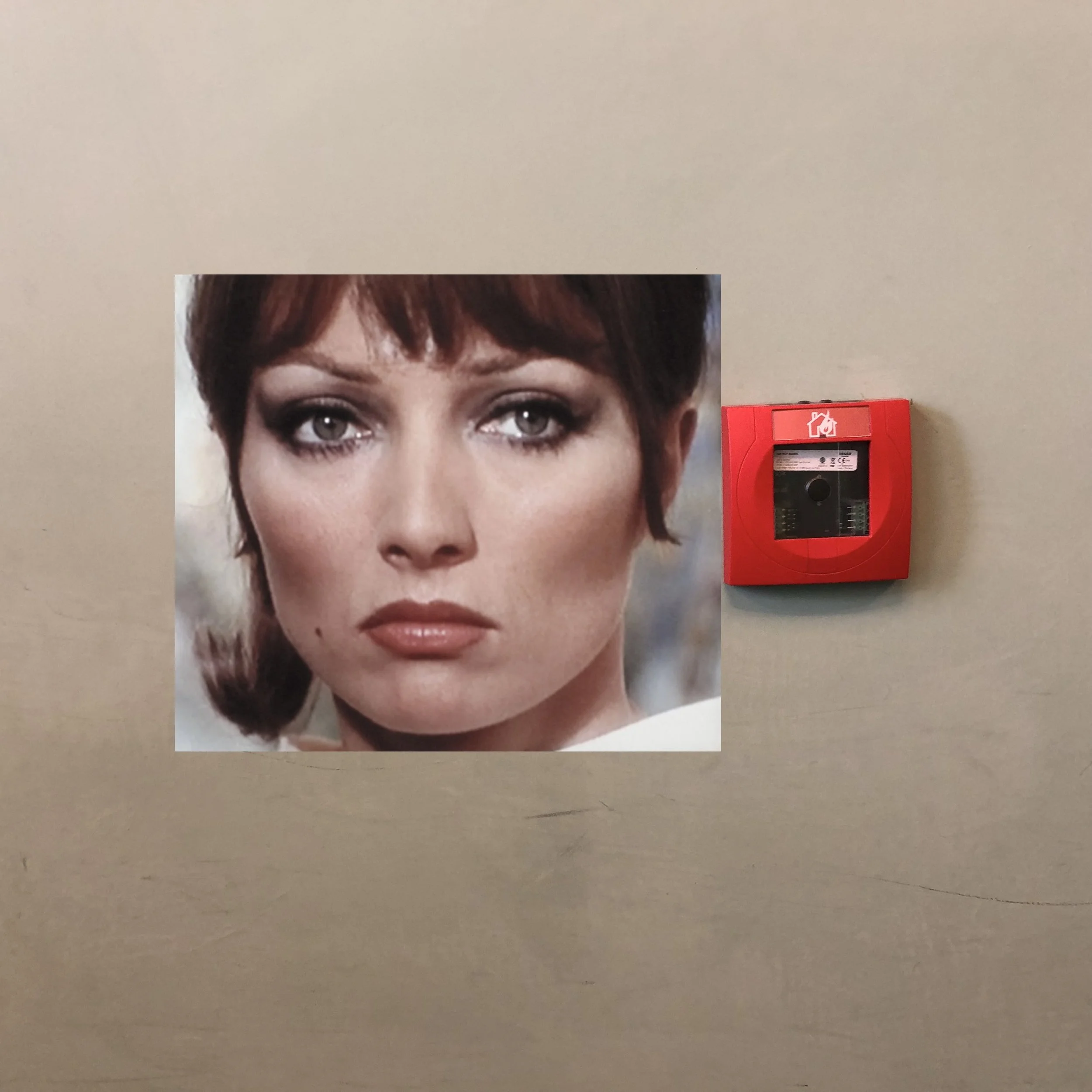
Aveva scritto in faccia (visage, pardon) tutto ciò che c'è da sapere sui pensieri e desideri delle donne, ma in un codice indecifrabile. I suoi ruoli migliori erano quelli in cui da dietro lo schermo fissava gli occhi di chiunque popolava le sale al buio dove bagliori di luce raccontavano storie. Una stella silenziosa in un universo di rumore, una maschera erotica con uno sguardo eloquente.
Una firma, e le parole, "Merci, chez vous je me sens toujours chez moi."
MitsoukA
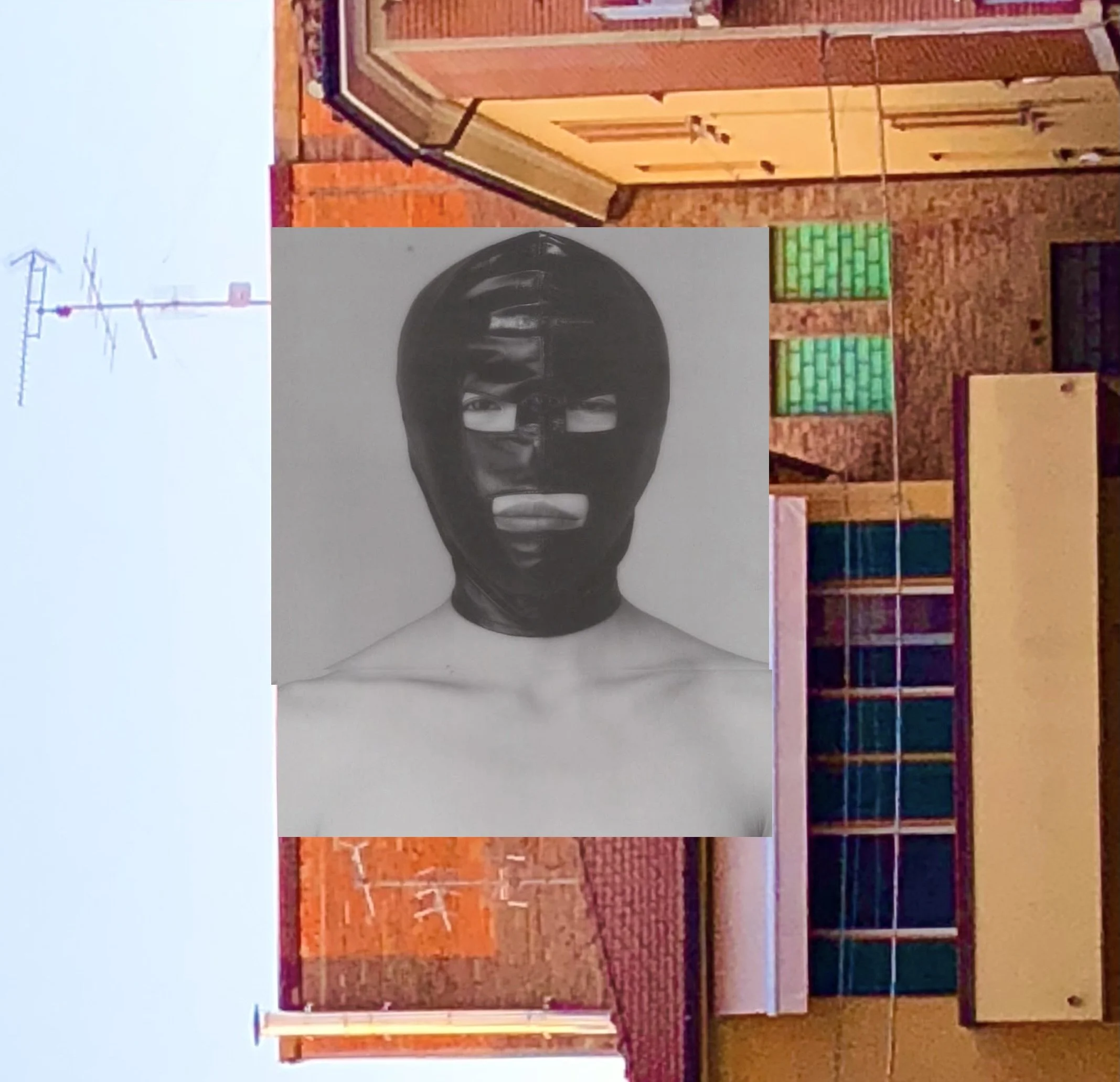
"A volte quando ci mettiamo una benda col bavaglio ci togliamo un'altra.°
L'amore può essere doloroso anche in hotel.
La prova che per essere francesi non bisogna per forza essere nati in Francia.
Le professeur
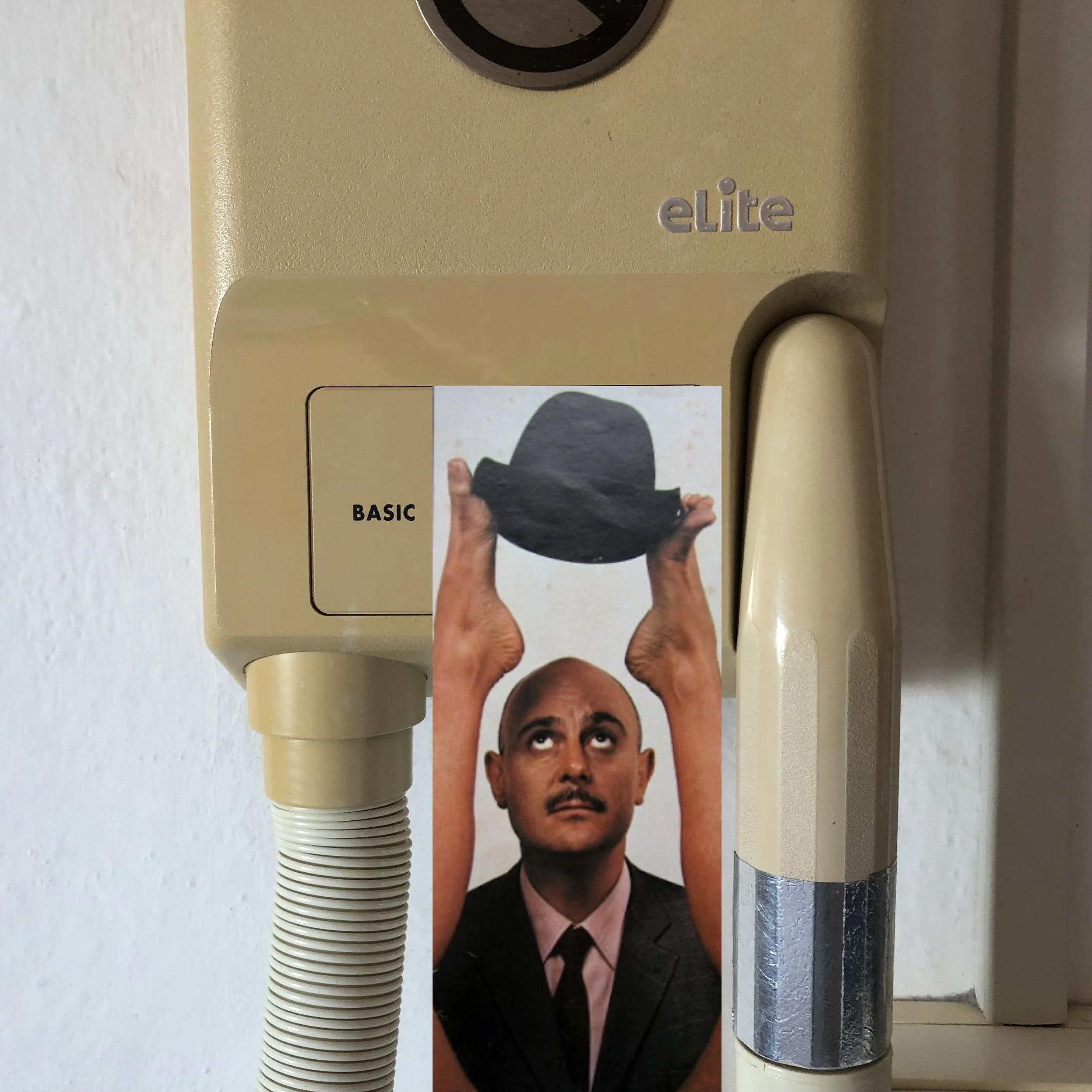
(Dichiarazione de La Gestione: Le professeur era nostro ospite solo al bar a pianterreno. Non saliva mai ai piani superiori dove stanno le nostre camere, nemmeno quando si reggeva in piedi solo quanto bastava per andarsene.)
Rappresentava un modo di essere francesi destinato a scomparire. La sua lezione di filosofia era che la satira è pericoloso per i fanatici, che con grande ragione la temono. Gli eventi dimostrano sempre di più che la risata (n.b. anagramma di satira) non è a prova di proiettili. Ci vuole coraggio per far ridere anziché fare la guerra.
Vous n'êtes pas Charlie!
L'Exquise
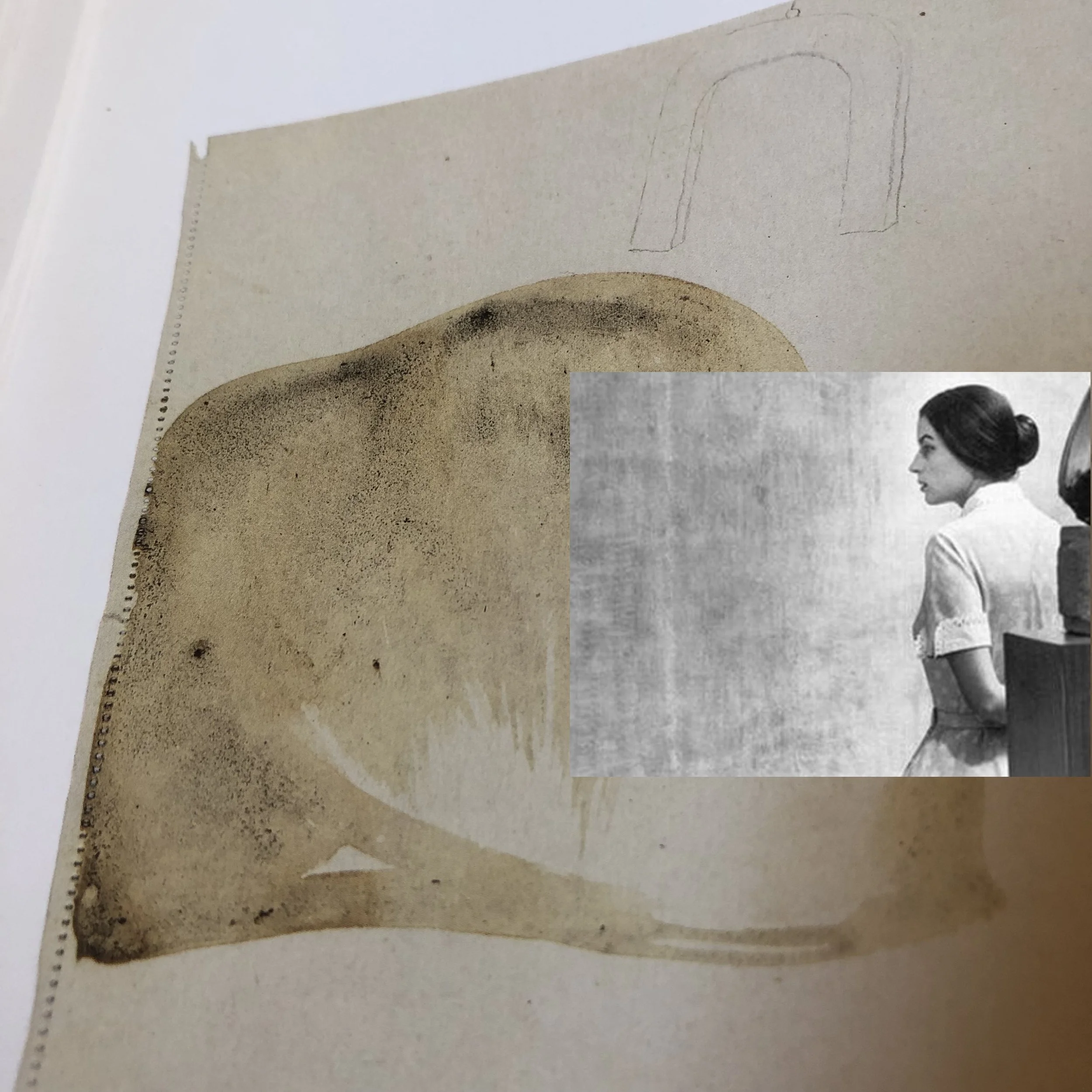
Soggiornava qui solo perché i musei si rifiutavano di permetterle di passare le notti in mezzo ai loro tesori accumulati.

Maid Like Me
A colleague writes from a hotel somewhere in the USA.
The hardest thing for an artist, which is what I am, is to find out what to do. That hasn't been done already, I mean. It'll drive you crazy.
You have an idea you think no one's ever had before. Then you look through an art book or two and a ton of bricks falls on your head. You convince yourself you have talent and the world shouts in your face that talent is meaningless.
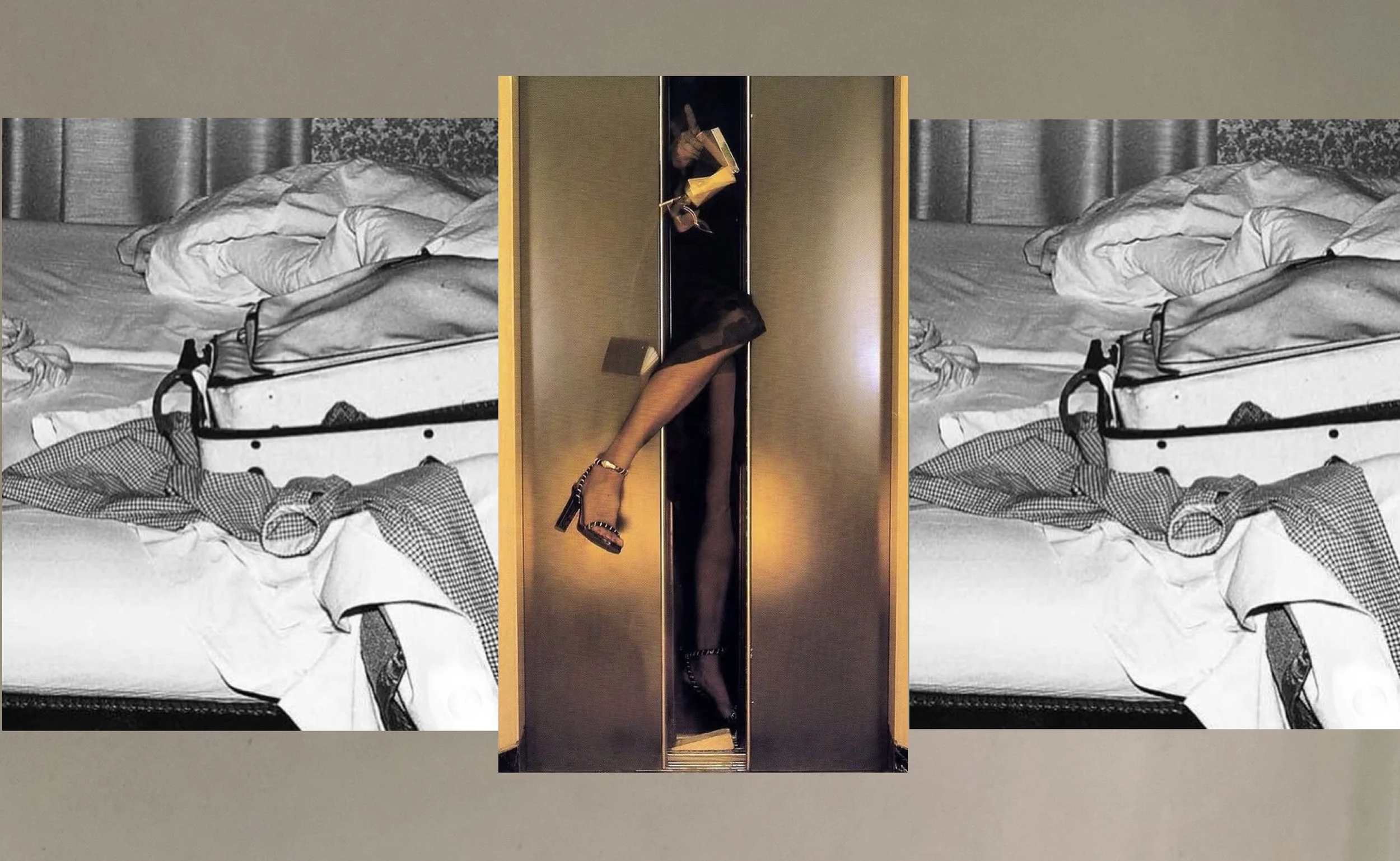
Another hard thing is to get in the door.
The thought that pet portraits might be my only contribution to Art History brought on despair. Animal-friendly collectors weren't exactly knocking down the door of my studio with commissions anyway. Time for a career change.
The hotel manager said it was hard to find chambermaids who spoke English, not that it mattered much.
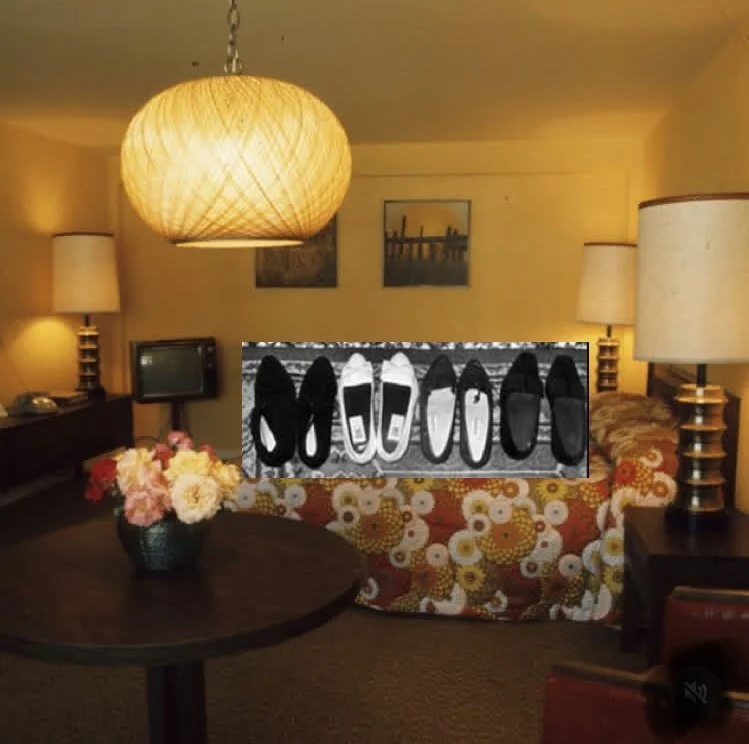
No more, or less, than what they seem.
The pay was an insult to human dignity, but once I got started, the job changed everything. In the light of morning the rooms looked like life, like love, lost and re-found and lost again. And I was the only one who was allowed to see it. Aside from the guests who'd messed the place up. Everything said, immortalize this!
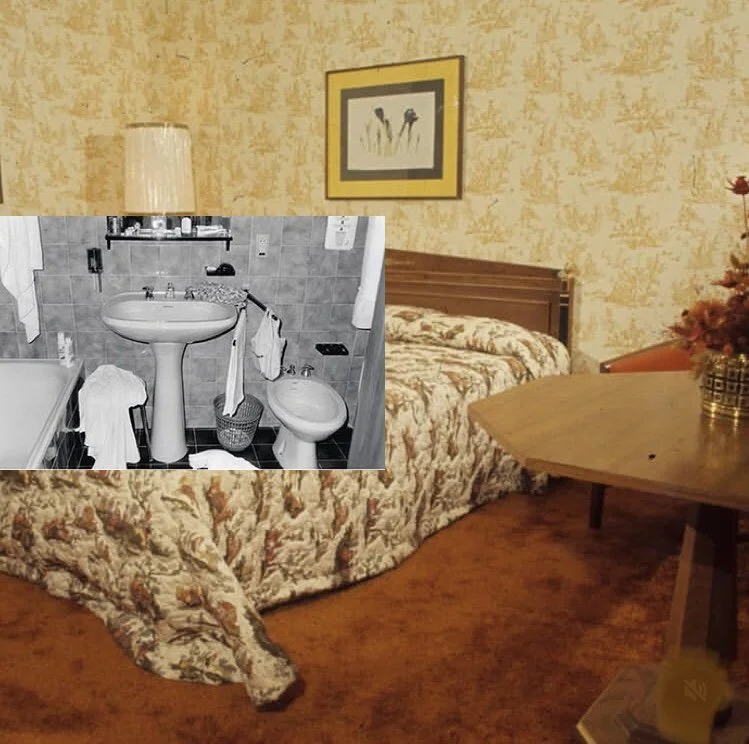
The dream, and the reality.
The Maid Project's gone on for years now. For the first time since I got my MFA, I'm making a living (sort of) as an artist.
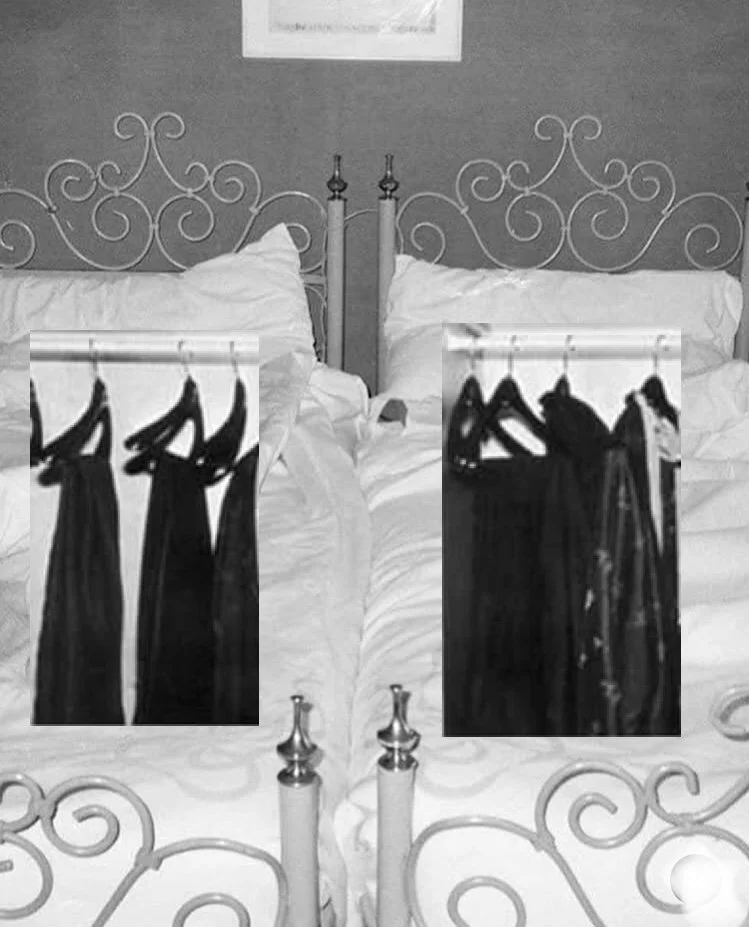
My advice to fellow artists: Hang in there!
***
L'arte del pulire
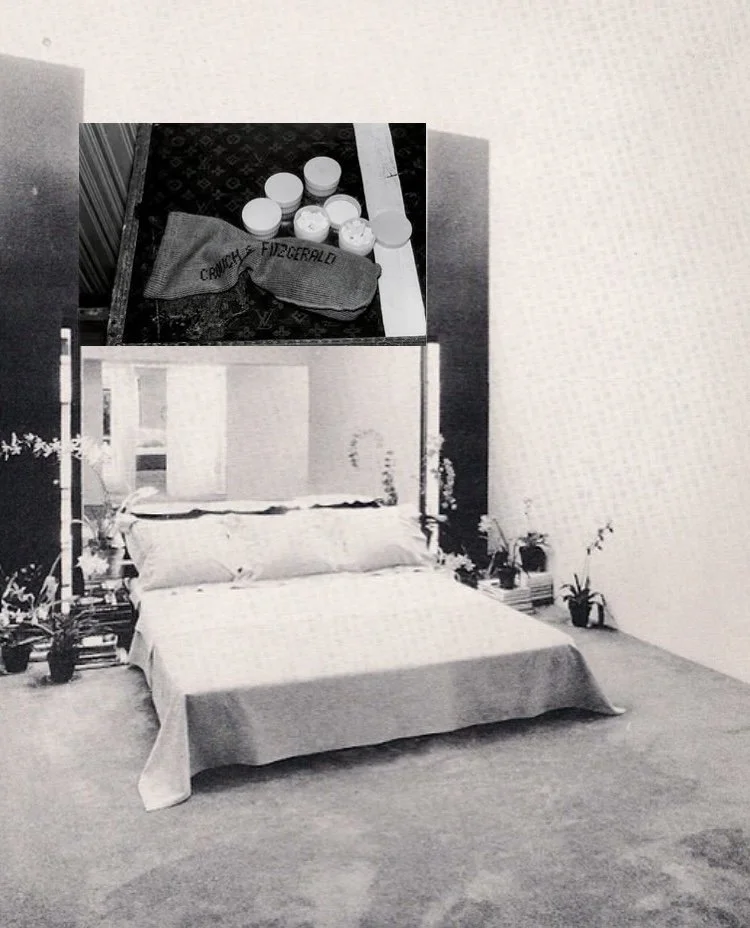
Avanti, c’è da perdere la testa.
La cosa più difficile per un'artista come me è capire cosa fare. Che non è già stato fatto, intendo. Si rischia di diventare pazzi.
Ti viene un'idea che credi nessuno abbia mai avuto prima. Poi guardi qualche libro di arte e ti cade in testa un mattone. Credi di avere talento, e il mondo ti urla in faccia che il talento ora è insignificante.
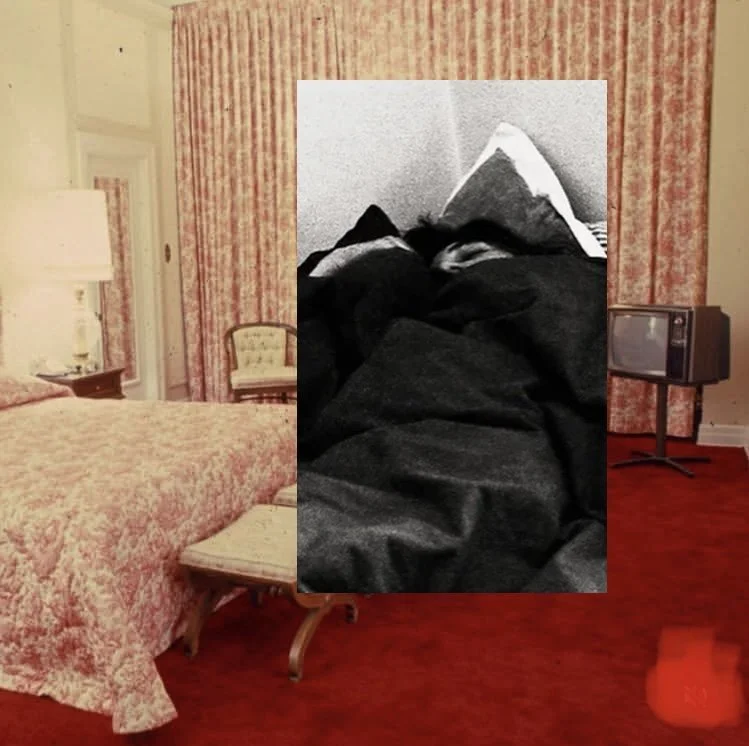
“Ops! Scusi signora ripasserò più tardi.” Però doveva mettere il cartellino Non Disturbare.
Pensare che ritratti di animali domestici sarebbe stato il mio unico contributo alla storia dell'arte mi portò verso la disperazione. I collezionisti zoofili non sciamavano verso il mio studio con le commissioni. Era tempo di cambiare mestiere.
Il direttore d'hotel disse che era difficile trovare cameriere che parlano italiano, non che importasse granché.
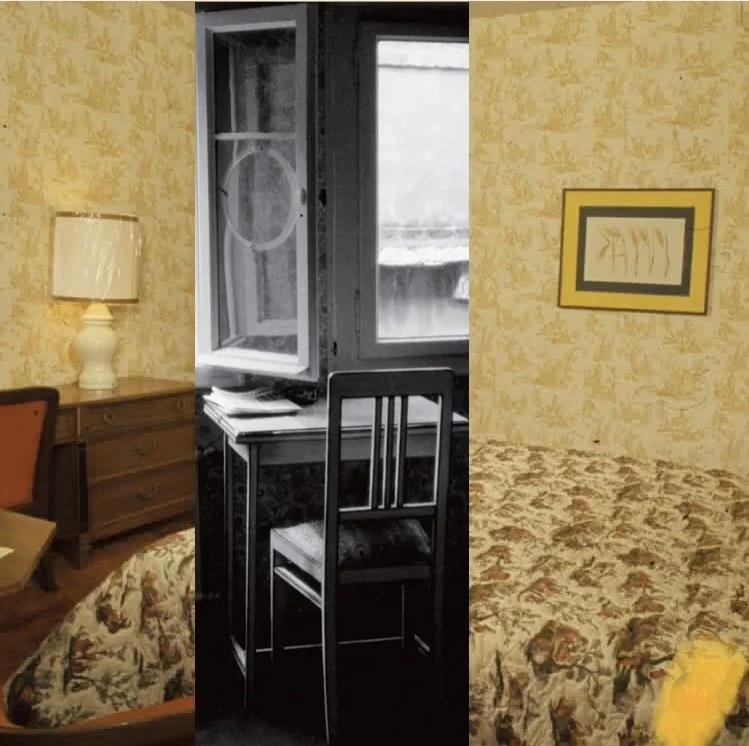
Una finestra per sognare, una scrivania per disegnare, una stanza da pulire.
La paga era un insulto alla dignità umana, ma appena iniziai ho capito che il nuovo lavoro era la svolta decisiva. Alla luce del mattino le stanza erano il ritratto della vita, dell'amore, perduto e ritrovato e poi riperduto.
Ero io l'unica a cui era concesso vedere questa meraviglia. A parte gli ospiti che avevano fatto casino. Tutto in quelle camere in disordine gridava, immortalizzami!
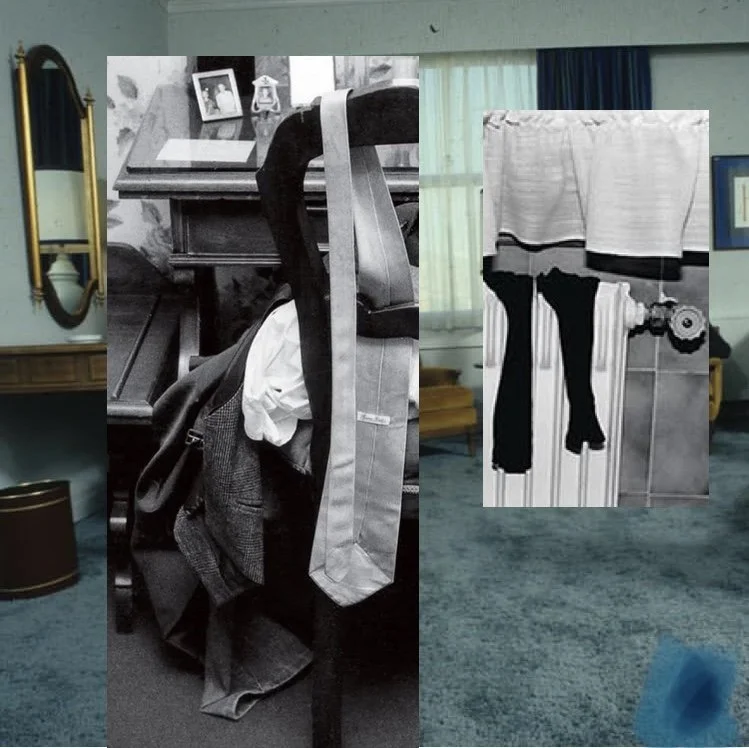
Anche il disordine merita l’attenzione del mondo.
Questa mia ricerca va avanti da anni. Per la prima volta da quando mi sono laureata all'Accademia guadagno (diciamo così) da vivere come artista.


Incident at the Rex
Tugboat work is monotonous and potentially dangerous, but the money's good. One night while we were in port doing some long'-overdue engine maintenance, I got a call from an unknown number.
"We got a dead whale we need removed."
Rival tug captains do occasionally prank each other. "Oh yeah? Who's this?"
The caller identified himself as the Manager of the Rex, the ritziest beachfront hotel for hundreds of miles up and down the coast.
"We're not authorized to handle wildlife disposal," I said. "Call the Animal Dignity organization."
"Ordinarily, that's what we'd do," the Rex's Manager said, quietly. "But the animal in question did not die a natural death."
"You mean, the whale was murdered?"
"Let's say, the celebrations got out of hand."
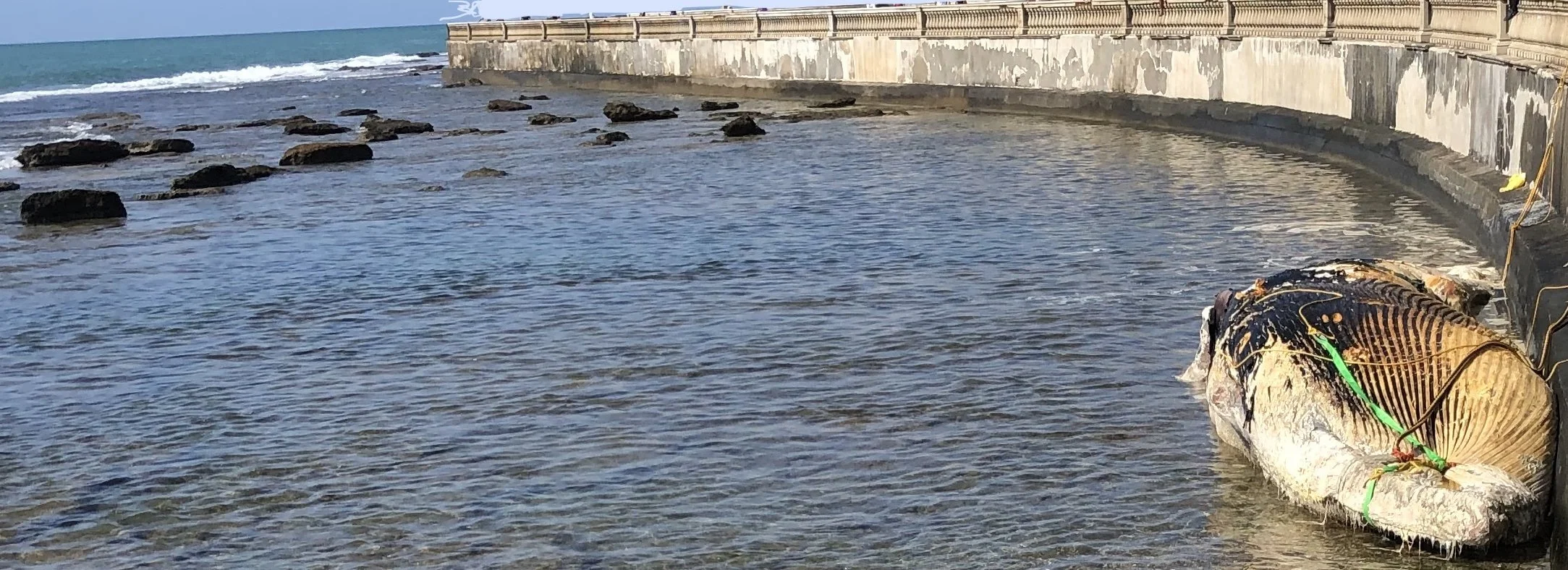
The animal in question.
What sort of revelry results in dead cetaceans? Both the shipping and hotel industries inevitably involve intrigue and all manner of covert trafficking. Unwarranted curiosity and moral scruples hinder commerce. “On our way,” I said.
We left the harbor as soon as our boat was ready, at around 3 a.m.
The Rex's jetty is continually re-built to accomodate the guests' burgeoning yachts. The whale was held belly-up against it by the tide. The private sailboats had been taken out to sea by their professional crews. The vast carrion had been wildly disturbed, and its decomposition had begun. The smell was sour, and sad.
The Manager was under duress. "We don't wish our guests to be offended by the odor," he said, and discreetly proffered a girthy envelope. "This should be enough."
The job needed to be done quickly. Intestinal gas expands, and noisome explosions have been known to occur. The Rex's blinding white facade was in danger of a gory new paint-job.
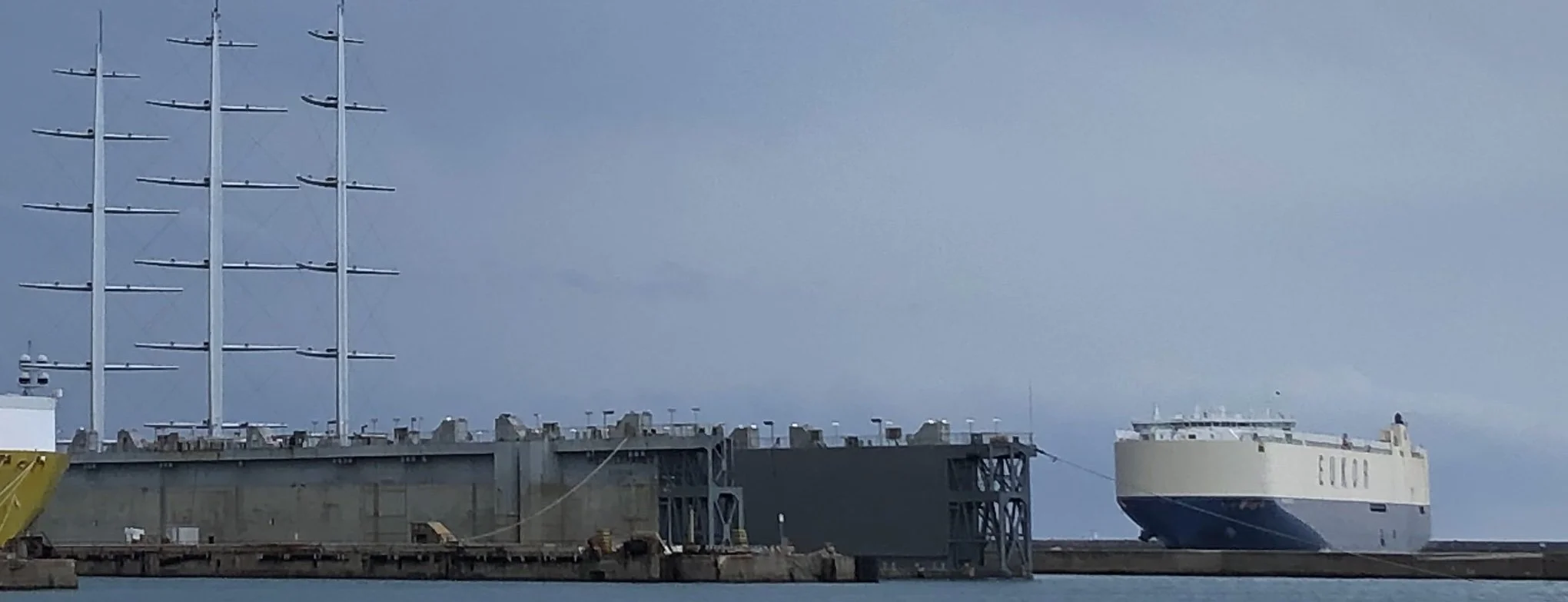
At left, a mid-size private yacht. At right, a nuclear-powered cargo vessel.
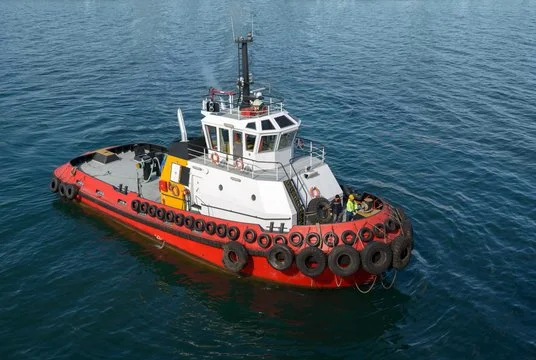
We secured a hawser around the leviathan's flukes and set off, away from the dawn and into the residual night. Engine at minimum power and no foghorn warning, so as not to disturb the billionaires' rest.
Gloomy whale songs started in once we were out of sight of land. Sharks swarmed and took what they wanted, their frenzy palpable through the helm. The load lightened, the day brightened, we let go the haul line. I went aft to watch. The kreng began to sink while the smaller sharks fought with the seagulls over the last scraps.
When there was nothing left to see, we headed back into the industrial harbor we call home. I distributed the reward equally to the crew. I would've donated my share to some ecological organization, but my wife had dropped hints that she wanted a new car in which to take our children to school.
For weeks afterwards, I was haunted by thoughts of the crime that’d occurred at the Rex.
Expensively-dressed intoxicated men and women live out their Moby Dick fantasies, satisfy their lust to extinguish lives larger even than their own, and gourmandize on the raw flesh of endangered ocean mammals. If the whale we'd buried at sea hadn't been of the baleen persuasion, they'd have taken his teeth. But then, drunken, sexually frustrated, malnourished and filthy men once butchered whales and turned them into lamp oil, skirt stiffeners and perfume base.
***
Delitto al Rex
Lavorare sui rimorchiatori è monotono e potenzialmente pericoloso, ma la paga è buona. Una notte mentre facevamo manutenzione al motore, arrivò una chiamata da un numero sconosciuto.
"Abbiamo una balena morta che va rimossa."
Capitani rivali a volte si fanno scherzi pesanti. "Chi parla?"
Era il gestore del Rex, l'hotel più lussuoso del lungomare per centinaia di chilometri in tutte le direzioni.
"Non siamo omologati a occuparci dello smaltimento di fauna selvatica," dissi. "Dovete chiamare l'ente Dignità Animali."
"Ordinariamente faremmo così," disse a bassa voce il manager del Rex. "Ma l'animale di cui parlo non è morto di morte naturale."
"Vuoi dire che la balena è stata assassinata?"
"Diciamo che la celebrazione è andata oltre i soliti limiti."

I rimasugli di una strana festa.
Che genere di festeggiamento risulta in cetacei defunti? Ma le industrie di trasporti marittimi e alberghi inevitabilmente coinvolgono intrighi, contrabbando e tratta di esseri umani. Curiosità ingiustificata e scrupoli morali impediscono il commercio. Lasciammo il porto appena il vascello era di nuovo in ordine, verso le tre del mattino.
Il pontile del Rex viene ampliata di continuo per accomodare gli yacht sempre più mastodontici dei loro ospiti. La balena vi stava schiacciata a pancia in su dalla corrente. I battelli privati erano stati portati al largo dagli equipaggi professionisti. La vasta carogna era stata disturbata, ed era già iniziata la decomposizione. La puzza era acida, e triste.
Il gestore era chiaramente stressato. "Non vorremmo che questo tanfo offendesse i nostri graditi ospiti." Porse una busta bene imbottita. "Dovrebbe bastare."
Il lavoro andava fatto alla svelta. Il gas intestinale si espande rapidamente. Ne possono risultare delle disgustose esplosioni. La facciata del Rex di un bianco abbacinante rischiava una cruenta riverniciata.

Non è uno yacht, ma oramai sono grandi così.
Dopo aver fissato una cima attorno alla coda del leviatano siamo salpati, via dall'alba in arrivo e dentro i residui della notte, col motore al minimo e senza sirena per non disturbare il riposo dei miliardari.
Appena fuori dalla vista della terra si udivano i canti delle balene. Sciamarono squali per prendere ciò che volevano, la loro frenesia era palpabile sul timone. Il carico si alleggerì, il giorno si illuminò. Sciogliemmo la corda da trascino. Andai verso poppa per guardare. La carogna andava inabissandosi mentre i pescecani più piccoli litigavano coi gabbiani per le ultime boccate di cibo.
Quando non c'era più nulla da vedere tornammo al porto industriale che è la nostra base. Distribuii la ricompensa. Avrei donato la mia parte a qualche ente ecologista ma mia moglie reclama una nuova automobile per portare i bimbi a scuola. Non riuscivo però a togliermi dalla testa il pensiero del delitto che c'era stato.

Tutti a casa.
Uomini e donne costosamente vestiti, intossicati, vivono le loro fantasticherie Moby Dick, soddisfano i loro desideri di estinguere vaste vite, favoriscono della carne cruda di mammiferi marini in via d'estinzione. Se l'esemplare che avevamo sepolto in mare non avesse avuto i fanoni, gli avrebbero preso i denti. Ma una volta uomini ubriachi, sessualmente frustrati, malnutriti e sporchi avevano macellato balene per farne olio per lampade, corsetti e base di profumo.
Herr K's Hotel
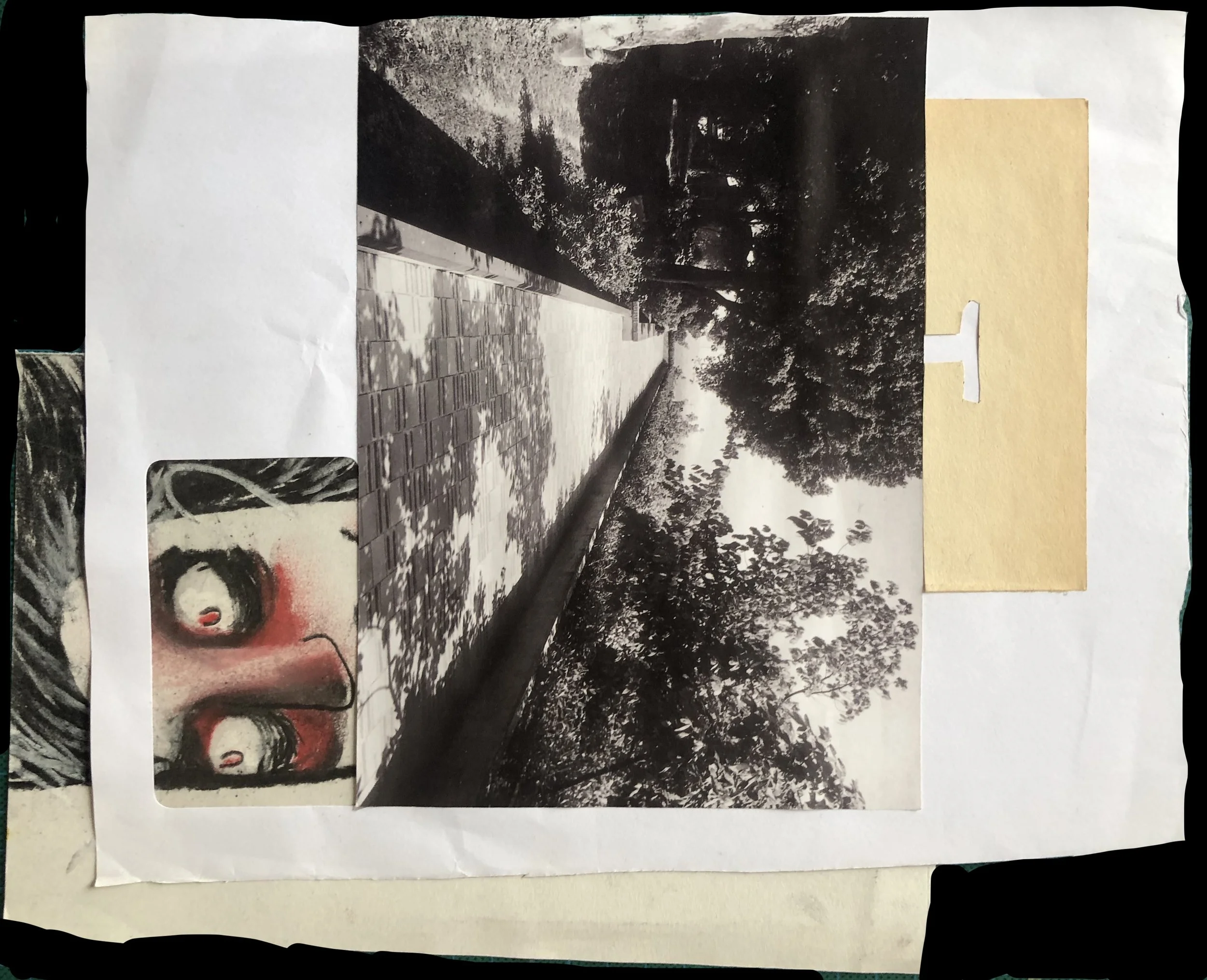
Art world denizens were well-aware that Avant-Artist Martin Kippenberger took full advantage of hotel stationery wherever he went. This wasn't just to save on materials, or mitigate the terror of blank canvas.
Kippenberger's hotel drawings were a way to pass lonely, hungover hours in unfamiliar rooms They sold discreetly, before his wildly creative life was cut short. After that, their prices soared.
Not many curators, collectors or other cultural sophistos knew that Herr K. also used complimentary letterhead to design the hotel he dreamed of building, in which he could offer free hospitality (and unlimited alcohol etc.) to his less successful colleagues.
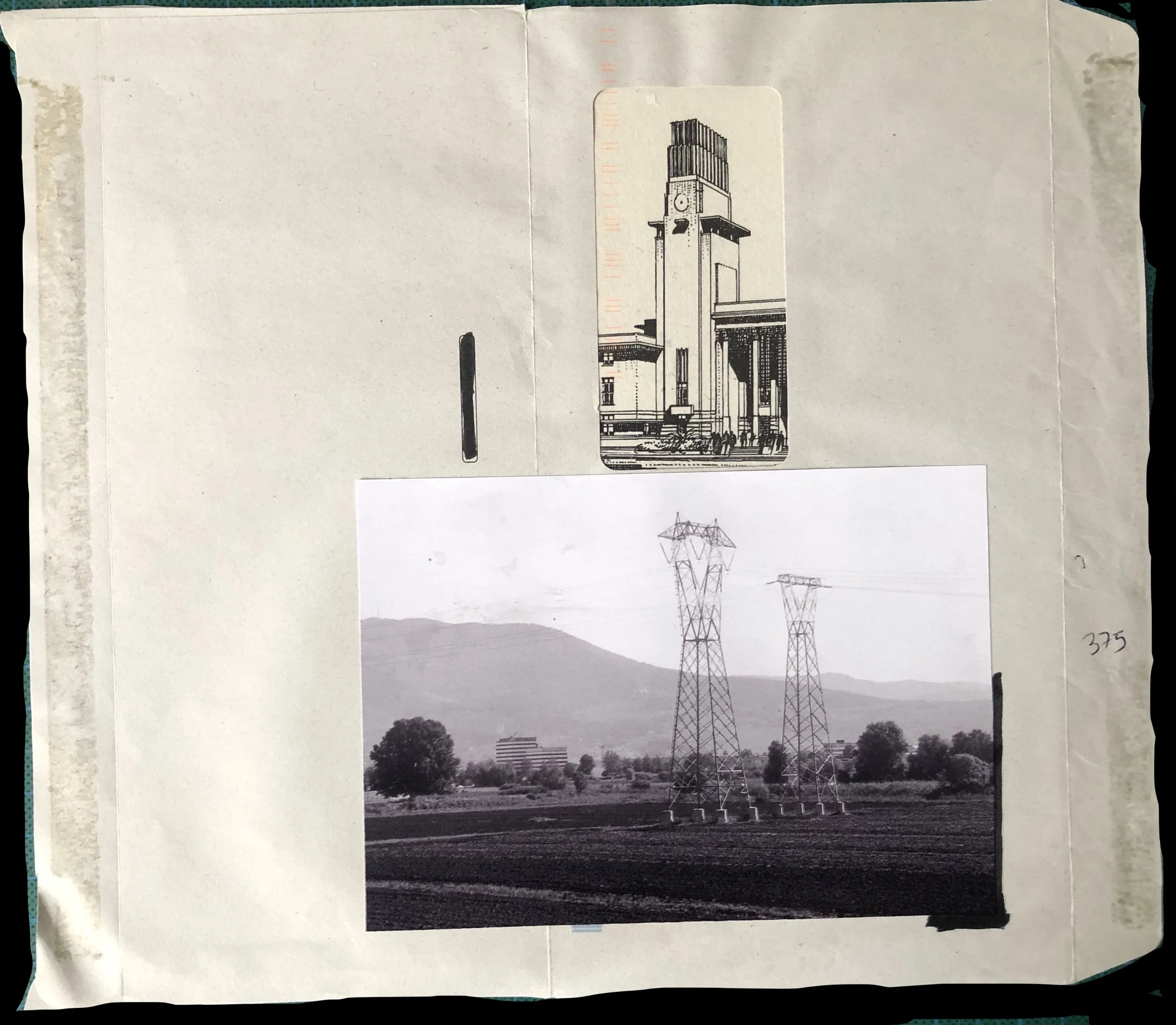
"There should be a place," the artist wrote in one of his chaotic sketchbooks, "where those whose lives involve higher highs and lower lows can give vent to their obsessions without fear of criticism and/or arrest."
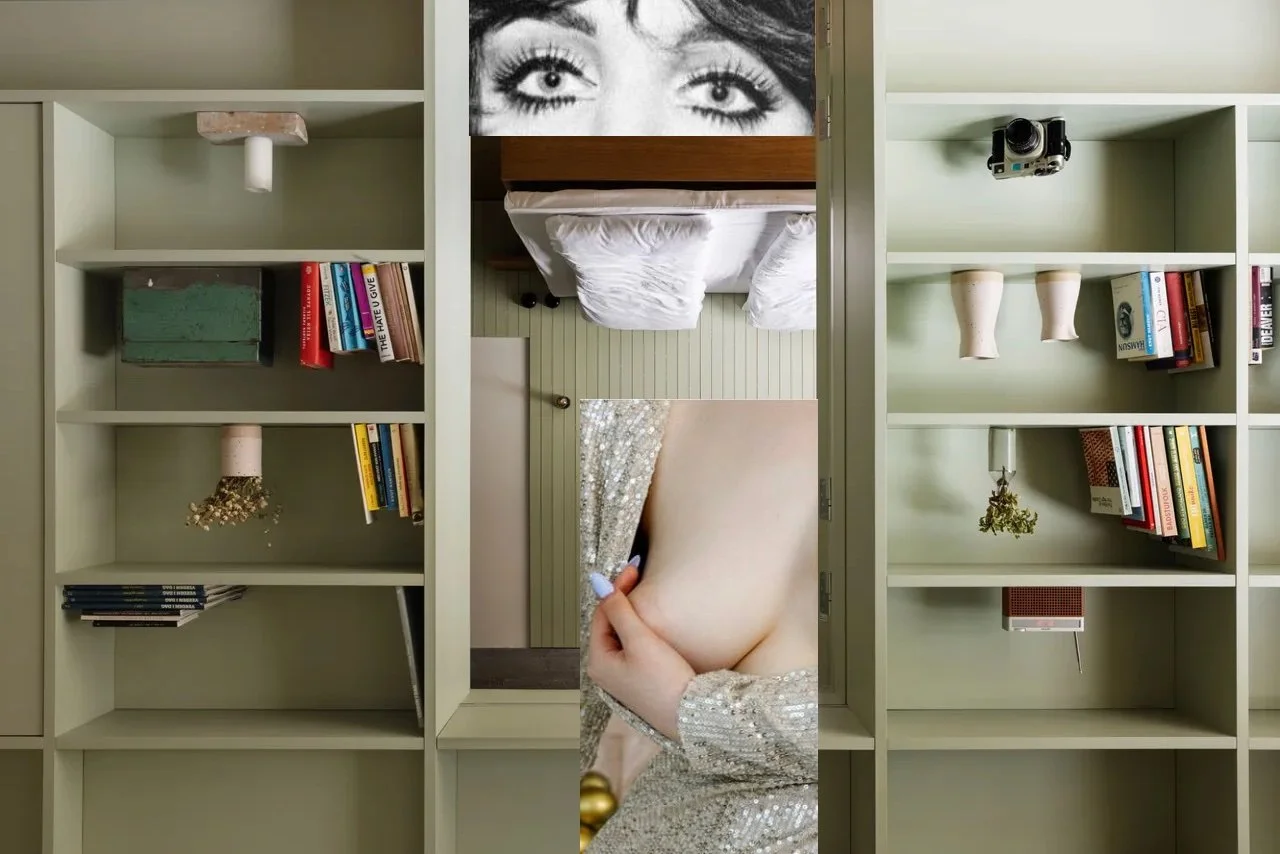
The Kippenberger Hotel wouldn't have an ordinary lobby, or conventional rooms, or automatic shoe-polish machines in the corridors. There’d be a swimming pool, though.
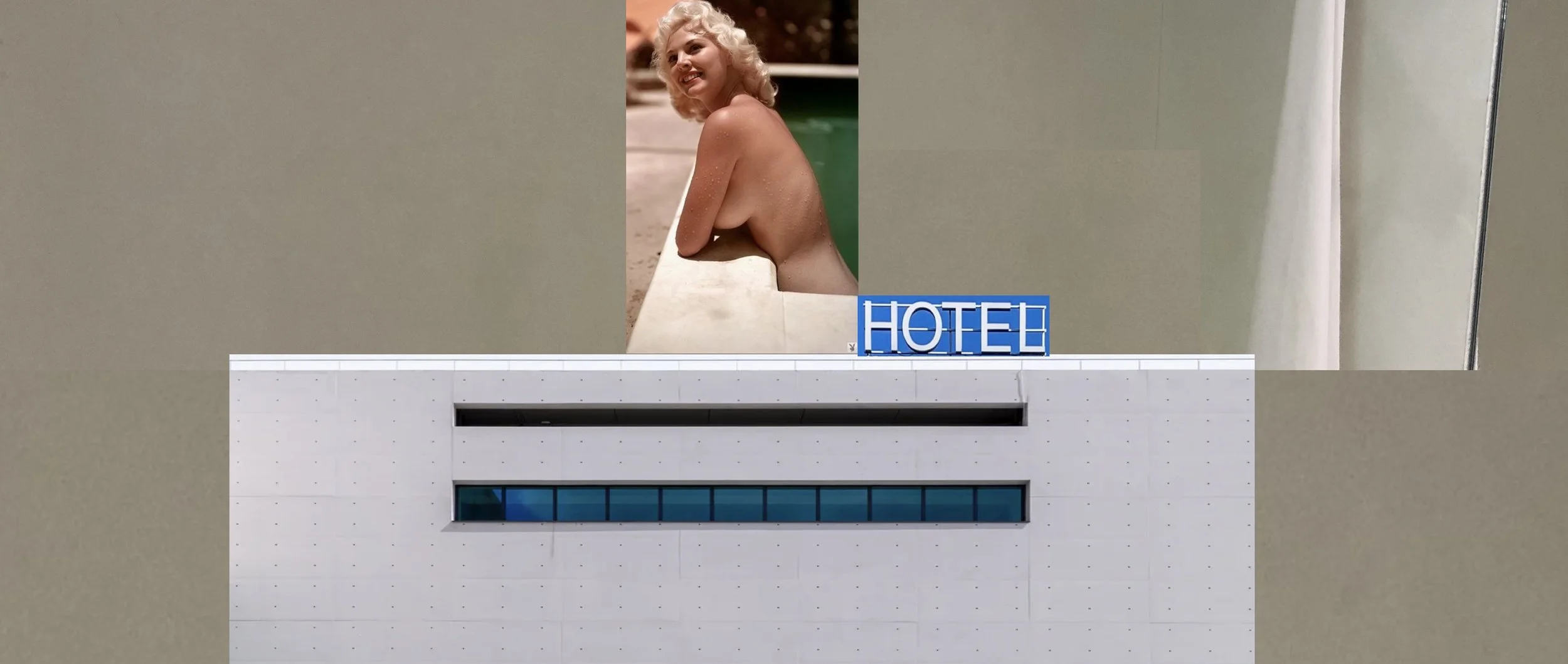
The designs for KippenHaus came to light after after the Rhine overflowed and filled a venerable Cologne Brauhaus's basement storeroom with diesel fuel-scented mud.
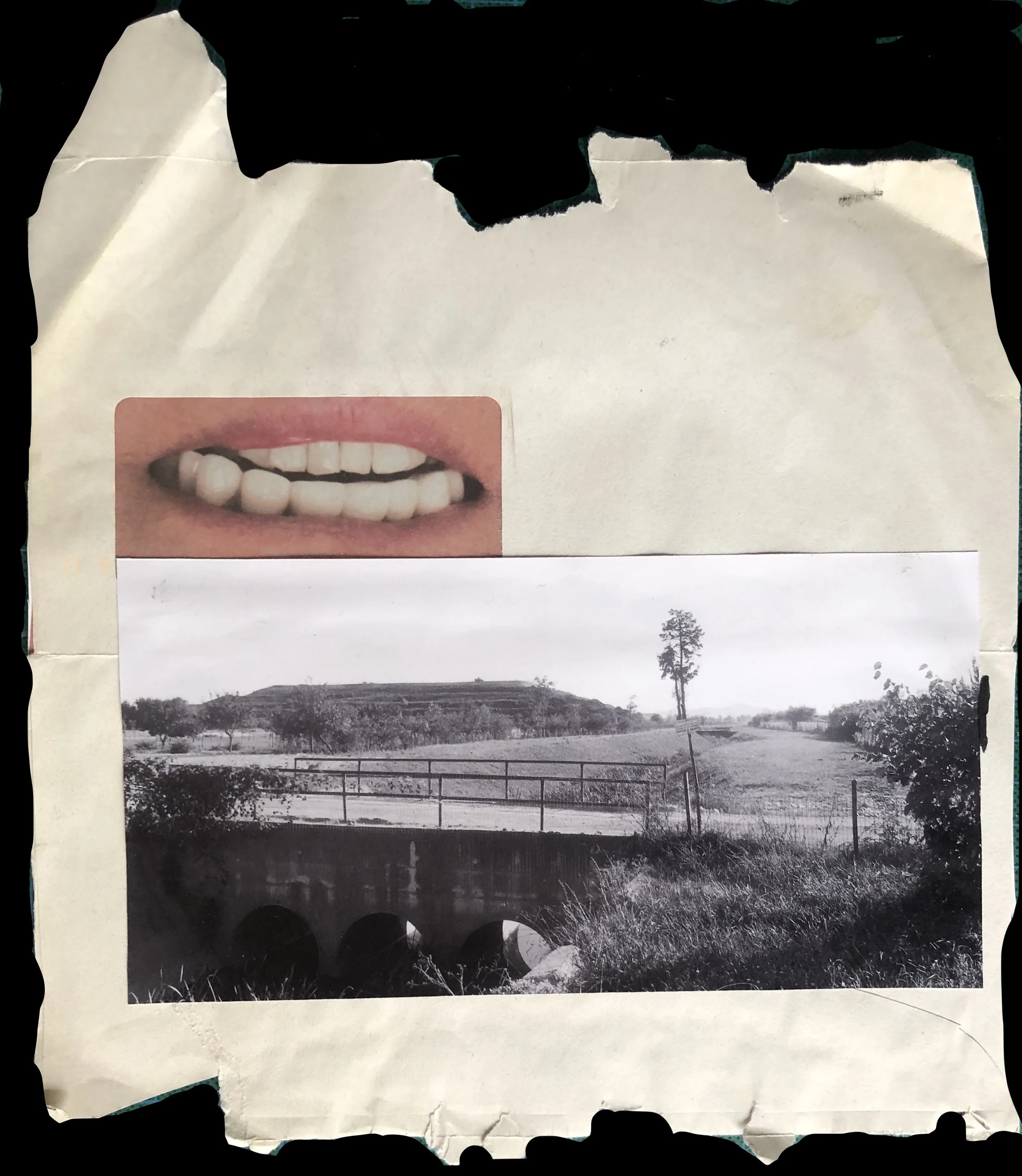
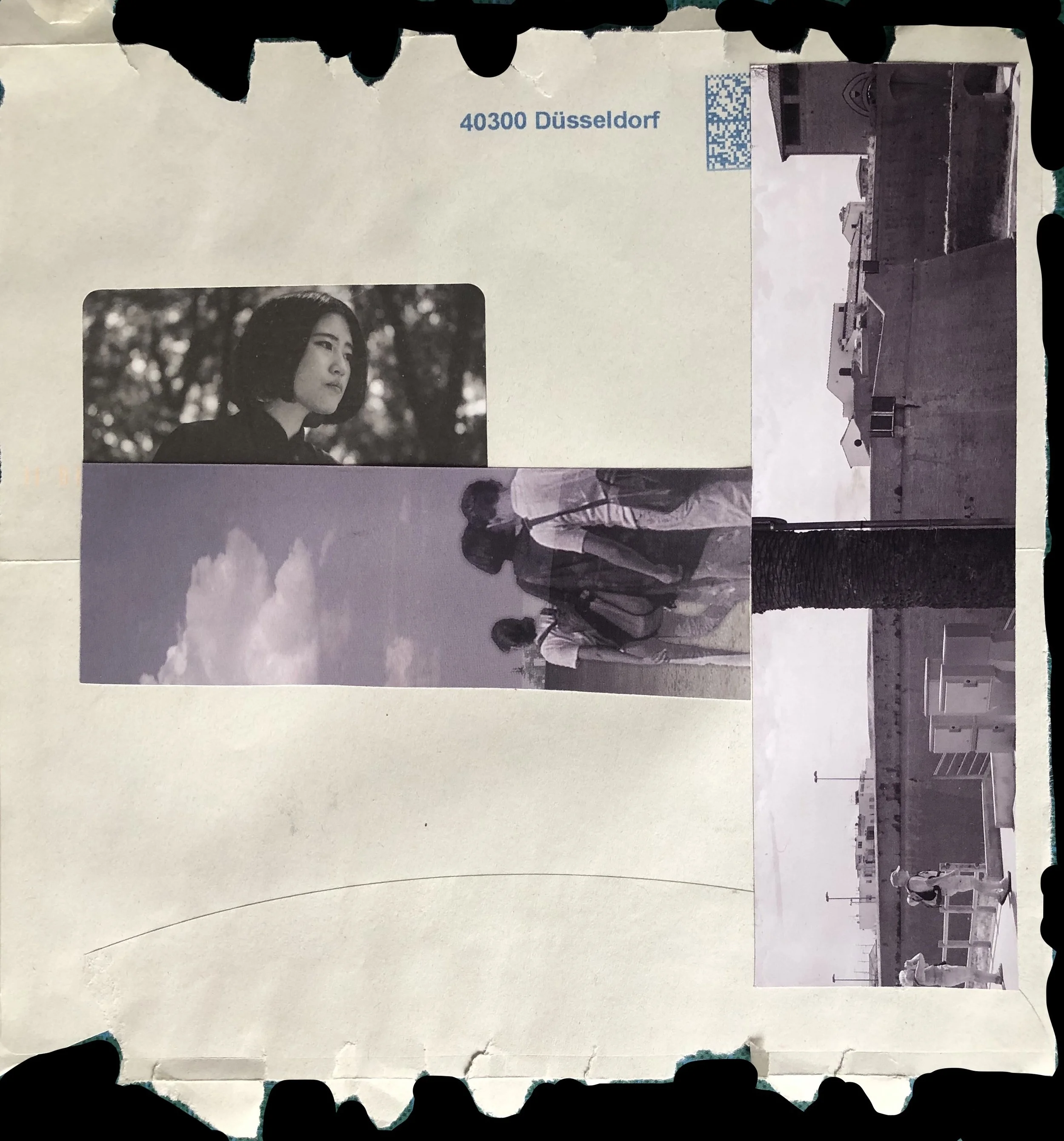
"Unlike the artist's beloved hotels, our establishment doesn't offer custom-printed stationery," the Braumeister said. "Herr Kippenberger would stop in for beer after he'd dropped off artworks at the Post Office. He received quite a bit of mail: fan letters, unpaid bill notifications, nude pictures from people who wanted to get to know him personally. He thought it a pity to waste the unused portions of the envelopes, which, he often said, were of the loveliest conceivable grey."

***
L'hotel di Herr K

Nel mondo dell'arte era risaputo che Martin Kippenberger sfruttava a pieno la cancelleria degli hotel ovunque viaggiava. Non era solo per risparmiare sui materiali o mitigare i terrori della tela vuota.
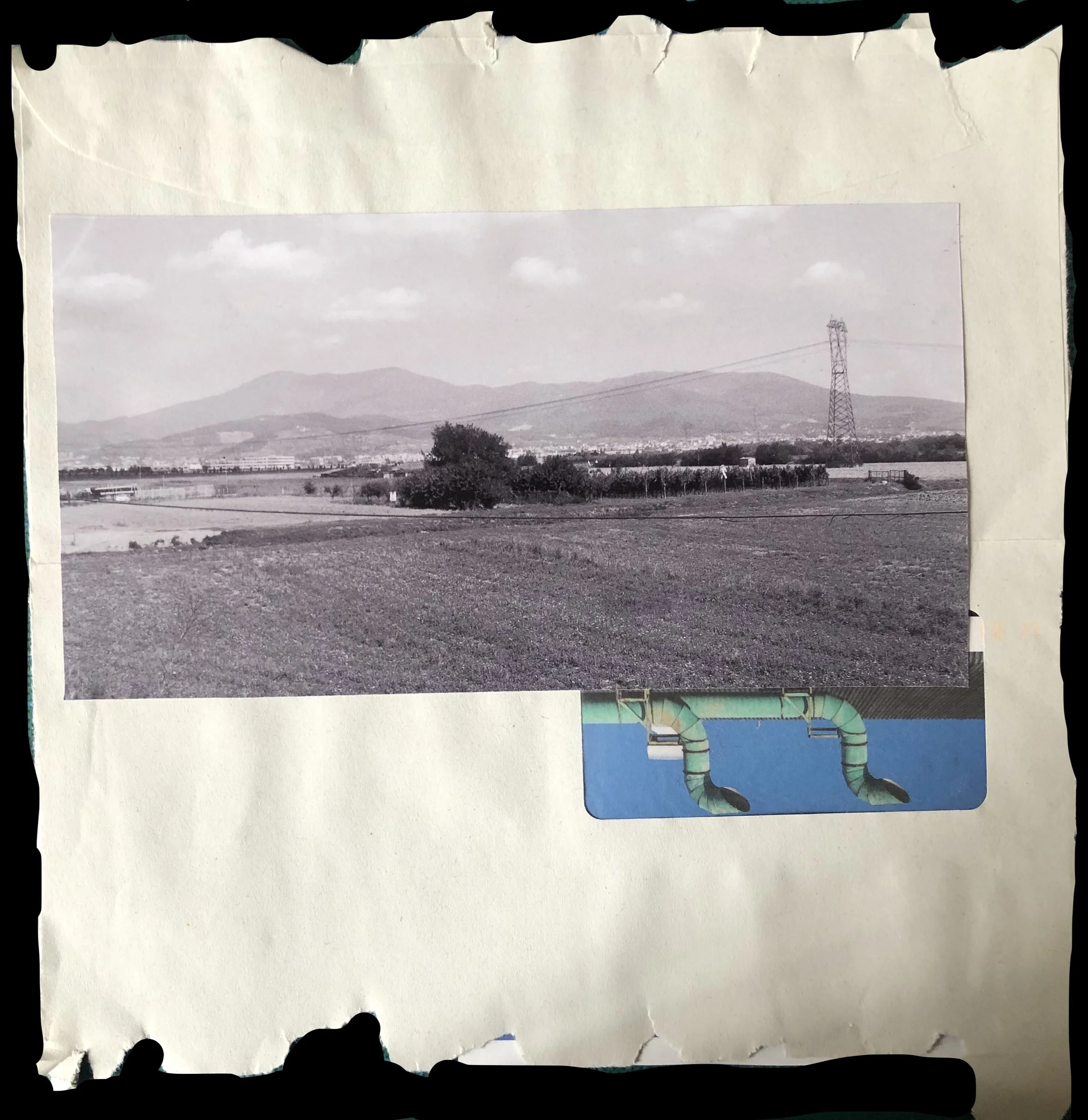
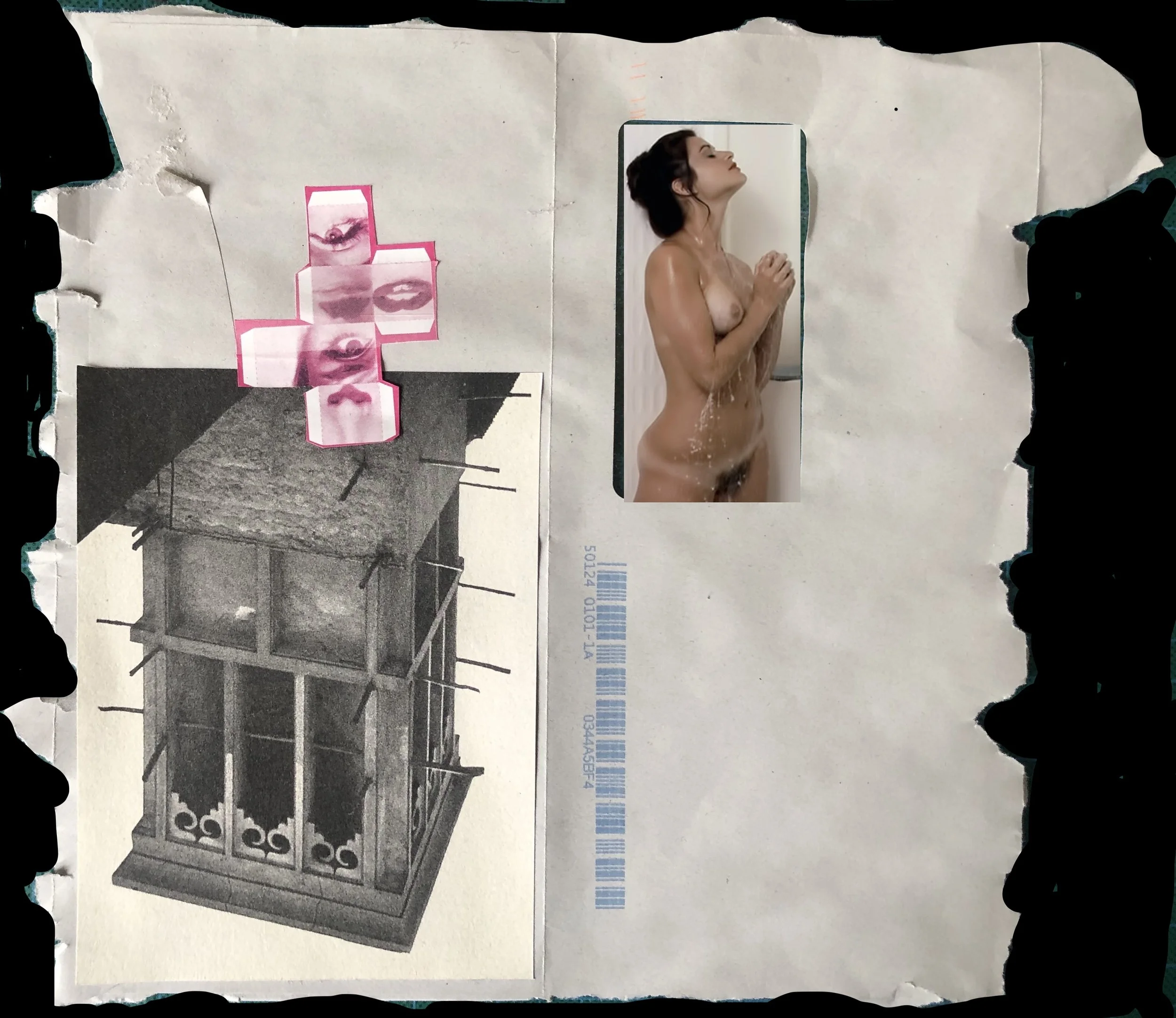
I disegni alberghieri di Kippenberger erano un modo per smaltire le sbronze in stanze poco familiari. Vendevano discretamente, prima che la sua vita selvaggiamente creativa venisse troncata. Dopo la morte dell'artista, i loro prezzi salirono alle stelle.

Pochi curatori, collezionisti e altri tipi sofisticati sapevano che Herr K. usava la cartoleria gratuita anche per disegnare l'hotel che sognava di costruire, in cui avrebbe offerto ospitalità (e alcol ecc.) ai colleghi meno conosciuti.
"Ci dovrebbe essere un luogo," ha scritto l'artista in uno dei suoi caotici quaderni, "dove chi vive tra euforie e disperazioni possono dare sfogo alle loro ossessioni senza paura di critiche e/o arresto."

L'Hotel Kippenberger non poteva avere una solita hall, o convenzionali stanze o lustrascarpe automatiche nei corridoi. Ma doveva per forza avere una piscina.

L'intero progetto KippenHaus venne alla luce dopo che un'esondazione del Reno riempì la cantina di una veneranda birreria di Colonia di fango aromatizzato al diesel.
"A differenza degli hotel tanto amati dall'artista," disse il proprietario, “non offriamo cancelleria gratis. Herr Kippenberger si fermava qui a bere dopo essere passato alle Poste per spedire le sue opere. Riceveva tanta posta: lettere da ammiratori, notifiche di mora, foto di persone svestite che volevano conoscerlo di persona. Gli sembrava un peccato sprecare le buste che, diceva spesso, erano del più bel grigio concepibile."


No Reviews (a hotel requiem)
A friend writes from New England:
Whoever heard of a hotel with a one-guest, once-in-a-lifetime-only policy? Sounded like a lure for potential snuff-film stars.
But the letterhead looked legit, the handwritten invitation was neat and grammatically correct. I dug for further information, only to discover that the hotel in question didn't advertise. The reservation number wasn't toll-free. The rates reflected the economic realities of the time.
Seems hard to believe now that glossy magazines once subsidized their free-lance writers' professional vacations. I was of that fortunate generation. The editor-in-chief, terse as always, said, "No MiniBar. No massages."
As it turned out, the hotel didn't feature any such conveniences and services. There was nothing that smacked of "luxury", "ultimate" or "iconic". What the hotel provided wouldn't fit in a magazine. Not even in a year's subscription's worth.
But who subscribes to magazines these days, anyway?
Another mystery is whether the hotel's Management would've let me stay if I'd told them my line of work. Why did they invite me in the first place? I didn't use to show up in the Society Pages all that often.
As it was, they refused to allow publication of the article I wrote and the pictures I shot during my all-too-brief sojourn.
"We don't want publicity," was the explanation. "We don't need to increase profits. Our hotel will remain itself. on its own."
And itself did the Erehwon remain, at least until October of last year.
A discreet notice appeared on the Obituary page of The Hotel News.
***
Niente recensioni (un requiem hoteliero)

Un’amica ci scrive dalla Nuova Inghilterra:
Chi ha mai sentito di un hotel che ospita una sola persona alla volta, solo per una volta nella vita? Questa politica dapprima sembrava un sinistro invito a fare da protagonista in uno snuff film.
Ma la cartoleria dell'invito scritto nitidamente a mano sembrava genuina.
Non c'era un numero verde da chiamare, e il costo che mi venne quotato rifletteva la realtà economica dei tempi.
Ora sembra incredibile che le riviste patinate una volta sovvenzionavano le vacanze professionali dei loro collaboratori esterni.Appartengo a una generazione fortunata. La redattrice, lapidaria come sempre, disse, "Niente MiniBar. No massaggi."
L'hotel non disponeva di tali comodità e servizi. Non c'era nulla che sapesse di "lusso" o "inarrivabile" o "iconico". Ciò che offriva l'hotel non starebbe dentro le pagine di una rivista. Nemmeno se ti abbonassi per un anno intero.
Ma chi si abbona più alle riviste cartacee?
Chissà se la Gestione avrebbe accettato la mia prenotazione se gli avessi detto di cosa mi occupavo. Un altro mistero era il motivo per cui mi avevano invitata in primo luogo. Non comparivo poi così tanto spesso tra le pagine di Novella 2000.
Rifiutarono di permettere la pubblicazione dell'articolo che scrissi e delle foto che scattai durante il mio fin troppo breve soggiorno.
"Non desideriamo pubblicità," spiegarono. "Non vogliamo aumentare i profitti. Il nostro hotel rimarrà fedele a sé stesso."
E infatti l'Erehwon sé stesso rimase, fino all'ottobre dell'anno scorso.
Venne data la triste notizia nella rubrica Necrologi di The Hotel News.
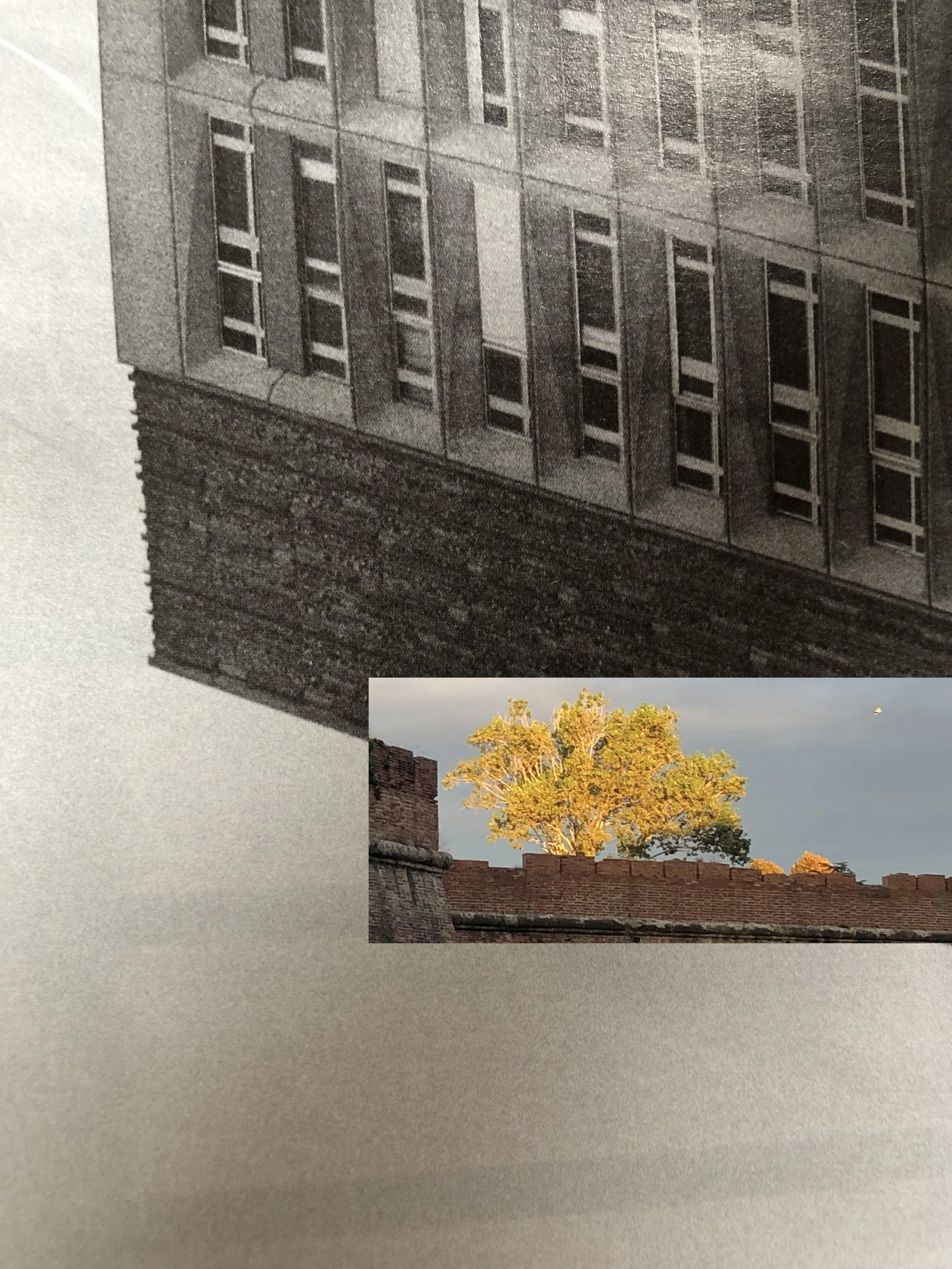

Un ospite immaginario riflette su un’ospite in carne e ossa.

Mentality of a Guest
A friend writes from Baden-Baden...

An elegant gentleman sat in the lobby all morning, every morning, and stared at nothing. Lost in thought, I presumed. Not merely natty in appearance, but possessed of a disciplined mind. A philosopher, or a physicist, comfortably retired and at leisure to ponder life and the universe.
Around noon, a stately woman of roughly his age would descend from the upper floors to sit with him. After an intimate, obviously pleasant conversation, she'd take his arm, and together they'd exit the hotel to have lunch somewhere, I imagined, and spend the afternoon together.
At dinner, they were impeccable. His evening dress was evocative of better times. Her jewelry seemed to have been designed against ostentation. A thick snowy braid cascaded down her back, which her gowns were cut to reveal. His baldness accentuated the roundness of his head, the delicacy of his features, the clear blue eyes so like those of a marvelous child.
My wife noticed how I stared at them.
"Aha. So now you'd like to be unfaithful to me with her," she said.
"Oh no," I answered, a shade too quickly. "It's just that one rarely sees such a serene couple."
"You mean, so unlike us?"
"Oh no," I repeated, stupidly.
"Well I have news for you. They're not a couple."
That was a surprise.
"They're brother and sister," my wife went on. "He's retarded. She takes care of him. The hairdresser in the lobby told me the whole story."
She would've been happy to elaborate on this mouth-watering gossip. I looked down into the soup, put a spoon in it. We ate, as usual, in silence.
***
Mentalità di un ospite

Un amico scrive da Baden-Baden...
Un gentiluomo elegante passava le mattine seduto nella hall a fissare il vuoto. Perduto nei propri pensieri, immaginavo. Non solo una bella presenza, ma in possesso inoltre di una mente raffinata. Un filosofo, oppure un fisico, in pensione, libero di ponderare la vita e l'universo.
Verso mezzogiorno un'avvenente donna di circa la sua età scendeva dai piani superiori per sedersi con lui. Dopo una intima e piacevole conversazione, lei gli prendeva il braccio e uscivano dall'hotel per pranzare da qualche parte, pensai, e poi passare insieme il pomeriggio.
Pure a cena erano impeccabili. Il suo smoking evocava tempi migliori. I gioielli di lei sembravano essere stati disegnati contro l'ostentazione. Una densa e nivea treccia le cascava lungo la schiena, messa in mostra da gonne abilmente confezionate La calvizie gli metteva in risalto la rotondità della testa, la delicatezza dei suoi connotati, gli occhi azzurri luccicanti come quelli di un bambino meraviglioso.
Mia moglie ha notato come li fissavo.
"Ti vedo, sai," disse lei. "Ora vorresti tradirmi con lei."
"Oh no," risposi, un po' troppo in fretta. "Ma è raro vedere una coppia così serena."
"Intendi, così diversa dalla nostra."
"Oh no," ripetei, stupidamente.
"Ho una notizia per te. Non sono una coppia."
Era una sorpresa.
"Sono fratello e sorella," continuò mia moglie. "Lui è ritardato. Lei lo accudisce. Il parrucchiere nella hall mi ha raccontato tutta la loro storia."
Le sarebbe piaciuto elaborare su questo succulento pettegolezzo. Guardai la ciotola di minestra, vi affondai il cucchiaio. Mangiammo, al solito, in silenzio.

The Simply Perfect
Calvin Klein called Margaret Howell from his office in the uppermost Northeast corner of an all-glass skyscraper in Manhattan.
On the third boop-boop, Margaret Howell hoisted the receiver of her venerable British Telecom apparatus. Her desk was blond wood, exquisitely crafted, and bare except for a black-and-white photograph in a silver frame.
“Hello, Margaret? Calvin Klein speaking.”
“Oh hello Calvin.”

“Margaret? It’s Calvin.”
"There's something—just a concept, for now—upon which I thought we might fruitfully collaborate."
"Indeed? Let's hear it."
"Well, it's nothing wildly original. I mean, Karl Lagerfeld and Donald Trump have already done it, but they're not exactly like us, if you know what I mean."
"I think I do, Calvin." Margaret pictured a gilded baroque-kitsch casino with croupiers and cocktail waitresses in black fingerless gloves, opaque sunglasses, fans and blinding-white ponytails.
"A hotel for people who match our aesthetic."
Can anyone possibly match this chic?
Ms Howell was about to say she was a clothing designer and a promoter of the United Kingdom's handicrafts, not an architect or innkeeper. She didn't relish the plural, in this case. A hotel where guests show off their underwear in the lobby and spray themselves with deodorant?

Winter-wear doesn’t sell too well, lately…
Calvin Klein interrupted her thoughts. "You're probably thinking of a sprawling beachfront mansion where gorgeous young people parade through the lobby in black Y-fronts while the air-conditioner spritzes them with Eternity."
"Oh no, not at all. Tell me what you have in mind."
"Simplicity. I know, I know...sounds like another perfume. But what I mean is a place not overly grand, with iconic lighting, thoughtful furnishings, a wobby-sobby dress-code, sustainable food and..."
A long pause followed. Margaret thought the line might've gone dead. "Hello? Calvin? And what?"
"Expensive as fuck!"
Sometimes a fuck is expensive.
***
Semplicità perfetta
Calvin Klein telefonò Margaret Howell dal suo ufficio in cima a un grattacielo di vetro a Manhattan.
Al terzo bìp-bìp, Margaret Howell alzò il microtelefono del suo venerando apparecchio British Telecom. La sua scrivania era di un legno biondo, di squisita manifattura, sgombra a parte una foto in bianco e nero dentro una cornice d'argento.
"Hello, Margaret? Parla Calvin Klein."
"Oh hello Calvin."
“Che piacere sentirti, Calvin.”
"Mi è venuta in mente una cosa—per ora è solo un concetto—sulla quale pensavo che potremmo collaborare con successo."
"Sentiamo."
"Ora, non è nulla di pazzescamente originale. Voglio dire, l'hanno già fatto Karl Lagerfeld e Donald Trump, ma loro non sono esattamente come noi, se sai cosa intendo."
"Credo di capire, Calvin," disse Margaret. Si immaginò un dorato casinò barocco-kitsch con croupier e cameriere in guanti neri, occhiali da sole opachi, ventagli e codini di un bianco accecante.
"Un hotel per chi è in linea con la nostra estetica."

“Un’estetica non è un hotel, ma forse non è vero il contrario.”
Miss Howell stava per dire che era una stilista sostenitrice dell'artigianato britannico, non un’architetta o albergatrice. E non gradiva l'uso del plurale, in questo caso. Un hotel in cui gli ospiti sfoggiano i loro indumenti intimi nella hall mentre si spruzzano di deodoranti?
Calvin Klein interruppe i suoi pensieri. "Probabilmente starai pensando a una vasta villa sul mare in cui gente giovane e bella vestono mutande nere mentre sfilano per la hall e l'aria condizionata schizza Eternity."

Profumo spruzzato per strada finisce in un caloroso diner.
"Oh no, per niente. Dimmi cos'hai in mente."
"La Semplicità. Lo so, lo so, sembra un altro profumo. Ma sto pensando a un posto non troppo grandioso, con una illuminazione iconica, un arredamento considerato, un dress code wabi sabi, cibo sostenibile e... "
Seguì una lunga pausa. Margaret pensò che fosse caduta la linea. "Hello, Calvin? E poi?"
"Fottutamente caro!"

Chi potrebbe aspirare a una tale estetica? Un’estetista?

The Womb

The room's dark and comfortably warm, with no hard surfaces or sharp edges anywhere. Guests are intimately connected with the facilities, and all their needs provided for.
Guests register through a human ritual not much more complicated than a handshake. Check-out time is when they're ready to leave.
That's when the screaming starts.
Not about the bill. There's no charge. Reviews aren't expected. Gratuities are also unnecessary, but here's a tip: be good to mama.
***
Il grembo
La camera è buia, c'è un bel tepore. Non ci sono superfici duri o angoli taglienti da nessuna parte. Gli ospiti sono intimamente connessi ai servizi, e tutte le loro esigenze vengono soddisfatte.
Ci si registra mediante un rituale umano non tanto più complicato di una stretta di mano. Il check-out si effettua quando gli ospiti sono pronti per partire.
A quel punto cominciano a urlare.
Non per il conto. Offre la casa. Nemmeno viene chiesto di scrivere recensioni. Non è usanza lasciare mance, ma si prega ai gentili ospiti di essere buoni con la mamma.

Guest Artist Black Napkin
Un amico ci trasmette dei sogni alberghieri:
La decenza di un albergo risplende soprattutto nel rigore che impiega a far sparire tutte le tracce degli ospiti precedenti delle sue camere. Deve dare l'illusione che quella camera è occupata da qualcuno per la prima volta. Non è certo facile, anche perché le tracce che lasciamo non sono tutte visibili. Il pensiero della contaminazione psichica di un luogo può ostacolare seriamente il sonno.
Guido Ceronetti, La carta è stanca, 2000
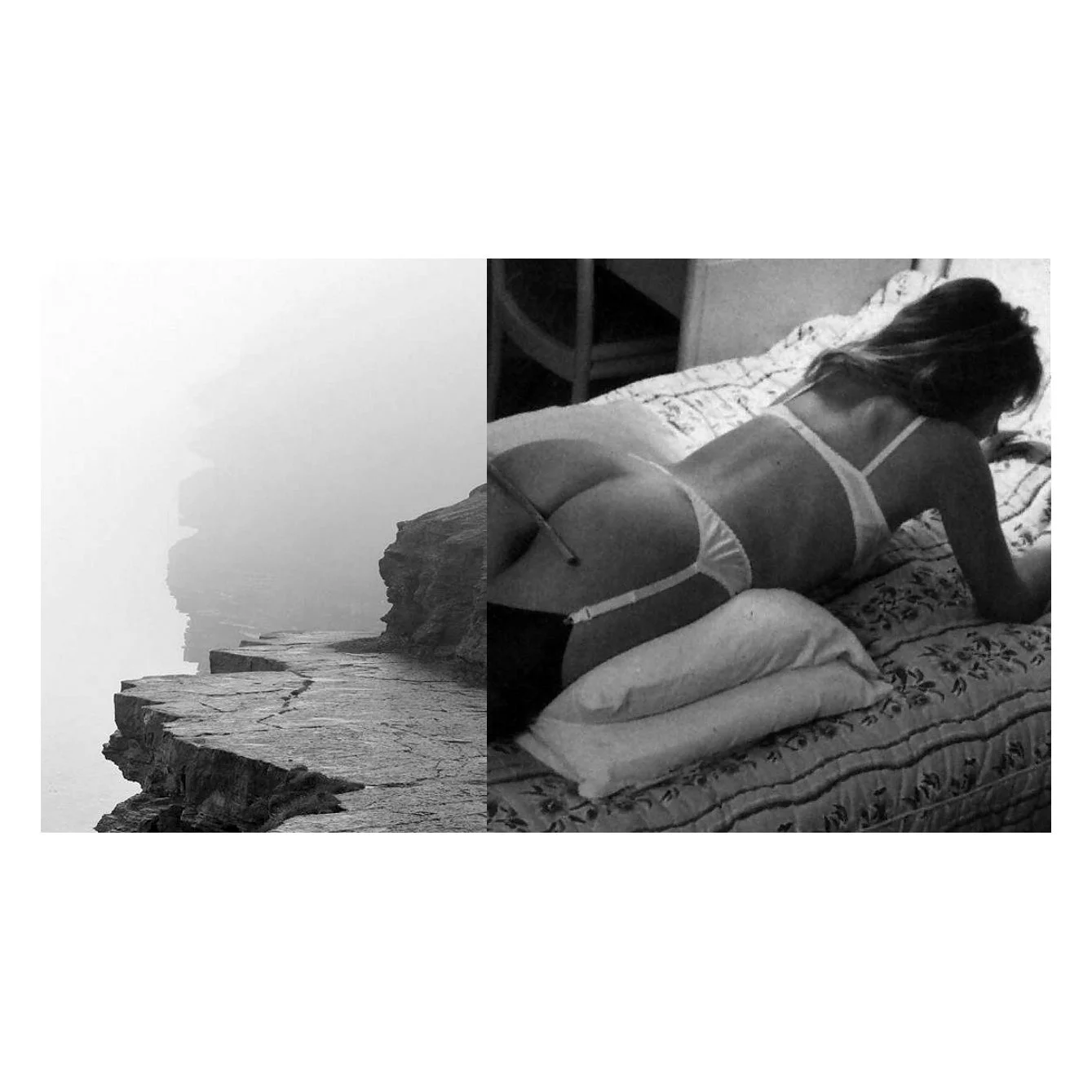
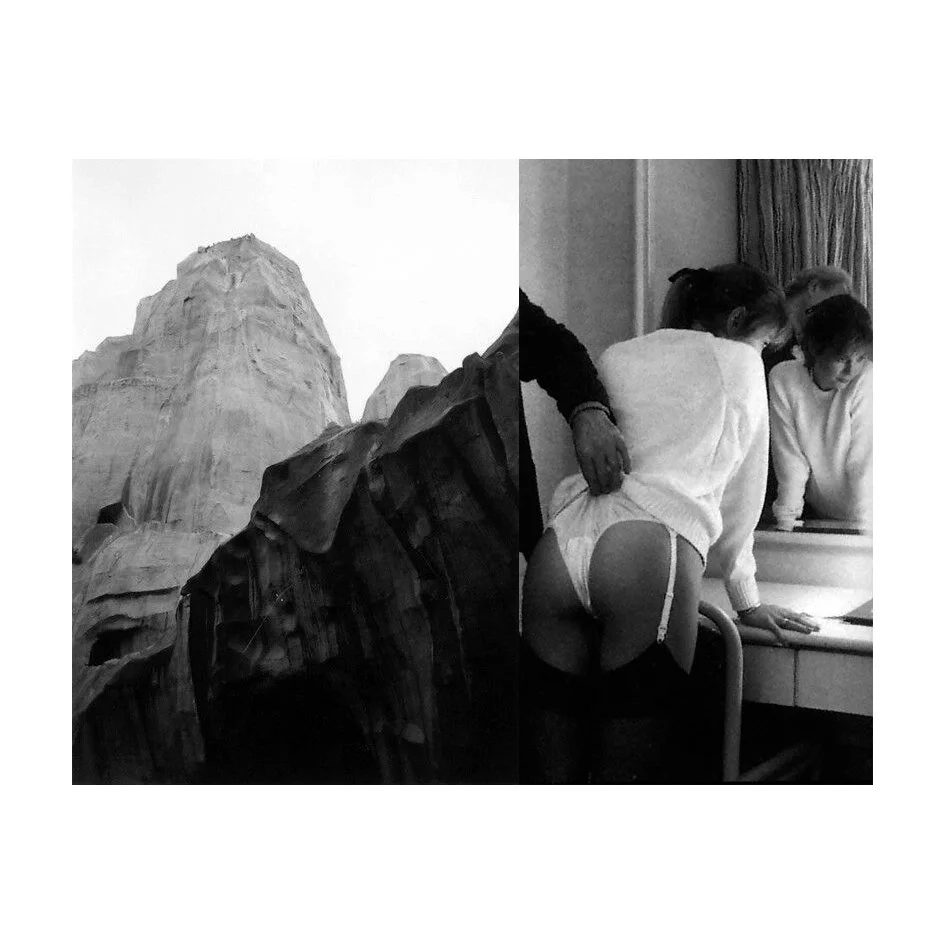
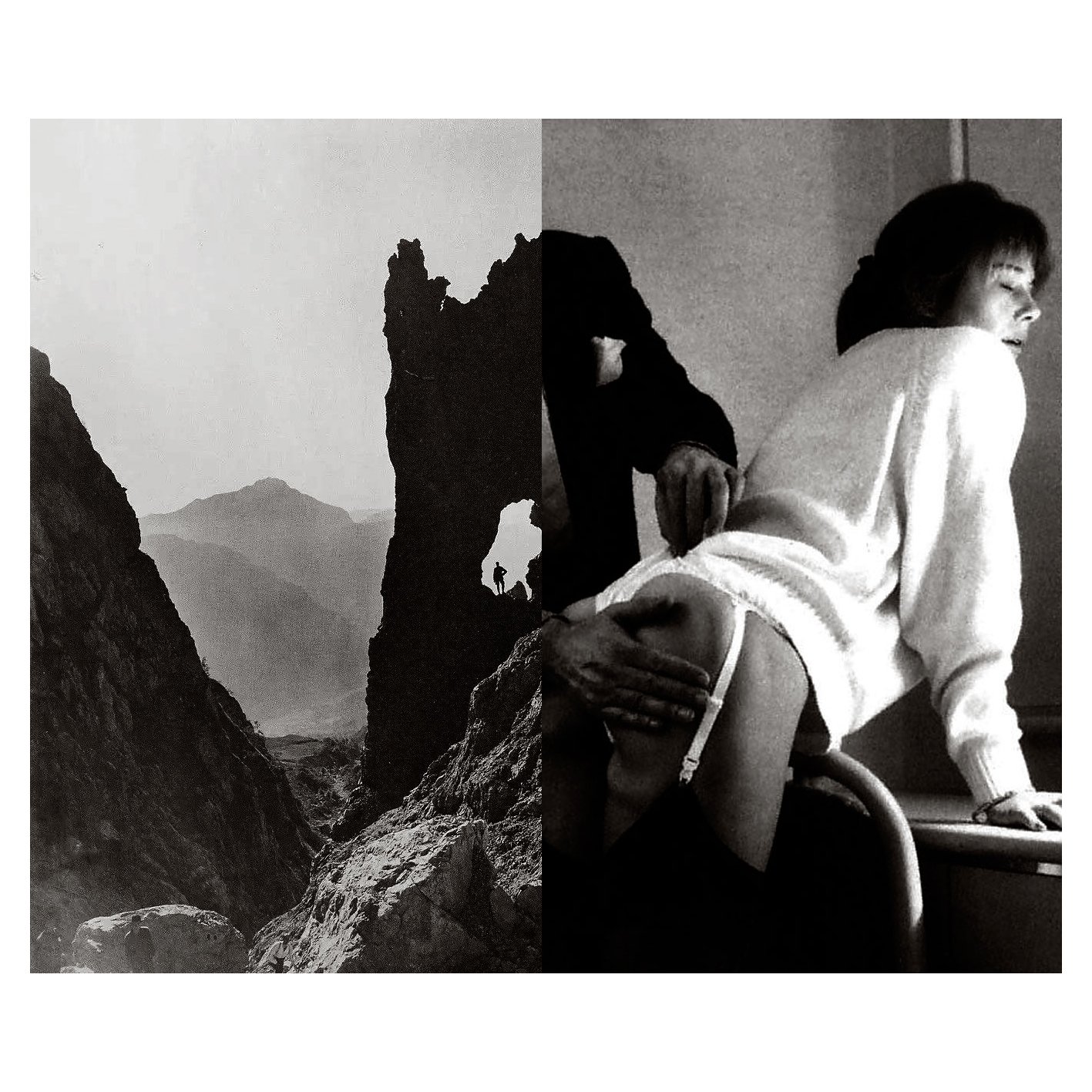
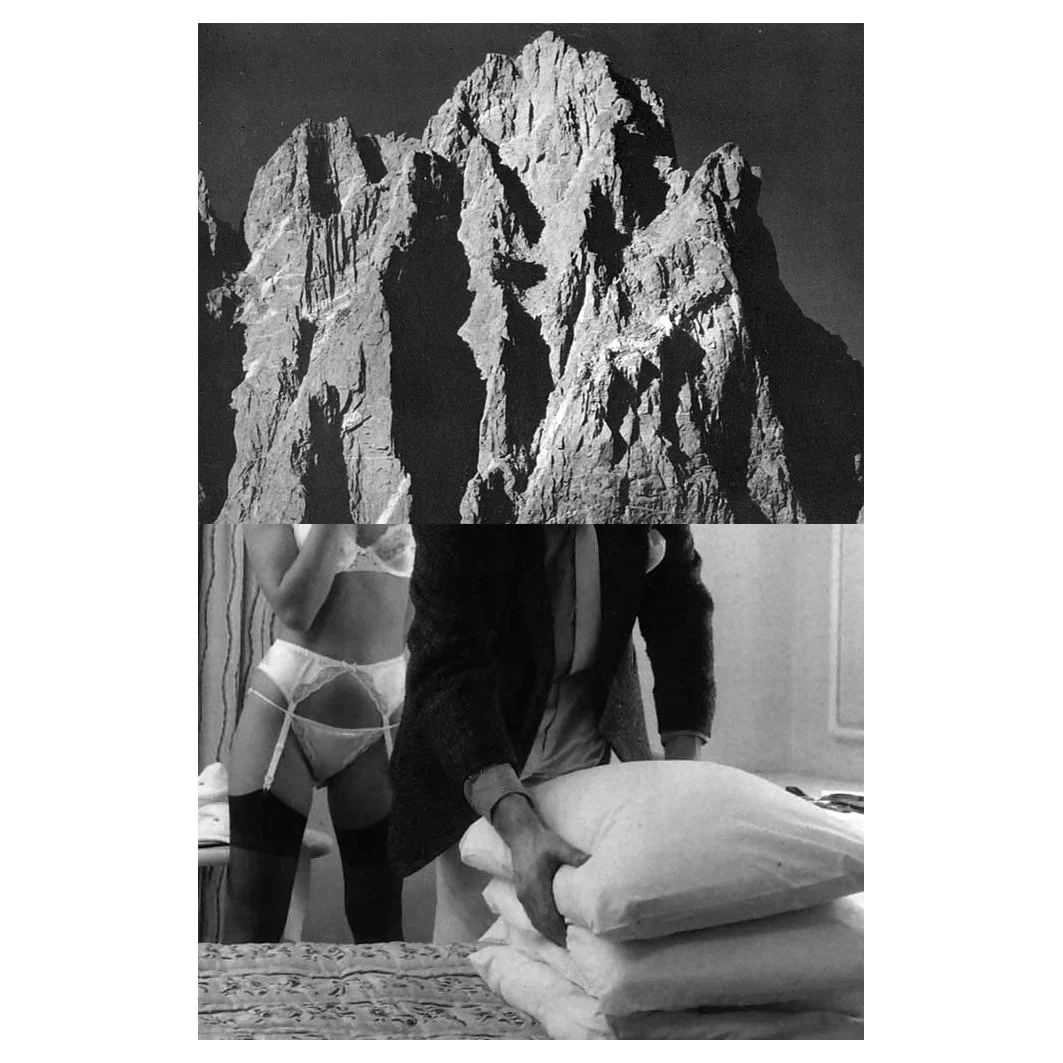
A hotel's decency shines through above all in the rigor it employs to eliminate all traces of previous guests in its rooms. It must give the illusion that the room is occupied by someone for the first time. This is certainly not easy, especially since the traces we leave behind are not all visible. The thought of a place's psychic contamination can seriously hinder sleep.
Guido Ceronetti, La carta è stanca, 2000
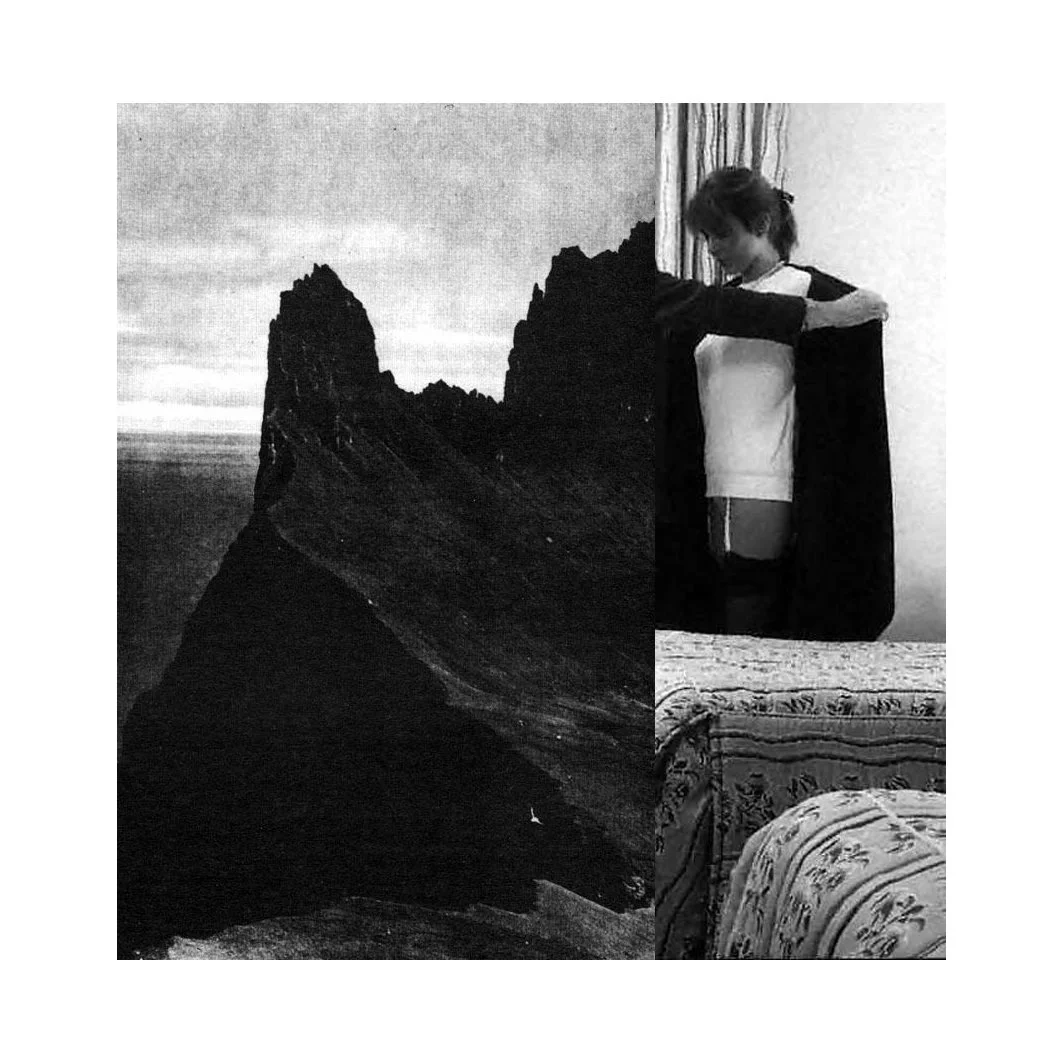
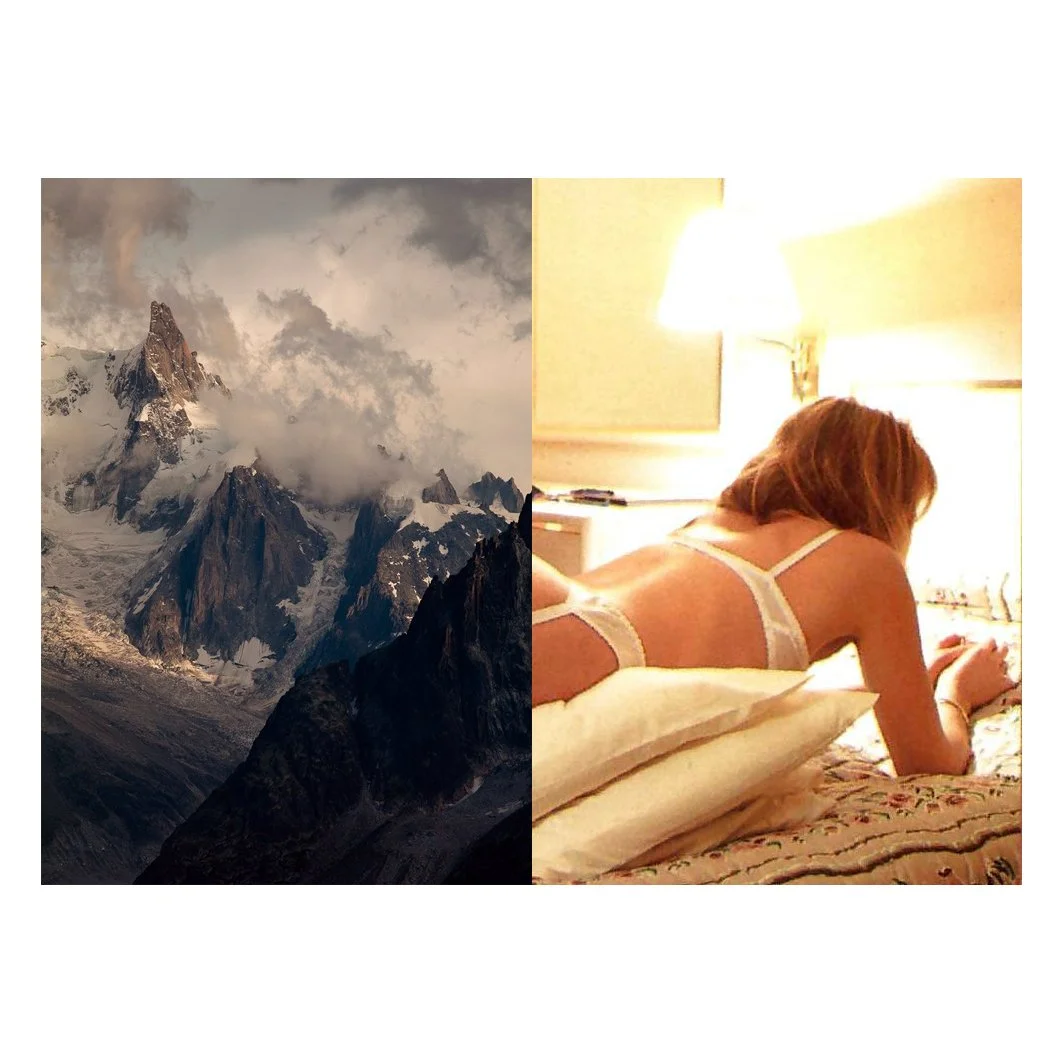
Siete cortesemente pregati di seguire Black Napkin su Instagram/Please follow Black Napkin on Instagram

Cosa abbiamo fatto quest'estate

Muffie ai bei vecchi tempi, allo stabilimento balneare più figo di Viareggio.
Non avevamo soldi per farci una vacanza. Non avevamo soldi, punto.
Non tantissimo tempo fa certi uomini ci invitavano alle loro ville al mare, o ci portavano nei resort più VIP a bordo dei loro yacht. Non dovevamo fare altro che metterci in bikini. Quei tempi sono finiti.
Ma volevamo comunque un po' di spiaggia, mare e sole sulla pelle. Per ottenerlo dovevamo lavorare.

Phrenya e Paula si divertono a provare i nuovi costumi.
Montammo in macchina e partimmo per Rimini. Il manager dell'Hotel Gambrinus ci ha dato un'occhiata e ci ha assunte in massa come cameriere tuttofare. Nessun altro aveva risposto ai suoi annunci di lavoro.
Le prenotazioni erano calate drasticamente. Le previsioni meteorologiche dicevano tutte la stessa cosa: non è tempo da spiaggia.
Prese a piovere a inizio luglio, e i nuvoloni neri davano da intendere che non avrebbero smesso finché non si scaricavano del tutto. Il cielo, la sabbia e il mare sembravano un'infinito trogolo di cemento liquido agitato.
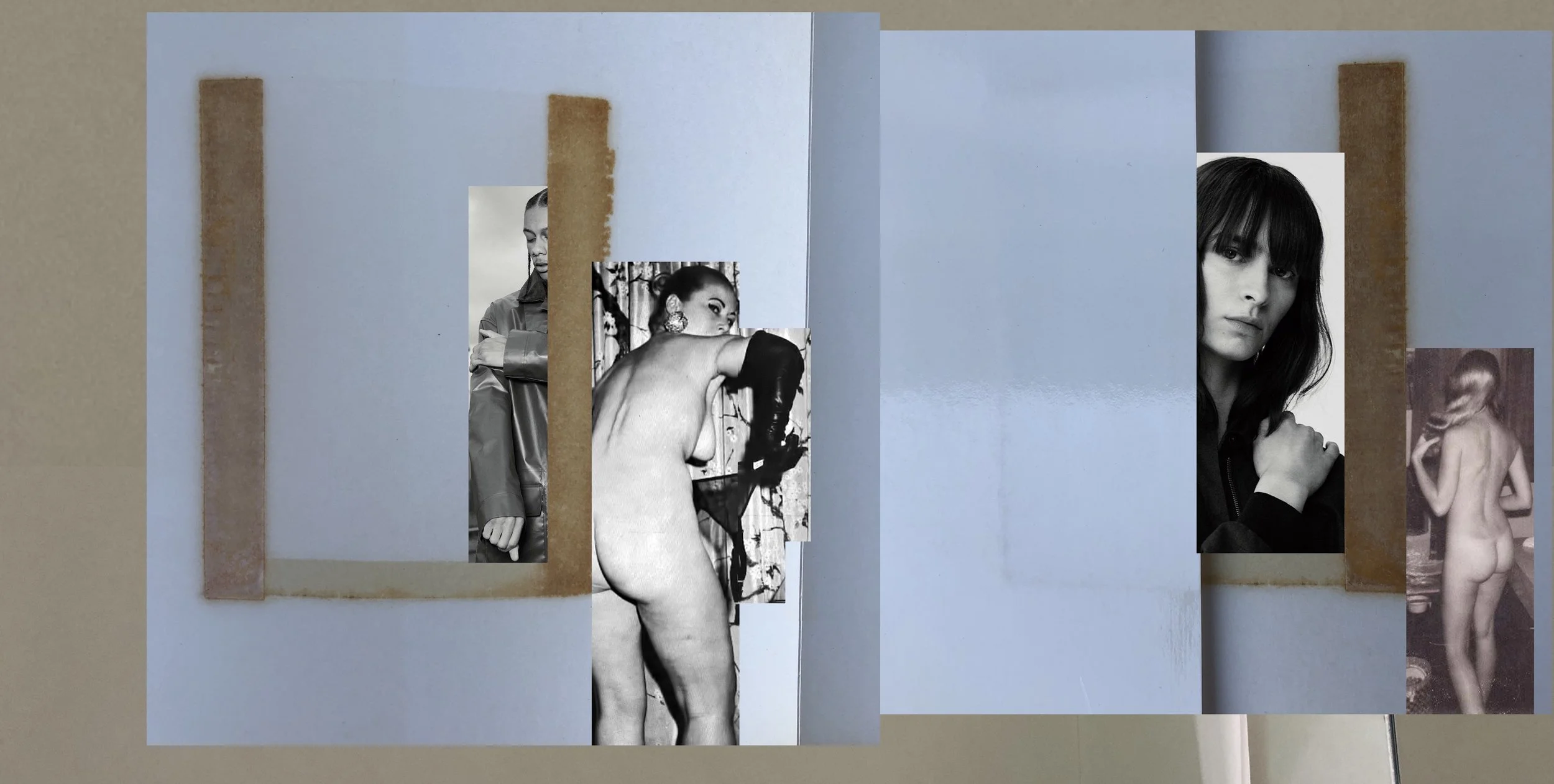
Chi cambia canale deve anche cambiare la biancheria intima.
Non c'era molto da fare, ma non potevamo restar sedute nella hall a guardare la tivù in attesa che arrivassero ospiti, che si muovesse qualcosa. C’era rischio di annoiarci a morte. Aiuto!
Ci siamo inventate divertimenti estivi usando la macchina fotografica Polaroid trovata in fondo all'armadio di una delle stanze vuote e la fotocopiatrice nell'ufficio del Manager. Oh, e anche dei vestiti buffi e/o sexy rinvenuti dal cassone Oggetti Smarriti dell'hotel.
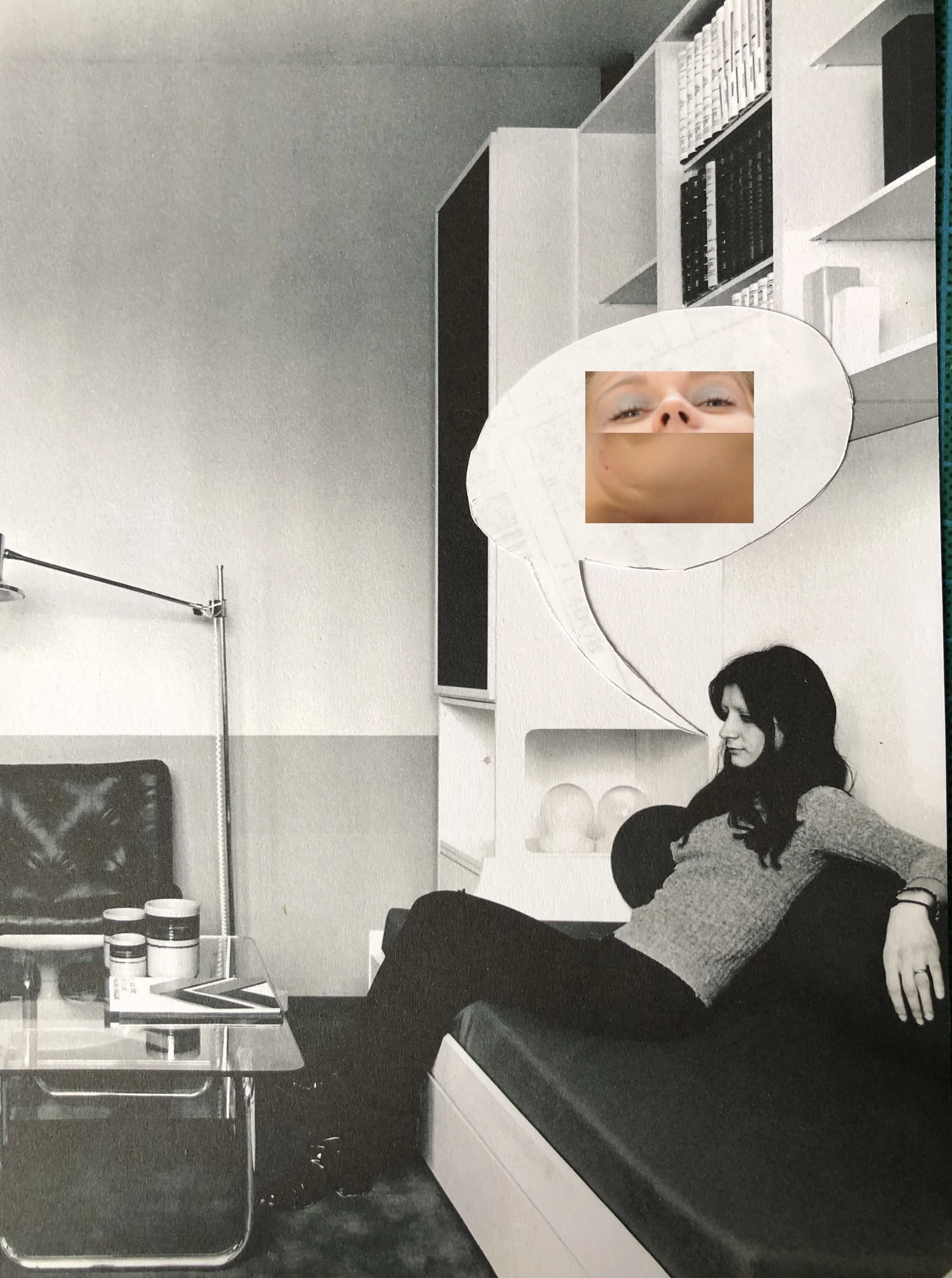
Chiacchiere intime dietro la porta marchiata Privato.
Il capo sapeva che cazzeggiavamo e basta, ma ci pagava comunque.
Quindi per la prima settimana di settembre abbiamo preso a nolo uno yacht. Il programma è di salpare per Ibiza. La navigazione a vela non può essere così difficile se ne sono capaci i ricconi.

Poussy ogni tanto ha nostalgia di casa, e del babbo severo.
“Guarda che luna… “
***
What We Did All Summer Long

Back in the good ol’ days…
We didn't have enough money for a vacation. We didn't have any money, period.
Not too long ago, men used to invite us to their beach mansions, and took us to fancy resorts on their yachts. All we had to do was wear bikinis. That's gone.
So if we wanted us some beach-time fun and some sun on our skins, we were gonna have to work for it.

Summer fun depends on your attitude, Miss!
We got in the car and drove to Rimini. The manager of the Hotel Gambrinus took one look and hired us en masse as housemaid female factotums. No one else had answered his Help Wanted ads.
Reservations were way down. The weather forecasts all said the same thing: not beach weather.
The rain started in early July, and the big black clouds made it clear they weren't going nowhere until they had nothing left to dump. The sky, the sand and the sea looked like an infinite sloshing trough of wet cement.

Phrenya needs some sun, bad!
There wasn't much to do, but we couldn't just sit around the lobby and wait for guests to show up, for something to happen. We were in dire danger of death by boredom, yikes!
Intimate discussions behind the green door marked, “Private”.
We invented our own fun summer with a Polaroid camera we found in the bottom of a closet in one of the empty rooms, and the photocopier in the Manager's office. Oh and some funny and/or sexy clothes from the hotel's Lost & Found locker.

“It’s a sin to waste a whole summer on daytime TV shows.”

“Aw c’mon, there’s good documentaries on now and then.”
The boss knew we were just goofing off, but he paid us anyway.
We’ve rented a yacht starting the first week of September. Our plan is to set sail for Ibiza. Navigation can't be all that hard, if rich guys can do it.

Maybe we can sell our barely-worn beach-wear on eBay in October.

One Man's Treasure, by Jay Kiel
My first night shift at the front desk landed on a Saturday.
The bellhops were busy satisfying all kinds of needs for the annual Fathers Against Pornography convention.
Each of these upstanding crusaders seemed to have a scantily clad niece or nephew who could only find time in their busy schedules to visit late at night.
In the wee hours of the morning the FAP stalwarts turned out their visitors and filed en masse into scalding hot showers to wash away their sins, Silkwood style.
The sudden overload on the boilers caused an explosion around 4am, just before the morning rush. I sent one of the 'hops into the basement to report on the damage.
He came back to my desk wide eyed and sweaty. "There's water everywhere. Better call the plumber, and the Day Manager too," he said. I turned to grab the phone but he continued standing there shifting his eyes to the carpet and back again.
"Is there something else?"
"The brick wall behind the boiler is cracked. I think there's something back there. A room. Walled up and sealed off."
Maybe his mind went to the same place mine did; casks of amontillado and serial killer trophy rooms.
Who knows what horrors lurk in hotel basements^
The truth was more benign but no less interesting. When the plumber arrived he knocked down the mysterious wall with a single push, so badly had it been damaged.
Inside was a dusty cot, a nightstand and lamp, and a thick diary jammed with notes and clippings.
On the far wall there was a large assortment of odd items. They were pinned to a pegboard and carefully labeled with little white tags.
I sat there after my shift, waiting for the Manager to arrive, and read the diary.
This was the secret domain of Jimmy "The Mouth" LaRue, Night Porter from 1901 to 1932.
A mouth is a versatile instrument, or tool.
As a handsome young man, Jimmy had been offered cash for a certain service by a lonely Bible salesman.
Soon he was racking up big tips as word spread through the grapevine that Jimmy would suck you off for a crisp ten-dollar bill.
Jimmy made it his business to ply his trade on every famous name that walked through our doors.
Soon he had a wall of souvenirs from many well-known personalities.
I went to Jimmy's wall and examined the tags. A jockstrap belonging to Eugen Sandow, dated July 10th, 1906. A crusty sock that had once mopped up the load of James Joyce in 1922. A cockring autographed by Clyde Tolson in September of 1930.

Action speaks louder than words, at times when speech is impossible.
The collection went on and on. Many of the names I did not recognize.

Speaking in tongues, in a basement.
At the end of the diary Jimmy lamented that he had grown too old for the game. "Nobody wants a bit of French from a 50 year old rummy."
On the last tear-stained page he vowed to seal up his little museum forever.
When the Day Manager showed up, he went apoplectic.
I tried to tell him Jimmy's stuff belonged in a museum, but he wouldn't hear it. I said we should at least call the local college or something.
He wouldn't listen. He grabbed a bin and piled Jimmy's treasures inside, then lugged them over to the furnace, where they were used to heat the rooms of the gentlemen from FAP.
Better to go down in a blaze of…
***
Il tesoro di un uomo, di Jay Kiel
Il mio primo turno di notte alla reception è iniziato di sabato.
I fattorini erano impegnati a soddisfare ogni tipo di esigenza per la convention annuale dei Padri Contro la Pornografia.
Ognuno di questi onesti crociati sembrava avere un nipote o una nipote in abiti succinti che, nonostante i loro impegni, riusciva a trovare il tempo solo per far visita a tarda notte.
Nelle prime ore del mattino i fedelissimi del PCP facevano uscire i loro ospiti e si riversavano in massa sotto docce bollenti per lavare via i loro peccati.
L'improvviso sovraccarico delle caldaie causò un'esplosione intorno alle 4 del mattino, poco prima dell'ora di punta. Mandai uno dei fattorini in cantina a segnalare i danni.
Tornò alla mia scrivania sudato e con gli occhi sgranati . "C'è acqua dappertutto. Meglio chiamare l'idraulico e anche il direttore diurno", disse. Mi voltai per prendere il telefono, ma lui rimase lì fermo, spostando lo sguardo sul tappeto e poi di nuovo su di esso.
"C'è qualcos'altro?"
"Il muro di mattoni dietro la caldaia è crepato. Credo che ci sia qualcosa laggiù. Una stanza. Murata e sigillata."
Forse la sua mente andò nello stesso posto in cui ero andata io: barili di amontillado e stanze dei trofei di serial killer.
La cantina dai ricordi che sussurrano.
La verità era più benigna, ma non meno interessante. L'idraulico arrivò e abbatté il misterioso muro con una sola spinta, tanto era danneggiato.
Dentro c'erano una brandina impolverata, un comodino e una lampada, e un grosso diario pieno di appunti e ritagli.
Sulla parete di fondo c'era un vasto assortimento di oggetti strani. Erano appesi a un pannello forato e accuratamente etichettati con piccole etichette bianche.
Mi sedetti lì dopo il mio turno, aspettando l'arrivo del direttore, e lessi il diario.

POMeriggio al PIano sotterraNeO
Questo era il regno segreto di Jimmy "The Mouth" LaRue, portiere di notte dal 1901 al 1932.
Quando era un bel giovane, a Jimmy era stato offerto denaro per un certo servizio da un solitario venditore di Bibbie.
Ben presto cominciò ad accumulare mance consistenti, mentre si diffondeva la voce che Jimmy te lo avrebbe succhiato per una banconota da dieci dollari.
Jimmy si dedicò a fare il suo lavoro con ogni personaggio famoso che varcava la soglia del nostro hotel.
Ben presto si ritrovò con una parete di souvenir di molte personalità note.
Un altro punto di vista.
Andai alla parete di Jimmy e esaminai le etichette. Un sospensorio appartenuto a Eugen Sandow, datato 10 luglio 1906. Un calzino incrostato che un tempo aveva asciugato il carico di James Joyce nel 1922. Un cockring autografato da Clyde Tolson nel settembre del 1930.
La collezione continuava all'infinito. Molti dei nomi non li riconoscevo.
Alla fine del diario Jimmy si lamentava di essere diventato troppo vecchio per il gioco. "Nessuno vuole più farselo succhiare da un ubriacone cinquantenne."
Nell'ultima pagina macchiata di lacrime giurò di sigillare per sempre il suo piccolo museo.
Chi ha dato ha dato, chi ha avuto sta zitto.
Quando si presentò il direttore diurno, andò su tutte le furie.
Ho provato a dirgli che le cose di Jimmy dovevano essere esposte in un museo, ma non mi ha ascoltato. Ho detto che avremmo dovuto almeno chiamare l'università locale o qualcosa del genere.
“Taci,” disse. Prese un bidone e ci mise dentro i tesori di Jimmy, poi li trascinò fino alla caldaia, dove vennero usati per riscaldare le stanze dei signori della PCP.
Non rimane nulla da dire.

Stills from "Andy Warhol's Hotel"
“Hey! This is supposed to be drug rehab, not the Nympho Ward!”/”Ehi, questo è il reparto riabilitazione dalle dipendenze, non il reparto ninfomani!”
He'd already done skyscrapers, blowjobs, heat, trash, flesh, and Dracula. Amusing little films, in their affectedly blasé way, but nothing Hollywood had to worry about, in box-office terms.
“Oh yeah? Just so happens I’m a famous underground movie star and I can do whatever I want.”/”Ah sì? Si dà il caso che sono una famosa stella del cinema underground, quindi faccio come mi pare.”
Commissioned portraits of businesspeople and socialites weren't exactly flying off the silkscreen machine. Collaborations with young artists on the rise hadn't worked out as planned. What does a famous artist have to do to stay famous?
Get back to his dirty roots, usually. 'Oh, uhm...might as well try, I guess.'

(Everyone was shooting speed, in those days.)/(Tutti si iniettavano anfetamine, a quei tempi.)
Hotel took an afternoon to shoot, and cost whatever Chinese take-out cost, back in those days, including a tip for the delivery boy.
The cast? Bored unknowns with exhibitionistic tendencies and no illusions about stardom.
Why build a set? There's a whole city full of hotels out there. Reserve a room, and take it off our taxes.
Script? Too complicated. We improvise.
“Here, lemme help you spread the word.”/”Ti aiuto a spargere la voce, anzi a spalancarla.”
Somehow, the thing clicked. There was a freshness to the production, a feeling of freedom and insouciance regained. The action popped.
Andy Warhol might've seen a John Waters movie or two at that point. It's possible he was influenced by a director who'd been heavily influenced by him. Hotel could've been a comedy
The crew ran out of ideas about what to shoot next just about the time that Studio 54 usually opened its exclusive swinging doors.
"Uhhhh...that's a wrap?"

“So this is drug rehab, huh? Didn’t say nothin’ about drinking. So drink up.”/”Saremmo nel reparto anti droga? Allora va bene bere. Bevi!°
Sadly, a trip to the hospital for a routine gall-bladder operation closed Hotel down, permanently.
The unedited reels are still in a can, somewhere.
“You first!”/”Prima te!”
***
Fotogrammi da Andy Warhol's Hotel
“Hey, what’s goin’ on in here? I’ve been waiting an hour to get my tattoos removed.”/”Cosa succede qui? È da un’ora che aspetto di farmi asportare i tatuaggi.”
Aveva già fatto grattacieli, pompini, calore, spazzatura, carne e Dracula. Quei film erano divertenti, al loro modo volutamente indifferente, ma non erano nulla di cui doveva preoccuparsi Hollywood, in quanto agli incassi.
“We’ll be right with you, sir.”/”Tra poco saremo liete di servirLa, signore.”
I ritratti commissionati dai VIP non vendevano più. Le collaborazioni con giovani artisti emergenti non avevano funzionato secondo i programmi. Cosa deve fare un artista famoso per restare famoso?
Di solito torna alle proprie zozze radici. "Oh, ehm... tanto vale provare, no?"
“Didn’t we already meet at Studio 54?”/”Ma non ci eravamo già visti a Studio 54?”
Hotel ha finito di girare in un solo pomeriggio, e costò quanto costava a quei tempi farsi consegnare cibo cinese, inclusa una mancia per il fattorino.
Il cast? Una manica di individui annoiati e non illustri con tendenze esibizioniste e senza illusioni in quanto a diventare delle stelle.
Costruire un set? Ma se siamo in una città piena di hotel. Ci prenotiamo una stanza e la scaliamo dalle tasse.
Sceneggiatura? Troppo complicato. Si improvvisa.

“Speed makes me so uninhibited.”/”L’anfetamina mi disinibisce di brutto.”
Durante le riprese c'era per aria una rinfrescante sensazione di libertà e noncuranza riconquistate. Hotel sarebbe stato un film ironico, comico, scandaloso. Andy Warhol forse aveva visto qualche film di John Waters a quel punto, e si sarà lasciato influenzare da un regista che lui stesso aveva influenzato parecchio.
L'intera troupe aveva finito le idee proprio all'ora in cui Studio 54 apriva le esclusive porte.
"Ehmmm...per oggi basta?"
“Everyone’ll think I copied this from Salvador Dali.”/”Tutti crederanno che l’abbia copiato da Salvador Dali.”
Purtroppo un banale intervento alla cistifellea chiuse per sempre Andy Warhol’s Hotel.
Le bobine ancora da montare staranno in una pizza d'alluminio da qualche parte.

“Fuck art, let’s eat.”/”Affanculo l’arte, si mangia.”

L'hotel dalle insegne allegre
Un pittore d'insegne americano ha trasformato una manualità commerciale in trascendenza. Mettendo insieme cose che ordinariamente non dovrebbero stare, gli ha dato un'apparenza di iperrealtà. Un'arte non per tutti, ma impossibile da ignorare.
Rischiando di rompermi l'osso del collo, cercai di rendere ammiccante l’esterno dell'Excelsior. L'ispirazione e il modello erano la bocca della sindaca. Non ero sicuro che ne sarebbe stata contenta.
Dovevo convincerla che il suo paesino dei fantasmi non aveva bisogno di tutta quella gente nelle automobili che saettavano tra le città a nord e a sud. Bastavano le persone giuste.

Anche le insegne vogliono fare amicizie.
Non è possibile che tutti condividano gli stessi gusti. Ci vuole perspicacia e pazienza.
Lei con la pazienza aveva raggiunto il limite. Disperava. Finché una vecchia berlina Mercedes-Benz si fermò davanti all'hotel e ne uscì un gentiluomo anziano. Si mise in testa il cappello sformato, sistemò la cravatta e fece il giro della macchina per aiutare a scendere una dignitosa signora, presumibilmente sua moglie. Lei si ravviò i capelli candidi e risistemò la gonna altrettanto bianca.
Gli esseri umani non sono fatti per stare in macchina per lunghi tratti.
Mano nella mano, entrarono nell'Excelsior. "Abbiamo visto la suggestiva insegna," disse l'uomo al cameriere. “Il ristorante è sempre aperto?”
Il cameriere era contento di ricordarsi cosa doveva fare e come comportarsi con gli ospiti. Tutto l'Excelsior sembrò risvegliarsi da un coma quando spinse le porte a battente per passare in cucina a dare le ordinazioni.
L'attempata coppia parlava sommessamente mentre venivano preparate con grande calma le loro tagliatelle.
Il pasto li ha convinti a modificare il loro programma di viaggio, di passare la notte all'Excelsior anziché proseguire di fretta verso la metropoli settentrionale dove risiedevano.

Argento vivo a quattro ruote.
Non effettuarono il check-out la mattina dopo. Chiesero invece delle rate settimanali all'hotel dalle insegne che sorridono.
Forse la loro veneranda automobile ha fatto da calamita. Il parcheggio dell'Excelsior man mano si riempì, come anche le sue stanze, e le tavole del ristorante attiguo.
Un segnale umano brillava da tra gli alberi, appena visibile dall'autostrada sempre più intasata. La luce non infastidiva gli uccelli che migravano per le vie del cielo. I fantasmi dei paesini lungo la tortuosa stradina collinare emettevano pallidi bagliori mentre aspettavano la resurrezione in tempi più tranquilli.

Un hotel rinato e dispettoso.
***
The Happy Sign Hotel
An American sign-painter turned his commercial skill into transcendence. He put things together that don't ordinarily belong, and made the whole look realer than real. An art that's not for everyone, but impossible to ignore.
Risking a broken neck, I tried to make the Excelsior's signage more inviting. The inspiration and model was the mayor's mouth. I wasn't sure she'd be pleased.
A big part of the job was to convince her that her town didn't need all the people in those cars that rushed and roared between big cities to stop at her little ghost town's hotel. Just the right ones.
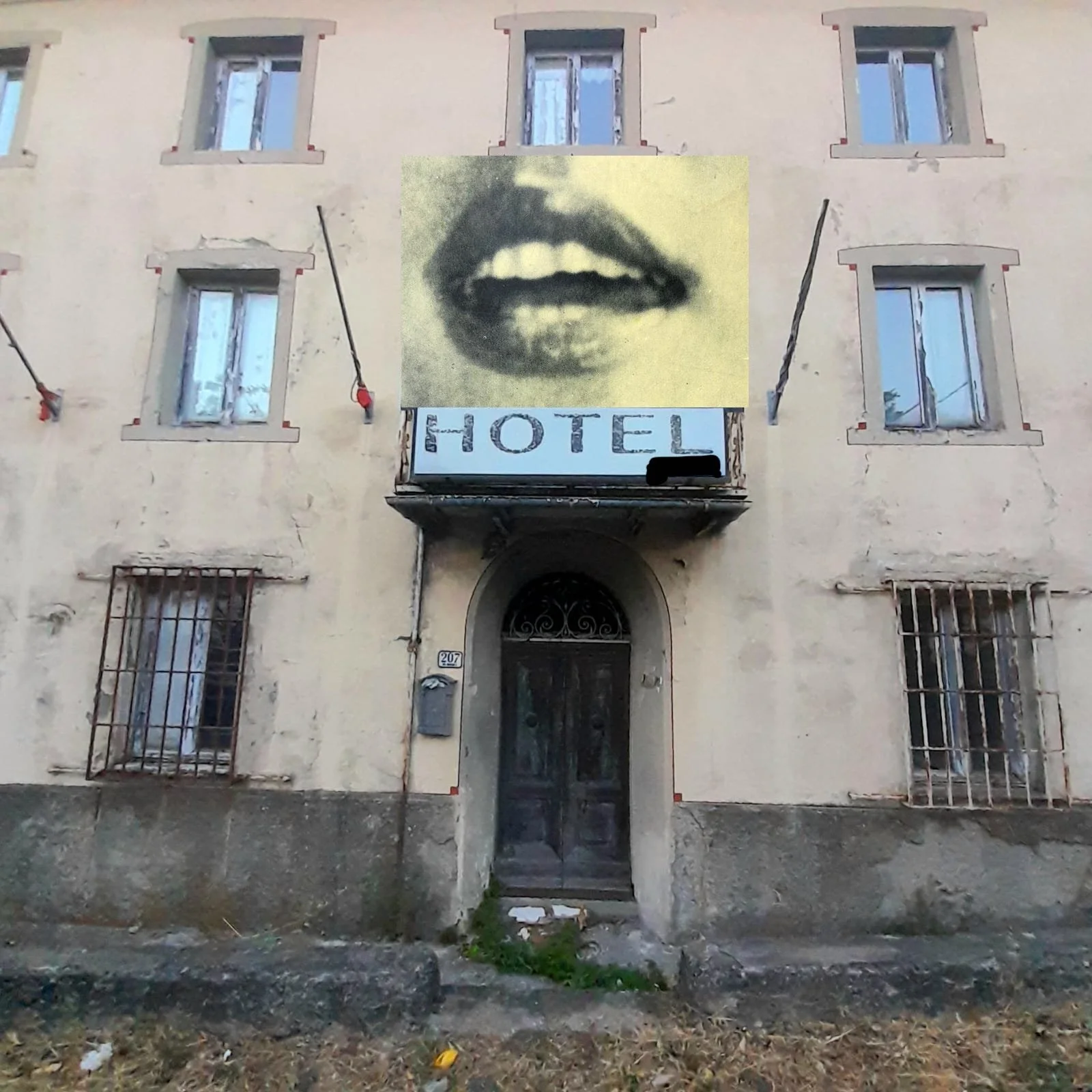
Hotels want to make friends too.
Can’t expect everyone to share the same tastes. Got to be somewhat discerning, and patient.
She’d run out of sufferance. She despaired. Until an old Mercedes-Benz sedan pulled up to the hotel and an elderly gentleman got out. He put on his battered hat, straightened his tie and walked around the car to help an stately woman, presumably his wife, alight. She adjusted her snowy hair and pulled at her dazzling white dress until it sat properly again.
Human beings aren't designed to sit in automobiles for long stretches.
Hand in hand, they entered the Excelsior's restaurant. "We saw your alluring sign," the man told the waiter. “Can we have lunch here?”
The waiter was glad he remembered what to do and how to behave with customers. The Excelsior seemed to awaken from a coma when he shoved the swinging doors and entered the kitchen to place their orders.
The elderly couple spoke to each other quietly while they waited and waited for their tagliatelle.

A silver steed for a couple’s golden years.
The meal moved them to alter their travel plans, to spend the night instead of pushing on to the northern metropolis they called home.
They didn't check out the next morning, asked instead about the Laughing Hotel's weekly rates.
Perhaps their venerable well-maintained car was the magnet. The parking lot gradually filled, as did the hotel's rooms, and the restaurant's tables.
A human sign shone through the trees, barely visible from the highway. The light didn't bother the birds who migrated overhead. The ghosts of small towns along the winding road echoed a pale glow as they awaited resurrection in slower times.
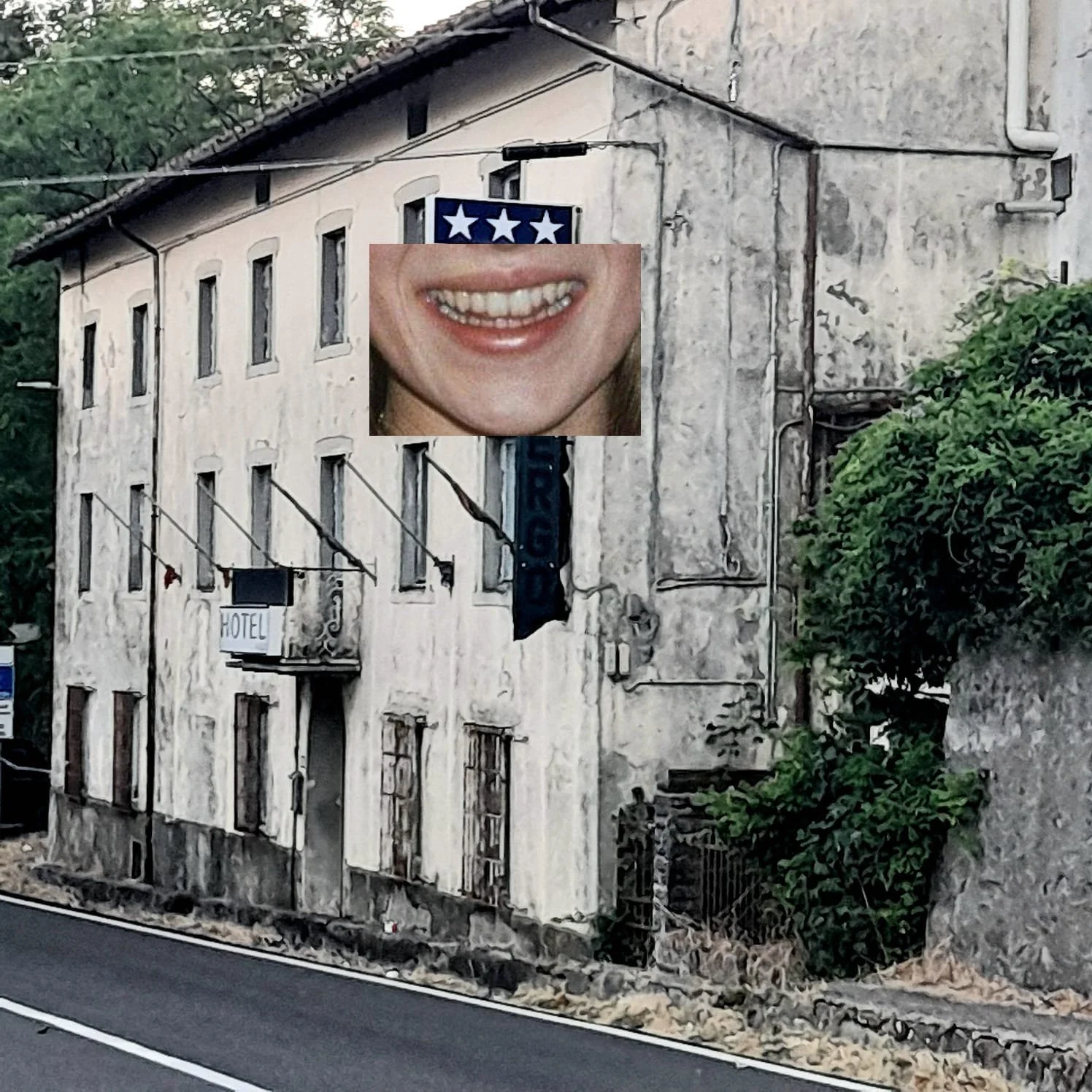
Signs of a positive re-birth everywhere you look.

L'hotel dalle finestre che ridono
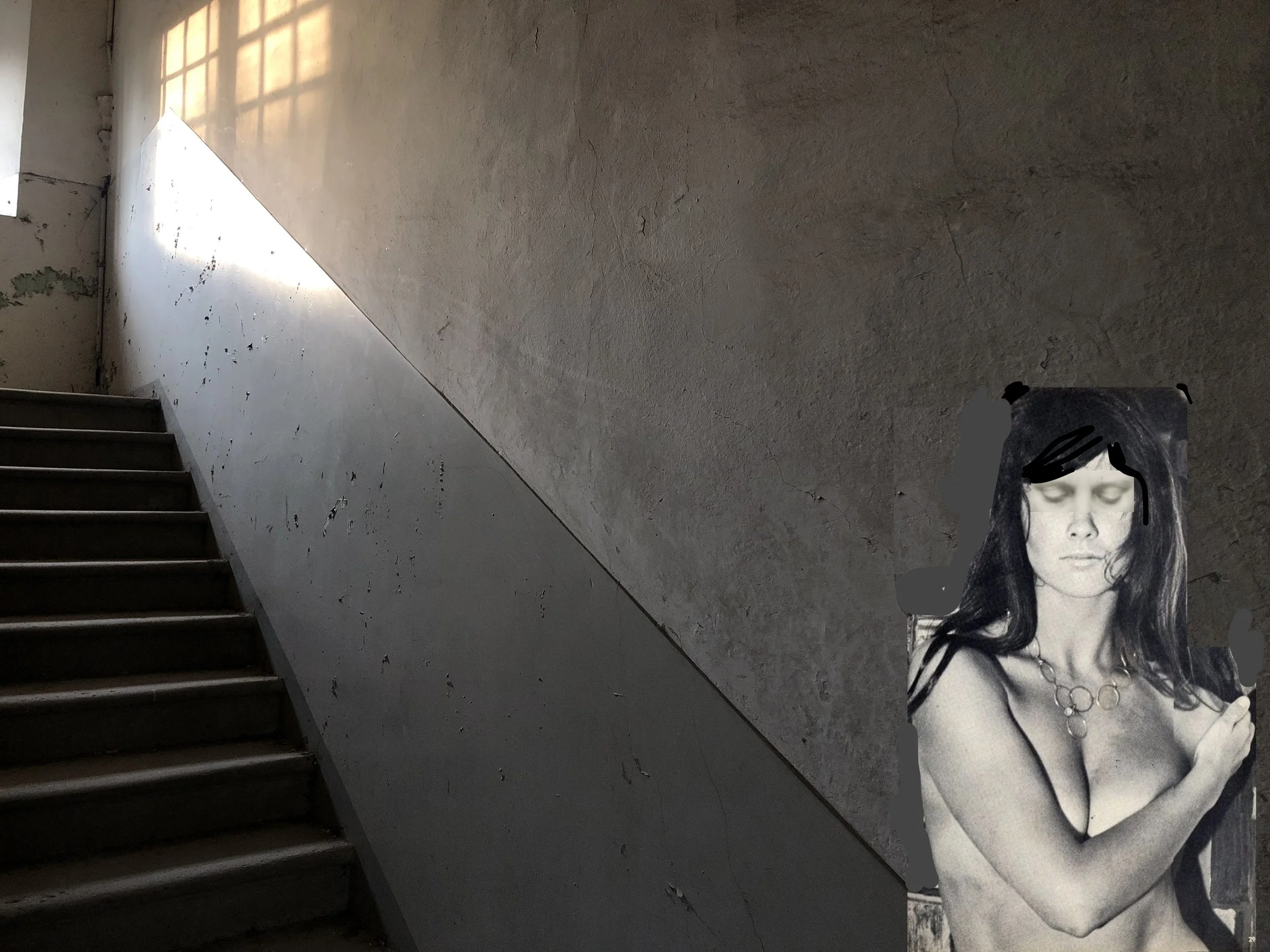
“Venga, adesso le faccio vedere una delle nostre camere,” disse la sindaca.
La stanza era arredata in modo spartano, rallegrata soltanto dall'abbondante luce naturale. Niente televisore.
L’ampia finestra incorniciava un panorama di foreste. La porta di vetro dava su un balcone dove una persona si poteva sedere e fare finta di essere immersa nella vegetazione circostante. Entrò un profumo di pino, e una farfalla gialla.
Il letto era coperto da un telo contro la polvere, e protetto da una figura religiosa di porcellana appesa a un chiodo. La sindaca controllò le molle della rete. Poi le controllammo insieme e il mondo rallentò, in contrasto col ronzio del traffico in sottofondo.
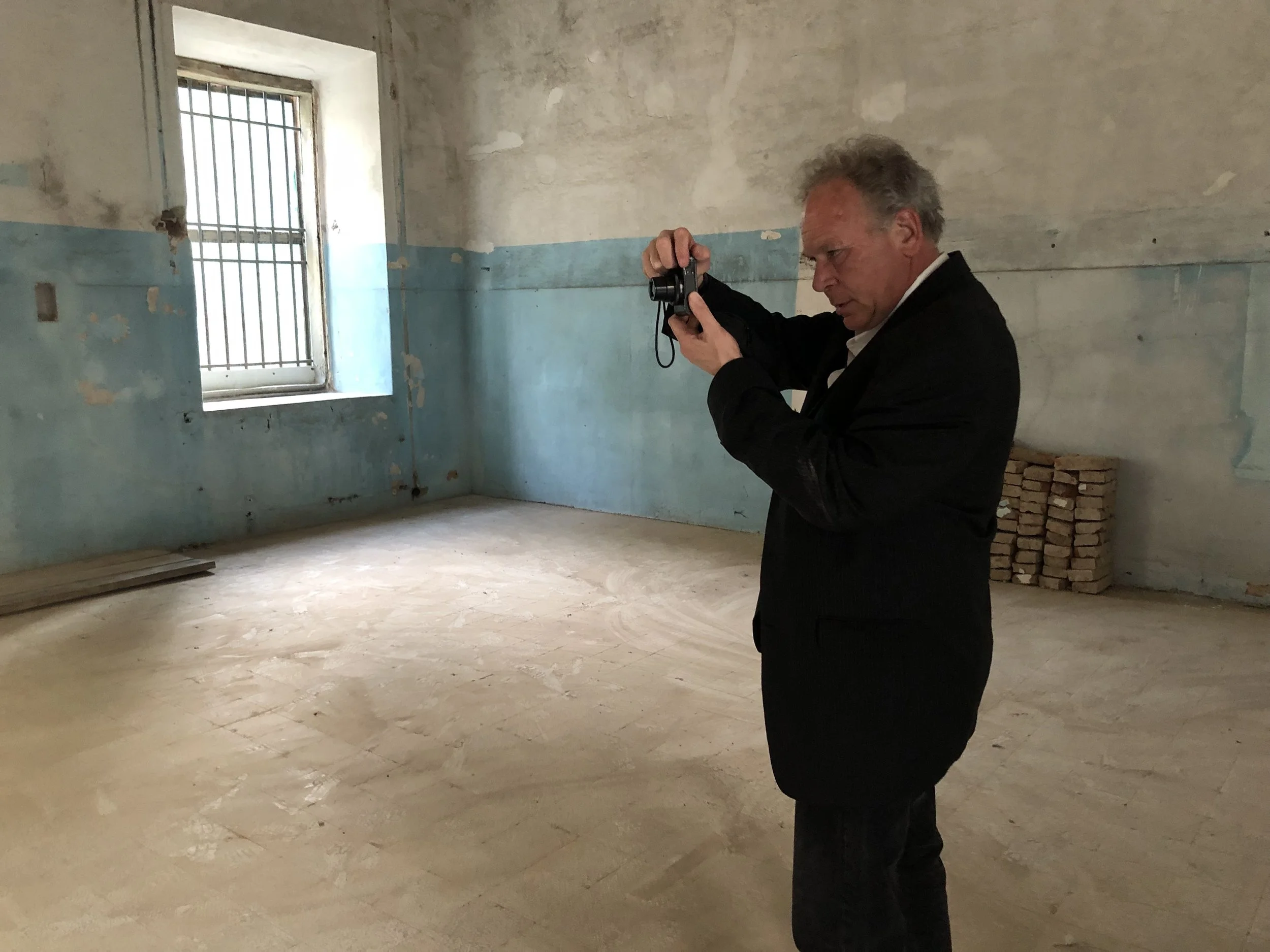
“Bella,” risposi. Volevo documentare la stanza, immortalarla.
La notte ci mise tanto a scendere. La corrente di fari e fanali diventò un flusso vesuviano. Il fumo delle Nazionali che fumava di continuo la sindaca disperse l'odore di motori, e avrebbe scacciato le zanzare se ce ne fossero state.
Dopo l'ora di punta dei pendolari iniziò il concerto dei grilli e ranocchi. Le lucciole si fecero notare sopra i campi non tagliati dall'altra parte della valle.
"È questo che devi vendere," dissi.
Sembrò tradita, offesa . "Sono sindaca, mica una prostituta."
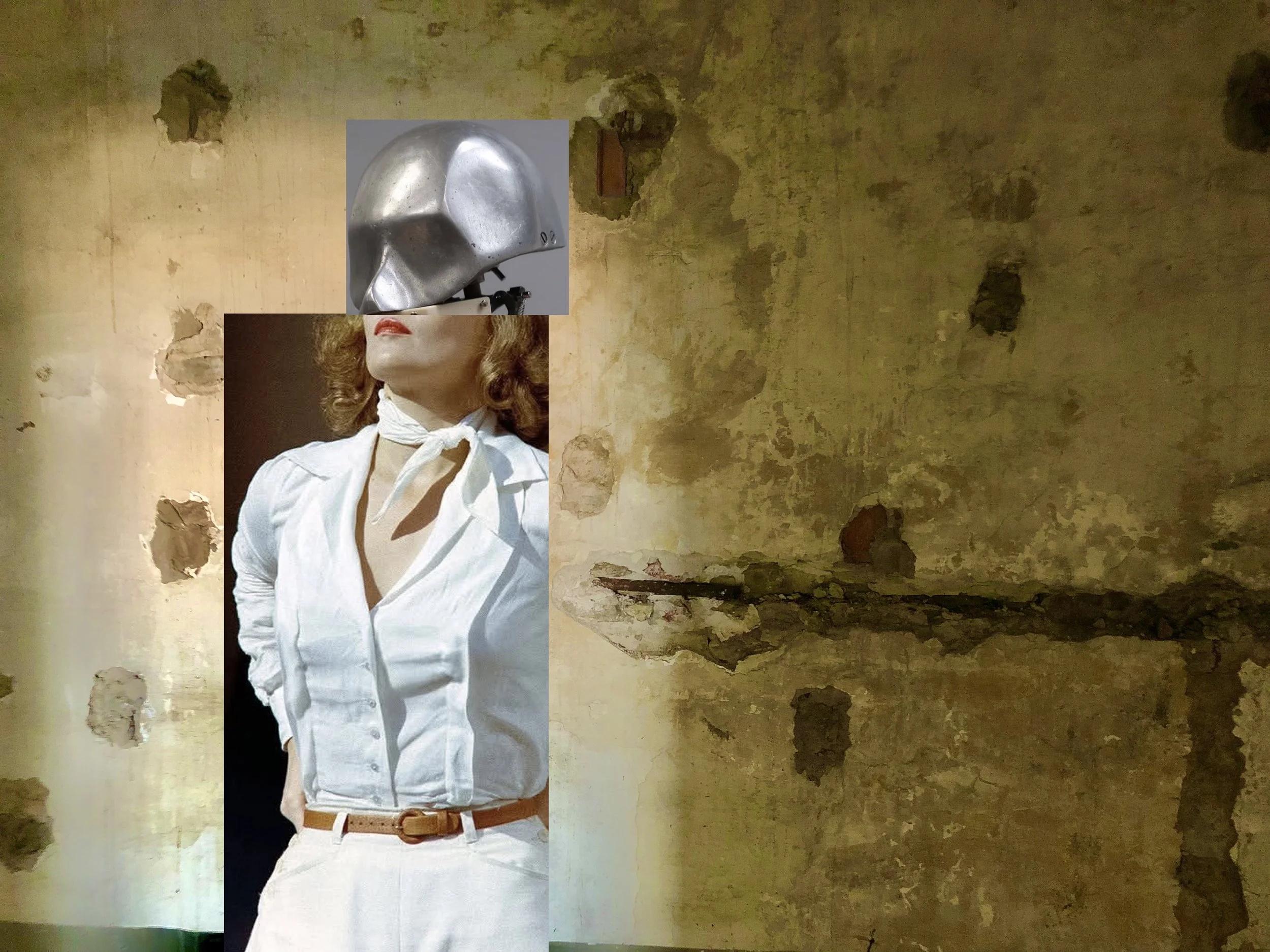
“Come osa insinuare che… “
Ma non stavo suggerendo un cambio di professione, bensì l'idea di una sistemazione accogliente, cui unici fronzoli erano una vista di alberi, gradevole compagnia e un pasto che si avvicinava a uno fatto in casa. Una palla di pasta appiattita e ridotta a tagliatelle da una donna materna dalle forti braccia e infinita pazienza...
"Quando il resto del mondo va avanti a velocità, convenienza e forti sconti bisogna muoversi nell'altra direzione."
"Ci vorrà del tempo," disse lei.
"Appunto. Ma veramente si può fare velocemente. Basterà cambiare il concetto dell'esterno dell'Excelsior."
"Costerà tanti soldi."
"Fammi soggiornare qui e nutrimi. Il lavoro lo farò io. Ho sempre voluto essere pittore."

Nelle zone più silenziose il buio cade inesorabile, inevitabile.
***
The Hotel with the Laughing Windows
The room was sparely furnished, alive with natural light. No television set. The window framed a long view of forests. A glass door led onto a balcony where a person could sit and pretend to be on the same level as the surrounding verdure. The scent of pine came in, and a yellow butterfly.
The bed was covered with a canvas dust-cloth, protected by a porcelain religious image on a nail. The mayor tested the springs. We tested them together. The world slowed down, despite the ceaseless thrum of traffic in the background.
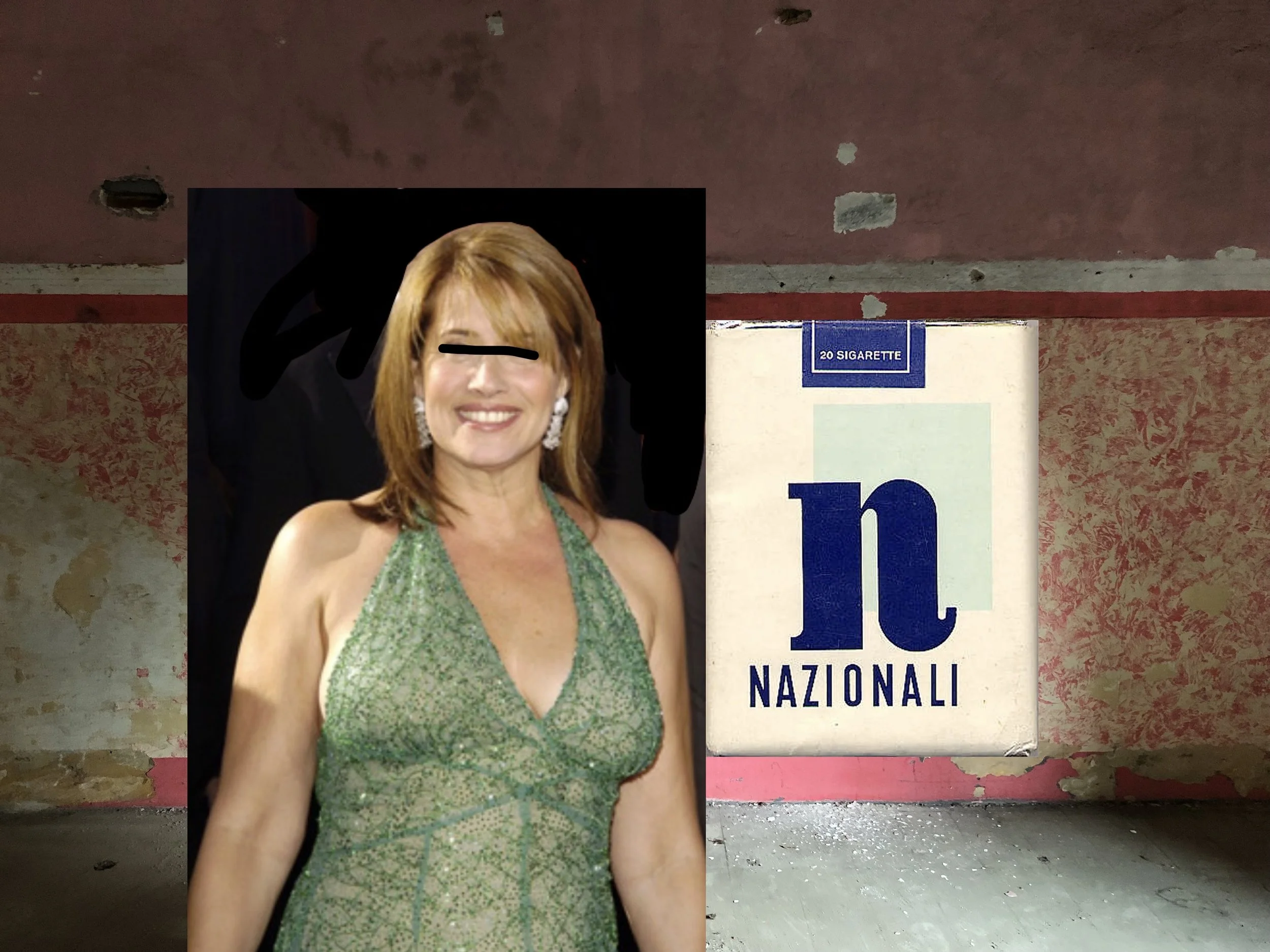
“Mind if I smoke?”
Night came on slowly. The stream of head- and tail-lights became a Vesuvian flow. Smoke from the Nazionali cigarettes she smoked quashed the stink of exhaust, and would've kept the mosquitoes away if there'd been any.
A chorus of frogs and crickets came on as the highway rush hour faded, fireflies leisurely patrolled the unmown fields across the valley.
"This is what you have to sell," I said.
She looked miffed, betrayed. "I'm a mayor, not a prostitute."
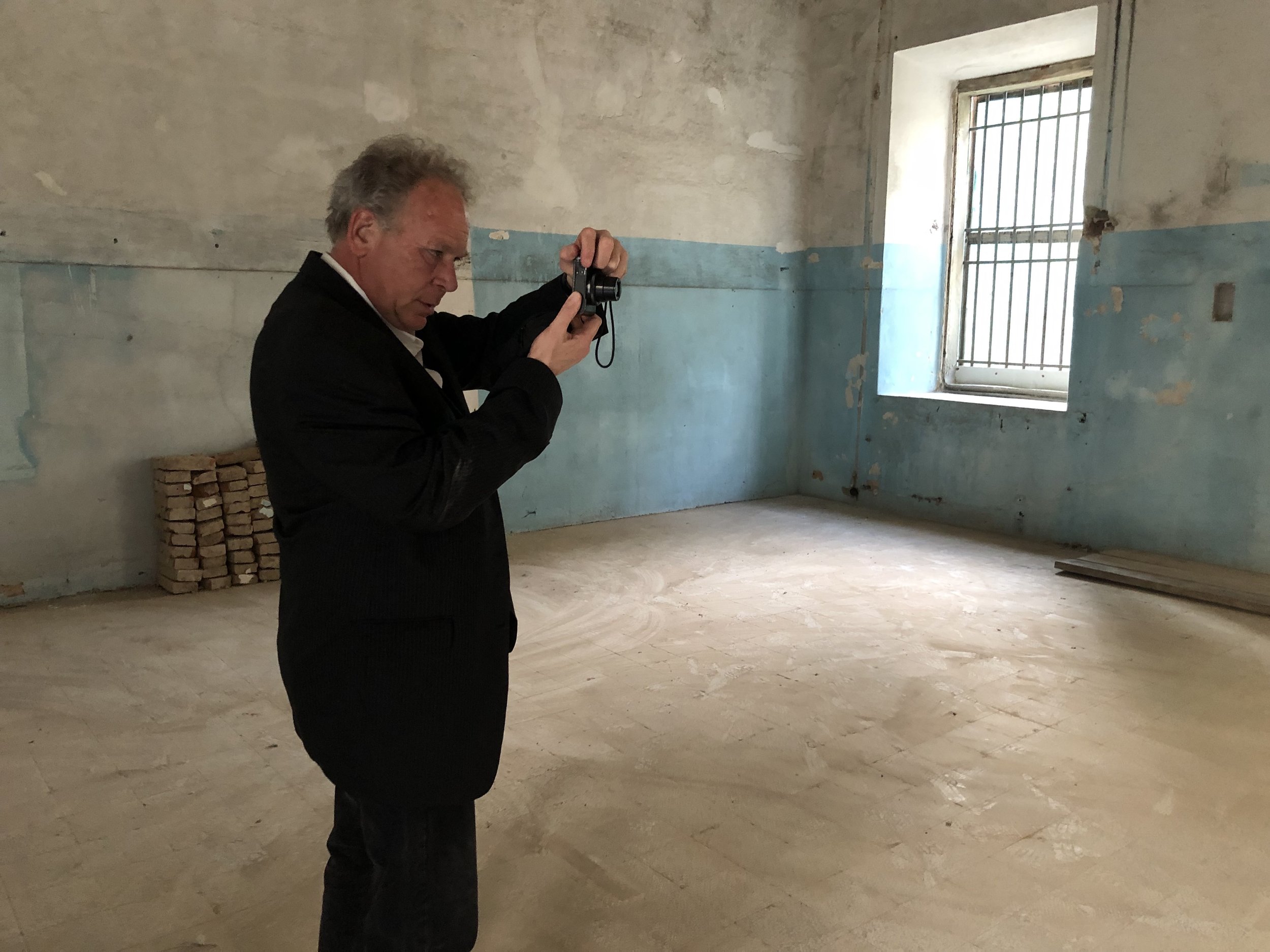
“Nice room you got here,” I said, and quickly documented, immortalized the place.
But I wasn't suggesting a change of profession. I meant the idea of pleasant accommodations whose only frills were a green view, pleasant company, and a meal that approximated something cooked at home. A ball of dough rolled out and cut into tagliatelle by a motherly woman with strong arms and infinite patience...
"When the rest of the world runs on speed, convenience and cheapness, it's time to go the other way."
"This will take time," she said.
"That's the whole point. But it won't, really. All it'll take is a different exterior concept for the Excelsior."
"That will cost a lot of money."
"Let me stay here a while, keep me fed, and I'll do the work myself. I always wanted to be a painter."
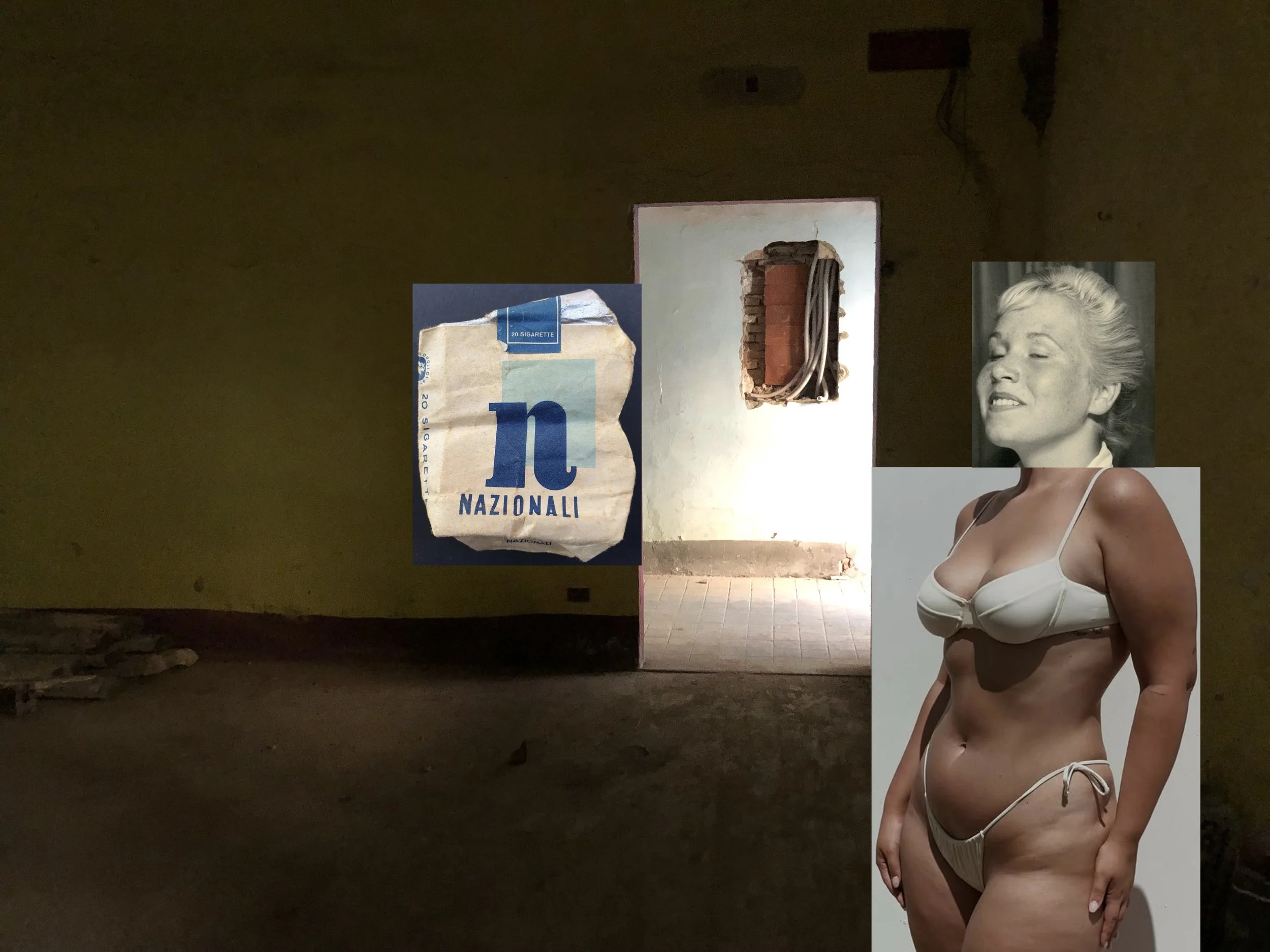
“Smoke gets in your eyes.”

Gli hotel dalle insegne che gridano (per K.K.)
Le autostrade danneggiano la vita dei paesini. Le autostrade brutalmente massacrano, mutilano e smembrano i piccoli hotel.
Sono architetto, specializzato nel settore dell'ospitalità professionale. Di solito mi occupo di ristrutturazioni.
La sindaca di un villaggio in collina tra L’Emilia Romagna e la Toscana mi chiamò per chiedere aiuto. Usava un tono tra l'amichevole e il disperato, una combinazione avvincente.
"Una volta arrivavano corriere cariche di pellegrini, persone anziane che sfuggivano al caldo afoso e l'inquinamento delle città. E anche camionisti. Ora non viene più nessuno. Le macchine sfrecciano vicine a delle velocità assurde e ne prendiamo solo il frastuono, che ci turba il sonno."
"E quindi volete che vi costruisca un hotel?"
Sospirò. "Abbiamo un hotel. Era la nostra principale attrazione. L'Excelsior vantava di un ristorante, un bar, una sala da ballo e da conferenze, persino un casinò. L'autostrada l'ha ucciso."
"Perché? Qual è il movente?"
"E ciò che vorrei tu scoprissi, e se possibile rimediassi."
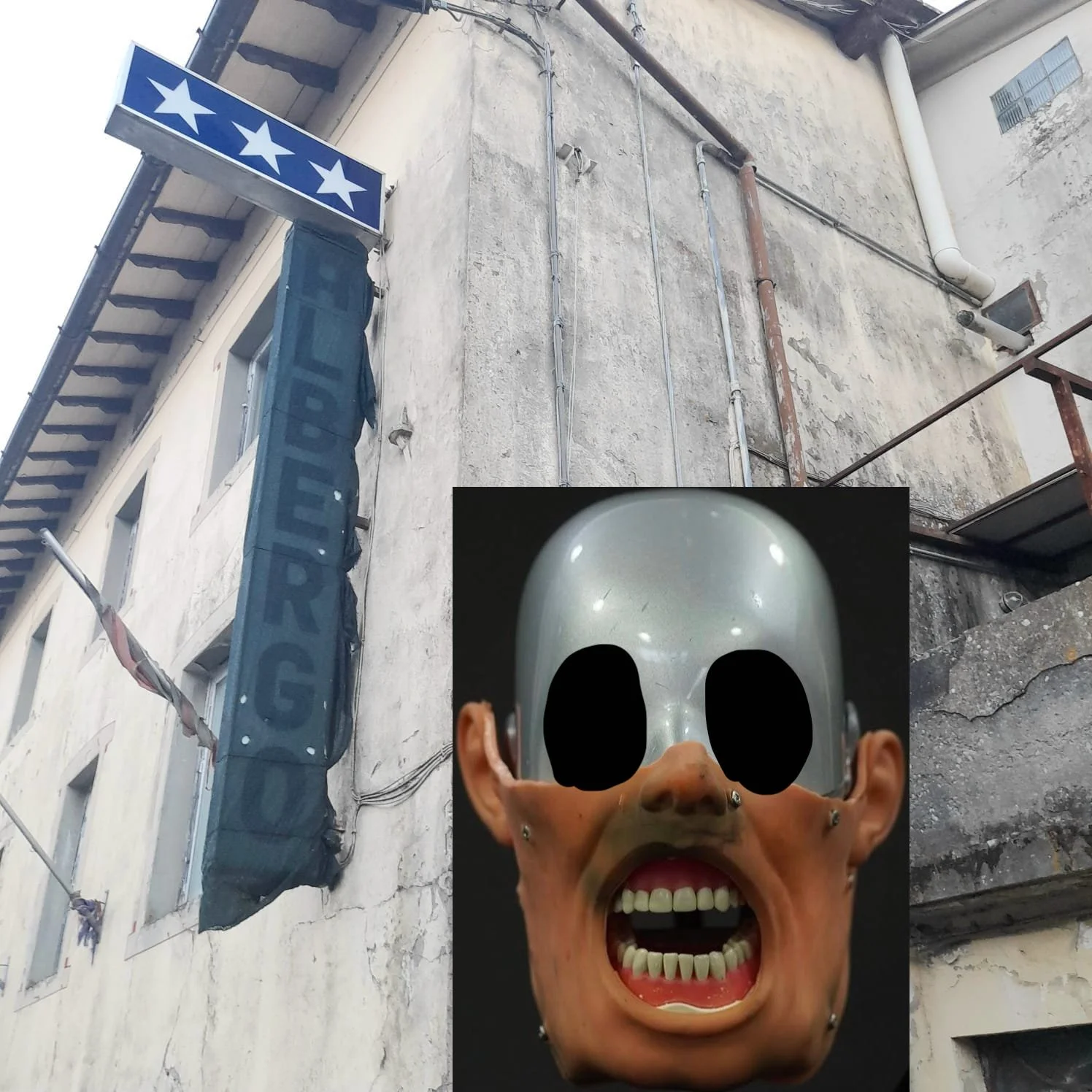
Perché mi hai ucciso?
Guidai per le sinuose stradine della campagna. Le colline erano belle, ma anche un cimitero di hotel grandi e piccoli. Se si potessero riportare a vita sarebbe un bel giro d'affari. Più redditizio di un'autostrada?
Le insegne spente degli hotel fissavano le stradine deserte. Le finestre dalle tapparelle chiuse ridevano. Uno di questi alberghi fece cenno di avvicinarmi. Il parcheggio era cosparso di preservativi usati e crostose siringhe. Le porte basculanti non basculavano più, legate da una catena arrugginita e un lucchetto ancora più arruginito. Sbirciai dentro. La hall era stata colonizzata da nubi di polvere.
Da dietro la cortina al banco della reception emerse una truce risata. Non volevo più stare nel parcheggio del vecchio hotel.
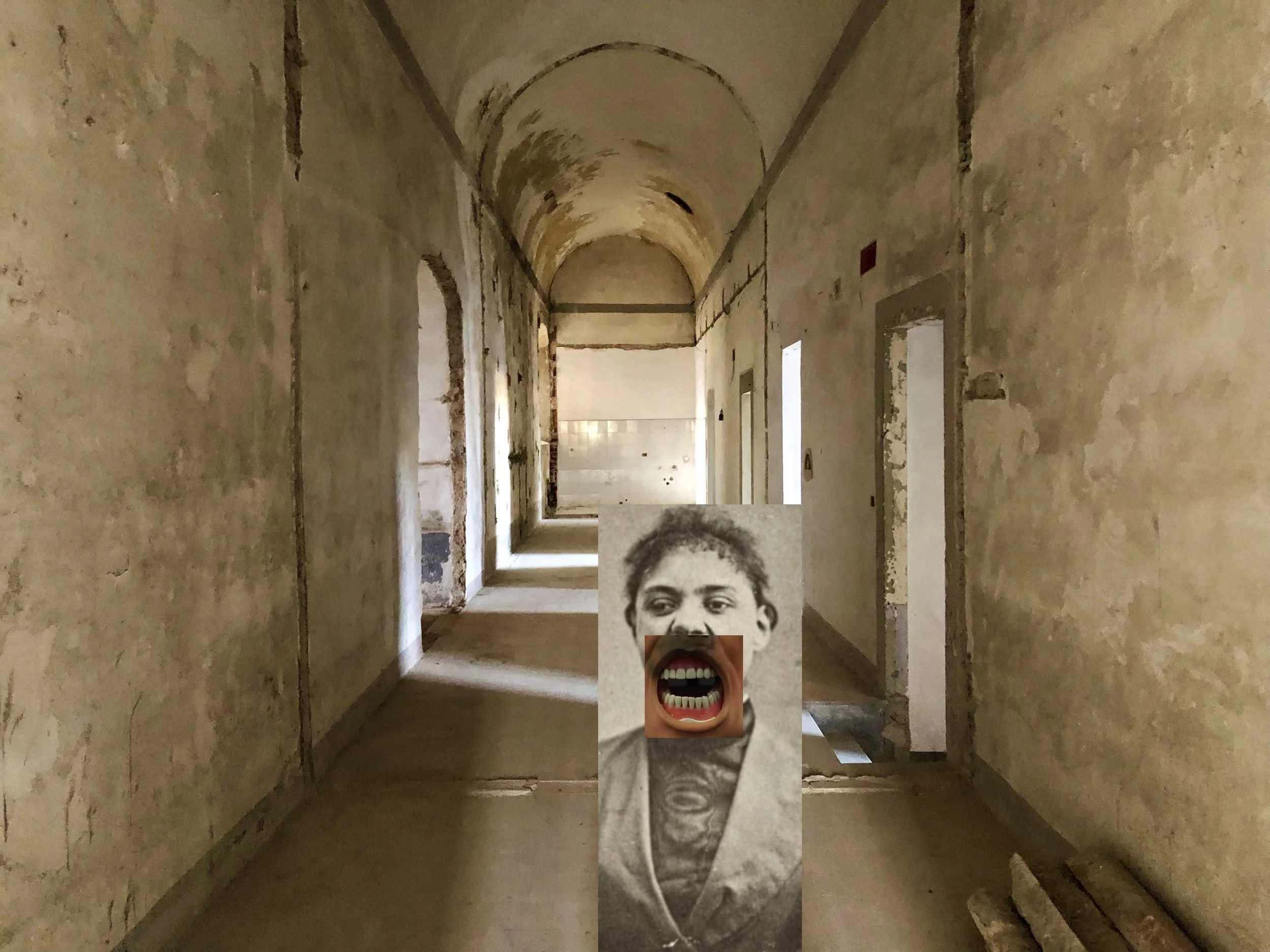
Da dentro si sentì un urlo del silenzio.
La sindaca del paesino defunto aveva organizzato un informale aperitivo al bordo della piscina svuotata dell'Excelsior. I tubi di plastica delle sedie si erano ammolliti, il prosecco era poco frizzante.
"La velocità uccide," disse, facendo eco a uno slogan anti droga di altri tempi. Il problema era chiaro, ma le soluzioni erano ambigue. "Bisognerebbe rendere appetibile la lentezza."
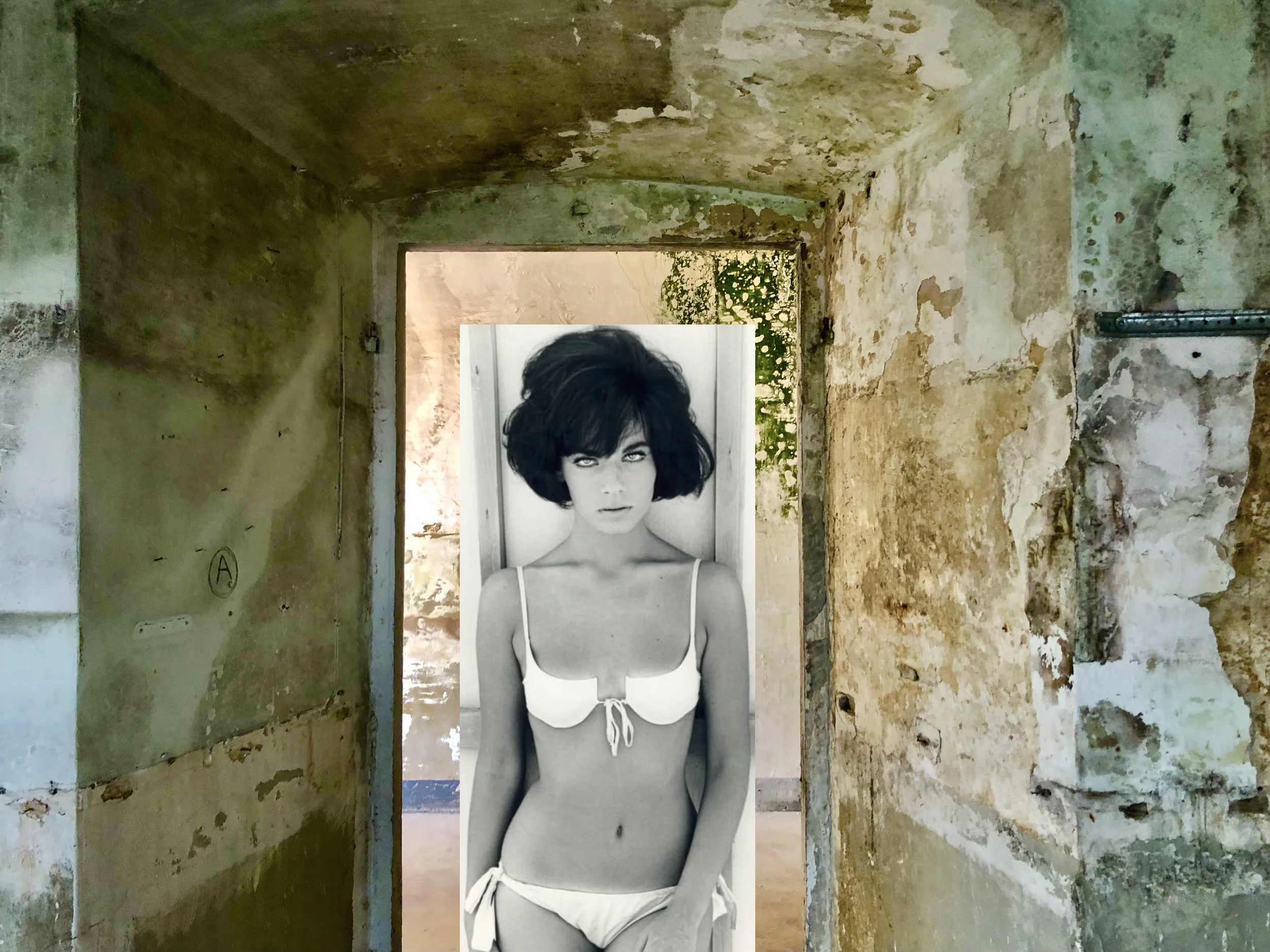
Sindaca di un paesino fantasma, ma pur sempre una sindaca.
La sindaca ci pensò su. Accese una Nazionali senza filtro e abbassò gli occhiali da sole. Tanto il sole era tramontato da un pezzo. Guardò intorno alla desertica piazzetta centrale. "Cosa ci potrebbe essere di più lento?"
L'ultima volta che ero stato a Milano, il cliente mi aveva sistemato in un armadio a cinque stelle, simbolo di efficienza e velocità, e un affronto alla più basilare dignità umana. "Vorrei che Lei mi mostrasse una delle camere di sopra."
Aveva in borsa la chiave universale. La tirò fuori. "Non entrò là dentro da molto tempo."
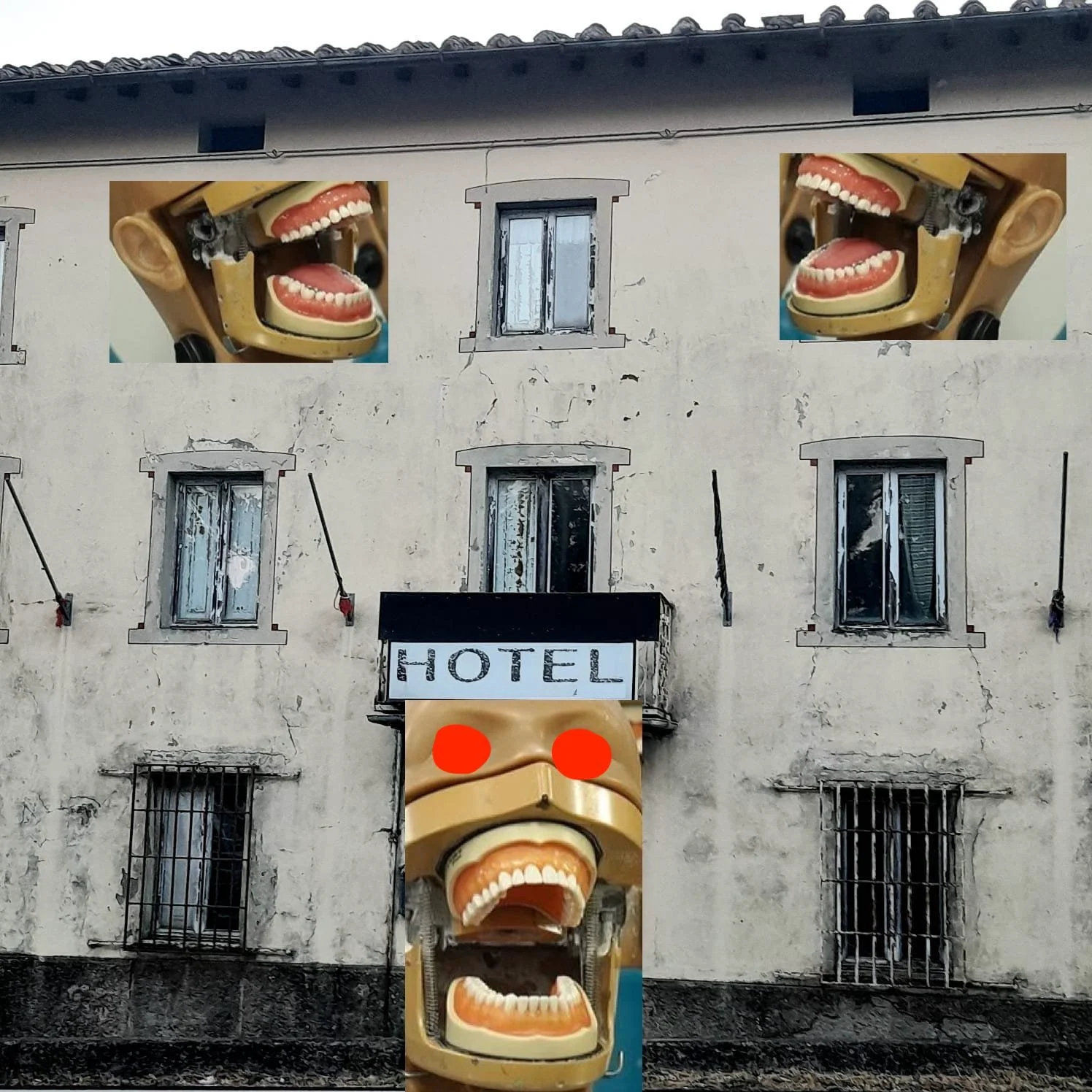
***
Screaming Dead Hotel Signs (For K.K.)
Highways are bad news for small towns. Highways brutally massacre, mutilate and dismember small hotels.
I'm an architect, specialized in professional hospitality. Renovations, mostly. Things'd been slow.
The mayor of a village in the hills between Emilia Romagna and Tuscany called to ask for help. She sounded friendly, and desperate: a winning combination.
"We used to get busloads of pilgrims," she said, "and old people who needed to escape the heat and polluted air of the cities. There were truck drivers, too. Now, no one comes. The cars go by at top speed, only a few hundred meters away, but all we get is the noise, which disturbs our sleep."
"So, you want me to build a hotel?"
She sighed. "We have a hotel. It was our main attraction. The old Excelsior featured a restaurant, a bar, a ballroom/conference center, even a casino. The autostrada murdered it."
"Why? What's the motive?"
"That's what I want you to find out, and if possible, fix."
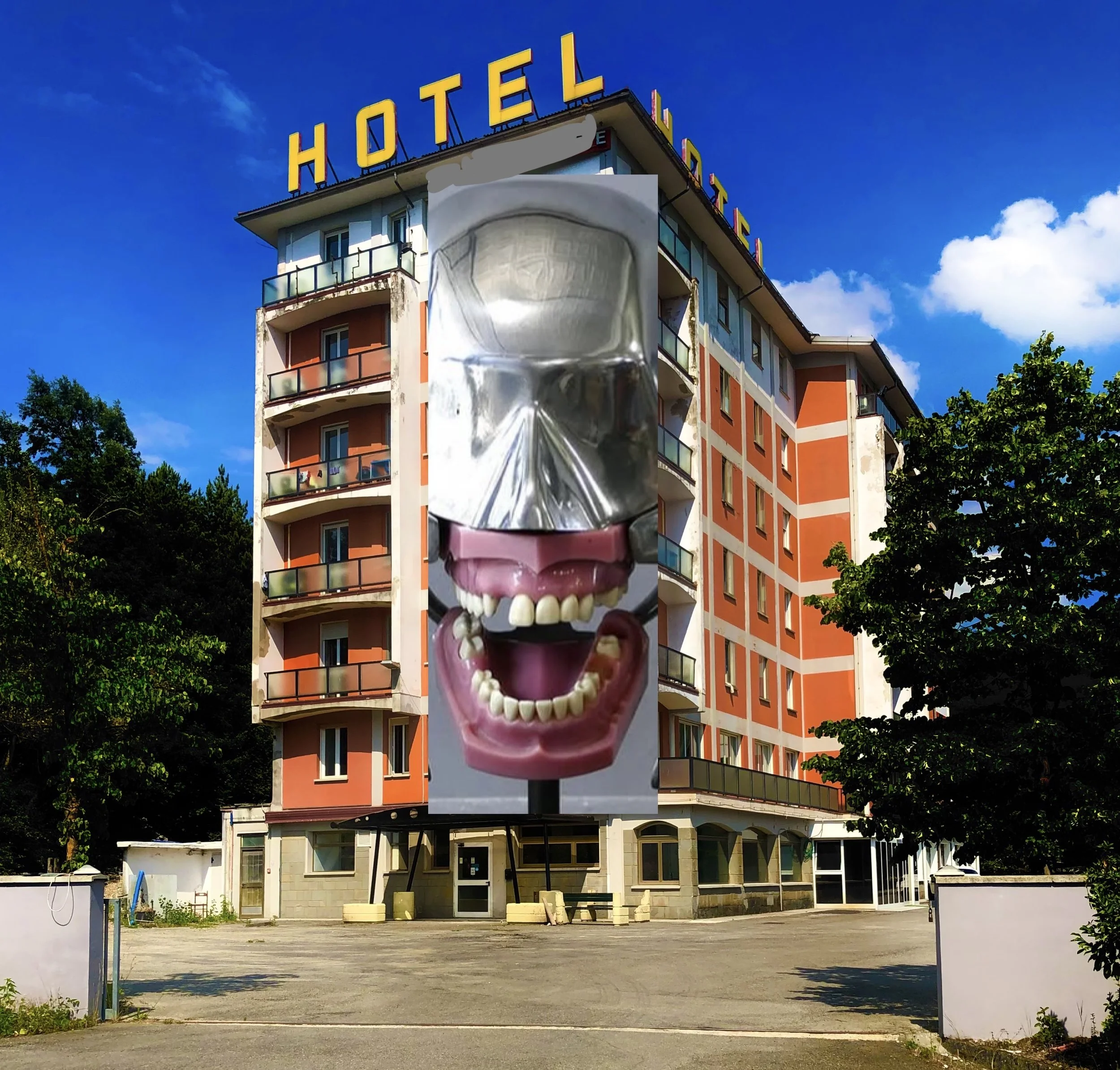
Why did you kill me?
The winding backroads were poorly maintained. The lovely landscape had been turned into a graveyard of hotels small and large. Get 'um going again, and the biz would be big. Bigger than a highway?
The unlit Hotel signs stared. The closed hotel windows laughed.
One of the defunct hostelries seemed to beckon. The parking lot was strewn with spent condoms and crusted syringes. The swinging door was held shut by a rusty chain and even rustier padlock. That door would swing no more. I peered in. The lobby had been settled by a herd of dust-bunnies as big as goats.
Someone in a hallway behind the ruined reception desk laughed, grimly. The dead hotel wasn't the place to be, just then.

From inside, a silent scream.
The dead small town's mayor had organzied an informal aperitivo beside the Excelsior's empty rooftop swimming pool. The chairs' elastic tubes had begun to sag, the prosecco had gone a trifle flat.
"Speed kills," I said, in echo of an anti-drug slogan from another era. The problem was clear, the solutions on offer ambiguously implied. "But slowness is hard to sell."
The mayor considered this. She lit a non-filter Nazionali, lowered her sunglasses. She looked down into her deserted town's tiny central piazza. "What could be slower than this?"
The last time I'd been in Milan, the client had put me up in a Five Star closet, a symbol of velocity, convenience, and an insult to basic human dignity. "Show me one of the rooms."
She had a pass-key in her purse. She pulled it out. "It's been a long time."
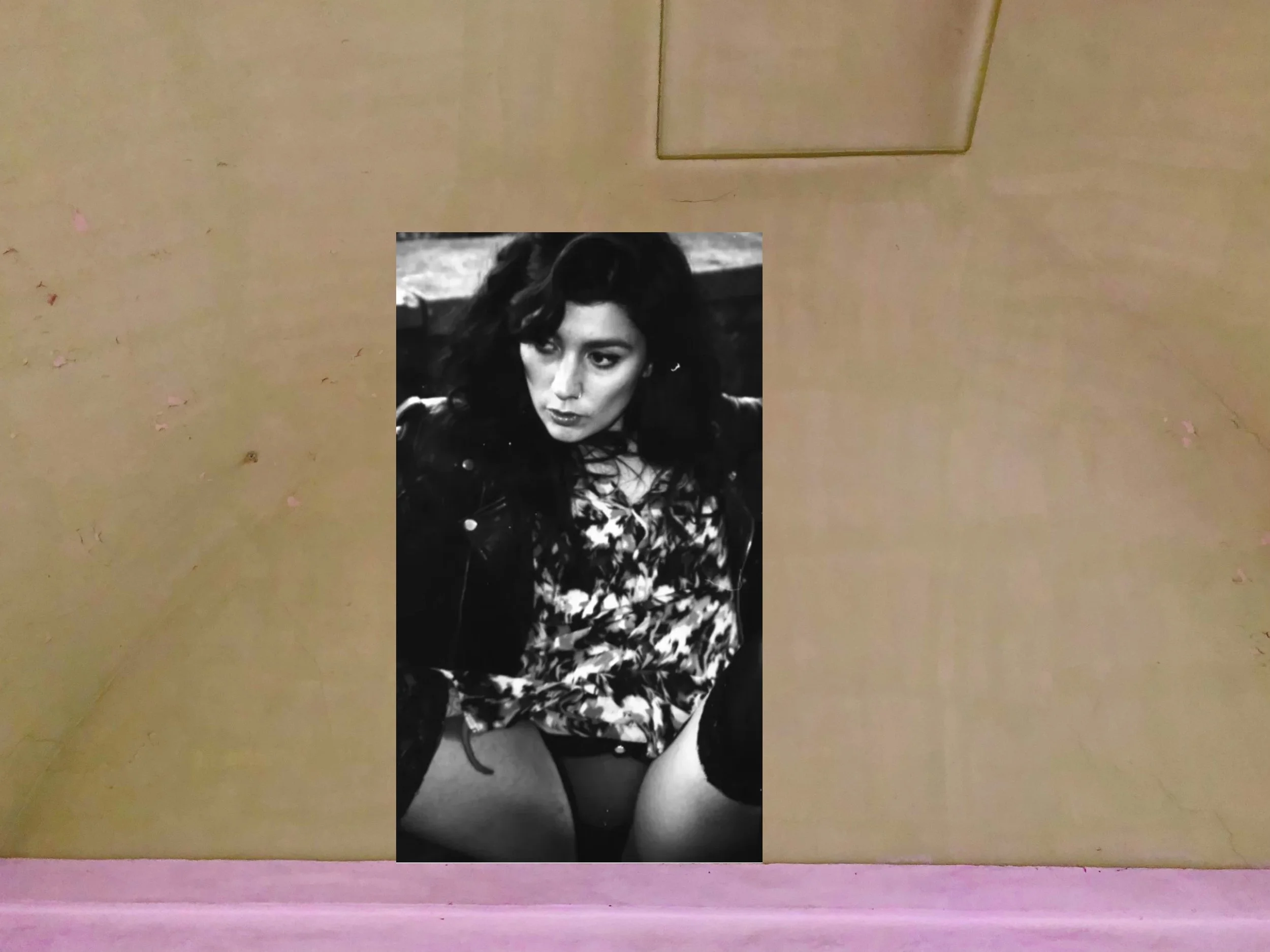
Mayor of a ghost town, but a mayor nonetheless.
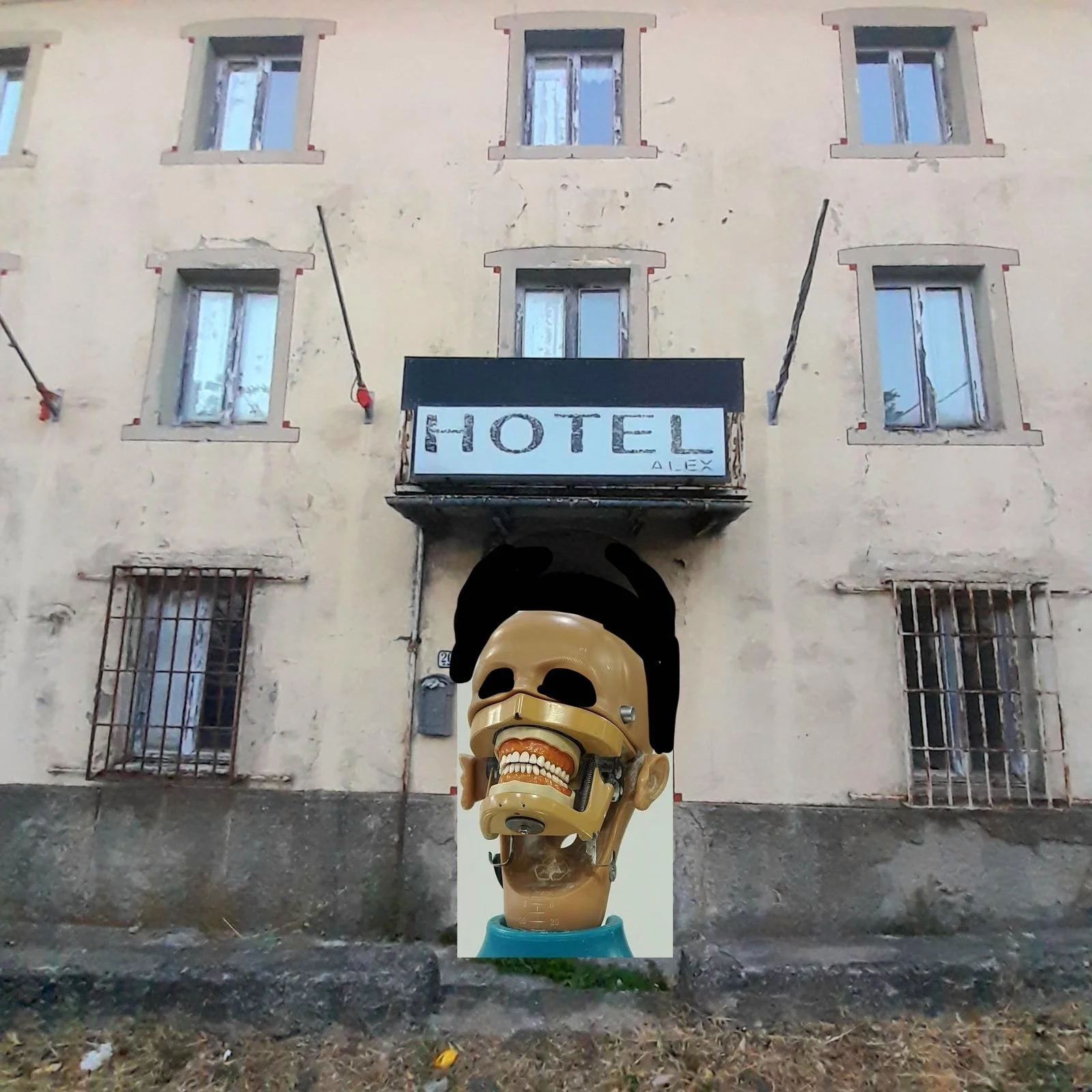

Guest Inquest
A guest came into the Main Office to complain that a chambermaid had groped him.
He claimed to have put the Do Not Disturb tag on the doorknob, but the maid in question had ignored it.
"She burst in as I exited the shower, caught me draped in nought but one of your small, inadequate towels," the guest said. "When I raised my arms in surprise, the towel fell to the carpet. She took advantage of the situation to inappropriately touch me."
"We'll look into the matter, sir," I said, and thought, fink, liar, exhibitionist.

A look into the matter.
Usually, this unpleasant situation is reversed. Chambermaids do a potentially dangerous job. An employee's word versus a paying guest's. Without physical evidence, security camera footage or statements from other guests, there isn't much we can do. We report the incident to the Police, back up the employee should the matter be taken to court, and strongly suggest that the guest in question stay at another hotel next time.
Hotel Management isn't all fun and games.
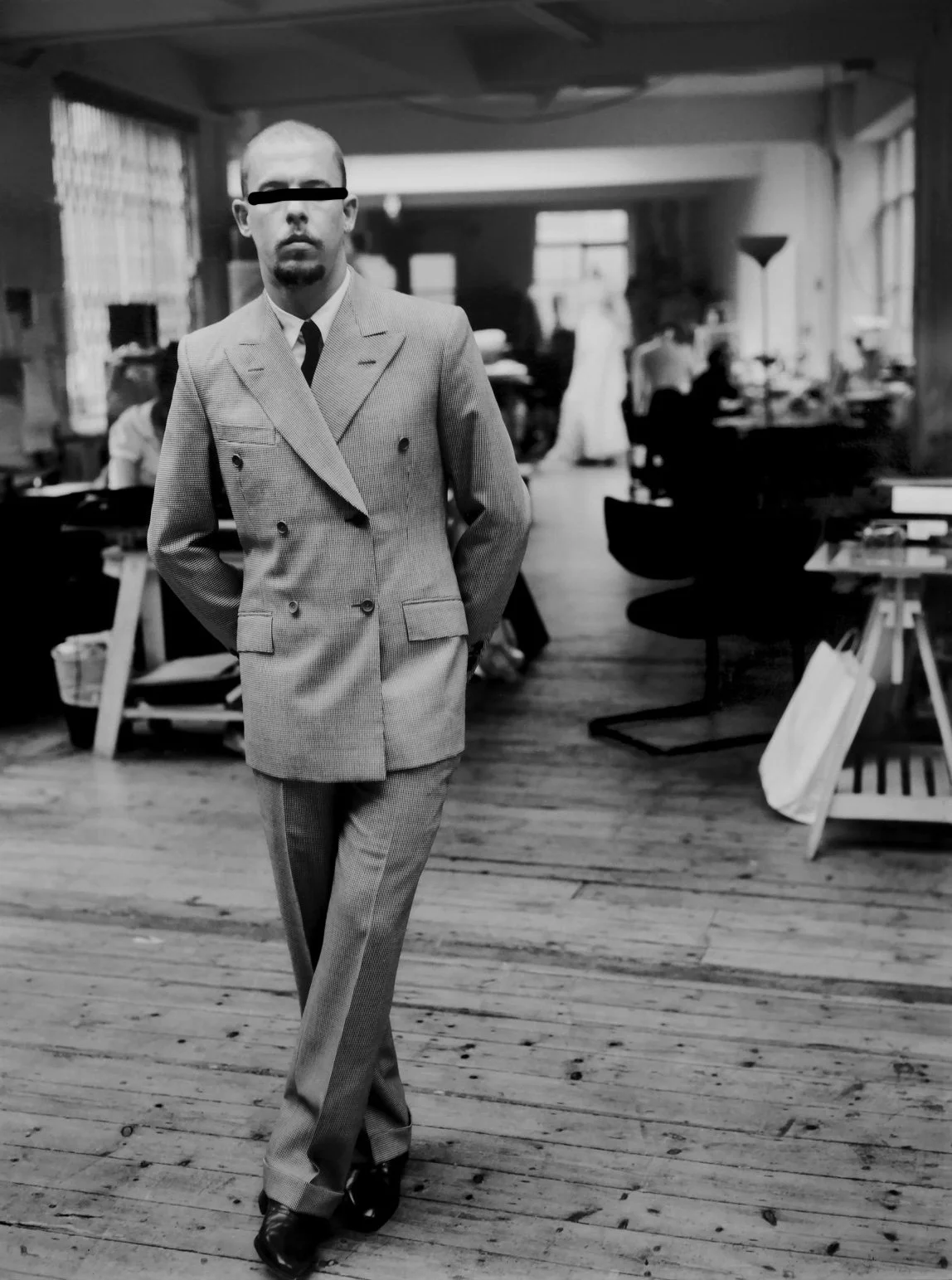
A Hotel Manager has many duties, not all of them pleasant.
The plaintiff was attractive: an athlete, fashion model, or actor.
According to the service roster, the chambermaid responsible for the allegedly offended guest's floor had a long string of Employee of the Month awards. Nonetheless, she was summoned and informed of the accusation. She didn't deny it.
"He dropped his towel on purpose," she said. "All I did was help him recover it."
"You didn't actually touch the guest?"
"Maybe. Inadvertently."
"No DND sign?"
"Might've fallen off. The door wasn't fully closed. Could've been blown away by a draft."
"Take the rest of the day off," I said.
"Thanks a lot. My shift's already over."
She left. She rides a bicycle to and from work.
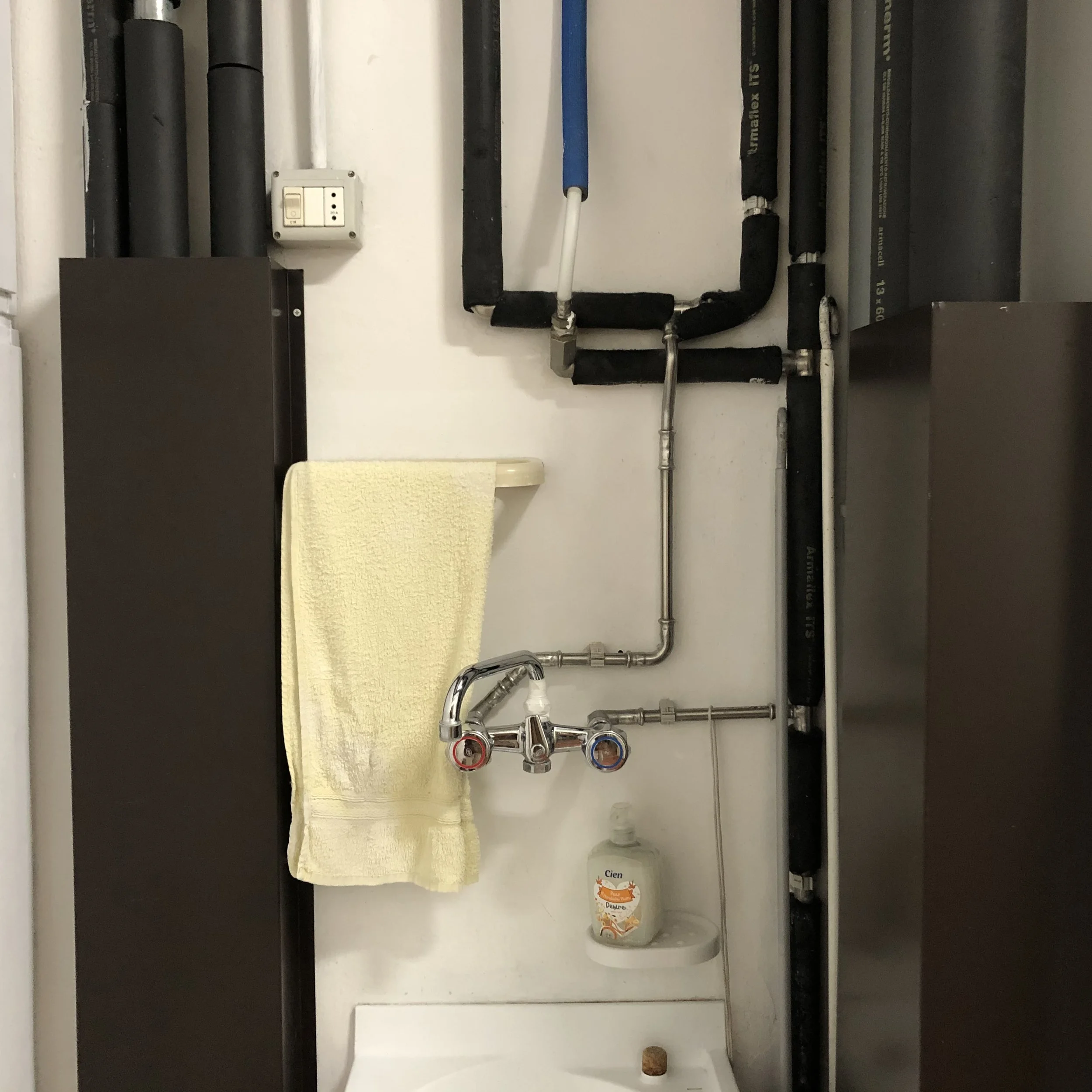
The towel in question was of a pale yellow.
We comped the allegedly fondled guest for his stay. Which, I supposed, was what he was after in the first place. He didn't press charges.
I spent the rest of the afternoon with TV quiz shows. I didn't know any of the answers. Sometimes everything and everyone's wrong. A look and a laugh once sufficed to defuse such scenarios, but it seems no one's willing to take things lightly anymore.
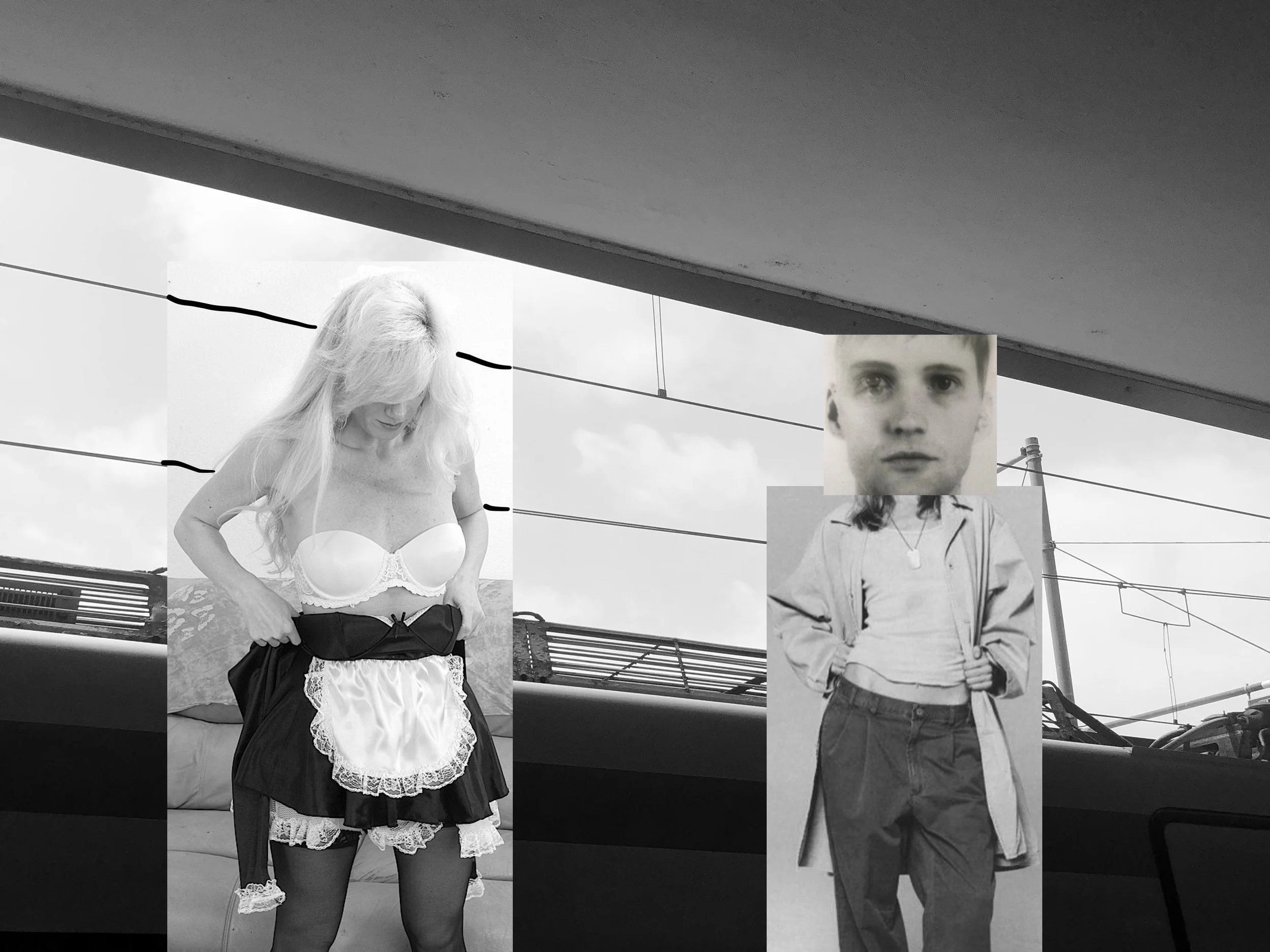
Her word against mine, ha ha ha.
***
Molestie e inchiesta
Un ospite è entrato nell'ufficio manageriale per dire che una cameriera l'aveva palpato.
Ha dichiarato di aver messo il cartellino Non Disturbare sulla maniglia, ma la cameriera non l'aveva rispettato.
"Ha fatto irruzione quando sono uscito dalla doccia, cogliendomi nudo a parte uno dei vostri piccoli e inadeguati asciugamani," ha proseguito l'ospite. "Alzai le braccia per la sorpresa, e l'asciugamano è caduto sulla moquette. Lei ha sfruttato la situazione per toccarmi in modo del tutto inappropriato."
"Tratteremo la vicenda con la massima serietà," dissi, e pensai, spia, bugiardo, esibizionista.
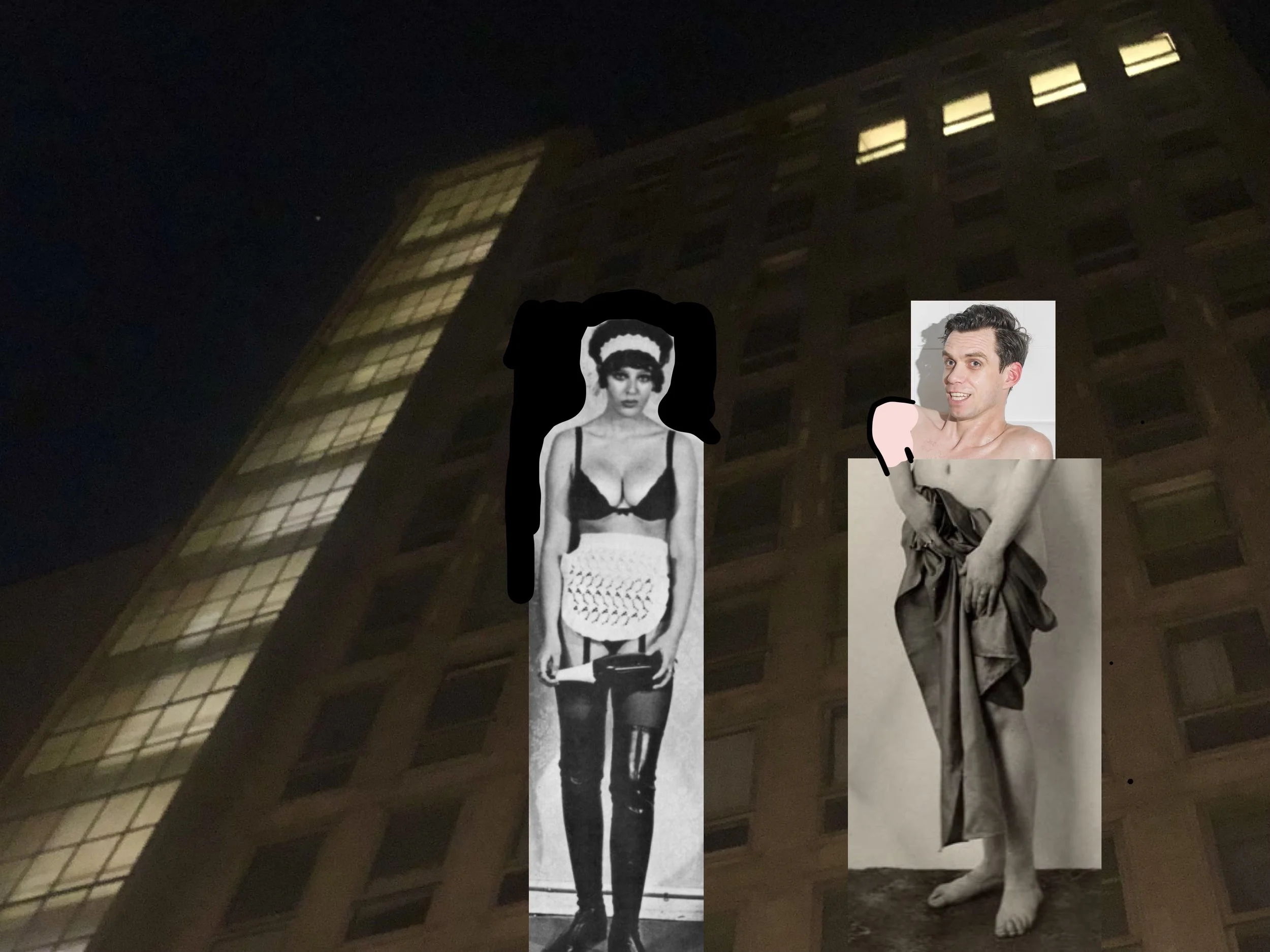
Di solito questa sgradevole situazione è rovesciata. Le cameriere fanno un lavoro potenzialmente rischioso. La parola di una dipendente contro quella di un ospite pagante. In mancanza di prove fisiche, registrazioni dalla telecamere di sorveglianza o dichiarazioni di altri ospiti, non possiamo fare molto. Denunciamo il fatto alla polizia, testimoniamo in favore della dipendente se il caso va in tribunale e suggeriamo all'ospite in questione di soggiornare in futuro ad altri hotel.
La gestione d'hotel non è tutto giochi e divertimenti.

Il manager d’hotel ha molte responsabilità, non tutte gradevoli.
Il querelante era attraente: un atleta, modello o attore.
Secondo l'elenco di servizio la cameriera responsabile per la pulizia del piano dove alloggiava il presunto molestato aveva vinto diverse volte il premio Impiegata/o del mese. Comunque la chiamai in ufficio e la informai dell'accusa. Non la negò.
"L'asciugamano l'ha fatto cadere apposta," disse. "L'ho solo aiutato a recuperarlo."
"Non hai toccato l'ospite."
"Forse. Involontariamente."
"Non era presente il cartellino Non disturbare?"
"La porta della stanza era socchiusa. Può darsi che una corrente l’abbia portato via. "
"Puoi tornare a casa," dissi.
"Oh grazie. Tanto ho già finito il turno."
Se ne andò. Si muove in bicicletta.

L’asciugamano in questione era di un giallo pallido.
Abbiamo annullato il conto dell'ospite presunto offeso. Proprio come avrà voluto in primo luogo, m’immaginai. Non ha denunciato il fatto alle forze dell'ordine.
Passai il resto del pomeriggio a guardare telequiz. Non sapevo neanche una delle risposte. A volte hanno torto tutti. Una volta bastavano uno sguardo e una risata per sdrammatizzare tali storie, ma oramai nessuno sembra più disposto alla leggerezza.
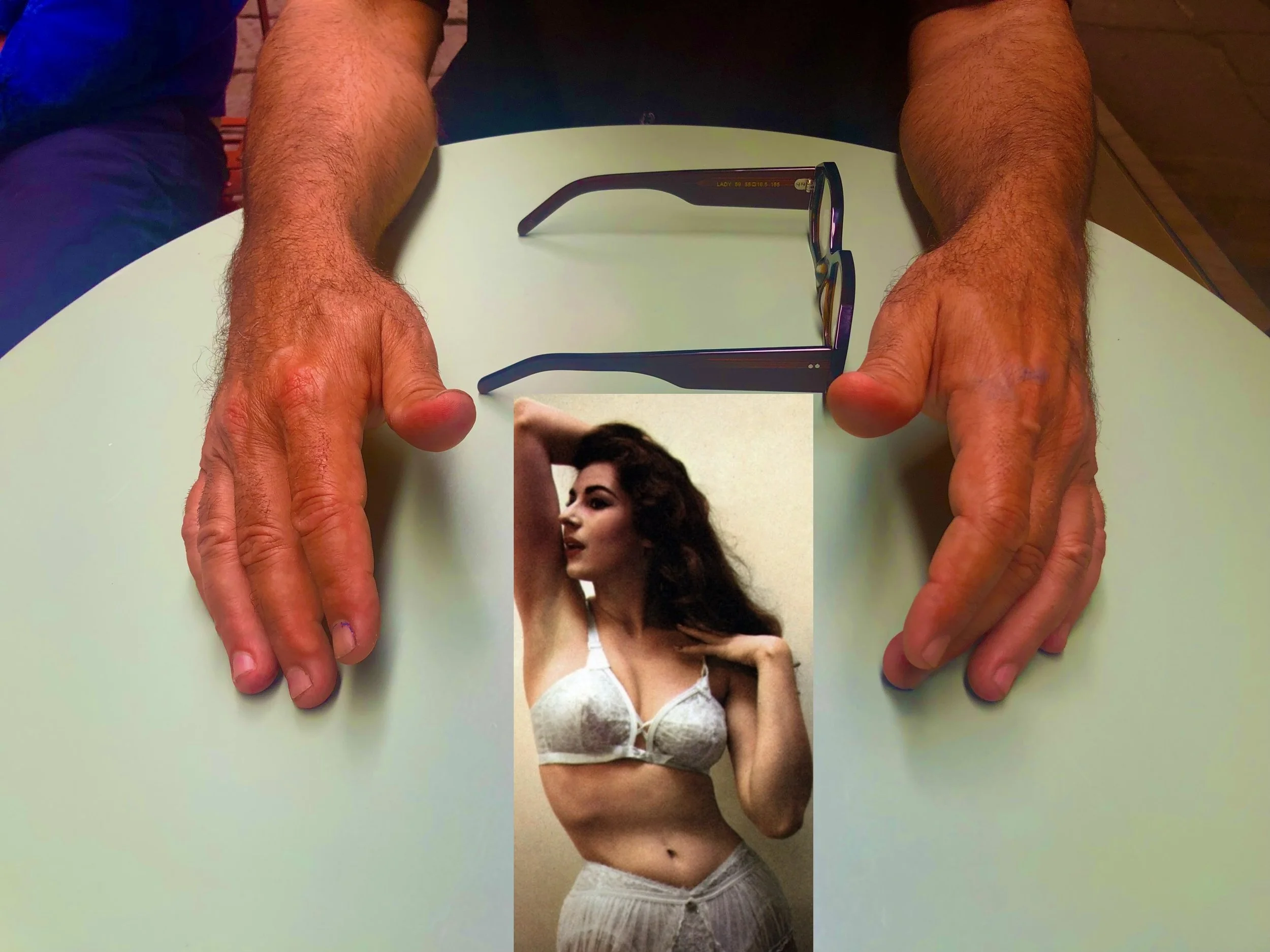
Un tocco leggero non è più ammissibile.

Hôtel de la Danse
« Attends un peu, mec. T'as pas vu le panneau ? Cet endroit est réservé aux danseurs. Alors, casse-toi. Ou mets-toi à danser. »
In other words, "Just a minute there, bub. Didn't you see the sign? This joint is strictly Dancers Only. So get lost. Or dance."
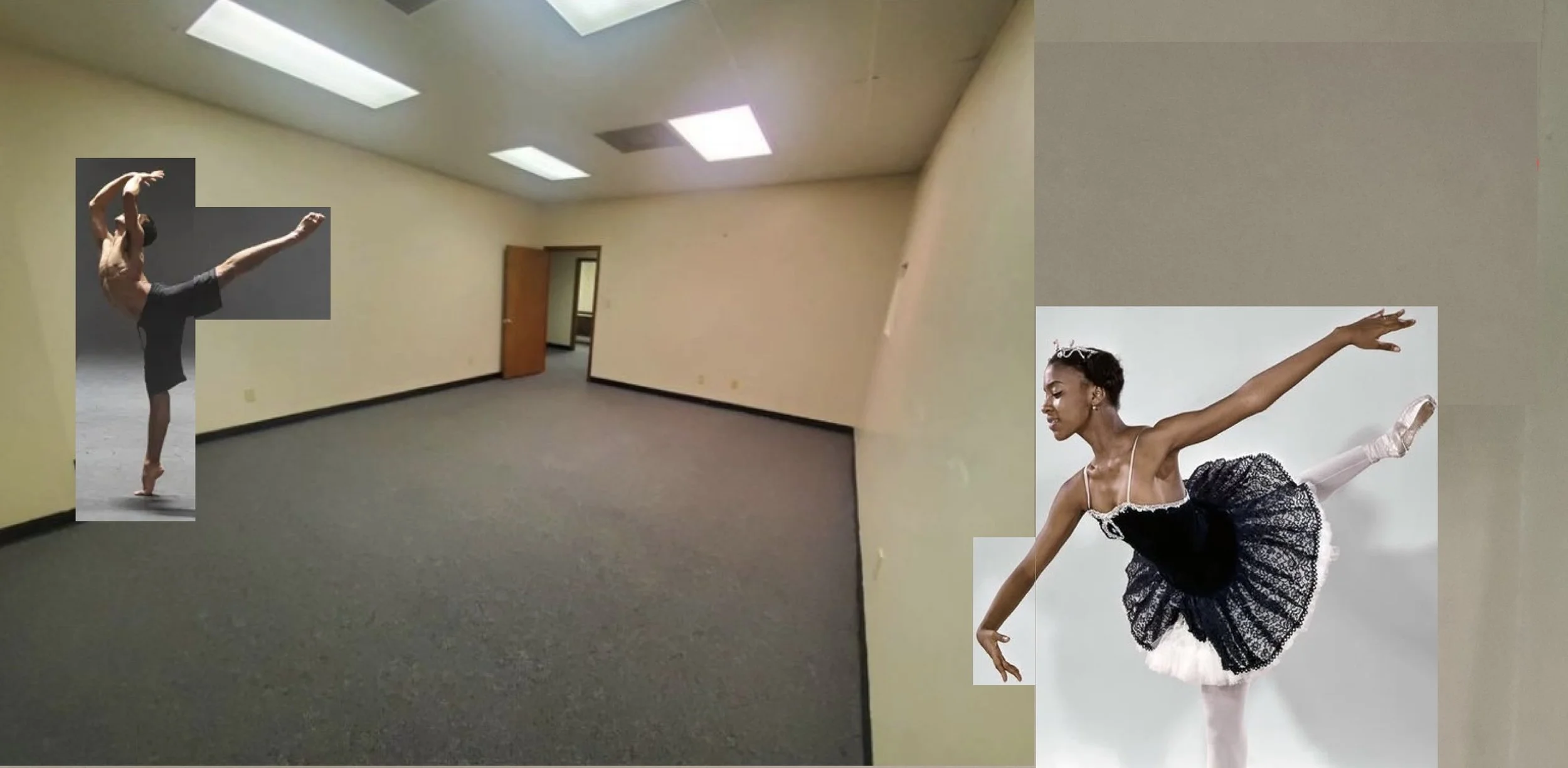
A venerable hôtel particulier in Charleroi, Belgium, once the residence of a Ballet Legend, has become an informal retirement home for decrepit dancers, and a clandestine hostel/rehearsal space for younger ones.
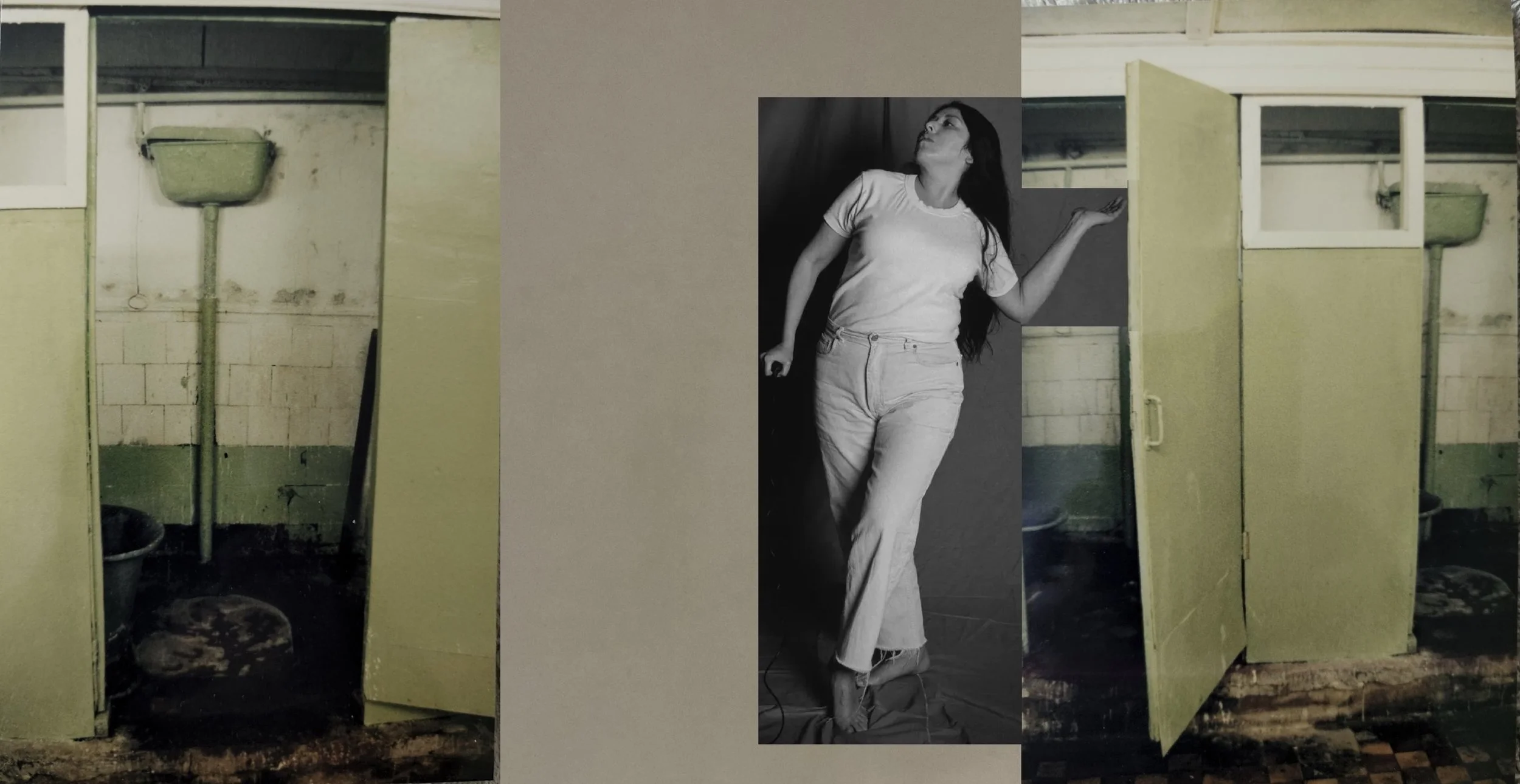
"Modern dance isn't, as some think, a rebellion against classical ballet," says Nadège, a free-form performer who eschews tutus and toe-shoes. "If anything it's a step backwards in dance-time, to when we were animals and tree-spirits."
"A tree is a metaphor for our art," says her friend and co-performer Ghislaine. "Its roots are deep in the earth, its branches spread, and when the fall comes, the leaves wither and return to the earth."
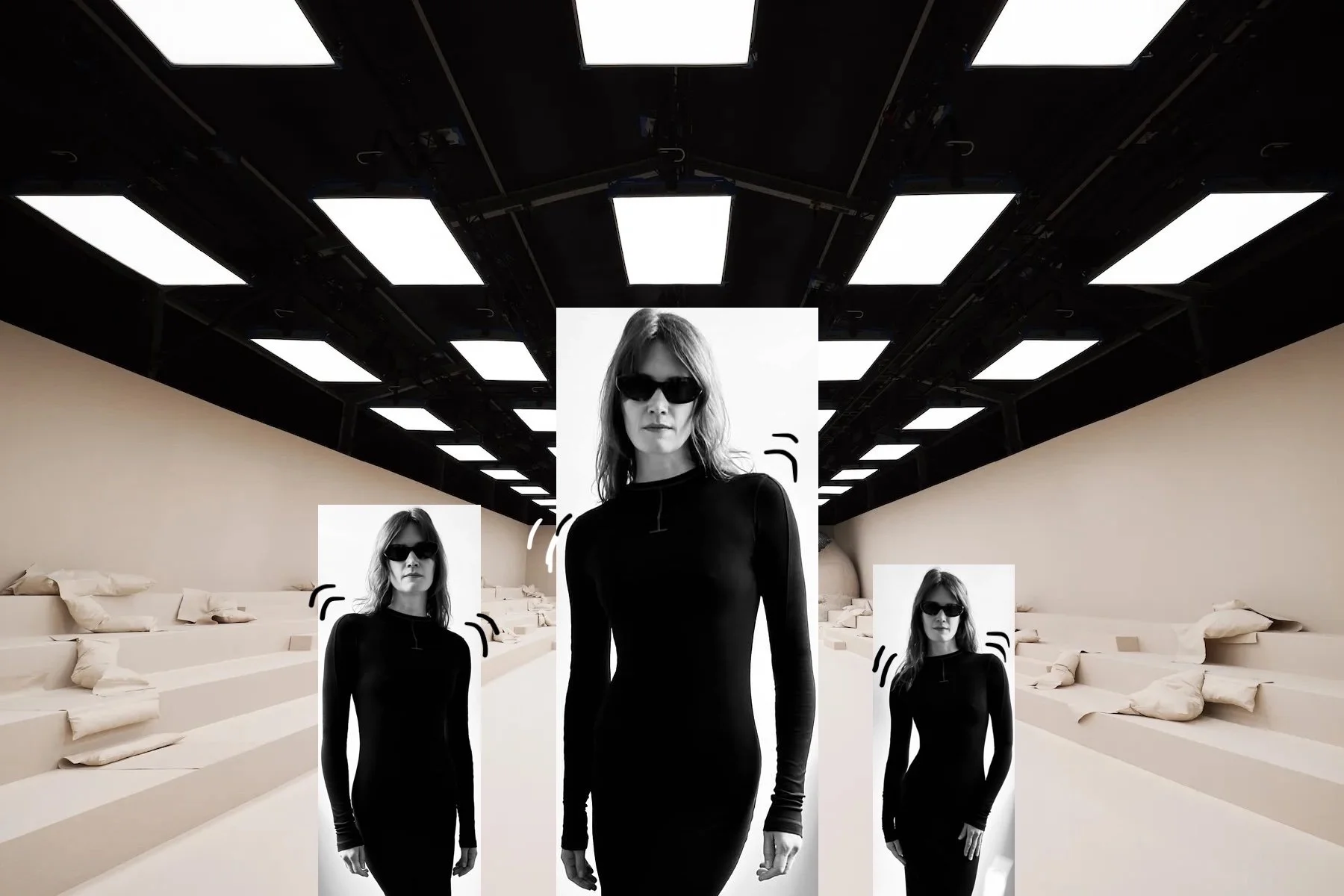
"Bodies flow through the lobby and all the floors in a continuous free-form interpretive dance," the Manager said. "We don't ask our guests for ID. We don't ask them anything. Except for a little money, if they have any to spare."

The Manager, and his assistant Béatrice, welcome you.
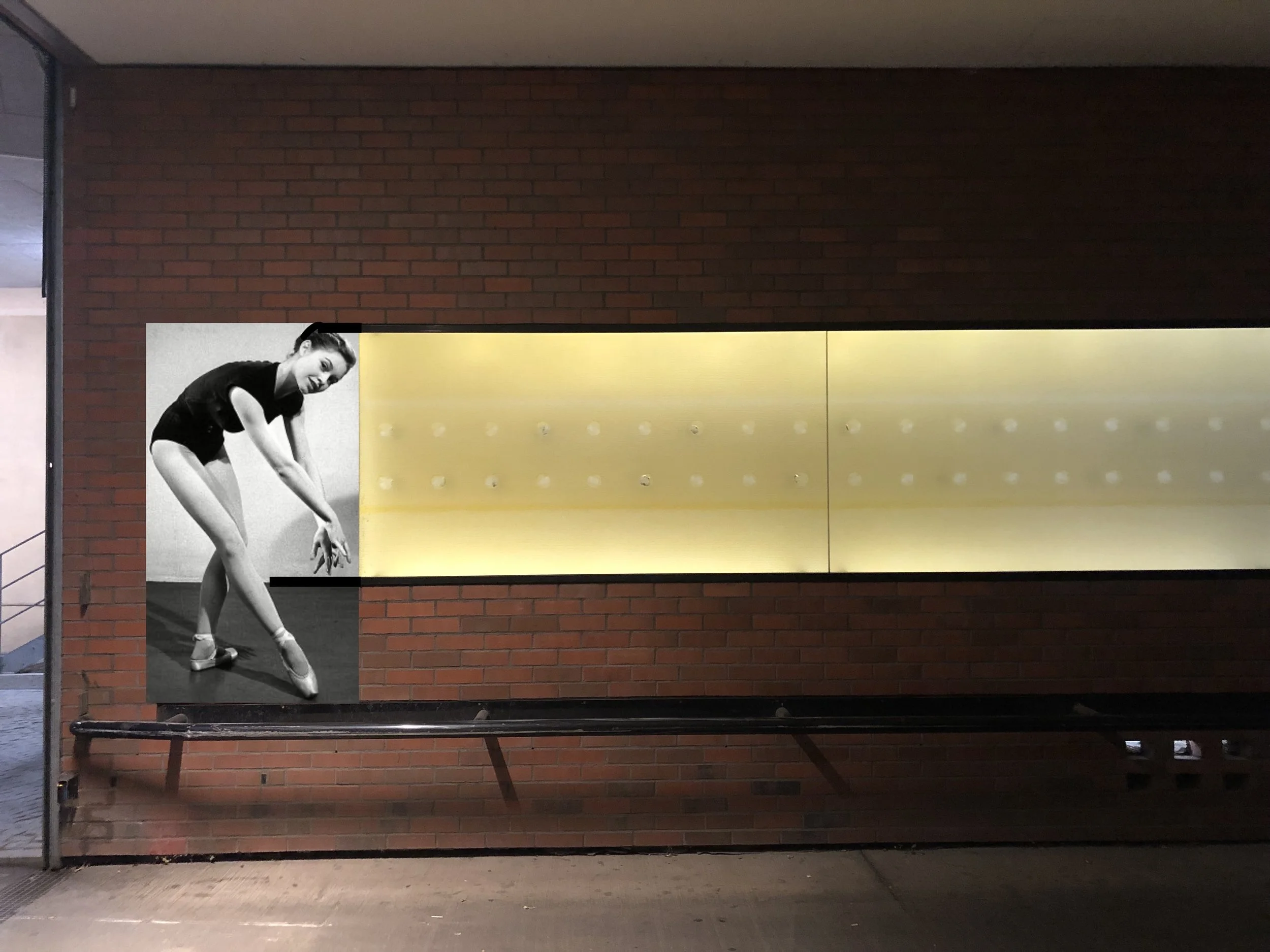
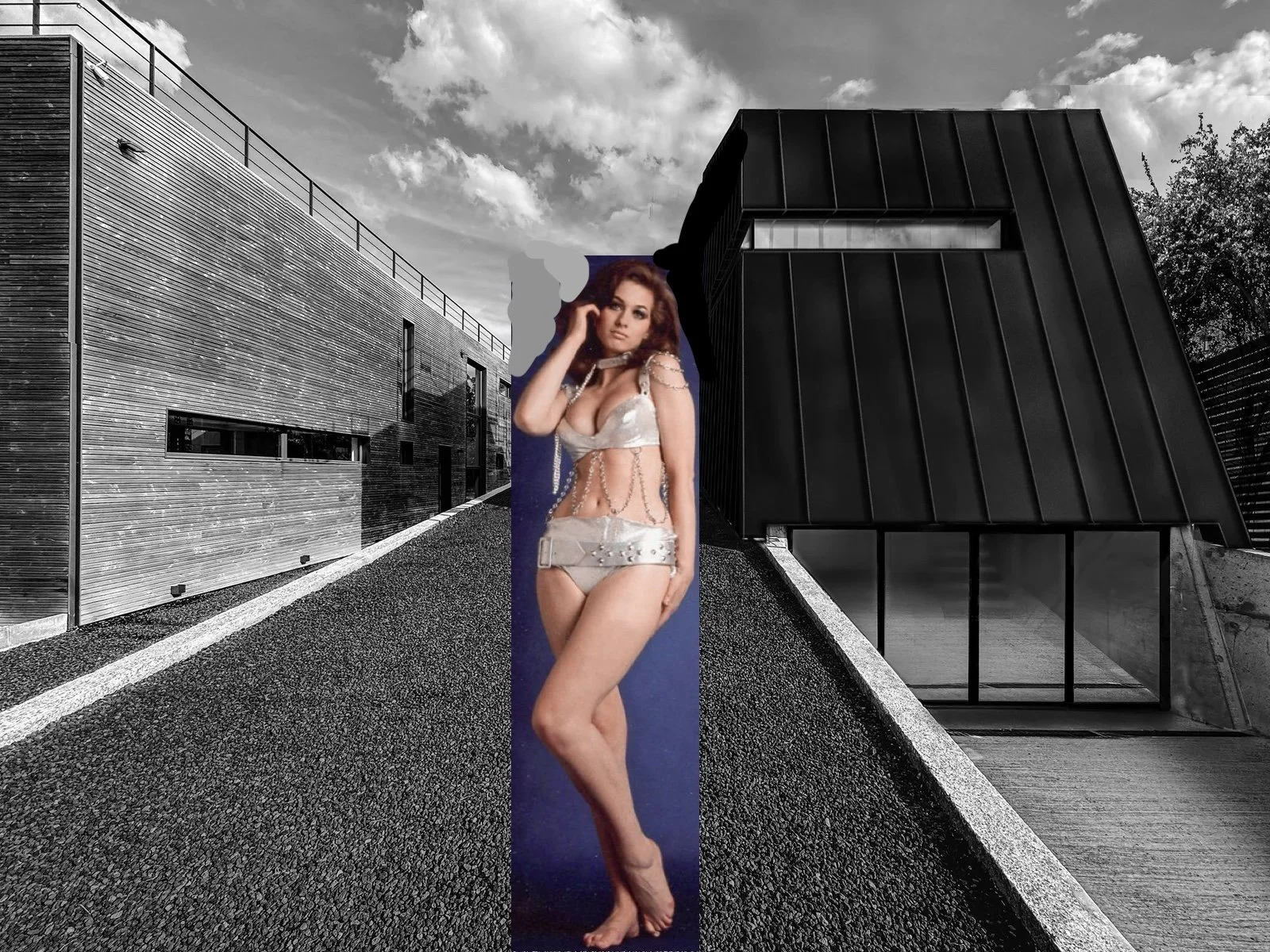
A hotel is a metaphor for the dance. The public comes and goes. Agile, graceful hotel workers go through their painful routines with a smile (in hopes of gratuities), others work behind the scenes, unseen.

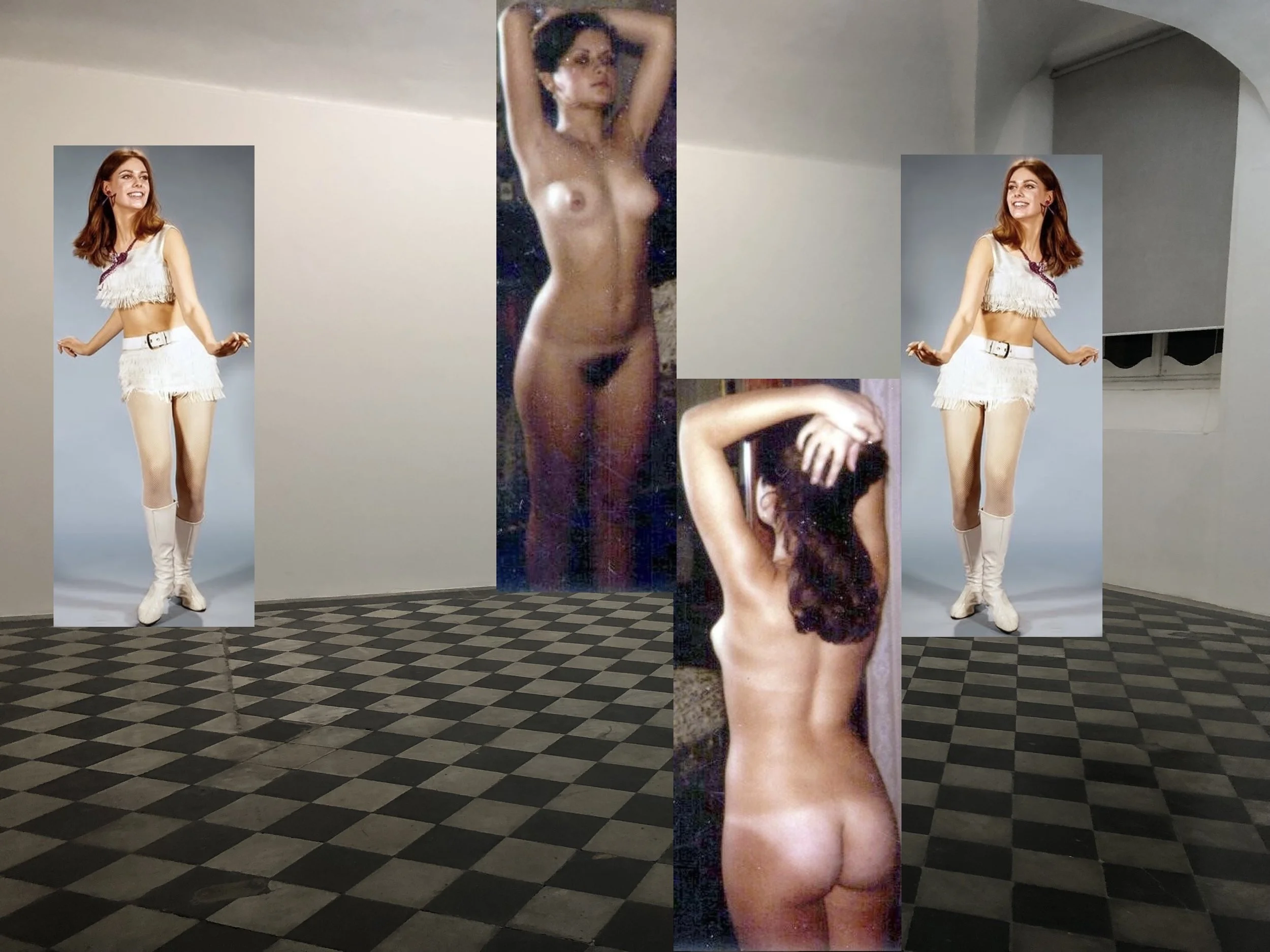
Ghislaine (l) in the 6th, Nadège (r) in the 9th position, pictured with a Modern Dance patron.
***
Hôtel de la Danse
« Attends un peu, mec. T'as pas vu le panneau ? Cet endroit est réservé aux danseurs. Alors, casse-toi. Ou mets-toi à danser. »
In altre parole, "Aspetta un attimo, amico. Non hai visto l'insegna? Questa stamberga qui è riservata ai ballerini. Quindi sparisci. Oppure danza."
Un venerabile hôtel particulier a Charleroi, nel Belgio, una volta la dimora di una leggenda del balletto classico, ora si è trasformato in una informale casa di riposo per ballerini decrepti, e un ostello/sala prove clandestino per quelli più giovani.
"La danza moderna non è, come si suol pensare, una ribellione contro le forme classiche del balletto," dice Ghislaine, una performer a corpo libero che si astiene da tutù e le scarpette per stare en pointe. "Semmai è una retrogressione a quei tempi in cui eravamo animali e spiriti degli alberi."
"Un albero è una metafora della nostra arte," dice Nadège, sua amica e co-performer. "Le sue radici sono nel profondo della terra, i suoi rami si espandono e quando cambia la stagione le foglie si appasiscono e cadono a terra."

Un trio di veterani del Ballet accoglie una cubista. Alla fine, sono colleghi.
"Corpi umani fluiscono per la hall e per tutti i piani in una continua danza interpretativa," disse il Manager. "Non chiediamo ai nostri ospite di fornire documenti. Non gli chiediamo niente, a parte un po' di soldi, se ne hanno da darci."
L'hotel è una metafora per la danza. Il pubblico va e viene. Lavoratori d'albergo agili e graziosi ripetono le loro dolorose routine e sorridono (sperando per una mancia), altri lavorano dietro le quinte, invisibili e non visti.


Moe & Joe
Two WW2 veterans talk about the night of their lives.
New York, Dec 31, 1945
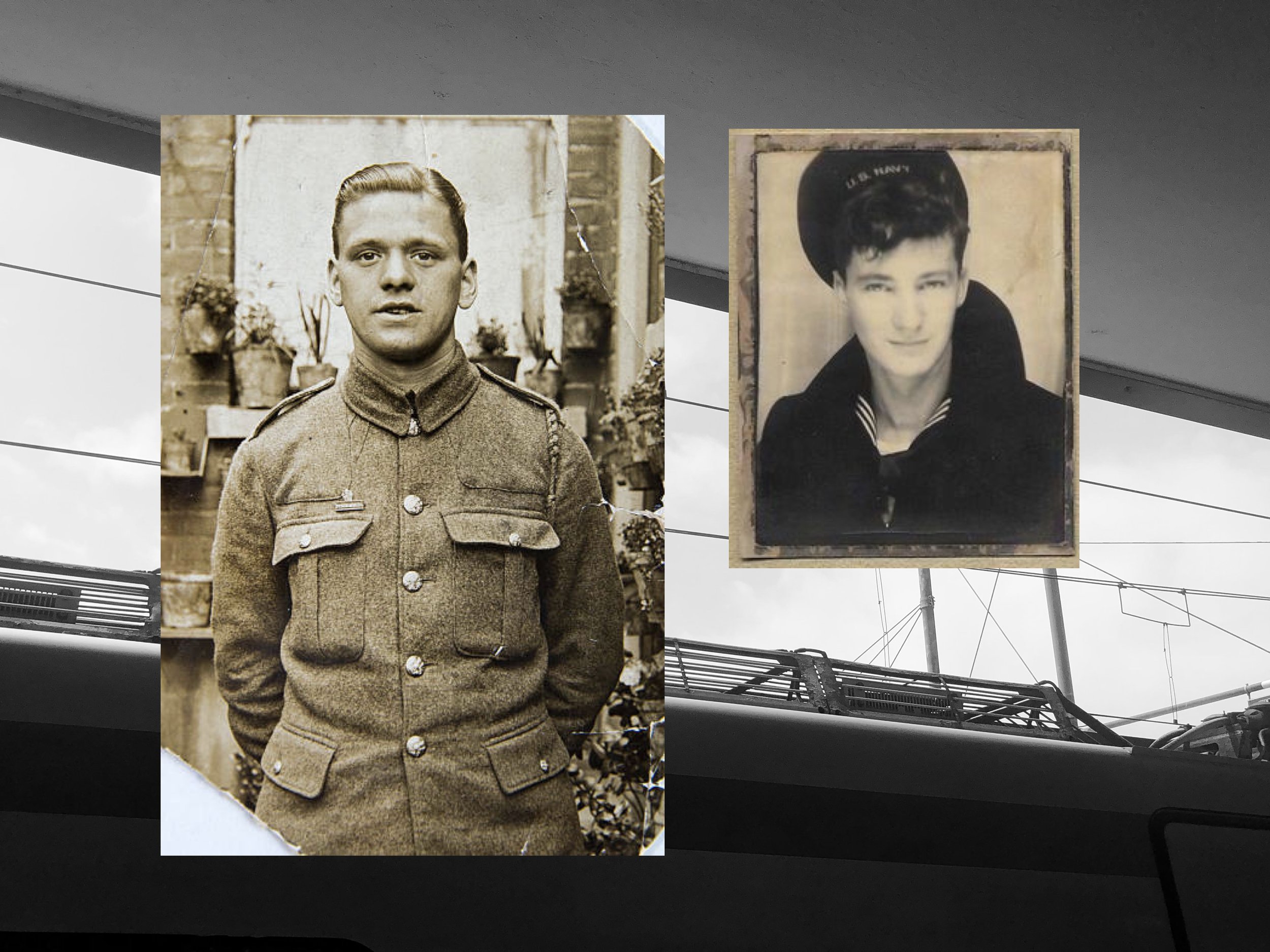
Moe (r) and Joe (l)
Moe: We knew things were winding down over there in Europe, but they were still shooting, and how. I'd be lying if I said I wasn't scared, that I knew I'd come home safe. All the bets were off. Hitler had new jet 'planes, and practically an atomic bomb. That's all me and the other guys talked about. So when we got to New York, ready to ship out, we decided to talk about other stuff. Like, getting some human-type action before Uncle Sam sent us into combat across the Atlantic.
Joe: I'm from Greenpoint, the Navy Yard, which is the last exit to Brooklyn, if you're on a train on its way into Manhattan. Which I was, on that wild evening. Military Intelligence, that old oxy-moron, figured I'd be more useful in the Pacific. I was looking at a lo-o-ong train ride to San Pedro the next morning, and I thought the trip'd go quicker with a hangover and some happy memories.
Moe: We stuffed our whole platoon into a single room at this towering Times Square hotel. We weren't planning to sleep, anyway. Just needed a place to leave our stuff while we caroused the area. Cost us a buck each. We had plenty of money, and no plans to save any of it. A glass of beer cost a quarter back then.
Joe: For some dumb reason, Marines are supposed to be the mortal enemies of us Navy gobs. Fights broke out between gangs of kids in uniform who were about to leave their country and most likely die. I guess we thought that's just what men did.
Moe: My secret hope was to meet a girl. We'd talk, kiss, promise each other all kinds of things for when the war was over. Someone to send postcards to, and get letters from, with pictures. That didn't happen. The other guys were looking for sailors to beat up, and I went along. We couldn't even find a whorehouse in Times Square, that's how green we were.
Joe: I don't know how things got so mixed up. I'd been on the tail of a bunch of young ladies who seemed eager to usher in the Victory Year, and next thing I knew I was in a room jam-packed with Marines. Must've been the beer. Nothing but jarheads between me and the door, or me and the window, and from the view I could tell it'd be a long way down. I figured I'd better get out of uniform fast, before someone turned on the light.
Moe: Joe stood out, in that crowd. He caught the way I looked at him, and got scared. He shot me a look that said, please don't snitch me out. I answered with a reassuring wink. What we all learned is, out of uniform, we're all the same, all brothers. Wish everyone had figured that out before the war started.
Joe: Got drunk, and never found a girl...but it was good to know I had a friend over there where the fight was finished. We had a ways to go in the Pacific, but we knew it wouldn't be long. I was on an aircraft carrier at anchor not too far from Nagasaki. We saw the end of the war, and how the world might end, if we don't all try to get along.
***
Joe & Moe
Due veterani della Seconda Guerra Mondiale parlano di una notte particolare.
New York, 31 dicembre, 1945
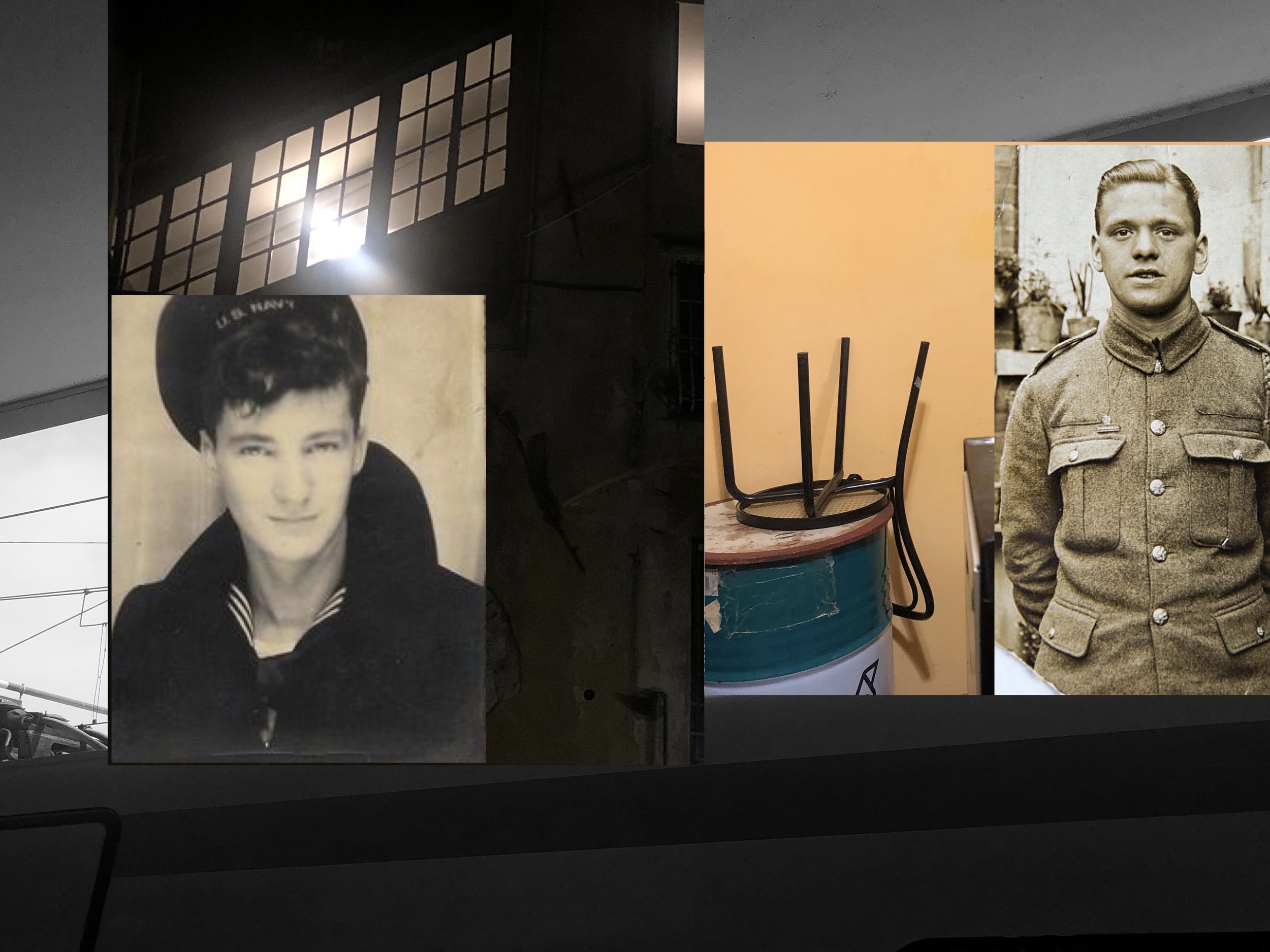
Joe (a sinistra) e Moe
Joe: Sapevamo che là in Europa la guerra era agli sgoccioli, ma si sparava ancora, eccome. Starei mentendo se dicessi che non avevo paura, che sapevo che sarei tornato a casa tutto d'un pezzo. Non c'erano sicurezze. Hitler aveva nuovi aerei a reattore, e quasi la bomba atomica. Assieme agli altri ragazzi si parlava solo di questo. Quindi quando ci trovammo a New York per essere spediti via mare a combattere, decidemmo di parlare d'altro. Tipo, fare un po' di baldoria.
Moe: Sono di Greenpoint, ultima fermata a Brooklyn, se sei su un treno della metropolitana diretto a Manhattan. Com'ero io, quella pazzesca serata. L'intelligenza militare, quel vecchio ossimoro, ha pensato che sarei stato più utile nel Pacifico. L'indomani mi riservava un lunghissimo viaggio in treno fino a San Pedro, e pensavo che sarebbe passato meglio con una sbornia e qualche bel ricordo.
Joe: Abbiamo stipato l'intero plotone dentro una stanza singola in un enorme hotel a Times Square. Tanto non intendevamo dormire. Era solo un posto dove lasciare la roba mentre perlustravamo la zona per donne e alcol. Abbiamo pagato un dollaro a testa, ricordo. Eravamo pieni di soldi e senza alcuna voglia di risparmiare. Un bicchiere di birra costava venticinque centesimi in quegli anni.
Moe: Per qualche stupido motivo, i Marines sarebbero i nemici mortali di noi marò. Si scatenavano risse tra gruppi di ragazzi in divisa che stavano per lasciare le proprie terre, probabilmente anche per morire. Magari pensavamo che era da uomini comportarsi così.
Joe: In segreto speravo di incrociare una ragazza seria. Avremmo parlato, ci saremmo baciati e promessi tante cose per quando finiva la guerra. Volevo avere qualcuno a cui mandare cartoline, e da cui ricevere lettere, magari con delle foto intime. Ma non successe. Gli altri cercavano marinai per pestarli, e io stetti al gioco. Non siamo riusciti a trovare un bordello nemmeno a Times Square, tanto eravamo inesperti.
Moe: Non so come sono finito in un tale pasticcio. Stavo pedinando un gruppetto di giovani donne avide di festeggiare l'anno della vittoria, ma mi ritrovai in una stanza piena fino al soffitto di Marines. Sarà stata la birra. Non c'era altro che Marines tra me e la porta e me o la finestra, e si vedeva che eravamo parecchio in alto. Dovevo togliermi in fretta la divisa, prima che qualcuno accendesse la luce.
Joe: Moe si faceva notare. Si accorse di come lo scrutavo. Spaventato, mi guardò come per dire, non tradirmi. Risposi strizzando l'occhio. Ciò che abbiamo imparato tutti è che senza la divisa siamo tutti uguali. tutti fratelli. Magari l'avessero capito tutti, prima che iniziasse la guerra.
Moe: Mi sono ubriacato e non ho trovato una ragazza, ma era bello sapere che avevo un amico là dove la guerra era già finita. Nel Pacifico restava parecchio da fare, ma sapevamo che sarebbe durato poco. Ero a bordo di un portaerei all'ancora non lontano da Nagasaki. Abbiamo visto la fine della guerra, e anche come può finire il mondo se non cerchiamo tutti di andare meglio d'accordo.

The Towers of Inferno
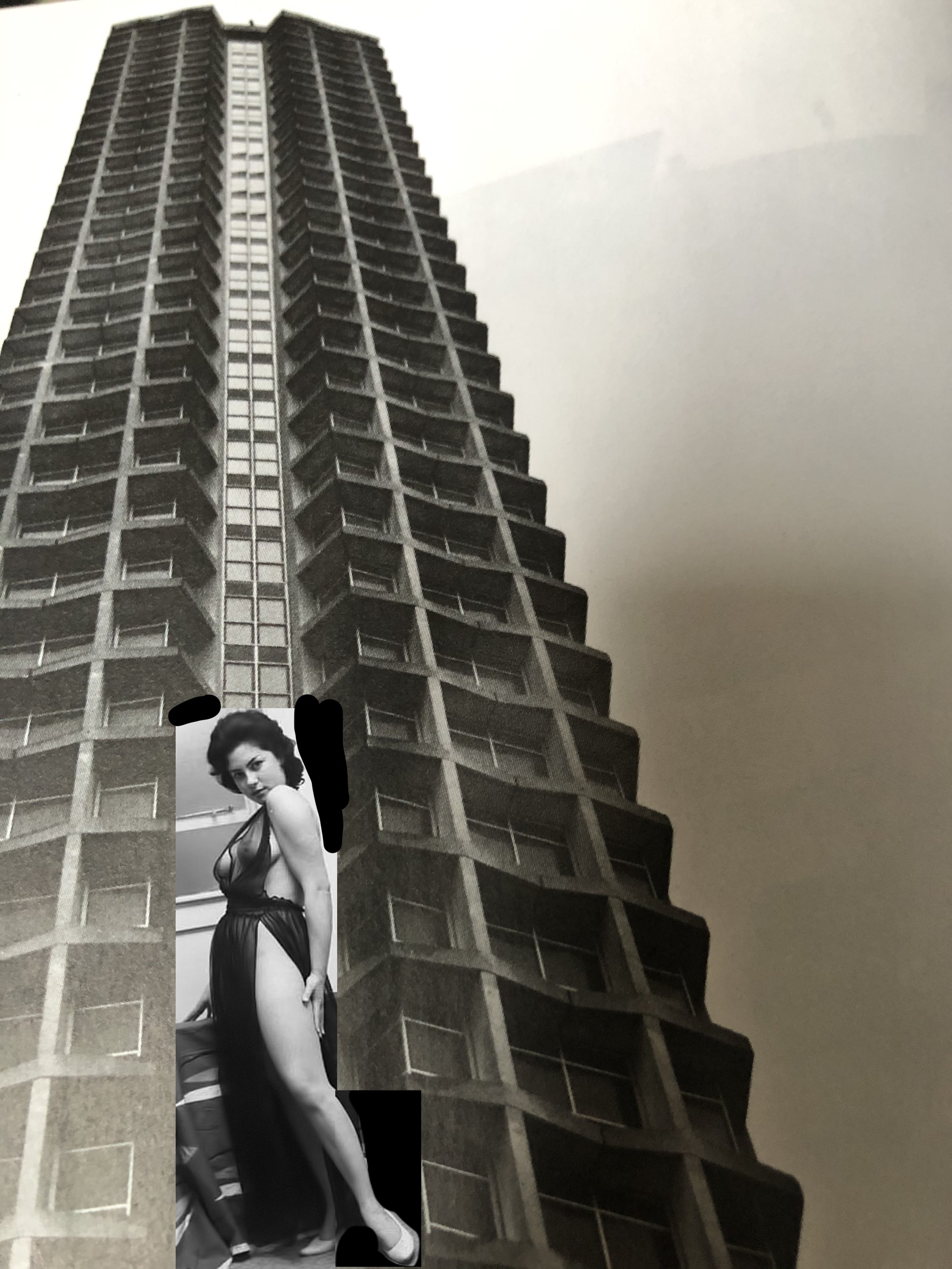
The Billionairs Only hotel towers grow higher, and multiply.
Humanity shrinks.


Le torri infernali

Le torri degli Hotel per soli miliardari torreggiano sempre di più e si moltiplicano.
L'umanità rimpicciolisce.


